In Discovery Interrogatories For Divorce

Description
Get your form ready online
Our built-in tools help you complete, sign, share, and store your documents in one place.
Make edits, fill in missing information, and update formatting in US Legal Forms—just like you would in MS Word.
Download a copy, print it, send it by email, or mail it via USPS—whatever works best for your next step.
Sign and collect signatures with our SignNow integration. Send to multiple recipients, set reminders, and more. Go Premium to unlock E-Sign.
If this form requires notarization, complete it online through a secure video call—no need to meet a notary in person or wait for an appointment.
We protect your documents and personal data by following strict security and privacy standards.

Make edits, fill in missing information, and update formatting in US Legal Forms—just like you would in MS Word.

Download a copy, print it, send it by email, or mail it via USPS—whatever works best for your next step.

Sign and collect signatures with our SignNow integration. Send to multiple recipients, set reminders, and more. Go Premium to unlock E-Sign.

If this form requires notarization, complete it online through a secure video call—no need to meet a notary in person or wait for an appointment.

We protect your documents and personal data by following strict security and privacy standards.
Looking for another form?


Form popularity
FAQ
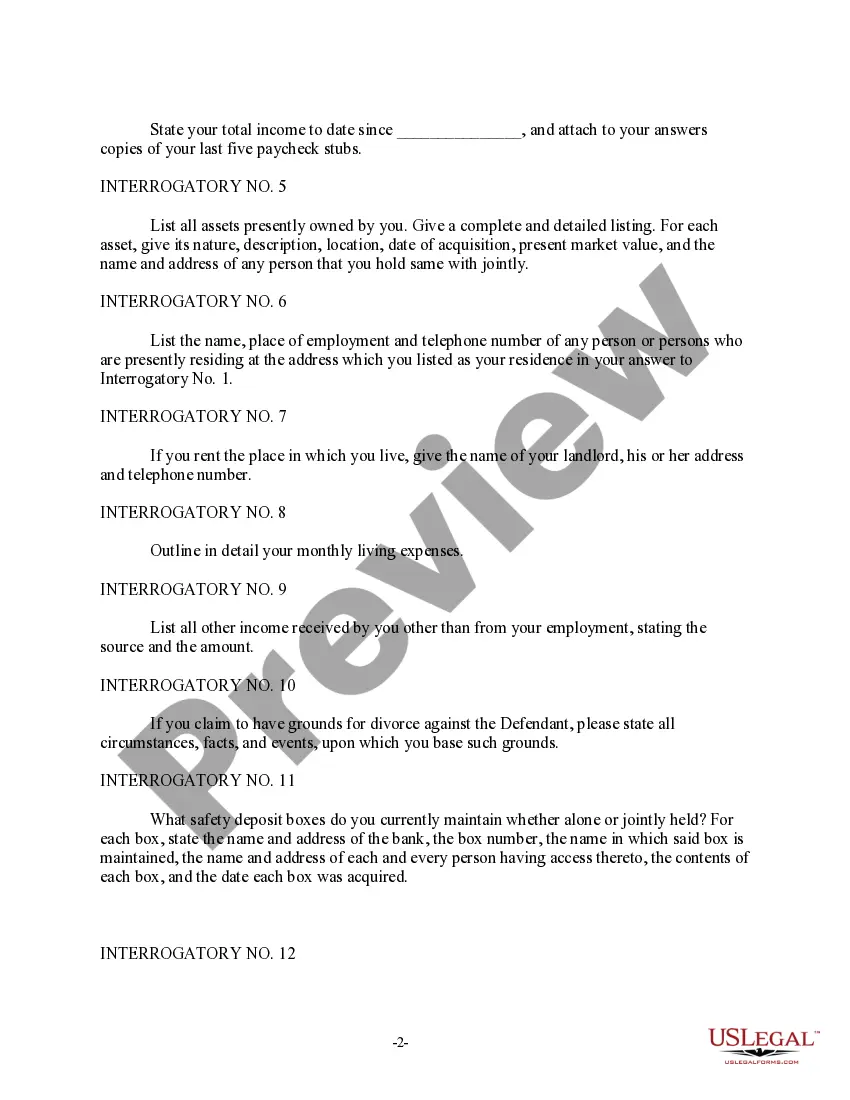
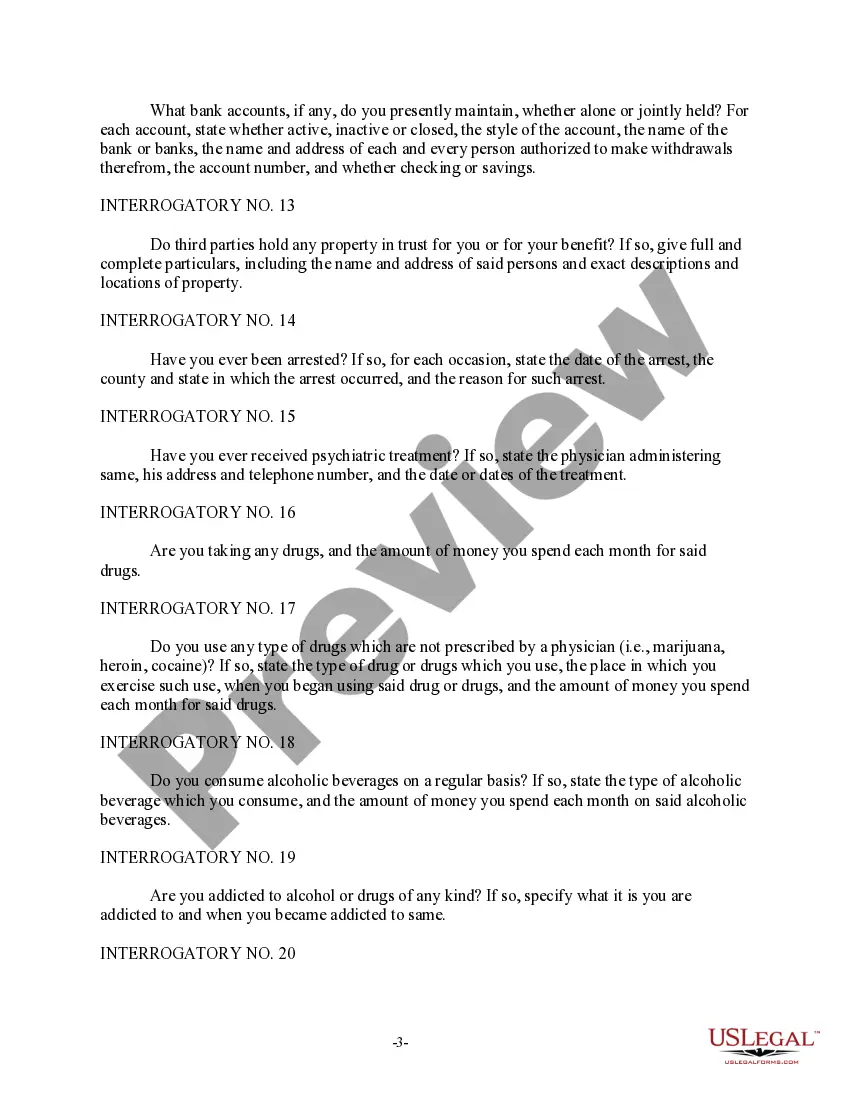
It is common for discovery interrogatories for divorce to include personal questions, but these must stay within reasonable limits. While you may feel uncomfortable answering certain questions, keep in mind that they aim to reveal facts that impact the divorce outcome. Engaging in forums like Divorce Reddit can offer insights and shared experiences on this topic, helping you navigate any uncomfortable queries.
Discovery in a divorce can typically go back several years, depending on the specific circumstances. The courts often allow requests for information that extend to the time period relevant to asset division, support obligations, or parenting issues. Generally, the scope can cover up to five years back, but it varies by state and the relevance of the information requested in discovery interrogatories for divorce.
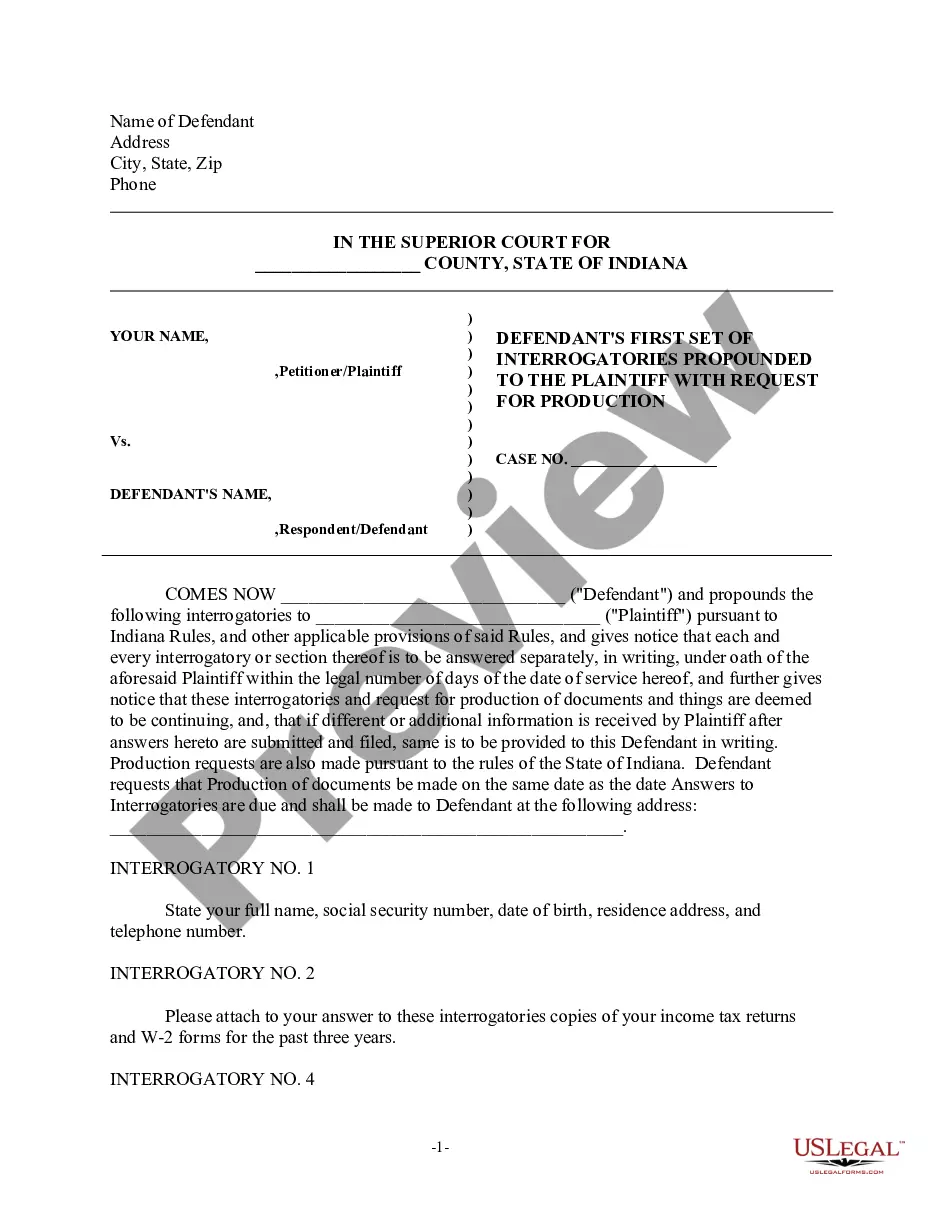
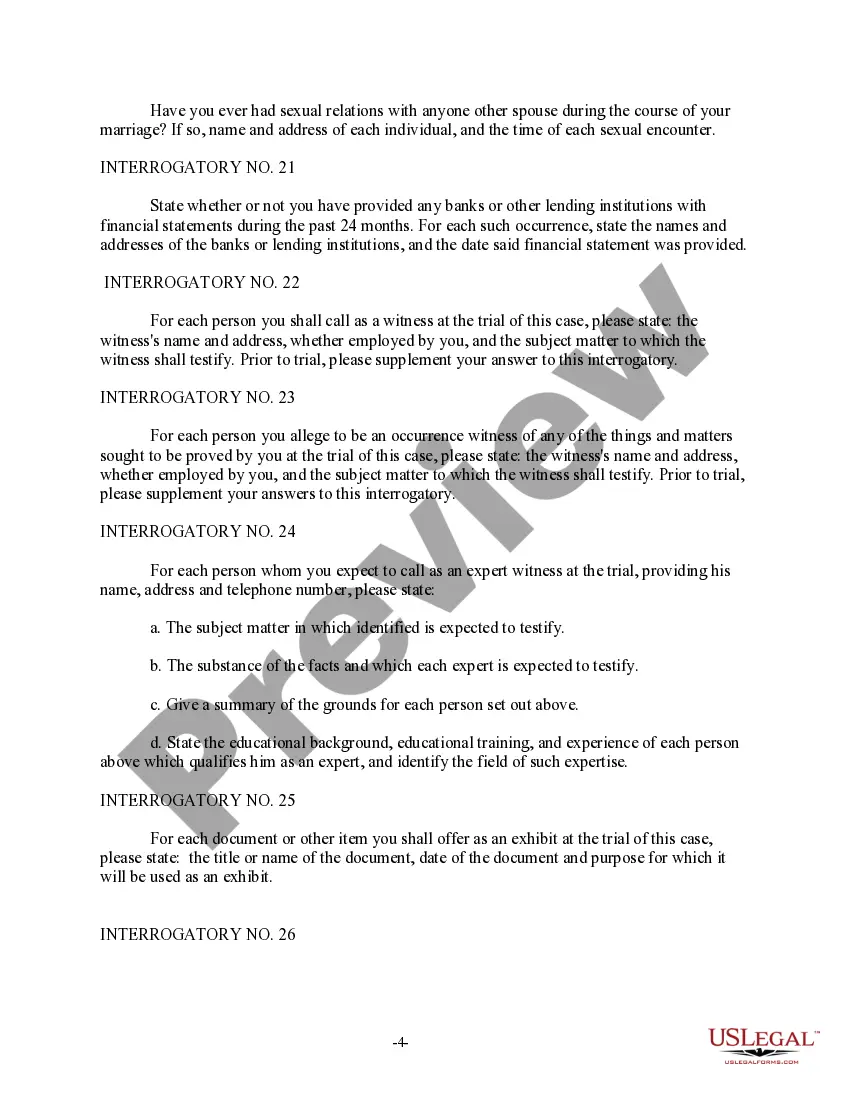
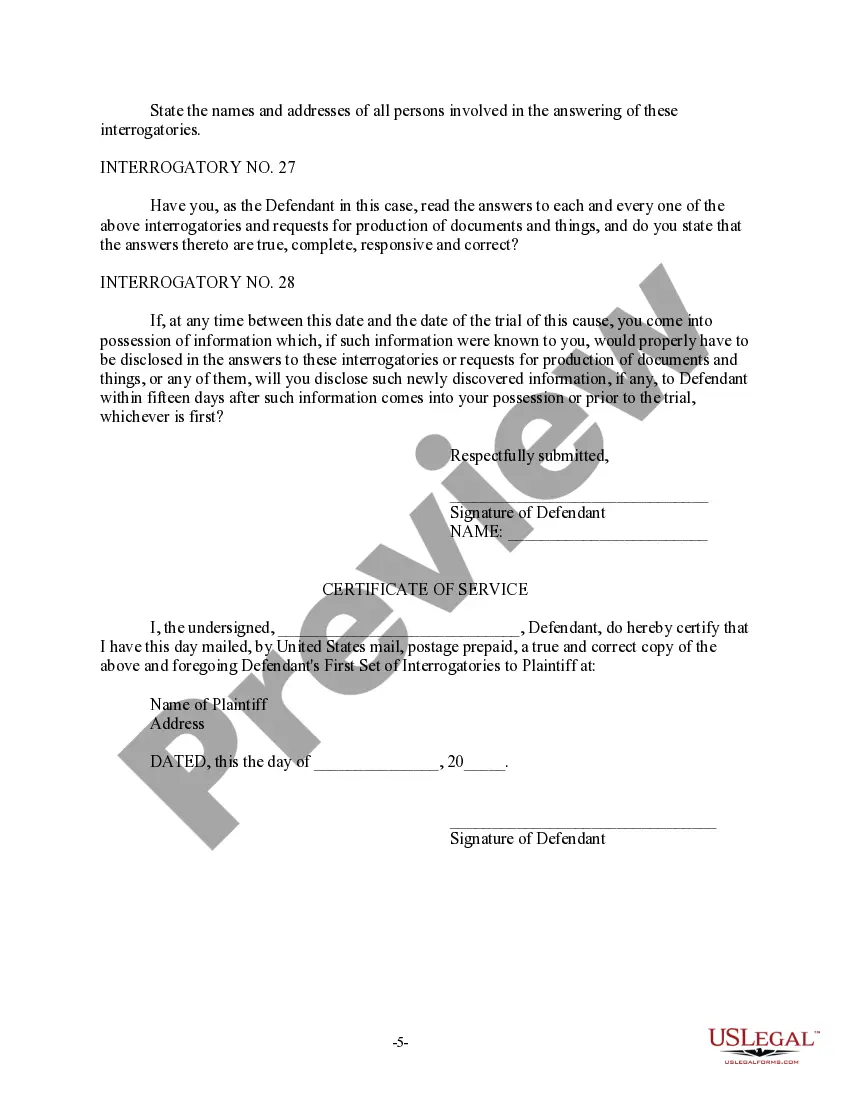
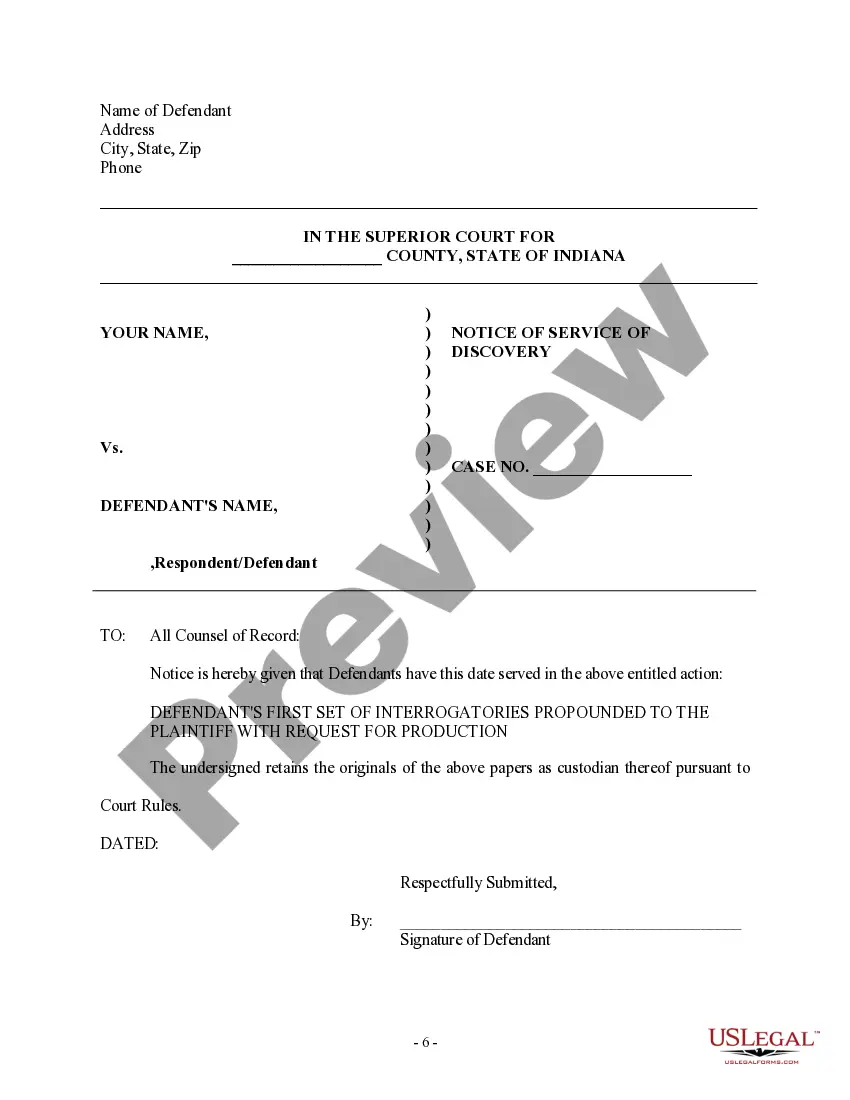
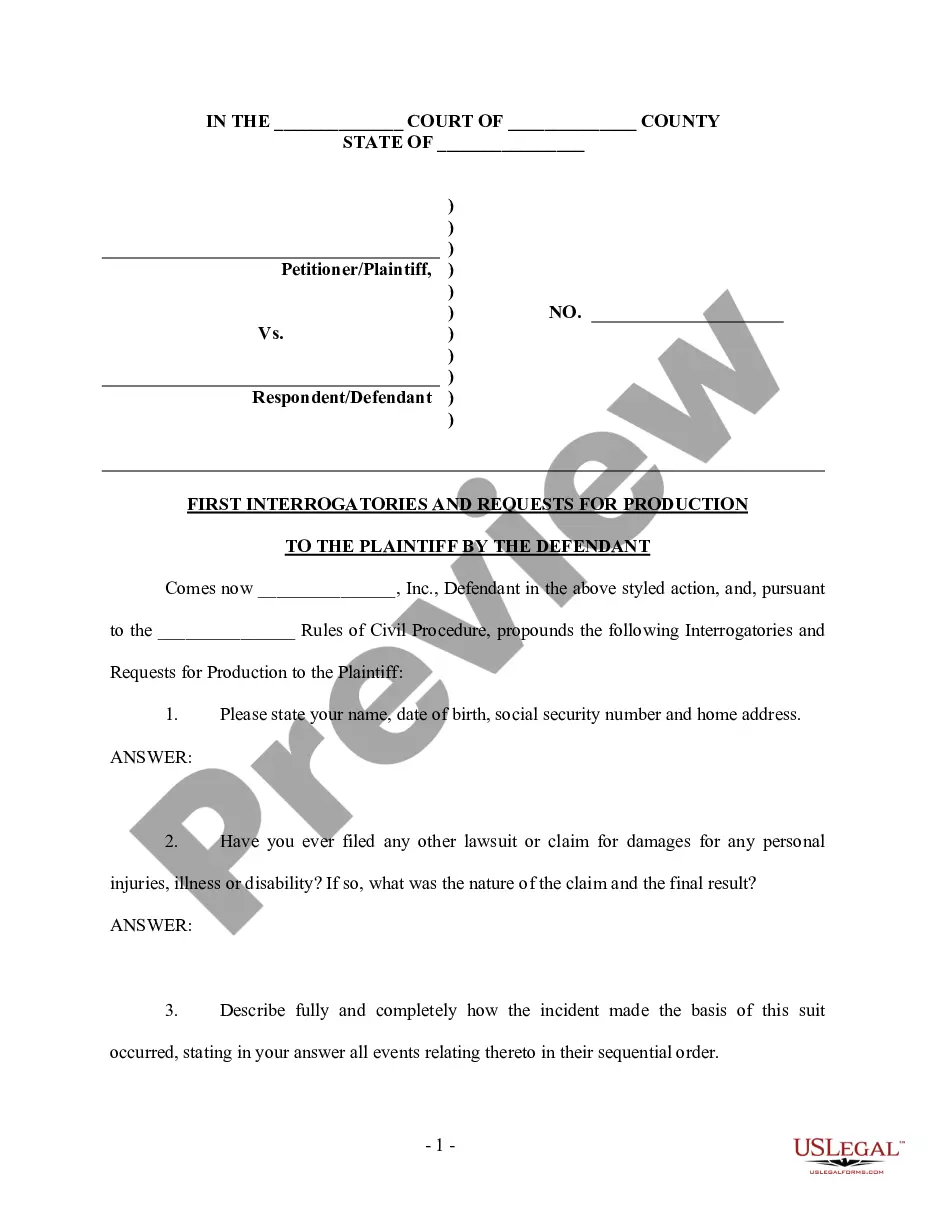
Interrogatories serve as a formal method to gather information during the divorce process. They are written questions that one spouse sends to the other, requiring detailed responses. In discovery interrogatories for divorce, these questions can help clarify issues such as finances, assets, and child custody, ensuring both parties have a clear understanding of each other's positions.