Power Attorney For Bank Account
Description
Get your form ready online
Our built-in tools help you complete, sign, share, and store your documents in one place.
Make edits, fill in missing information, and update formatting in US Legal Forms—just like you would in MS Word.
Download a copy, print it, send it by email, or mail it via USPS—whatever works best for your next step.
Sign and collect signatures with our SignNow integration. Send to multiple recipients, set reminders, and more. Go Premium to unlock E-Sign.
If this form requires notarization, complete it online through a secure video call—no need to meet a notary in person or wait for an appointment.
We protect your documents and personal data by following strict security and privacy standards.

Make edits, fill in missing information, and update formatting in US Legal Forms—just like you would in MS Word.

Download a copy, print it, send it by email, or mail it via USPS—whatever works best for your next step.

Sign and collect signatures with our SignNow integration. Send to multiple recipients, set reminders, and more. Go Premium to unlock E-Sign.

If this form requires notarization, complete it online through a secure video call—no need to meet a notary in person or wait for an appointment.

We protect your documents and personal data by following strict security and privacy standards.
Looking for another form?






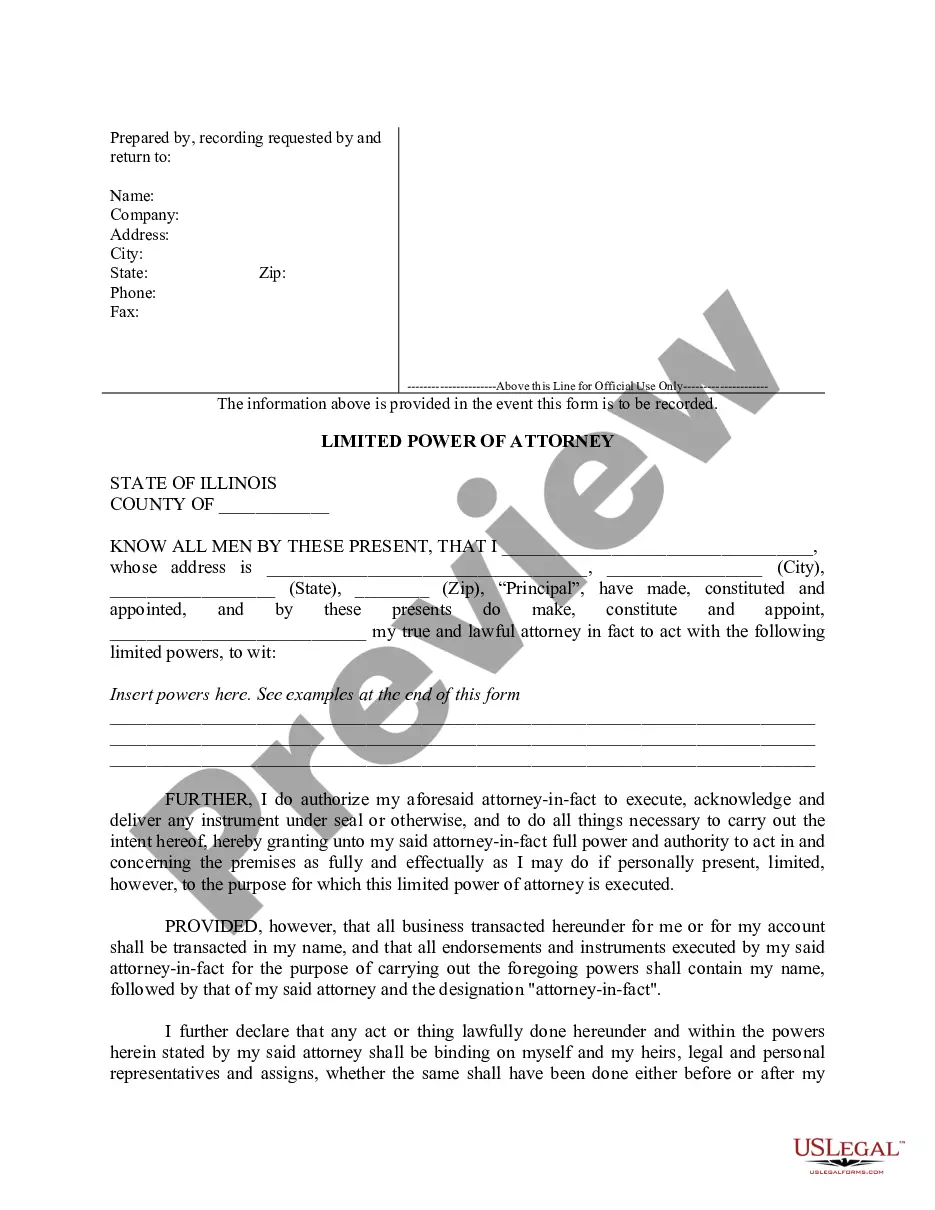
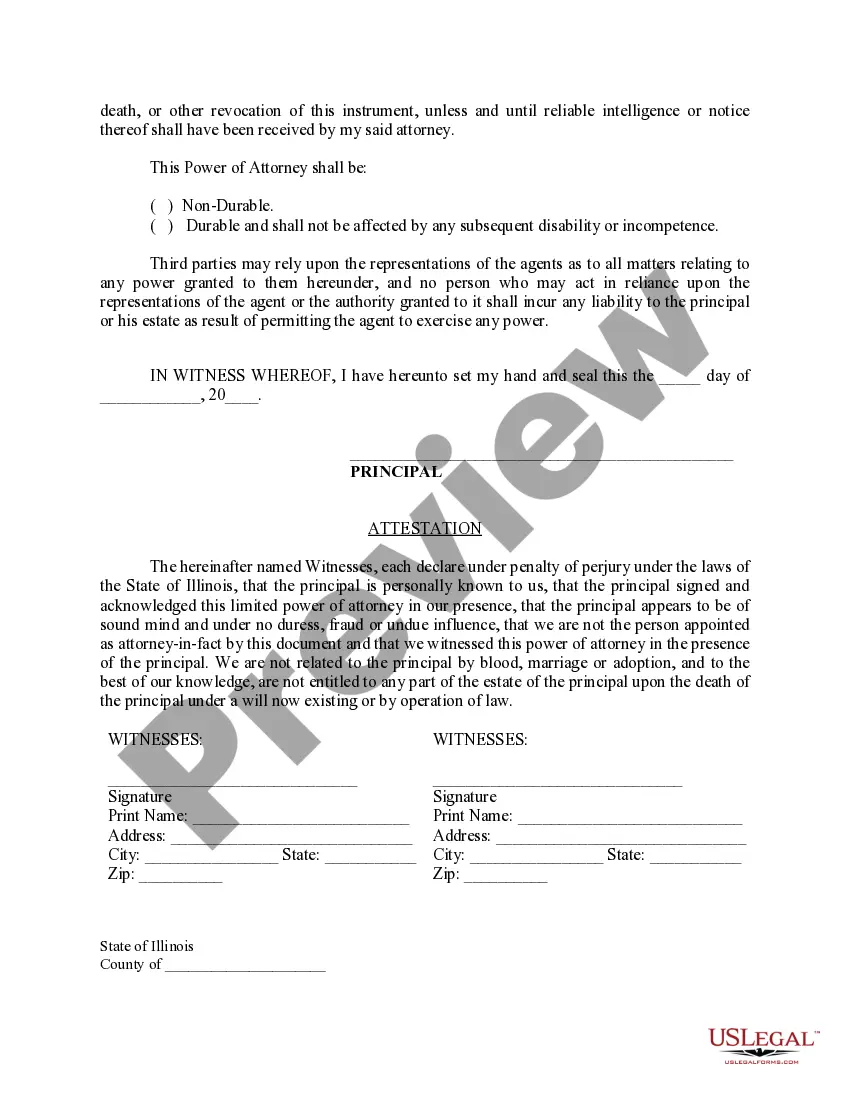
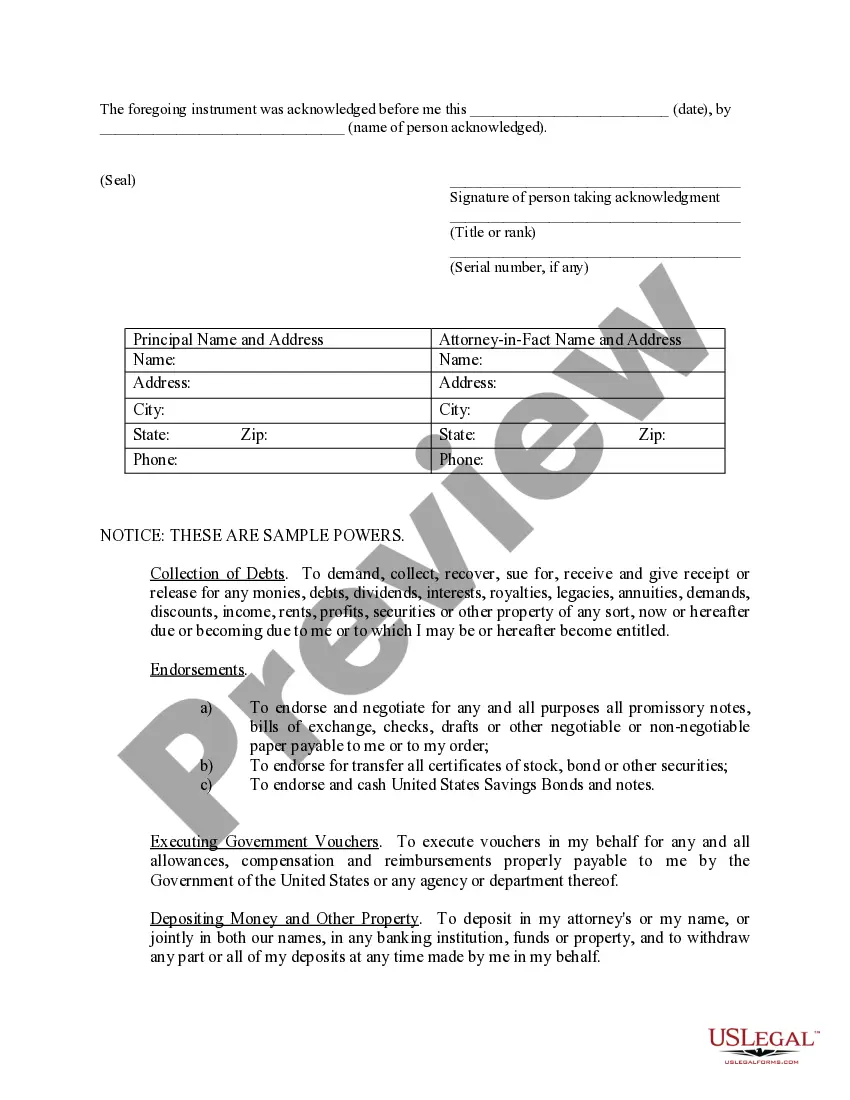
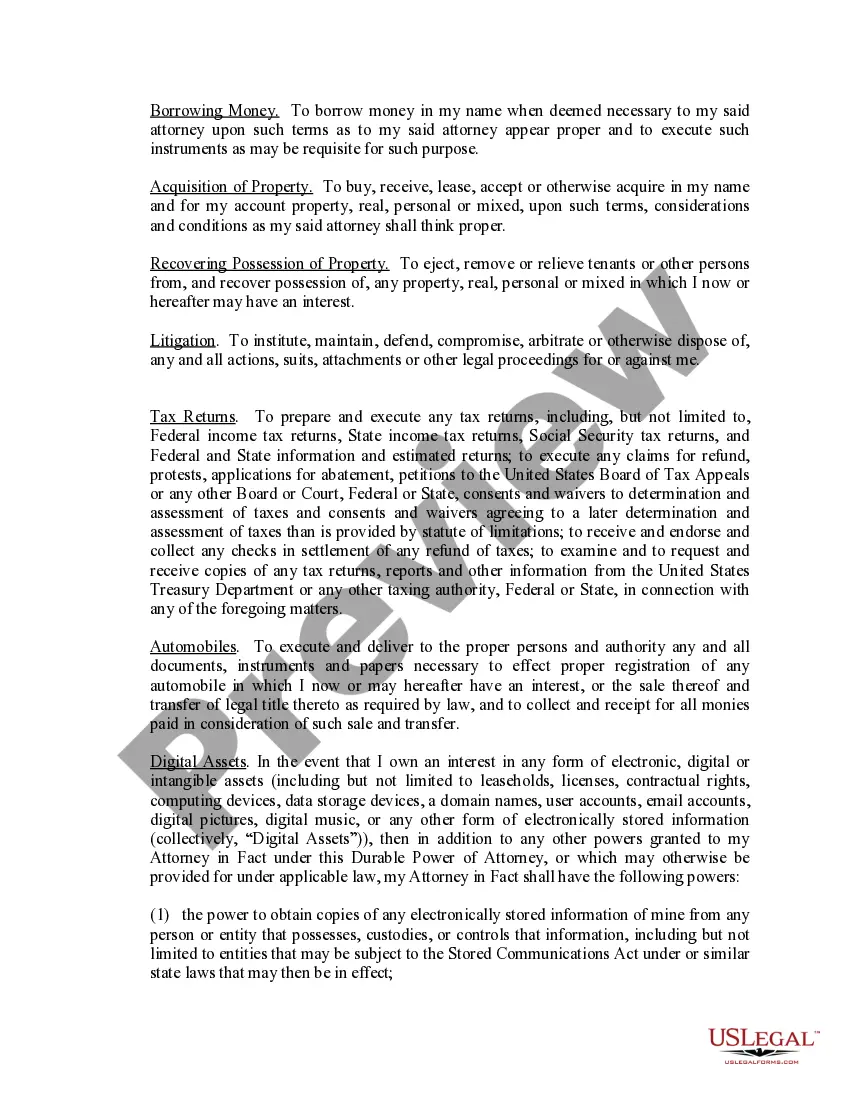
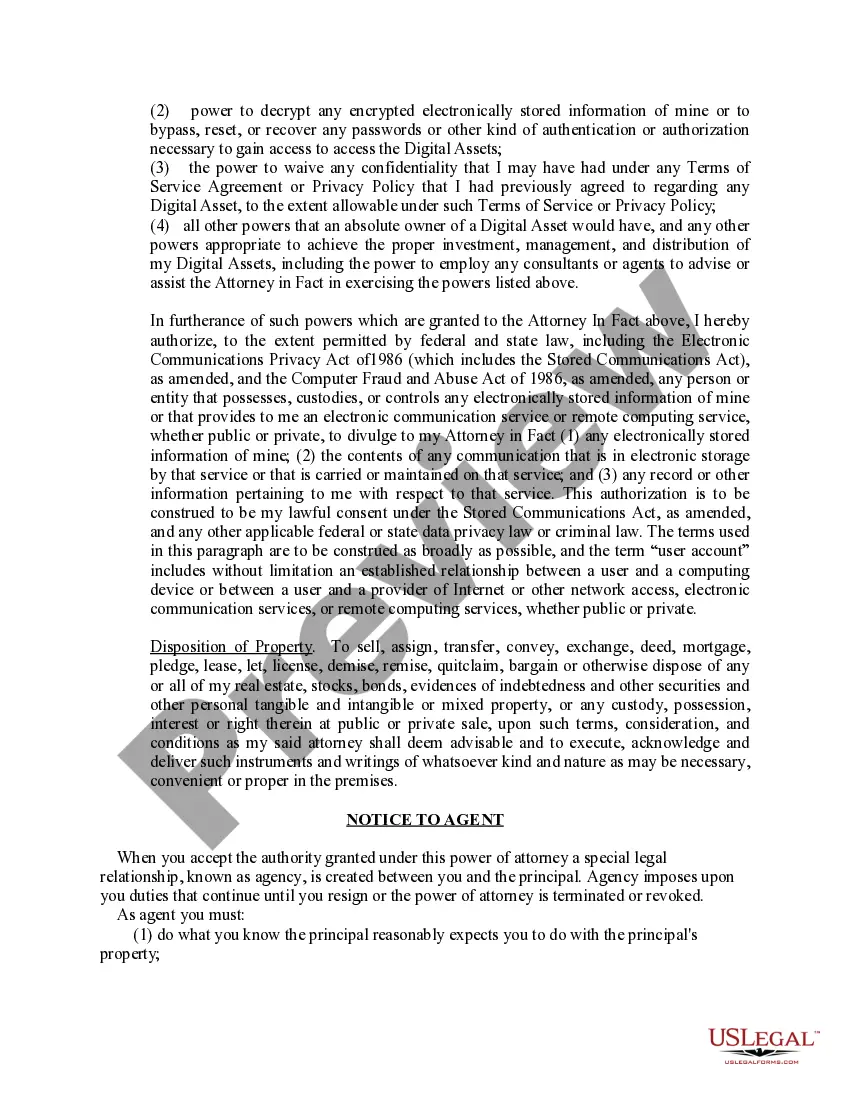
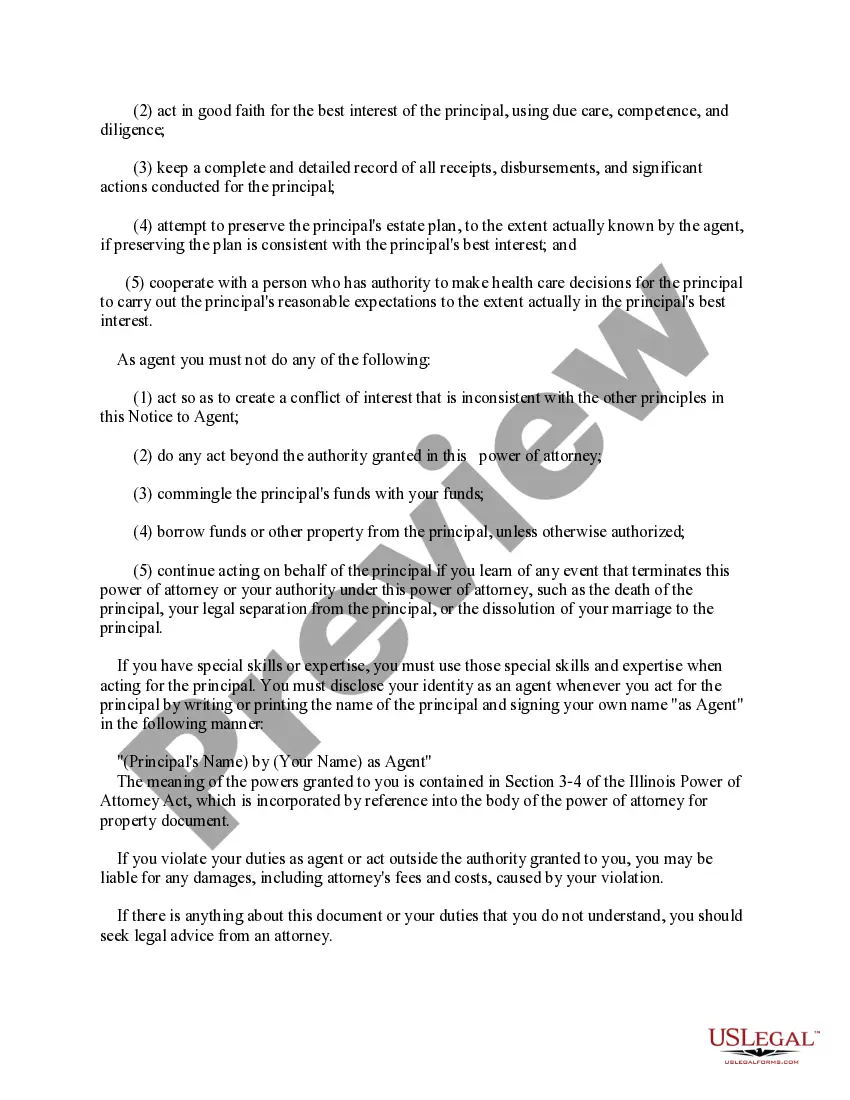
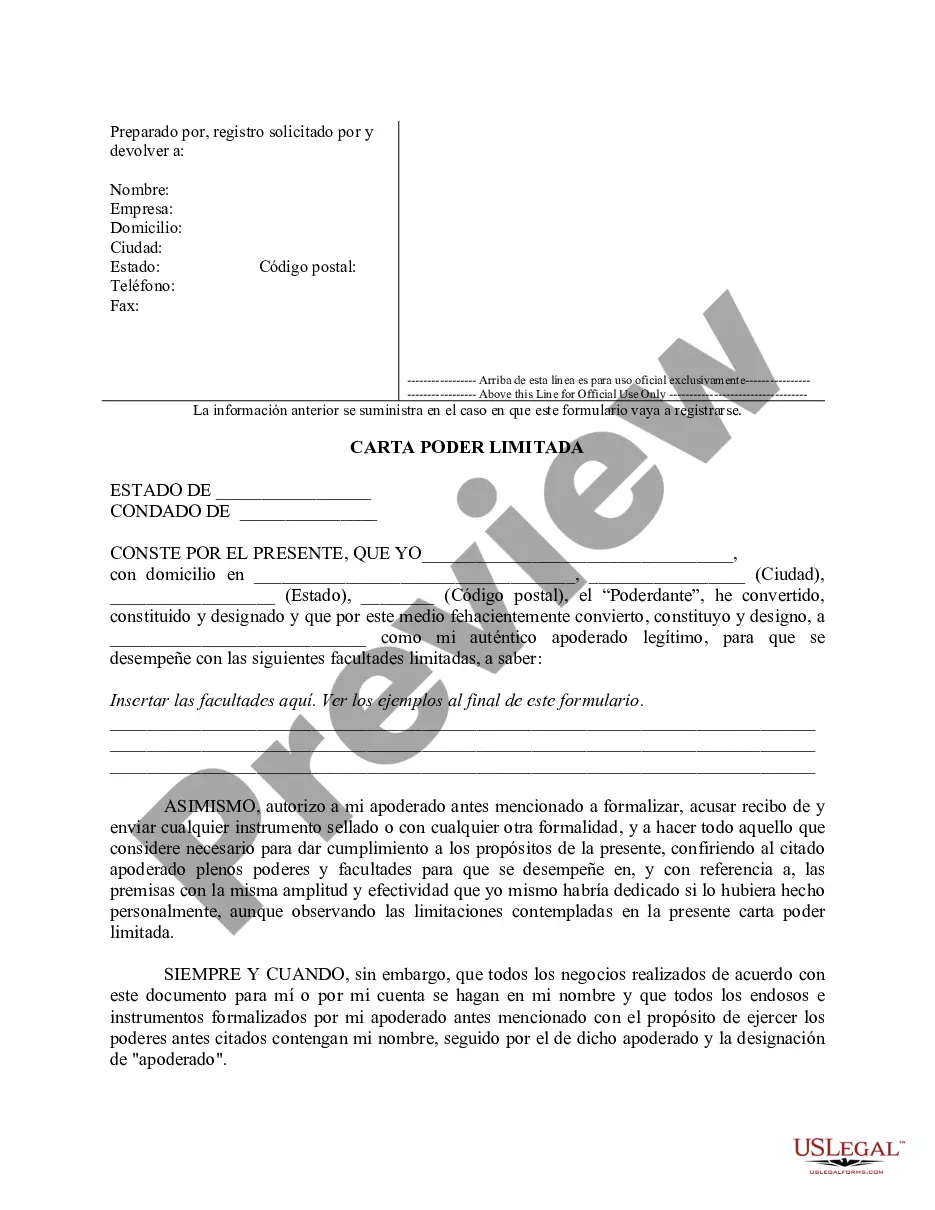
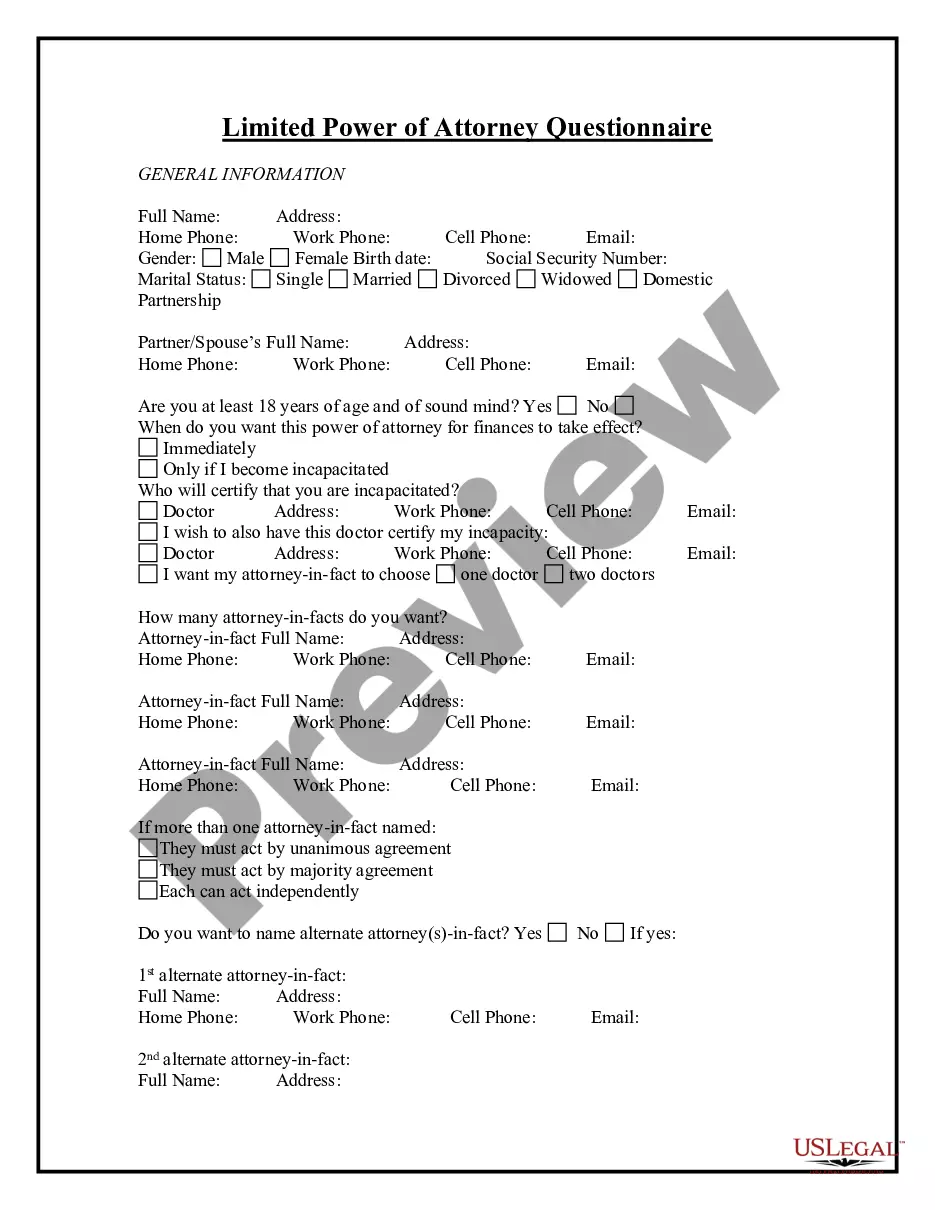
How to fill out Illinois Limited Power Of Attorney Where You Specify Powers With Sample Powers Included?
- If you're an existing user, log in to your account and locate the power attorney form that suits your needs. Ensure your subscription is active; renew if necessary.
- For new users, start by visiting US Legal Forms and browsing the extensive form library. Use the Preview mode to check the document details ensuring it meets jurisdictional requirements.
- If you need a different form, utilize the Search tab to find an appropriate template that aligns with your objectives before proceeding.
- Once you find the correct document, select the 'Buy Now' option and choose the subscription plan that works for you. You will need to register for an account to access the full library.
- Complete your purchase by entering your payment information, either through credit card or PayPal, to finalize your subscription.
- After your purchase, download your power attorney form. Save it securely on your device for easy access. You can revisit it at any time in the My Forms section.
With US Legal Forms, obtaining a power attorney for bank account is a straightforward process, supported by an extensive collection of forms and expert assistance.
Empower yourself to manage your financial matters efficiently. Start your journey at US Legal Forms today!
Form popularity
FAQ
Banks may deny a Power of Attorney for several reasons, including concerns about fraud or unclear legal language in the document. Additionally, if the bank cannot verify the identity of the person holding the Power of Attorney, they may refuse to allow transactions. It is crucial to ensure that your Power of Attorney for bank account is compliant with state laws and accurately reflects your intentions. Using a reliable platform like USLegalForms can help you navigate these legal requirements effectively.
A POA can add someone to a bank account if the Power of Attorney document permits them to do so. The account holder must have previously agreed to this arrangement, and the POA must fully understand their authority under the document. When considering this option, it’s a good idea to consult your bank to confirm what is allowed. Having a defined power attorney for bank account can facilitate these changes seamlessly.
Banks are meticulous about Power of Attorney documents to protect clients from fraud and misunderstandings. They want to ensure that the POA is valid, properly executed, and complies with local laws. Each bank may have its own policies regarding the acceptance of a POA, which can add to the complexity. By providing clear documentation, you can smoothly demonstrate the legitimacy of a power attorney for bank account transactions.
Yes, a Power of Attorney (POA) can add themselves to a checking account if the document grants them that authority. It's crucial that the POA clearly specifies their rights concerning bank accounts. Before proceeding, you should check with the bank to understand their requirements for a POA to ensure a smooth process. Ultimately, a power attorney for bank account empowers the POA to handle necessary financial actions on behalf of the account owner.
You can add a joint owner to a bank account by visiting your bank branch or using their online platform. Both account holders typically need to provide identification and consent to be added. This process ensures that both individuals share access and responsibility for the account. If you are considering this option, remember that a power attorney for bank account can help manage the addition if one party is unavailable.
Writing a power of attorney letter for a bank involves clearly stating your intention to grant authority to another person. Include your name, the name of your agent, and specific instructions regarding their powers. Be sure to sign the document and have it notarized, as most banks require notary acknowledgment. A well-crafted power attorney for bank account provides clarity and prevents confusion in financial management.
To add someone to your bank account, visit your bank branch or use their online services if available. You will need to provide identifying information about the new person, as well as complete necessary forms. Be prepared to discuss whether you want them to have full access or a limited role. This process can be managed effectively with proper planning, and a power attorney for bank account can also play a role if needed.
Activating a power of attorney for finances involves ensuring the document is correctly signed and notarized. You may need to provide this document to your bank or other financial institutions to commence its use. Make sure the appointed agent understands their responsibilities. Having a properly activated power attorney for bank account simplifies managing your finances when needed.
To add a power of attorney to your bank account, you typically need to provide the bank with a copy of the power of attorney document. It's important to bring proper identification and complete any additional bank forms. Each bank may have its own requirements, so it's wise to contact them ahead of time for guidance. This step ensures that your power attorney for bank account is correctly recognized.
Yes, a power of attorney can certainly be added to a bank account. This action allows the appointed person to manage financial transactions on your behalf. Adding a POA ensures that someone you trust can handle your banking needs, especially if you are unavailable. Always check with your bank for their specific procedures related to power attorney for bank account.