Joint Venture Company With
Description
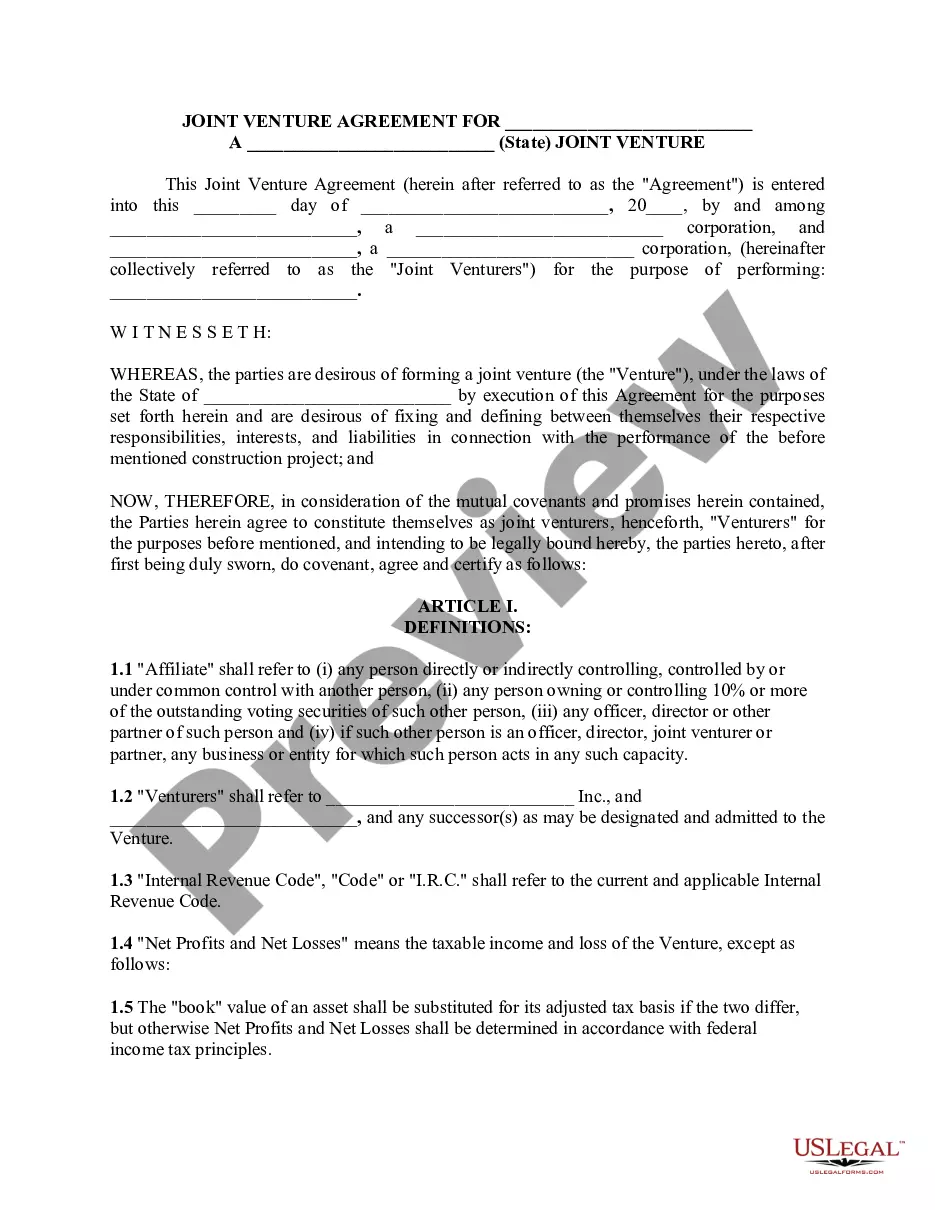
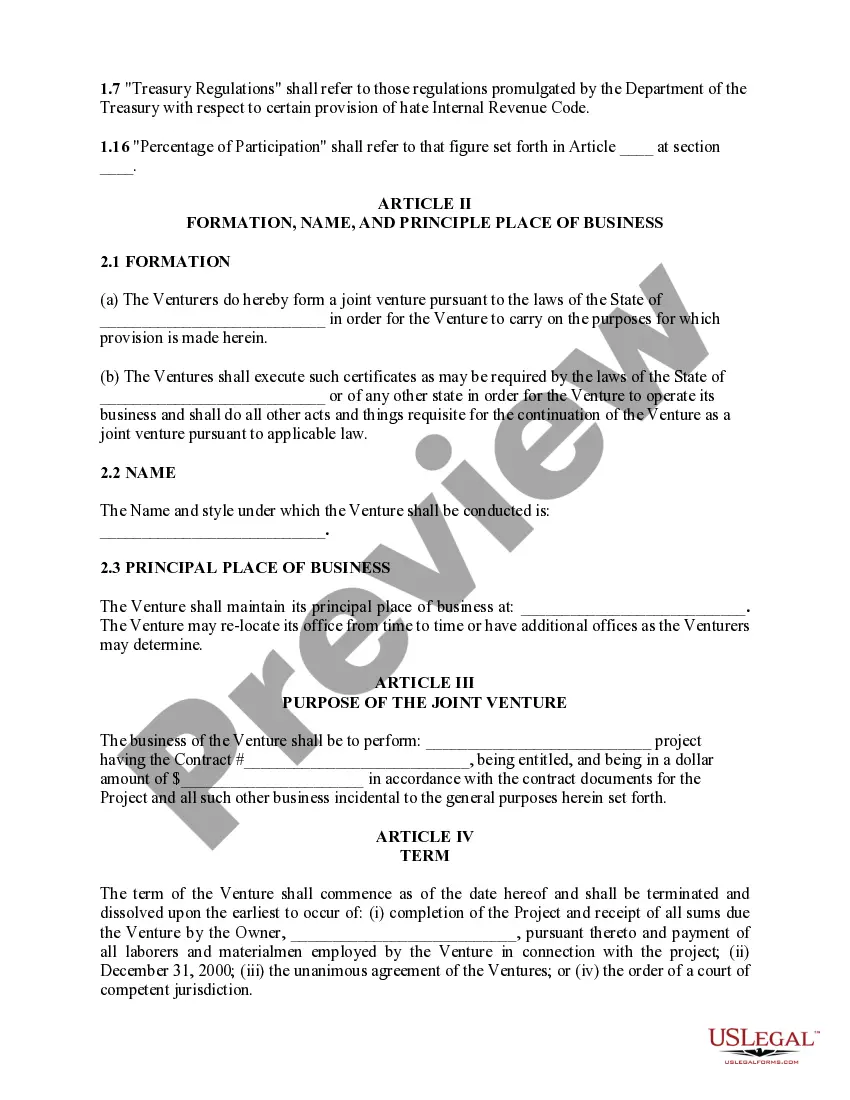
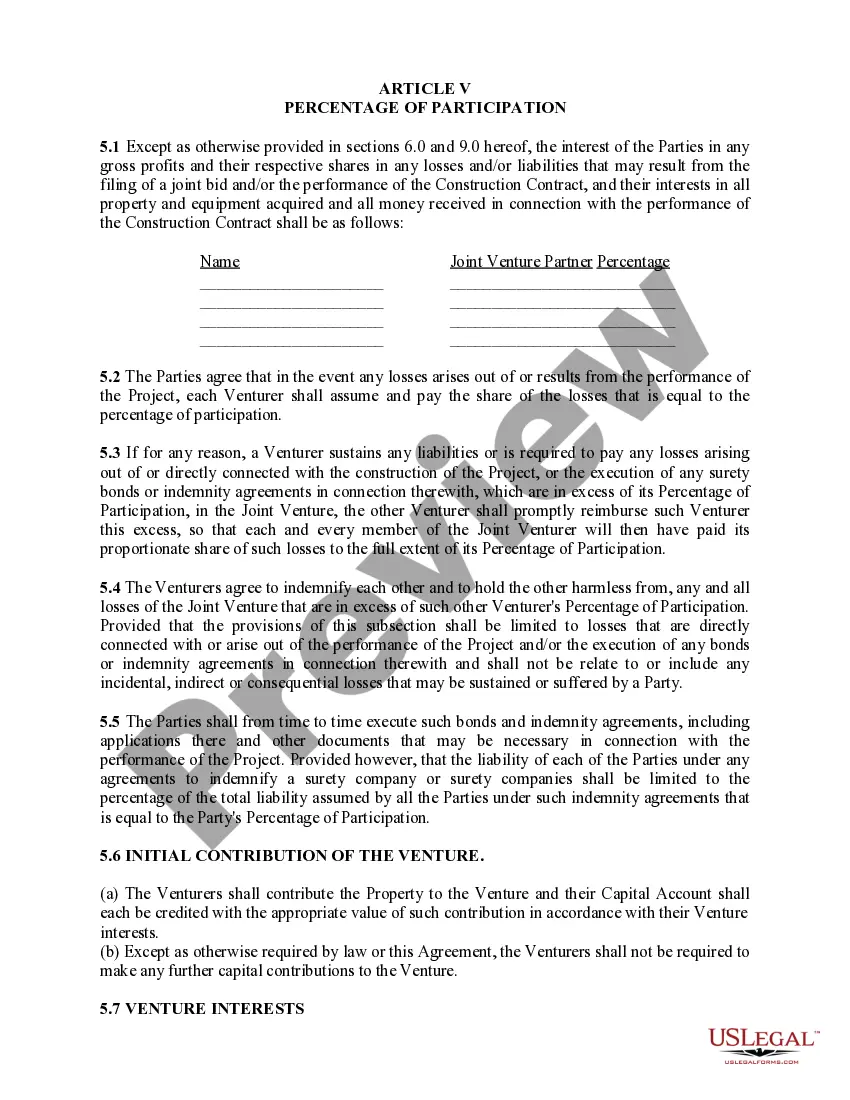
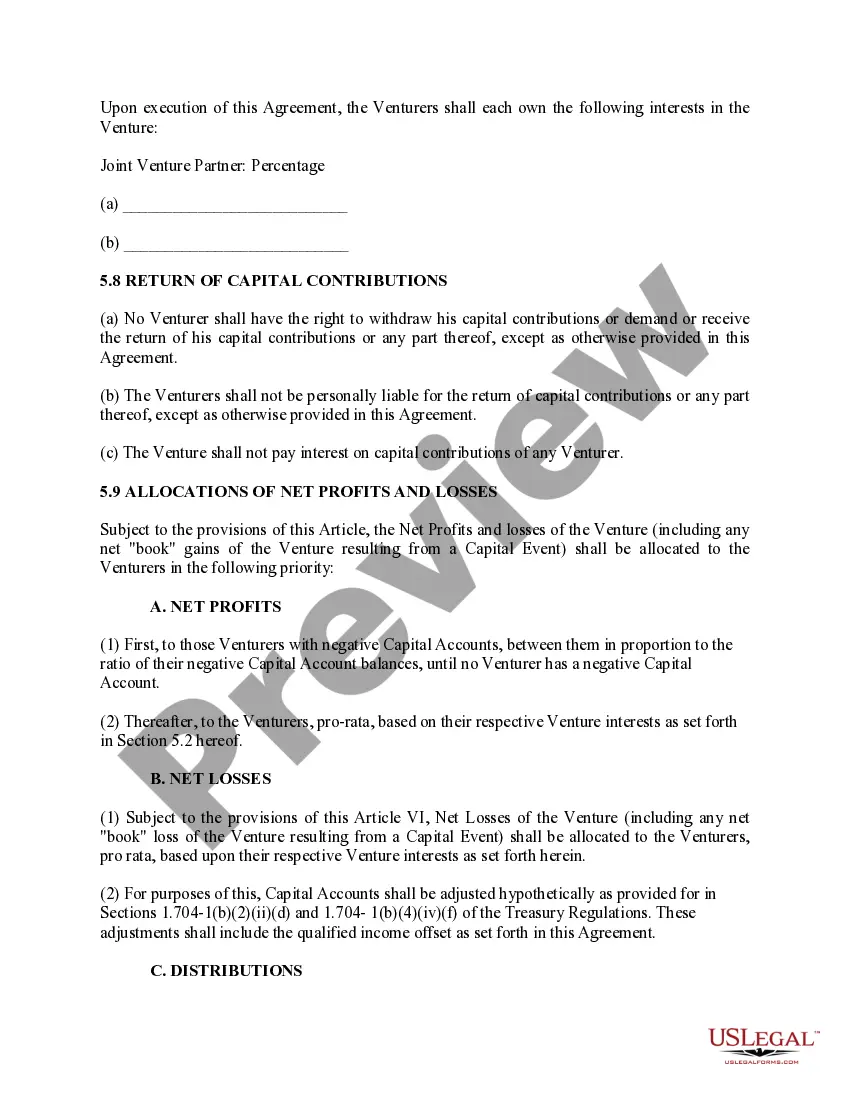
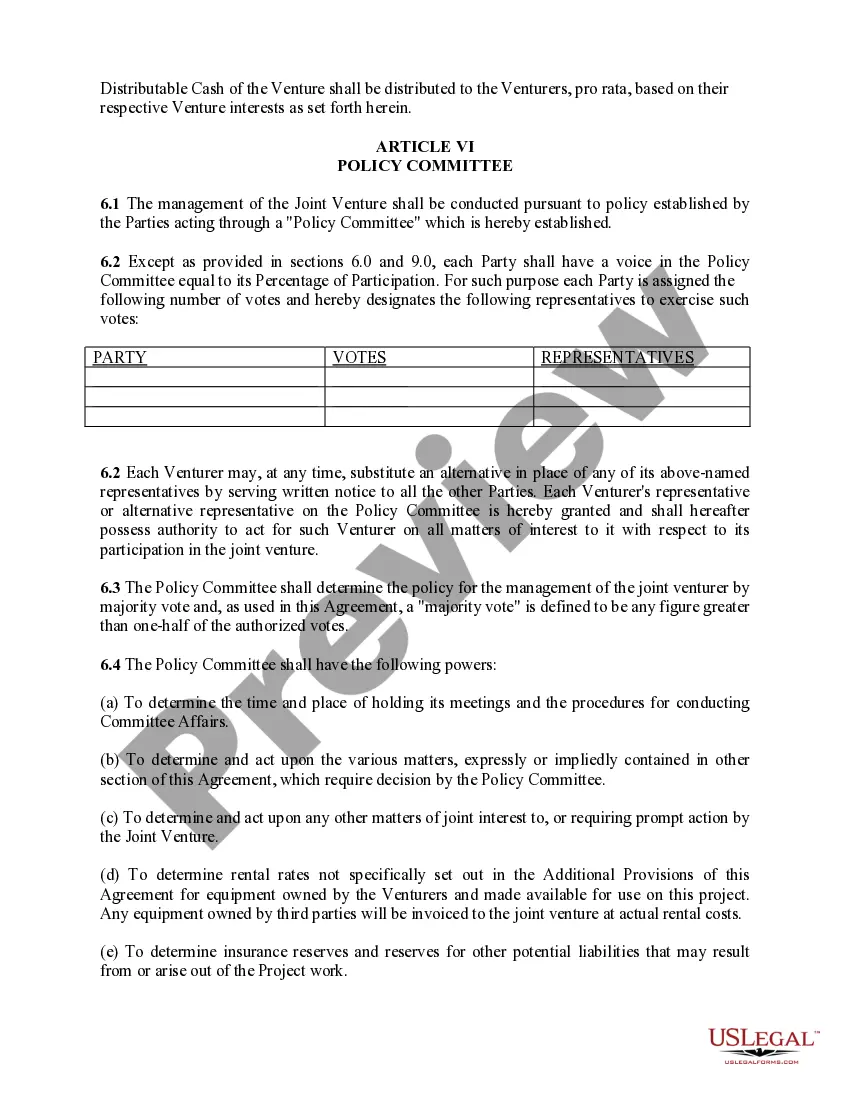
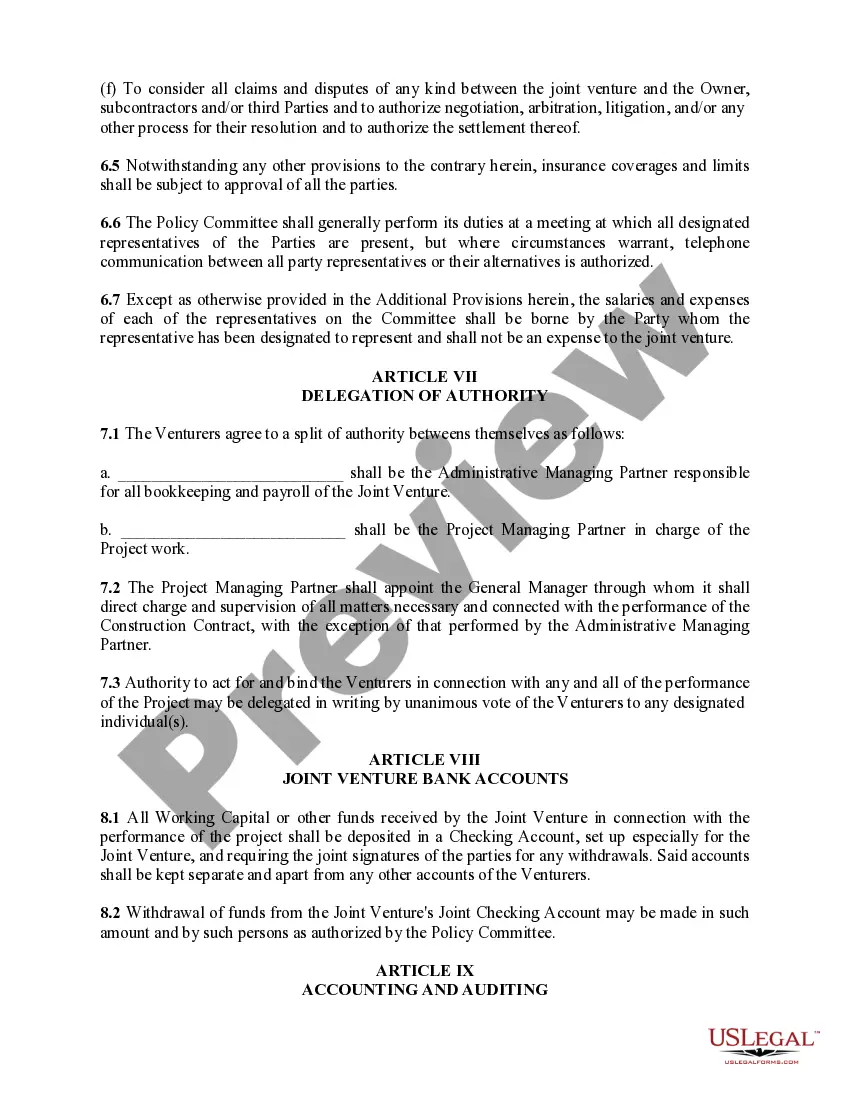
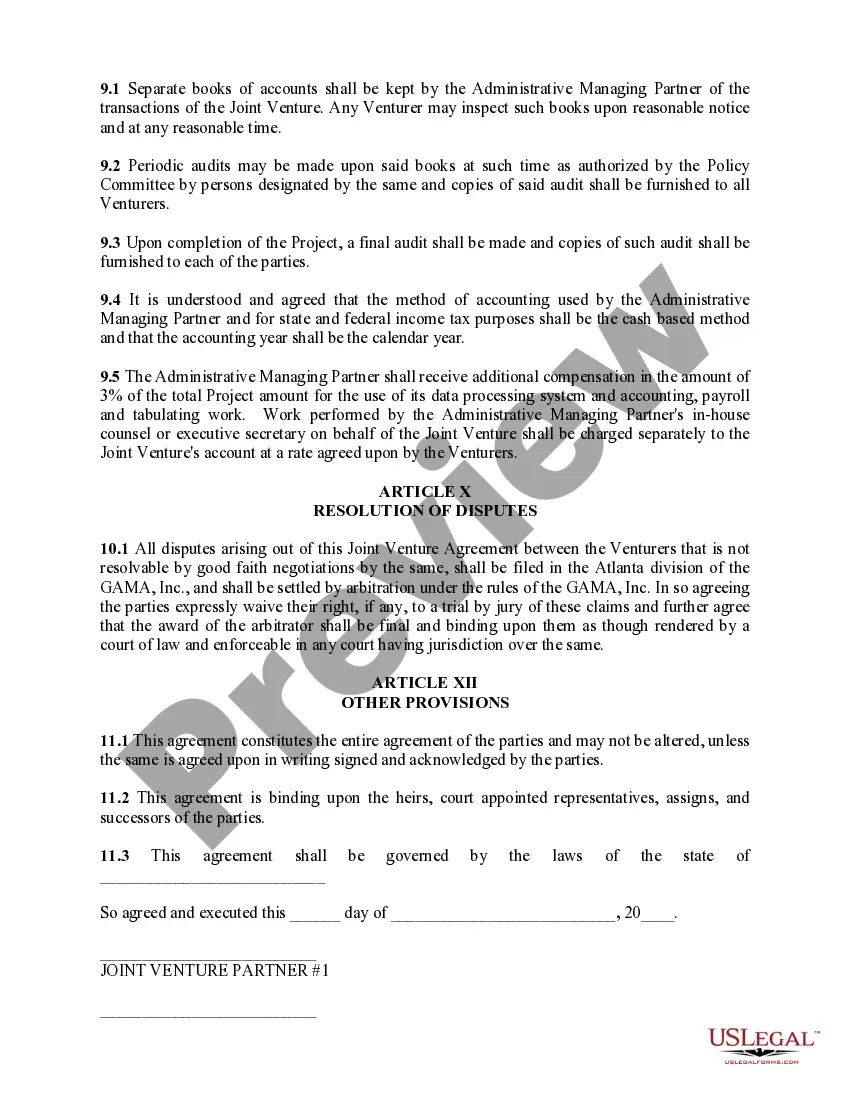

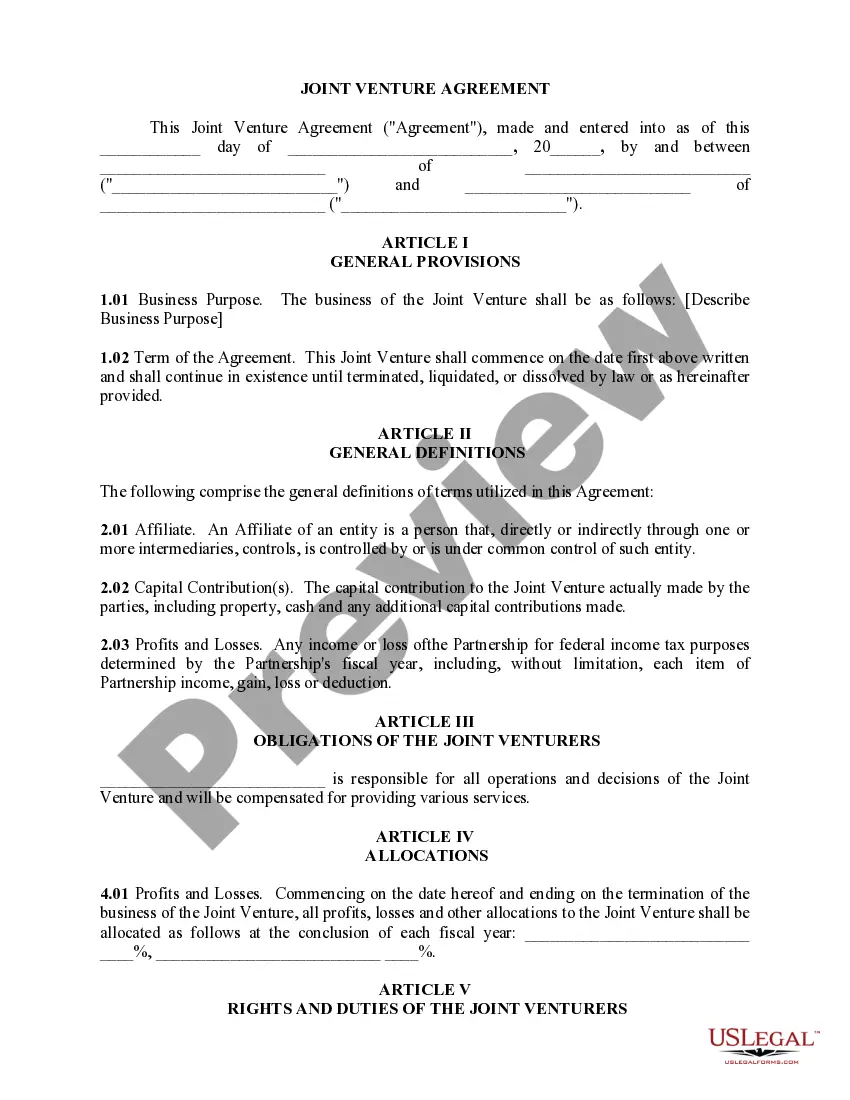
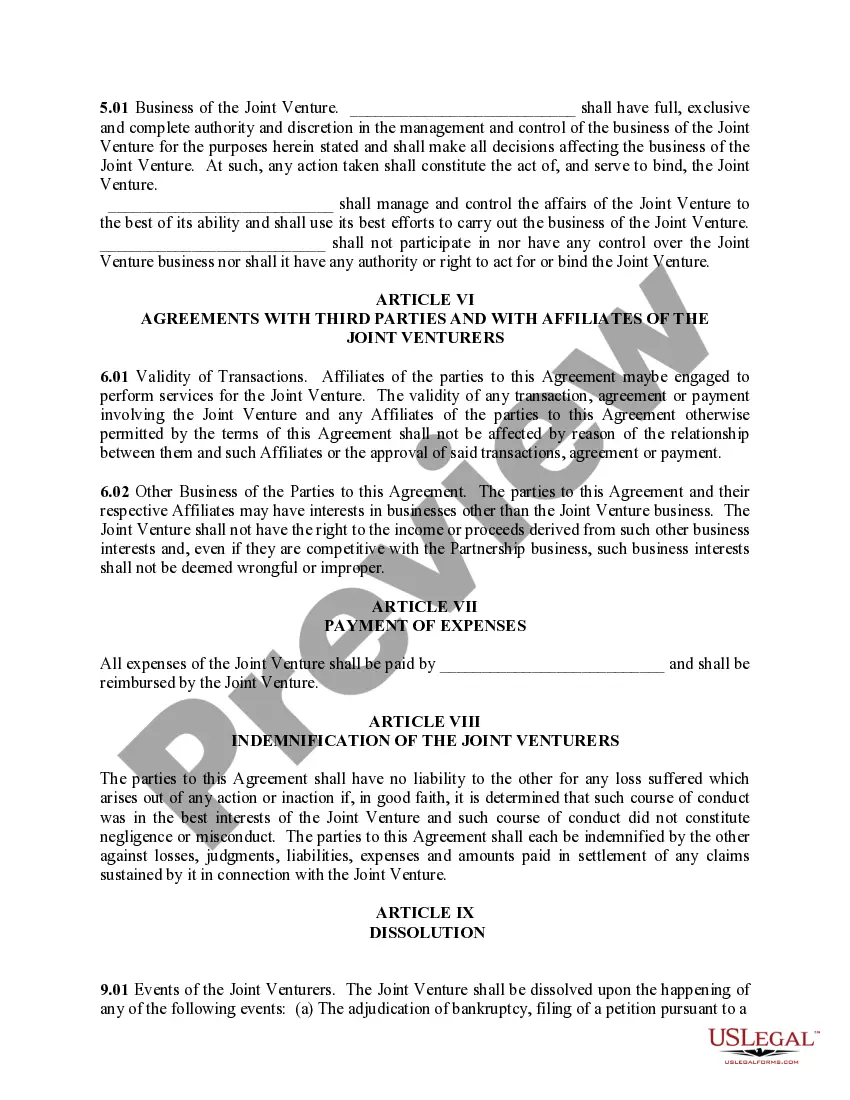

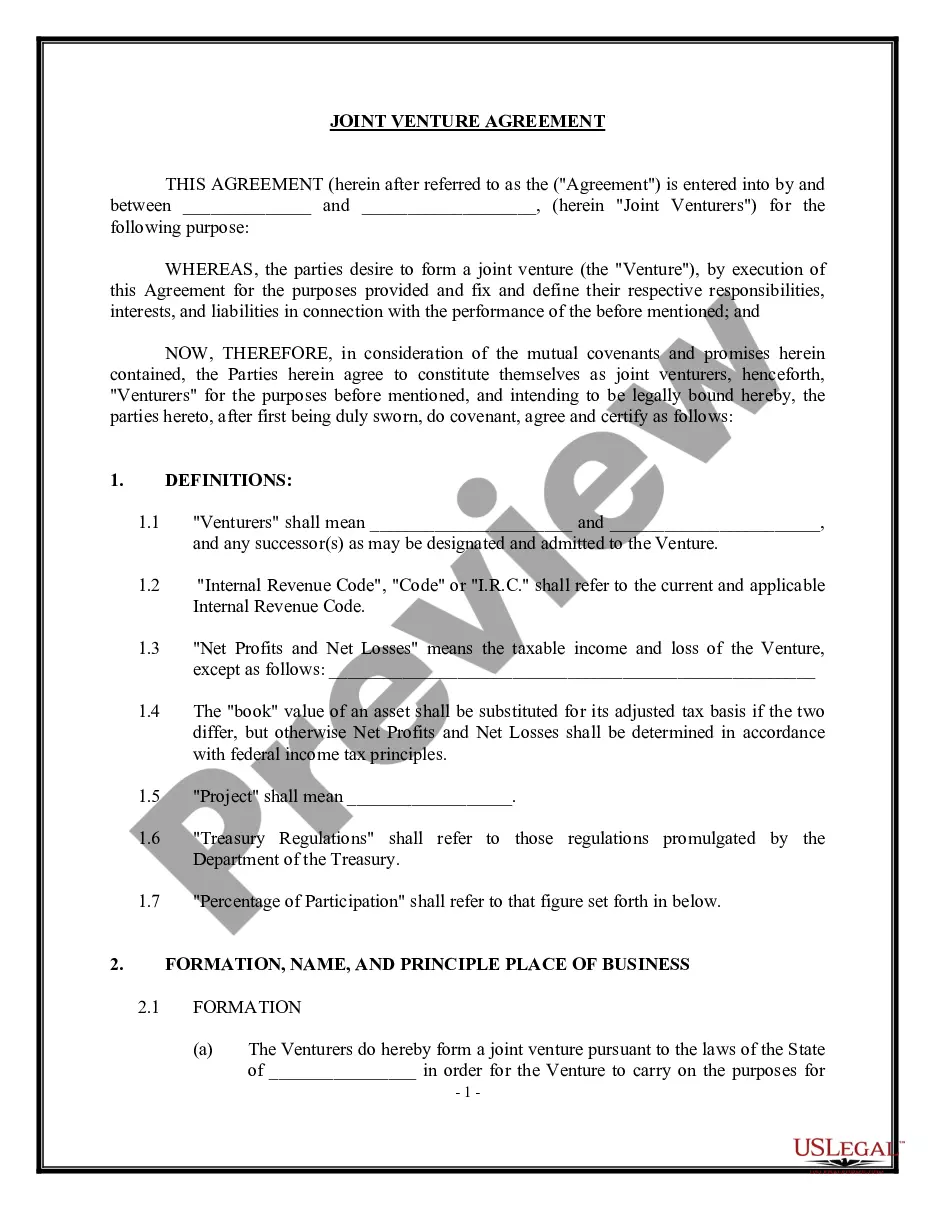
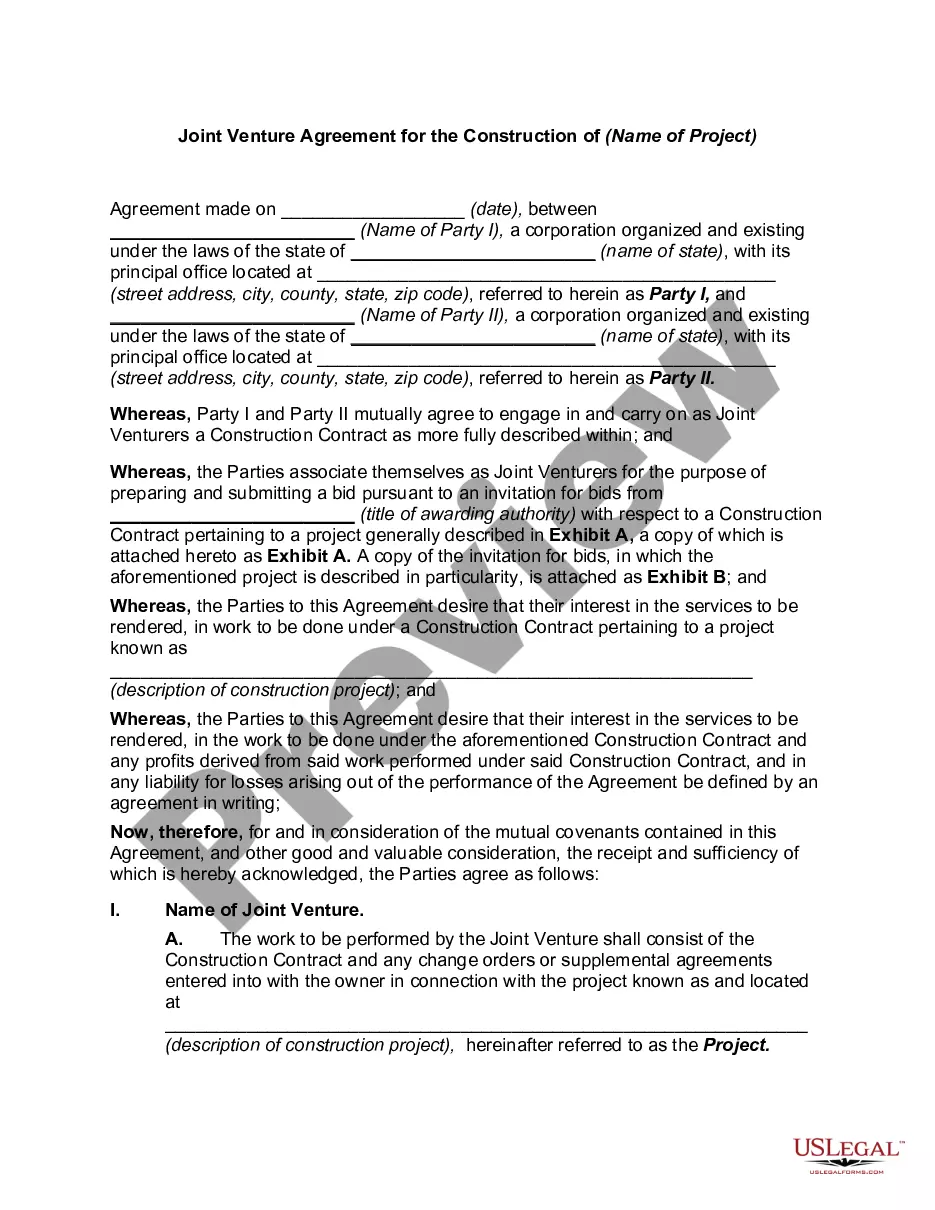
Get your form ready online
Our built-in tools help you complete, sign, share, and store your documents in one place.
Make edits, fill in missing information, and update formatting in US Legal Forms—just like you would in MS Word.
Download a copy, print it, send it by email, or mail it via USPS—whatever works best for your next step.
Sign and collect signatures with our SignNow integration. Send to multiple recipients, set reminders, and more. Go Premium to unlock E-Sign.
If this form requires notarization, complete it online through a secure video call—no need to meet a notary in person or wait for an appointment.
We protect your documents and personal data by following strict security and privacy standards.

Make edits, fill in missing information, and update formatting in US Legal Forms—just like you would in MS Word.

Download a copy, print it, send it by email, or mail it via USPS—whatever works best for your next step.

Sign and collect signatures with our SignNow integration. Send to multiple recipients, set reminders, and more. Go Premium to unlock E-Sign.

If this form requires notarization, complete it online through a secure video call—no need to meet a notary in person or wait for an appointment.

We protect your documents and personal data by following strict security and privacy standards.
Looking for another form?
How to fill out Illinois Joint Venture Agreements - For A Construction Project Or General Business Venture?
Creating legal documents from the beginning can frequently be daunting.
Certain situations may require extensive research and considerable financial investment.
If you’re looking for a simpler and more budget-friendly method of crafting a Joint Venture Company With or any other documents without unnecessary complications, US Legal Forms is always available to assist you.
Our online library of over 85,000 current legal forms encompasses nearly every aspect of your financial, legal, and personal matters.
Review the document preview and descriptions to confirm that you have the correct document you are seeking. Verify that the template you select meets the regulations of your state and county. Choose the most appropriate subscription plan to obtain the Joint Venture Company With. Download the document, then complete, sign, and print it out. US Legal Forms has an impeccable reputation and over 25 years of experience. Join us today and make document completion simple and efficient!
- With just a few clicks, you can swiftly obtain state- and county-specific documents carefully prepared for you by our legal experts.
- Utilize our website whenever you require dependable and trustworthy services to quickly find and download the Joint Venture Company With.
- If you’re familiar with our website and have already created an account, simply Log In to your account, find the form, and download it or re-download it anytime in the My documents section.
- Not an account holder? No worries. It requires minimal time to set it up and explore the library.
- Before directly downloading the Joint Venture Company With, consider following these suggestions.
Form popularity
FAQ
Yes, a qualified joint venture company with partners can choose to operate as a Limited Liability Company (LLC). This structure allows for flexibility in management while protecting personal assets from business liabilities. An LLC can provide tax advantages and simplify the process of profit-sharing among the partners. If you're considering this option, utilizing resources from uslegalforms can guide you through the formation and compliance requirements necessary for your joint venture.
The 2 year rule for joint ventures refers to a guideline that affects the tax treatment of your joint venture company with respect to losses and income. Essentially, if your joint venture operates for two years or longer, it may qualify for certain tax benefits or deductions. This rule encourages businesses to sustain their collaborations over time. Understanding this rule can help you maximize the potential benefits of your joint venture, and platforms like uslegalforms can provide the necessary resources to navigate these regulations.
A joint venture company with partners typically requires an Employer Identification Number (EIN) if it plans to hire employees or file certain tax returns. The EIN is essential for tax purposes and helps the Internal Revenue Service identify your business entity. If your joint venture is structured as a partnership or corporation, obtaining an EIN is mandatory. You can easily apply for an EIN through the IRS website, ensuring your joint venture operates smoothly.
To form a joint venture company with another entity, start by identifying potential partners that align with your business goals. Next, draft a joint venture agreement that outlines each party's contributions, roles, and profit-sharing arrangements. It's essential to register your joint venture company with the appropriate state authorities and obtain any necessary licenses. Consider using platforms like US Legal Forms to access customizable templates and resources that simplify the formation process.
No, a joint venture is not always a 50/50 arrangement. The ownership split can vary based on the contributions and agreements of the parties involved. Some joint ventures may have unequal shares, reflecting the resources or expertise each partner brings to the table. It's essential to outline these details in your agreement to ensure clarity and mutual benefit.
The four types of joint ventures consist of contractual joint ventures, equity joint ventures, project joint ventures, and cooperative joint ventures. Each type serves different purposes, such as reducing risks, pooling resources, or sharing expertise. For instance, an equity joint venture results in a new entity, while a contractual joint venture relies on agreements without forming a new company. Choosing the right type can enhance your business strategy.
The four types of partnerships include general partnerships, limited partnerships, limited liability partnerships, and joint ventures. In a general partnership, all partners share responsibility for management and debts. A limited partnership has both general and limited partners, where the latter's liability is restricted. Limited liability partnerships protect partners from personal liability for certain risks. Understanding these types can help you choose the right structure for your business needs.
A joint venture company is a business entity formed by two or more parties that agree to collaborate on a specific project or business activity. This arrangement allows each party to share resources, risks, and profits while maintaining their individual identities. Typically, the parties involved contribute capital, expertise, or technology to achieve common objectives. Establishing a joint venture company with clear agreements can lead to successful outcomes.
The four types of joint ventures typically include contractual joint ventures, equity joint ventures, project-based joint ventures, and cooperative joint ventures. In a contractual joint venture, companies collaborate without forming a new entity, while an equity joint venture creates a new company with shared ownership. Project-based joint ventures focus on specific projects, and cooperative joint ventures involve sharing resources for mutual benefits. Understanding these types can help you decide which structure works best for your goals.
A classic example of a joint venture company with shared goals is the collaboration between Sony and Ericsson. They formed Sony Ericsson to combine their strengths in electronics and telecommunications. This partnership allowed both companies to innovate and compete effectively in the mobile phone market. Joint ventures like this demonstrate how companies can leverage each other's resources and expertise.