5 Day Notice Forcible Detainer California
Description


Get your form ready online
Our built-in tools help you complete, sign, share, and store your documents in one place.
Make edits, fill in missing information, and update formatting in US Legal Forms—just like you would in MS Word.
Download a copy, print it, send it by email, or mail it via USPS—whatever works best for your next step.
Sign and collect signatures with our SignNow integration. Send to multiple recipients, set reminders, and more. Go Premium to unlock E-Sign.
If this form requires notarization, complete it online through a secure video call—no need to meet a notary in person or wait for an appointment.
We protect your documents and personal data by following strict security and privacy standards.

Make edits, fill in missing information, and update formatting in US Legal Forms—just like you would in MS Word.

Download a copy, print it, send it by email, or mail it via USPS—whatever works best for your next step.

Sign and collect signatures with our SignNow integration. Send to multiple recipients, set reminders, and more. Go Premium to unlock E-Sign.

If this form requires notarization, complete it online through a secure video call—no need to meet a notary in person or wait for an appointment.

We protect your documents and personal data by following strict security and privacy standards.
Looking for another form?
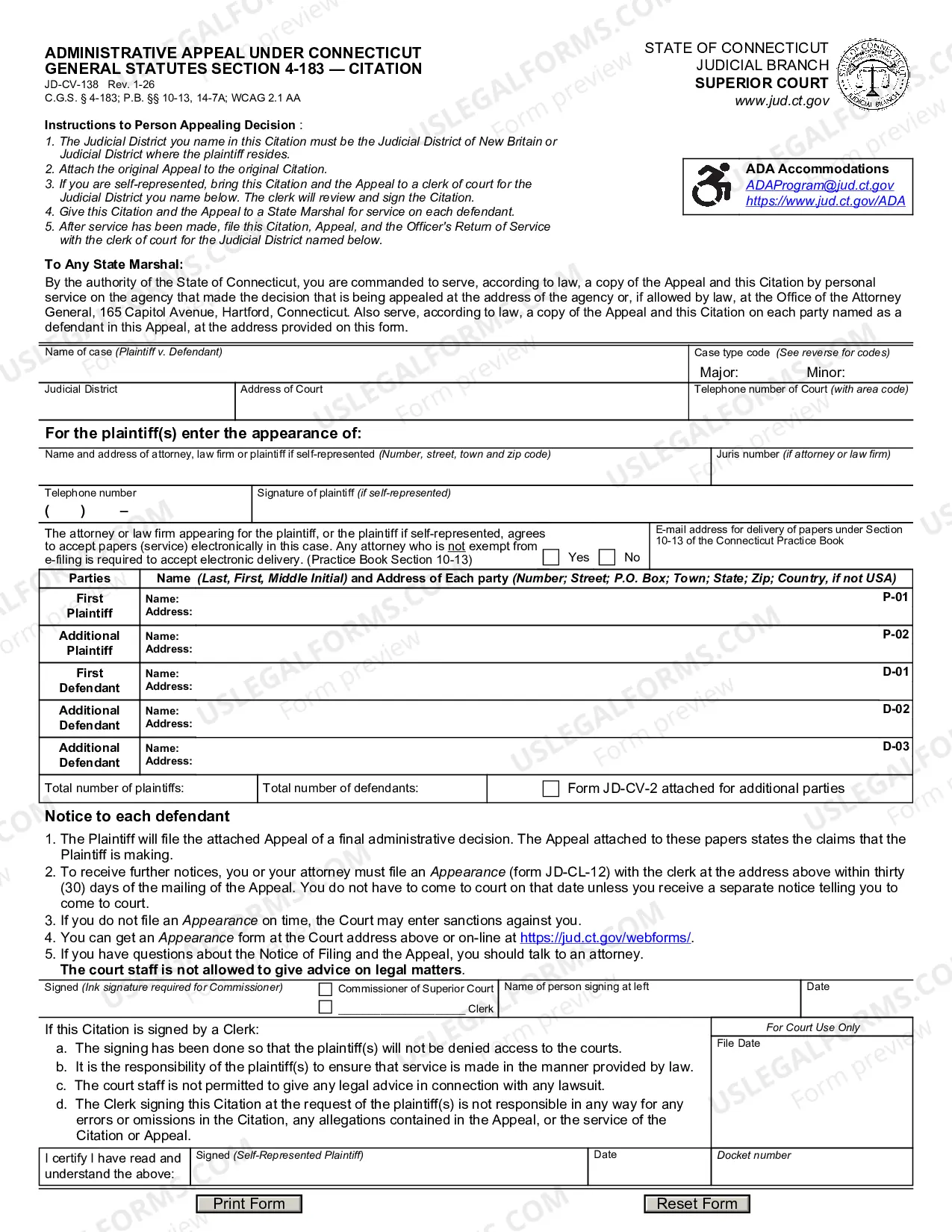
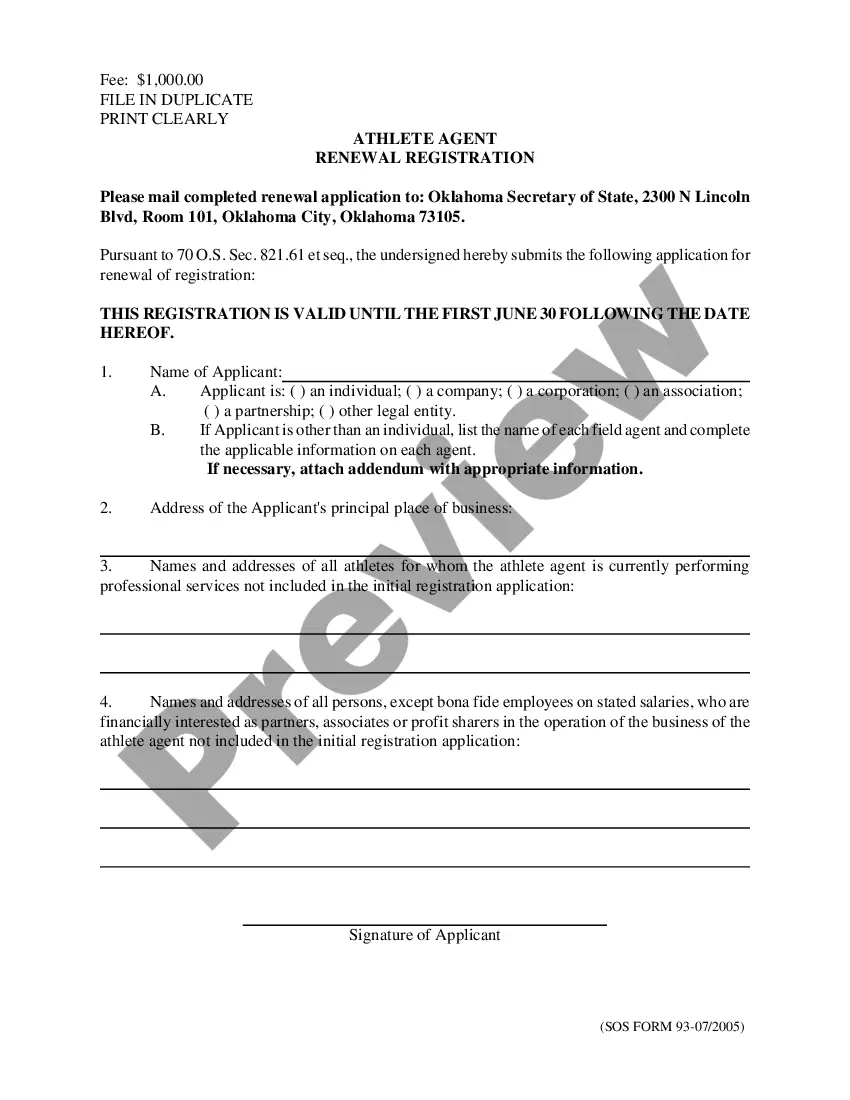
How to fill out Illinois 5 Day Notice To Pay Rent Or Lease Terminates - Nonresidential Or Commercial?
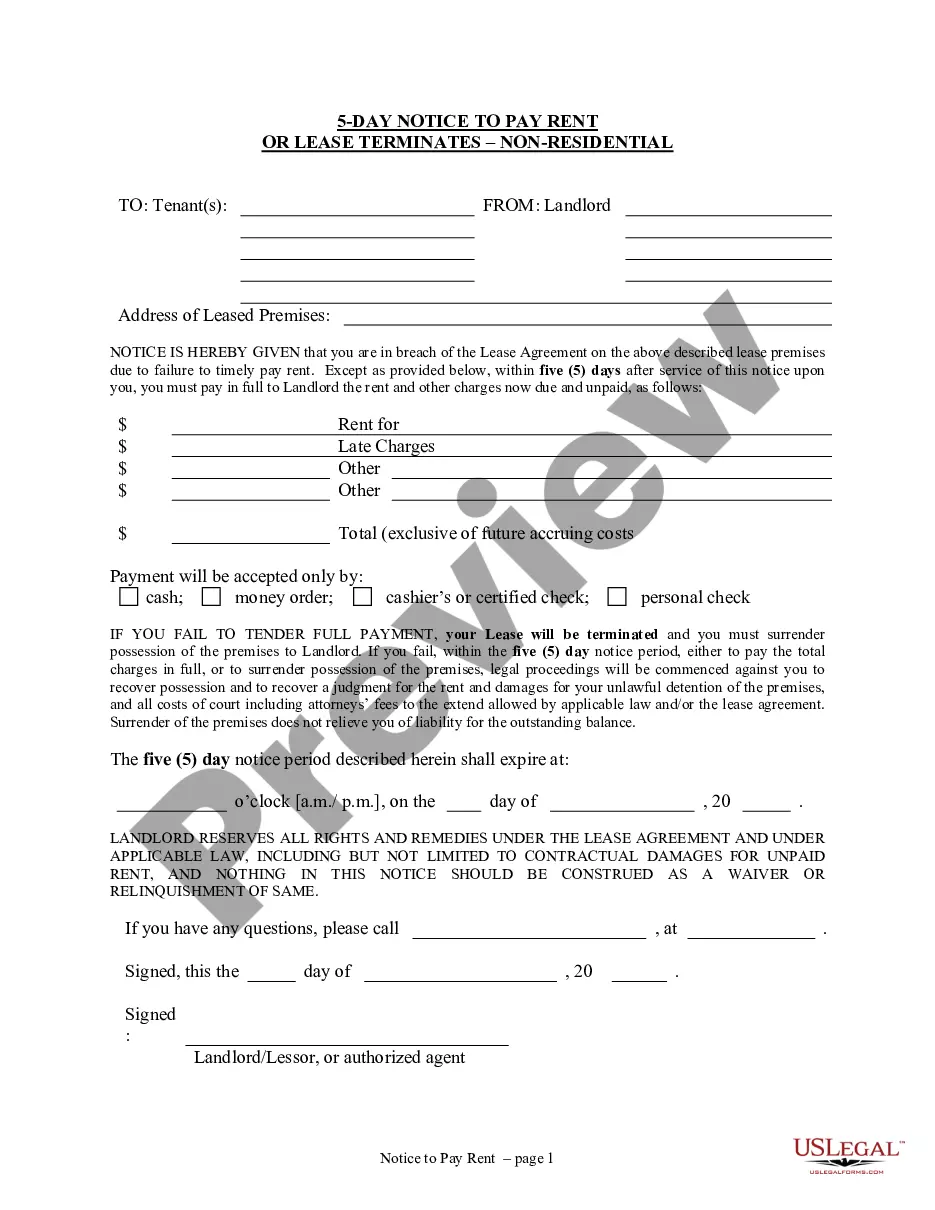
The 5 Day Notice Forcible Detainer California presented on this page is a reusable legal template crafted by expert attorneys in accordance with federal and local laws.
For over 25 years, US Legal Forms has supplied individuals, businesses, and legal professionals with more than 85,000 verified, state-specific documents for any business or personal situation. It’s the quickest, simplest, and most dependable method to acquire the paperwork you require, as the service ensures the utmost level of data security and anti-malware safeguards.
Select the format you desire for your 5 Day Notice Forcible Detainer California (PDF, Word, RTF) and download the example on your device.
- Browse for the document you require and review it.
- Examine the file you searched and preview it or check the form description to ensure it meets your needs. If it doesn’t, utilize the search bar to find the correct one. Click Buy Now when you have identified the template you want.
- Register and Log In.
- Select the pricing plan that fits you and create an account. Use PayPal or a credit card to make a prompt payment. If you already have an account, Log In and review your subscription to continue.
- Acquire the editable template.
Form popularity
FAQ
Filling out form UD 101, which is the California unlawful detainer complaint form, requires you to provide essential information about the eviction case. You need to include details such as the tenant's name, the property address, and the reason for eviction. Make sure to follow the instructions carefully to avoid errors that could delay your case. For help with this form, US Legal Forms offers valuable resources to guide you through the process smoothly.
Writing a 5-day eviction notice in California involves clearly stating the reason for the eviction, such as non-payment of rent. You should include the tenant's name, the property address, and the specific date by which they must vacate. Ensure the notice complies with California laws to avoid potential disputes. For templates and assistance, consider using US Legal Forms to streamline the process.
To respond to a 5-day eviction notice in California, you should first review the notice carefully. If you believe the notice is valid, you may need to vacate the property within that timeframe. If you dispute the notice, you can file a response in court, often requiring legal assistance. Using a resource like US Legal Forms can help you find the right forms and guidance for your situation.
1159. (a) Every person is guilty of a forcible entry who either: (1) By breaking open doors, windows, or other parts of a house, or by any kind of violence or circumstance of terror enters upon or into any real property.
Respond to the eviction case by filing a written response with the court very quickly. This means you're going to participate in the lawsuit and fight the eviction. Talk with your landlord and try to come up with an agreement where you can stay in your home.
The Notice must be in writing and include: The date the tenancy will end ("be terminated") Detailed reason(s) for the eviction. That if the tenant doesn't move out within 90 days the owner may start a court case to evict them and that they can give their side of the story then.
The first step in evicting an unwanted occupant who has ousted the owner/lessor/ or original tenant by means of physical or verbal force is to serve a five day notice to vacate. Once the Notice has expired the Summons, Complaint and Prejudgment Claim of Right to Possession is filed.
Section 1160 - When person guilty of forcible detainer (a) Every person is guilty of a forcible detainer who either: (1) By force, or by menaces and threats of violence, unlawfully holds and keeps the possession of any real property, whether the same was acquired peaceably or otherwise.