Breach Of Quiet Enjoyment Letter
Description
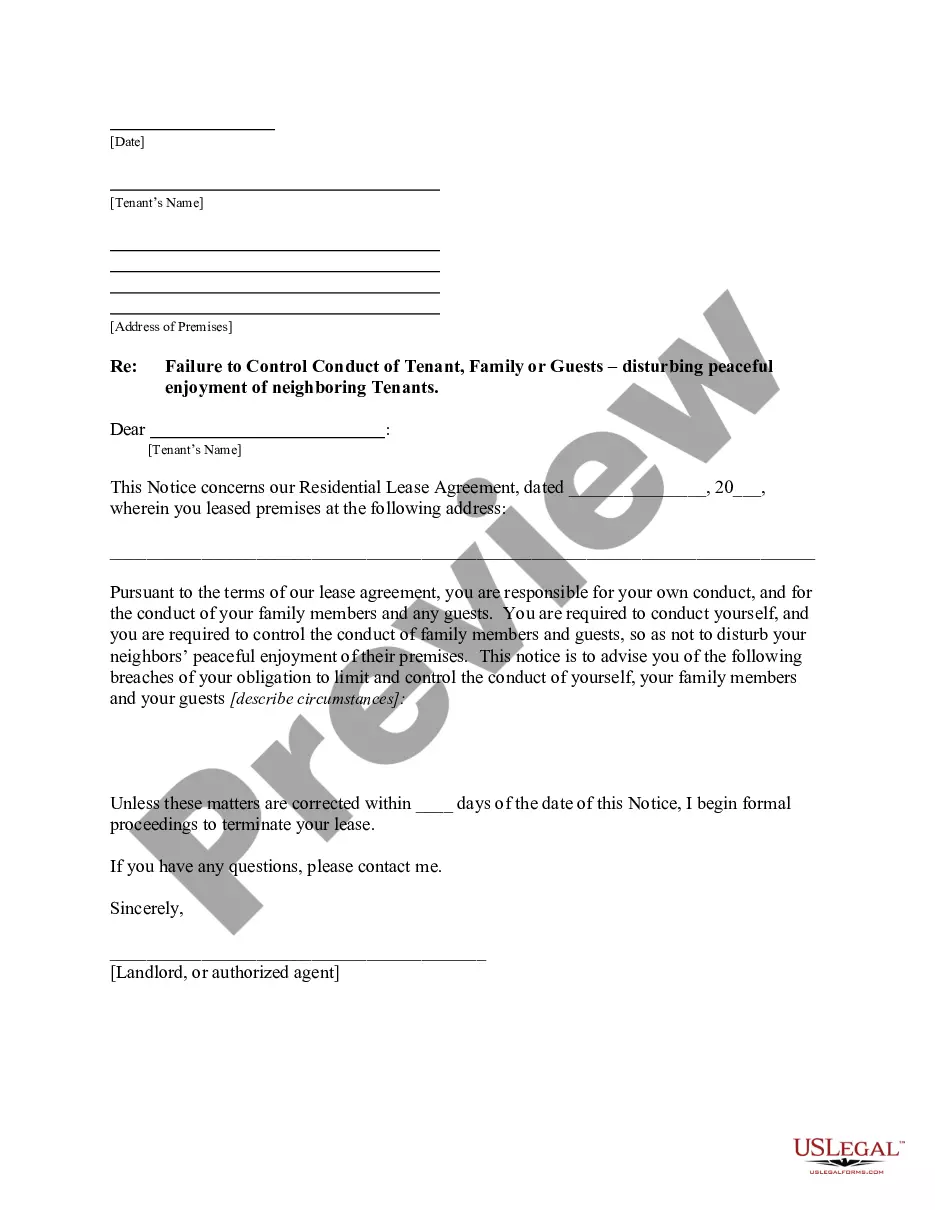
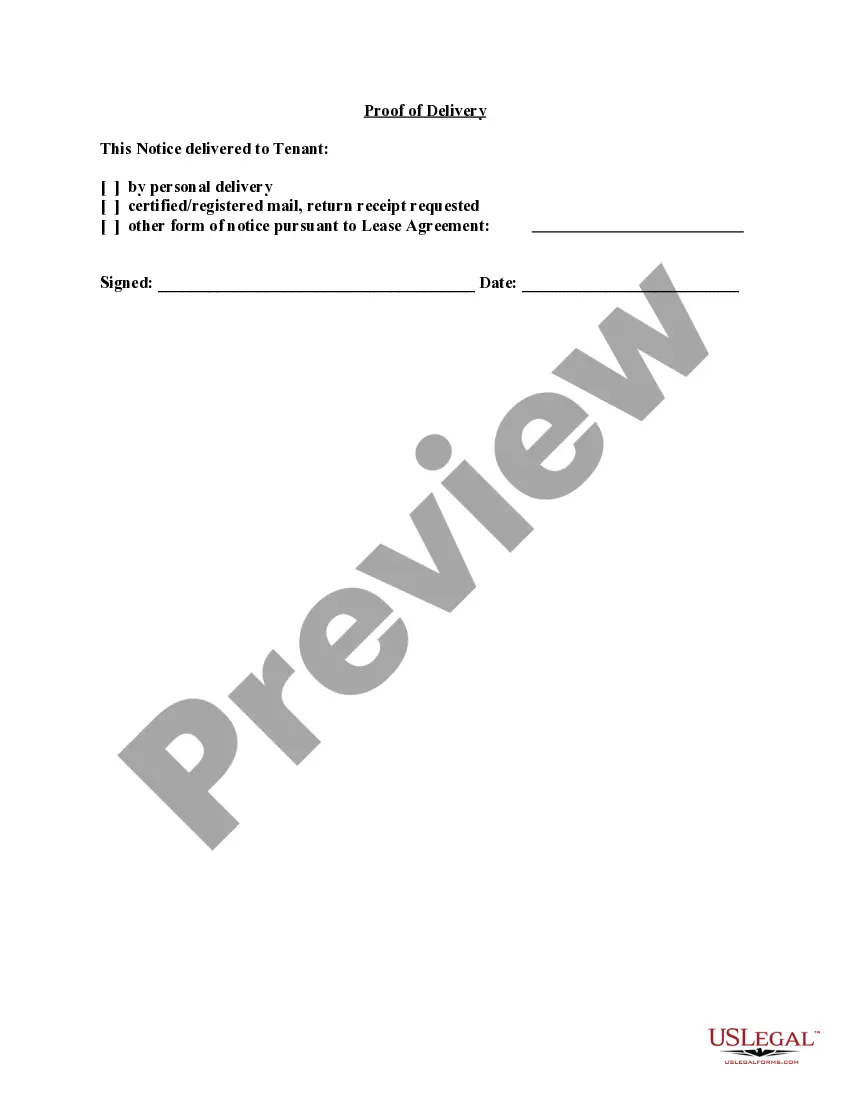
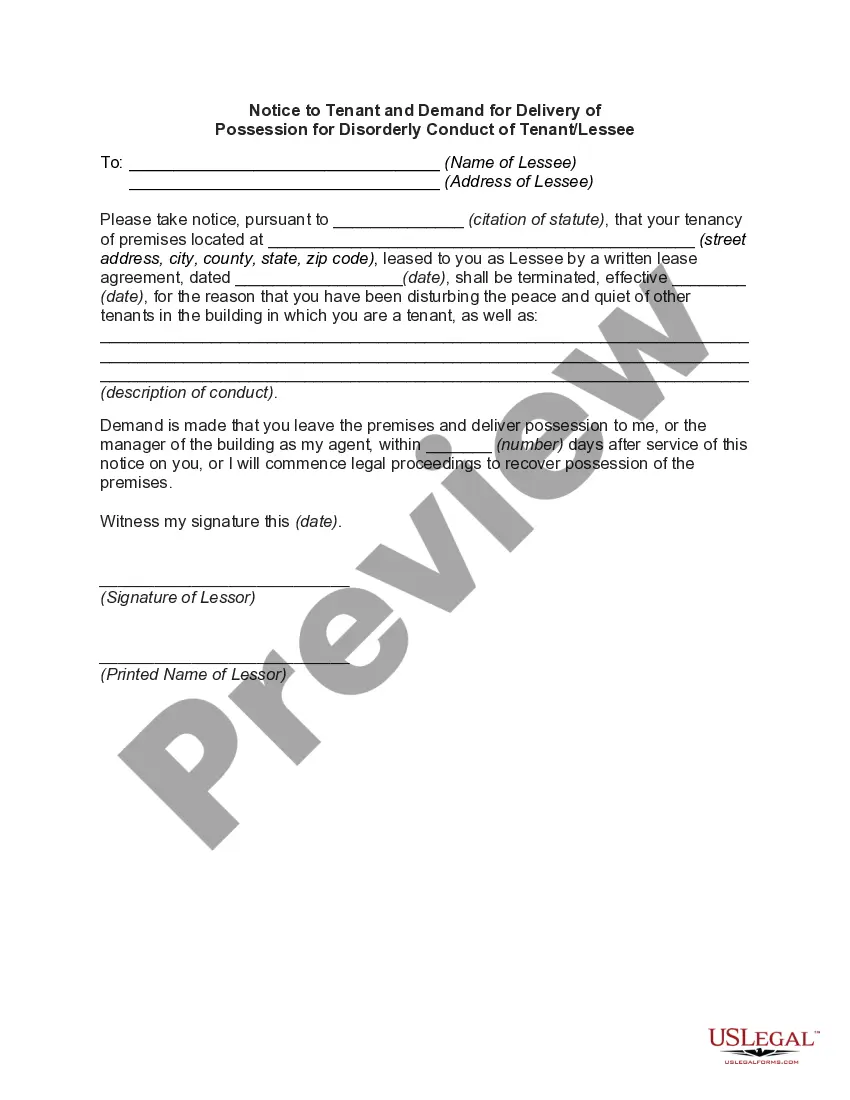


Get your form ready online
Our built-in tools help you complete, sign, share, and store your documents in one place.
Make edits, fill in missing information, and update formatting in US Legal Forms—just like you would in MS Word.
Download a copy, print it, send it by email, or mail it via USPS—whatever works best for your next step.
Sign and collect signatures with our SignNow integration. Send to multiple recipients, set reminders, and more. Go Premium to unlock E-Sign.
If this form requires notarization, complete it online through a secure video call—no need to meet a notary in person or wait for an appointment.
We protect your documents and personal data by following strict security and privacy standards.

Make edits, fill in missing information, and update formatting in US Legal Forms—just like you would in MS Word.

Download a copy, print it, send it by email, or mail it via USPS—whatever works best for your next step.

Sign and collect signatures with our SignNow integration. Send to multiple recipients, set reminders, and more. Go Premium to unlock E-Sign.

If this form requires notarization, complete it online through a secure video call—no need to meet a notary in person or wait for an appointment.

We protect your documents and personal data by following strict security and privacy standards.
Looking for another form?
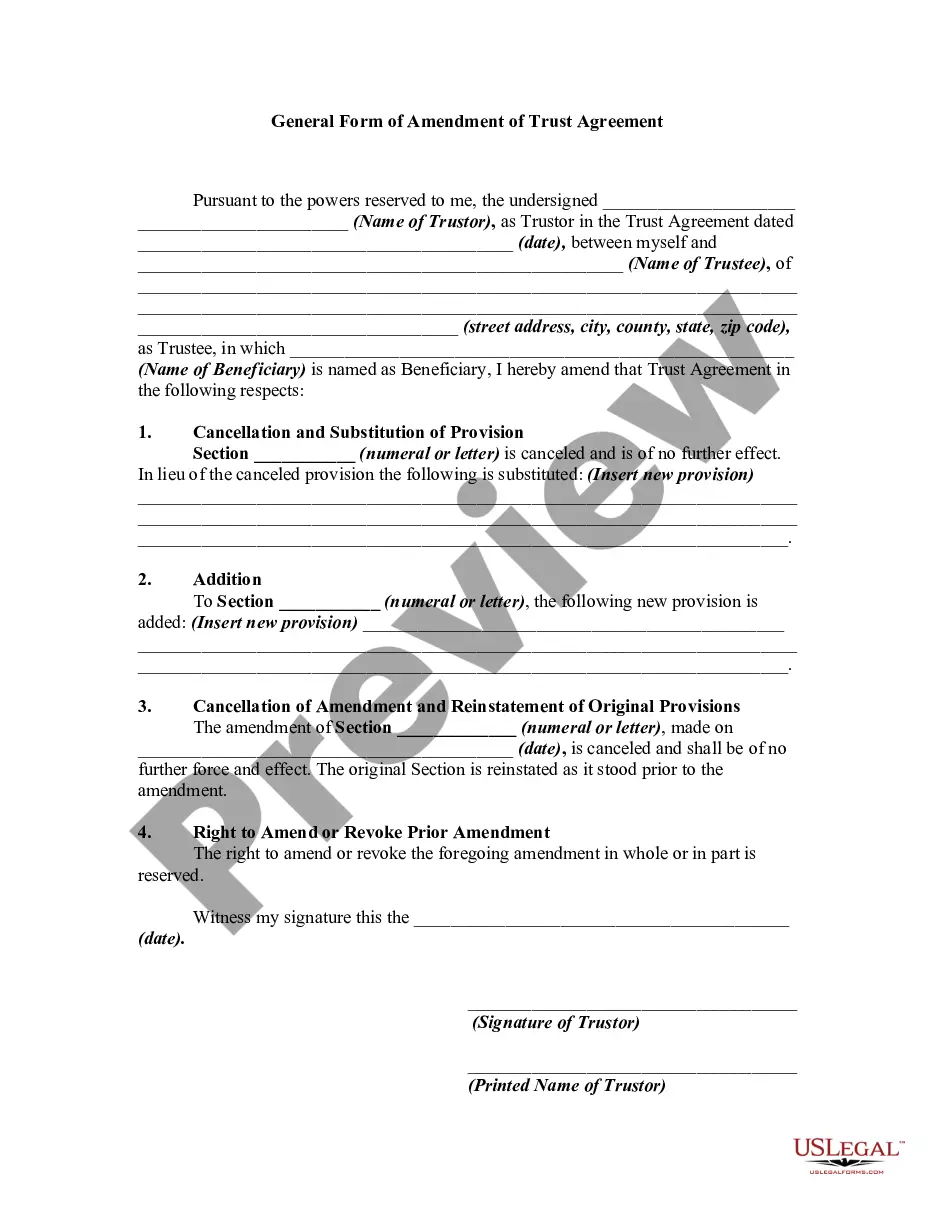
How to fill out Illinois Letter From Landlord To Tenant As Notice To Tenant Of Tenant's Disturbance Of Neighbors' Peaceful Enjoyment To Remedy Or Lease Terminates?
- Visit the US Legal Forms website and log in to your account if you're a returning user, or create a new account if this is your first time.
- Browse the extensive library of forms, ensuring you select the breach of quiet enjoyment letter that fits your needs and local requirements.
- If the first form you see doesn't meet your expectations, use the search feature to find the exact document you need.
- Once you've identified the correct form, click the 'Buy Now' button and choose your subscription plan to gain access to the library.
- Complete your purchase by entering your payment information, either through credit card or PayPal.
- After purchase, download your breach of quiet enjoyment letter and save it on your device for easy access and editing anytime. You can also find it in the 'My Forms' section of your profile.
Utilizing US Legal Forms streamlines the process of obtaining legal documents, providing a robust collection with over 85,000 forms that are easily fillable and editable. Additionally, users have access to premium experts for assistance, ensuring that your documents are accurate and compliant with the law.
Don't wait any longer! Start your journey towards securing your legal rights today by using US Legal Forms to download your breach of quiet enjoyment letter.
Form popularity
FAQ
As a landlord addressing a noise complaint, first acknowledge the tenant's concerns and review your lease agreements to understand your obligations. Communicate effectively with both the tenant raising the complaint and the one responsible for the noise. Provide clear instructions or warnings, emphasizing the importance of maintaining peaceful enjoyment. Document your communications and be prepared to address the situation if it escalates into a formal breach of quiet enjoyment letter.
When writing a letter about noise, begin with a polite introduction that includes your contact information. Clearly describe the noise issue, specifying times and the type of disturbance you face. Ensure you state how this affects your peace and enjoyment of the property. In your closing, suggest possible solutions or ask for specific actions, reinforcing the idea of a breach of quiet enjoyment letter.
Documenting a noise complaint involves keeping a detailed log of the disturbances. Record the date, time, duration, and type of noise you experience. This process not only supports your claim but also serves as evidence if you need to reference a breach of quiet enjoyment letter. Engaging with your neighbors about their experiences can also strengthen your case.
To write a strongly worded letter of complaint to your landlord regarding a breach of quiet enjoyment, start by clearly stating the issue. Use specific examples of how the noise or disturbance affects your living environment. Make sure to mention your rights under the lease agreement and the expectation for a peaceful living space. Providing clear documentation and expectations for resolution can enhance the effectiveness of your letter.
A right to quiet enjoyment lawsuit involves tenants seeking legal recourse when they face significant rental disruptions. The lawsuit typically arises from violations that hinder the tenant’s peaceful occupancy. If you encounter such disturbances, consulting legal resources and drafting a breach of quiet enjoyment letter can help strengthen your case.
The right of quiet enjoyment guarantees tenants the ability to live in a rented property without undue disturbances or interference. This right is fundamental to residential leases and provides protection against factors that can disrupt daily living. When violations occur, a breach of quiet enjoyment letter can effectively communicate your grievances to your landlord.
Actions that disrupt your peaceful enjoyment of the property, such as continuous construction noise or unauthorized entry, are likely breaches of the right of quiet enjoyment. These situations hinder your ability to enjoy your home without constant interruptions. Addressing these issues promptly with a breach of quiet enjoyment letter can often lead to quick resolutions.
In New Jersey, a breach of quiet enjoyment may occur when tenants experience significant disturbances that prevent them from using their rental space as intended. This can involve excessive noise, harassment, or a lack of maintenance that compromises their living conditions. If you experience such issues, consider drafting a breach of quiet enjoyment letter to inform your landlord and request resolution.
To write an effective letter to your landlord about a noise complaint, start by clearly stating the nature of the noise and how it affects your everyday life. Include specific details, such as dates and times of disturbances. Using a breach of quiet enjoyment letter format can help you structure your complaint formally, ensuring your concerns are taken seriously.
A violation of the covenant of quiet enjoyment often includes any actions by the landlord or others that interfere with your right to enjoy your rented space. Examples include excessive noise, failure to make necessary repairs, or entering the property without proper notice. If you’re facing such issues, consider sending a breach of quiet enjoyment letter to address your concerns directly with your landlord.