Power Attorney For Health
Description
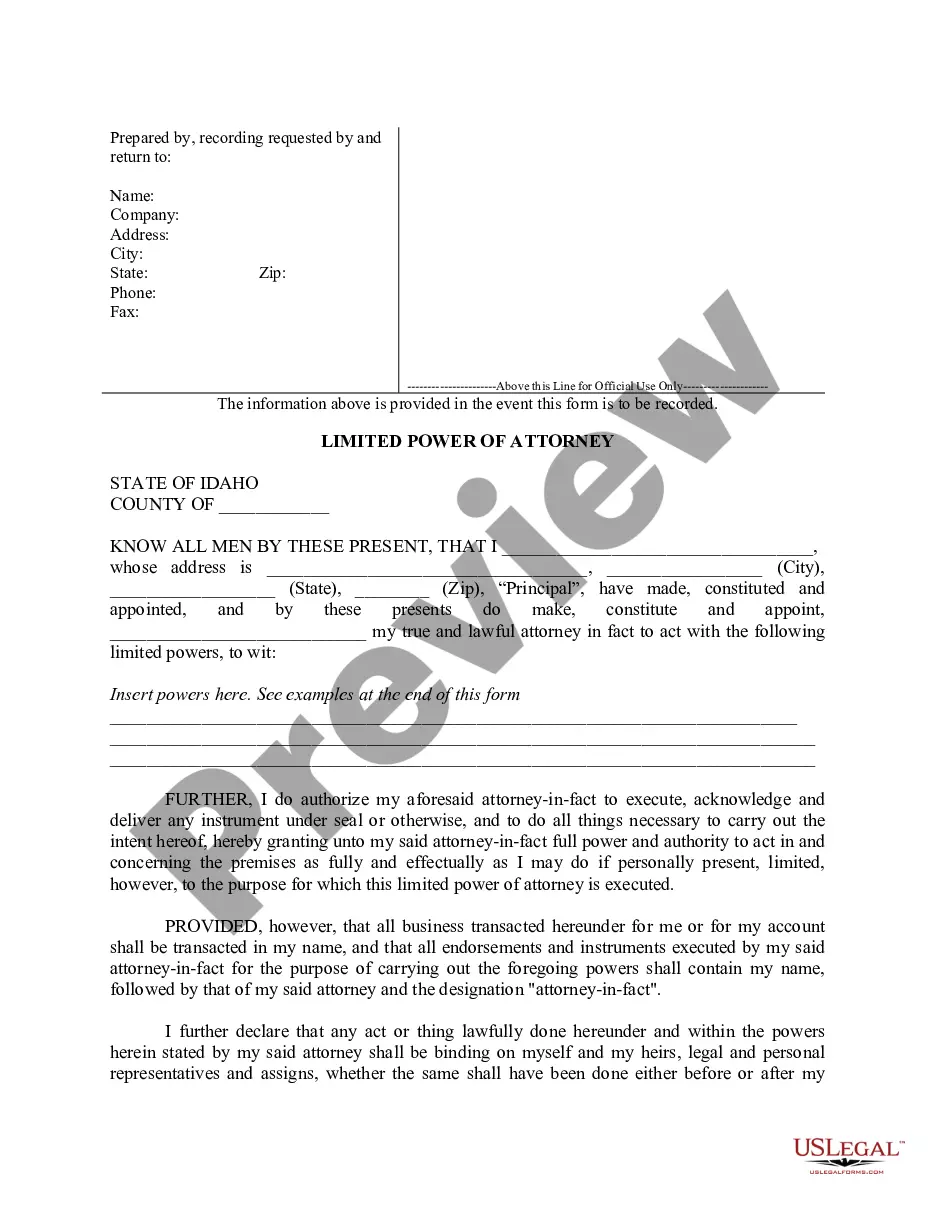
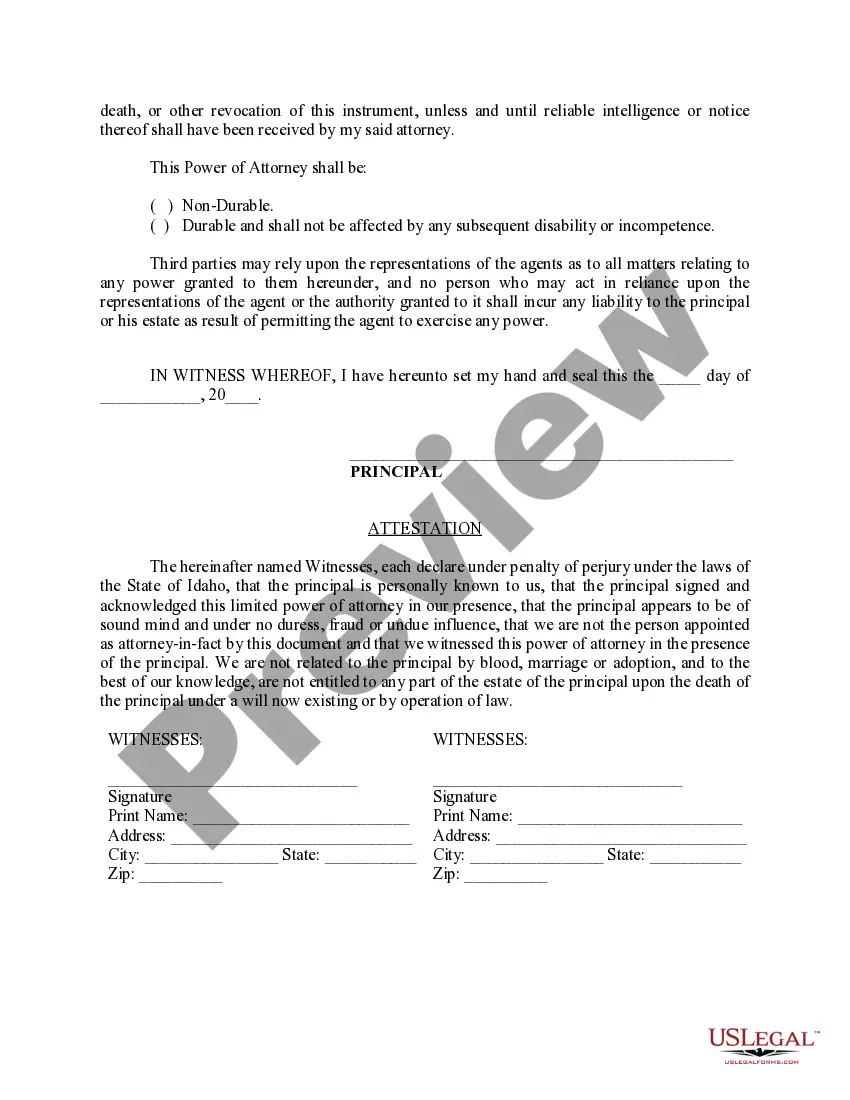
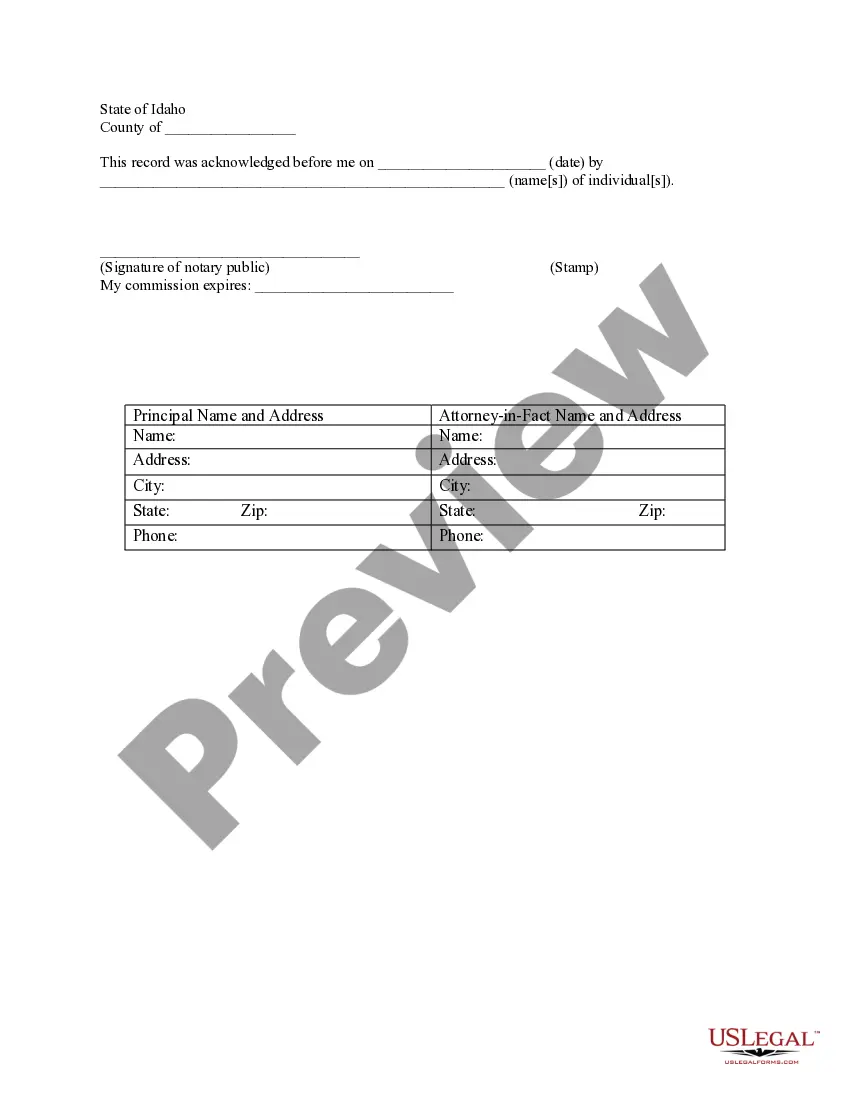
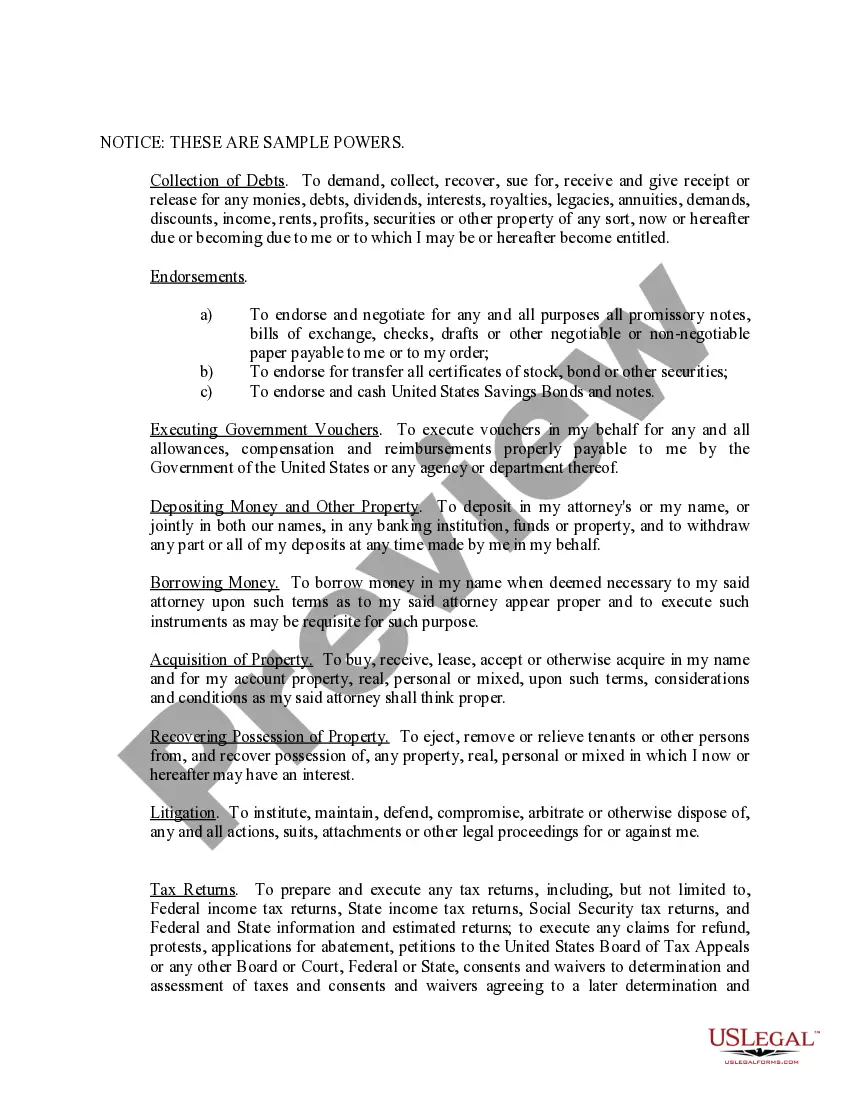
Get your form ready online
Our built-in tools help you complete, sign, share, and store your documents in one place.
Make edits, fill in missing information, and update formatting in US Legal Forms—just like you would in MS Word.
Download a copy, print it, send it by email, or mail it via USPS—whatever works best for your next step.
Sign and collect signatures with our SignNow integration. Send to multiple recipients, set reminders, and more. Go Premium to unlock E-Sign.
If this form requires notarization, complete it online through a secure video call—no need to meet a notary in person or wait for an appointment.
We protect your documents and personal data by following strict security and privacy standards.

Make edits, fill in missing information, and update formatting in US Legal Forms—just like you would in MS Word.

Download a copy, print it, send it by email, or mail it via USPS—whatever works best for your next step.

Sign and collect signatures with our SignNow integration. Send to multiple recipients, set reminders, and more. Go Premium to unlock E-Sign.

If this form requires notarization, complete it online through a secure video call—no need to meet a notary in person or wait for an appointment.

We protect your documents and personal data by following strict security and privacy standards.
Looking for another form?




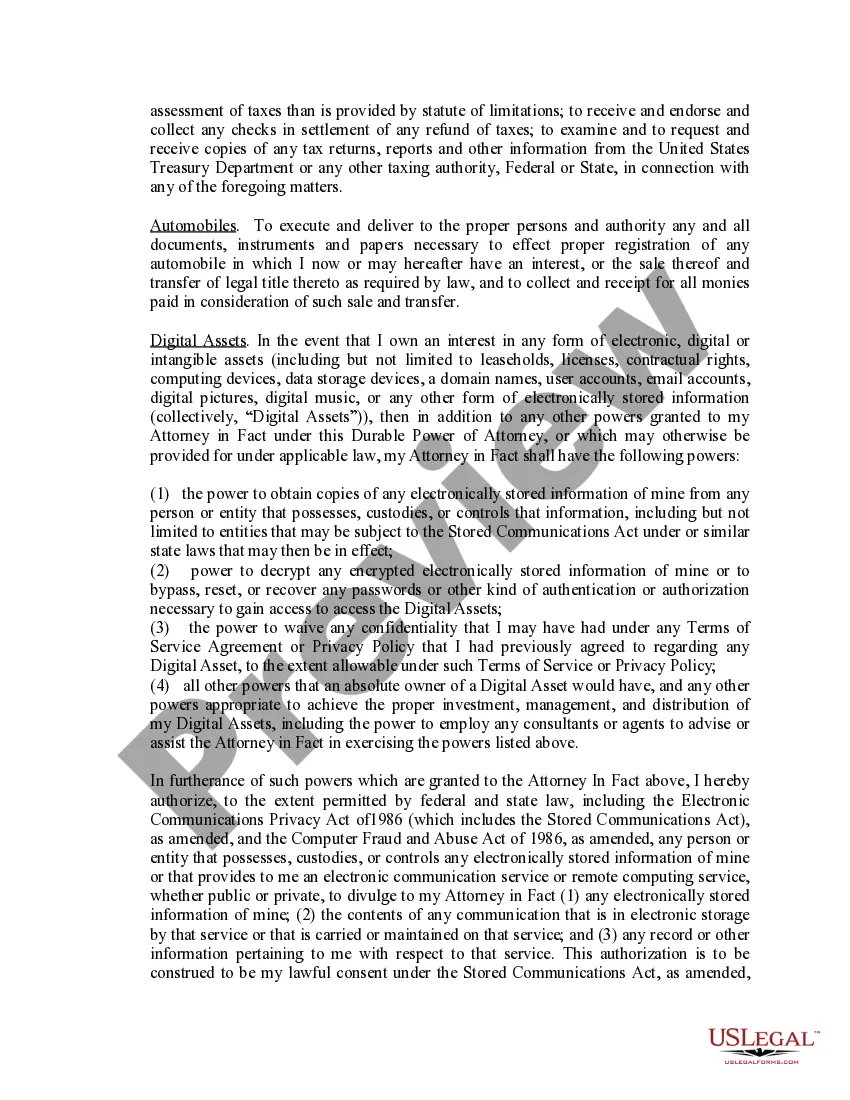
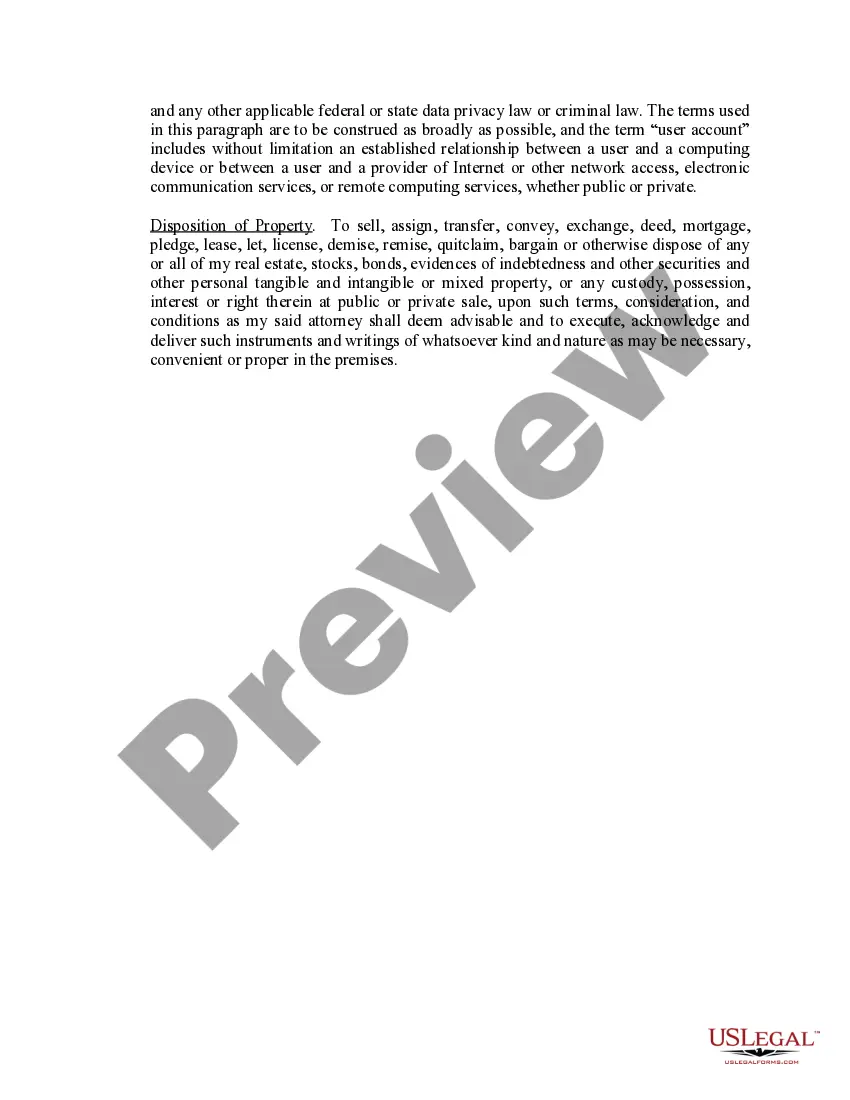
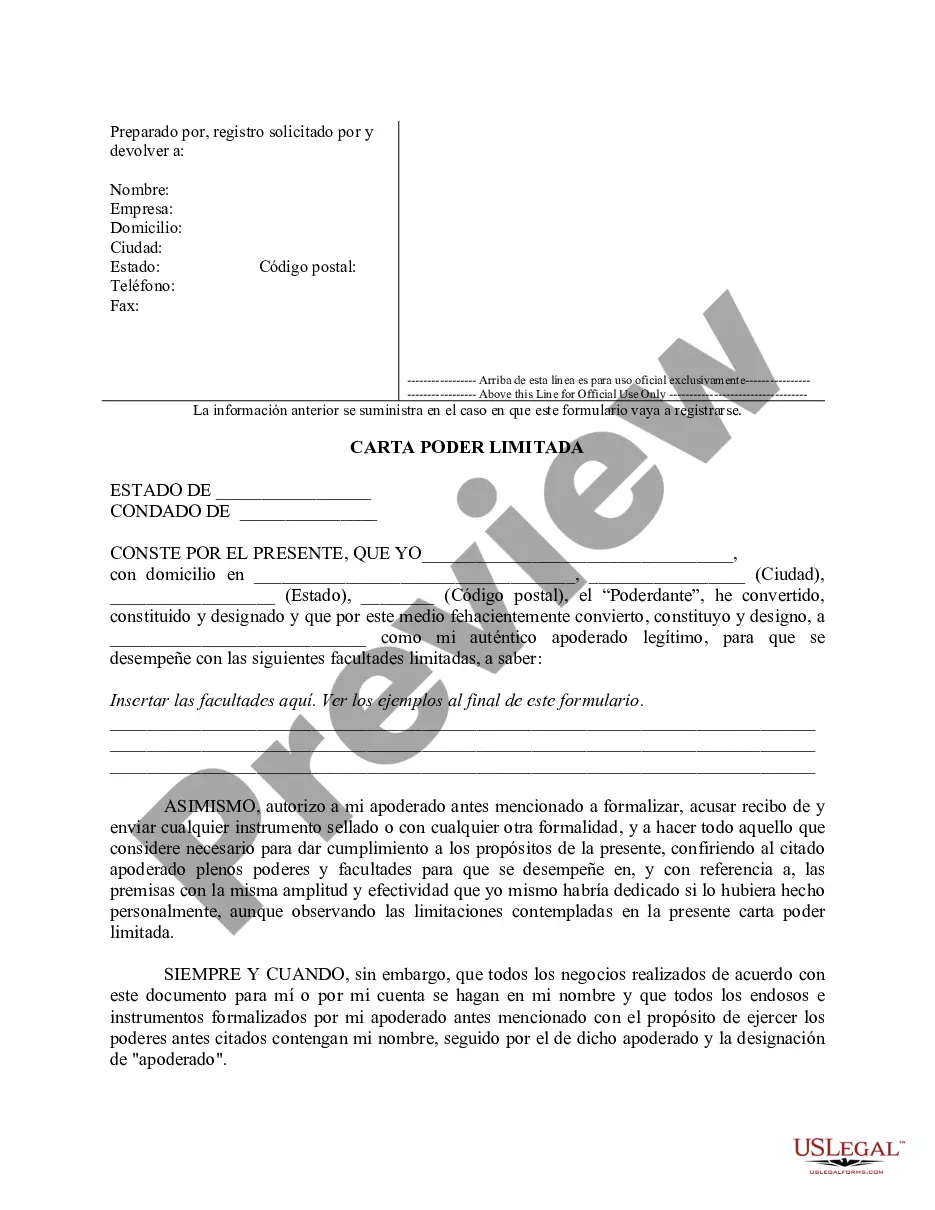
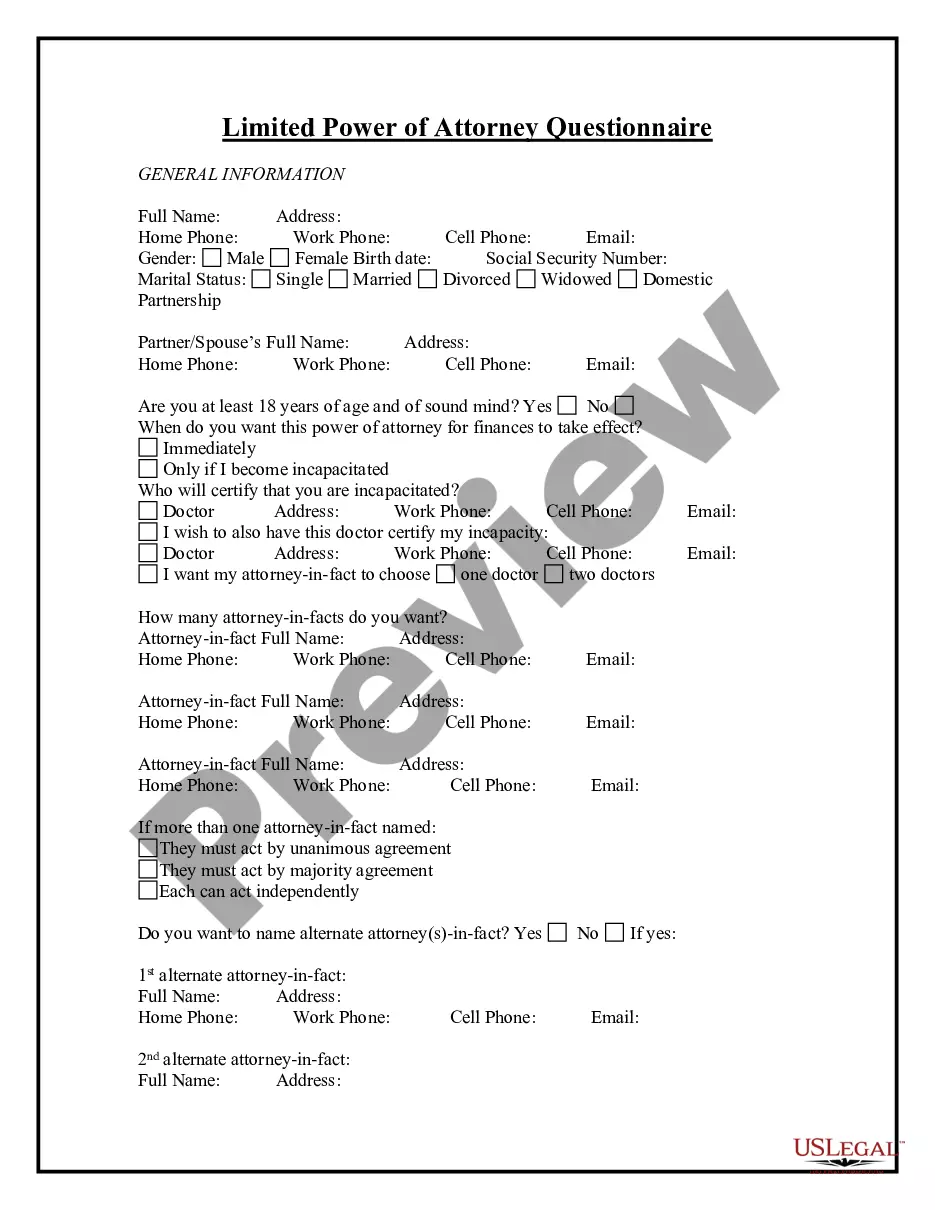
How to fill out Idaho Limited Power Of Attorney Where You Specify Powers With Sample Powers Included?
- Log in to your US Legal Forms account if you're a returning user, or create a new account if this is your first time.
- Search for 'power attorney for health' in the online library and review the available templates. Check the preview and description to ensure they meet your requirements.
- If the chosen form doesn’t fully meet your needs, utilize the search tool to explore additional templates.
- Select the document that best fits your situation and click the 'Buy Now' button to choose your subscription plan.
- Complete the payment process using your credit card or PayPal to gain access to your selected documents.
- Once the purchase is confirmed, download the power attorney for health form to your device, and access it anytime in the 'My Forms' section of your profile.
By following these straightforward steps, you can efficiently create a power attorney for health that reflects your wishes and protects your interests.
Start your journey towards securing your healthcare decisions by utilizing US Legal Forms today!
Form popularity
FAQ
In Florida, you don't necessarily need a lawyer to create a power of attorney, but having legal guidance can be beneficial. A lawyer can help ensure that your power attorney for health meets all legal requirements and accurately reflects your wishes. Using platforms like USLegalForms makes the process simpler and can provide the necessary forms and support without needing a lawyer.
Invoking a power of attorney for health care typically requires notifying the healthcare provider and presenting the power of attorney document. This action confirms your agent's authority to make healthcare decisions for you. It's wise to communicate your preferences and directives clearly to ensure your power attorney for health is understood and respected.
To use your power of attorney effectively, first, ensure that the document is properly signed and witnessed according to state requirements. Then, present it to healthcare providers when necessary, allowing your agent to make informed decisions on your behalf. A well-drafted power attorney for health will guide your agent to ensure decisions reflect your values and preferences.
In many cases, a spouse or adult child of the individual becomes the medical power of attorney by default if no formal document exists. However, it's essential to create a power attorney for health that explicitly names your chosen representative. This ensures your healthcare decisions align with your wishes and avoids any confusion in critical situations.
A legal power of attorney cannot make decisions about a person's marriage or divorce, determine issues related to child custody, or handle any criminal matters. It's important to understand that while a power attorney for health can manage healthcare-related choices, it must operate within specific boundaries. Thus, when establishing a power attorney for health, you should clarify these limits.
A POA, or power of attorney, encompasses a broad range of decision-making abilities, while a healthcare representative specifically focuses on medical decisions. When one creates a power attorney for health, they designate a healthcare representative to act solely in medical situations when they cannot. This separation is vital, as it allows individuals to tailor their choices regarding health care without losing overall control of other legal matters. Utilizing platforms like US Legal Forms can simplify this process.
A representative is a person chosen to make decisions, while a power of attorney is a legal document that grants authority. When discussing a power attorney for health, you appoint someone to represent you for medical decisions specifically. This distinction is important, as the power of attorney formalizes the relationship and clarifies the scope of the representative’s authority. It’s crucial to choose someone trustworthy for this significant role.
A healthcare representative acts on behalf of an individual when it comes to medical decisions. This person is typically designated through a healthcare power attorney for health, allowing them to make choices about treatment when the individual cannot. The representative should understand the individual’s wishes and values, ensuring their medical care aligns with their preferences. This legal framework offers peace of mind in uncertain situations.
A healthcare power attorney for health allows an individual to designate someone to make medical decisions on their behalf if they become unable to do so. In contrast, a living will outlines specific wishes regarding medical treatment, but does not appoint an agent. This means that while a living will states your preferences, the power attorney provides someone the authority to interpret and act on those preferences. Essentially, a power attorney for health provides greater flexibility in decision-making.
It is not possible to get a medical power of attorney without the individual's consent. The person must willingly sign the legal document to empower another individual to make healthcare decisions on their behalf. If you are concerned about healthcare management for someone who cannot communicate their wishes, consider discussing their options with them in a supportive manner. Platforms like US Legal Forms can provide the necessary forms for establishing a power attorney for health when the time is right.