Iowa Living Trust With The State
Description
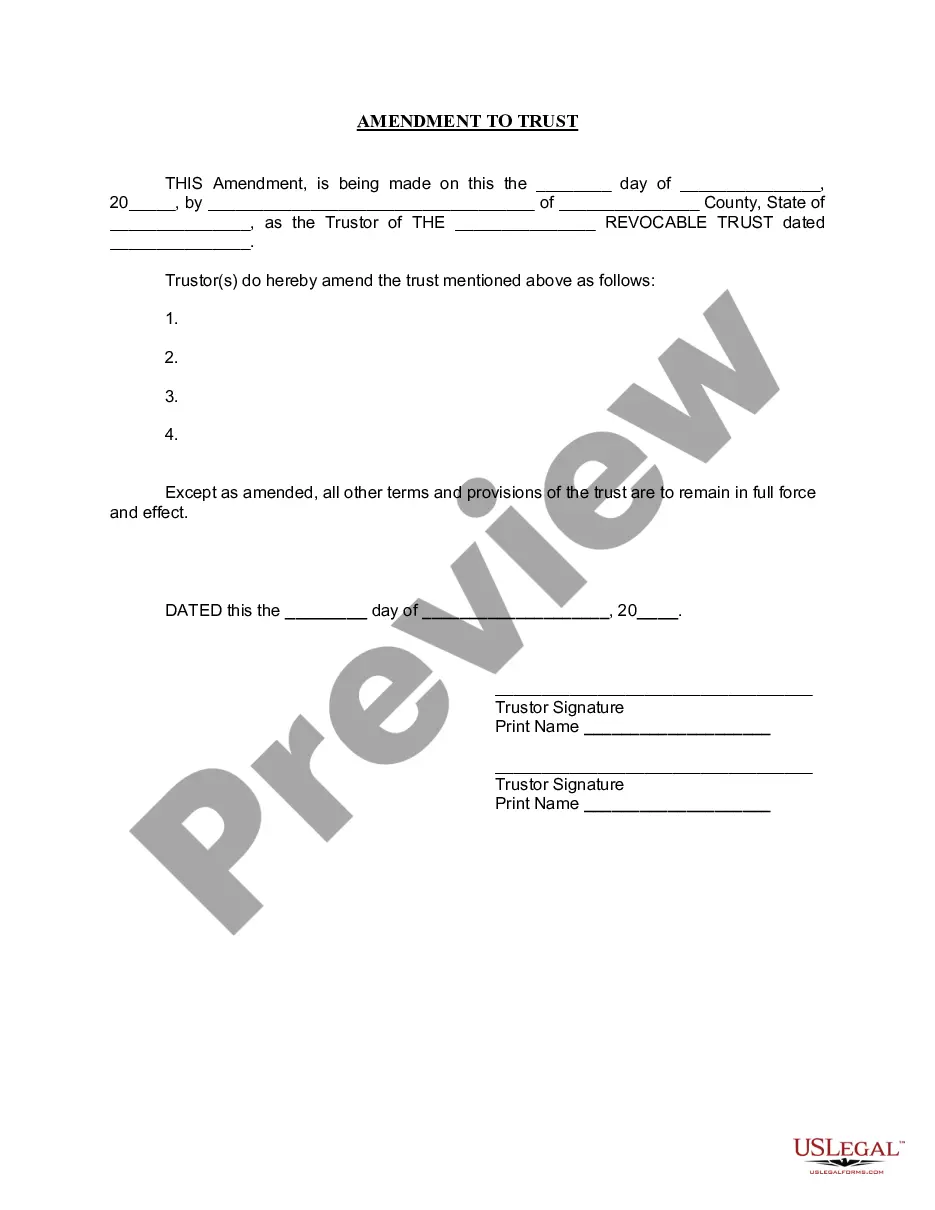
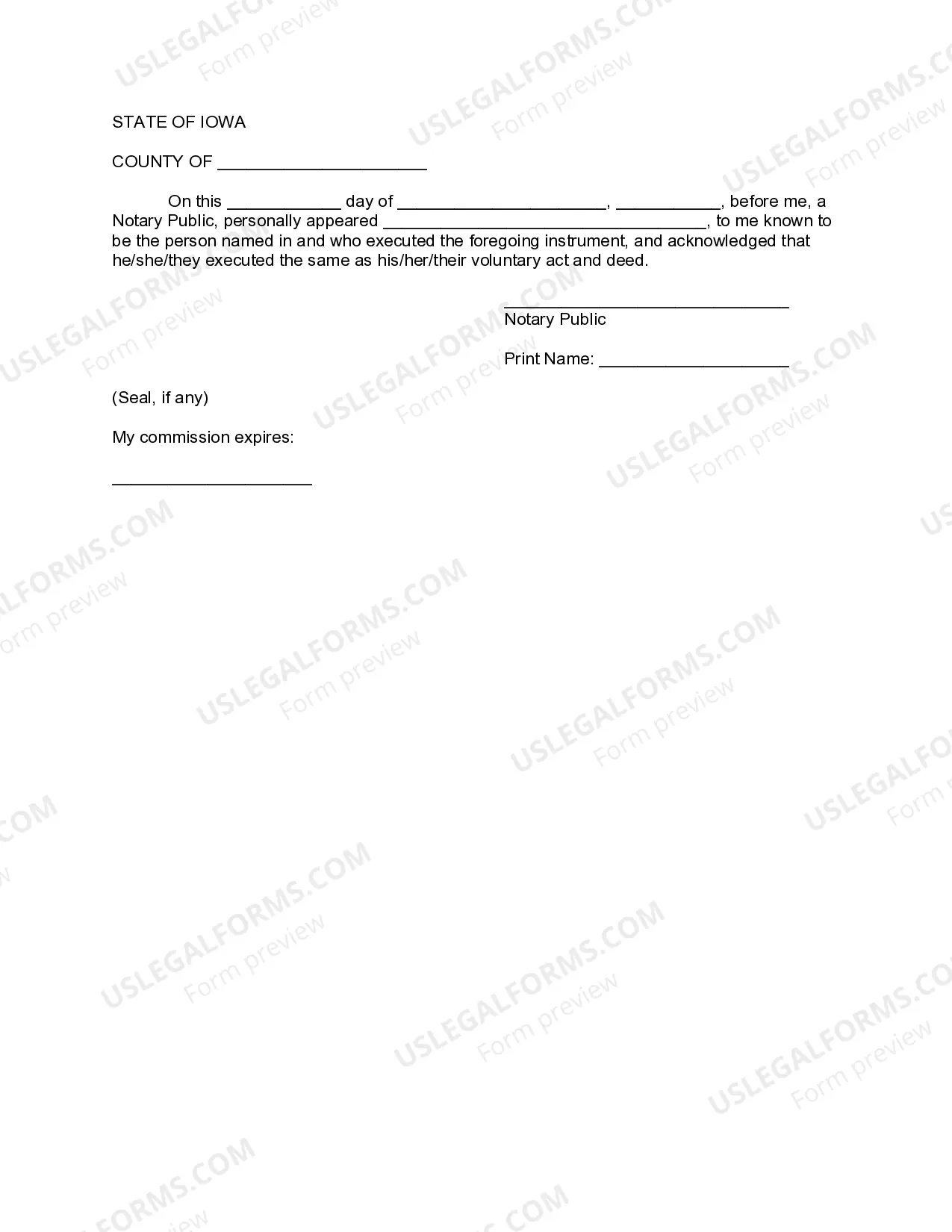


Get your form ready online
Our built-in tools help you complete, sign, share, and store your documents in one place.
Make edits, fill in missing information, and update formatting in US Legal Forms—just like you would in MS Word.
Download a copy, print it, send it by email, or mail it via USPS—whatever works best for your next step.
Sign and collect signatures with our SignNow integration. Send to multiple recipients, set reminders, and more. Go Premium to unlock E-Sign.
If this form requires notarization, complete it online through a secure video call—no need to meet a notary in person or wait for an appointment.
We protect your documents and personal data by following strict security and privacy standards.

Make edits, fill in missing information, and update formatting in US Legal Forms—just like you would in MS Word.

Download a copy, print it, send it by email, or mail it via USPS—whatever works best for your next step.

Sign and collect signatures with our SignNow integration. Send to multiple recipients, set reminders, and more. Go Premium to unlock E-Sign.

If this form requires notarization, complete it online through a secure video call—no need to meet a notary in person or wait for an appointment.

We protect your documents and personal data by following strict security and privacy standards.
Looking for another form?
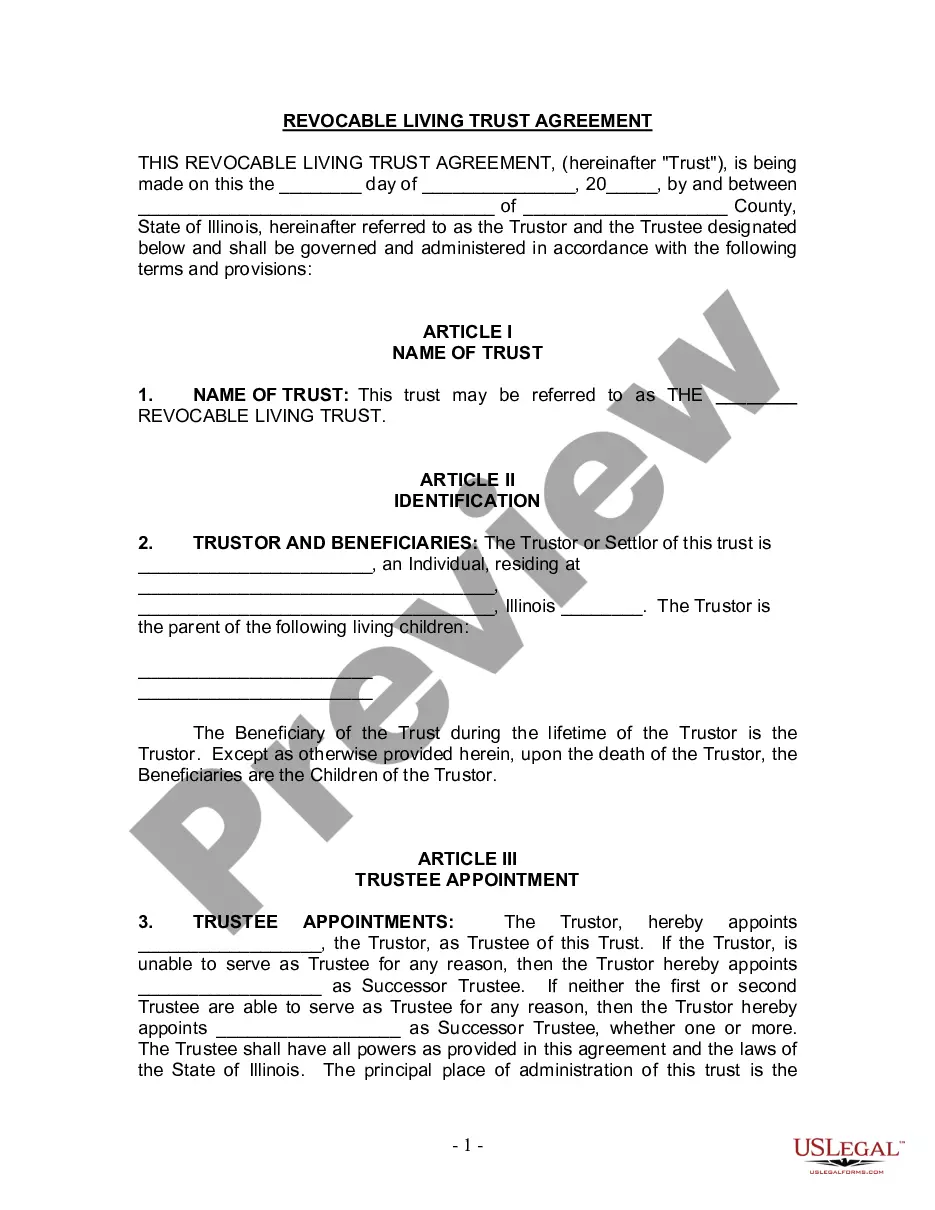




How to fill out Iowa Amendment To Living Trust?
- Log into your US Legal Forms account if you're a returning user, ensuring your subscription is active.
- If you're new, start by previewing the available templates and reviewing their descriptions to select the appropriate Iowa living trust form.
- Utilize the search function to find any additional templates needed to fulfill your estate planning requirements.
- Choose your desired subscription plan by clicking the Buy Now button to gain access to the extensive legal document library.
- Complete your purchase by entering your payment details via credit card or PayPal.
- Download the completed form to your device and access it anytime from the My Forms section of your profile.
By following these straightforward steps, you can successfully create a living trust tailored to your needs. US Legal Forms not only offers a robust collection of over 85,000 legal documents but also provides access to professional guidance, ensuring that your trust is legally sound and comprehensive.
Get started today and take control of your estate planning with US Legal Forms!
Form popularity
FAQ
The 5 year rule for trusts in the context of an Iowa living trust with the state refers to the period during which certain assets may be subject to penalties regarding Medicaid eligibility. If you transfer assets into a trust and then apply for Medicaid within five years, those assets may still be counted against your eligibility. This is crucial for anyone considering an Iowa living trust, as it can impact long-term care planning. For guidance, consider utilizing resources from UsLegalForms to ensure that your trust is set up correctly and aligns with your needs.
To set up an Iowa living trust with the state, first, gather all necessary information regarding your assets and beneficiaries. You can choose to draft the trust document yourself or use a reliable platform like US Legal Forms to streamline the process. Once the document is prepared, sign it in front of a notary public, and fund the trust by transferring your assets into it. This setup provides flexibility and can help avoid probate, ensuring your family receives their inheritance smoothly.
A downside of placing assets in a trust is the complexity involved in transferring ownership. An Iowa living trust can limit access to assets while the trust is in effect, which may concern some individuals. However, with proper planning and awareness, these concerns can be mitigated, providing peace of mind for the future.
One of the biggest mistakes parents make is failing to communicate their intentions with their children. When establishing an Iowa living trust, clear communication helps prevent misunderstandings and conflicts down the line. Involving a professional can also ensure that every detail aligns with their desires.
A potential downfall of having a trust is that not all assets may be included, which can complicate the estate distribution process. For an effective Iowa living trust, it is essential to keep the trust's terms updated and ensure all applicable assets are accounted for. Neglecting these details can lead to challenges for your heirs.
One disadvantage of a family trust is that it may require ongoing management and oversight. With an Iowa living trust, your loved ones may need to take on added responsibilities to ensure the trust operates as intended. Additionally, family dynamics can lead to disputes about asset distribution, which can create tension.
Setting up an Iowa living trust with the state involves a few important steps. First, determine the assets you want to place in the trust. Next, draft the trust document, which outlines how your assets will be managed and who will oversee them. Finally, transfer the assets into the trust, and ensure that everything complies with Iowa law. For a smooth process, consider using USLegalForms, which provides templates and resources to help you create your living trust easily.
In general, trusts, including an Iowa living trust with the state, are not required to register with the Secretary of State. A living trust can operate privately, without needing formal registration. This feature can protect your assets and streamline the management process while ensuring that your wishes are carried out efficiently. It is always wise to seek advice from a knowledgeable legal expert regarding your trust setup.
Under the Corporate Transparency Act (CTA), certain trusts may be exempt from reporting requirements. An Iowa living trust with the state designed for personal use typically does not fall under the reporting obligations. It is essential to stay informed about any new legislation that may affect this status, as regulations can change. Consult with an experienced attorney to clarify your specific trust's obligations.
Typically, trusts do not need to register with the Secretary of State in most jurisdictions, including Iowa. A living trust is often created to manage assets without the need for formal registration. However, having a clear understanding of how an Iowa living trust with the state functions can help you navigate your estate planning effectively. Always seek guidance from a legal professional to avoid any missteps.