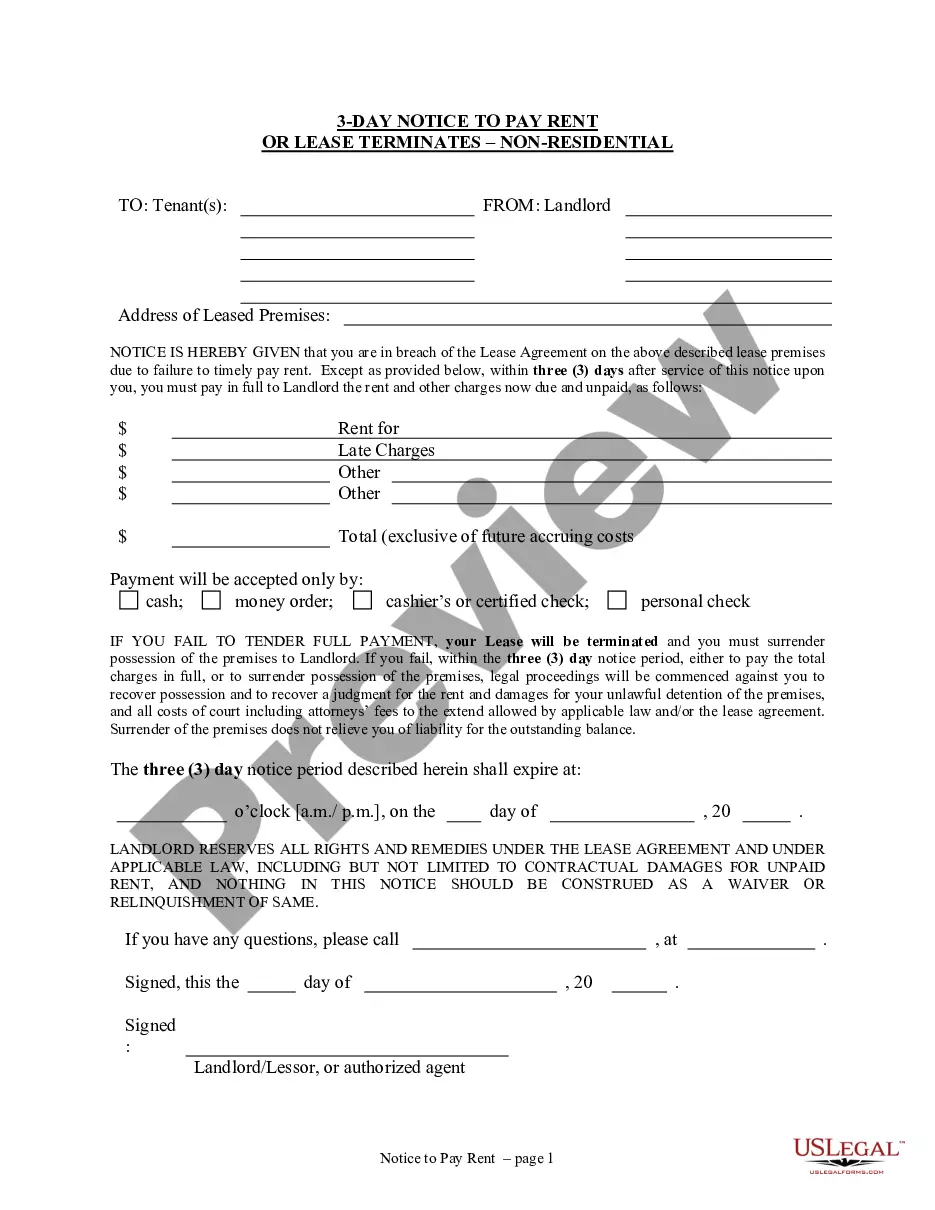
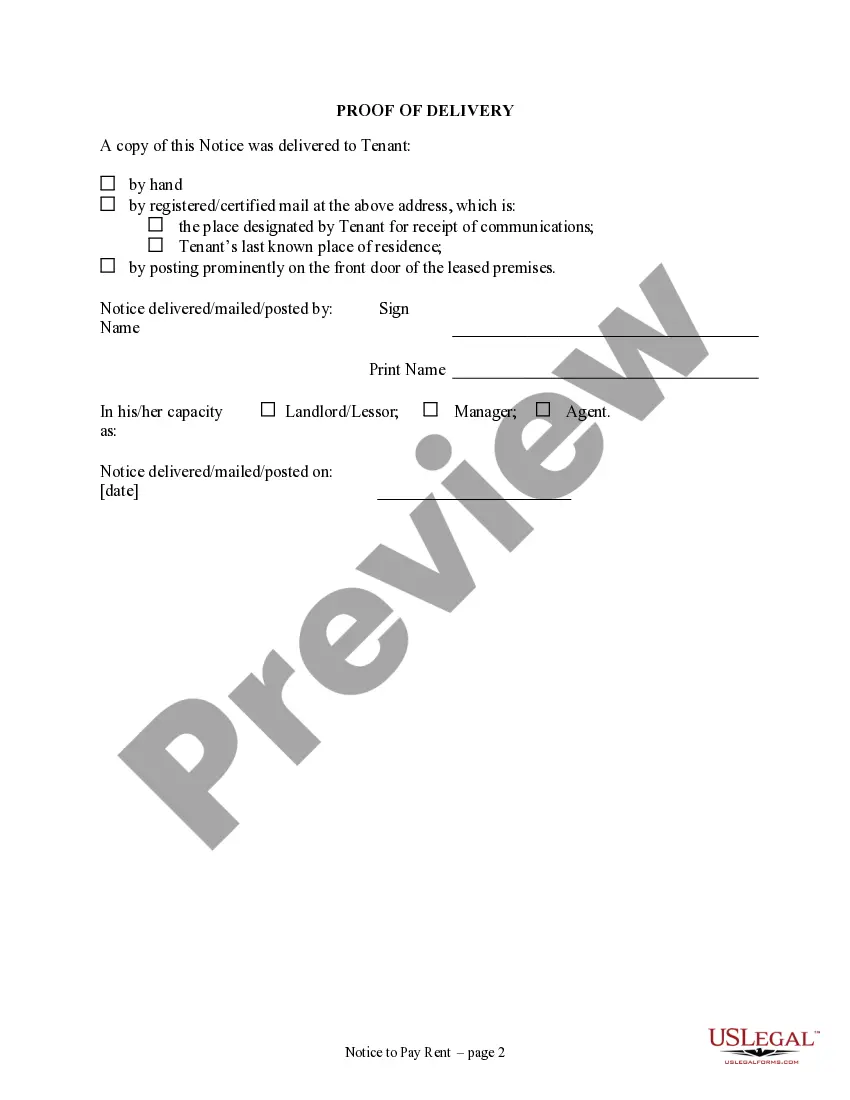
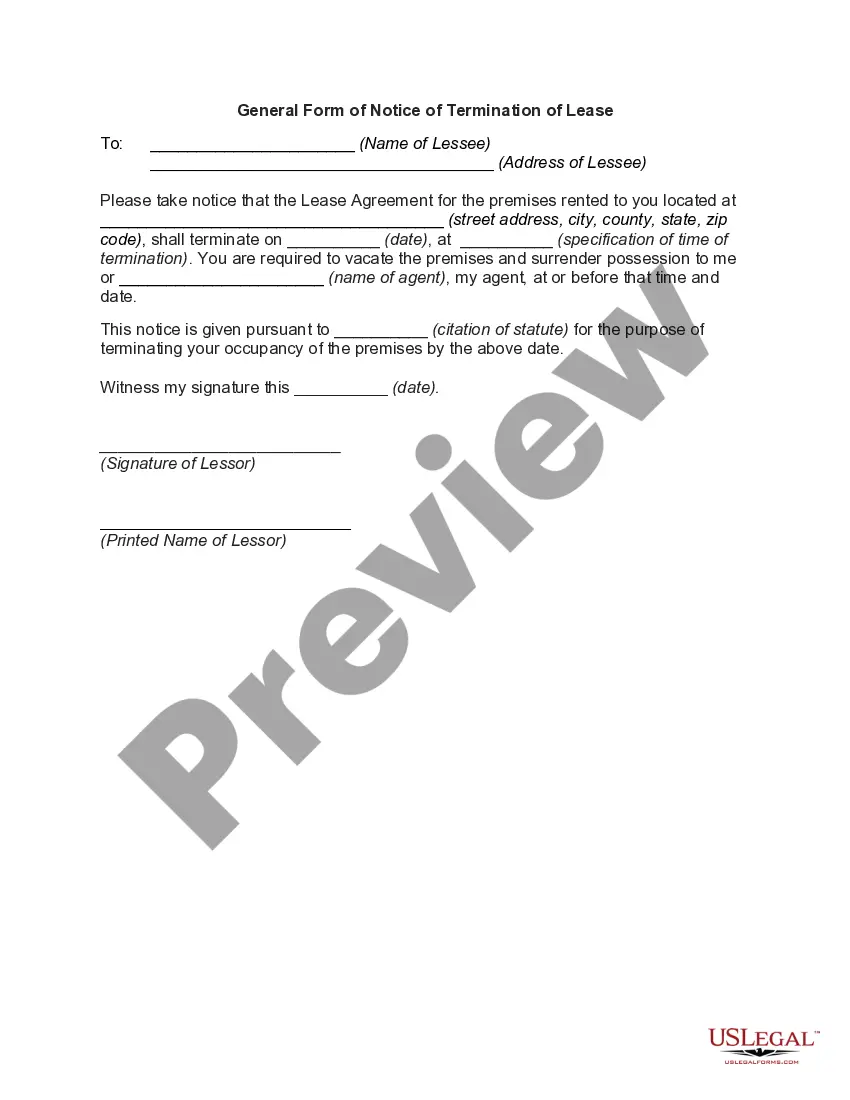
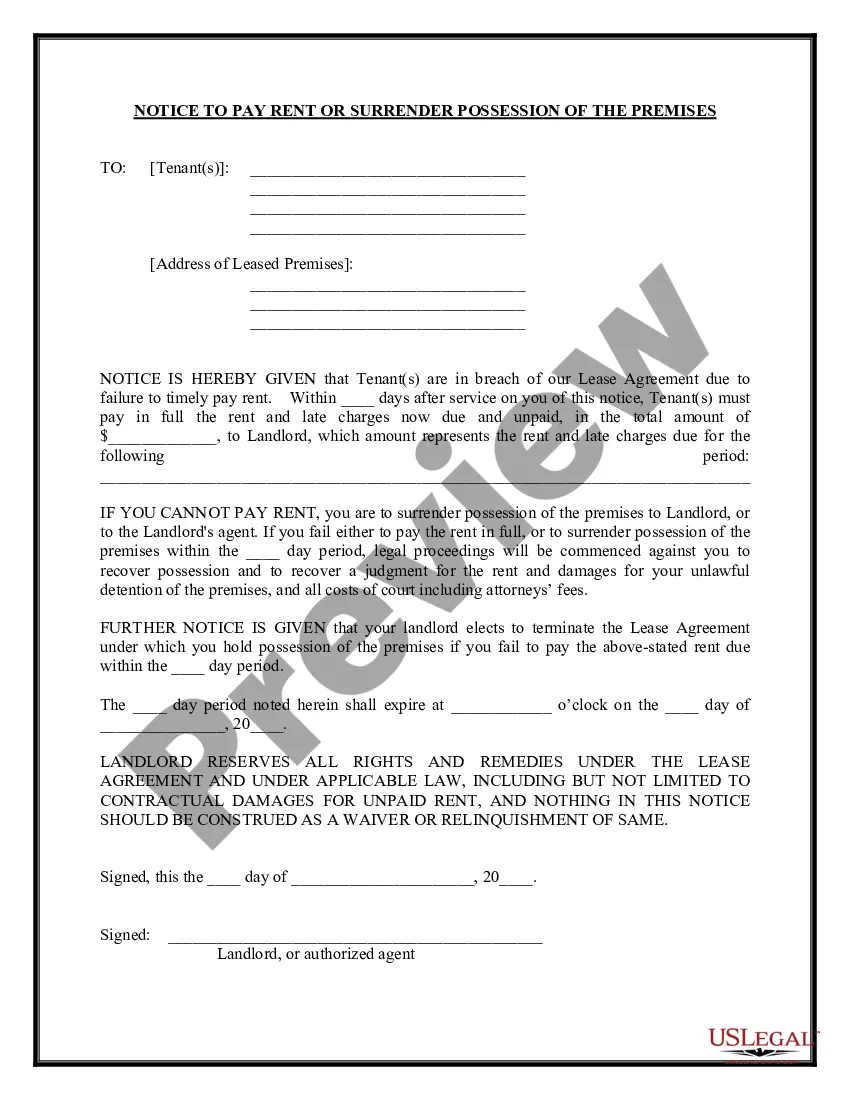
Three-day Notice
Description

Get your form ready online
Our built-in tools help you complete, sign, share, and store your documents in one place.
Make edits, fill in missing information, and update formatting in US Legal Forms—just like you would in MS Word.
Download a copy, print it, send it by email, or mail it via USPS—whatever works best for your next step.
Sign and collect signatures with our SignNow integration. Send to multiple recipients, set reminders, and more. Go Premium to unlock E-Sign.
If this form requires notarization, complete it online through a secure video call—no need to meet a notary in person or wait for an appointment.
We protect your documents and personal data by following strict security and privacy standards.

Make edits, fill in missing information, and update formatting in US Legal Forms—just like you would in MS Word.

Download a copy, print it, send it by email, or mail it via USPS—whatever works best for your next step.

Sign and collect signatures with our SignNow integration. Send to multiple recipients, set reminders, and more. Go Premium to unlock E-Sign.

If this form requires notarization, complete it online through a secure video call—no need to meet a notary in person or wait for an appointment.

We protect your documents and personal data by following strict security and privacy standards.
Looking for another form?

How to fill out Iowa 3 Day Notice To Pay Rent Or Lease Terminated For Nonresidential Or Commercial Property?
- If you're a returning user, log in to your account. Check your subscription status and ensure it's valid before downloading your form.
- For new users, start by browsing the extensive online library of over 85,000 legal forms. Use the Preview mode to read descriptions and confirm you have the right document for your needs.
- If necessary, refine your search with the Search tab to locate the correct three-day notice. Verify its relevance to your local jurisdiction.
- Once you find the appropriate form, click on the Buy Now button and select your preferred subscription plan.
- Finish your purchase by entering payment details via credit card or PayPal. Creating an account is essential for access.
- Finally, download the three-day notice form to your device. You can revisit and complete it anytime from the My Forms section.
In conclusion, obtaining a three-day notice from US Legal Forms is a simple process that saves you time and ensures you're equipped with the correct documentation.
Don't hesitate—start your journey towards legal compliance today!
Form popularity
FAQ
In California, a three-day notice may be considered defective if it lacks essential information, such as the correct amount owed or does not specify how to remedy the situation. Additionally, if the landlord fails to deliver the notice properly, it may not hold up in court. Always ensure that your three-day notice complies with state laws to avoid delays in the eviction process. For assistance in preparing legally compliant notices, consider using USLegalForms to ensure accuracy.
In Kansas, a 3-day notice can initiate the eviction process, but it does not guarantee immediate eviction. After receiving a three-day notice from your landlord, you have that time to rectify the issue, such as paying overdue rent. If you fail to address the issue, your landlord may then file for eviction with the court. It's crucial to understand your rights and options, and using resources like USLegalForms can help you navigate this process effectively.
To stop an eviction in Ohio, it is vital to address any discrepancies promptly. Paying overdue rent or resolving any noted violations before the court date can help. Utilizing resources like USLegalForms can assist you in understanding your options, ensuring all paperwork, including notices and responses, meets legal standards.
No, a three-day notice does not need to be notarized in Ohio. It simply needs to be properly formatted and served to the tenant to be valid. Ensuring the notice meets all legal requirements is essential for enforcing any subsequent eviction.
In Ohio, a three-day notice must clearly state the amount of rent owed and the deadline for payment. It should be served inperson, by certified mail, or posted on the property. Tenants need to be informed accurately about their rights concerning the notice, including the implications of ignoring it, to avoid potential eviction.
Yes, a landlord can cancel an eviction notice in certain circumstances. If a landlord chooses to accept a payment or decides to resolve an issue amicably with a tenant, they may withdraw the eviction notice. However, the landlord should follow proper procedures to officially document this cancellation to prevent confusion or further disputes.
In North Carolina, tenants can stop an eviction by paying all past-due rent and any associated fees before the eviction is finalized. Doing so shows your commitment to fulfilling your rental agreement. If you receive a three-day notice, resolving the overdue rent promptly can prevent further legal action against you.
Landlord harassment in Ohio includes actions that interfere with a tenant's right to quiet enjoyment of their home. Examples include constant verbal abuse, unwanted and excessive visits, or making threats about eviction without proper procedure. If a landlord serves a three-day notice as a form of intimidation rather than as a legitimate eviction process, it can be classified as harassment.
In Ohio, a three-day notice may become void if it is not properly served. If the landlord fails to provide the tenant with clear information regarding the unpaid rent or if the notice does not comply with local laws, it may not hold up in court. Additionally, if the tenant can prove they have made a legitimate payment or that there were disputes about the rental conditions, this might invalidate the notice as well.
To handle a situation where someone won't leave your house in Michigan, you must first provide them with a proper notice, typically starting with a three-day notice to quit. After that, if they still refuse to leave, you can proceed with filing an eviction case in court. It's crucial to follow legal procedures to avoid potential backlash. Using resources from US Legal Forms can help you navigate this process effectively.