Notice Lease Property With No Title
Description

Get your form ready online
Our built-in tools help you complete, sign, share, and store your documents in one place.
Make edits, fill in missing information, and update formatting in US Legal Forms—just like you would in MS Word.
Download a copy, print it, send it by email, or mail it via USPS—whatever works best for your next step.
Sign and collect signatures with our SignNow integration. Send to multiple recipients, set reminders, and more. Go Premium to unlock E-Sign.
If this form requires notarization, complete it online through a secure video call—no need to meet a notary in person or wait for an appointment.
We protect your documents and personal data by following strict security and privacy standards.

Make edits, fill in missing information, and update formatting in US Legal Forms—just like you would in MS Word.

Download a copy, print it, send it by email, or mail it via USPS—whatever works best for your next step.

Sign and collect signatures with our SignNow integration. Send to multiple recipients, set reminders, and more. Go Premium to unlock E-Sign.

If this form requires notarization, complete it online through a secure video call—no need to meet a notary in person or wait for an appointment.

We protect your documents and personal data by following strict security and privacy standards.
Looking for another form?


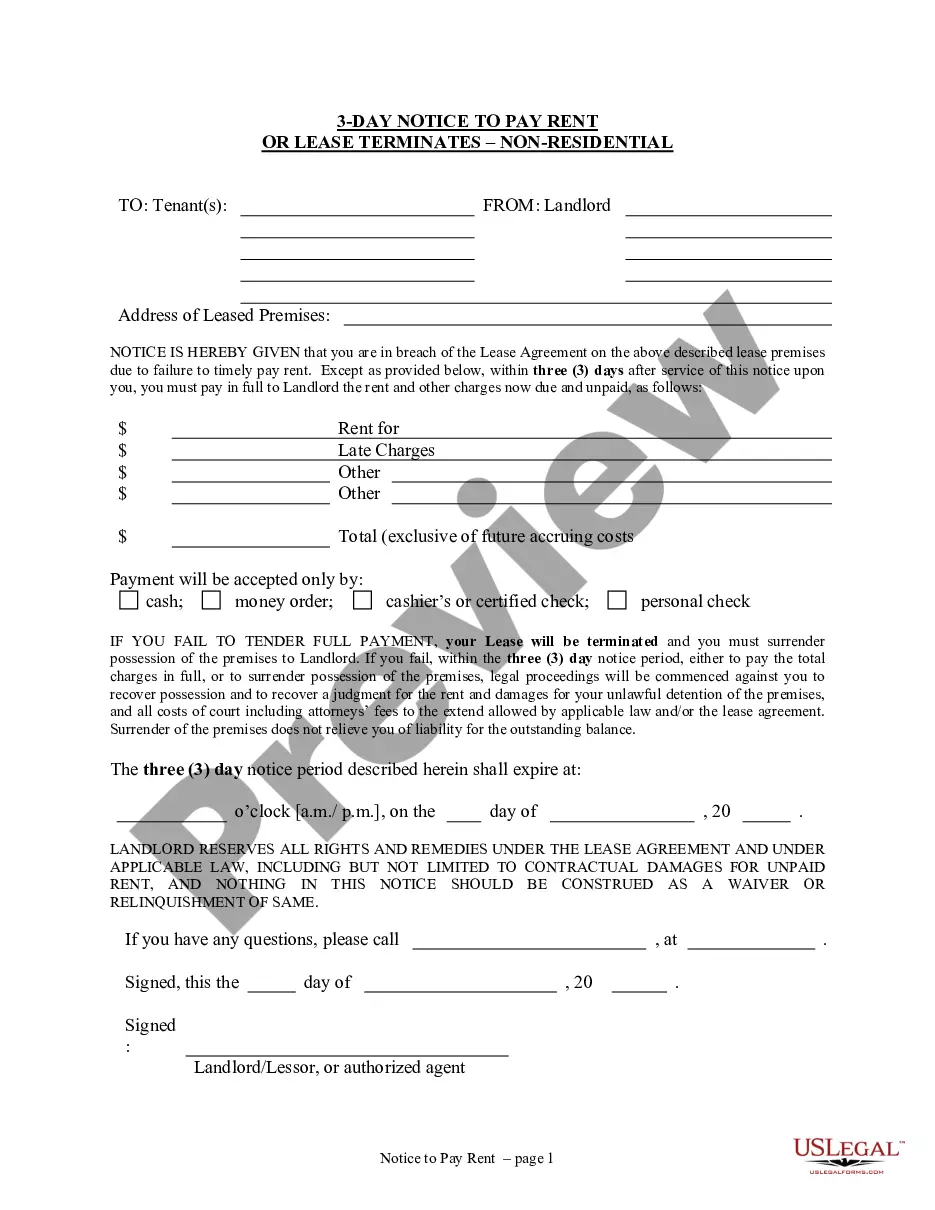
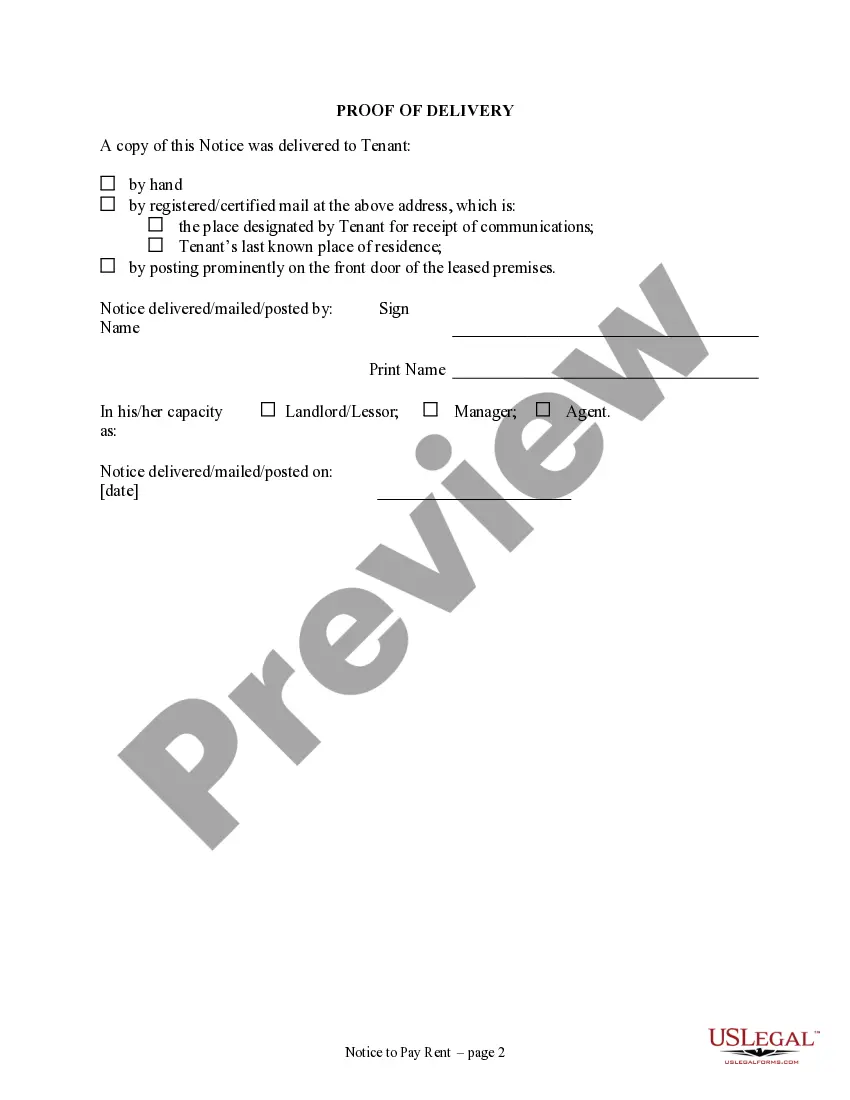
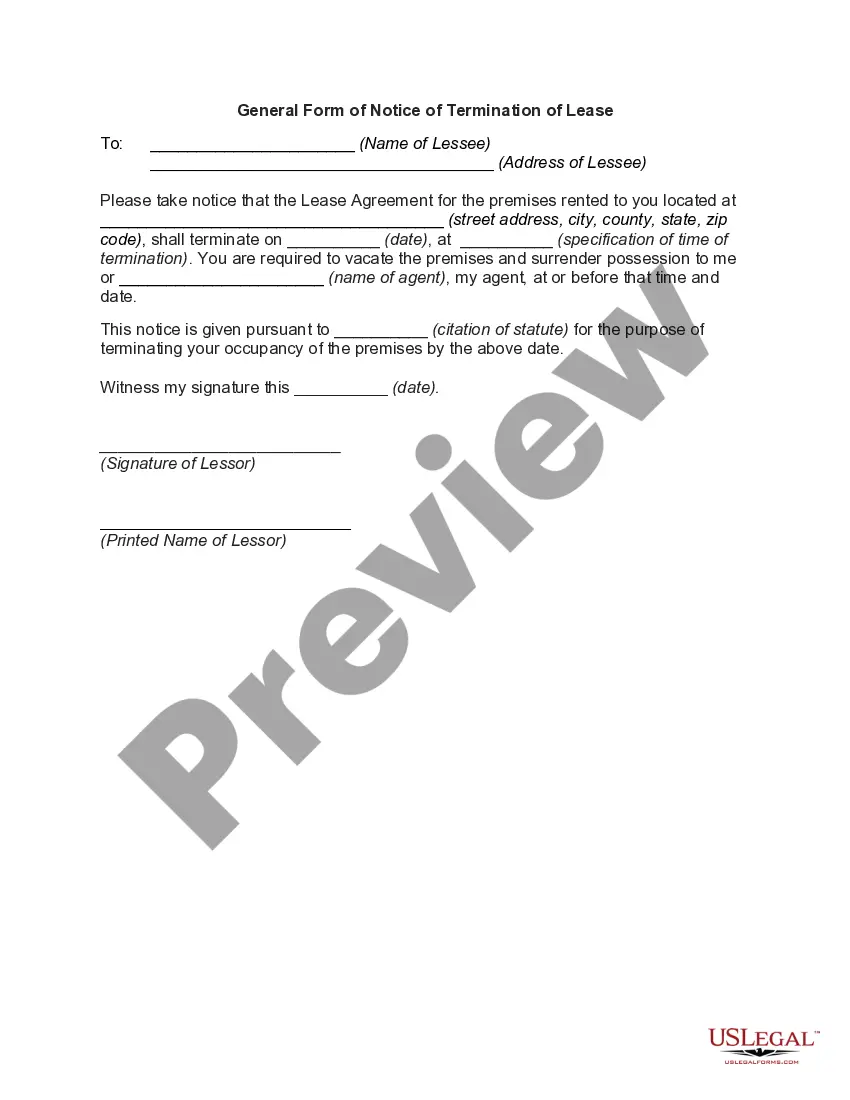
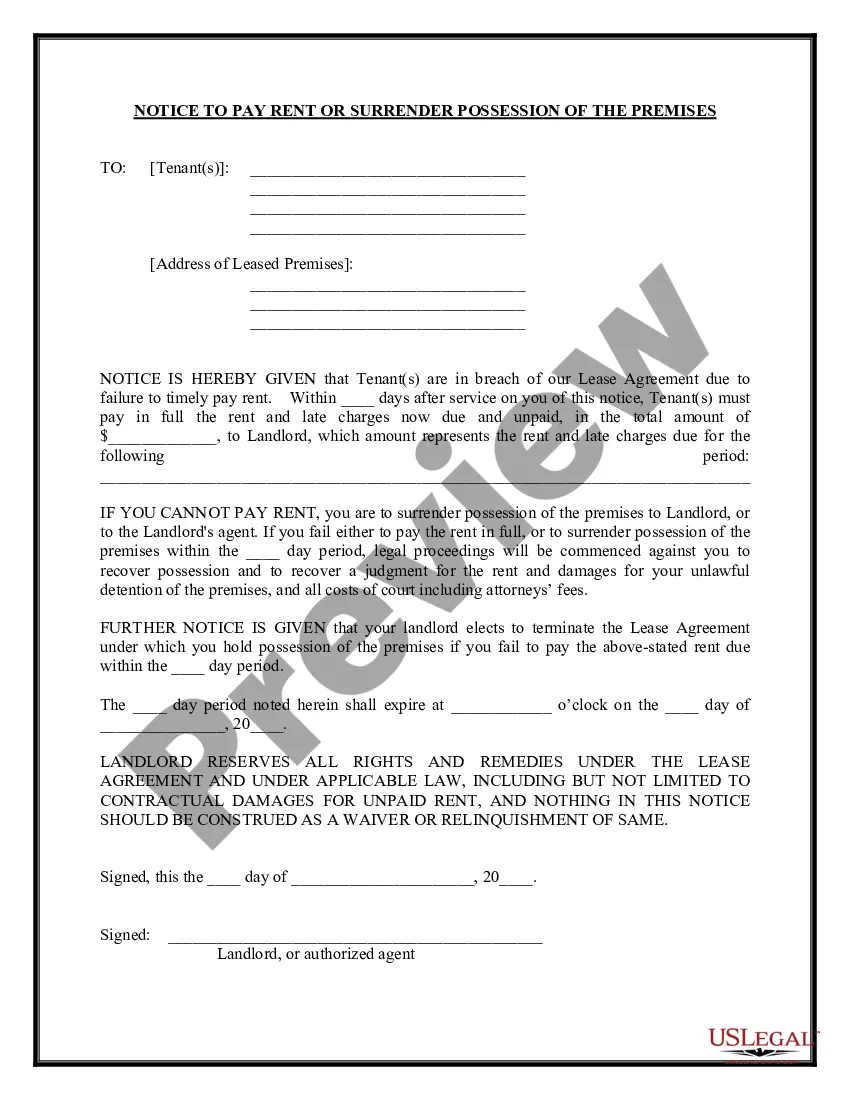
How to fill out Iowa 3 Day Notice To Pay Rent Or Lease Terminated For Nonresidential Or Commercial Property?
- Log in to your US Legal Forms account if you are a returning user. Ensure your subscription is active; renew if necessary.
- Review the template preview and description carefully, ensuring it aligns with your legal needs and jurisdiction requirements.
- If needed, use the search function to find alternative templates that better fit your situation.
- Select the desired document by clicking 'Buy Now' and choose a suitable subscription plan. You will need to create an account if this is your first purchase.
- Complete your payment by entering your credit card information or using PayPal.
- Download your leased property template and save it securely. You can access it anytime in the 'My Forms' section.
Using US Legal Forms enhances the experience of obtaining legal documents, thanks to its expansive library of over 85,000 editable forms. With access to premium expert assistance, you can ensure your documents are completed accurately.
Take control of your legal needs today by visiting US Legal Forms and getting your lease notice template with ease!
Form popularity
FAQ
Yes, a landlord can still pursue legal action even if a formal lease is not in place. However, they must demonstrate proof of agreements or interactions that establish a tenancy. If you're facing this situation, consider exploring your options with a legal professional or using platforms like USLegalForms for guidance and documentation. Issues surrounding notice lease property with no title need to be addressed appropriately to protect your rights.
In Florida, tenants without a formal lease still have rights, such as the right to a habitable living environment and protection against unlawful eviction. The relationship is often supported by the understanding and actions of both the tenant and landlord. You should keep records of your rent payments and communications to help establish your legal standing. It's important to be aware of issues relating to notice lease property with no title to fully understand your situation.
If your landlord doesn't provide a lease, you have the right to request one or clarify the terms of your tenancy. You can document your agreement through emails or written notes. If necessary, seek assistance from a legal expert to protect your rights. The issue of notice lease property with no title can present unique challenges, so it’s essential to stay informed.
In Florida, property may be considered abandoned after 30 days of non-payment or absence, depending on your lease terms. The landlord may initiate a process to reclaim the property after this period. However, all circumstances need to be taken into account, including tenant communications and payment history. Understanding the notice lease property with no title can help clarify ownership and responsibility in these cases.
If your landlord never provided you with a lease, you can still establish tenant rights based on verbal agreements or implied leases. Document your communications and payments as evidence of your tenancy. If needed, consider seeking legal advice to understand your rights and responsibilities. A notice lease property with no title may expand your concerns, so addressing this ASAP is crucial.
In Florida, the amount of notice required to terminate a lease varies based on the lease term. For month-to-month leases, either party must typically provide 15 days' notice before the next rental period. For longer leases, you should review your lease agreement for specific terms. Always keep a record of your notice to ensure compliance, particularly in a situation involving notice lease property with no title.
If your landlord doesn't send a new lease, your current lease may automatically renew under the same terms, unless you agree to new conditions. It's important to communicate with your landlord about their intentions. You should document your communications as this can affect future disputes. Remember, a notice lease property with no title may complicate matters, so clarity is essential.
In Georgia, landlords must follow specific legal processes for eviction. This includes giving proper written notice about any issues and filing a petition in court if the tenant does not leave. If you're facing eviction regarding notice lease property with no title, it's essential to understand these rules, as they provide important protections. Legal platforms like US Legal Forms can guide you through the eviction process.
It is not illegal for a landlord to choose not to provide a formal lease; however, this can lead to misunderstandings and disputes. Tenants should take the initiative to clarify the terms of their rental arrangement. Without a lease, understanding aspects like notice lease property with no title becomes even more important. Always consider putting arrangements in writing if possible.
Yes, you can be evicted in Georgia even if you do not have a lease. The landlord must still follow the legal eviction process, which includes providing proper notice. If you are living in notice lease property with no title, it’s critical to know your rights and the procedures in place to protect yourself from wrongful eviction.