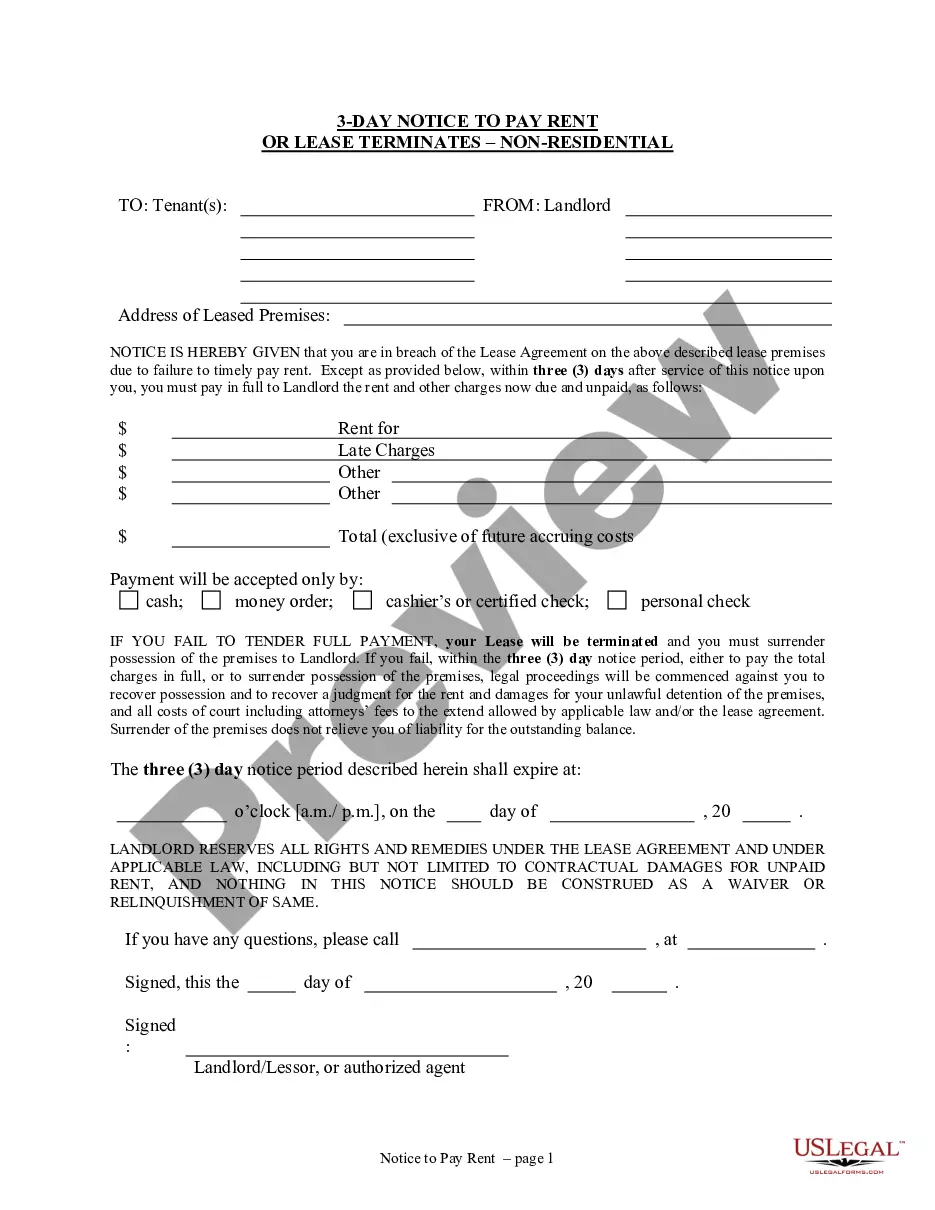
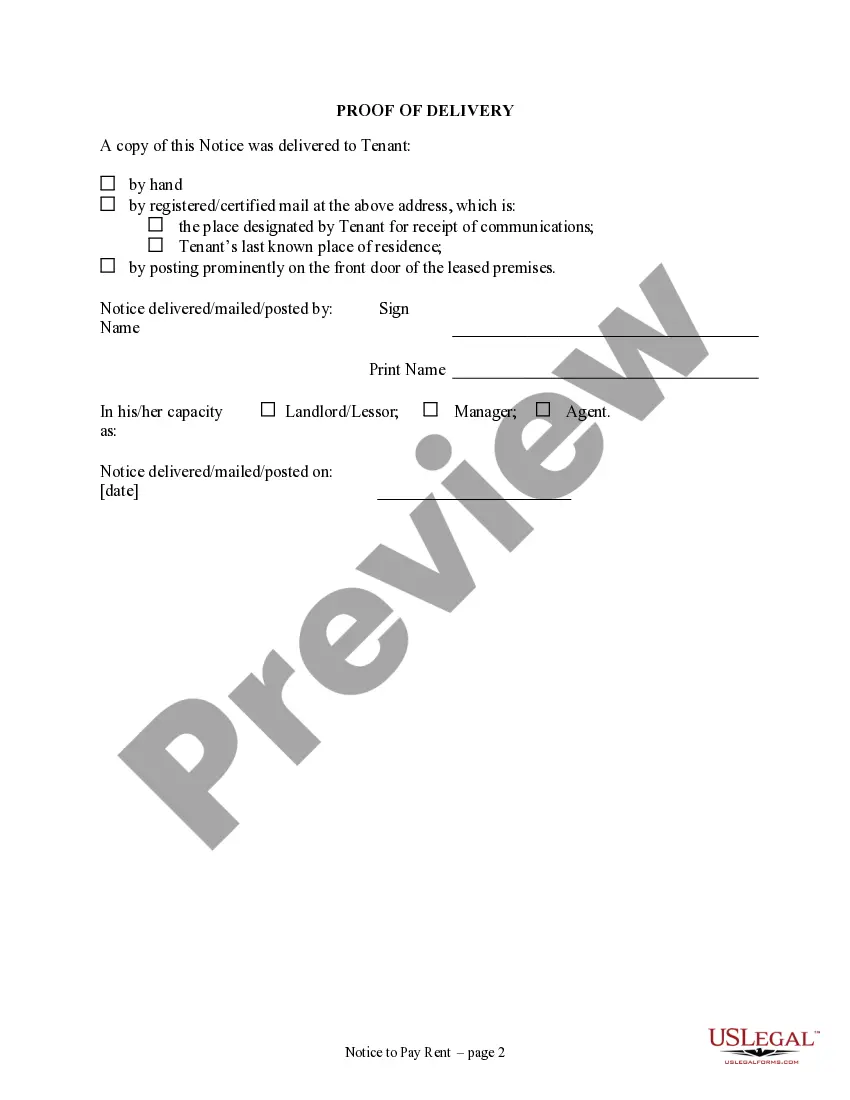
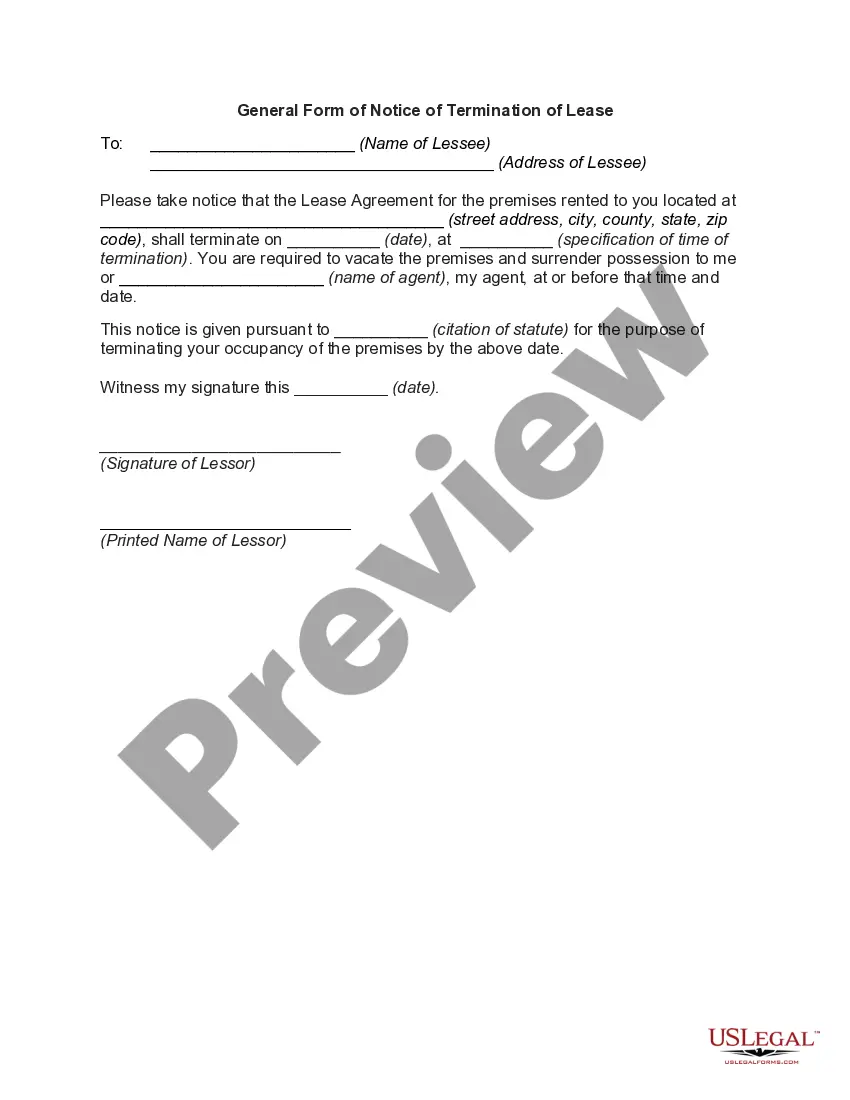
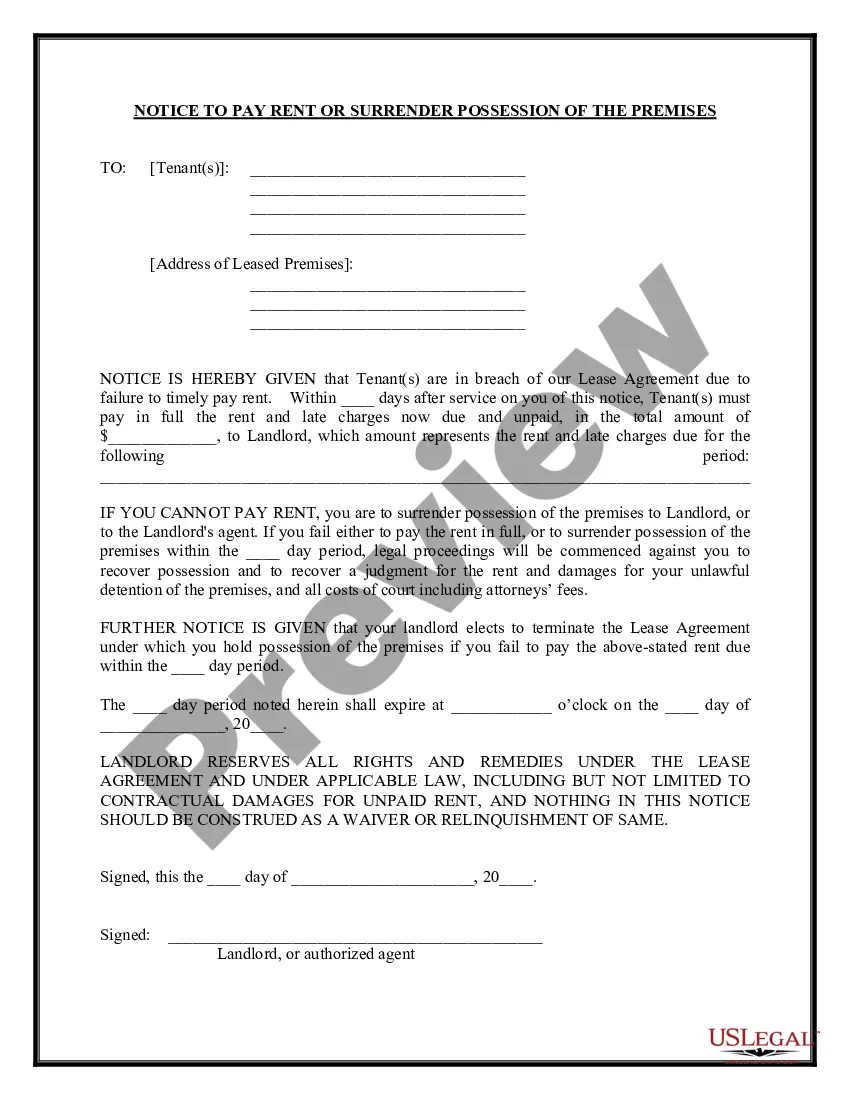
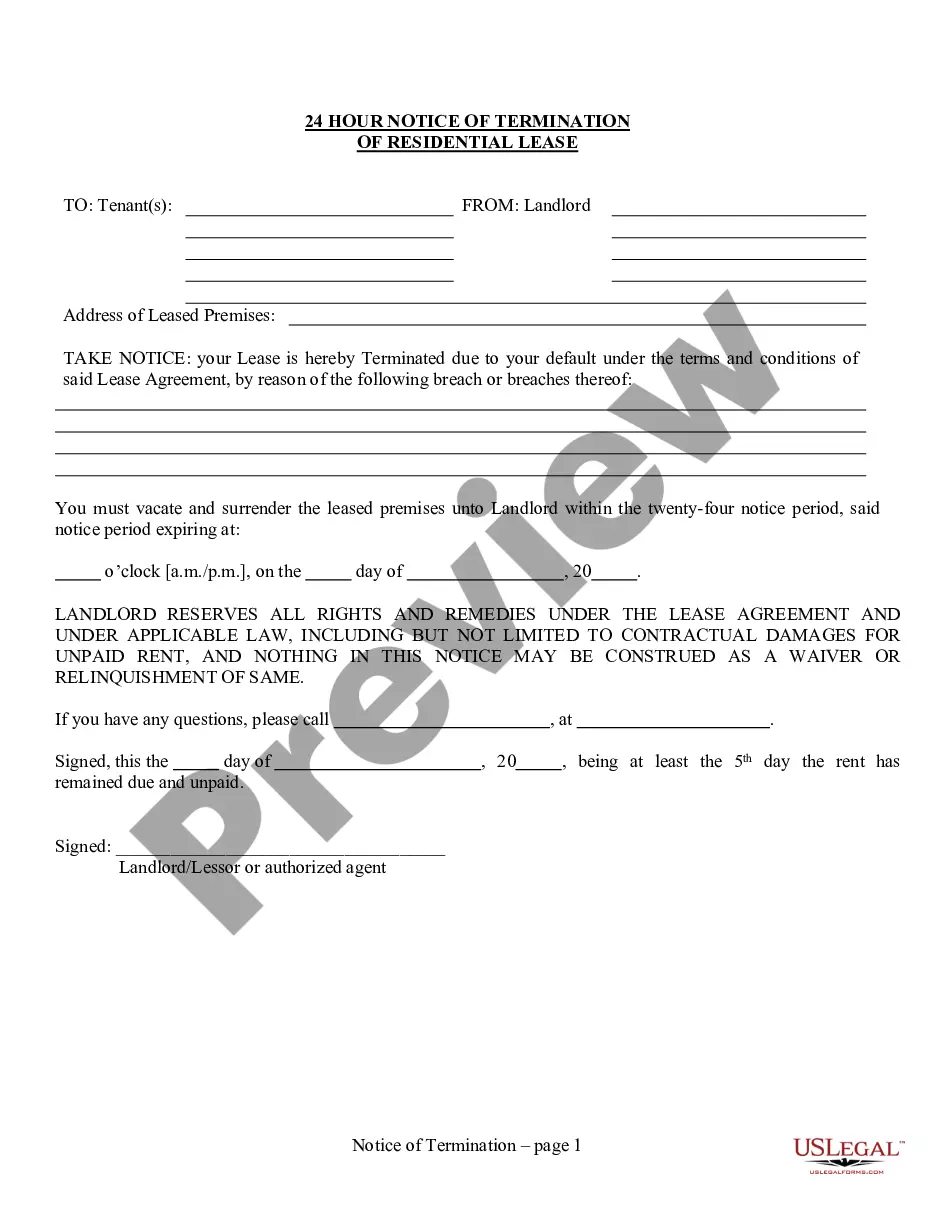
3 Day Notice From Landlord
Description

Get your form ready online
Our built-in tools help you complete, sign, share, and store your documents in one place.
Make edits, fill in missing information, and update formatting in US Legal Forms—just like you would in MS Word.
Download a copy, print it, send it by email, or mail it via USPS—whatever works best for your next step.
Sign and collect signatures with our SignNow integration. Send to multiple recipients, set reminders, and more. Go Premium to unlock E-Sign.
If this form requires notarization, complete it online through a secure video call—no need to meet a notary in person or wait for an appointment.
We protect your documents and personal data by following strict security and privacy standards.

Make edits, fill in missing information, and update formatting in US Legal Forms—just like you would in MS Word.

Download a copy, print it, send it by email, or mail it via USPS—whatever works best for your next step.

Sign and collect signatures with our SignNow integration. Send to multiple recipients, set reminders, and more. Go Premium to unlock E-Sign.

If this form requires notarization, complete it online through a secure video call—no need to meet a notary in person or wait for an appointment.

We protect your documents and personal data by following strict security and privacy standards.
Looking for another form?
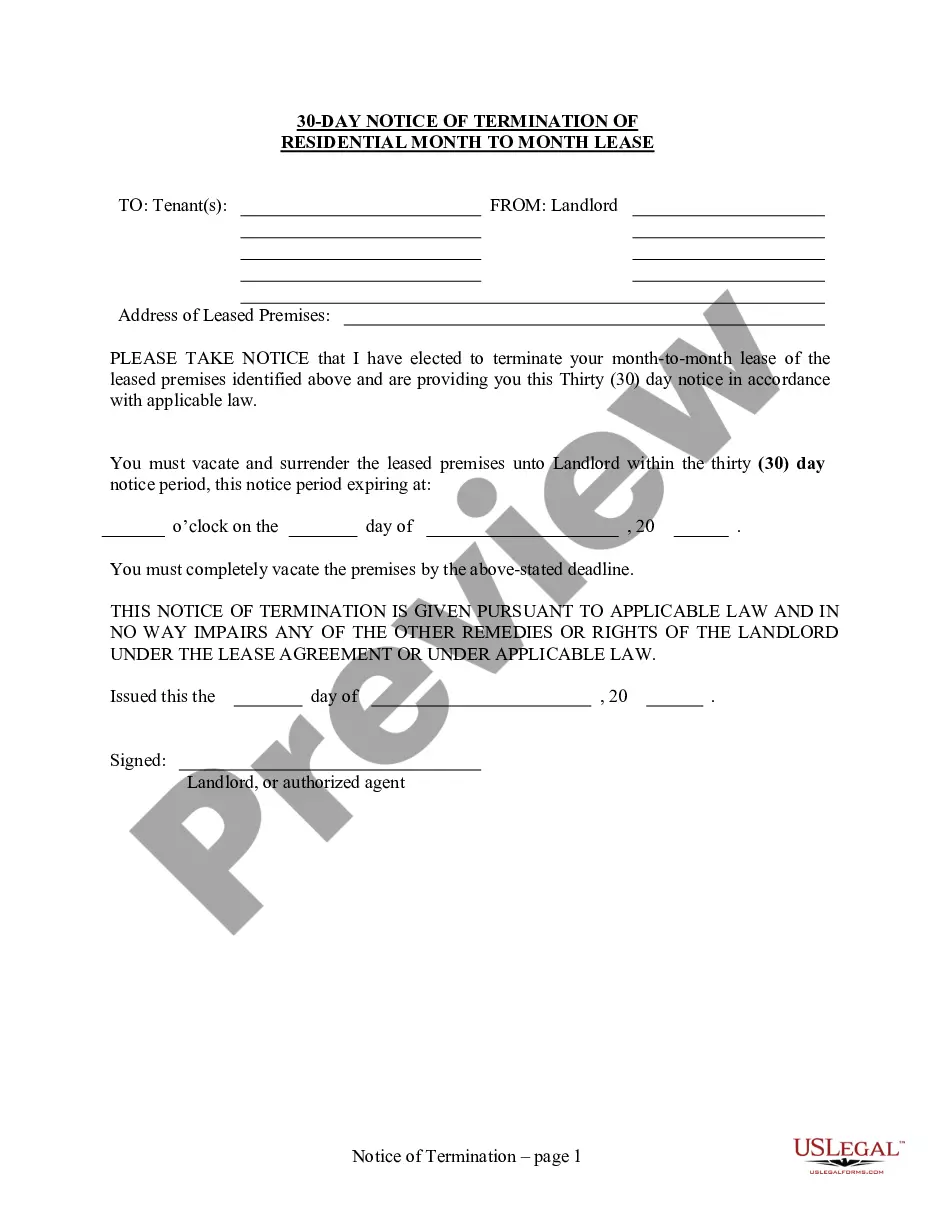

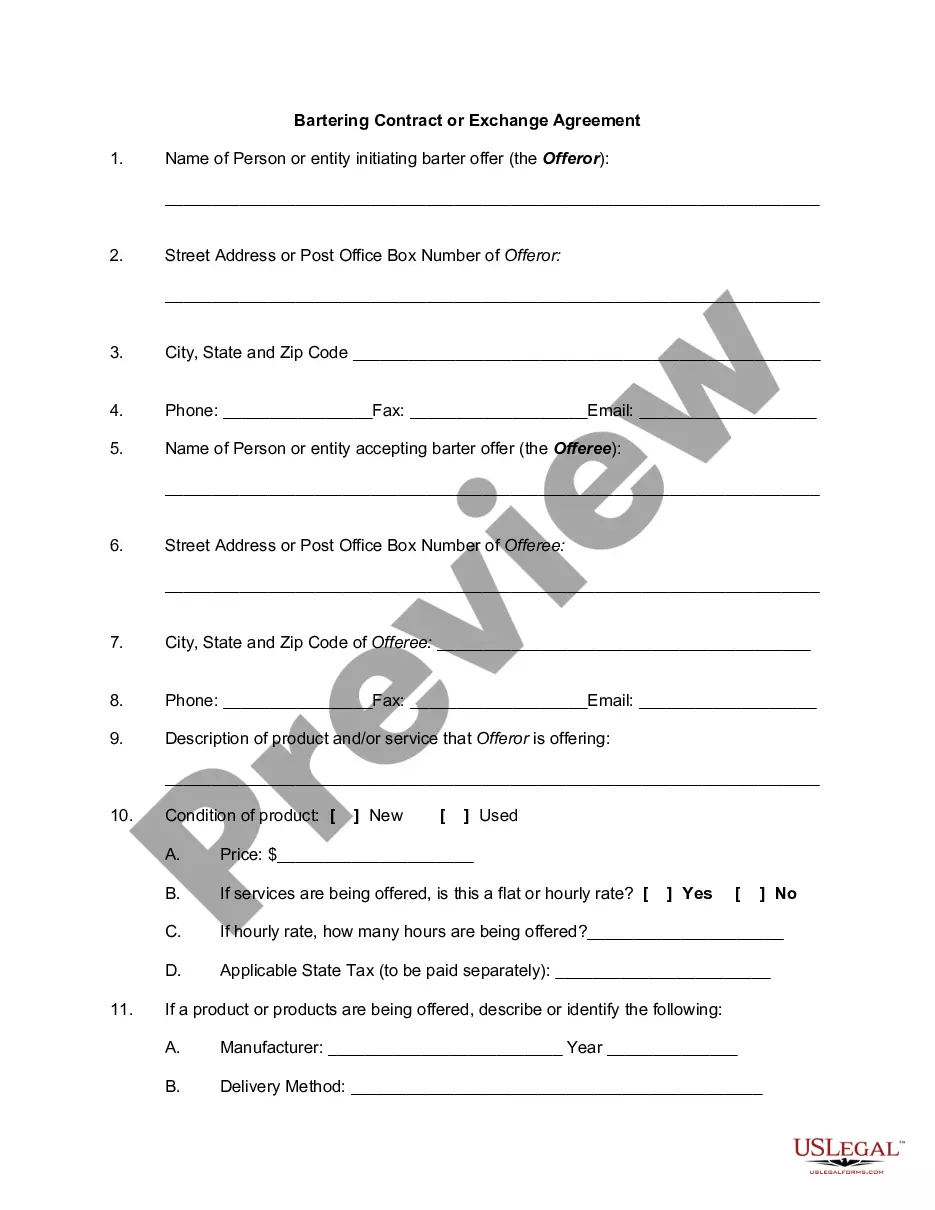
How to fill out Iowa 3 Day Notice To Pay Rent Or Lease Terminated For Nonresidential Or Commercial Property?
- Log in to your US Legal Forms account. If you're a returning user, ensure your subscription is active.
- Verify the form details in the Preview mode. Confirm that the selected document aligns with your needs and complies with your state's regulations.
- Search for additional templates if necessary. If you find discrepancies, utilize the Search tab to pinpoint the right form.
- Purchase the template. Click on 'Buy Now' and choose a subscription plan that meets your requirements. Register your account to access the full library.
- Complete the transaction. Enter your payment information or opt for PayPal to finalize your subscription.
- Download your document. Save it to your device and revisit the 'My Forms' section in your profile whenever you need it.
Once you have your 3 day notice from landlord template, ensure that you fill it out accurately to avoid any potential legal issues. Being well-prepared can significantly ease your stress during this time.
Don’t hesitate to utilize US Legal Forms' vast resources. Get started today to secure your legal documents with confidence!
Form popularity
FAQ
The minimum notice a landlord can give a tenant usually depends on the reason for the notice. For example, a 3 day notice from landlord is required when dealing with non-payment of rent. In other situations, such as lease violations, a longer notice period may be necessary. It's essential to understand these timelines to ensure compliance with local eviction laws.
In Washington state, a landlord typically must provide a 3 day notice from landlord to vacate for non-payment of rent. This legal notice allows tenants three days to settle their rent arrears before further eviction proceedings can begin. If the tenant does not comply, the landlord may proceed with filing an eviction action. Always consult local laws, as requirements can vary based on circumstances.
No, a 3 day notice from landlord in Ohio does not have to be notarized. However, it must be properly delivered to the tenant to ensure legal validity. Accurate delivery methods include personal delivery or sending the notice via certified mail.
To stop an eviction in Ohio, you can respond promptly to a 3 day notice from landlord by paying the overdue rent or addressing the underlying issue. You might also consider negotiating with the landlord for more time. If needed, seek legal assistance to explore options for disputing the eviction in court.
Several factors can void a 3 day notice from landlord in Ohio. If the notice lacks necessary information, such as the tenant's name, rental property address, or the specific amount owed, it may be considered invalid. Additionally, if the landlord fails to follow legal procedures or retaliates against the tenant, the eviction may be halted.
In Ohio, a 3 day notice from landlord must clearly state the reason for eviction, typically due to non-payment of rent. The notice must be delivered to the tenant in person or via certified mail. The tenant has three days to address the issue before any further legal action may be taken, so it is crucial to act quickly.
Landlord harassment in Ohio includes behaviors such as entering the property without proper notice, shutting off utilities, or repeatedly sending a 3 day notice from landlord without appropriate cause. Any actions that intimidate or interfere with a tenant's right to enjoyment of their home can be deemed harassment. Tenants have the right to report such behavior to local authorities.
Yes, a landlord can cancel an eviction notice, including a 3 day notice from landlord, before the tenant vacates the property. If the landlord and tenant come to an agreement or if the tenant resolves the issue that led to the notice, the landlord may choose to withdraw the eviction. It is crucial to document this cancellation properly to avoid future disputes.
The eviction process in Vermont typically takes about 30 to 60 days. After a 3 day notice from landlord, if the tenant does not comply, the landlord must file a court action, which involves scheduling a hearing. Depending on the court's schedule and any disputes raised by the tenant, the duration may vary. Understanding this timeline is crucial for both landlords and tenants to manage their expectations.
Yes, in Vermont, you can issue a 3 day notice from landlord and proceed with eviction during the winter months. However, special considerations may apply, particularly regarding winter weather and the tenant's welfare. While legal actions can continue, landlords should be mindful of local regulations and state mandates protecting tenants during harsh weather. Consulting resources like US Legal Forms can help landlords navigate this sensitive process.