Tenant Cease Rent With A Room
Description
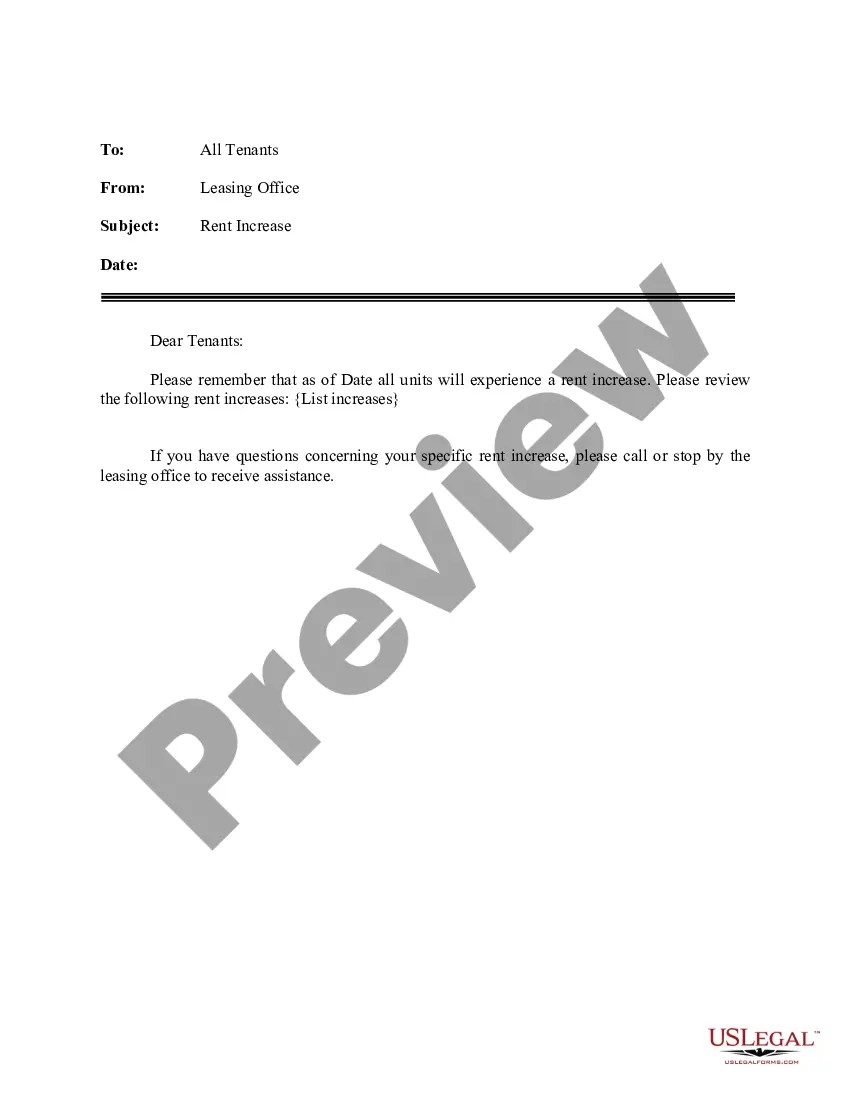


Get your form ready online
Our built-in tools help you complete, sign, share, and store your documents in one place.
Make edits, fill in missing information, and update formatting in US Legal Forms—just like you would in MS Word.
Download a copy, print it, send it by email, or mail it via USPS—whatever works best for your next step.
Sign and collect signatures with our SignNow integration. Send to multiple recipients, set reminders, and more. Go Premium to unlock E-Sign.
If this form requires notarization, complete it online through a secure video call—no need to meet a notary in person or wait for an appointment.
We protect your documents and personal data by following strict security and privacy standards.

Make edits, fill in missing information, and update formatting in US Legal Forms—just like you would in MS Word.

Download a copy, print it, send it by email, or mail it via USPS—whatever works best for your next step.

Sign and collect signatures with our SignNow integration. Send to multiple recipients, set reminders, and more. Go Premium to unlock E-Sign.

If this form requires notarization, complete it online through a secure video call—no need to meet a notary in person or wait for an appointment.

We protect your documents and personal data by following strict security and privacy standards.
Looking for another form?


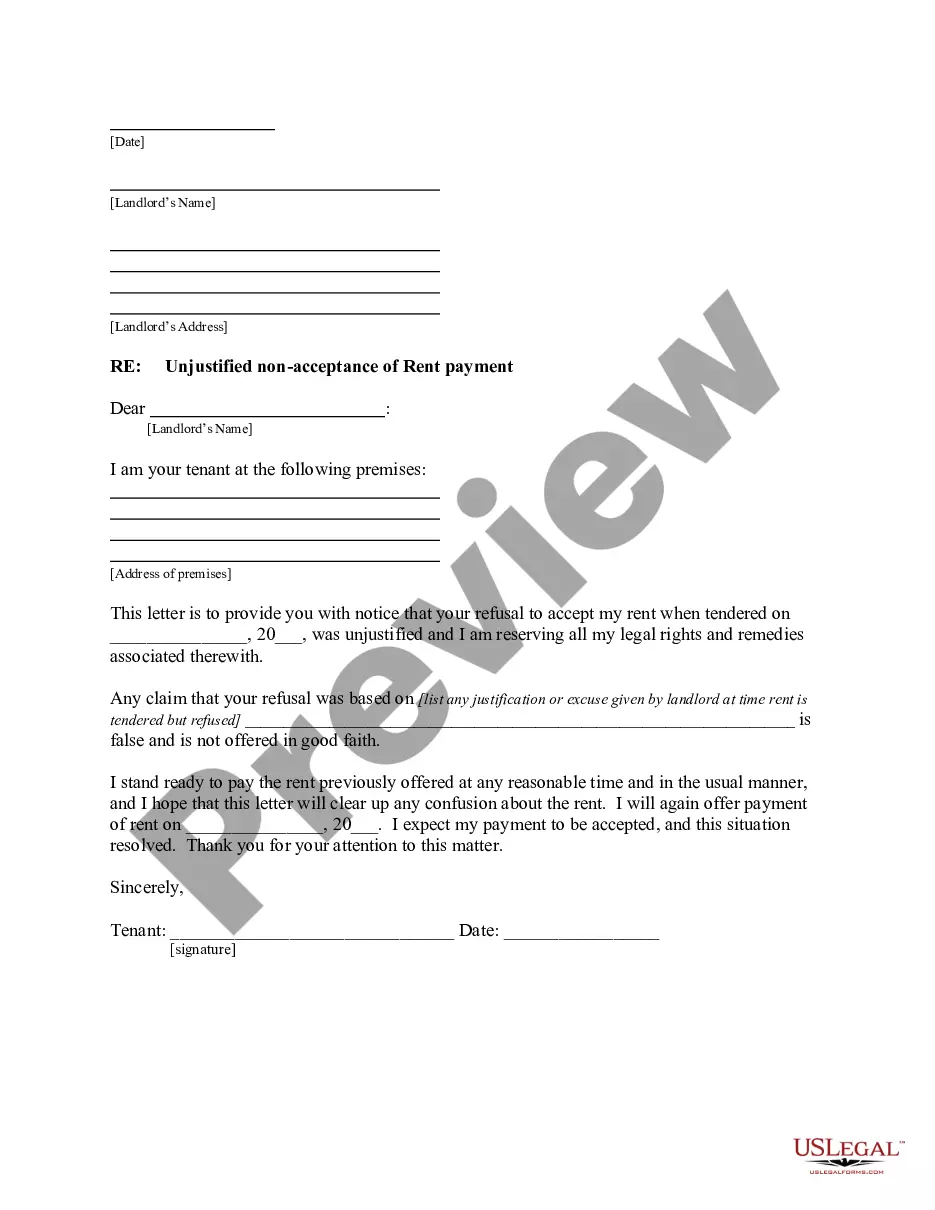
How to fill out Iowa Letter From Tenant To Landlord Containing Notice To Cease Unjustified Nonacceptance Of Rent?
- Log in to your US Legal Forms account if you have one, or create a new account to get started.
- Search for the specific document related to tenant cessation of rent, ensuring it meets local regulations.
- Review the form’s preview and description to verify its accuracy and relevance to your situation.
- Select the appropriate subscription plan that suits your need, enabling access to the full library.
- Complete your purchase by entering your payment details through secure methods like credit card or PayPal.
- Download the form and save it on your device, ensuring you can revisit it anytime from the 'My Forms' section.
By following these straightforward steps, you can obtain the necessary legal document quickly and efficiently. US Legal Forms not only simplifies the process but also ensures compliance with your local laws.
Start your journey towards efficient documentation today by visiting US Legal Forms and exploring their extensive library!
Form popularity
FAQ
In South Carolina, tenants can withhold rent if their landlord fails to maintain the property in a habitable condition. If serious issues arise, such as significant plumbing problems or lack of heating, you must notify the landlord in writing before withholding rent. Make sure to document everything properly, as this ensures you follow legal protocols. Utilize resources from platforms like USLegalForms to guide you through this process.
As a roommate, you possess specific legal rights, including the right to enjoy the property without interference. You also hold the right to receive proper notice if your roommate plans to vacate. Familiarizing yourself with tenant laws can provide you with a clearer view of your rights. Using platforms like USLegalForms can help you navigate these rights effectively, ensuring seamless communication and understanding.
If you fail to give a 30-day notice to move out, you may be held responsible for unpaid rent during that notice period. Without proper notice, your landlord or roommate could take legal actions, which may complicate your situation. It’s essential to abide by the terms of your lease to avoid additional costs and potential disputes. Understanding your rights will empower you to manage the situation effectively.
Typically, it’s advisable to provide at least a 30-day notice to your roommates if you plan to leave. This notice gives everyone a fair opportunity to adjust to your departure and find a new roommate if necessary. However, always refer to your rental agreement, as it might specify different notice periods. Clear communication can also help in maintaining amicable relationships.
Yes, renting a room is indeed considered rental property. When you rent a room, you enter into a rental agreement, whether formal or informal. This type of arrangement might not carry the same legal complexities as a whole property, yet it still grants certain rights and responsibilities. Understanding this classification is key, especially if circumstances arise where a tenant cease rent with a room.
To give a 30-day notice to a roommate, start by writing a clear notice that states your intention to vacate. Include your name, the date, and when you plan to leave. Remember to discuss your decision face-to-face to maintain good communication. Providing this notice helps establish a formal agreement and allows the other party to prepare accordingly.
When you rent out a room in your house, it's referred to as 'subleasing' or 'room rental.' This arrangement can provide additional income while sharing your living space with others. Always ensure that you understand the regulations in your area about renting out rooms, as this can affect how long a guest stays or their rights in the given arrangement.
When someone refuses to leave your property, it is commonly referred to as 'trespassing' or 'holding over.' This situation can lead to complex legal issues, particularly when it involves someone who has been living in your space without proper agreements. It’s important to know your rights and the legal steps required to regain control of your property.
The duration a guest can stay before being classified as a tenant varies by state but is generally around 14 to 30 days. Once a guest reaches this timeframe without formal agreements, they may gain tenant rights, which complicates your ability to ask them to leave. Being proactive and understanding these timelines can help you manage your rooms and guests more effectively.
Typically, a roommate is required to provide 30 days of notice before moving out, unless otherwise stated in a written agreement. This notice period allows the remaining roommate time to find a replacement or adjust to the living situation. It's best to clarify expectations at the outset of your arrangement to avoid any misunderstandings.