Life Estate Deed With Full Powers
Description
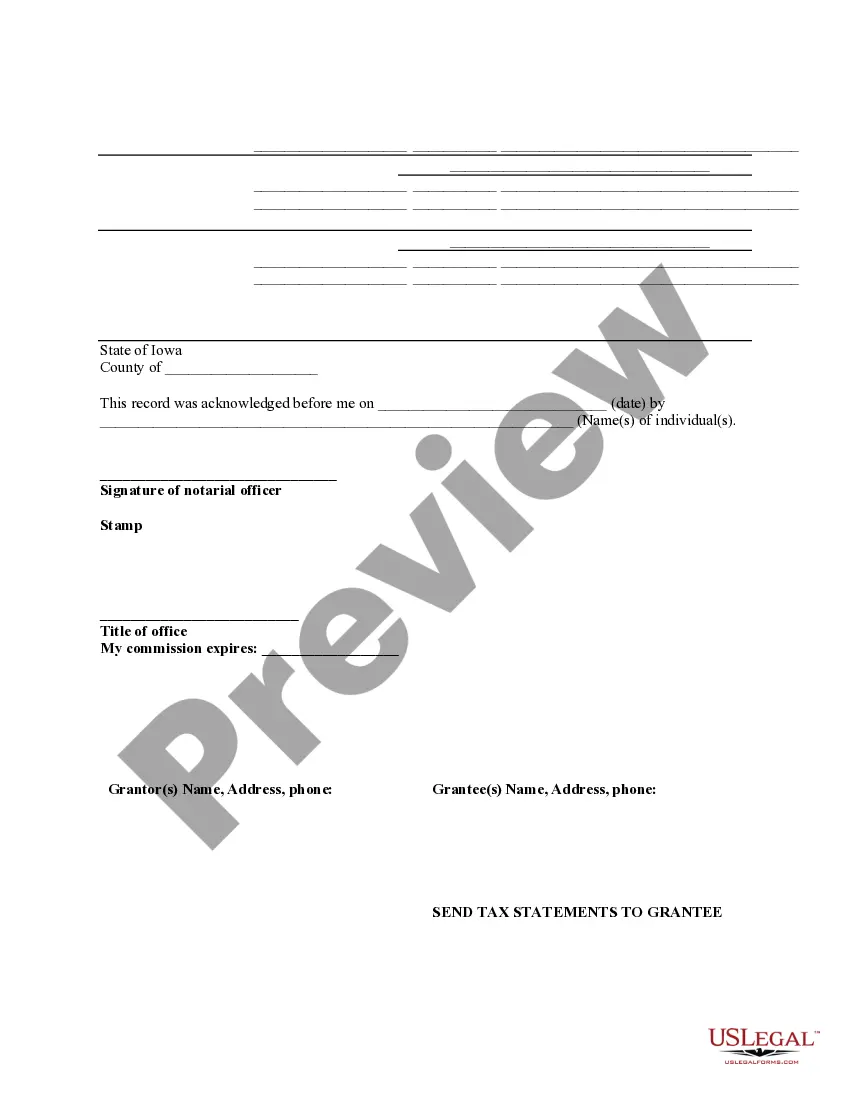
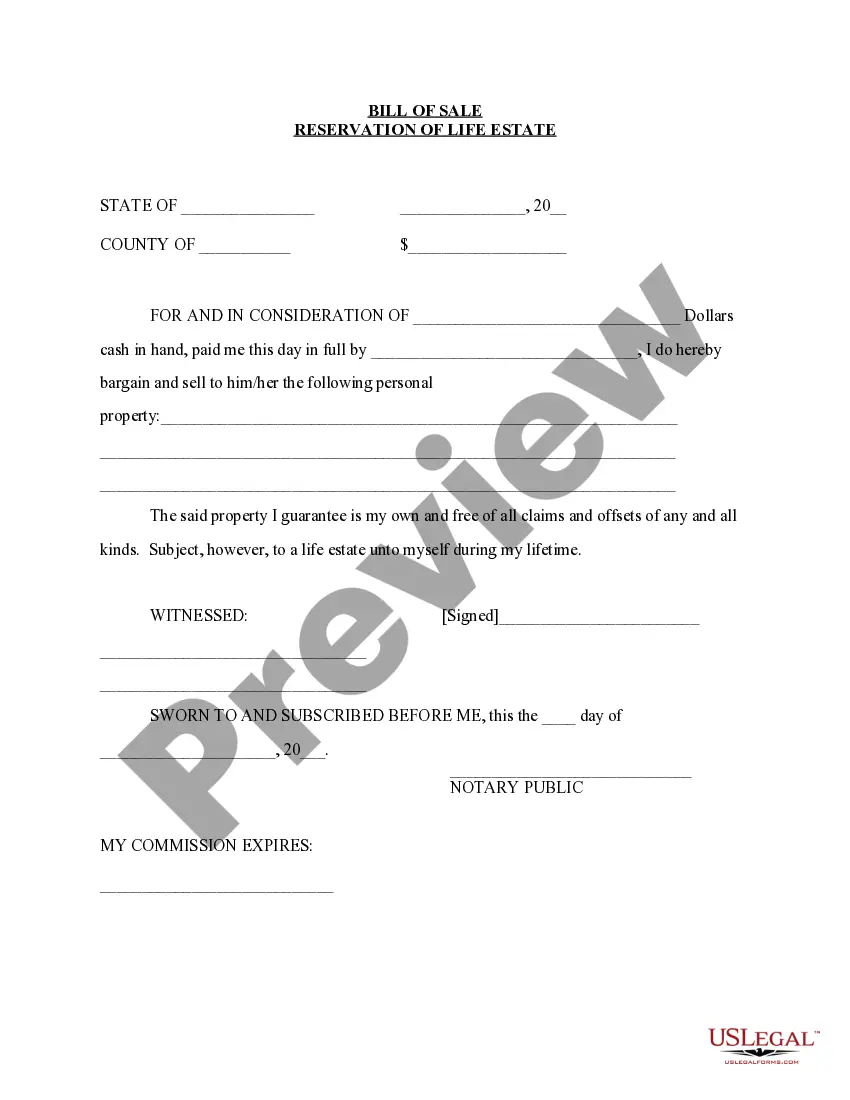

Get your form ready online
Our built-in tools help you complete, sign, share, and store your documents in one place.
Make edits, fill in missing information, and update formatting in US Legal Forms—just like you would in MS Word.
Download a copy, print it, send it by email, or mail it via USPS—whatever works best for your next step.
Sign and collect signatures with our SignNow integration. Send to multiple recipients, set reminders, and more. Go Premium to unlock E-Sign.
If this form requires notarization, complete it online through a secure video call—no need to meet a notary in person or wait for an appointment.
We protect your documents and personal data by following strict security and privacy standards.

Make edits, fill in missing information, and update formatting in US Legal Forms—just like you would in MS Word.

Download a copy, print it, send it by email, or mail it via USPS—whatever works best for your next step.

Sign and collect signatures with our SignNow integration. Send to multiple recipients, set reminders, and more. Go Premium to unlock E-Sign.

If this form requires notarization, complete it online through a secure video call—no need to meet a notary in person or wait for an appointment.

We protect your documents and personal data by following strict security and privacy standards.
Looking for another form?
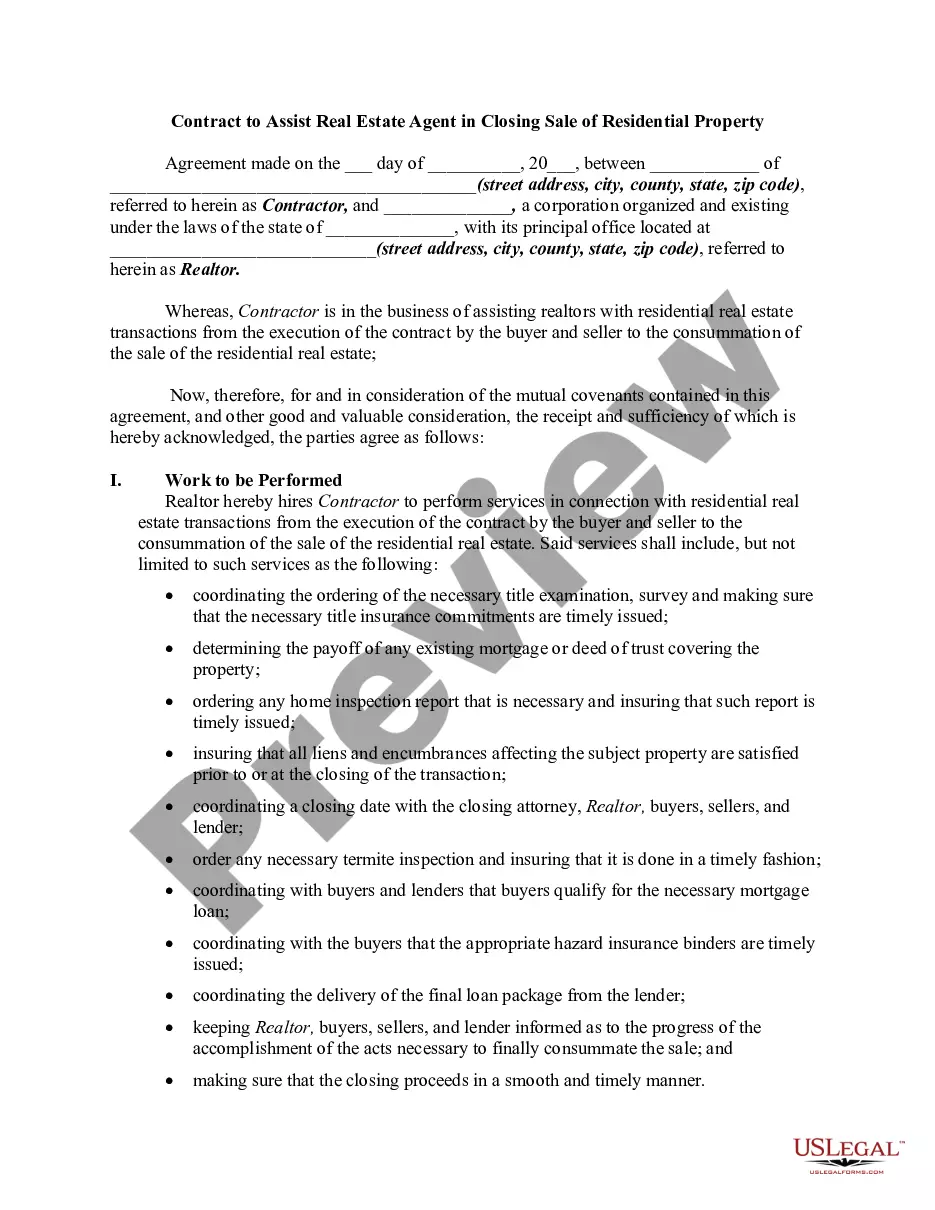
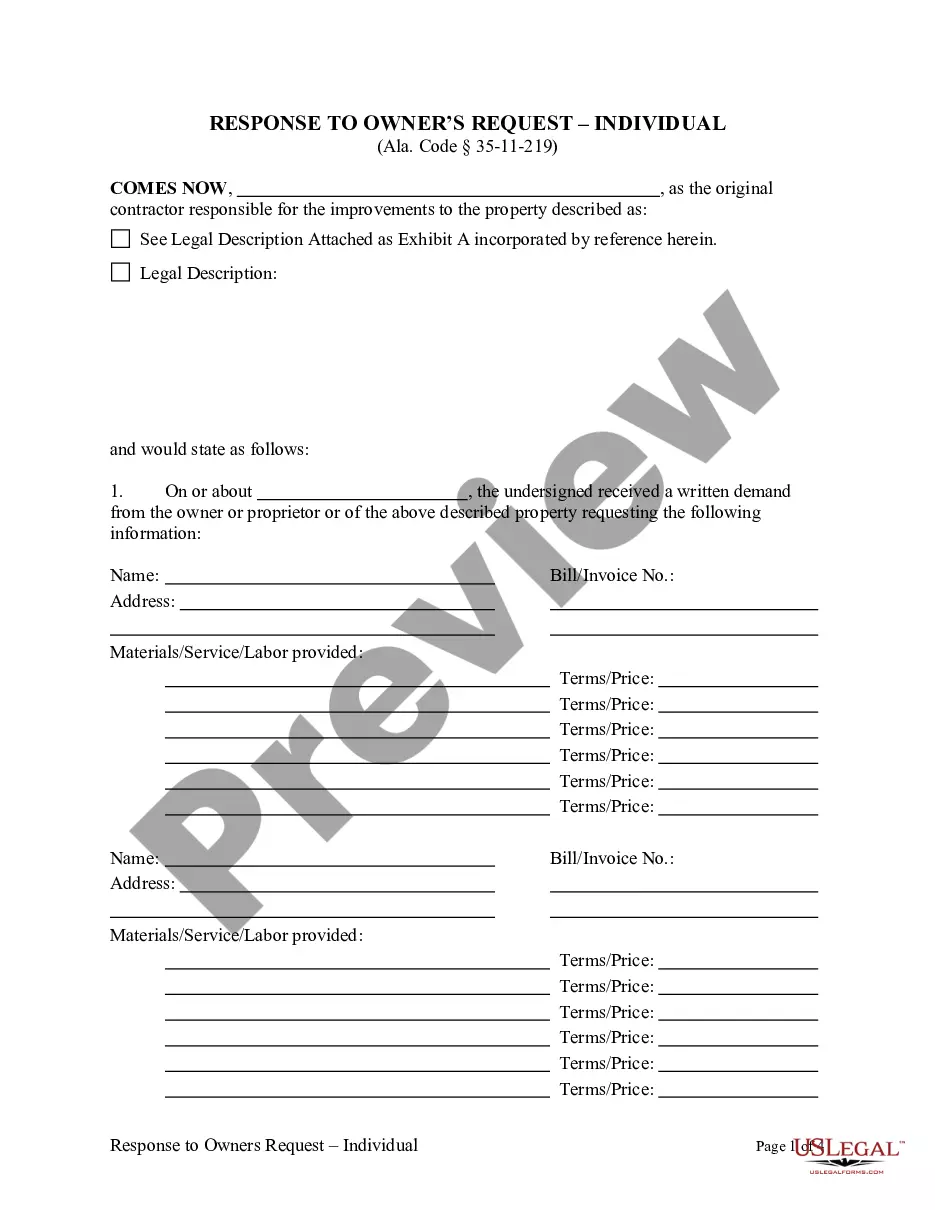



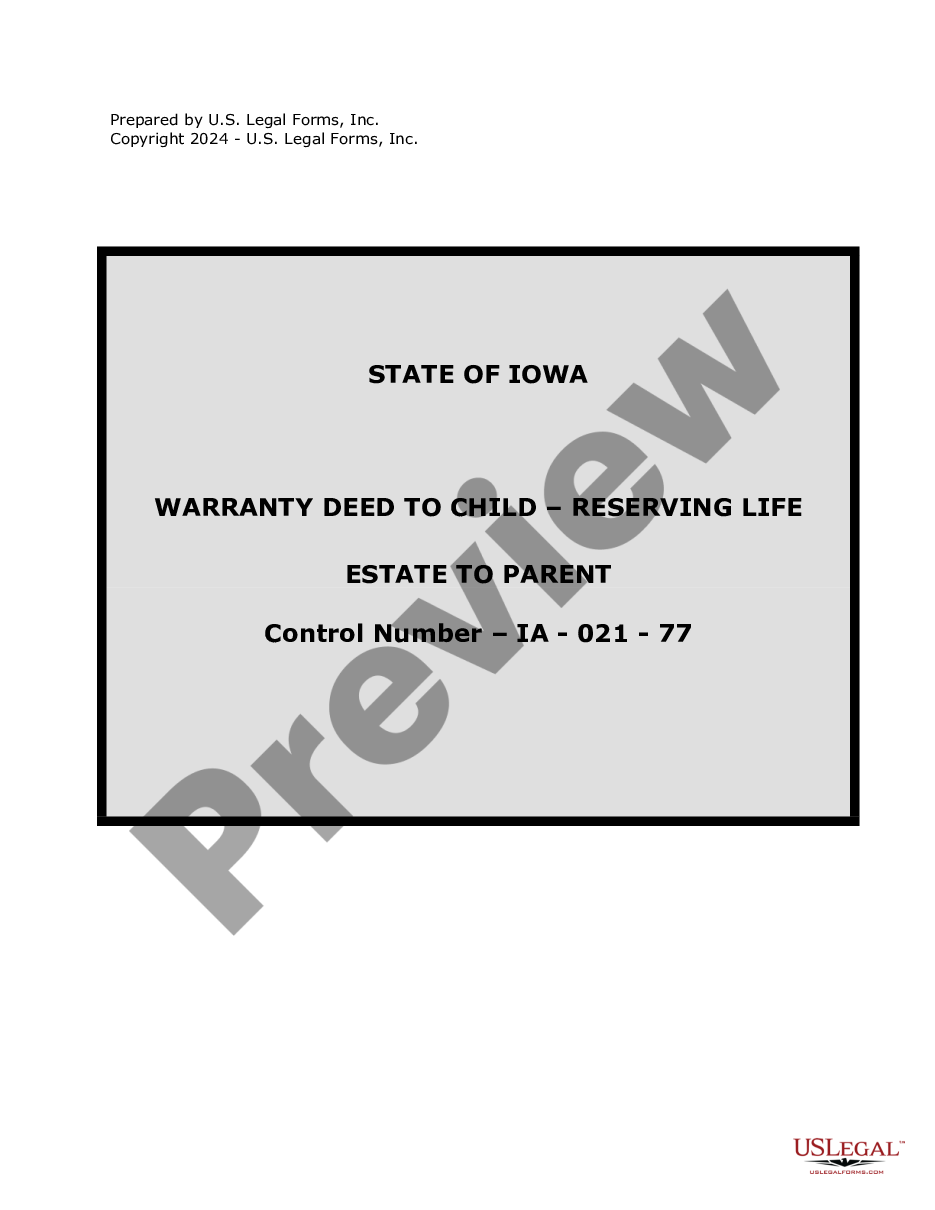
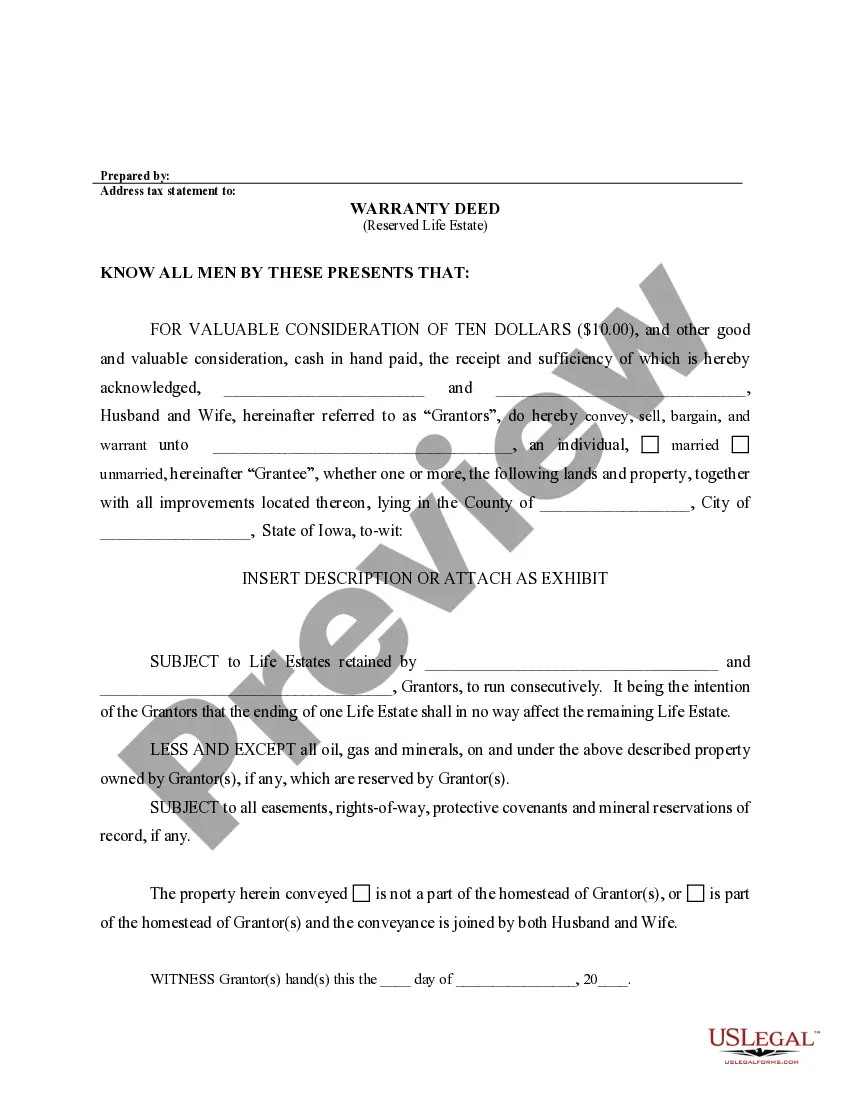
How to fill out Iowa Warranty Deed To Child Reserving A Life Estate In The Parents?
- Log in to your US Legal Forms account if you're a returning user. Ensure that your subscription is active or renew as needed.
- Browse the extensive library and locate the life estate deed with full powers. Use the Preview mode to review the document and ensure it meets your local jurisdiction requirements.
- If you need additional templates, utilize the search feature to find relevant documents that fit your needs. Confirm that everything is in order before proceeding.
- Purchase the document by clicking the buy button and selecting your subscription plan. Creating an account will grant access to a wealth of resources.
- Complete your transaction using your credit card or PayPal. This will secure your access to the document.
- Download the form directly to your device and locate it anytime in the 'My Forms' section of your profile for future reference.
US Legal Forms offers an unbeatable library of over 85,000 editable legal forms, making it the best choice for individuals and attorneys alike. Not only do you have access to robust forms tailored for various needs, but you can also consult premium experts for guidance.
In conclusion, using US Legal Forms streamlines the process of acquiring a life estate deed with full powers. Don't hesitate to start your journey today and ensure your legal documents are accurately completed!
Form popularity
FAQ
Yes, you can sell a house that is in a life estate, but the process requires careful consideration. A life estate deed with full powers allows the life tenant the right to sell the property during their lifetime. However, the seller must understand that selling will not transfer full ownership; the new buyer will need to respect the rights of the original life tenant. For guidance through this process, consider using USLegalForms, which can help ensure that you understand all legal implications involved.
In general, a will cannot override a life estate deed with full powers, as the deed outlines the transfer of property upon the life tenant's death. Any provisions in a will that conflict with the life estate may be rendered ineffective. Therefore, it is crucial to ensure that your will and any life estate documents are in harmony to avoid disputes. Seek guidance from USLegalForms to help clarify these issues.
Yes, a life estate deed with full powers can be challenged under certain circumstances. If questions arise about the mental competency of the life tenant at the time of signing, or if there are allegations of fraud, then legal disputes may ensue. It's essential to gather necessary documentation and evidence to support your position. Consulting legal services can provide guidance in such matters.
Breaking a life estate deed typically requires the consent of all parties involved, including the life tenant and the remainderman. If both agree, they can execute a legal document to terminate the life estate. Alternatively, court involvement may be necessary if one party refuses to consent. For assistance with the legal process, explore the options available through USLegalForms.
While a life estate deed with full powers offers benefits, it also comes with disadvantages. One major concern is that the life tenant may not easily sell or mortgage the property without the consent of the remainderman. This can limit financial flexibility. Furthermore, the property is subject to liabilities, such as property taxes and maintenance costs, which the life tenant must handle throughout their lifetime.
One key advantage of a life estate deed with full powers is that it allows the life tenant to retain control over the property during their lifetime while ensuring it automatically transfers to the designated beneficiaries upon death. This can help avoid probate, saving time and costs. Additionally, it provides clarity and security regarding the future ownership of the property, reducing potential disputes among heirs.
A life estate deed with full powers does not directly supersede a will. However, it does transfer ownership rights of the property upon the death of the life tenant. Therefore, if a will specifies different terms regarding the same property, the life estate deed generally takes precedence. To navigate these complexities, consider consulting the resources available on USLegalForms.
Individuals create life estates to ensure their property passes smoothly to their heirs while allowing them to retain usage during their lifetime. This strategy helps avoid probate and can simplify estate management. Ultimately, a life estate deed with full powers offers both ownership rights and peace of mind for you and your loved ones.
Getting around a life estate deed with full powers can be complex, but it is possible. You may consider negotiating with the remainderman to sell or transfer ownership. Alternatively, seeking legal advice can help you explore options like converting the life estate into another form of ownership or executing a new deed.
A life estate deed with full powers can limit your control over the property. If you want to sell or mortgage the property, you may need permission from the remainderman, which can complicate financial decisions. Additionally, if the remainderman passes away before you, it can create issues for heirs or beneficiaries.