Hawaii Special Estate Foreclosure
Description
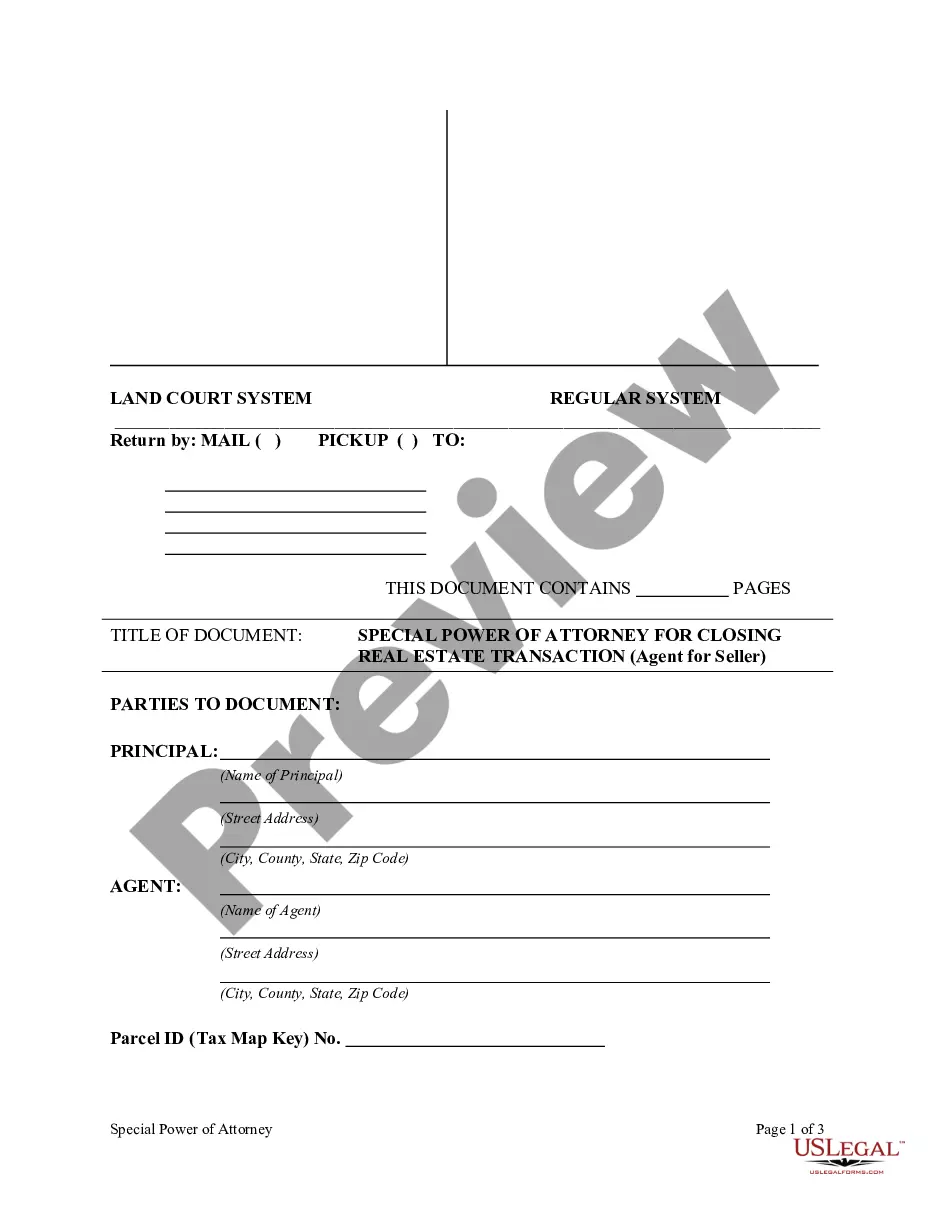
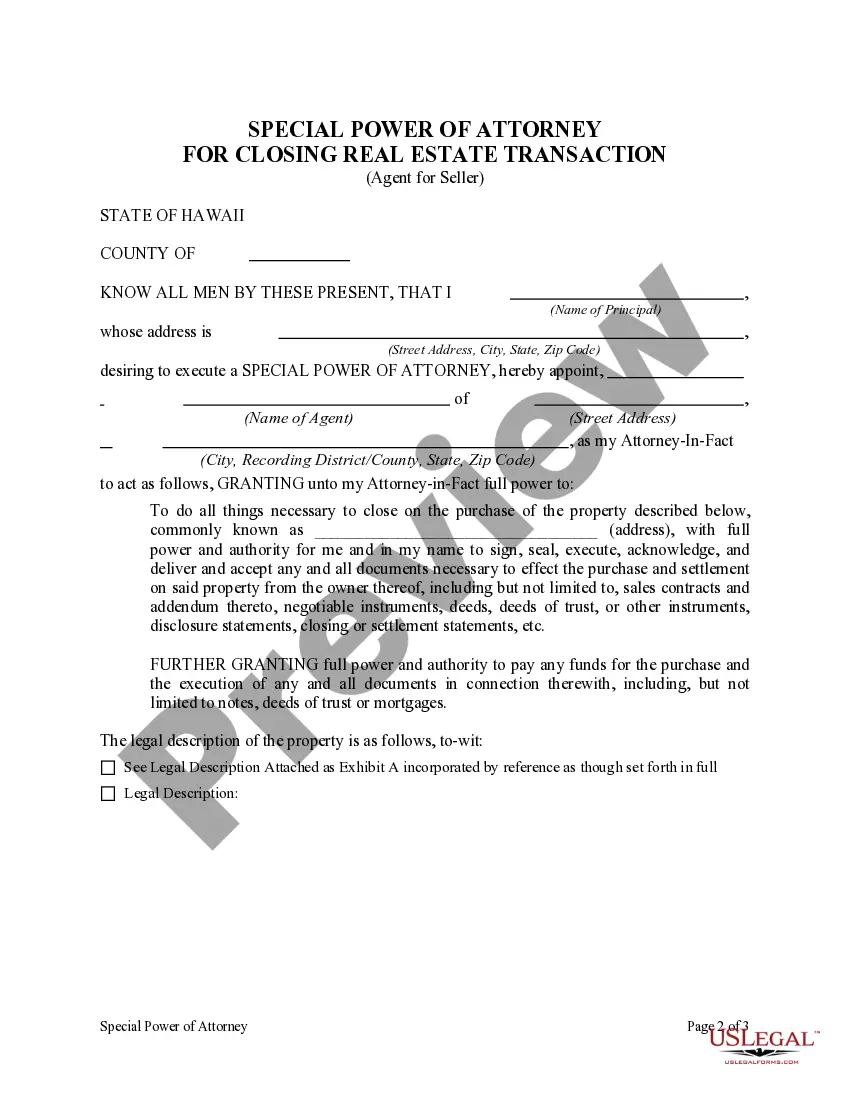
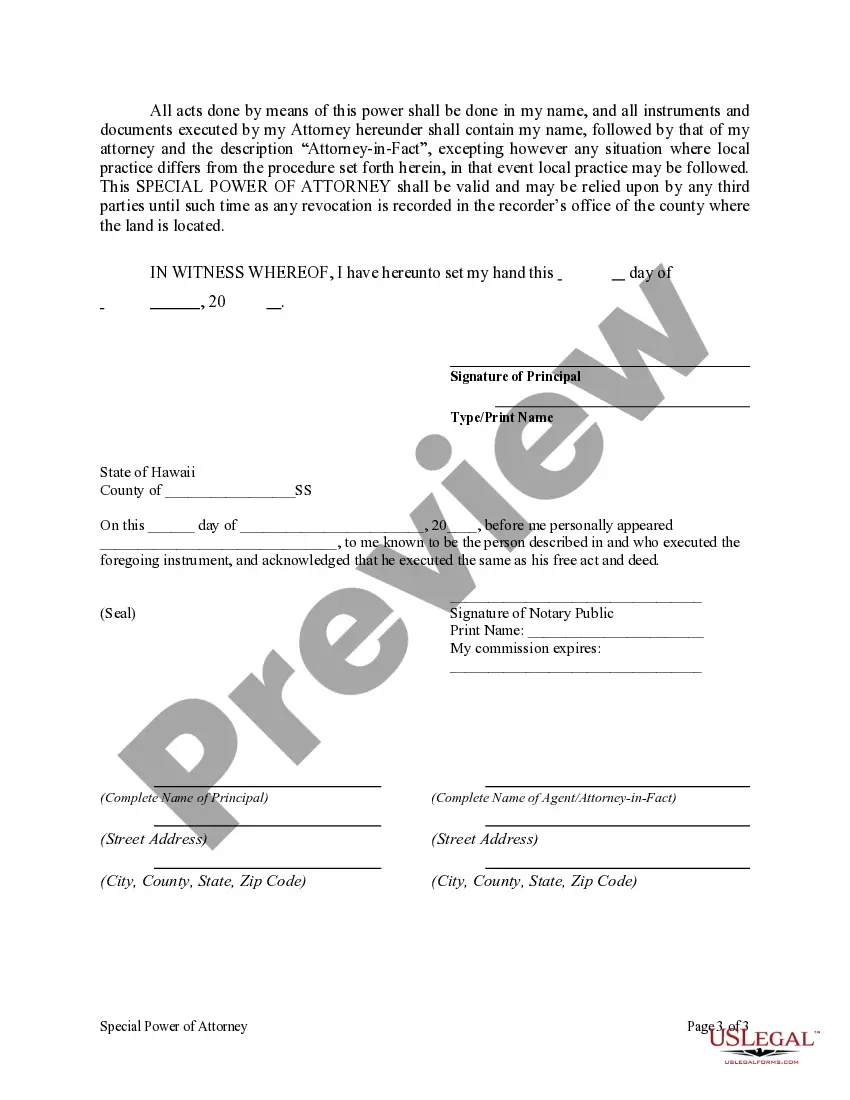
Get your form ready online
Our built-in tools help you complete, sign, share, and store your documents in one place.
Make edits, fill in missing information, and update formatting in US Legal Forms—just like you would in MS Word.
Download a copy, print it, send it by email, or mail it via USPS—whatever works best for your next step.
Sign and collect signatures with our SignNow integration. Send to multiple recipients, set reminders, and more. Go Premium to unlock E-Sign.
If this form requires notarization, complete it online through a secure video call—no need to meet a notary in person or wait for an appointment.
We protect your documents and personal data by following strict security and privacy standards.

Make edits, fill in missing information, and update formatting in US Legal Forms—just like you would in MS Word.

Download a copy, print it, send it by email, or mail it via USPS—whatever works best for your next step.

Sign and collect signatures with our SignNow integration. Send to multiple recipients, set reminders, and more. Go Premium to unlock E-Sign.

If this form requires notarization, complete it online through a secure video call—no need to meet a notary in person or wait for an appointment.

We protect your documents and personal data by following strict security and privacy standards.
Looking for another form?



How to fill out Hawaii Special Or Limited Power Of Attorney For Real Estate Sales Transaction By Seller?
- Log into your US Legal Forms account if you’re a returning user. Ensure your subscription is up to date to access the necessary form templates.
- For first-time users, begin by examining the Preview mode and the description of the required form to verify it meets your local jurisdiction requirements.
- If the chosen form does not match your needs, utilize the Search functionality to find alternative templates before proceeding.
- Purchase the document by clicking the 'Buy Now' button and selecting your preferred subscription plan. You will need to create an account for full access.
- Complete your purchase by entering your payment details, either via credit card or PayPal.
- Once the transaction is successful, download your form and save it to your device. It will be available in the 'My Forms' section of your account for future reference.
By following these steps, you ensure a smooth process in obtaining the necessary legal documents for Hawaii special estate foreclosure. US Legal Forms stands out with its extensive collection of over 85,000 forms and packages, offering robust support and expert assistance if required.
Get started today and simplify your legal documentation process with US Legal Forms!
Form popularity
FAQ
The one action rule in Hawaii stipulates that a lender can only pursue one legal action to recover debt from a borrower. This means lenders cannot commence both a foreclosure and a separate lawsuit for the same debt simultaneously. This rule aims to protect borrowers from facing multiple legal struggles at once, making it vital for those in potential Hawaii special estate foreclosure scenarios to know their rights.
Foreclosure in Hawaii involves several phases including default, pre-foreclosure, auction, and post-foreclosure. Initially, the lender sends a notice of default, marking the first crucial step. Then you enter the pre-foreclosure phase, where alternatives may be explored. Finally, the auction phase occurs, followed by the post-foreclosure phase where the property is sold and the legal consequences of the foreclosure take effect. Knowledge of these phases helps homeowners prepare for a potential Hawaii special estate foreclosure.
Typically, homeowners feel the most significant impact during a foreclosure. They face not only financial losses but also emotional stress and uncertainty about their future. Furthermore, communities can also suffer as property values may decline due to foreclosures, affecting nearby homes. Thus, understanding the implications of a Hawaii special estate foreclosure is essential for both individuals and communities.
In Hawaii, the foreclosure process generally starts with a notice of default after a homeowner misses payments. This notice informs the borrower of their delinquency and invites them to take action. If no resolution occurs, the lender can file for foreclosure, leading to a public auction of the property. Both homeowners and interested buyers should be aware of the specific steps within a Hawaii special estate foreclosure to ensure they fully understand their rights and options.
The 120 day rule for foreclosure in Hawaii is crucial for homeowners facing financial difficulties. This rule requires lenders to wait at least 120 days from the first missed mortgage payment before initiating foreclosure proceedings. Essentially, it gives homeowners a chance to seek help and explore options to avoid losing their property. Understanding this rule can be key to navigating a Hawaii special estate foreclosure.
There are specific exceptions to the 120-day foreclosure rule that may allow a lender to proceed without following the standard waiting period. For example, if the property is abandoned or if there are safety concerns, the lender may expedite the process. It's vital for homeowners facing a Hawaii special estate foreclosure to be aware of these exceptions, as they can significantly influence their options. Resources on uslegalforms can help clarify these exceptions further.
In Tennessee, the foreclosure process typically starts when a borrower fails to make mortgage payments. The lender can initiate a foreclosure by filing a notice, which is then publicly recorded. Foreclosures can occur through a judicial or non-judicial process, impacting how quickly a property may be seized. If you're navigating a Hawaii special estate foreclosure, understanding these processes in other states can provide valuable insights for your situation.
The 120-day rule primarily applies to residential property contracts in the context of Hawaii special estate foreclosure. This rule is designed to give homeowners additional protection during the foreclosure process, allowing them time to explore alternatives or negotiate better terms. Understanding this rule can be crucial for homeowners facing foreclosure, as it impacts your rights and the foreclosure timeline. For further clarity, consider consulting resources available on the uslegalforms platform.
The length of time it takes to complete a foreclosure in Hawaii varies, but on average, the process spans several months. Nonjudicial foreclosures are usually quicker than judicial ones and can potentially take about four months. By understanding the ins and outs of Hawaii special estate foreclosure, you can navigate your options more effectively.
Closing on a house in Hawaii typically takes about 30 to 45 days after the seller and buyer have agreed to the terms. Factors that can influence this timeline include the type of financing, inspections, and any necessary repairs. Familiarizing yourself with the home closing process can be beneficial, especially in the context of a Hawaii special estate foreclosure.