Living With A Hawaiian Family
Description
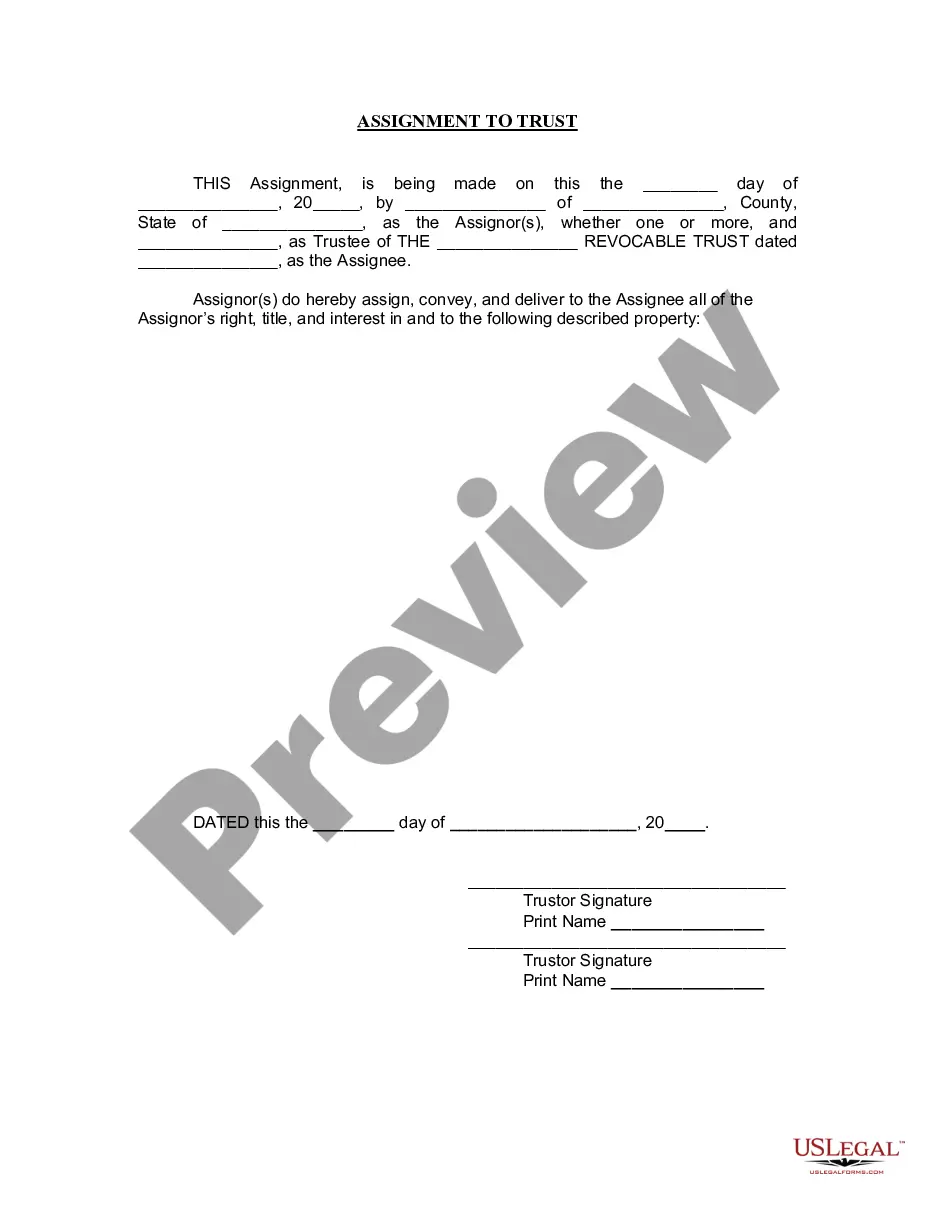
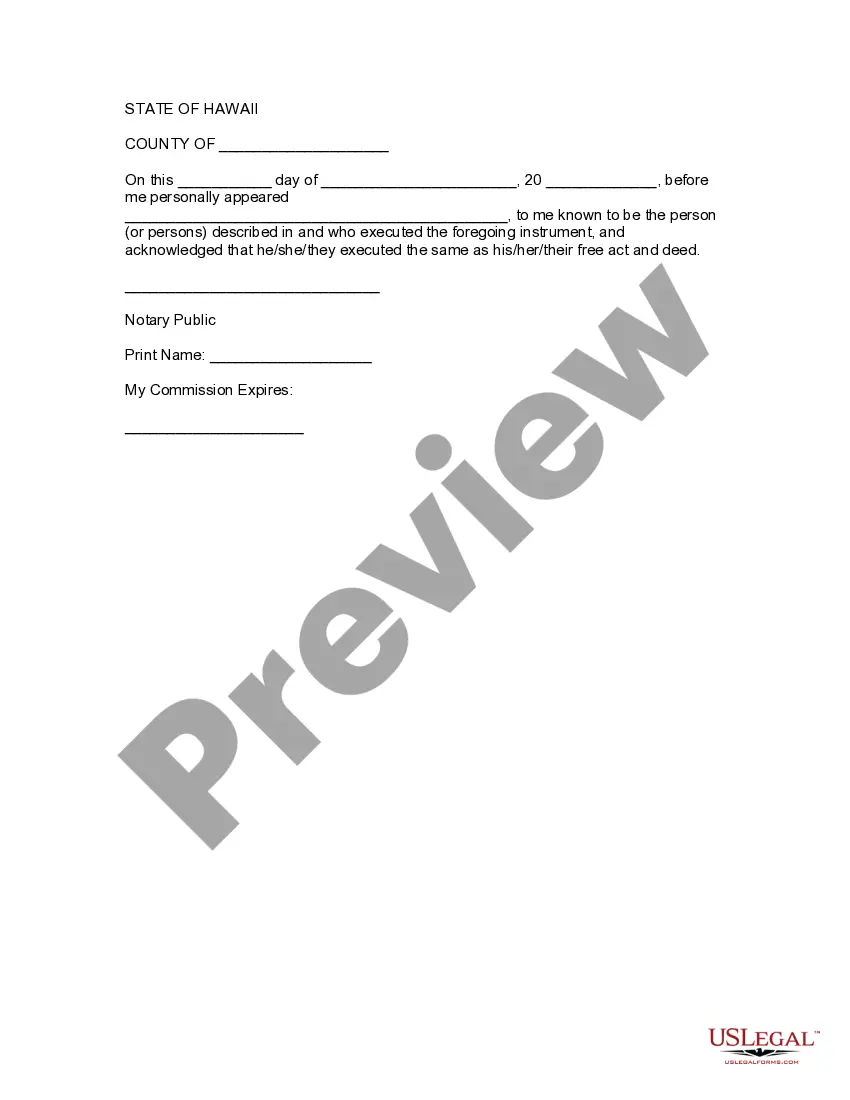

Get your form ready online
Our built-in tools help you complete, sign, share, and store your documents in one place.
Make edits, fill in missing information, and update formatting in US Legal Forms—just like you would in MS Word.
Download a copy, print it, send it by email, or mail it via USPS—whatever works best for your next step.
Sign and collect signatures with our SignNow integration. Send to multiple recipients, set reminders, and more. Go Premium to unlock E-Sign.
If this form requires notarization, complete it online through a secure video call—no need to meet a notary in person or wait for an appointment.
We protect your documents and personal data by following strict security and privacy standards.

Make edits, fill in missing information, and update formatting in US Legal Forms—just like you would in MS Word.

Download a copy, print it, send it by email, or mail it via USPS—whatever works best for your next step.

Sign and collect signatures with our SignNow integration. Send to multiple recipients, set reminders, and more. Go Premium to unlock E-Sign.

If this form requires notarization, complete it online through a secure video call—no need to meet a notary in person or wait for an appointment.

We protect your documents and personal data by following strict security and privacy standards.
Looking for another form?



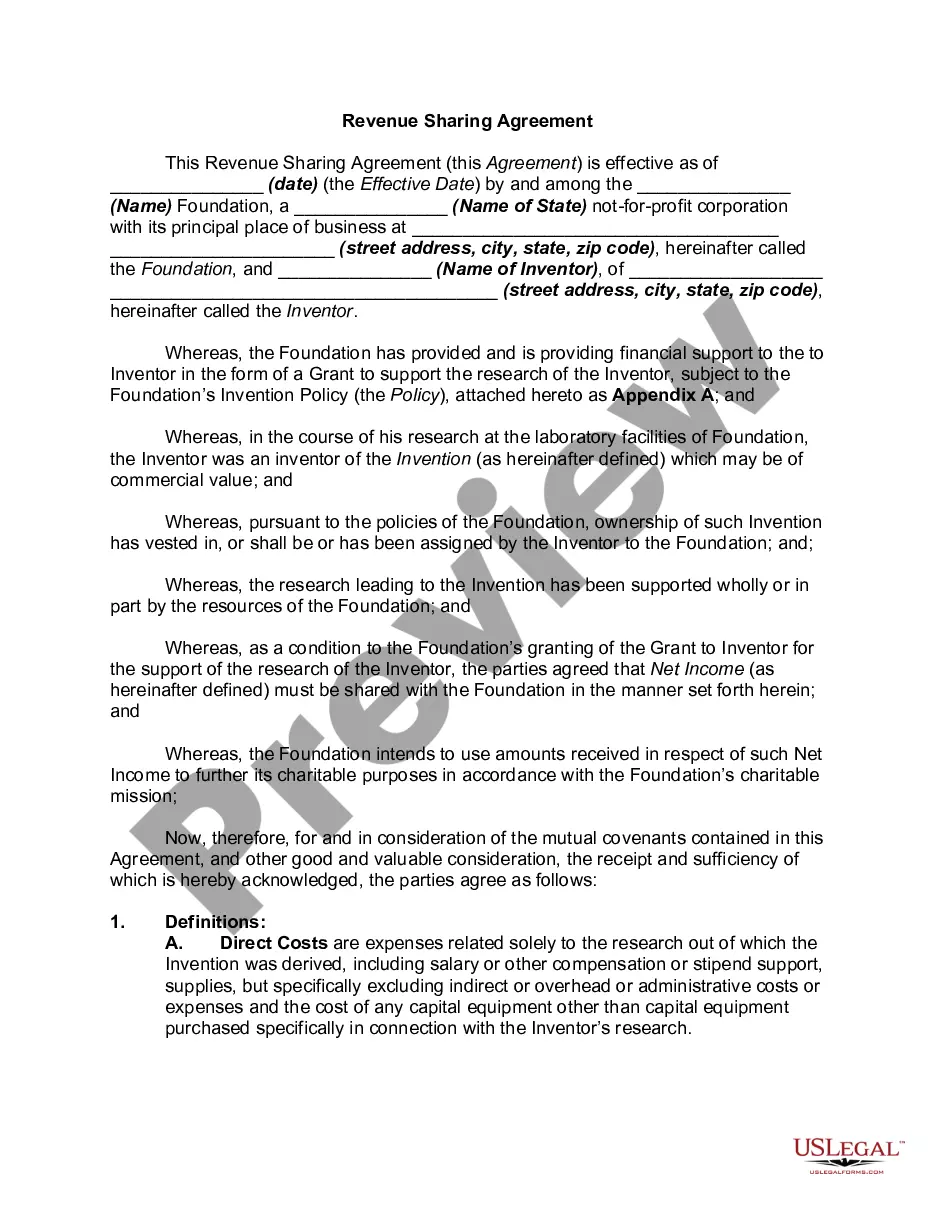





How to fill out Hawaii Assignment To Living Trust?
- Start by logging into your US Legal Forms account if you're an existing user. Click on the Download button to save your required form template. Don’t forget to confirm your subscription status.
- If you're new to the service, first familiarize yourself with the Preview mode and form description to ensure it aligns with your needs and local jurisdiction.
- Use the Search tab if you need to find a different template. Look carefully to resolve any inconsistencies before proceeding.
- Select your desired document by clicking the Buy Now button. Choose a subscription plan that best fits your needs and register an account for access.
- Complete your purchase by entering your payment details, either via credit card or PayPal.
- Download your finalized form to your device. You can later access it through the My Forms menu within your profile.
Completing these steps ensures you receive the appropriate legal documents efficiently. US Legal Forms stands out with its extensive library of over 85,000 legal forms, allowing you to access more options than any of its competitors.
Lastly, don’t hesitate to reach out for premium expert assistance to guarantee accuracy in your form completion. Start your journey to living with a Hawaiian family today!
Form popularity
FAQ
The Hawaiian homestead program is a government initiative designed to assist native Hawaiians in obtaining land for residential purposes, encouraging living with a Hawaiian family. This program provides opportunities for affordable housing, enabling cultural ties and community development. To navigate the application and understand its benefits thoroughly, you can explore resources offered by US Legal Forms, which simplify the process.
The beneficiaries of Hawaiian homes are individuals who are native Hawaiians or descendants of native Hawaiians, providing a unique opportunity to enjoy living with a Hawaiian family. These beneficiaries are given access to land under the Hawaiian Homes Commission Act, which aims to preserve native Hawaiian culture and support family living. If you're interested in understanding your benefits better, platforms like US Legal Forms can offer clear guidance.
To qualify for a homestead in Hawaii, you need to meet certain requirements set by the state. Primarily, you must be a native Hawaiian or a descendant of native Hawaiians, which links you to living with a Hawaiian family. Additionally, you should prove your residency and demonstrate your intent to live on the property. Engaging with resources, like US Legal Forms, can help guide you through the necessary application processes.
To prove Native Hawaiian ancestry, you may need to collect and present legal documents, such as birth certificates or land claims. Many individuals seek help through community resources or legal platforms like US Legal Forms, which provide accessible tools for organizing and submitting necessary paperwork. Moreover, living with a Hawaiian family can provide cultural context that enhances your understanding of your ancestry.
Hawaiians often use specific terms for family members that reflect their cultural heritage. Words such as 'ohana' refer to family, emphasizing connections among blood relatives and chosen family alike. Living with a Hawaiian family can introduce you to these familial terms and strengthen your understanding of their cultural significance.
Eligibility for land acquisition often requires a minimum percentage of Hawaiian ancestry, typically 50% or more. Each land program may have different criteria. Therefore, understanding the legal requirements can help you navigate the process more effectively, particularly if you are living with a Hawaiian family who can offer guidance.
Proving Native Hawaiian status often involves documentation of lineage, which may include birth records and genealogical research. Organizations like Kamehameha Schools offer resources to help individuals trace their heritage. Living with a Hawaiian family can also help you gather insights that support your claim.
There is no specific blood quantum that governs the definition of being Hawaiian. However, many organizations and institutions reference a percentage of Hawaiian ancestry to determine eligibility for benefits. Engaging with local communities and living with a Hawaiian family can provide context and clarity regarding identity.
Being classified as Hawaiian often requires a connection to the cultural and historical roots of Hawaii. This can include ancestry from the indigenous people or a long-term residence in the state. Living with a Hawaiian family can help you understand the nuances of the culture, making your experience richer and more authentic.
To be recognized as a Native Hawaiian, an individual typically has Kanaka Maoli heritage. This means they can trace their ancestry to the original Hawaiians who inhabited the islands prior to 1778. Additionally, living with a Hawaiian family may provide valuable insights into the culture and traditions that define this identity.