Hawaii In Estate
Description
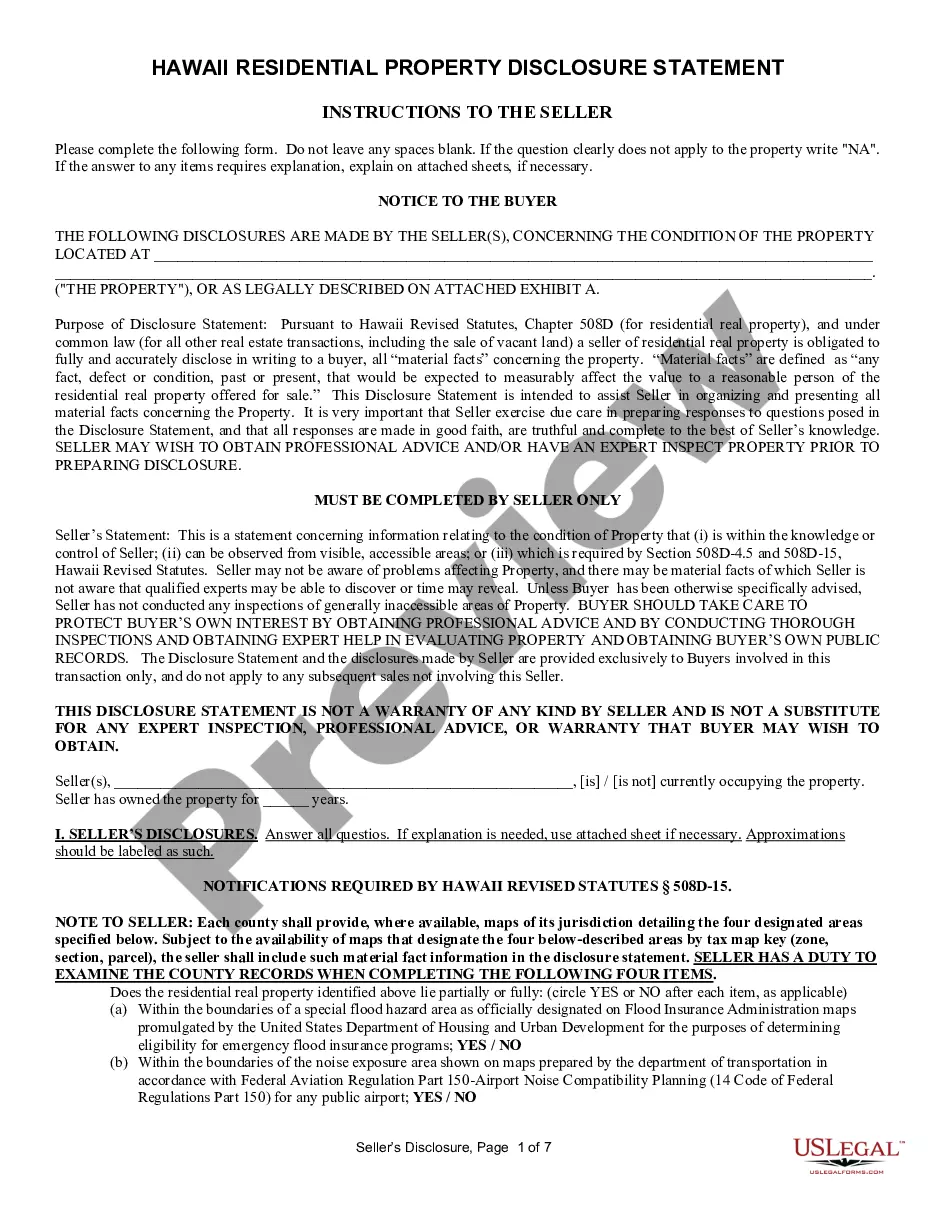
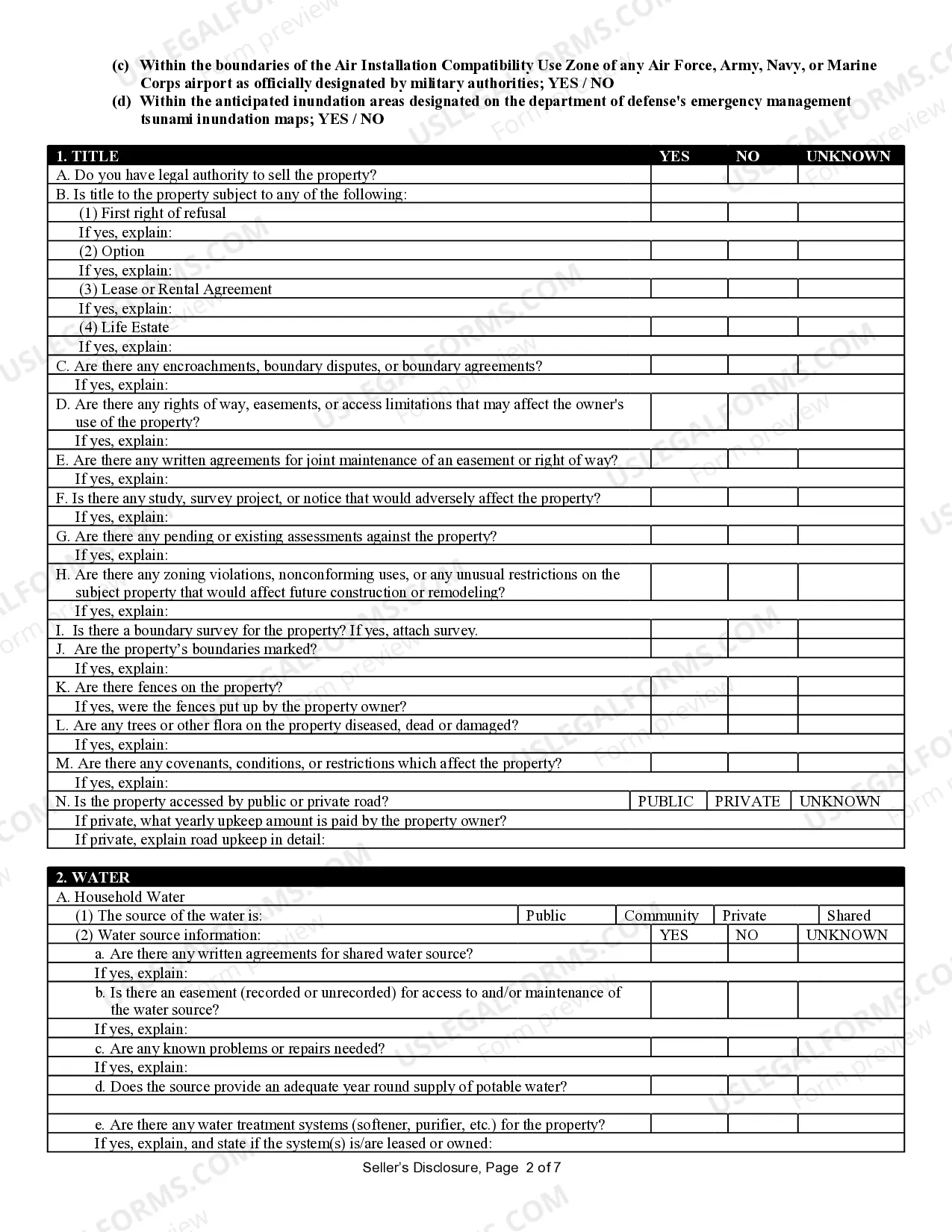
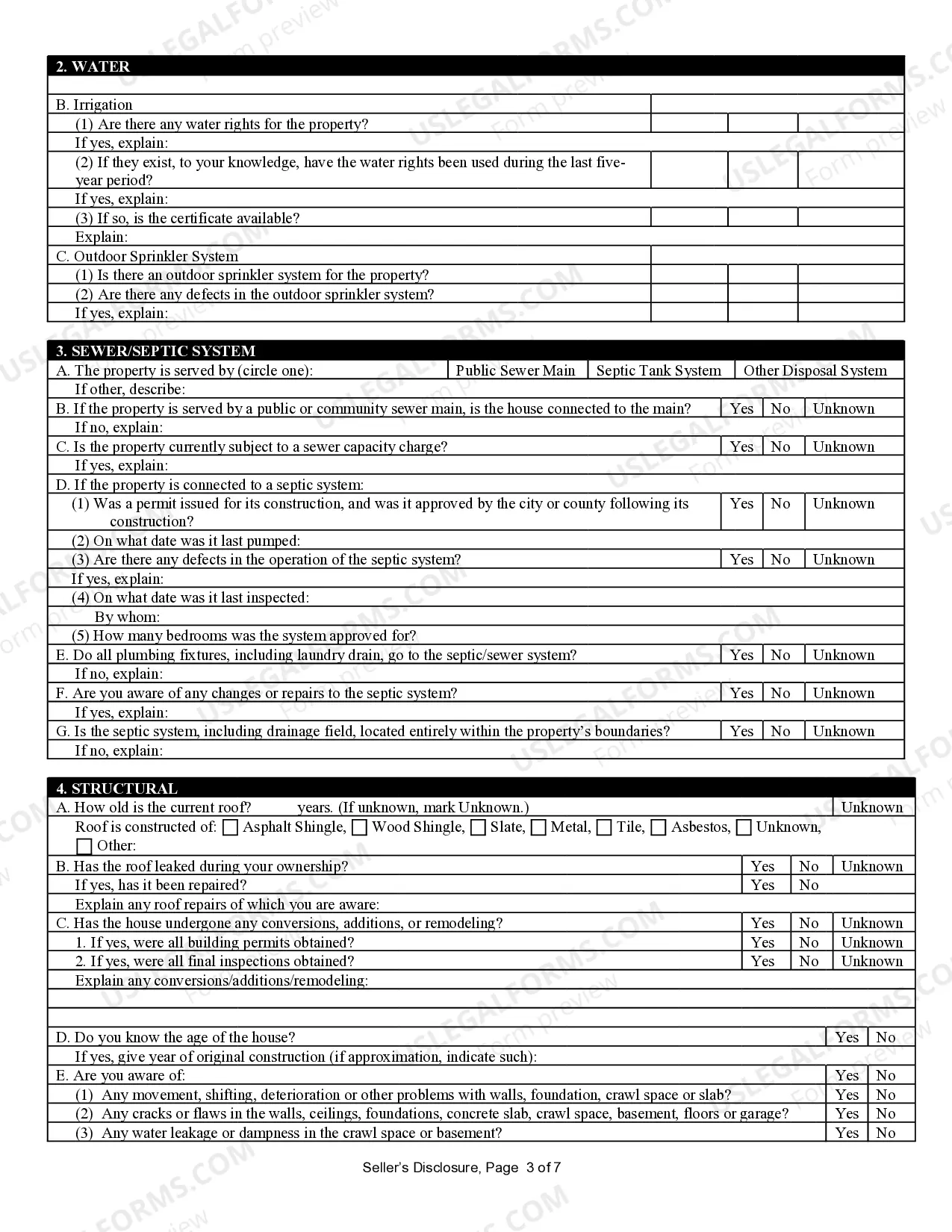
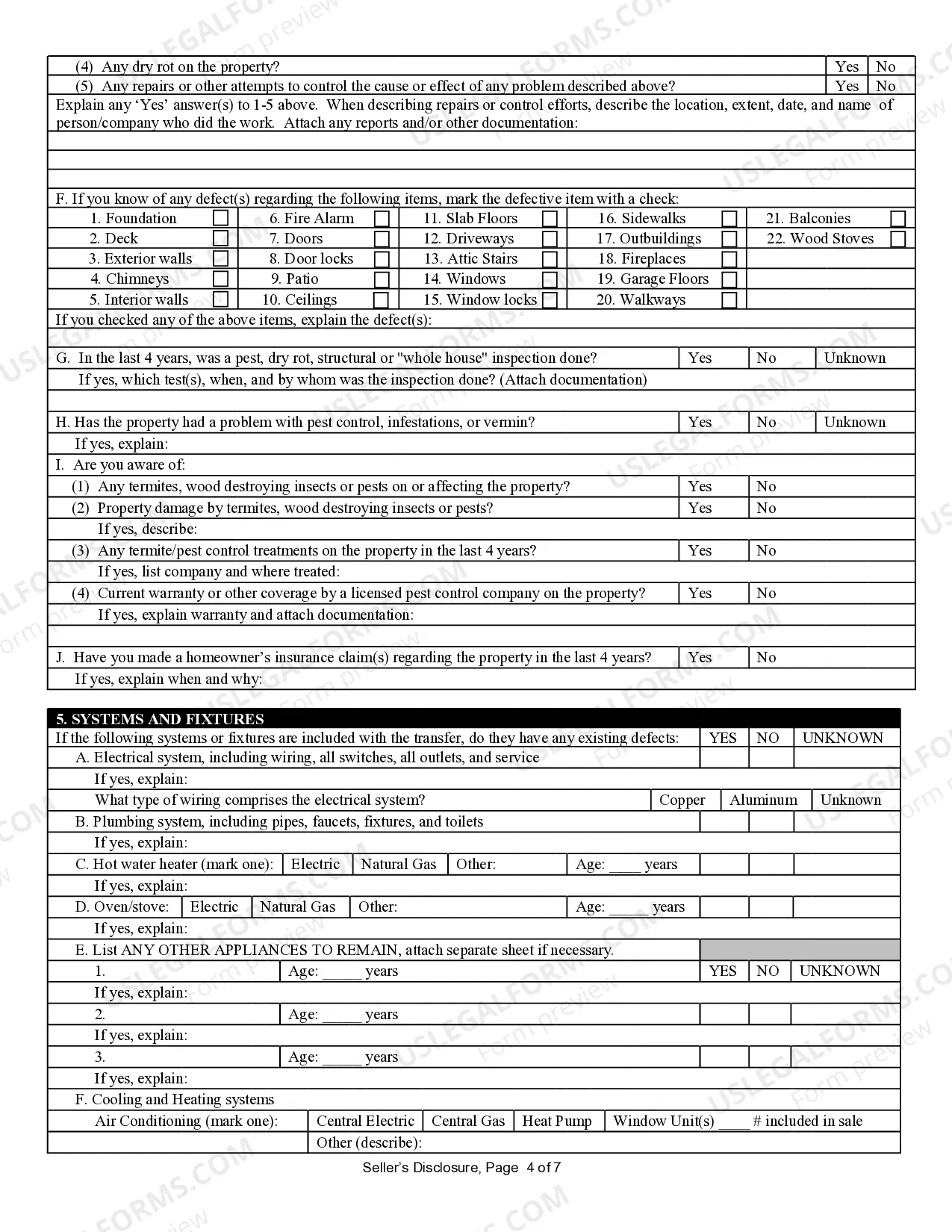
Get your form ready online
Our built-in tools help you complete, sign, share, and store your documents in one place.
Make edits, fill in missing information, and update formatting in US Legal Forms—just like you would in MS Word.
Download a copy, print it, send it by email, or mail it via USPS—whatever works best for your next step.
Sign and collect signatures with our SignNow integration. Send to multiple recipients, set reminders, and more. Go Premium to unlock E-Sign.
If this form requires notarization, complete it online through a secure video call—no need to meet a notary in person or wait for an appointment.
We protect your documents and personal data by following strict security and privacy standards.

Make edits, fill in missing information, and update formatting in US Legal Forms—just like you would in MS Word.

Download a copy, print it, send it by email, or mail it via USPS—whatever works best for your next step.

Sign and collect signatures with our SignNow integration. Send to multiple recipients, set reminders, and more. Go Premium to unlock E-Sign.

If this form requires notarization, complete it online through a secure video call—no need to meet a notary in person or wait for an appointment.

We protect your documents and personal data by following strict security and privacy standards.
Looking for another form?

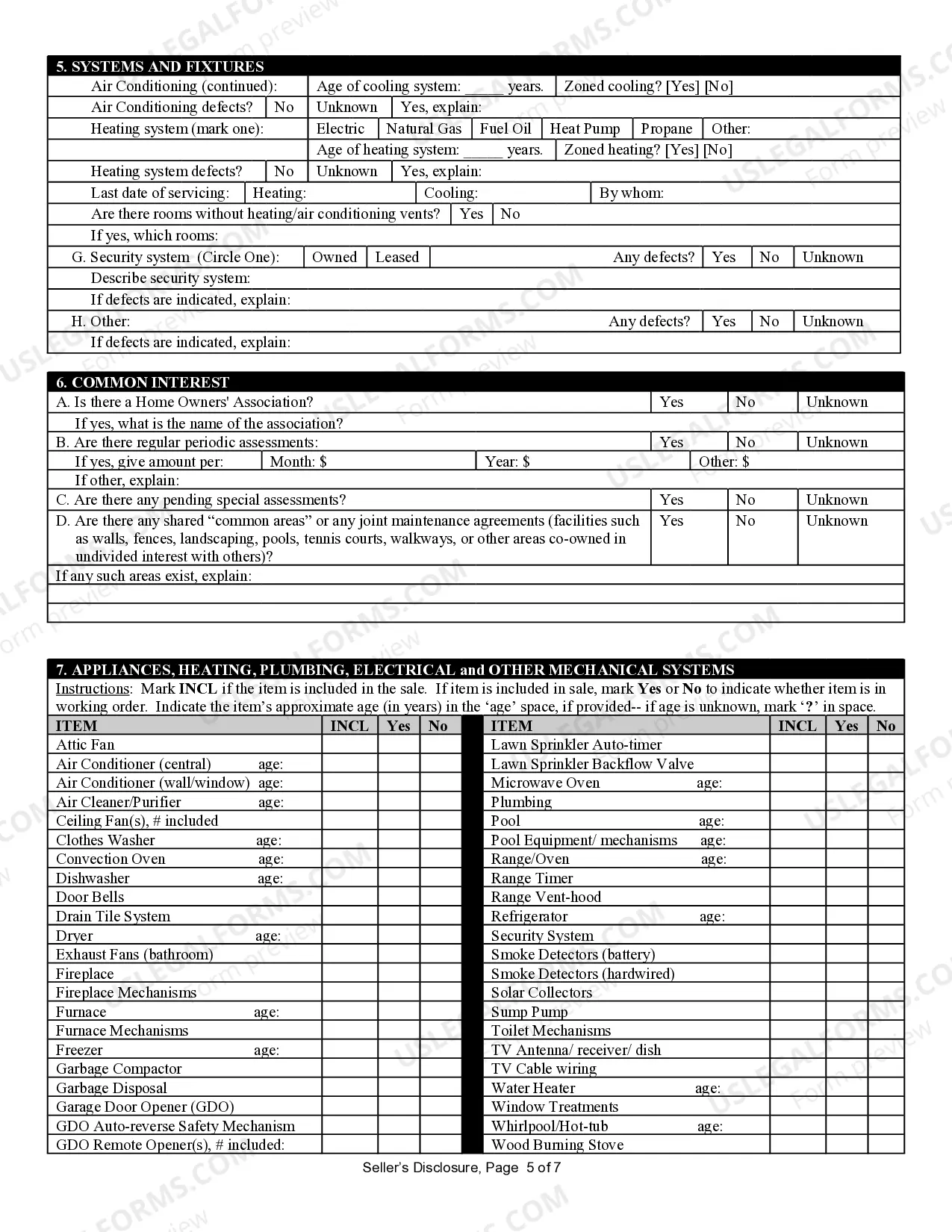
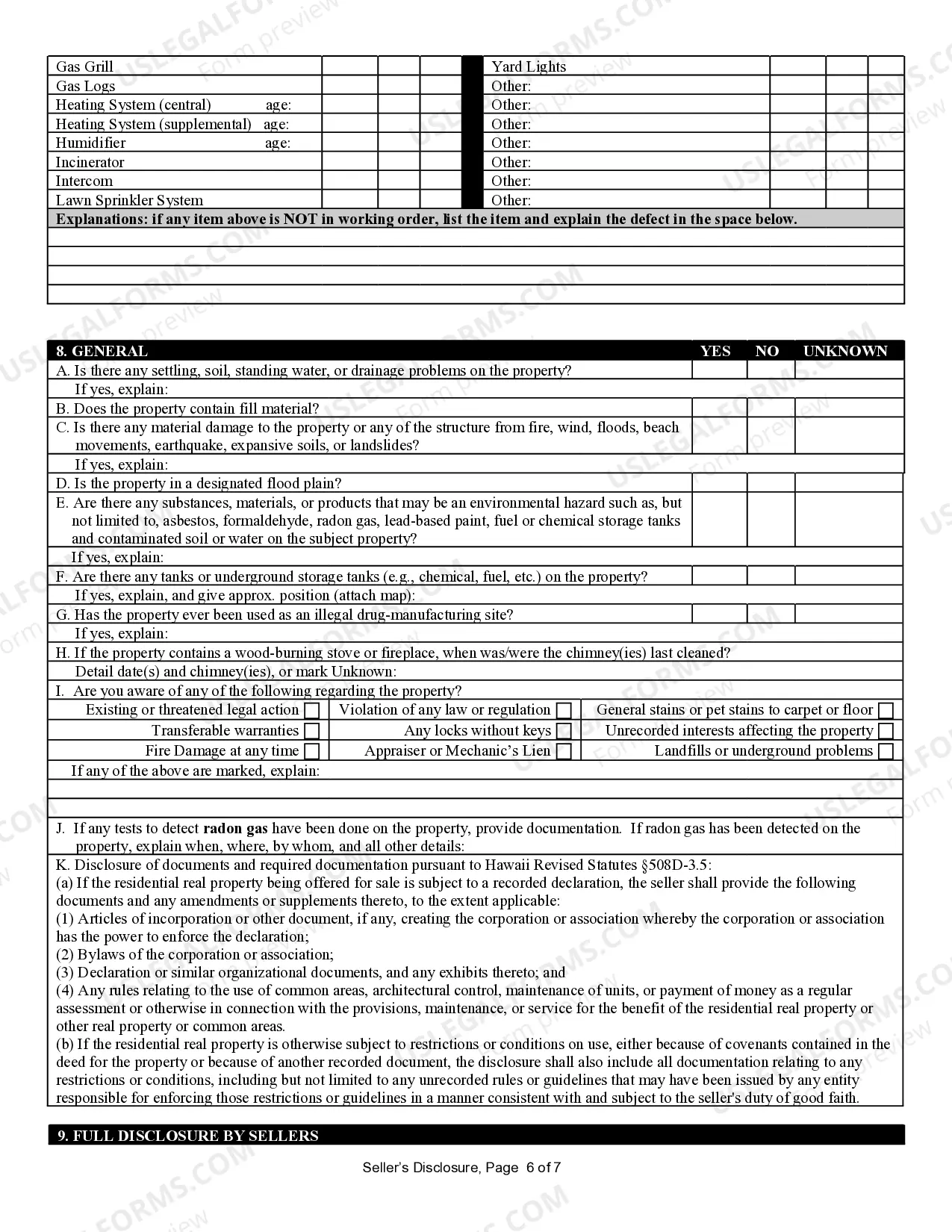
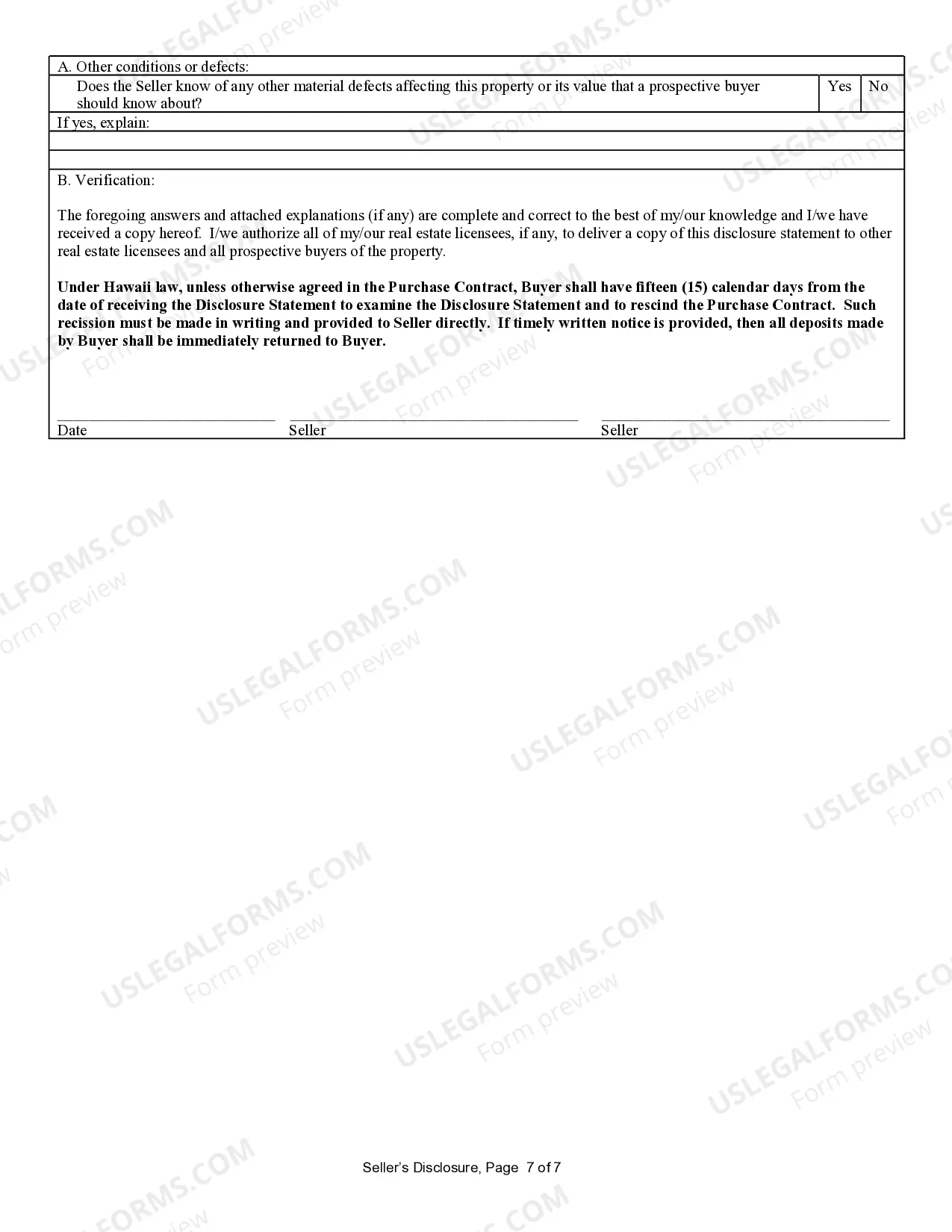
How to fill out Hawaii Residential Real Estate Sales Disclosure Statement?
Finding a reliable source to obtain the most recent and suitable legal documents is a significant part of managing red tape.
Selecting the appropriate legal paperwork requires accuracy and careful consideration, which is why it's essential to take examples of Hawaii In Estate only from trustworthy providers, like US Legal Forms.
Once you have the document on your device, you can edit it using the editor or print it and fill it out manually. Eliminate the stress that comes with your legal paperwork. Explore the comprehensive US Legal Forms directory to discover legal templates, verify their relevance to your situation, and download them instantly.
- Utilize the library navigation or search feature to locate your template.
- Access the description of the form to confirm if it meets the regulations of your state and locality.
- View the form preview, if available, to verify that the template is what you are looking for.
- Return to the search to find the correct template if the Hawaii In Estate does not align with your requirements.
- Once you're certain about the document's applicability, download it.
- As a registered user, click Log in to validate and access your chosen templates in My documents.
- If you haven't created an account yet, click Buy now to acquire the document.
- Pick the pricing option that suits your needs.
- Proceed to the registration phase to finalize your order.
- Conclude your transaction by choosing a payment method (credit card or PayPal).
- Select the file format for downloading Hawaii In Estate.
Form popularity
FAQ
The largest landowner in Hawaii is the State of Hawaii itself, followed closely by the federal government and various private entities. This ownership structure plays a significant role in the dynamics of Hawaii in estate. Being aware of these ownership patterns can help you make informed decisions in your real estate endeavors.
Approximately 60% of the land in Hawaii is owned by the government, which includes both state and federal holdings. This large percentage affects the real estate market and availability of private properties. Understanding government land ownership is crucial when considering property options in Hawaii in estate.
Living in Hawaii on $2,000 a month is quite difficult due to high expenses, especially for housing. However, some residents manage this through creative solutions like living with roommates or choosing less expensive areas. It's essential to research and plan carefully if you aim to make Hawaii in estate a reality on this budget.
Larry Ellison, co-founder of Oracle Corporation, is known for owning a significant portion of Lanai, one of Hawaii's islands. His investment has drawn attention to the unique landscape and potential development opportunities in Hawaii in estate. Understanding the impact of such ownership can provide insights into the real estate market.
A salary of $100,000 a year can provide a comfortable lifestyle in many parts of Hawaii. However, costs vary significantly depending on the island and community. With proper financial planning, you can enjoy the beautiful scenery and lifestyle that comes with living in Hawaii in estate while managing expenses effectively.
Living in Hawaii on $3,000 a month is challenging but possible with careful budgeting. Housing costs are high, yet some areas offer more affordable options. By exploring local resources and possibly considering shared living situations, you can make living in Hawaii in estate more feasible on this budget.
In Hawaii, a significant portion of the land is owned by a small number of entities. The state government, federal government, and large private landowners hold the majority of the land. This concentration affects the availability of properties for those interested in Hawaii in estate. Understanding land ownership in Hawaii can help you navigate real estate opportunities.
When managing an estate in Hawaii, the personal representative must file a petition for probate if the estate exceeds the threshold amount. This involves submitting the will, if one exists, and providing an inventory of the deceased's assets. To navigate these requirements effectively, consider using US Legal Forms, which offers comprehensive support for estate filings in Hawaii.
Beneficiaries can inherit any amount in Hawaii without facing an inheritance tax, as the state does not levy such a tax. This feature makes inheriting assets in Hawaii more straightforward and beneficial for families. For further clarity on estate-related topics, US Legal Forms offers resources to help you understand your rights and obligations.
In Hawaii, the threshold for probate is generally set at $100,000 for personal property. If the estate's value exceeds this amount, probate proceedings are necessary to validate the will and distribute assets. To ensure a smooth probate process, consider using US Legal Forms for guidance and templates tailored to Hawaii in estate matters.