Employee File Example
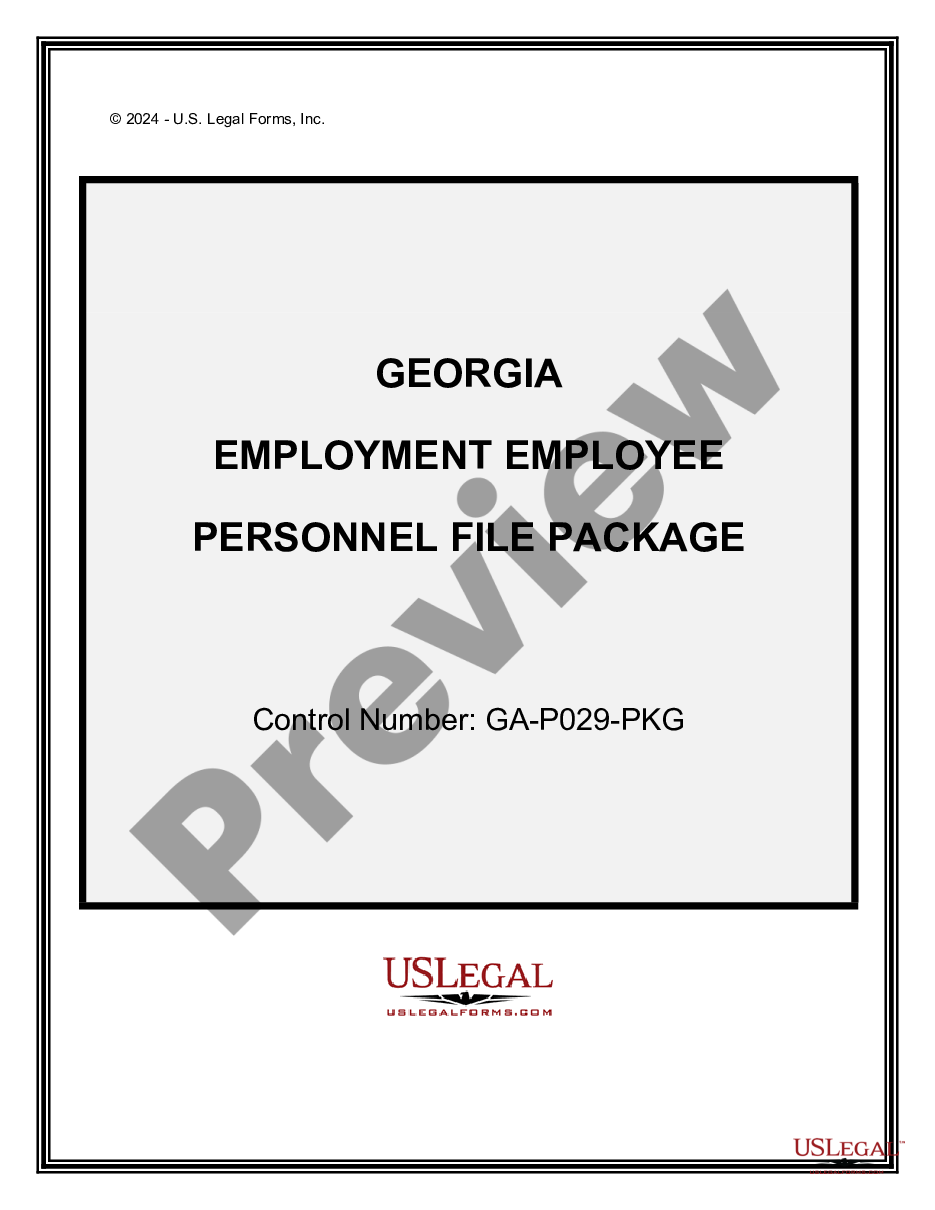
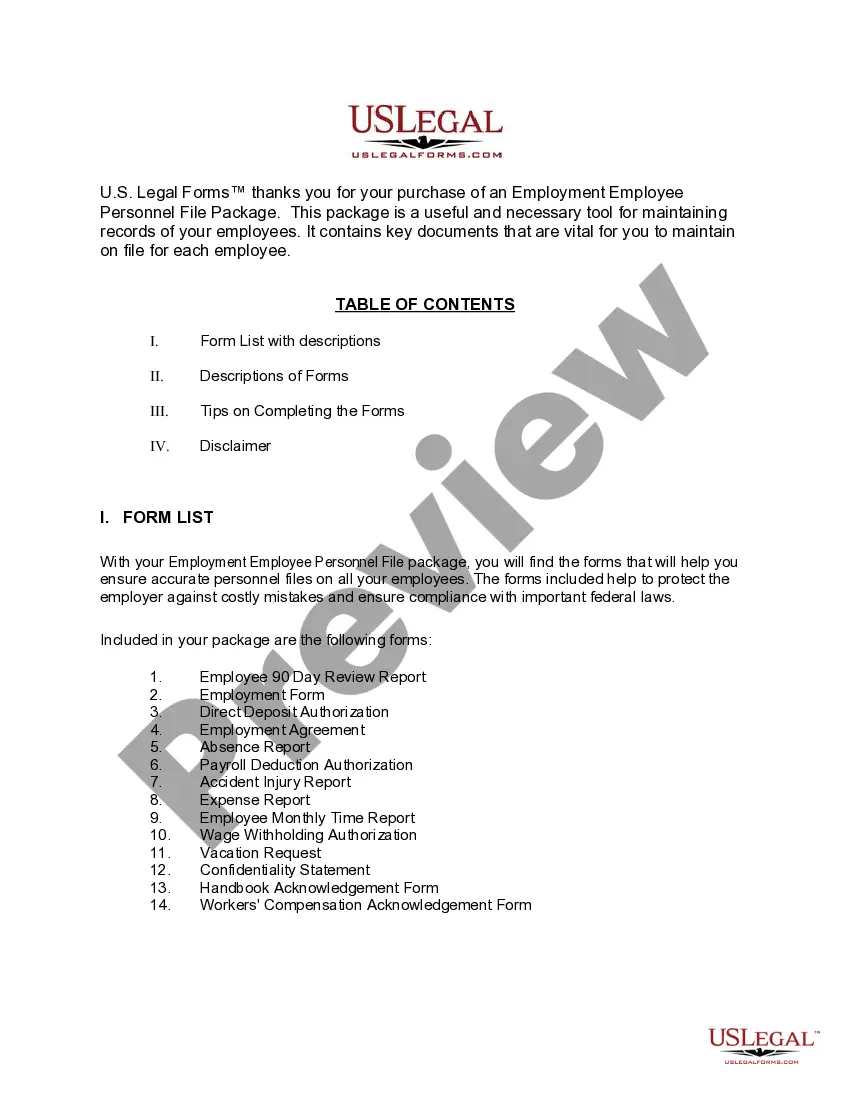
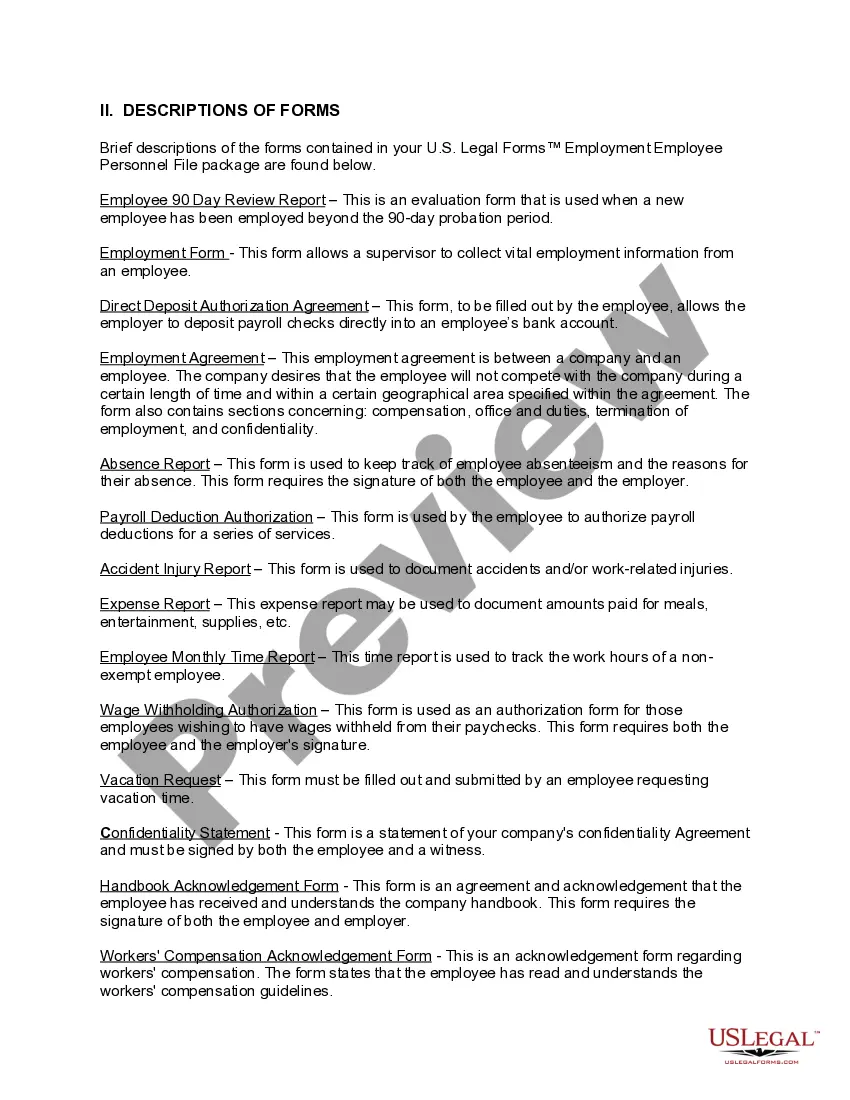
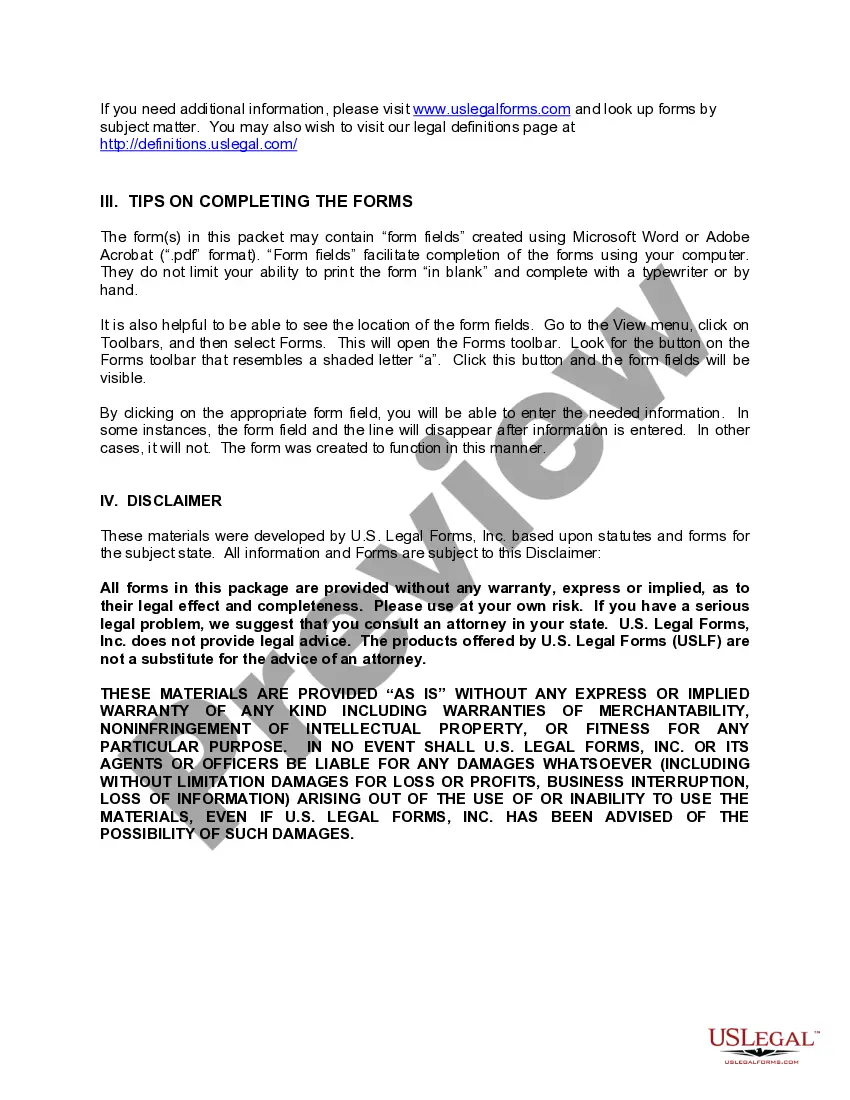
Description
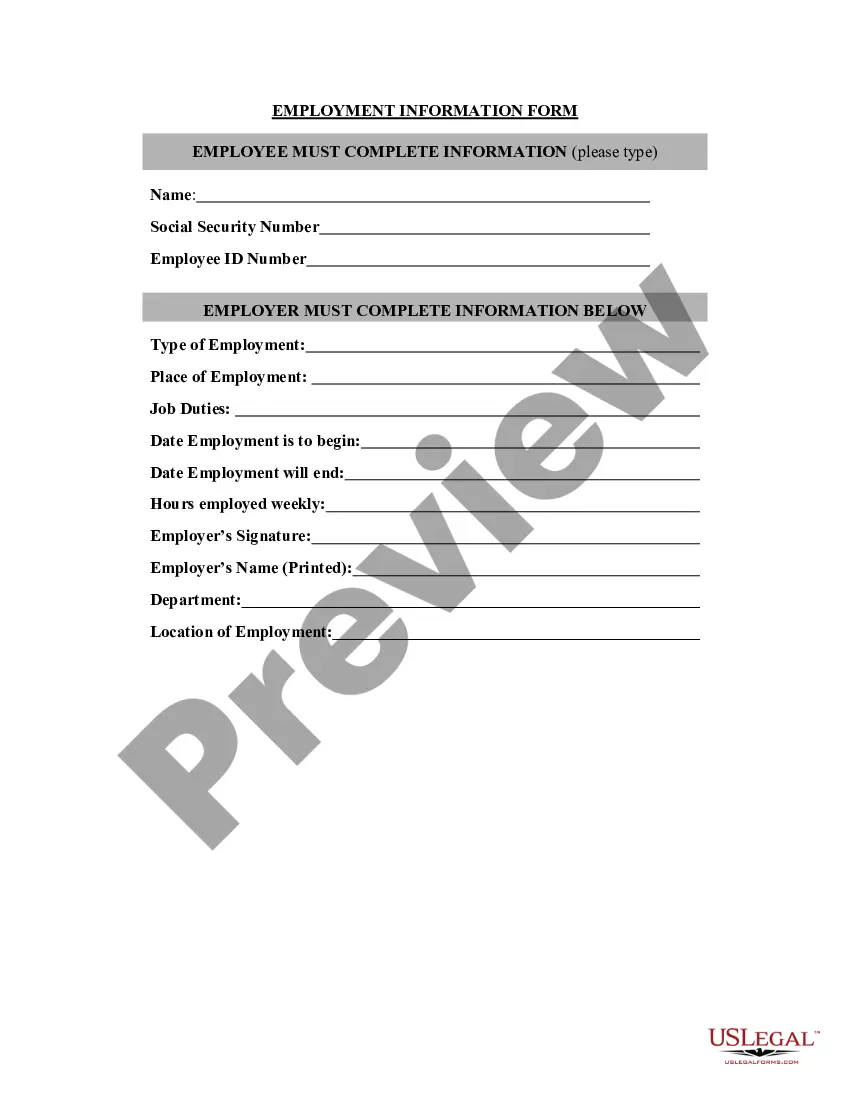
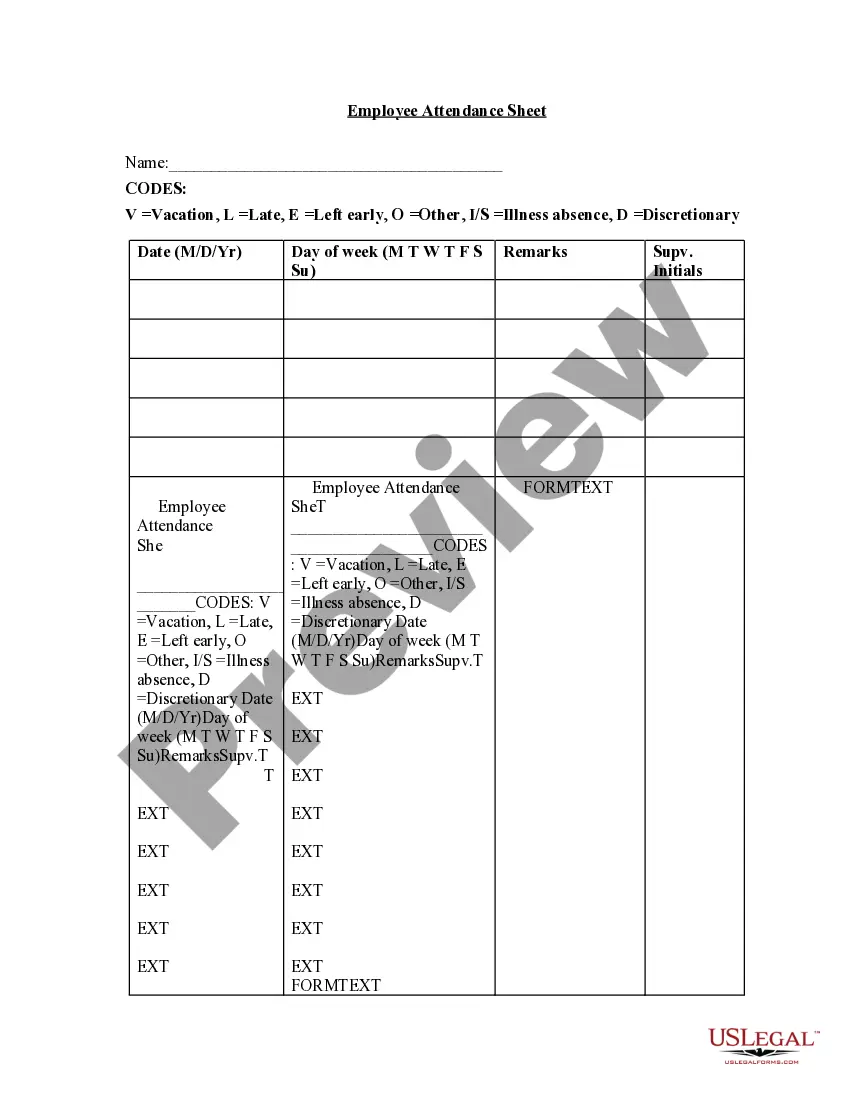
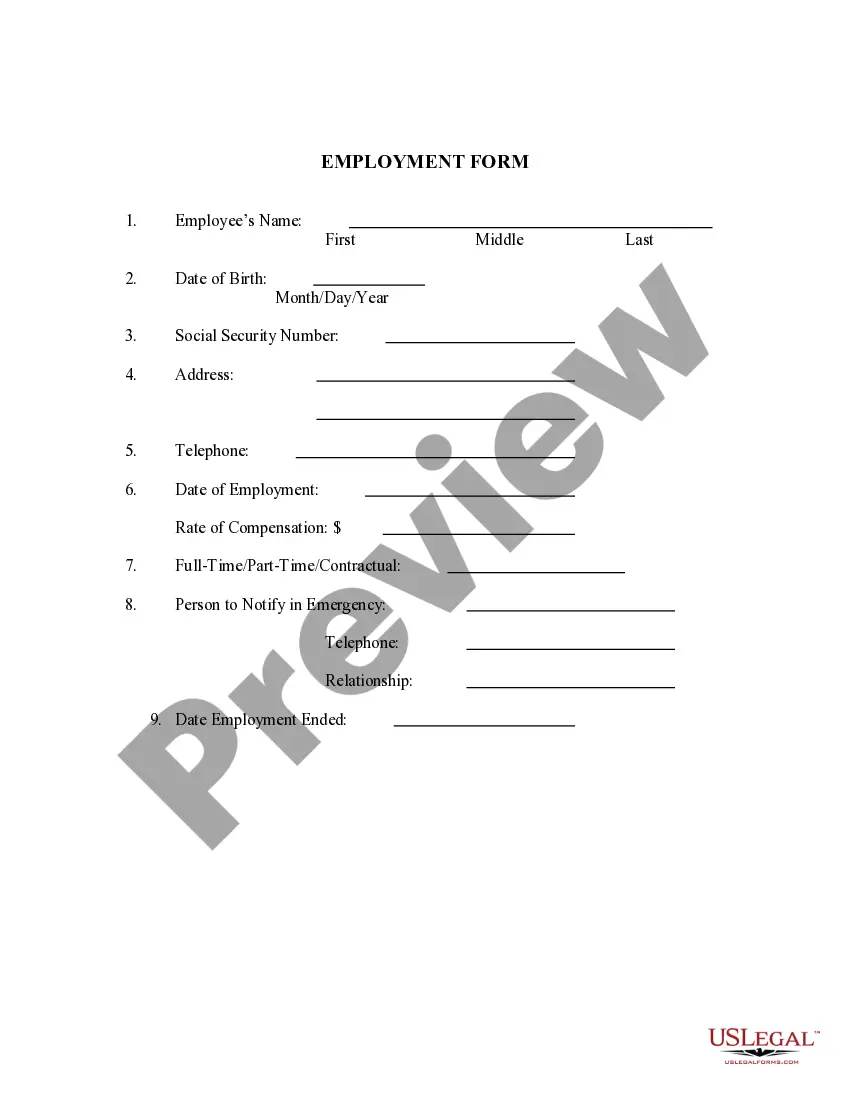
Get your form ready online
Our built-in tools help you complete, sign, share, and store your documents in one place.
Make edits, fill in missing information, and update formatting in US Legal Forms—just like you would in MS Word.
Download a copy, print it, send it by email, or mail it via USPS—whatever works best for your next step.
Sign and collect signatures with our SignNow integration. Send to multiple recipients, set reminders, and more. Go Premium to unlock E-Sign.
If this form requires notarization, complete it online through a secure video call—no need to meet a notary in person or wait for an appointment.
We protect your documents and personal data by following strict security and privacy standards.

Make edits, fill in missing information, and update formatting in US Legal Forms—just like you would in MS Word.

Download a copy, print it, send it by email, or mail it via USPS—whatever works best for your next step.

Sign and collect signatures with our SignNow integration. Send to multiple recipients, set reminders, and more. Go Premium to unlock E-Sign.

If this form requires notarization, complete it online through a secure video call—no need to meet a notary in person or wait for an appointment.

We protect your documents and personal data by following strict security and privacy standards.
Looking for another form?
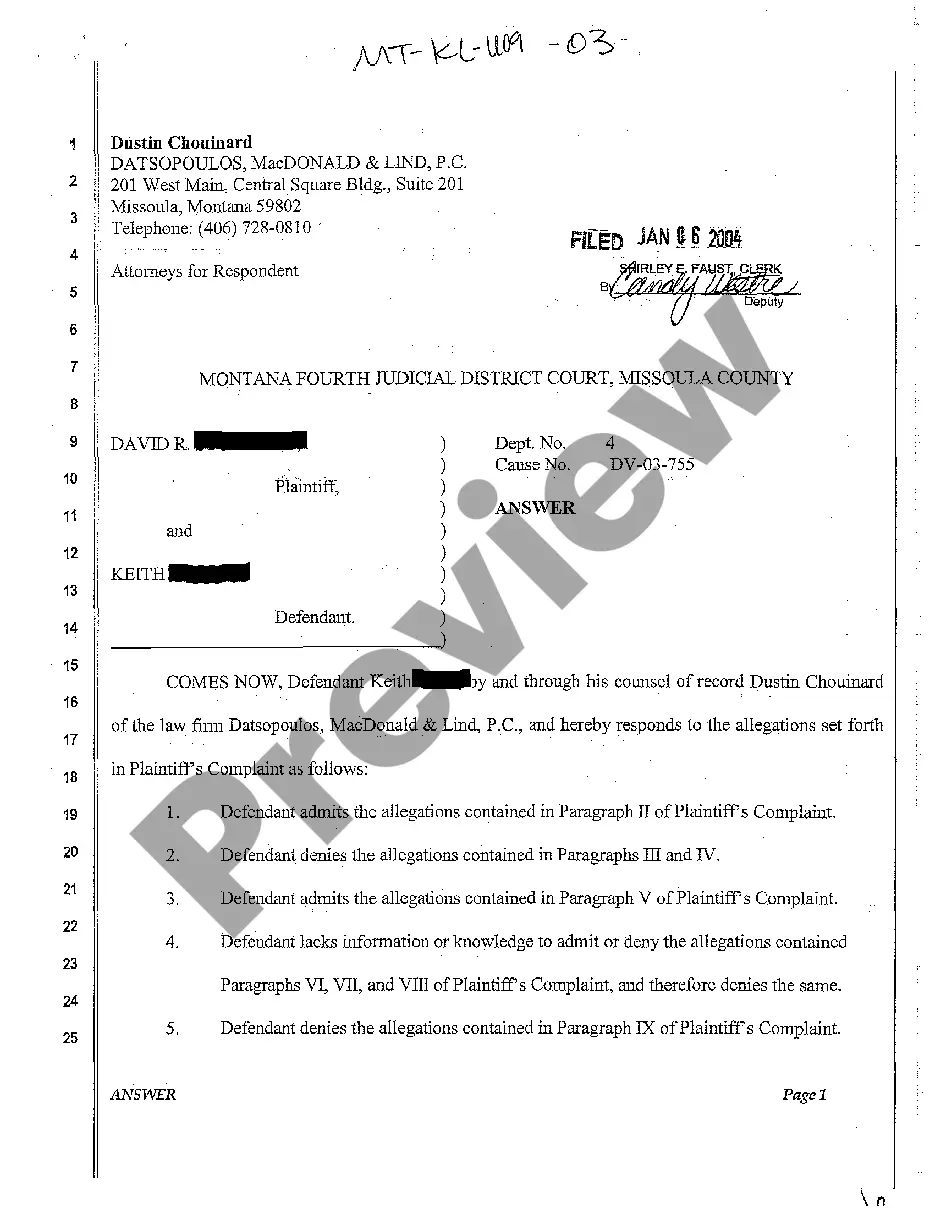
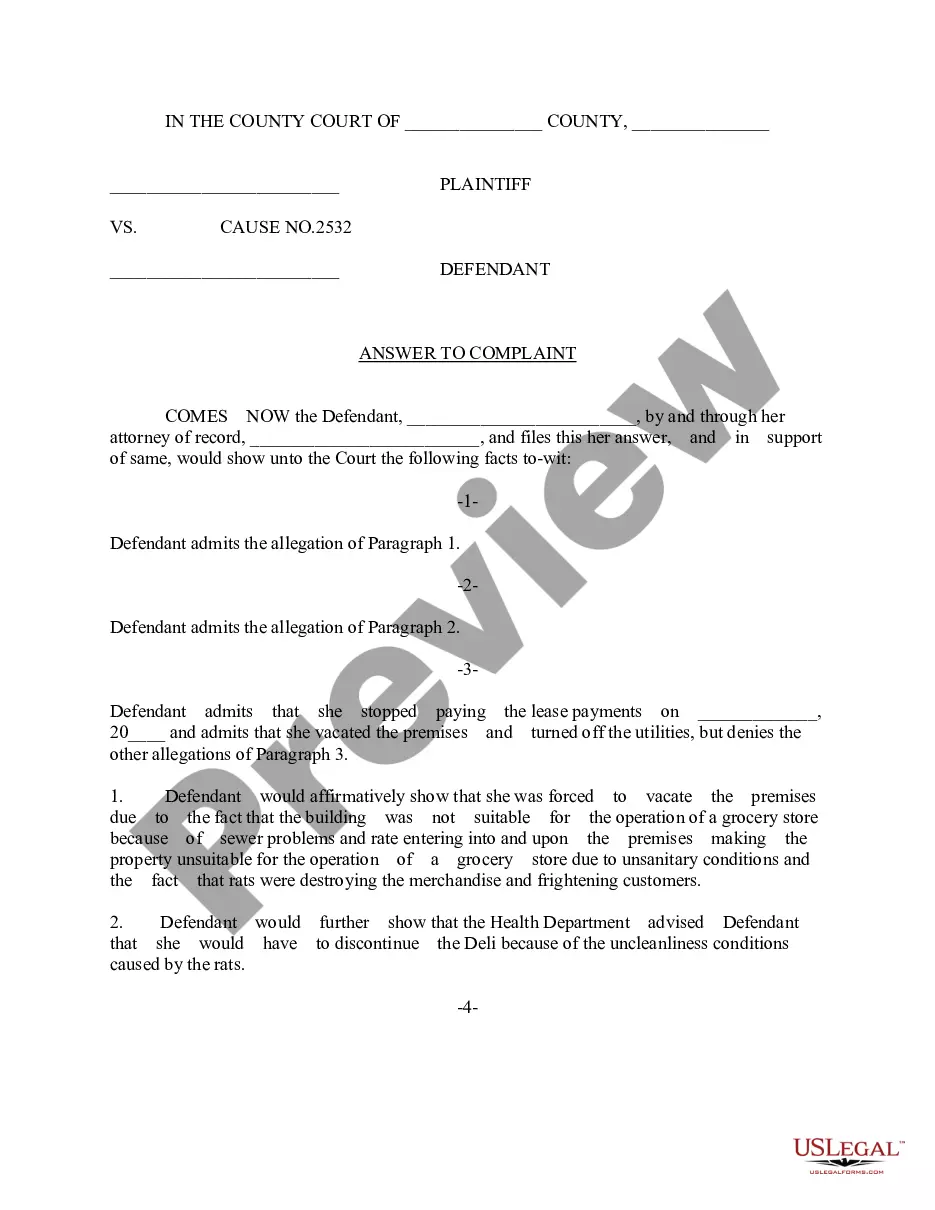
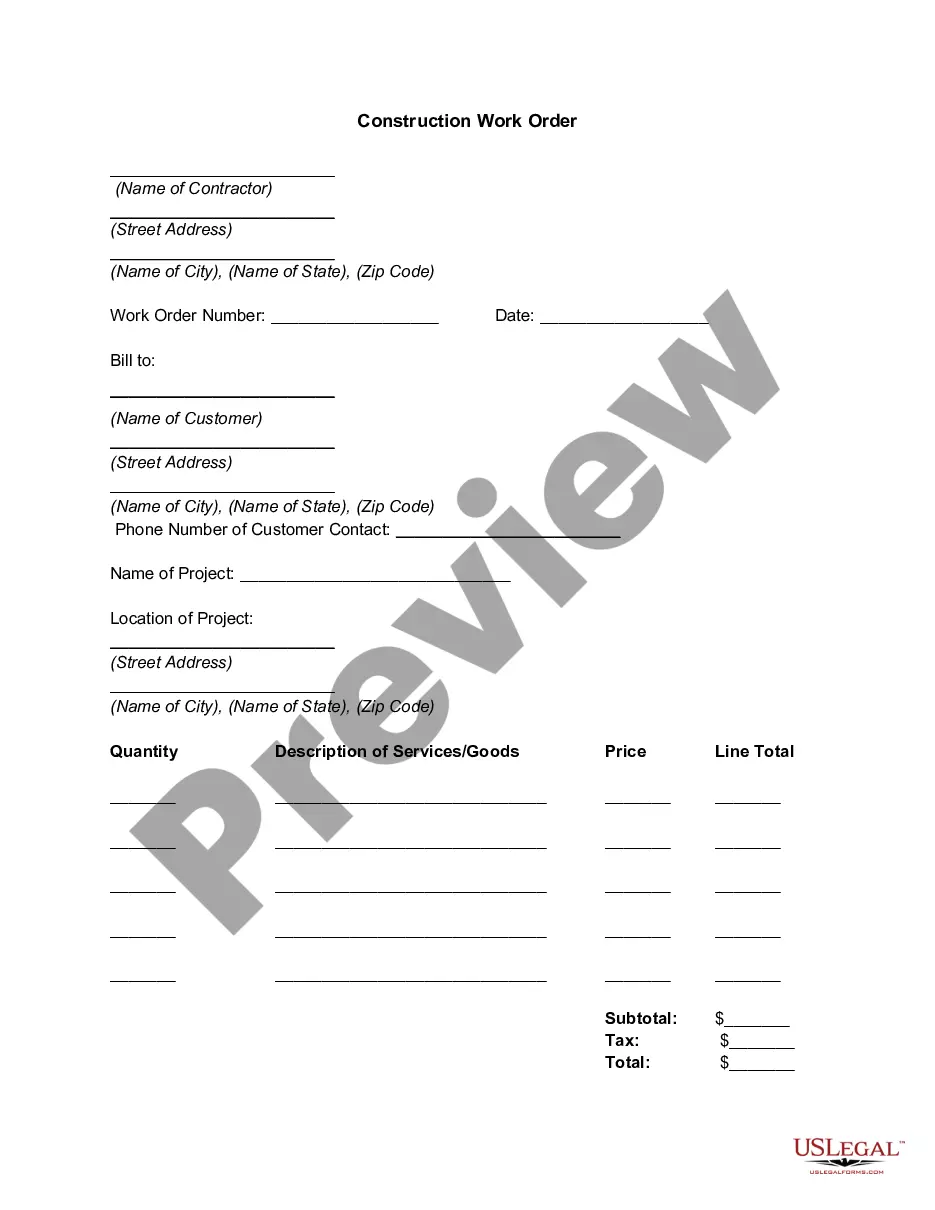
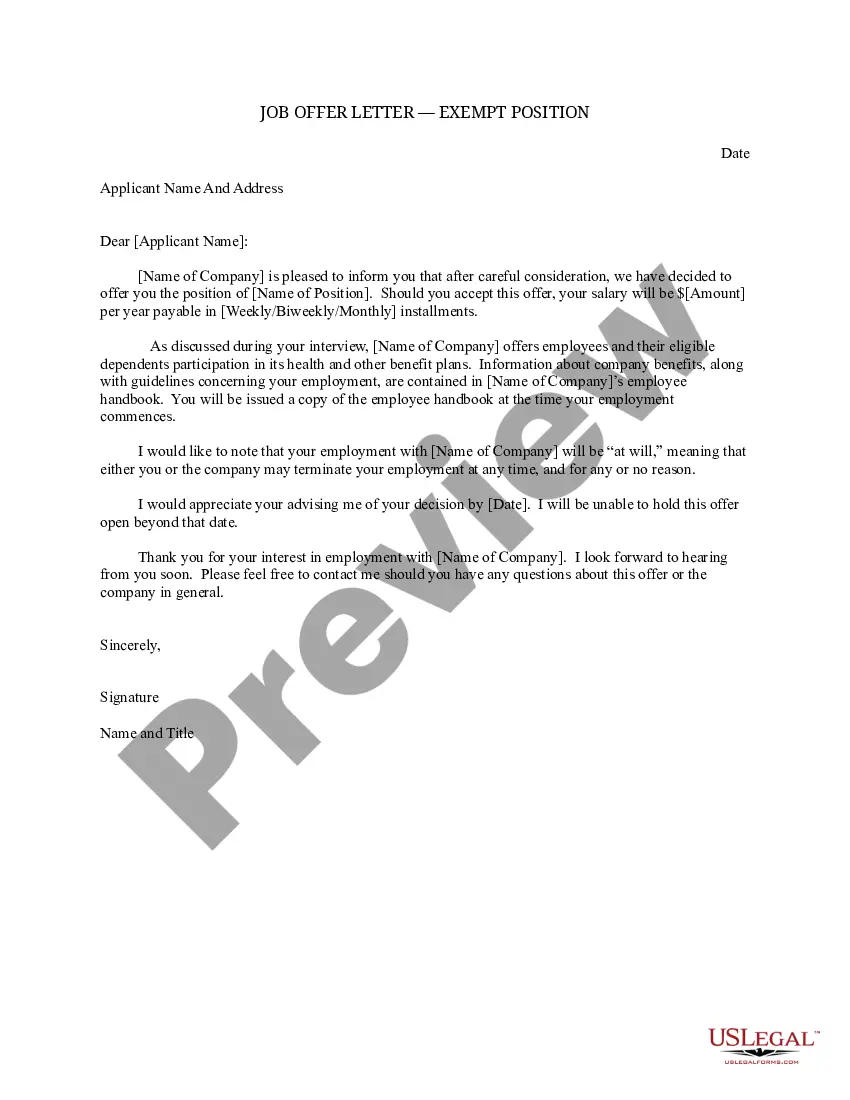

How to fill out Georgia Employment Employee Personnel File Package?
- If you are a returning user, log in to your account and download your required form template by clicking the Download button. Ensure your subscription is active; otherwise, renew it according to your plan.
- For first-time users, start by reviewing the Preview mode and description of the employee file example. Confirm it suits your needs and complies with local laws.
- If you need to find another template, utilize the Search tab at the top to locate alternate forms, ensuring you select one that fits your requirements.
- Proceed to purchase the document by clicking the Buy Now button and selecting your preferred subscription plan. You need to create an account to access the vast library.
- Complete your payment by entering your credit card or using your PayPal account.
- Finally, download your form and save it to your device. You can also access it anytime in the My Forms section of your profile.
By leveraging US Legal Forms, individuals and attorneys can benefit from a robust collection of legal documents tailored for various needs, enhancing the accuracy and reliability of their legal paperwork.
Ready to simplify your legal document process? Start today by accessing your employee file example with US Legal Forms!
Form popularity
FAQ
Storing employee records requires a system that prioritizes security and compliance with privacy laws. You can choose between physical filing cabinets or digital storage solutions, depending on your needs. Implementing a cloud-based system allows for easy access and safer backups, while also integrating templates such as an employee file example for consistency. Regular audits of stored records ensure that your practices remain up to date and compliant.
An employee file contains a variety of important documents that track an individual's professional journey within a company. Common components include the employee's resume, job application, tax forms, performance evaluations, and disciplinary records. Maintaining a complete employee file example ensures compliance with legal requirements and provides valuable insights for management decisions. It is vital to keep this information secure yet accessible.
Categorizing employee files is crucial for efficient management. Typically, you would sort files by departments, roles, or status, such as active or inactive employees. Within each category, you can further arrange documents chronologically or by type. This structured system makes it easier to find specific employee information quickly and can include an employee file example that defines standard categories.
To create an employee file, start by collecting essential personal information, such as the employee's name, address, and contact details. Next, include documents like the employment contract, tax forms, and onboarding materials. Digital platforms like US Legal Forms can provide templates for an employee file example, ensuring you include all necessary components. This organized approach simplifies onboarding and personnel management.
Organizing files at work involves establishing a structured system that makes it easy to access necessary information. You can begin by grouping documents by type, such as employee files, financial records, and project files. Using digital tools enhances this process, allowing you to create folders and categorize them effectively. An employee file example might include personal information, performance reviews, and attendance records, all neatly organized for quick reference.
The best way to organize employee files is to use a simple, intuitive system that allows quick access to documents. Group related documents together and use labels for easy identification. Platforms like US Legal Forms can offer templates that serve as effective employee file examples, demonstrating efficient organization strategies.
To create an employee file, begin with a clear plan outlining what documentation and information are essential. Consider using a standardized format for consistency and ease of use. For clarity, refer to a comprehensive employee file example available on US Legal Forms, which can simplify the creation process.
Avoid including irrelevant personal information, such as medical records or personal opinions, in an employee file. Additionally, any documents unrelated to job performance should be excluded to respect privacy and maintain focus. A careful selection process, as shown in various employee file examples, can help you avoid common pitfalls.
To make an employee file, gather all relevant documents and categorize them logically. Use a consistent format and secure storage to protect employee privacy. Utilizing templates from resources like US Legal Forms can streamline the process and ensure you have all necessary components in your employee file example.
An employee file should include essential documents such as the employment application, tax forms, and any signed agreements. Additionally, you might include performance evaluations and records of employee disciplinary actions. An employee file example often illustrates the key components that ensure compliance with labor laws.