Georgia Living Trust Without A Will
Description
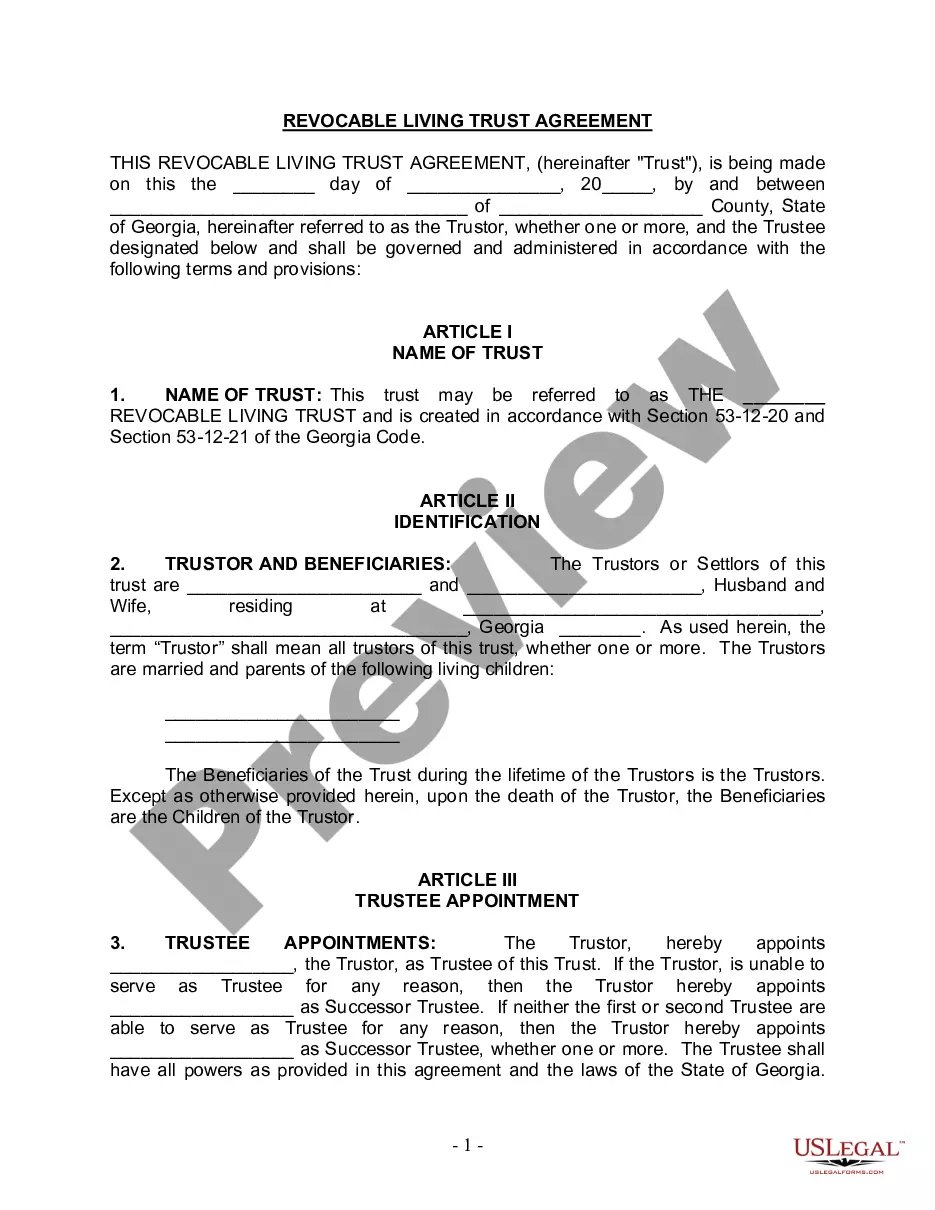
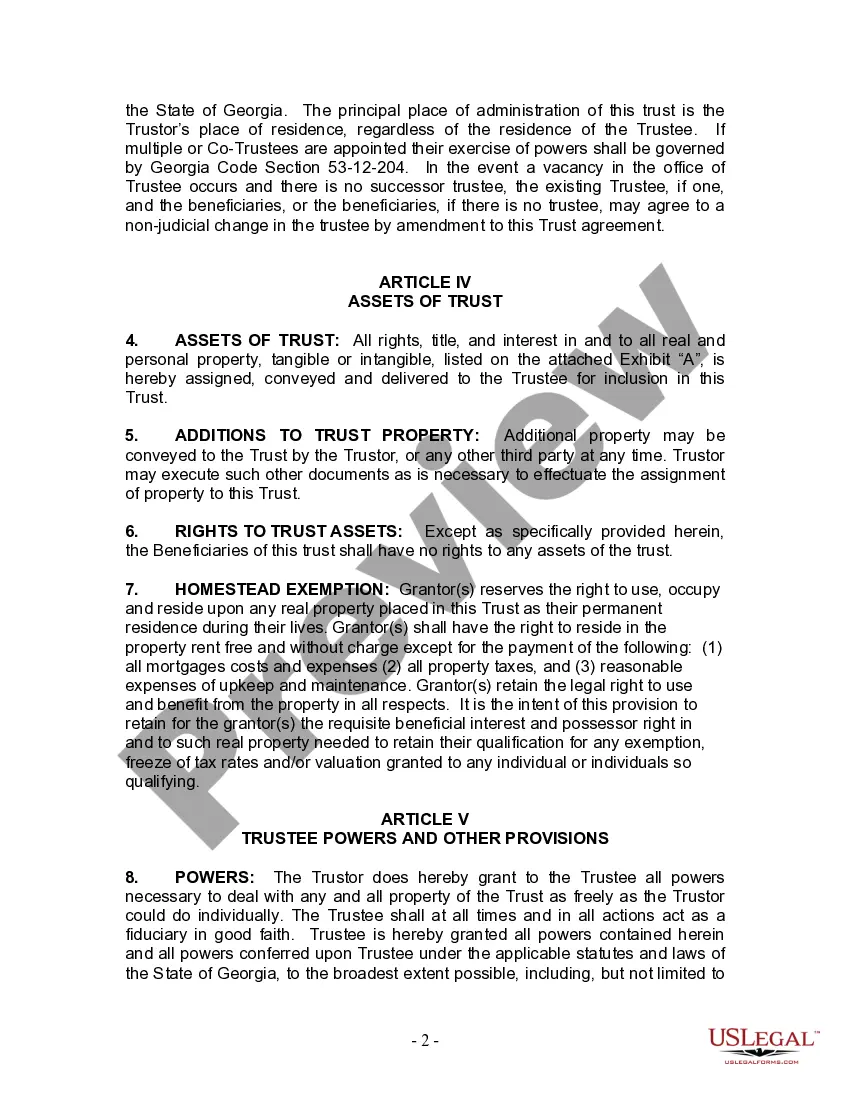
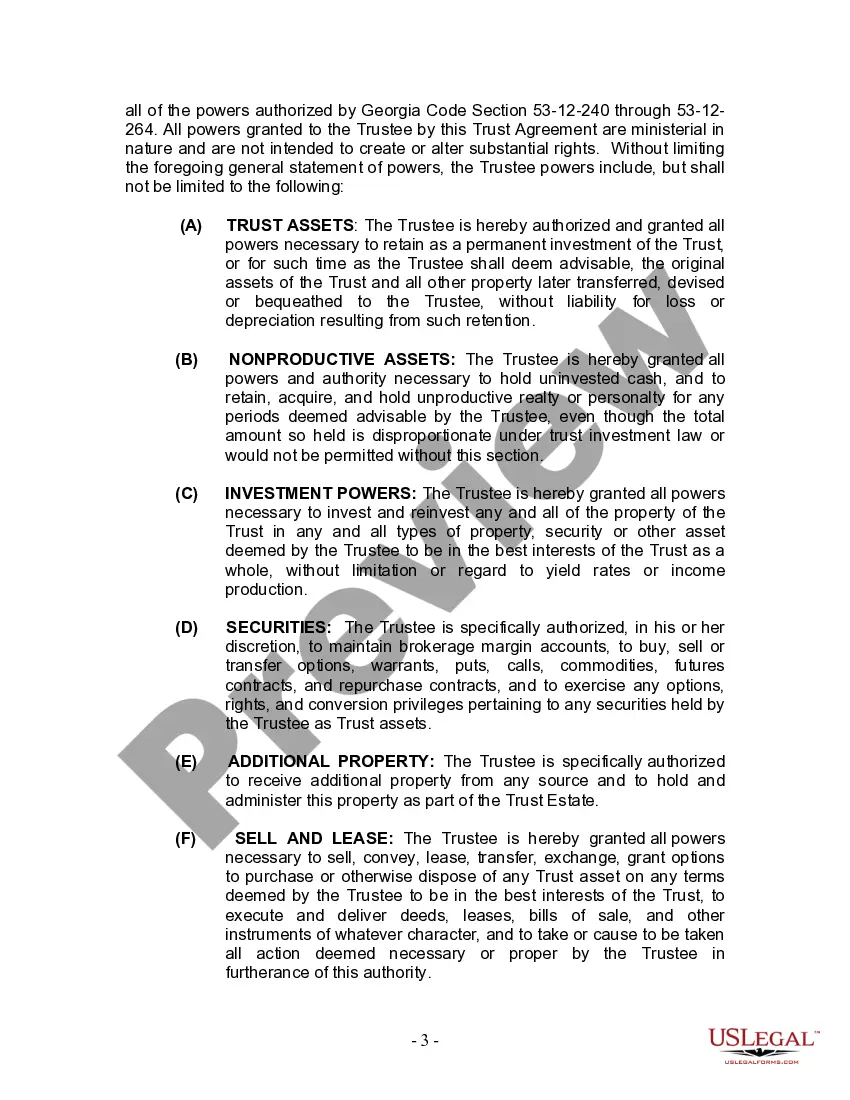
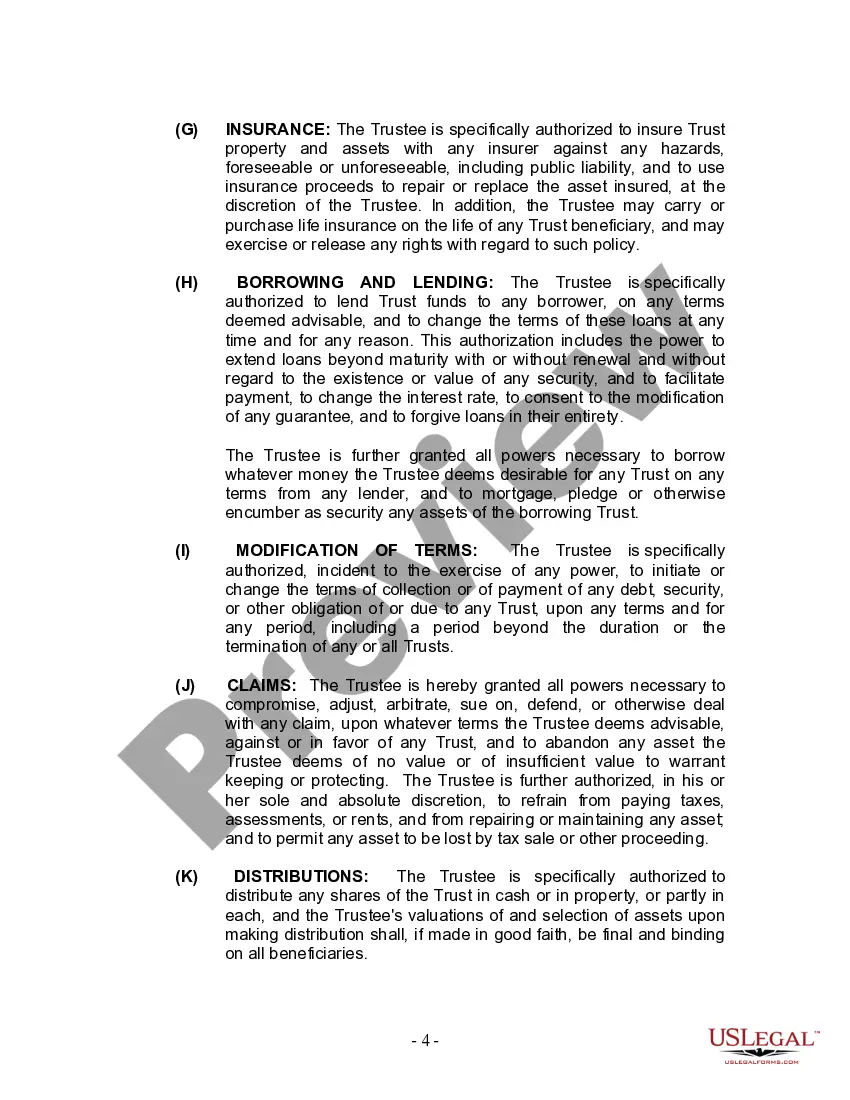
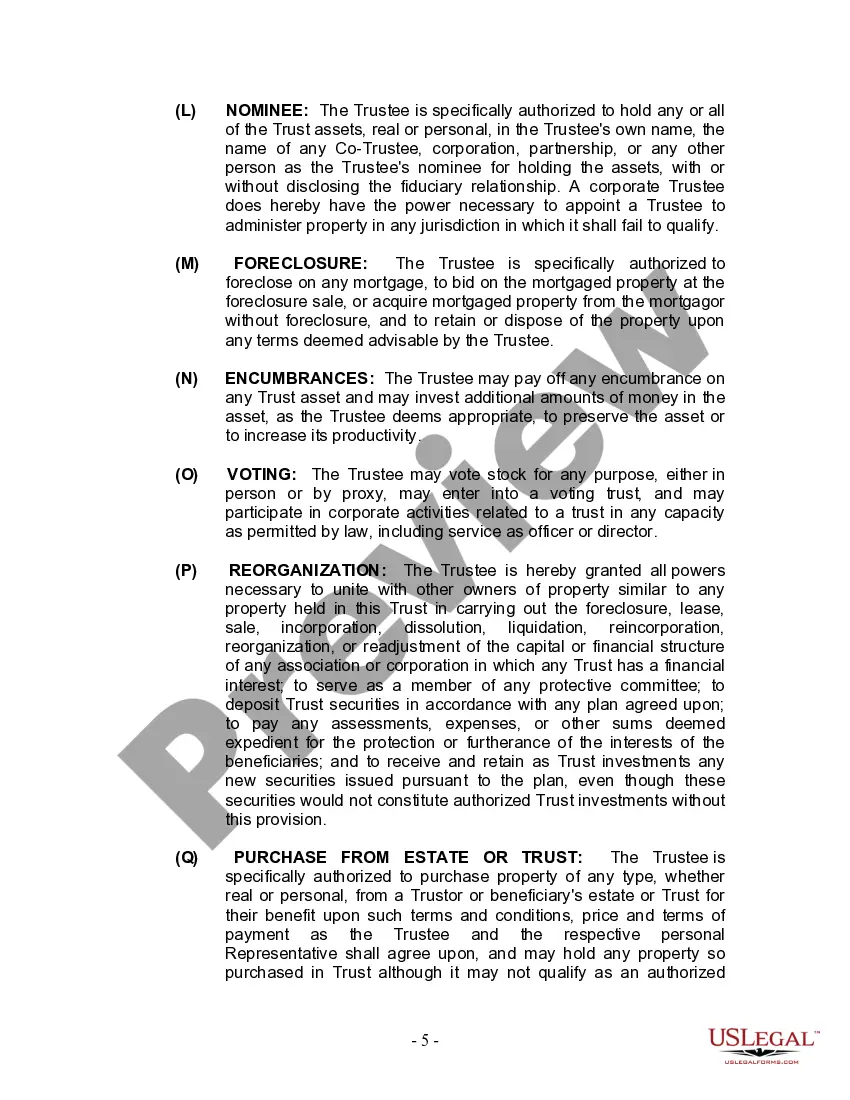
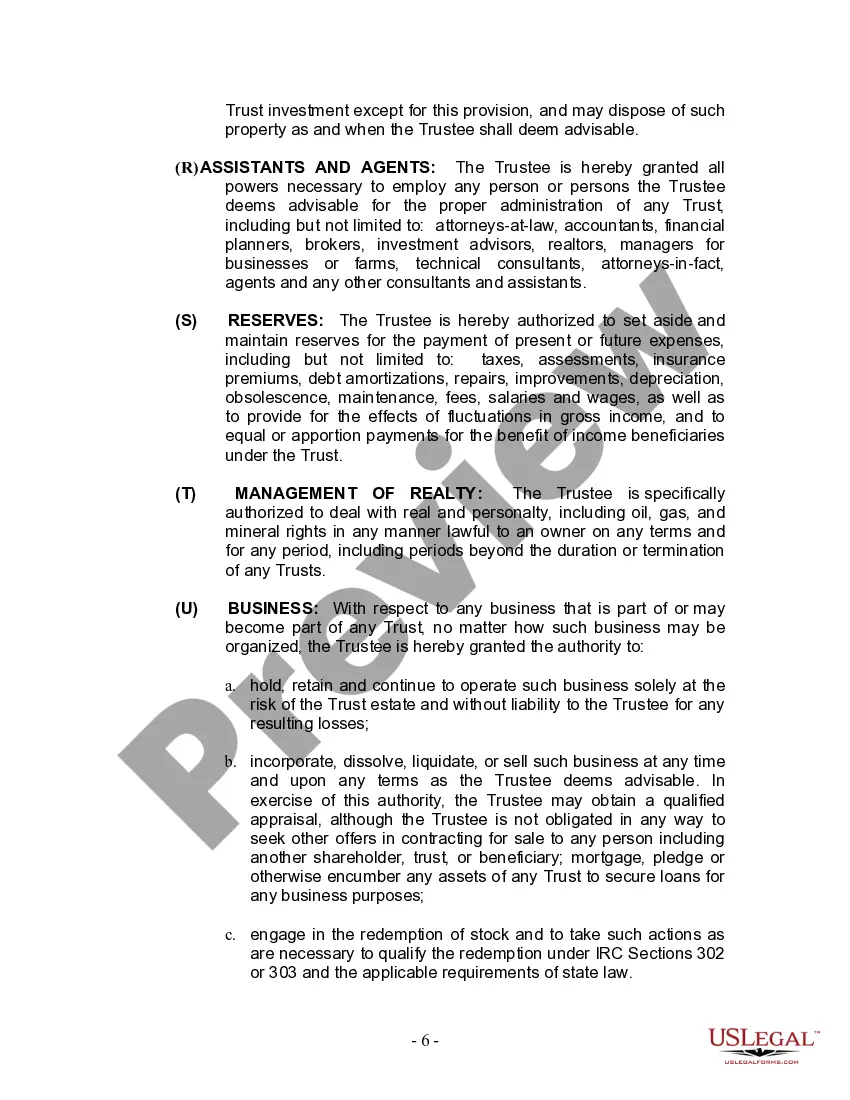
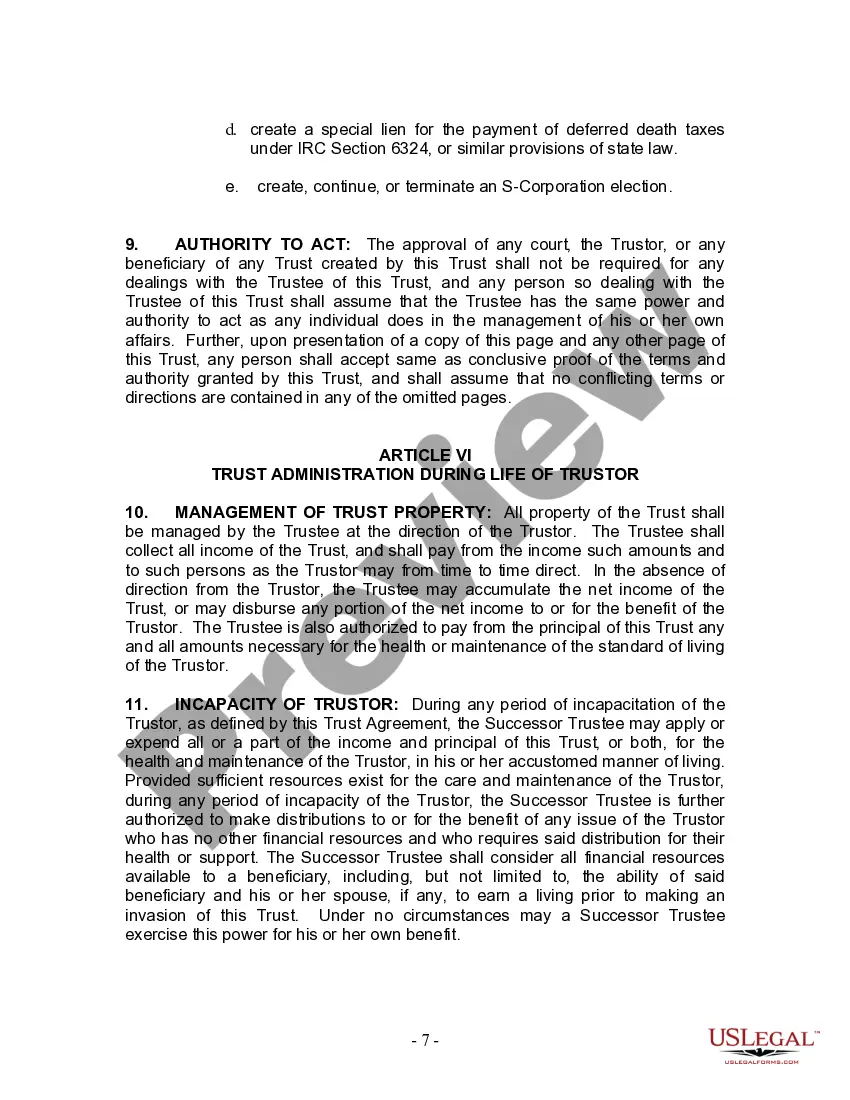
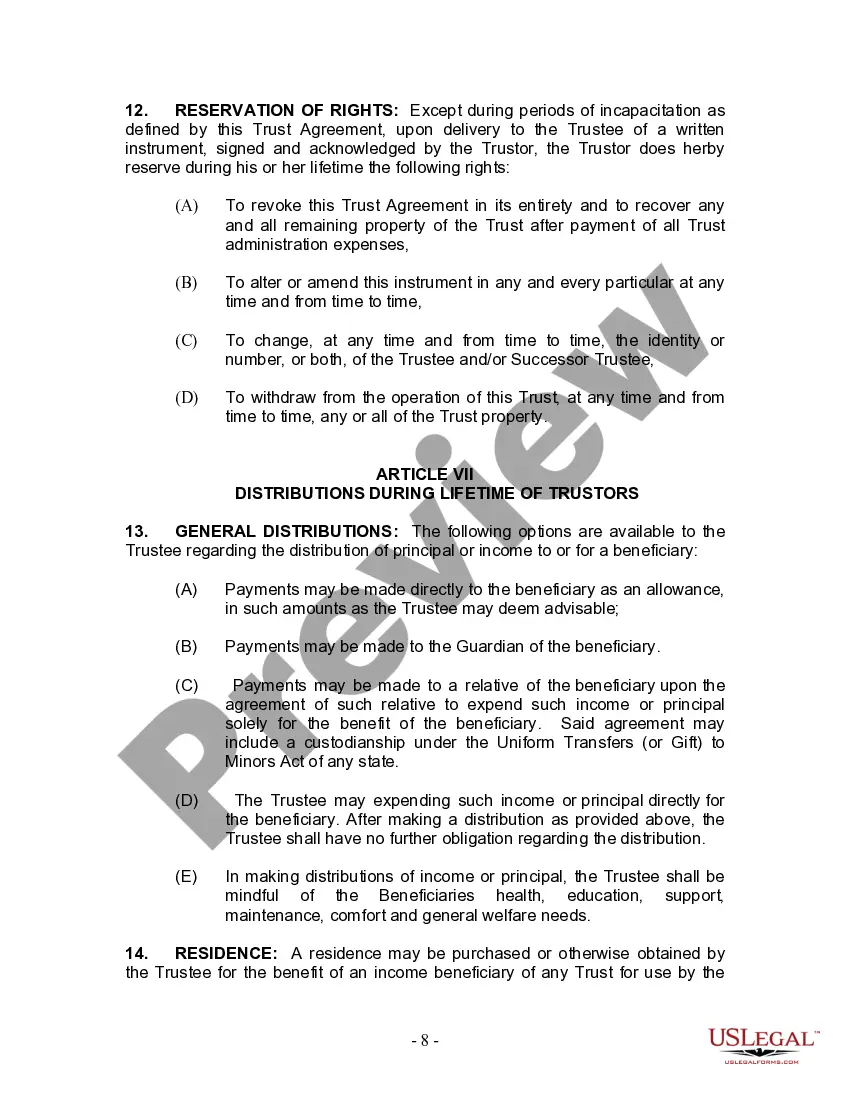



Get your form ready online
Our built-in tools help you complete, sign, share, and store your documents in one place.
Make edits, fill in missing information, and update formatting in US Legal Forms—just like you would in MS Word.
Download a copy, print it, send it by email, or mail it via USPS—whatever works best for your next step.
Sign and collect signatures with our SignNow integration. Send to multiple recipients, set reminders, and more. Go Premium to unlock E-Sign.
If this form requires notarization, complete it online through a secure video call—no need to meet a notary in person or wait for an appointment.
We protect your documents and personal data by following strict security and privacy standards.

Make edits, fill in missing information, and update formatting in US Legal Forms—just like you would in MS Word.

Download a copy, print it, send it by email, or mail it via USPS—whatever works best for your next step.

Sign and collect signatures with our SignNow integration. Send to multiple recipients, set reminders, and more. Go Premium to unlock E-Sign.

If this form requires notarization, complete it online through a secure video call—no need to meet a notary in person or wait for an appointment.

We protect your documents and personal data by following strict security and privacy standards.
Looking for another form?










Form popularity
FAQ
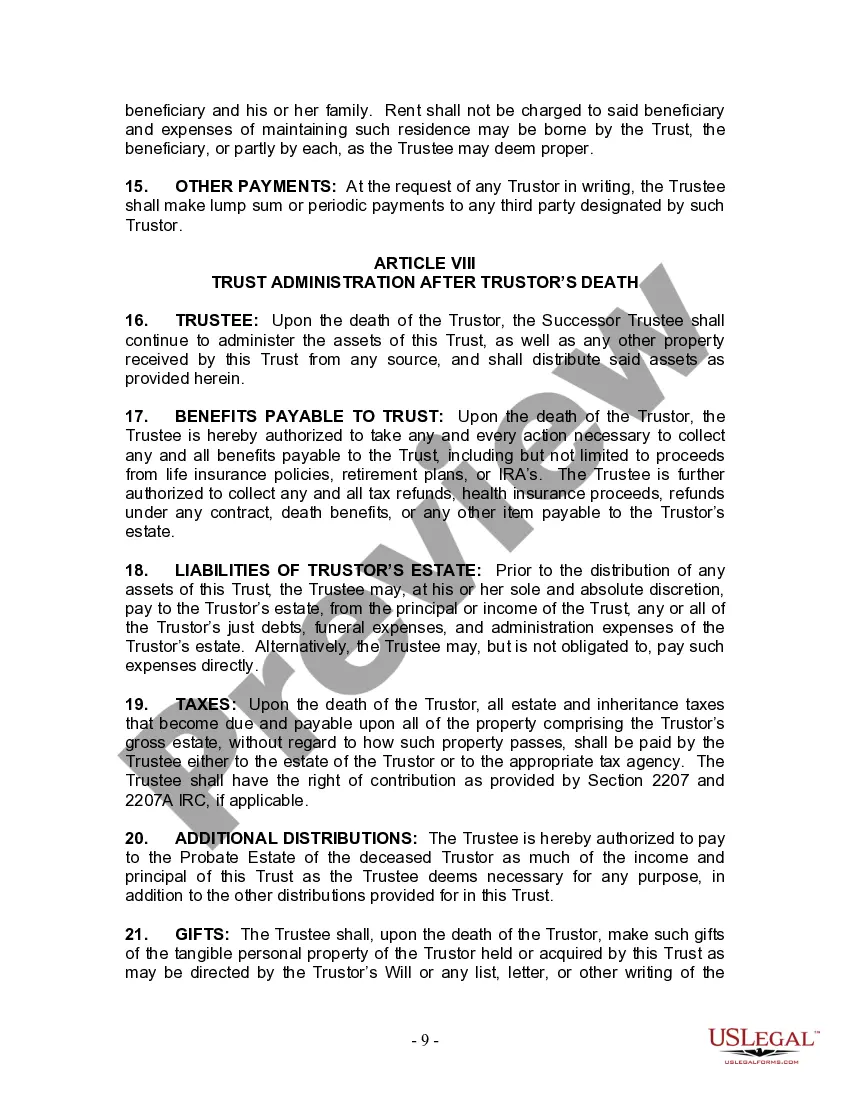
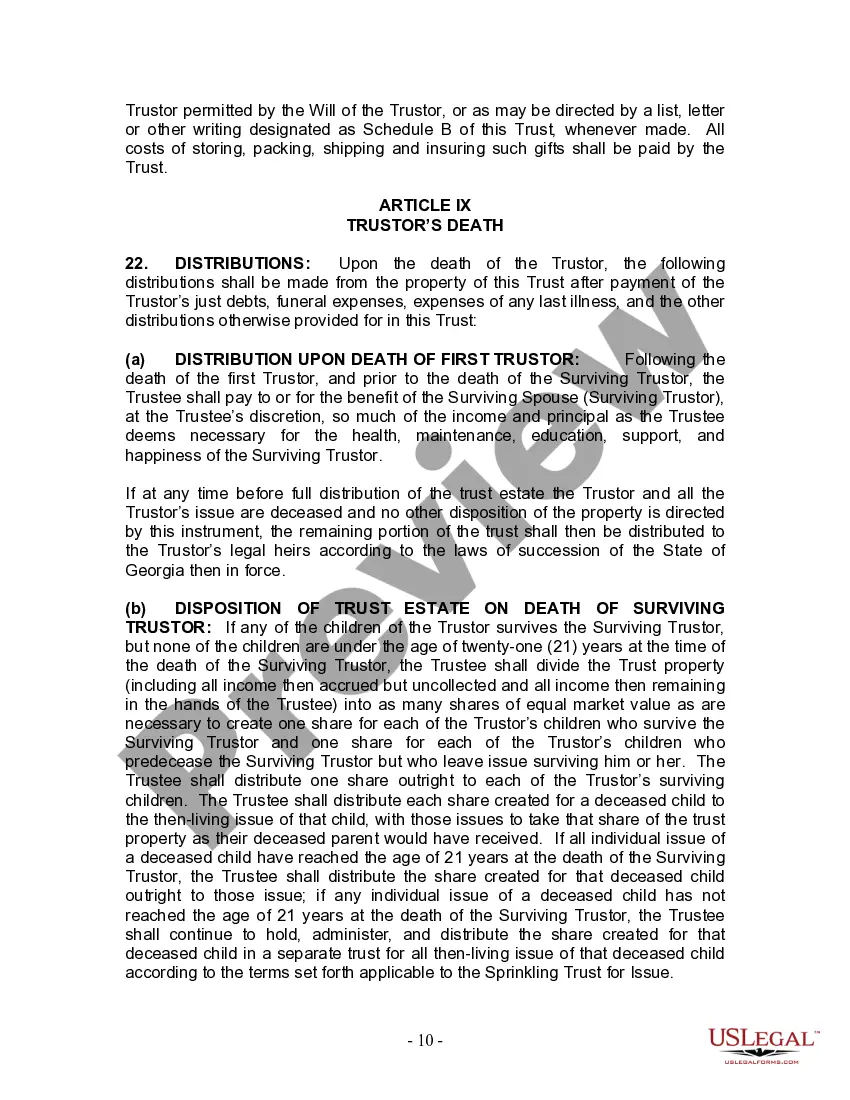
The decision between a will and a trust in Georgia depends on your individual needs and circumstances. A will is typically simpler and less expensive to create, but it requires probate, which can be time-consuming. In contrast, a Georgia living trust without a will can streamline the asset transfer process and offer more privacy after death. Consulting with a reliable platform like uslegalforms can help you determine the best option for your situation.
Yes, one of the primary benefits of a living trust in Georgia is its ability to avoid the probate process. By placing your assets in a Georgia living trust without a will, those assets do not go through the probate court after your passing. This can save time, reduce legal costs, and allow for a quicker distribution of your estate to your beneficiaries. It is a practical way to streamline the transfer of your assets.
In Georgia, a living trust works by allowing you to place your assets into the trust during your lifetime. You will act as the trustee, managing the assets while you are alive, and you can change the trust terms as needed. Upon your death, the assets in the trust automatically transfer to the named beneficiaries, avoiding probate. This seamless transition is a key feature of a Georgia living trust without a will, helping to ensure your wishes are honored.
A living trust in Georgia offers several advantages, including the ability to manage your assets while you are alive and ensure a smooth distribution after your passing. This type of trust can help you avoid probate, allowing your beneficiaries to access their inheritance more quickly. Moreover, a Georgia living trust without a will allows for greater privacy since trust assets generally do not go through the public probate process. This can be especially appealing for those who value confidentiality.
One of the biggest mistakes parents make when creating a trust fund is not clearly specifying how the assets should be managed and distributed. It is crucial to communicate your intentions effectively; otherwise, this can lead to misunderstandings among beneficiaries. Additionally, parents often overlook regular updates to the trust as family circumstances change, which can lead to unintended consequences. A Georgia living trust without a will can avoid some of these pitfalls by providing a structured approach to asset management.
Filing a living trust in Georgia involves creating the trust document and funding it with your assets. Unlike a will, a trust does not need to be filed with the court. However, it's essential to keep the trust document in a secure location and inform your trustee about its existence while you may consider services like USLegalForms for straightforward guidance in establishing a Georgia living trust without a will.
Yes, you can set up a trust without an attorney in Georgia if you feel comfortable navigating the process. However, using an online platform like USLegalForms can simplify creating a Georgia living trust without a will by providing you with customized templates and guidance. This approach minimizes the risk of legal errors and helps ensure compliance with state laws.
To create a valid trust in Georgia, you must have a clear intention to establish the trust, a designated trustee, and identifiable beneficiaries. Additionally, you need to provide property to fund the trust. When setting up a Georgia living trust without a will, ensure the trust document is in writing, signed, and dated to meet legal standards.
You should consider a Georgia living trust without a will if you want to minimize probate issues, control asset distribution, or manage assets for minors or dependents. Using a trust is advisable when you seek privacy and want to avoid lengthy legal processes regarding your estate. If you anticipate potential disputes or complexities in your estate management, a trust provides a clear plan, tailored to your needs.
While a trust offers many benefits, it also comes with some disadvantages. Establishing a Georgia living trust without a will can be more complex and often requires legal assistance, leading to higher initial costs. Additionally, setting up a trust requires continual management and funding, which could be seen as a hassle for some individuals who may prefer the straightforward nature of a will.