Lease Terminatio
Description

Get your form ready online
Our built-in tools help you complete, sign, share, and store your documents in one place.
Make edits, fill in missing information, and update formatting in US Legal Forms—just like you would in MS Word.
Download a copy, print it, send it by email, or mail it via USPS—whatever works best for your next step.
Sign and collect signatures with our SignNow integration. Send to multiple recipients, set reminders, and more. Go Premium to unlock E-Sign.
If this form requires notarization, complete it online through a secure video call—no need to meet a notary in person or wait for an appointment.
We protect your documents and personal data by following strict security and privacy standards.

Make edits, fill in missing information, and update formatting in US Legal Forms—just like you would in MS Word.

Download a copy, print it, send it by email, or mail it via USPS—whatever works best for your next step.

Sign and collect signatures with our SignNow integration. Send to multiple recipients, set reminders, and more. Go Premium to unlock E-Sign.

If this form requires notarization, complete it online through a secure video call—no need to meet a notary in person or wait for an appointment.

We protect your documents and personal data by following strict security and privacy standards.
Looking for another form?


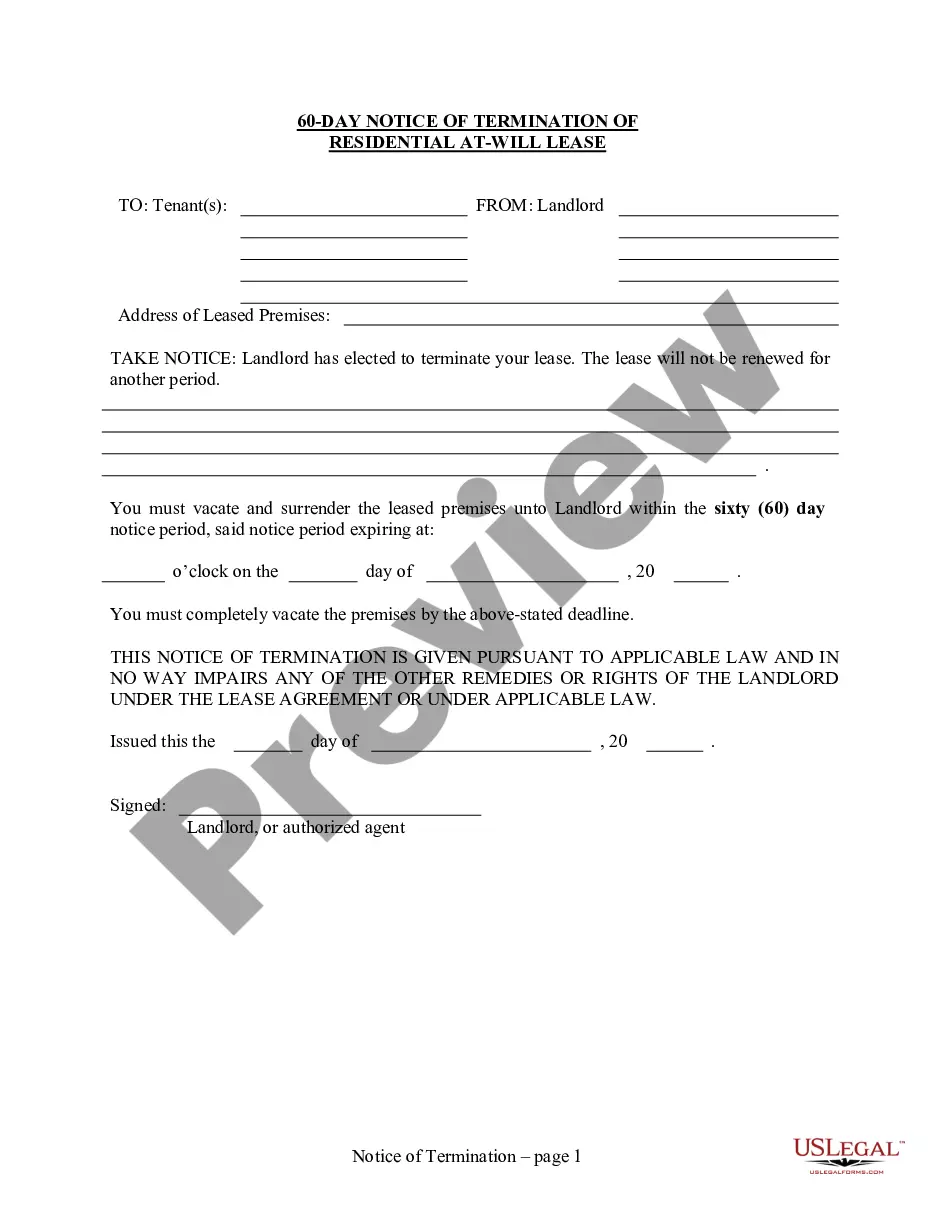
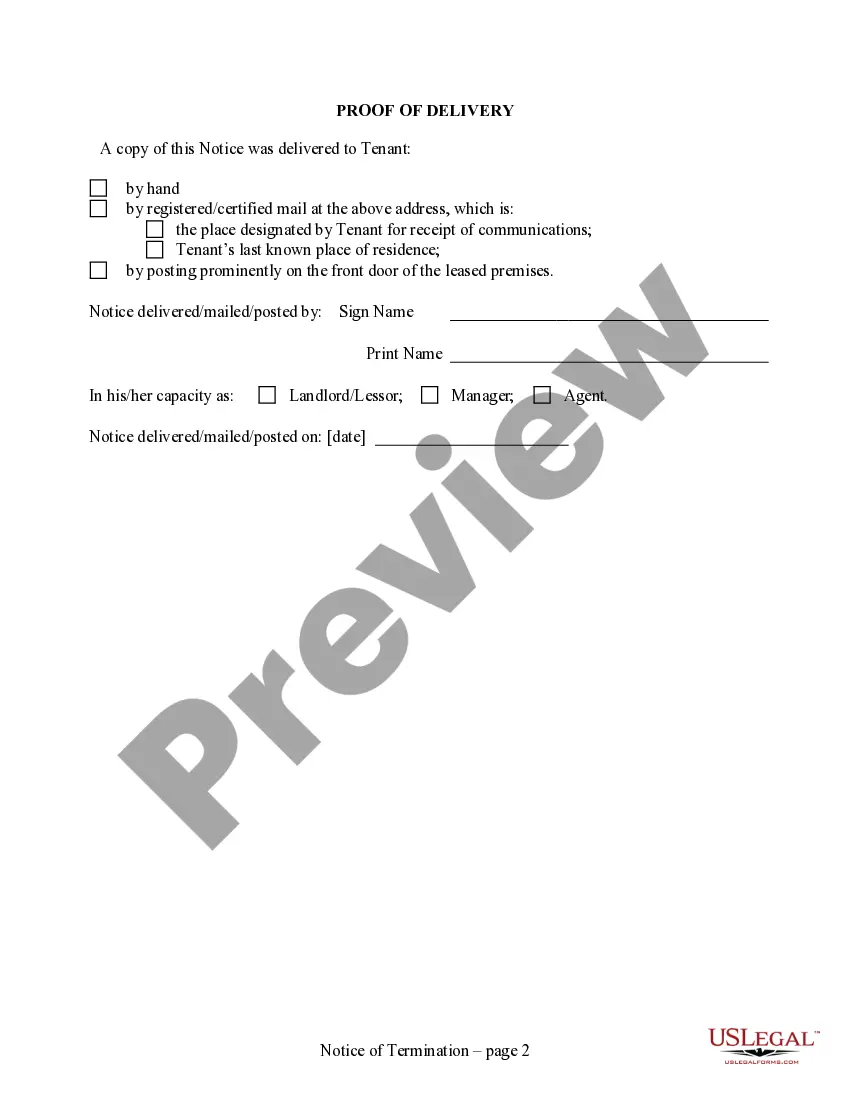
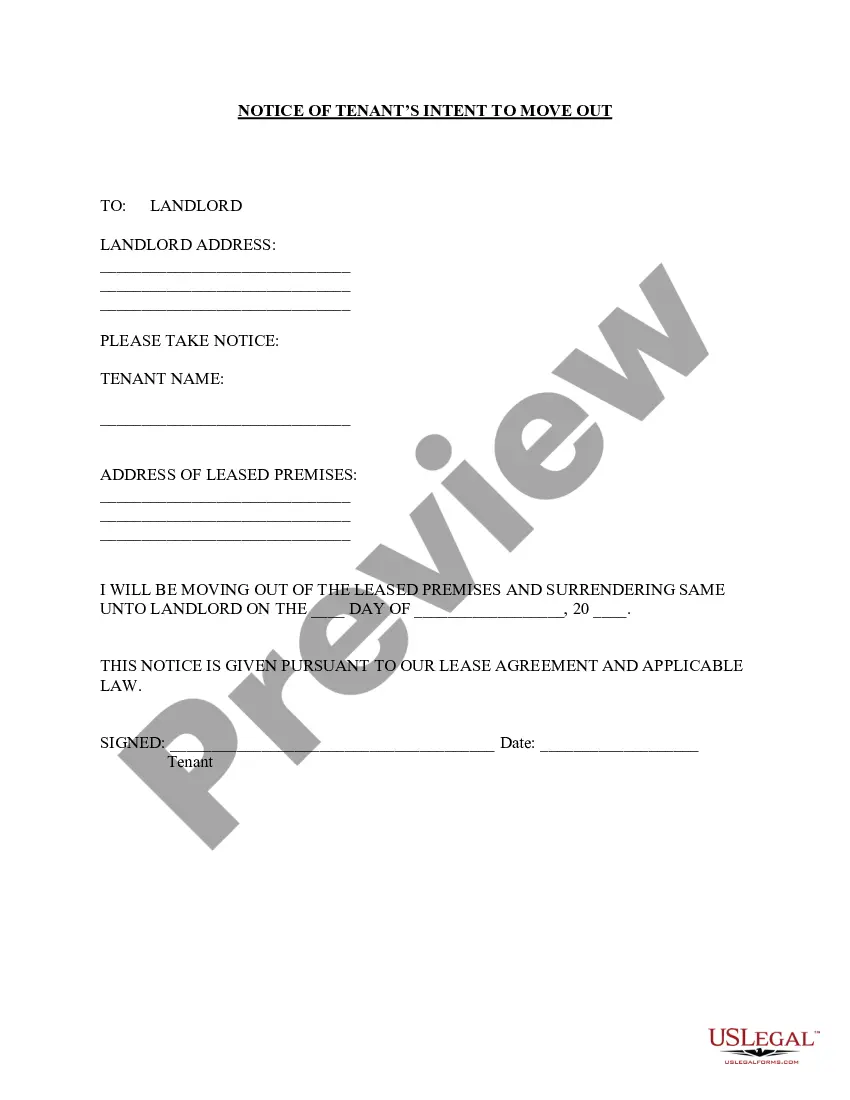
How to fill out Georgia 60 Day Notice To Terminate At-Will Lease From Landlord To Tenant?
- If you're a returning user, log in to your account and locate the lease termination form you need. Ensure that your subscription is active or renew it as necessary.
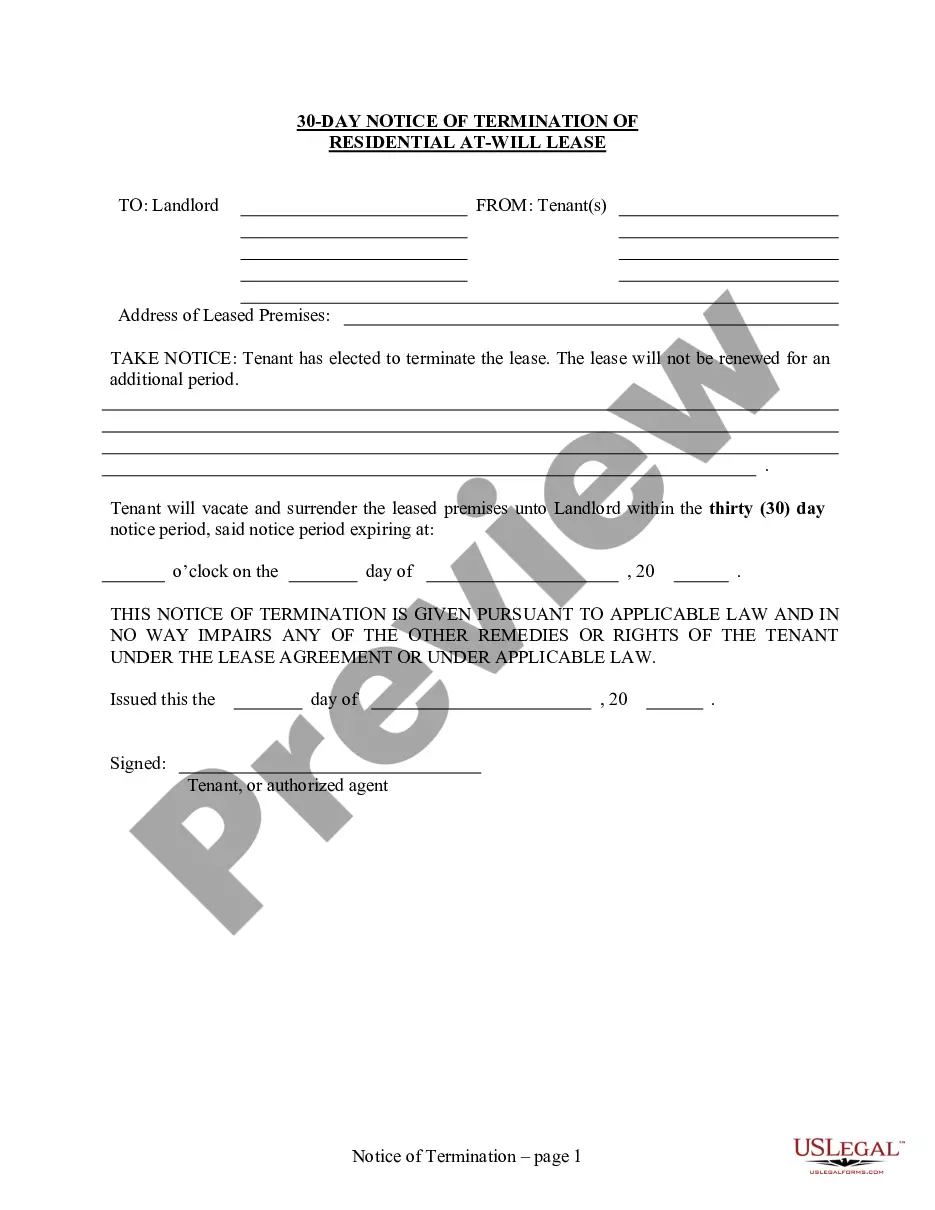
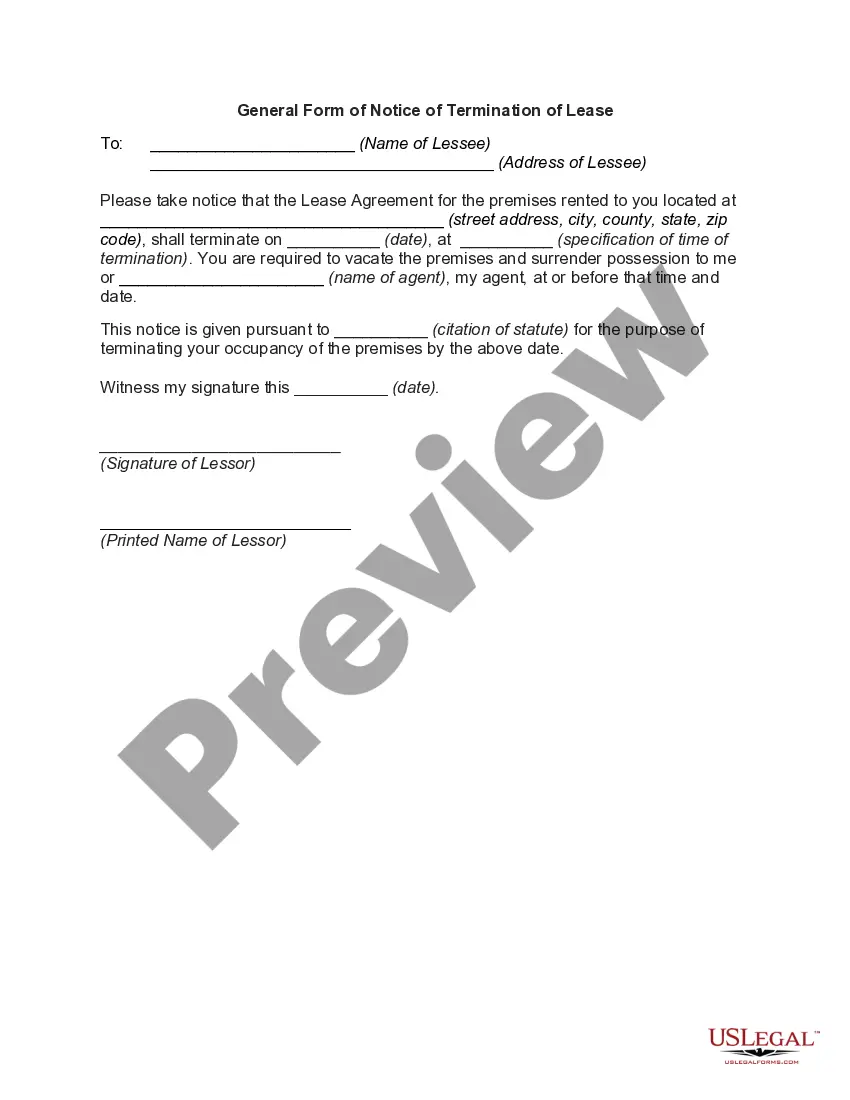
- For new users, start by checking the form preview and description to confirm it's the right one for your lease termination requirements.
- If the needed form doesn’t meet your expectations, use the Search tab to find a more suitable template that aligns with your local jurisdiction.
- Once satisfied, click on the Buy Now button, select your preferred subscription plan, and create an account to access the available resources.
- Complete your payment using a credit card or PayPal account, and finalize your purchase.
- Download your lease termination form and save it on your device. You can always access it later through the My Forms section of your profile.
With US Legal Forms, individuals and attorneys can effortlessly manage lease termination documents with comprehensive support. The extensive library includes more than 85,000 forms, enabling users to find exactly what they need.
Don't hesitate to take advantage of this valuable resource; start your lease termination process today to ensure everything is in order!
Form popularity
FAQ
The most common way for a lease to terminate is through its natural expiration. Typically, a lease includes a specific end date, at which point tenants must either renew or vacate. However, leases can also terminate early due to mutual agreement, breach of contract, or notice from either party. To streamline your understanding of lease termination procedures, check out the resources available on US Legal Forms.
To politely terminate a lease, you should communicate your intentions in a respectful and clear manner. Begin by informing your landlord well in advance, adhering to the notice period mentioned in your lease. Express gratitude for the time spent at the property and offer to discuss any final steps or documentation. Utilizing US Legal Forms to draft a professional letter can help ensure your termination process is smooth and courteous.
To write a letter to terminate your lease, start by including your name, address, and date at the top of the letter. Clearly state your intention to terminate the lease, along with the specific date you plan to vacate the property. Ensure to reference your lease agreement and provide any required notice period as specified in the agreement. For a seamless process, consider using US Legal Forms, which provides templates for lease termination letters.
If you break a lease in Pennsylvania, you may face financial penalties, including the loss of your security deposit and potential liability for remaining rent. Your landlord may seek to mitigate damages by finding a new tenant. However, if circumstances allow, you might negotiate an agreeable solution with your landlord. Knowing your rights and utilizing services like US Legal Forms can assist you in managing the lease termination process smoothly.
When a lease terminates, it means that the legal agreement between the landlord and tenant comes to an end. This can occur naturally at the end of the lease term or if both parties agree to end it early. Termination releases both parties from their obligations, but it also requires the tenant to vacate the property. Understanding the implications of lease termination can help you prepare for your next steps.
Breaking a lease without penalty in Pennsylvania involves understanding your rights as a tenant. You may be able to terminate your lease early if you have valid reasons, such as unsafe living conditions or an active military duty. It is crucial to document your concerns and communicate with your landlord. Additionally, you can explore legal options through resources like US Legal Forms to navigate the lease termination process effectively.
Breaking a lease can remain on your rental history for several years, affecting future rental applications. Typically, landlords may view this as a negative mark, as it indicates potential issues with responsibility. Being aware of how lease termination impacts your rental history can help you make informed decisions moving forward.
When writing a 60 day lease termination letter, be sure to clearly state your intent to terminate the lease and the effective date, which should be 60 days from the date of the letter. Include your contact information, the property details, and mention pertinent lease terms. It’s essential to send this letter via certified mail to create an official record of your lease termination.
An example of a notice of termination of lease includes a brief letter outlining your name, the property address, and the date you plan to vacate. It should specify reasons for the termination, if relevant, and reference the lease agreement. This clear communication demonstrates professionalism and decreases the likelihood of misunderstandings.
To record a lease termination, keep a copy of your written notice for your records and send the original via certified mail to ensure proof of delivery. This establishes a documented trail that indicates your lease termination efforts. Additionally, it is wise to request a receipt or confirmation from the landlord for your records.