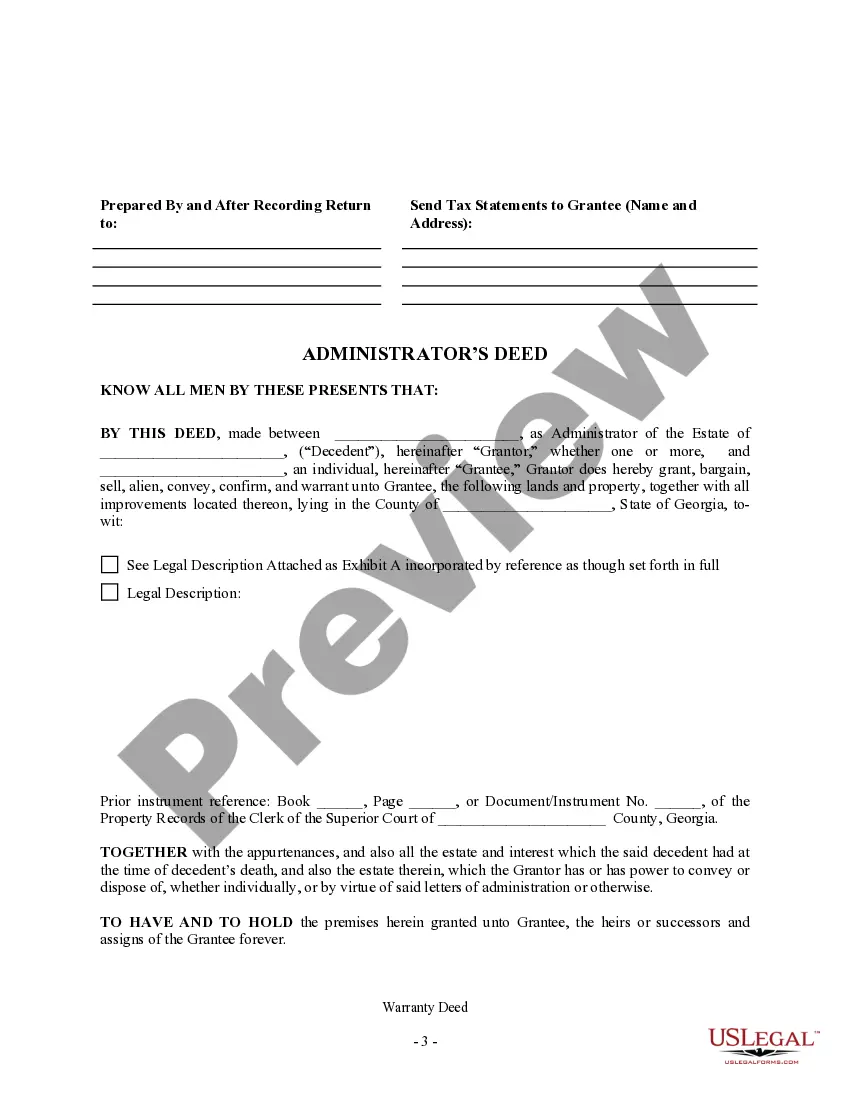
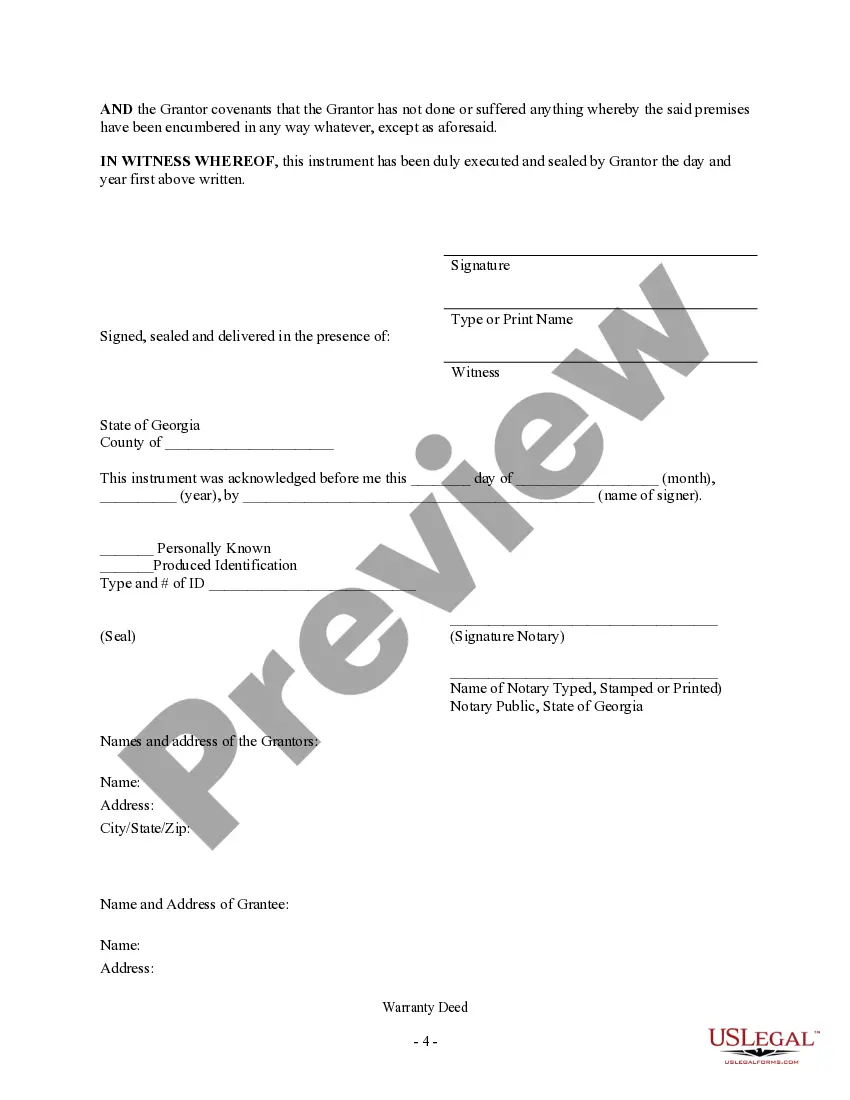
Administrators Deed Estate Uslegal With A Foreigner
Description

Get your form ready online
Our built-in tools help you complete, sign, share, and store your documents in one place.
Make edits, fill in missing information, and update formatting in US Legal Forms—just like you would in MS Word.
Download a copy, print it, send it by email, or mail it via USPS—whatever works best for your next step.
Sign and collect signatures with our SignNow integration. Send to multiple recipients, set reminders, and more. Go Premium to unlock E-Sign.
If this form requires notarization, complete it online through a secure video call—no need to meet a notary in person or wait for an appointment.
We protect your documents and personal data by following strict security and privacy standards.

Make edits, fill in missing information, and update formatting in US Legal Forms—just like you would in MS Word.

Download a copy, print it, send it by email, or mail it via USPS—whatever works best for your next step.

Sign and collect signatures with our SignNow integration. Send to multiple recipients, set reminders, and more. Go Premium to unlock E-Sign.

If this form requires notarization, complete it online through a secure video call—no need to meet a notary in person or wait for an appointment.

We protect your documents and personal data by following strict security and privacy standards.
Looking for another form?



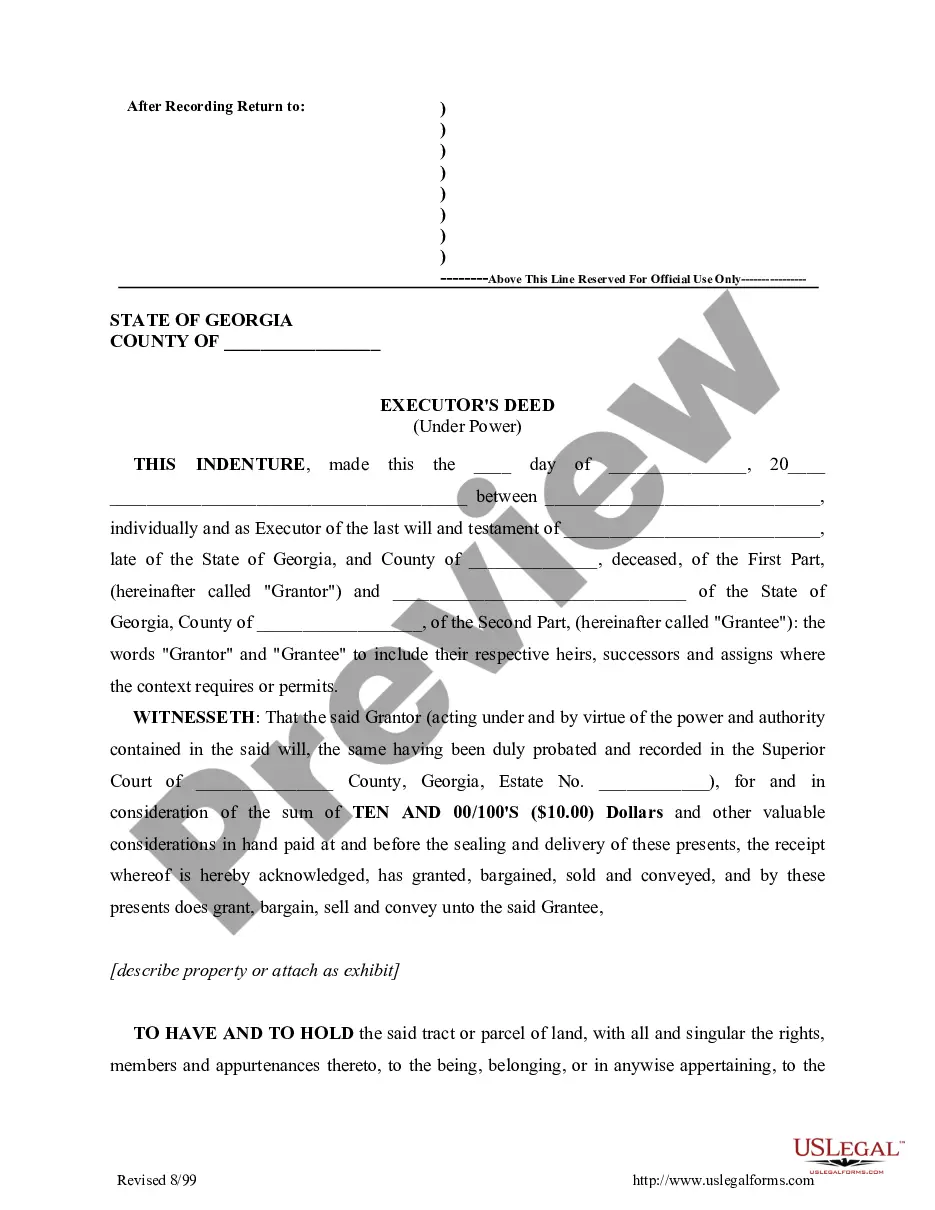
How to fill out Georgia Administrator's Deed?
- Begin by logging into your existing US Legal Forms account. Ensure your subscription is up-to-date by checking your status.
- If you're new to US Legal Forms, locate the desired form by exploring our extensive library of over 85,000 templates. Verify that the form suits your specific jurisdiction.
- Should you need a different form, utilize the search feature to find an alternative that better matches your requirements.
- Once you've selected the appropriate document, click 'Buy Now' and choose the best subscription plan for your needs.
- Complete your purchase using your credit card or PayPal for a secure transaction.
- Download your form to your device and access it later in the 'My Forms' section of your profile for easy completion.
By leveraging US Legal Forms, you gain access to a vast collection of legally sound templates and expert support for form completion. This resource empowers you to expedite your legal processes efficiently.
Take the first step towards simplifying your legal documentation today. Explore our library and discover how US Legal Forms can streamline your needs!
Form popularity
FAQ
Yes, a foreigner can inherit property in the USA. There are no laws prohibiting foreigners from inheriting real estate, but you should follow specific procedures regarding tax implications and transfer of ownership. The Administrators deed estate uslegal with a foreigner can help guide you through the legal requirements and ensure a smooth inheritance process.
U.S. citizen can be designated as a power of attorney in the United States, as long as the individual understands the responsibilities involved. It is crucial to ensure that the necessary documents comply with state laws. Therefore, utilizing the Administrators deed estate uslegal with a foreigner can provide clarity and security in establishing the power of attorney.
Yes, a non-U.S. citizen can serve as an executor of a U.S. estate, but it often requires the appointment of a co-executor who is a U.S. citizen. This arrangement helps meet legal requirements. The Administrators deed estate uslegal with a foreigner can assist in streamlining processes for non-citizen executors, ensuring adherence to U.S. estate laws.
Yes, you can name a non-U.S. citizen as a beneficiary of your estate. There are no restrictions on who can be a beneficiary in most cases. However, keep in mind the need for proper documentation and compliance with tax rules, especially when using the Administrators deed estate uslegal with a foreigner to facilitate the transfer of assets.
To qualify as an estate administrator, you typically must be at least 18 years old and of sound mind. Laws may vary by state, but generally, a court appoints the administrator based on the deceased's will or the laws of intestacy if there is no will. If you are dealing with foreign beneficiaries, understanding the Administrators deed estate uslegal with a foreigner can help clarify your responsibilities.
The best deed to avoid probate is often a transfer-on-death deed. This type of deed allows you to transfer property directly to your beneficiaries without going through the probate process. Additionally, by utilizing the Administrators deed estate uslegal with a foreigner, you can ensure that the transfer remains compliant with the laws of the state, simplifying the process for foreign beneficiaries.
In general, a foreign inheritance can be taxable in the US, especially when it involves an administrators deed estate uslegal with a foreigner. The IRS treats inheritances differently based on various factors, including the value of the estate. As a beneficiary, you might need to report the inheritance on your tax return, depending on its size and origin. To navigate these complexities, consider seeking professional help to ensure compliance.
Yes, a non-US citizen can indeed be a beneficiary in an estate tied to an administrators deed estate uslegal with a foreigner. This means that regardless of citizenship, you can receive benefits as per the terms of the estate. However, there are specific legal guidelines to follow that may vary by state. It is advisable to consult with a legal expert to ensure that all requirements are met.
Yes, a non-US citizen can inherit property in the US. As mentioned previously, the inheritance process allows foreign individuals to receive assets as directed by the estate's will or by law. Leveraging USLegalForms can provide the necessary forms and resources to ensure a smooth transition of property, particularly with an administrator's deed estate involving a foreigner.
Yes, a non-US citizen can establish a trust in the US. Trusts are flexible estate planning tools that can benefit foreign individuals by protecting assets and ensuring proper management. Consulting with platforms like USLegalForms can provide clarity on the documentation needed for creating a trust, particularly when dealing with estates that involve foreign entities.