Documents Will Living With Spouse
Description

Get your form ready online
Our built-in tools help you complete, sign, share, and store your documents in one place.
Make edits, fill in missing information, and update formatting in US Legal Forms—just like you would in MS Word.
Download a copy, print it, send it by email, or mail it via USPS—whatever works best for your next step.
Sign and collect signatures with our SignNow integration. Send to multiple recipients, set reminders, and more. Go Premium to unlock E-Sign.
If this form requires notarization, complete it online through a secure video call—no need to meet a notary in person or wait for an appointment.
We protect your documents and personal data by following strict security and privacy standards.

Make edits, fill in missing information, and update formatting in US Legal Forms—just like you would in MS Word.

Download a copy, print it, send it by email, or mail it via USPS—whatever works best for your next step.

Sign and collect signatures with our SignNow integration. Send to multiple recipients, set reminders, and more. Go Premium to unlock E-Sign.

If this form requires notarization, complete it online through a secure video call—no need to meet a notary in person or wait for an appointment.

We protect your documents and personal data by following strict security and privacy standards.
Looking for another form?

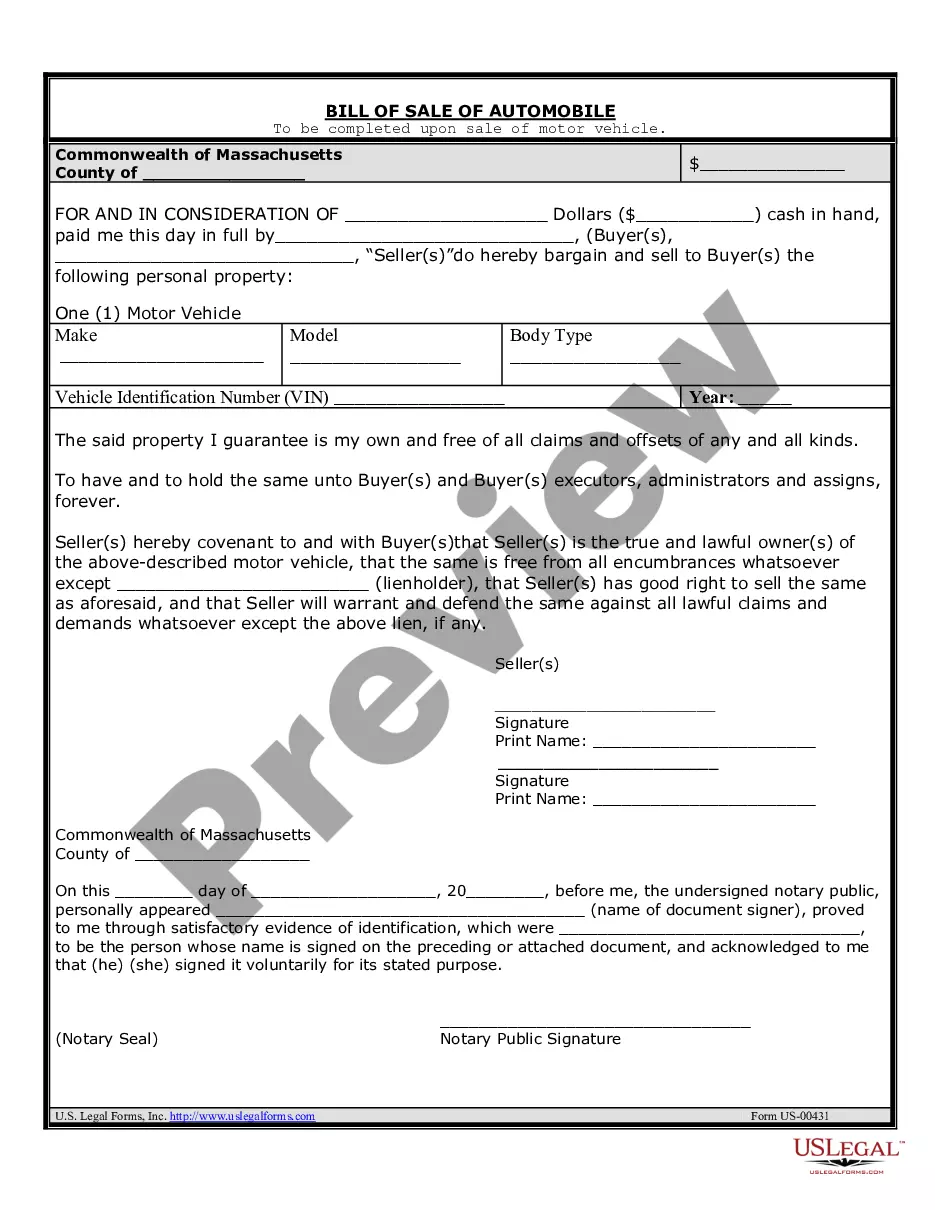
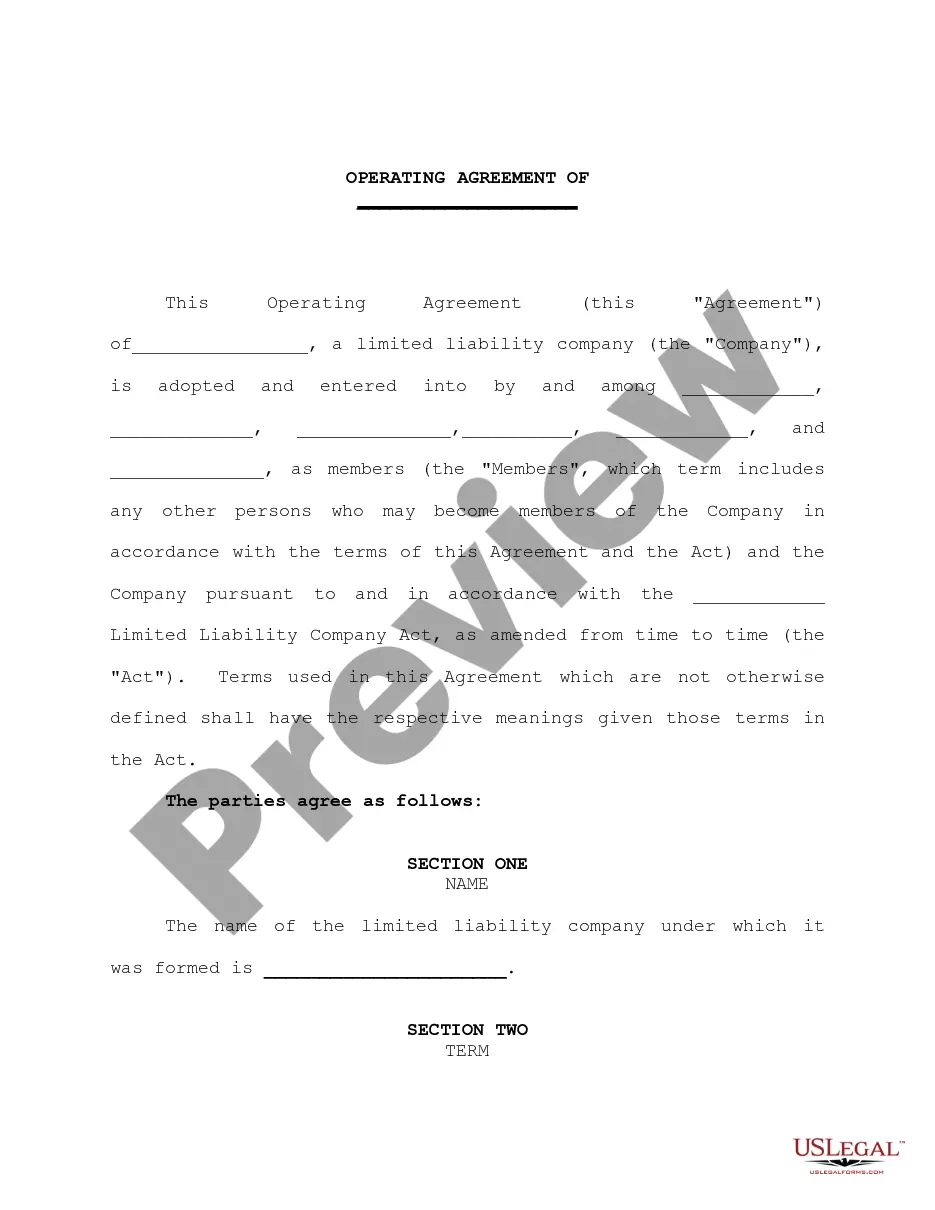


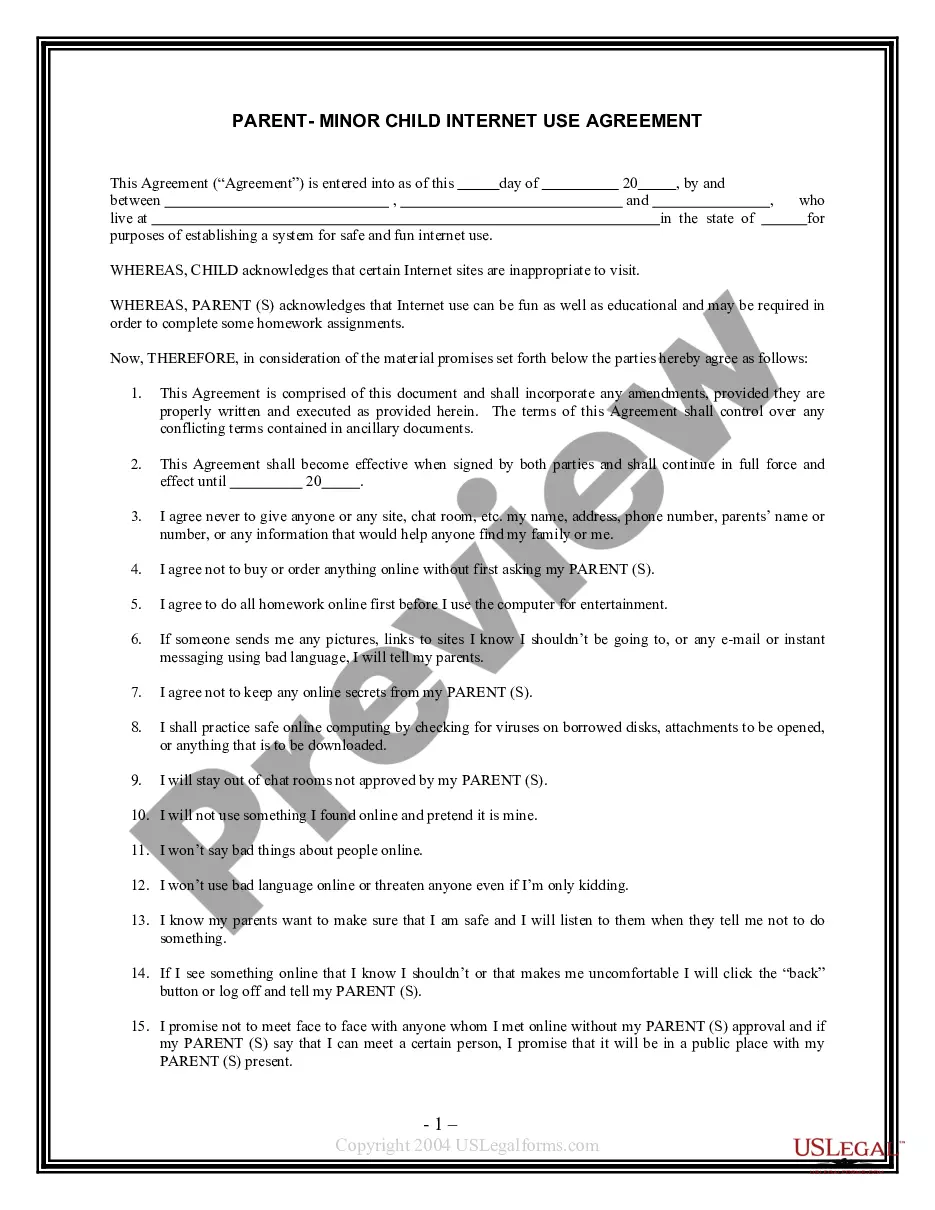
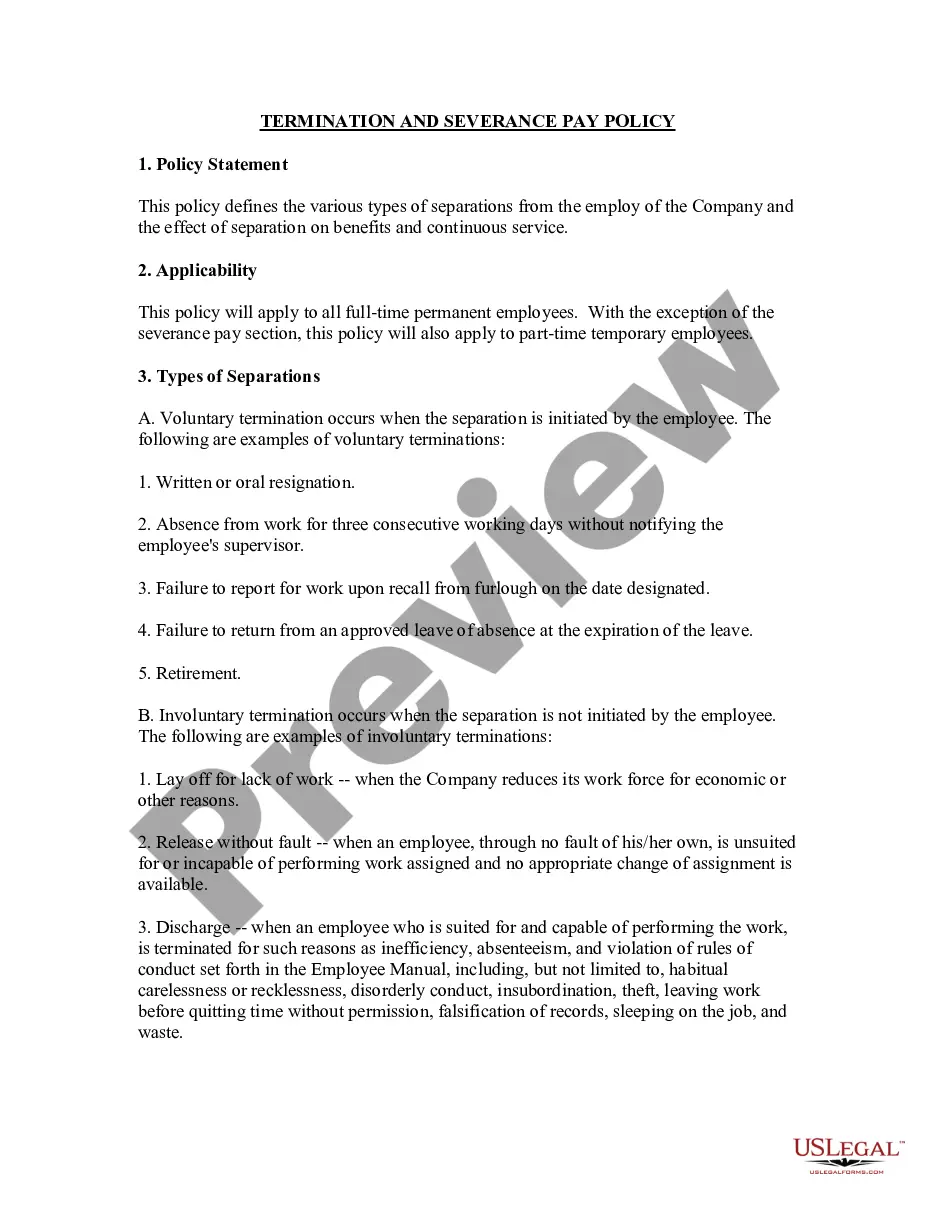


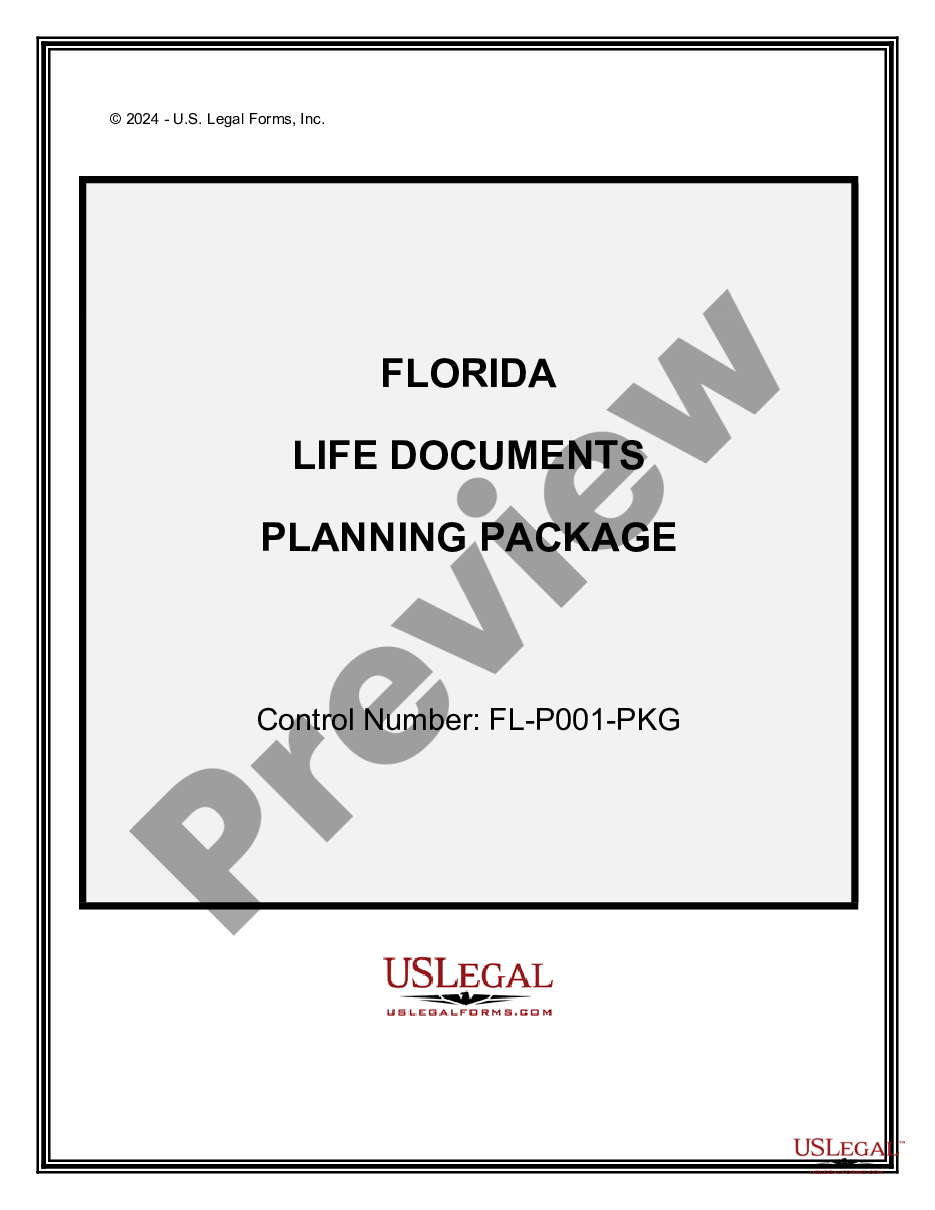
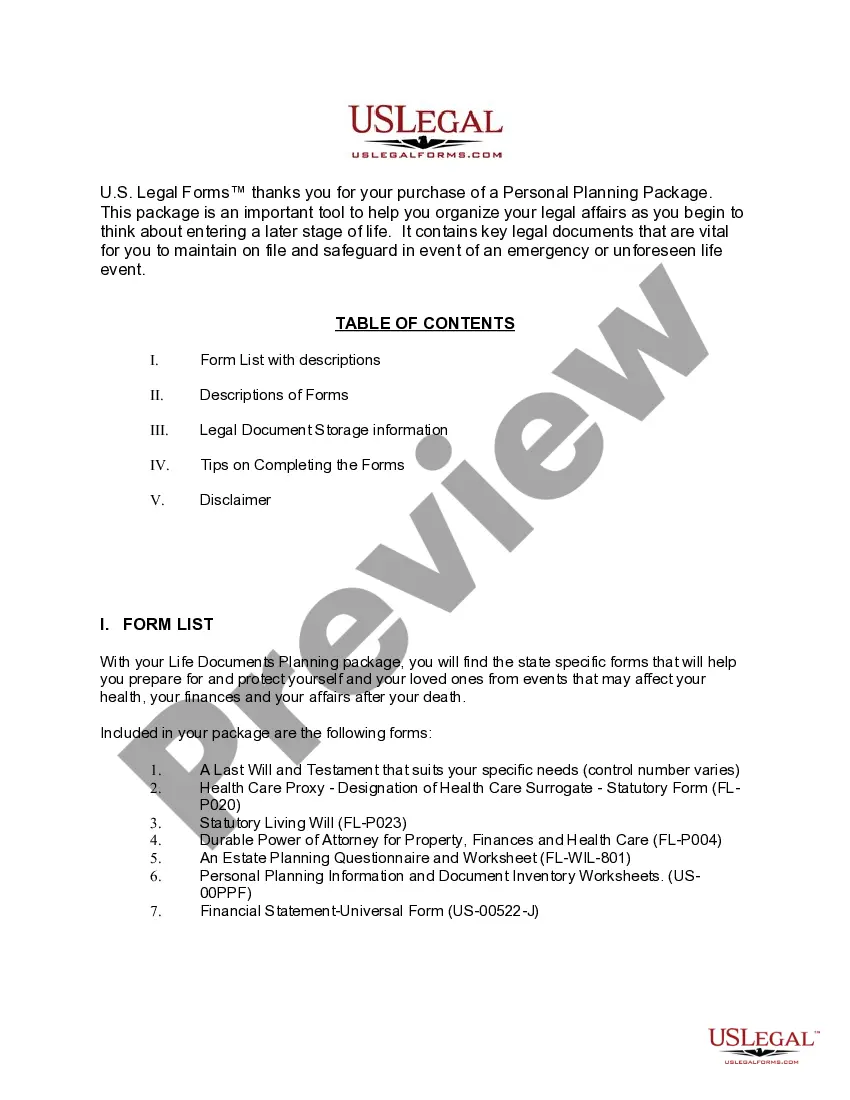
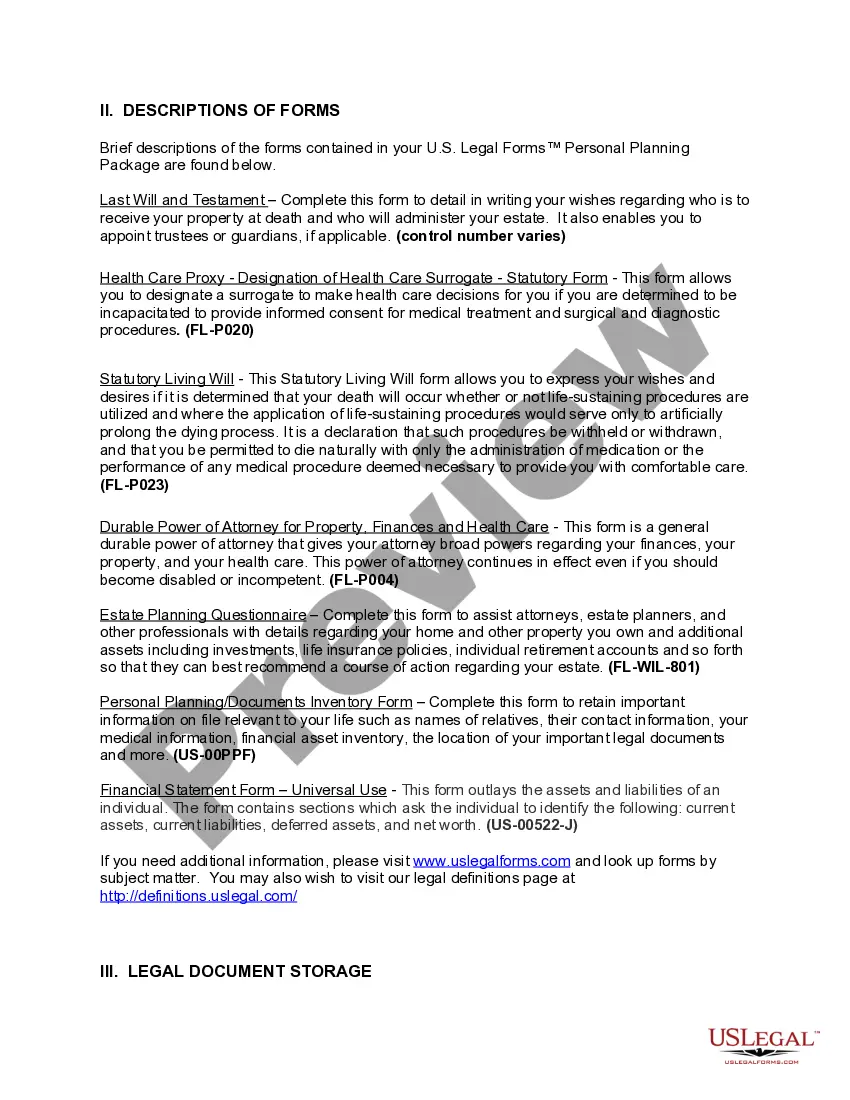
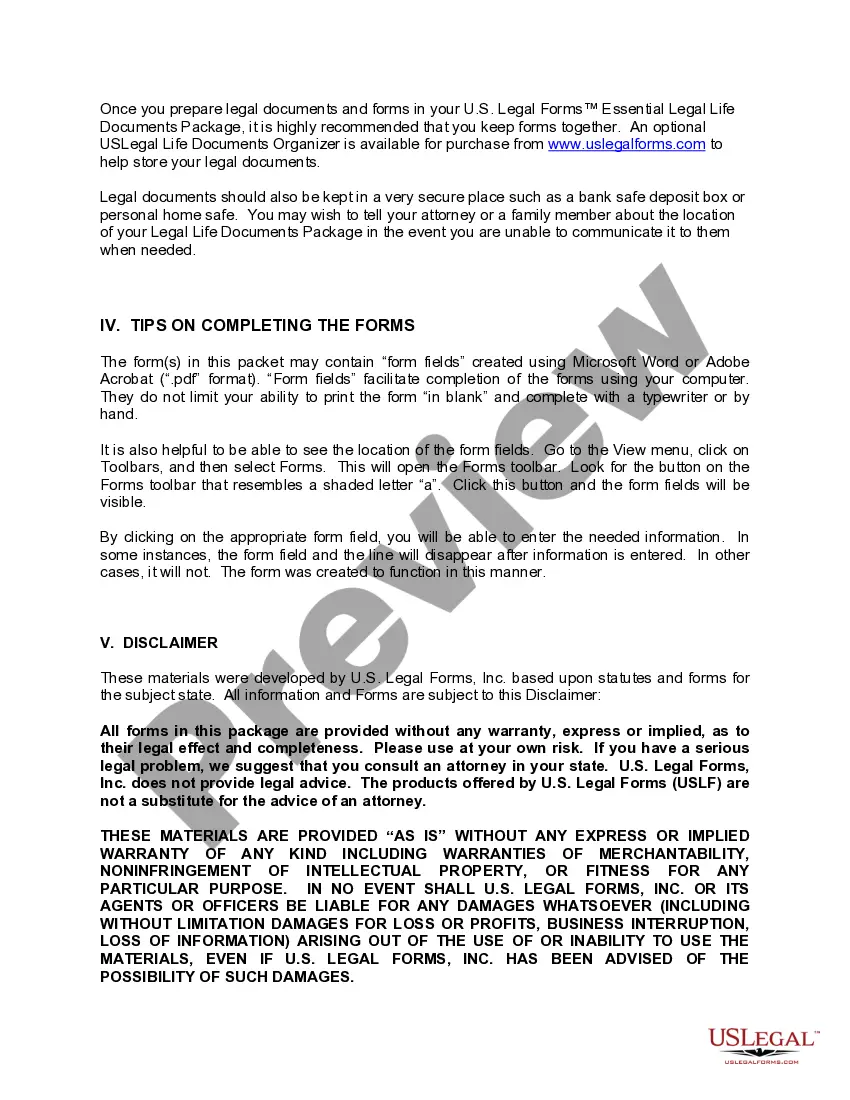
How to fill out Florida Life Documents Planning Package, Including Will, Power Of Attorney And Living Will?
Handling legal documentation can be exasperating, even for seasoned professionals.
When you seek a Documents Will Living With Spouse and find yourself short on time to search for the suitable and latest version, the process can become overwhelming.
US Legal Forms meets all your requirements, whether personal or professional, from a singular source.
Utilize sophisticated tools to complete and manage your Documents Will Living With Spouse efficiently.
Here are the steps to follow after accessing the form you need: Verify that this is the correct form by previewing it and reviewing its details.
- Access a wealth of articles, guides, and resources tailored to your situation and needs.
- Save time and effort in locating the forms you require, utilizing US Legal Forms' advanced search and Preview feature to identify Documents Will Living With Spouse and obtain it.
- If you have a membership, Log In to your US Legal Forms account, find the form, and download it.
- Visit the My documents tab to review the documents you've previously saved and manage your folders as necessary.
- If you are a first-time user of US Legal Forms, create an account to gain unlimited access to all platform benefits.
- A comprehensive online form database could be transformative for anyone aiming to navigate these matters effectively.
- US Legal Forms is a leading provider in online legal documents, featuring over 85,000 state-relevant legal forms available whenever you need them.
- With US Legal Forms, you can access a variety of state or county-specific legal and business forms effortlessly.
Form popularity
FAQ
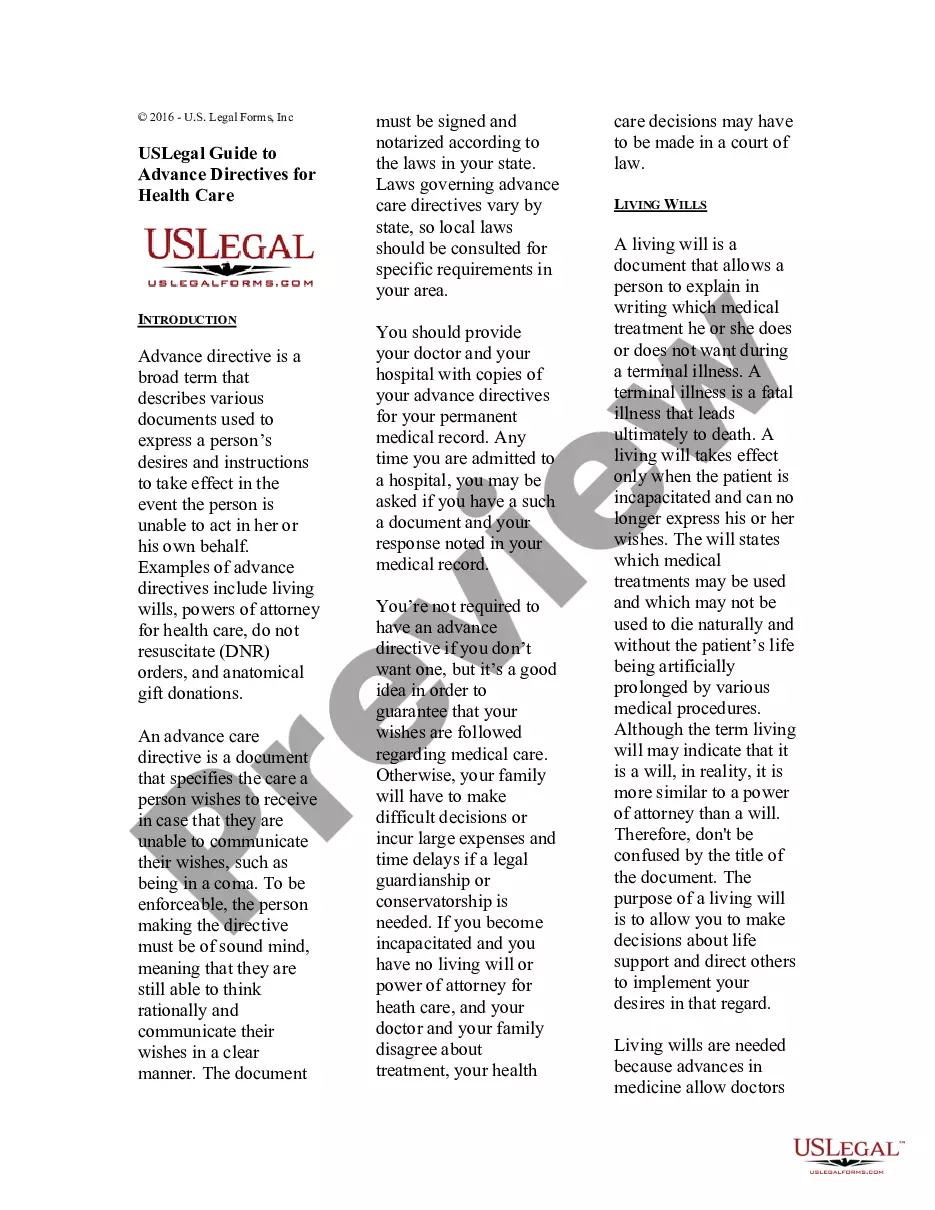
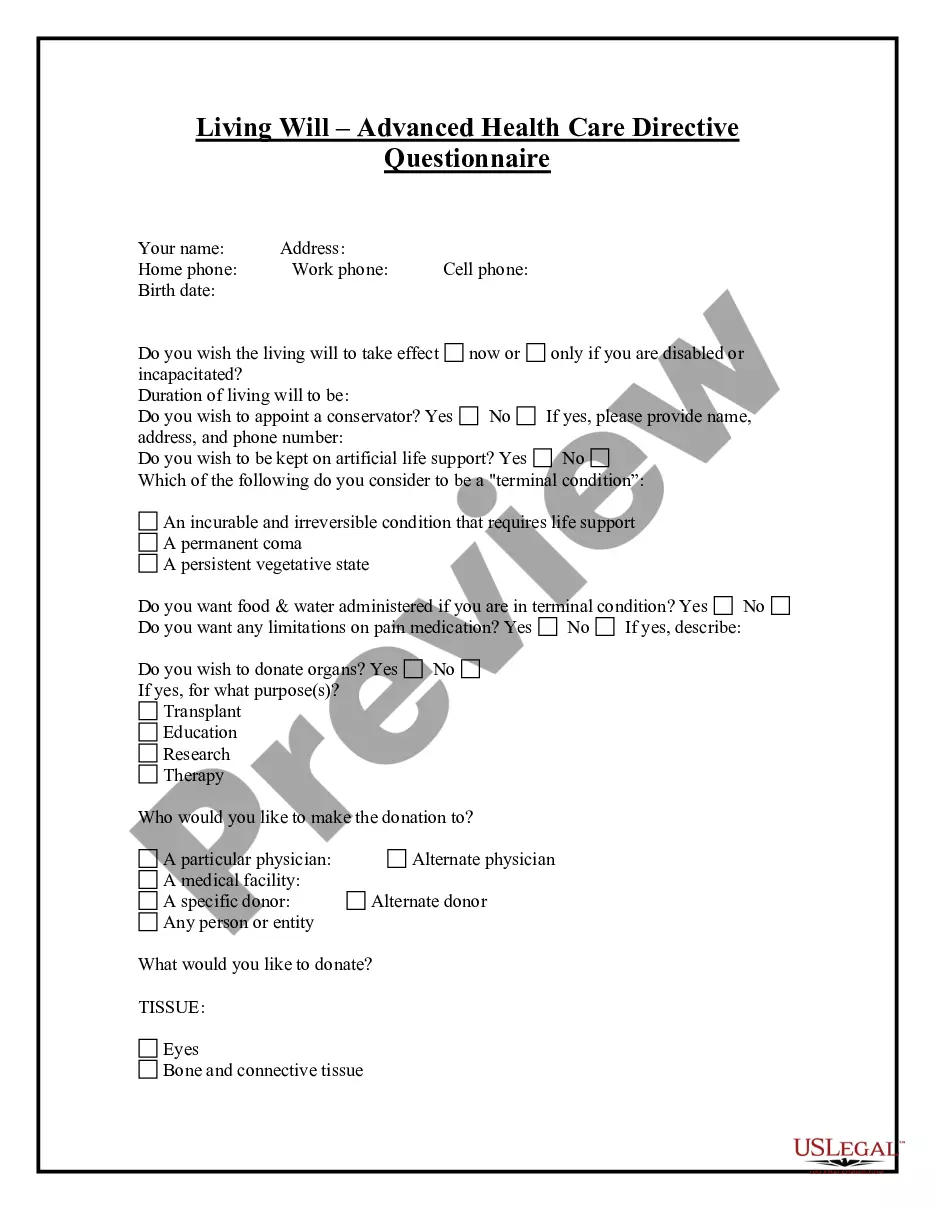
Examples of living will statements include directives like, 'I do not want to be kept alive by artificial means if my chances of recovery are slim.' You may also specify your desires regarding pain management or whether you would like to donate organs. Creating clear statements in your living will reinforces your wishes and can ease the decision-making process for your spouse. Explore documents will living with spouse through reputable platforms like US Legal Forms to create a comprehensive and legally binding document.
In New Jersey, for a living will to be valid, you must be at least 18 years old and capable of making decisions regarding your health care. Your preferences should be documented in writing, and it’s advisable to include your signature or the signature of a witness. When preparing documents will living with spouse, consider discussing your choices together to ensure mutual understanding and respect.
For a will to be considered valid in Arkansas, it must be in writing and signed by the testator, or the person creating the will. Additionally, it should be witnessed by at least two adults who can affirm that the testator was of sound mind. If you are considering creating documents will living with spouse, it's important to include these elements to ensure your wishes are legally recognized.
In your living will, clearly express your wishes regarding medical treatment in case you cannot communicate them yourself. Specify the types of treatment you want or do not want, particularly in critical situations such as life support or resuscitation. Including your preferences for pain relief and comfort care is essential. Utilizing the documents will living with spouse can help ensure both partners’ wishes align and are honored.
Yes, a husband can choose to leave his wife out of his will, as long as he is legally permitted to do so by state law. However, many states have laws that protect spouses from being completely disinherited. It's crucial to consider the implications of such decisions, especially if there are shared assets or significant debts. If you need assistance creating fair and lawful documents that reflect your wishes regarding your spouse, platforms like USLegalForms can provide the necessary resources.
To obtain a copy of your living will, you can contact the attorney who prepared it, as they usually keep a copy on file. If you drafted your living will using an online platform such as USLegalForms, you can access your account to download the document again. It's also wise to share copies with your spouse and trusted family members for their reference. Remember, it's essential that these documents will living with spouse are accessible when needed.
In Iowa, a living will must be in writing and clearly express your health care preferences. You need to sign the document in the presence of two witnesses who are not related to you or entitled to any part of your estate. Additionally, electronic signatures are accepted if they follow the state’s guidelines. It is important to ensure that these documents will living with spouse adhere to state laws to ensure they are valid.
Yes, a husband can exclude his wife from his will, but it’s important to understand the implications. In many states, there are laws that provide surviving spouses with certain rights to inherit from their partner's estate, regardless of the will's contents. Therefore, while a husband has the option to exclude his wife, she may still have a claim to a portion of the estate. It is wise to use documents to outline intentions clearly when living with a spouse, ensuring that all parties understand their rights and interests.