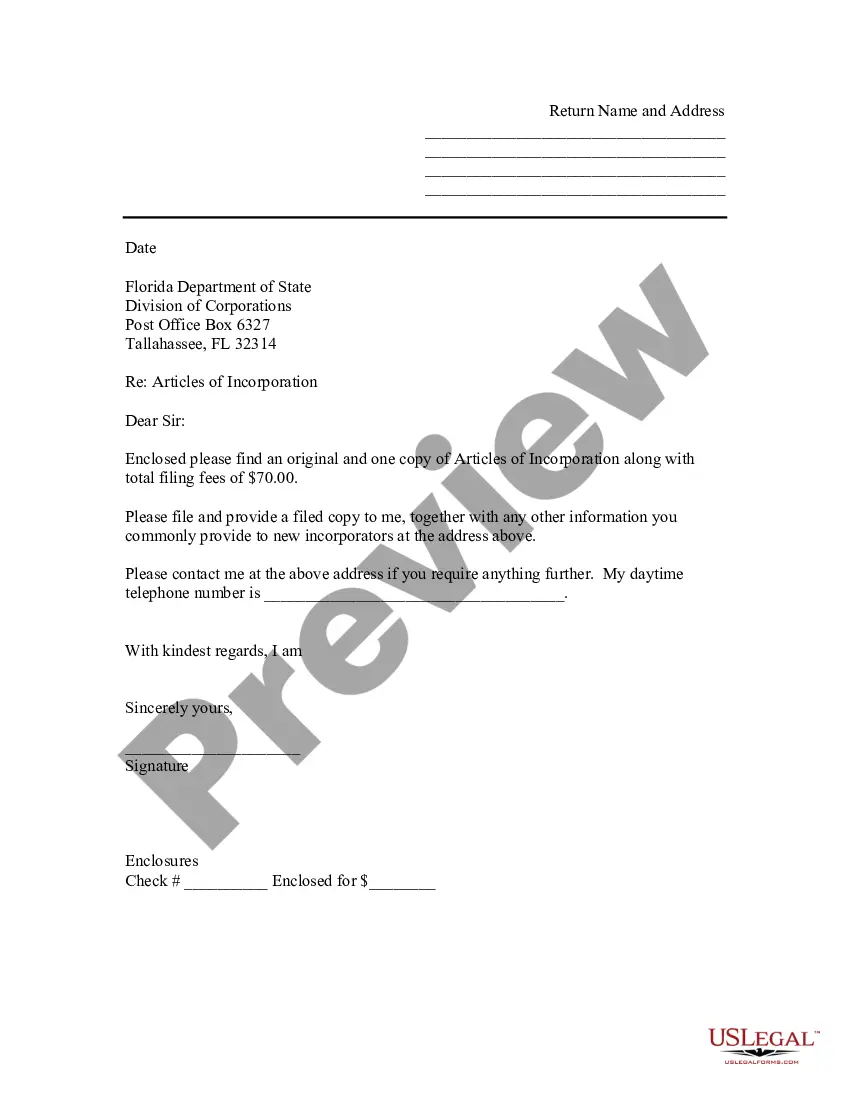
Transmittal Letter For Rfp Response
Description
Get your form ready online
Our built-in tools help you complete, sign, share, and store your documents in one place.
Make edits, fill in missing information, and update formatting in US Legal Forms—just like you would in MS Word.
Download a copy, print it, send it by email, or mail it via USPS—whatever works best for your next step.
Sign and collect signatures with our SignNow integration. Send to multiple recipients, set reminders, and more. Go Premium to unlock E-Sign.
If this form requires notarization, complete it online through a secure video call—no need to meet a notary in person or wait for an appointment.
We protect your documents and personal data by following strict security and privacy standards.

Make edits, fill in missing information, and update formatting in US Legal Forms—just like you would in MS Word.

Download a copy, print it, send it by email, or mail it via USPS—whatever works best for your next step.

Sign and collect signatures with our SignNow integration. Send to multiple recipients, set reminders, and more. Go Premium to unlock E-Sign.

If this form requires notarization, complete it online through a secure video call—no need to meet a notary in person or wait for an appointment.

We protect your documents and personal data by following strict security and privacy standards.
Looking for another form?
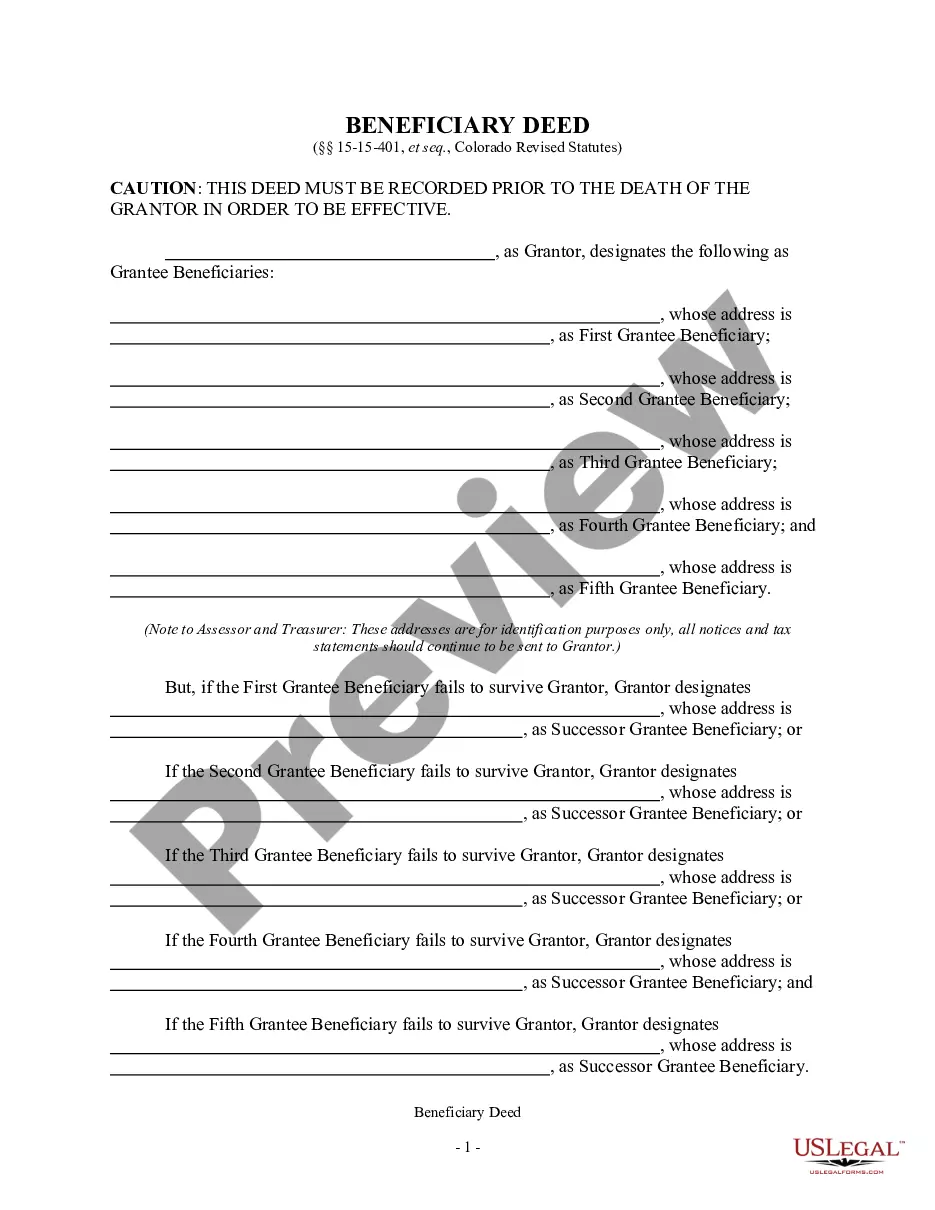

How to fill out Florida Sample Transmittal Letter To Secretary Of State's Office To File Articles Of Incorporation?
Regardless of whether for professional reasons or personal matters, everyone must handle legal circumstances at some point in their lives. Filling out legal forms requires meticulous focus, starting with selecting the correct template. For example, if you choose an incorrect version of a Transmittal Letter For Rfp Response, it will be declined upon submission. Thus, it is crucial to have a reliable source of legal documents such as US Legal Forms.
If you need to acquire a Transmittal Letter For Rfp Response template, follow these straightforward steps.
With an extensive US Legal Forms catalog available, you never have to waste time searching for the correct template online. Utilize the library’s straightforward navigation to find the appropriate form for any circumstance.
- Locate the template you require by using the search bar or catalog browsing.
- Review the form’s details to confirm it aligns with your situation, state, and county.
- Click on the form’s preview to inspect it.
- If it is not the right form, return to the search feature to find the Transmittal Letter For Rfp Response template you require.
- Download the document when it fulfills your criteria.
- If you already possess a US Legal Forms account, click Log in to access previously saved documents in My documents.
- If you do not have an account yet, you can acquire the form by clicking Buy now.
- Select the suitable payment option.
- Complete the account registration form.
- Choose your payment method: utilize a credit card or PayPal account.
- Select the document format you desire and download the Transmittal Letter For Rfp Response.
- Once it is saved, you can fill out the form using editing software or print it and complete it by hand.
Form popularity
FAQ
To fill out a letter of transmittal for RFP response, start by addressing the letter to the appropriate contact person. Include essential information such as your company name, proposal title, and a brief overview of the proposal's contents. Ensure that you clearly articulate any key points that highlight your proposal's strengths. Using the US Legal Forms platform can simplify this process by providing templates tailored for creating effective letters of transmittal.
A strong opening for a transmittal letter for RFP response should clearly state the purpose of the letter. Begin with a brief introduction of your organization and express your enthusiasm for the opportunity to submit a proposal. This sets a positive tone and shows your commitment to the project. Remember, a well-crafted opening can make a lasting impression on the recipient.
To create a transmittal letter, start by addressing the recipient with their name and title. Clearly state the purpose of your letter, which is to accompany your RFP response, and include a brief summary of what your proposal entails. Make sure to express your enthusiasm for the opportunity and provide your contact details for any follow-up. A well-structured transmittal letter for RFP response can significantly impact how your proposal is perceived.
Yes, ChatGPT can assist in writing an RFP response by generating content based on your specific requirements. However, it is essential to review and customize the output to ensure it aligns with your organization's voice and the project's needs. While ChatGPT can streamline the writing process, it cannot replace the insight and expertise you provide. Using a transmittal letter for RFP response generated through platforms like US Legal Forms can further enhance this process.
A letter of transmittal in a proposal serves as a cover letter that introduces your RFP response. It summarizes the key elements of your proposal and expresses your commitment to the project. This letter typically includes your contact information, a brief overview of your qualifications, and any pertinent details that the recipient should know. Including a well-crafted transmittal letter for RFP response can enhance your proposal's professionalism.
A transmittal letter for RFP response should include your company’s name, contact information, and the date. It must also present a brief introduction to your proposal, summarize key points, and express your eagerness to collaborate. Including a call to action can encourage the recipient to engage further with your submission.
Common examples of transmittals include proposals for services, project bids, and contract submissions. Each serves to communicate essential information related to a business opportunity. Utilizing a well-crafted transmittal letter for RFP response enhances the professionalism of your submission and improves your chances of success.
To write an effective response to RFP, start by carefully reviewing the requirements outlined in the RFP document. Organize your response by addressing each requirement systematically, ensuring clarity and relevance. Lastly, include a strong transmittal letter for RFP response that highlights your company’s strengths and commitment.
A transmittal letter for RFP response typically contains an introduction to your company, a summary of the proposal, and any necessary acknowledgments or requests. It may also include information about key personnel involved in the project. Clear and concise content fosters a positive impression on the recipient.
The five key parts of a transmittal letter for RFP response include the heading, introduction, body, closing, and signature. The heading contains your contact information and the date. The introduction briefly states the purpose, while the body conveys specific details and the closing summarizes your intent and invites further communication.