Estate Legal Law Without A Will
Description
Get your form ready online
Our built-in tools help you complete, sign, share, and store your documents in one place.
Make edits, fill in missing information, and update formatting in US Legal Forms—just like you would in MS Word.
Download a copy, print it, send it by email, or mail it via USPS—whatever works best for your next step.
Sign and collect signatures with our SignNow integration. Send to multiple recipients, set reminders, and more. Go Premium to unlock E-Sign.
If this form requires notarization, complete it online through a secure video call—no need to meet a notary in person or wait for an appointment.
We protect your documents and personal data by following strict security and privacy standards.

Make edits, fill in missing information, and update formatting in US Legal Forms—just like you would in MS Word.

Download a copy, print it, send it by email, or mail it via USPS—whatever works best for your next step.

Sign and collect signatures with our SignNow integration. Send to multiple recipients, set reminders, and more. Go Premium to unlock E-Sign.

If this form requires notarization, complete it online through a secure video call—no need to meet a notary in person or wait for an appointment.

We protect your documents and personal data by following strict security and privacy standards.
Looking for another form?




How to fill out Florida Real Estate Home Sales Package With Offer To Purchase, Contract Of Sale, Disclosure Statements And More For Residential House?
Regardless of whether for commercial reasons or personal issues, everyone must confront legal circumstances at some stage in their existence. Filling out legal paperwork requires meticulous scrutiny, starting with choosing the correct form template. For instance, if you choose an incorrect version of the Estate Legal Law Without A Will, it will be rejected once you submit it. Thus, it is crucial to have a reliable provider of legal documents such as US Legal Forms.
If you wish to obtain a sample of Estate Legal Law Without A Will, follow these straightforward steps.
With a comprehensive US Legal Forms library available, you never have to waste time searching for the right template online. Use the library’s easy navigation to find the suitable template for any circumstance.
- Locate the template you require using the search bar or directory navigation.
- Review the form’s details to ensure it aligns with your situation, region, and county.
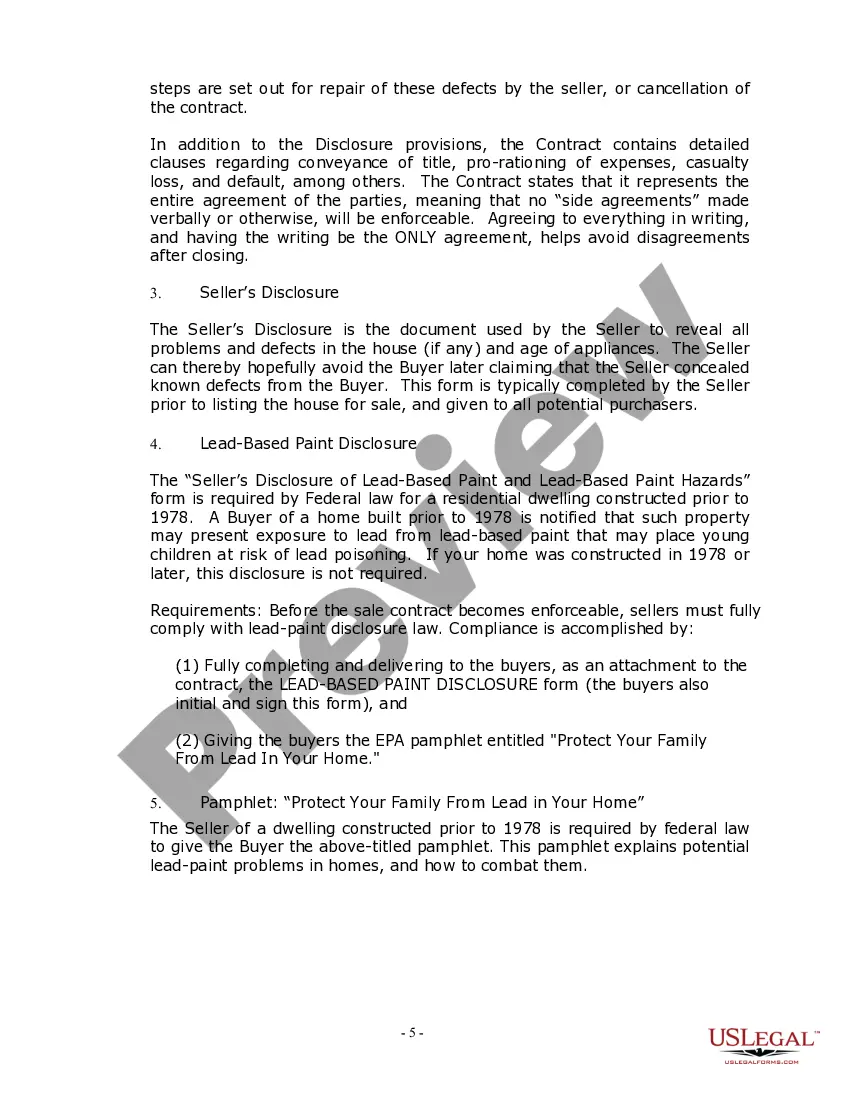
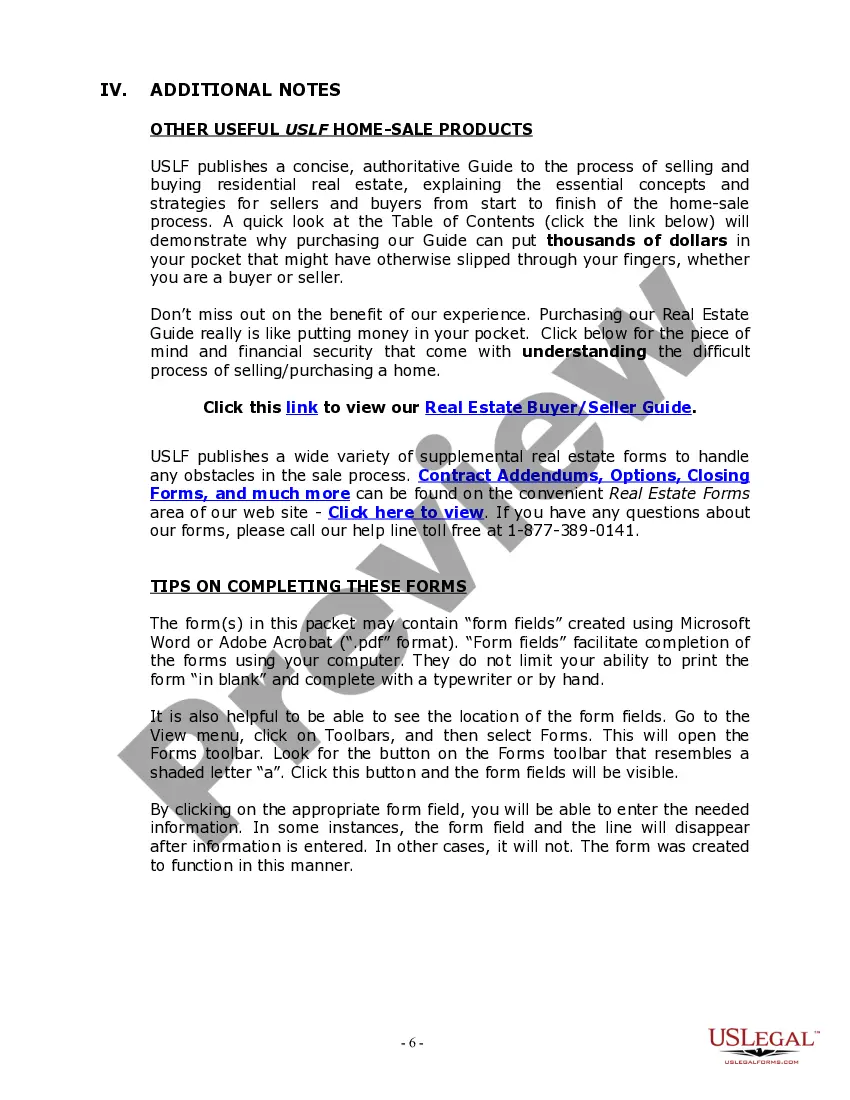
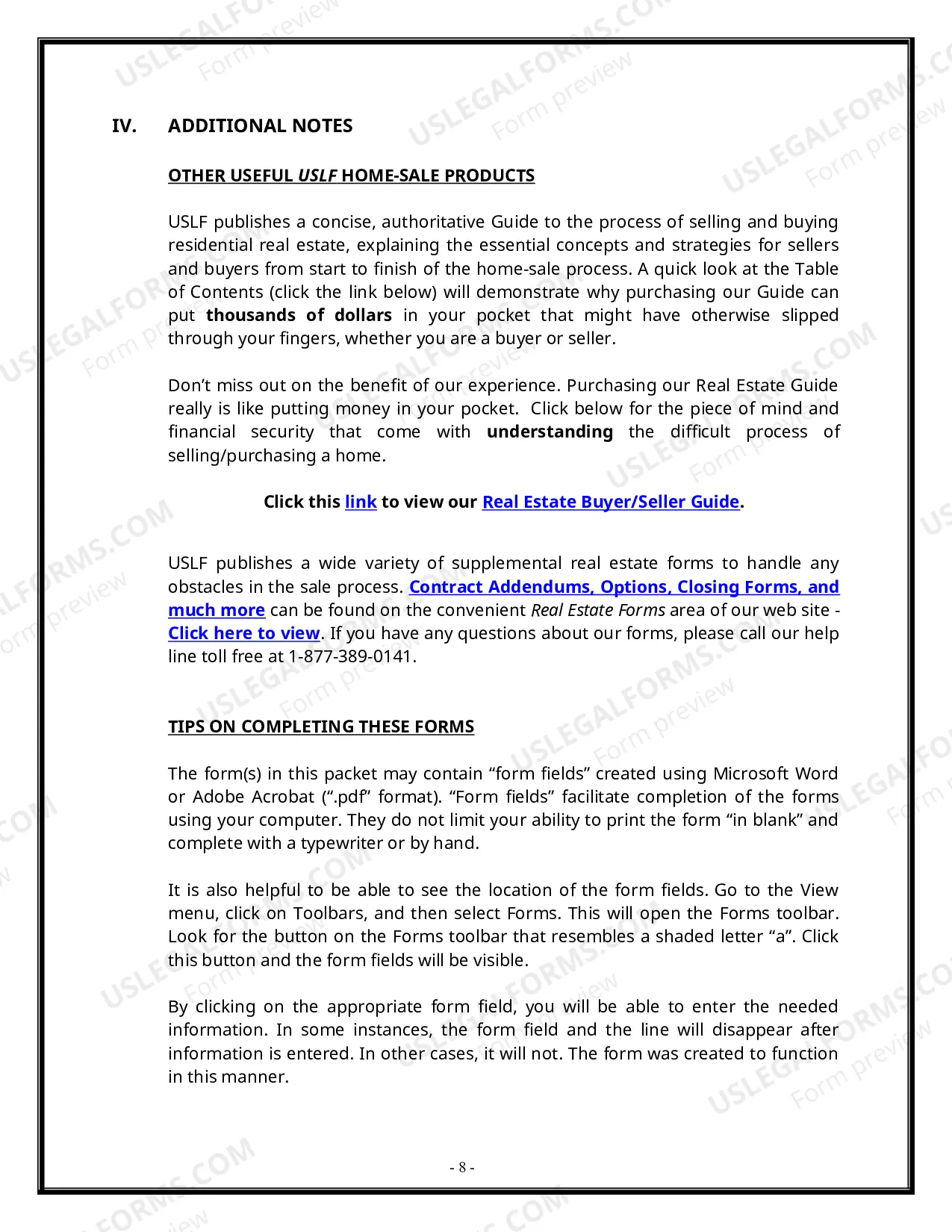
- Click on the form’s preview to inspect it.
- If it is the wrong document, return to the search option to find the Estate Legal Law Without A Will template you need.
- Download the document if it satisfies your requirements.
- If you already possess a US Legal Forms account, simply click Log in to access previously stored documents in My documents.
- If you do not have an account yet, you can download the form by clicking Buy now.
- Choose the appropriate pricing plan.
- Fill out the profile registration form.
- Select your payment option: you can pay via credit card or PayPal.
- Choose the file format you prefer and download the Estate Legal Law Without A Will.
- Once downloaded, you can complete the form using editing software or print it and finish it by hand.
Form popularity
FAQ
If a person dies without a will they are considered intestate "without a will". Therefore that person's property and estate is distributed ing to the state that is their home state. Real property is handled ing to state law. The distribution of all property is by relationship to the deceased.
If you die intestate (without a will), your state's laws of descent and distribution will determine who receives your property by default. These laws vary from state to state, but typically the distribution would be to your spouse and children, or if none, to other family members.
It is best to think of the decedent's belongings, paperwork, and assets as ?frozen in time? on the date of death. No assets or belongings should be removed from their residence. Their vehicle(s) should not be driven. Nothing should be moved great distances, modified, or taken away.
When a person dies intestate, it means they left no legal will. If there is no will to go by, a state probate court will determine how the person's estate will be distributed. Courts generally establish a hierarchy, with spouses and other close relatives being first in line to receive the assets.
Owning your home with someone else ? like a spouse or partner ? is known as ?joint ownership.? In this case, the other person automatically becomes the property's sole owner when you pass away. This only applies if you're both listed on the deed, meaning that you each legally own the house.