Florida Deed Signing Requirements
Description
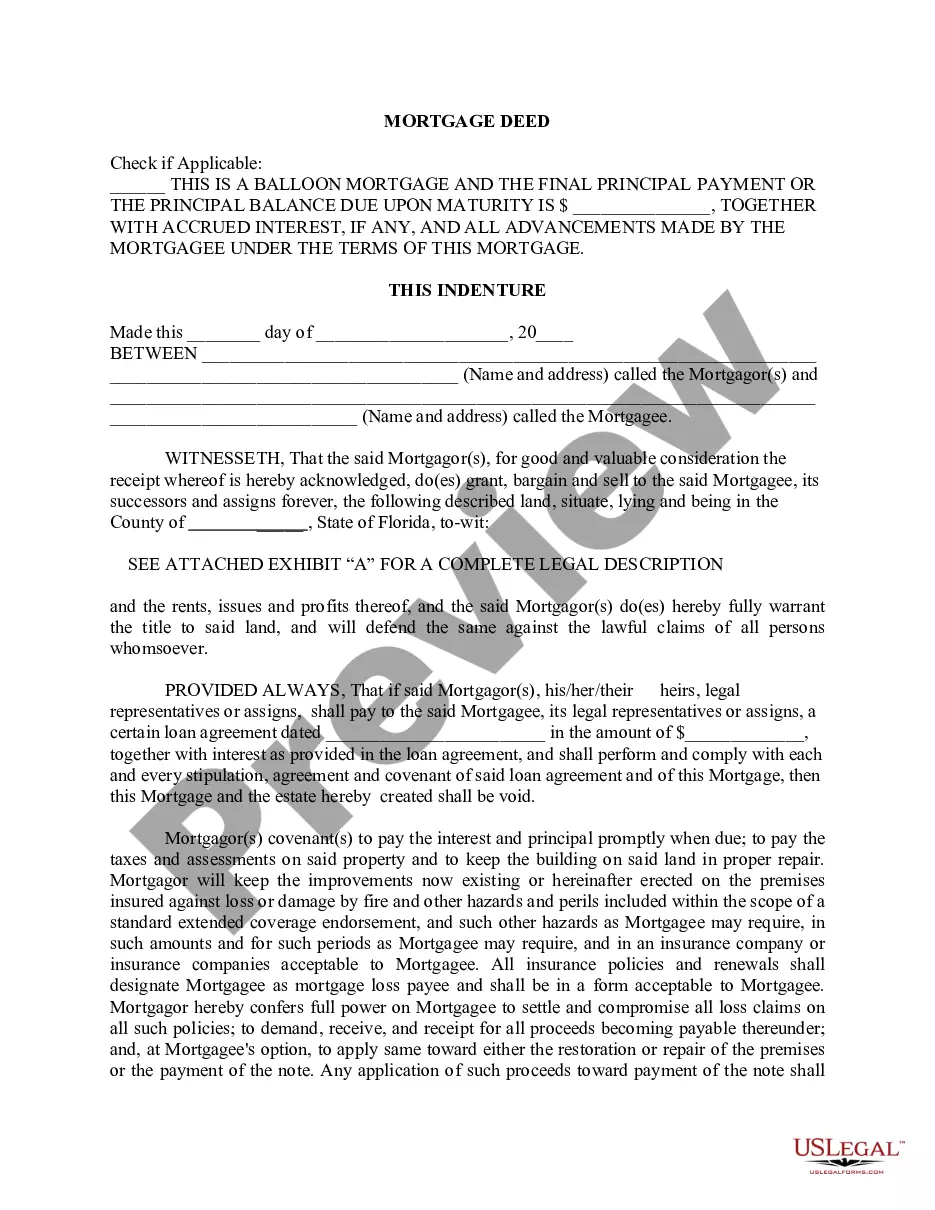
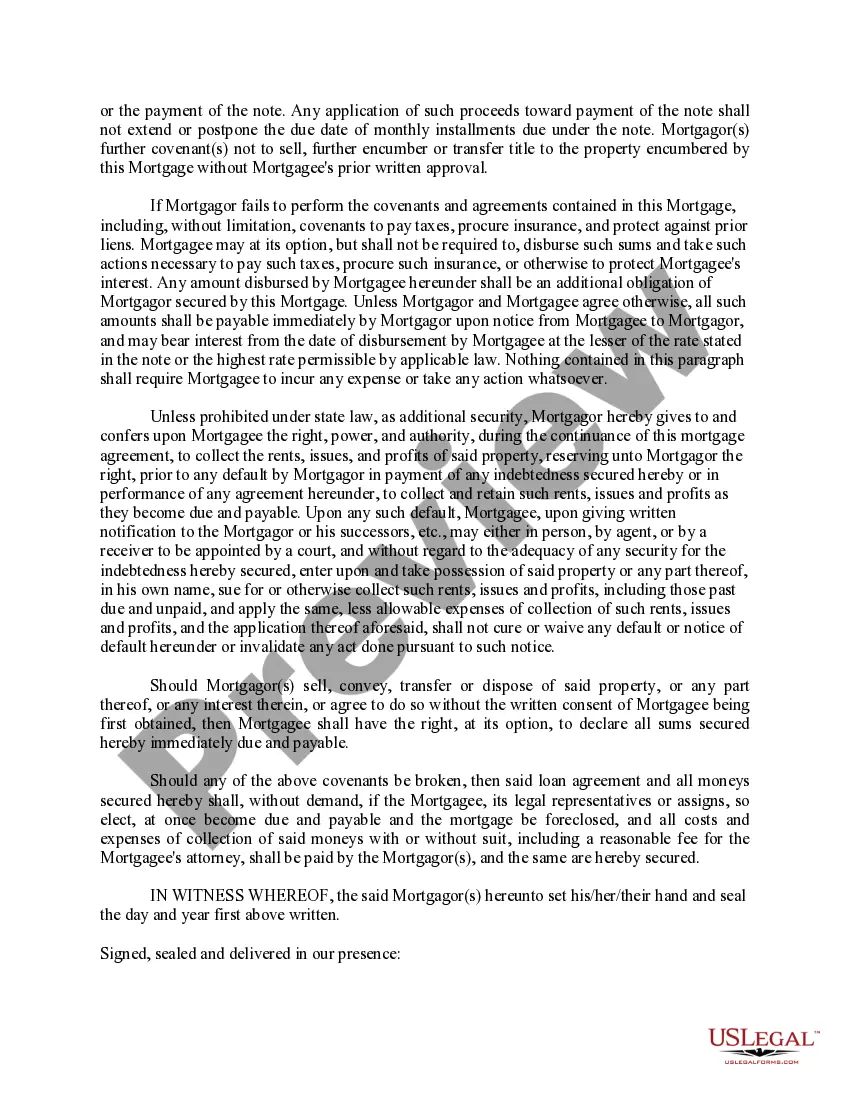
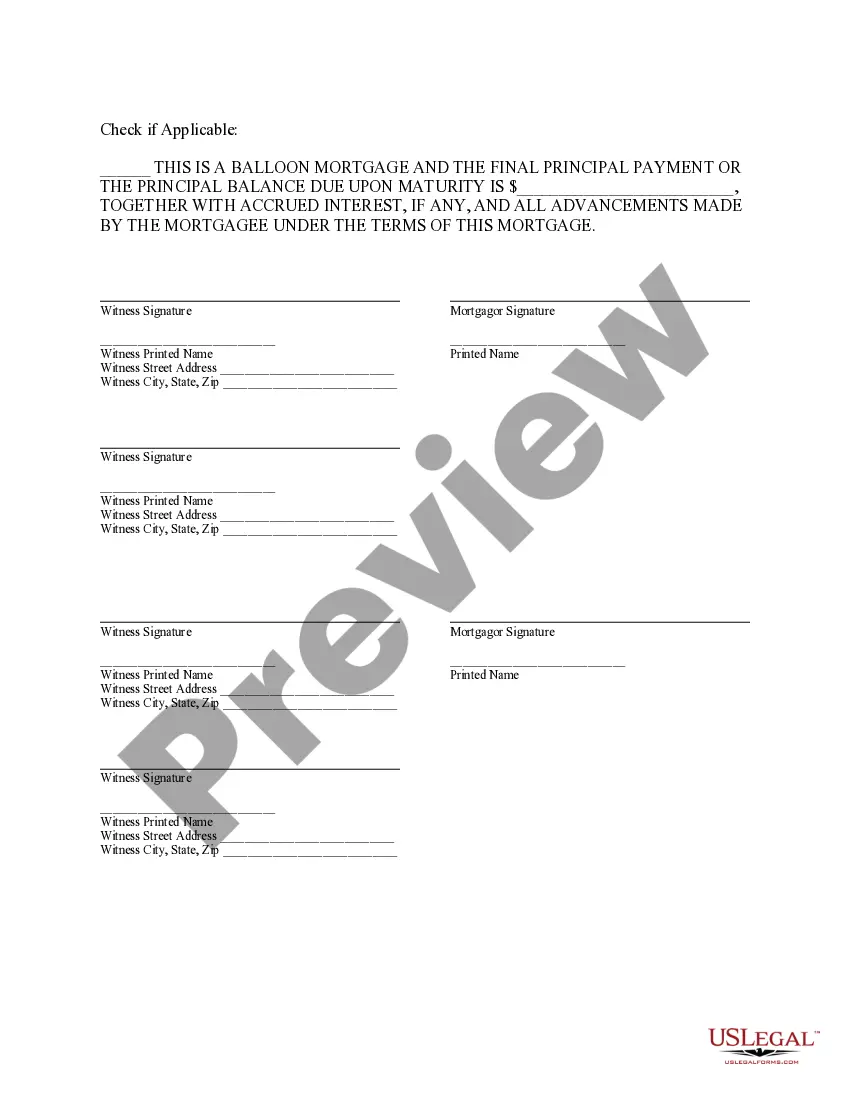
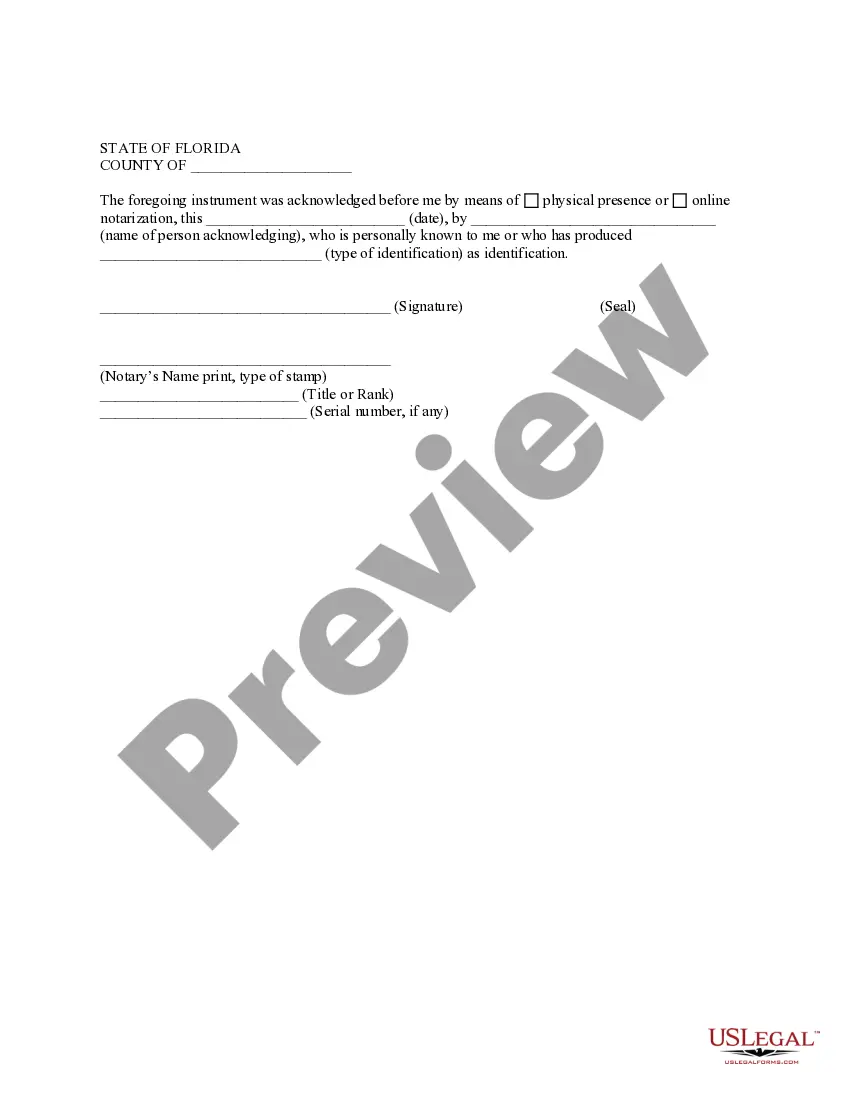


Get your form ready online
Our built-in tools help you complete, sign, share, and store your documents in one place.
Make edits, fill in missing information, and update formatting in US Legal Forms—just like you would in MS Word.
Download a copy, print it, send it by email, or mail it via USPS—whatever works best for your next step.
Sign and collect signatures with our SignNow integration. Send to multiple recipients, set reminders, and more. Go Premium to unlock E-Sign.
If this form requires notarization, complete it online through a secure video call—no need to meet a notary in person or wait for an appointment.
We protect your documents and personal data by following strict security and privacy standards.

Make edits, fill in missing information, and update formatting in US Legal Forms—just like you would in MS Word.

Download a copy, print it, send it by email, or mail it via USPS—whatever works best for your next step.

Sign and collect signatures with our SignNow integration. Send to multiple recipients, set reminders, and more. Go Premium to unlock E-Sign.

If this form requires notarization, complete it online through a secure video call—no need to meet a notary in person or wait for an appointment.

We protect your documents and personal data by following strict security and privacy standards.
Looking for another form?

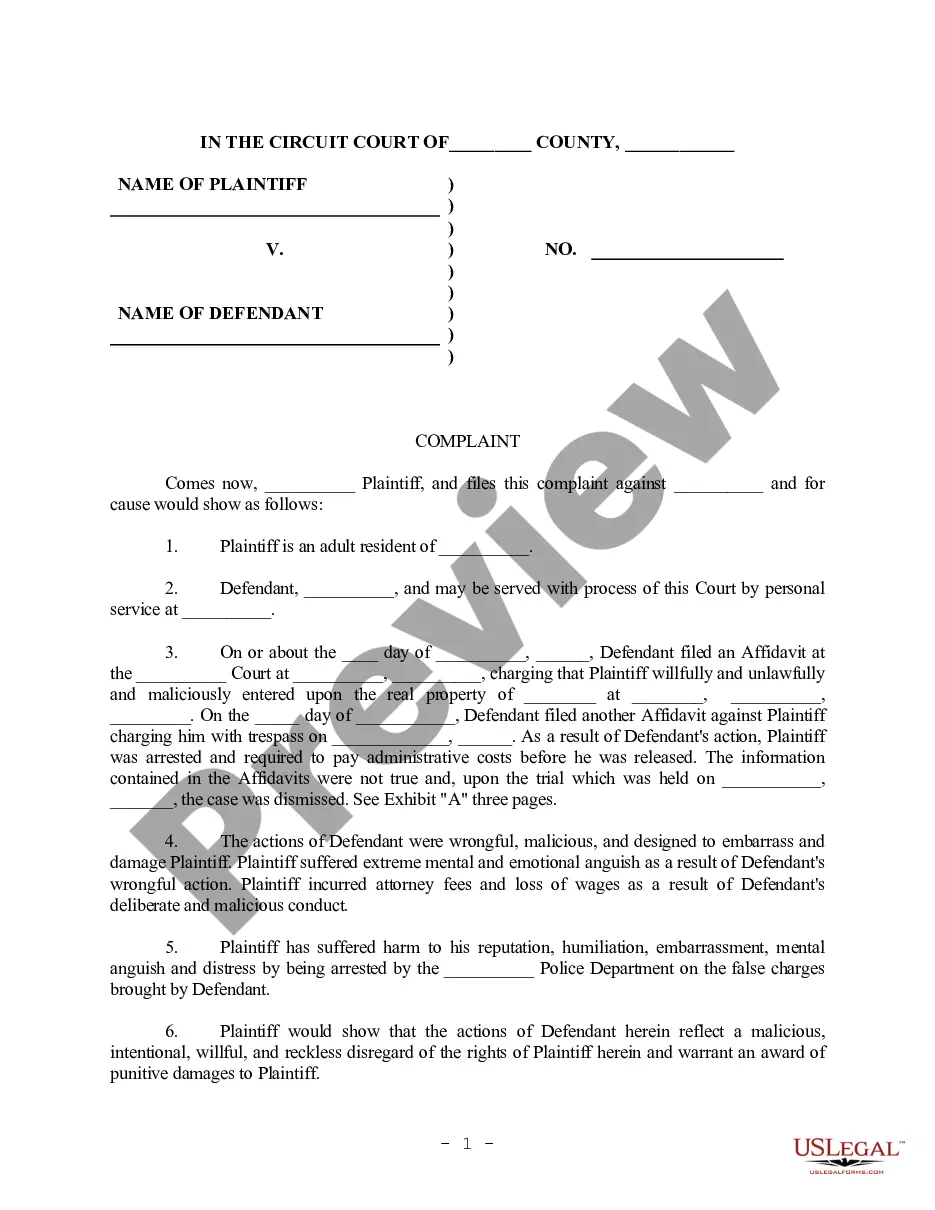
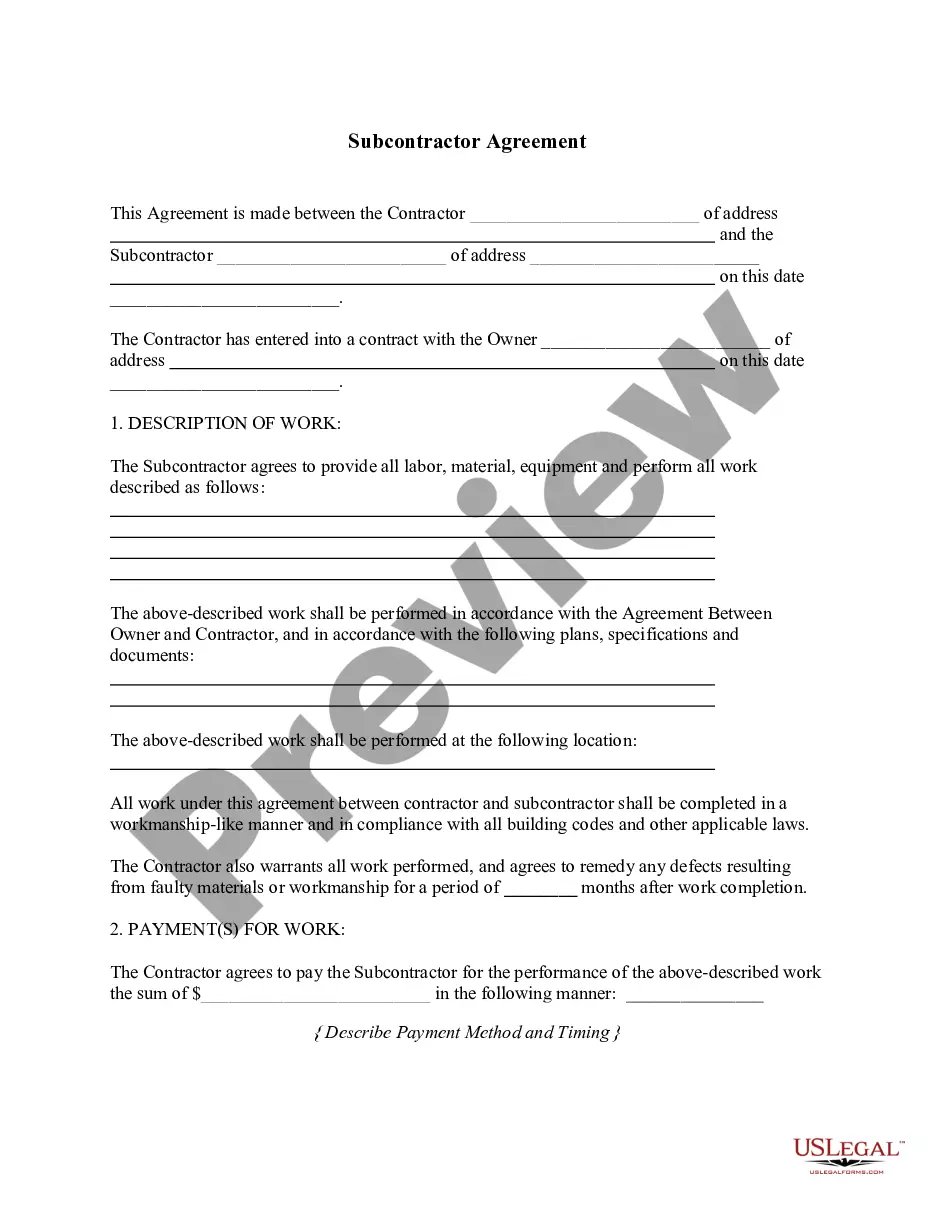

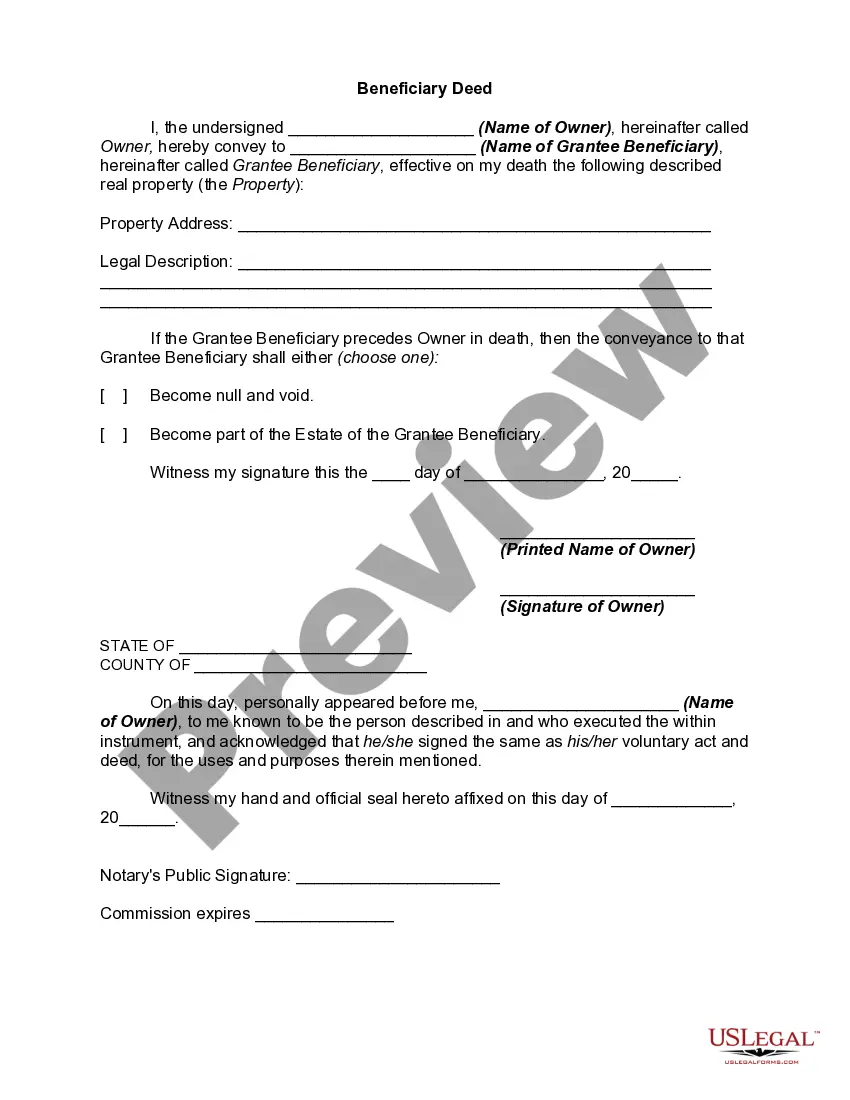

How to fill out Florida Mortgage Deed From Individual?
Managing legal papers and processes can be a lengthy addition to your day.
Florida Deed Signing Requirements and similar documents often necessitate that you look for them and grasp how to fill them out correctly.
Thus, whether you are addressing financial, legal, or personal affairs, having a thorough and easily accessible online directory of documents at your disposal will significantly help.
US Legal Forms is the leading online resource for legal templates, providing over 85,000 state-specific forms along with various tools to facilitate the effortless completion of your paperwork.
Is this your first time using US Legal Forms? Sign up and create your account in a matter of minutes to gain access to the document library and Florida Deed Signing Requirements. Then, follow these steps to complete your document: Make sure you have the correct document using the Review option and checking the document description. Click Buy Now when ready, and choose the monthly subscription plan that suits your requirements. Select Download, then complete, sign, and print the document. US Legal Forms has 25 years of experience assisting clients in managing their legal paperwork. Obtain the document you need today and streamline any process effortlessly.
- Explore the collection of relevant documents available with just a single click.
- US Legal Forms offers you state- and county-specific documents that you can download anytime.
- Safeguard your paperwork management processes with a premium service that enables you to compile any form in a few moments without additional or hidden fees.
- Simply Log In to your account, locate Florida Deed Signing Requirements, and immediately download it from the My documents area.
- You can also access previously downloaded documents.
Form popularity
FAQ
Making an Advance Directive Legal In order to make your wishes document a legal document, you and at least two witnesses must sign it. Witnesses cannot be your care providers, or the health care decision makers you have named on your directive. Alternatively, you can have your wishes document notarized.
The most common types of advance directives are the living will and the durable power of attorney for health care (sometimes known as the medical power of attorney). There are many advance directive formats.
Whether or not your home state calls for an official notarization by a notary public, every state in the U.S. requires your advance directive to be signed by witnesses. Some states require both witnesses and notary publics to sign advance directives.
(Notarization of document is not required by Pennsylvania law, but if the document is both witnessed and notarized, it is more likely to be honored by the laws of some other states.)
No. In the state of Pennsylvania, you do not need to notarize advance directives. What do I do with my advance directive after I fill it out? Most importantly, talk with your loved ones about what your advance directive says.
A POA in Pennsylvania must be dated, signed by the principal, witnessed by two adults, and notarized. If the principal is not able to write, he or she may sign by making a mark (such as an "X") or by directing another person to sign on his or her behalf.
Pennsylvania recognizes two types of advance directives, durable power of attorney for health care decisions and living wills. A Values History is another form of advance directive (which may or may not include a living will and durable power of attorney for health care decisions).
Through advance directives, you can make legally valid decisions about your future medical care. Pennsylvania law recognizes 4 types of advance directives: 1) A Living Will Declaration. 2) A Durable Power of Attorney for Health Care. 3) A Mental Health Care Declaration.