Notary Public Office
Description
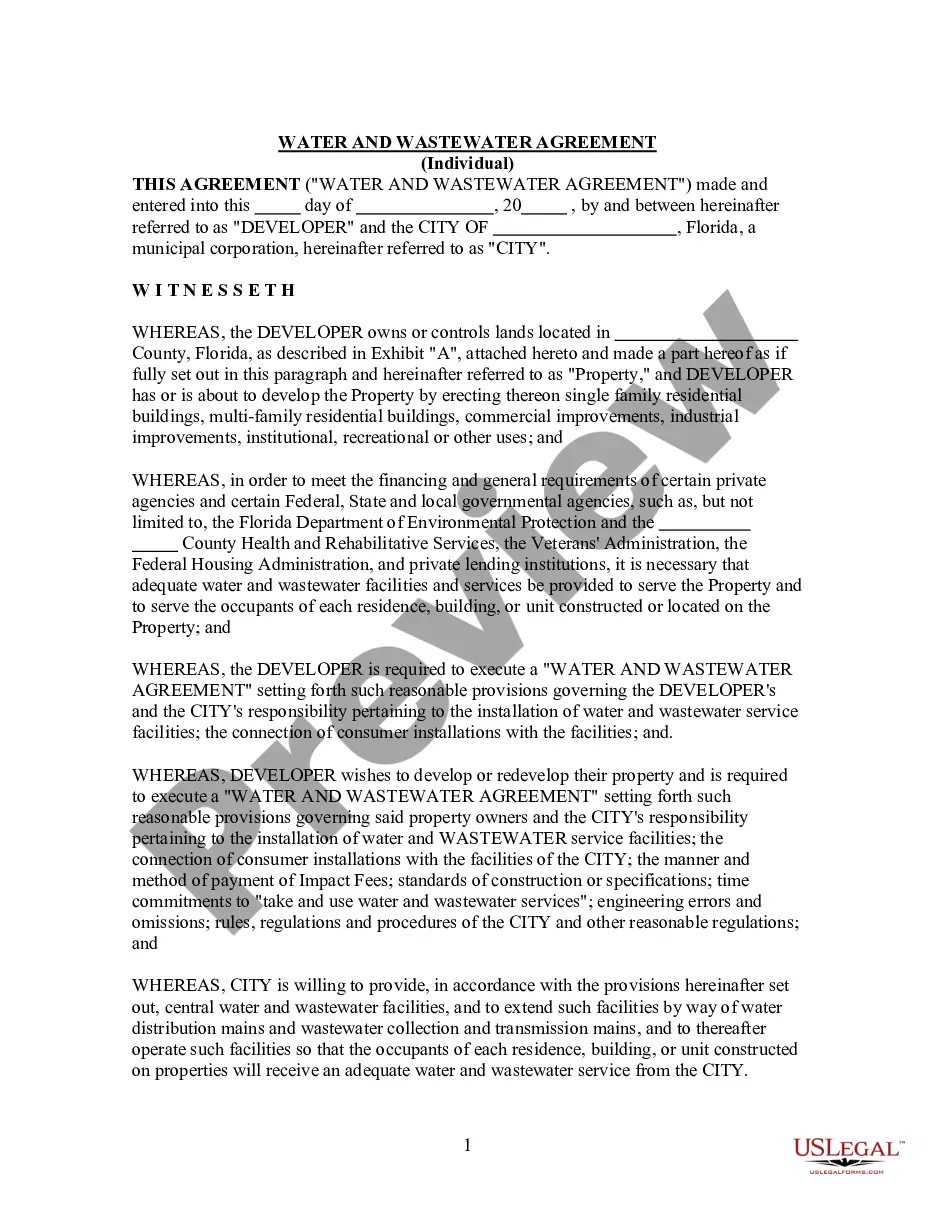
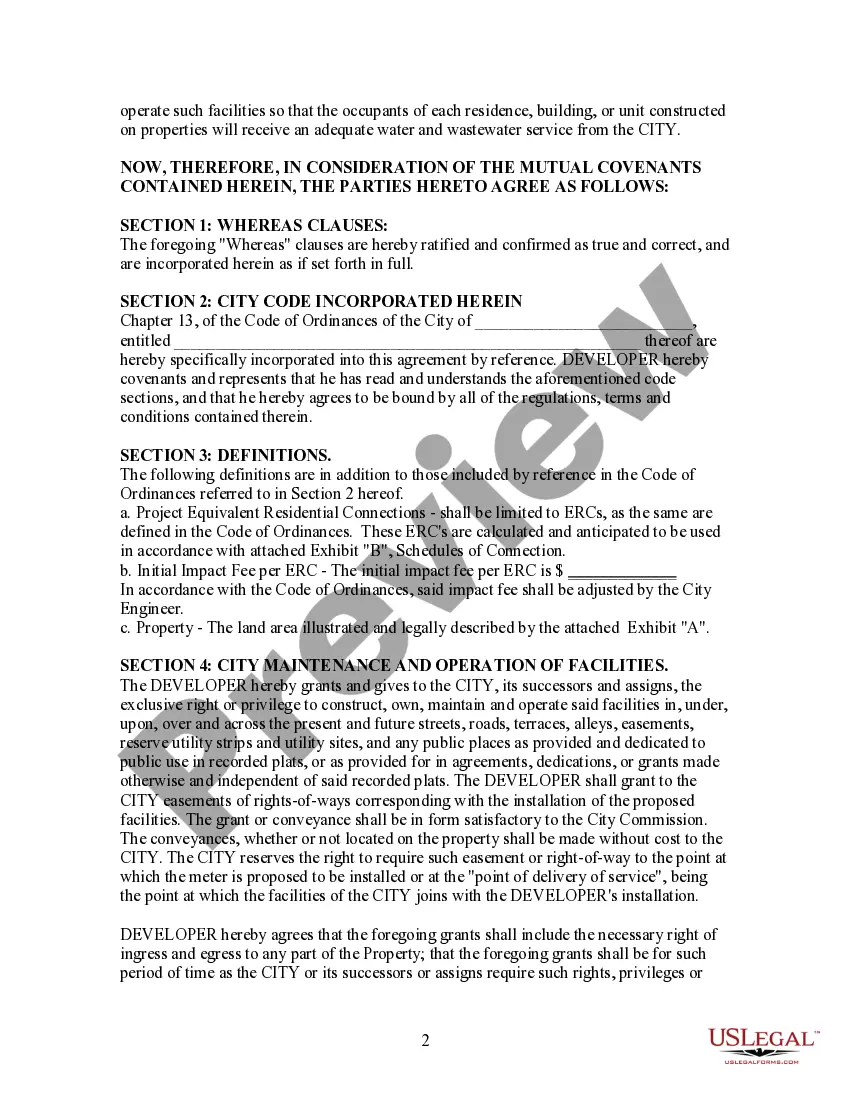
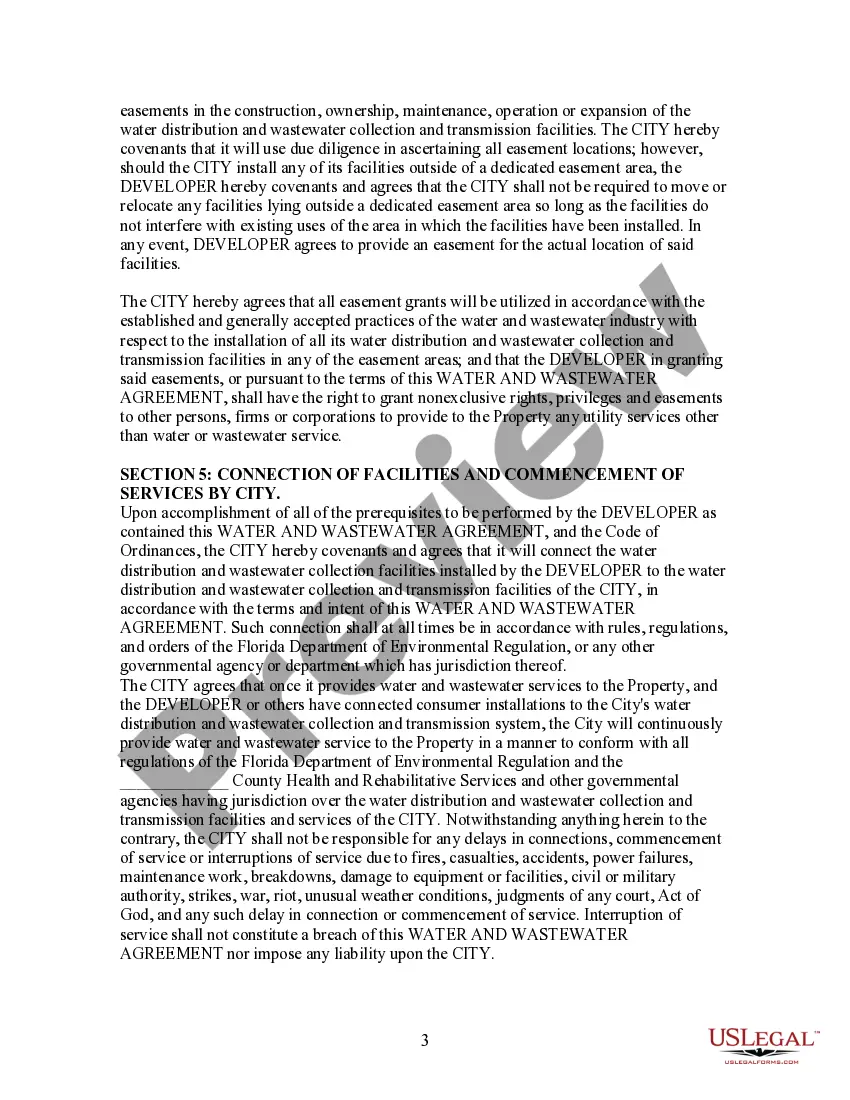
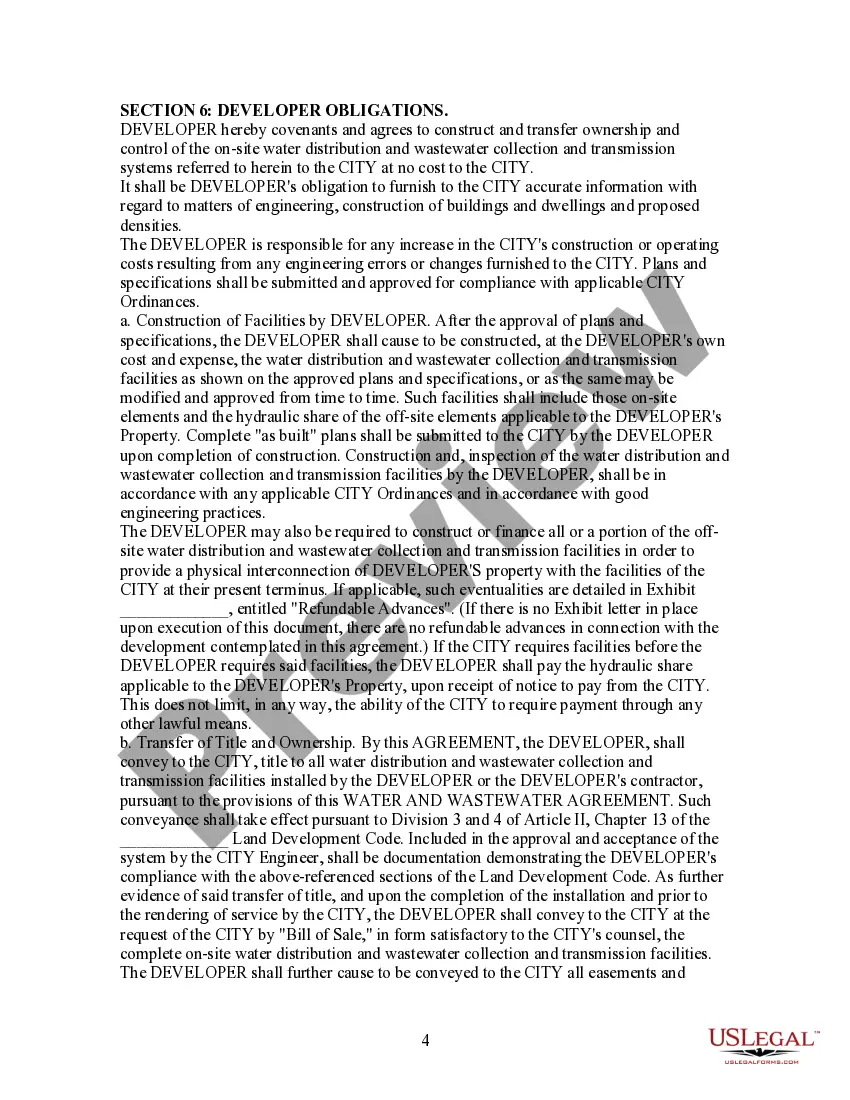

Get your form ready online
Our built-in tools help you complete, sign, share, and store your documents in one place.
Make edits, fill in missing information, and update formatting in US Legal Forms—just like you would in MS Word.
Download a copy, print it, send it by email, or mail it via USPS—whatever works best for your next step.
Sign and collect signatures with our SignNow integration. Send to multiple recipients, set reminders, and more. Go Premium to unlock E-Sign.
If this form requires notarization, complete it online through a secure video call—no need to meet a notary in person or wait for an appointment.
We protect your documents and personal data by following strict security and privacy standards.

Make edits, fill in missing information, and update formatting in US Legal Forms—just like you would in MS Word.

Download a copy, print it, send it by email, or mail it via USPS—whatever works best for your next step.

Sign and collect signatures with our SignNow integration. Send to multiple recipients, set reminders, and more. Go Premium to unlock E-Sign.

If this form requires notarization, complete it online through a secure video call—no need to meet a notary in person or wait for an appointment.

We protect your documents and personal data by following strict security and privacy standards.
Looking for another form?

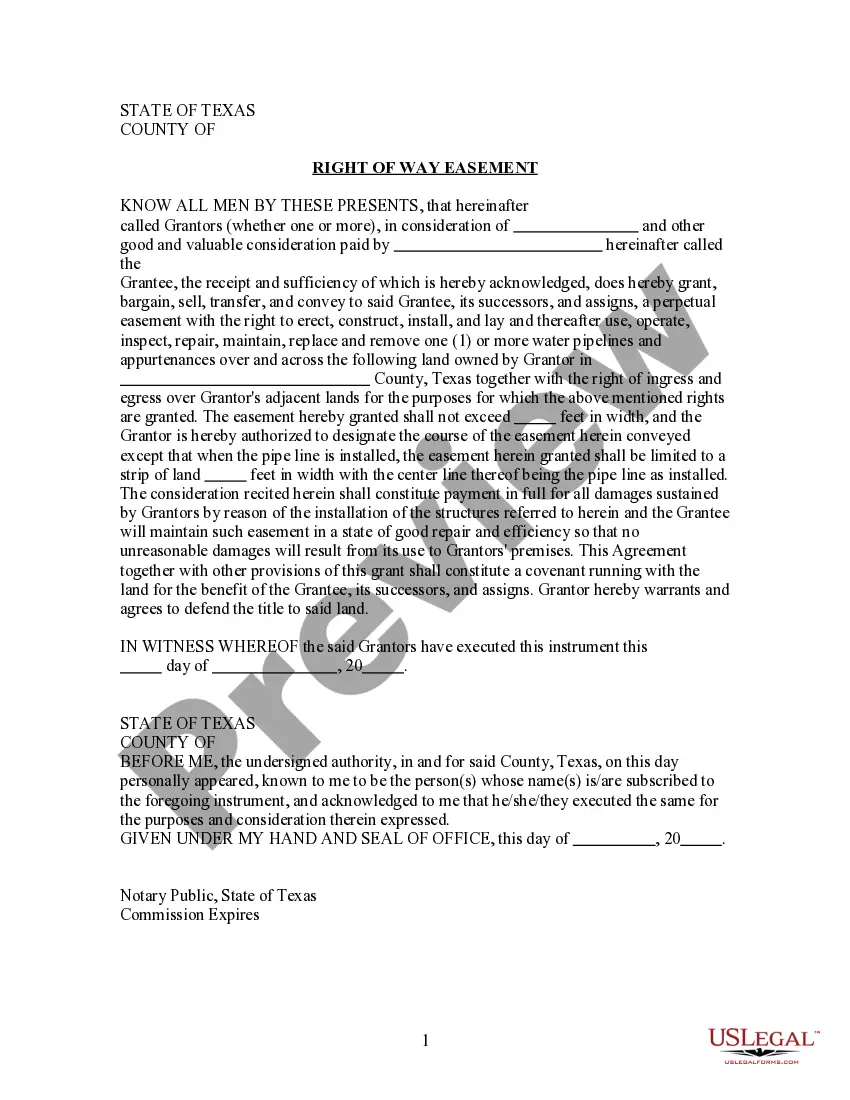






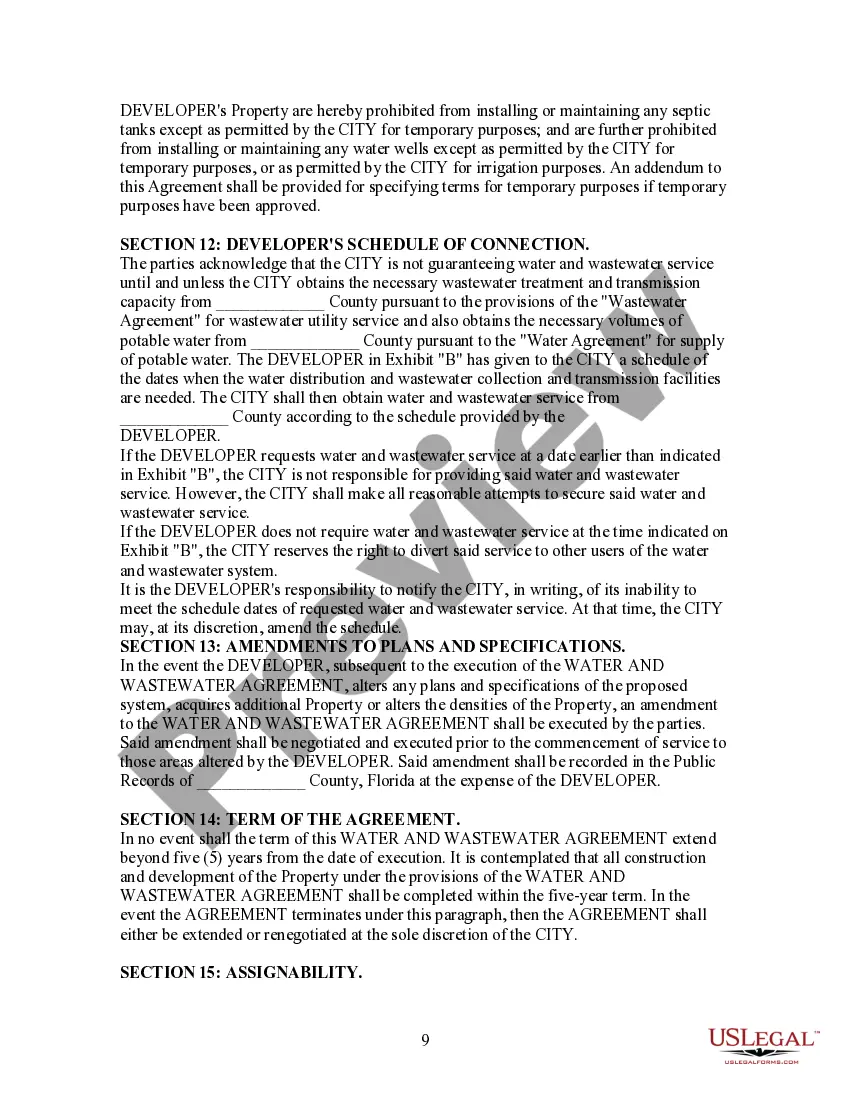
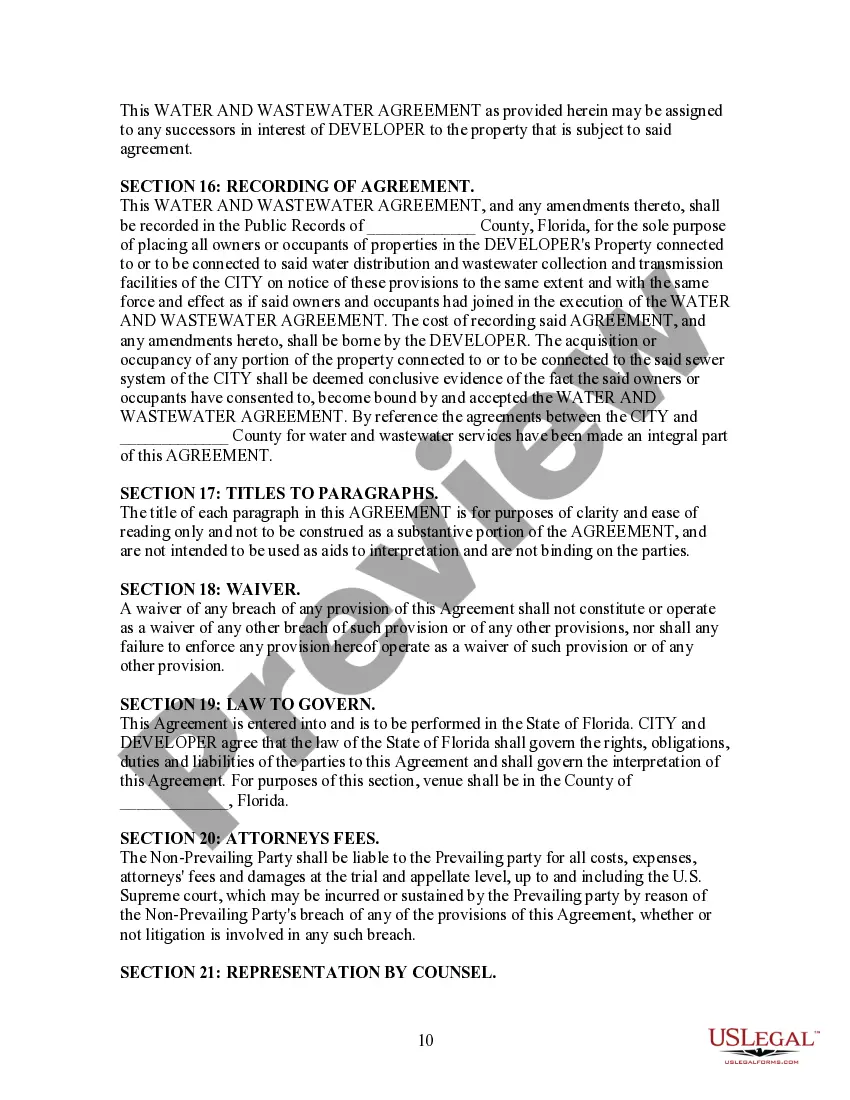
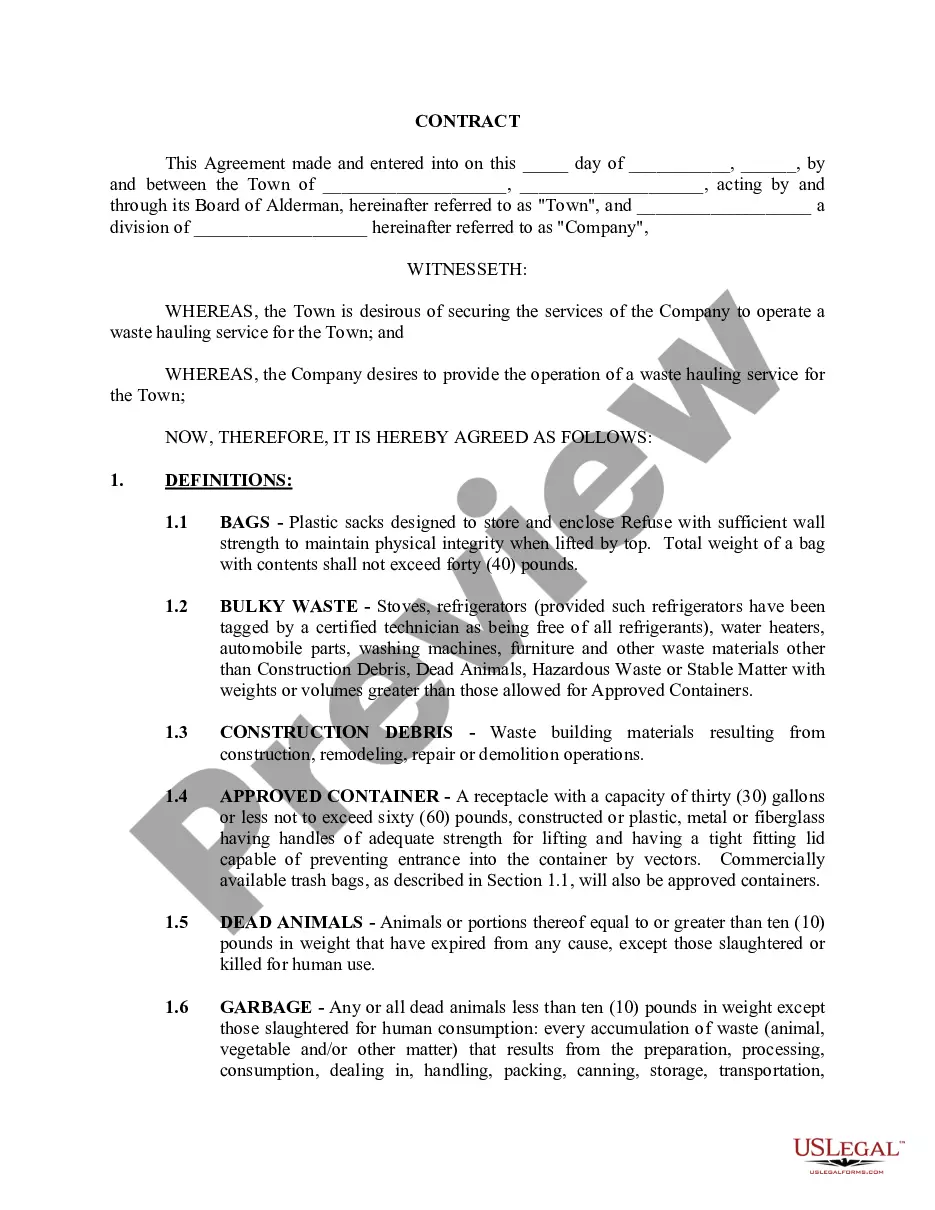
How to fill out Florida Water And Wastewater Agreement?
- For returning users, log into your account and navigate to 'My Forms' to download the required template. Ensure your subscription is active; if it isn't, renew it according to your plan.
- If you're new to US Legal Forms, begin by reviewing the preview and description of available forms to confirm you've selected one compliant with your local jurisdiction.
- Should you need an alternative template, use the Search tab to find one that meets your requirements.
- Once you've chosen a suitable form, click the Buy Now button and select your desired subscription plan. You'll need to register to access the comprehensive library.
- Proceed to payment by entering your credit card details or utilizing your PayPal account for the subscription.
- Finally, download the form to your device. This will allow you to complete it at your convenience, and you can access it anytime under the My Forms section.
US Legal Forms empowers both individuals and attorneys with a vast collection of legal documents, ensuring that forms are accessible and easy to complete. With over 85,000 fillable and editable options and expert assistance available, you can be confident in the legality and accuracy of your documents.
Start utilizing the benefits of US Legal Forms today for all your notary public office document needs. Don't wait—sign up now!
Form popularity
FAQ
Finding the cheapest place to get a notary public office can depend on your location and specific needs. Community centers, local banks, and public libraries often provide notary services at lower rates. Additionally, online platforms like US Legal Forms offer convenient services that can help you find notary public offices nearby, sometimes at competitive prices. Always compare options to ensure you find the best service to meet your requirements.
To format a document for notarization, ensure that the document is complete and does not contain blank spaces for signatures. Include a notary acknowledgment section, clearly stating that it is to be notarized. By using platforms like USLegalForms, you can find templates that comply with your local regulations, making the notarization process smoother in your notary public office.
To correct a notary journal entry, it’s important to document the error clearly and strike through the incorrect information. Note the correct entry next to it, and sign or initial the correction. This practice preserves the integrity of the records in your notary public office and maintains a clear audit trail.
Filling out a notary journal entry involves documenting the date, the type of document, and the names of the individuals involved. Additionally, you must note how you verified their identities and their signatures. Following this structured approach allows your notary public office to maintain thorough and accurate records.
A notary journal should be a well-organized record that includes essential entries such as date, signer names, document types, and identification methods. It should also allow for additional notes if necessary. Keeping your notary journal neat and structured helps the notary public office stay compliant with regulations and can also assist in resolving any disputes.
When notarizing a document, you typically begin by confirming the signer’s identity and ensuring they understand the document they are signing. After verifying identity and understanding, you may state that you are notarizing the document for the purpose of authenticity. Clearly communicating the notarization process maintains professionalism and trust in your notary public office.
One common mistake made by notaries is failing to properly identify the signer. It's crucial for a notary public office to verify identities using valid identification before proceeding with the notarization. Another frequent error is neglecting to ensure that the document is complete and that all necessary signatures are in place. These oversights can lead to significant issues down the line.
To fill out a notary journal entry, start by writing the date of the notarization. Next, include the type of document that you are notarizing, along with the names and signatures of the signers. It's also essential to record the method of identification used to verify the signers' identities. This detailed process ensures that your notary public office maintains accurate and reliable records.
The easiest way to get something notarized is to visit a local notary public office. These offices are often conveniently located, making it simple for you to access their services. You can also find notaries through platforms like US Legal Forms, which can help you locate a nearby notary. Remember to bring proper identification and the documents requiring notarization to ensure a smooth process.
Filing taxes as a notary involves several steps. First, you should keep detailed records of all your notary transactions throughout the year. When tax season arrives, report your income from notary services on Schedule C of your tax return. Additionally, you may have deductible expenses related to your notary public office, such as supplies, travel costs, and any fees for maintaining your commission.