Declaration Covenant Of For Climate And Energy
Description
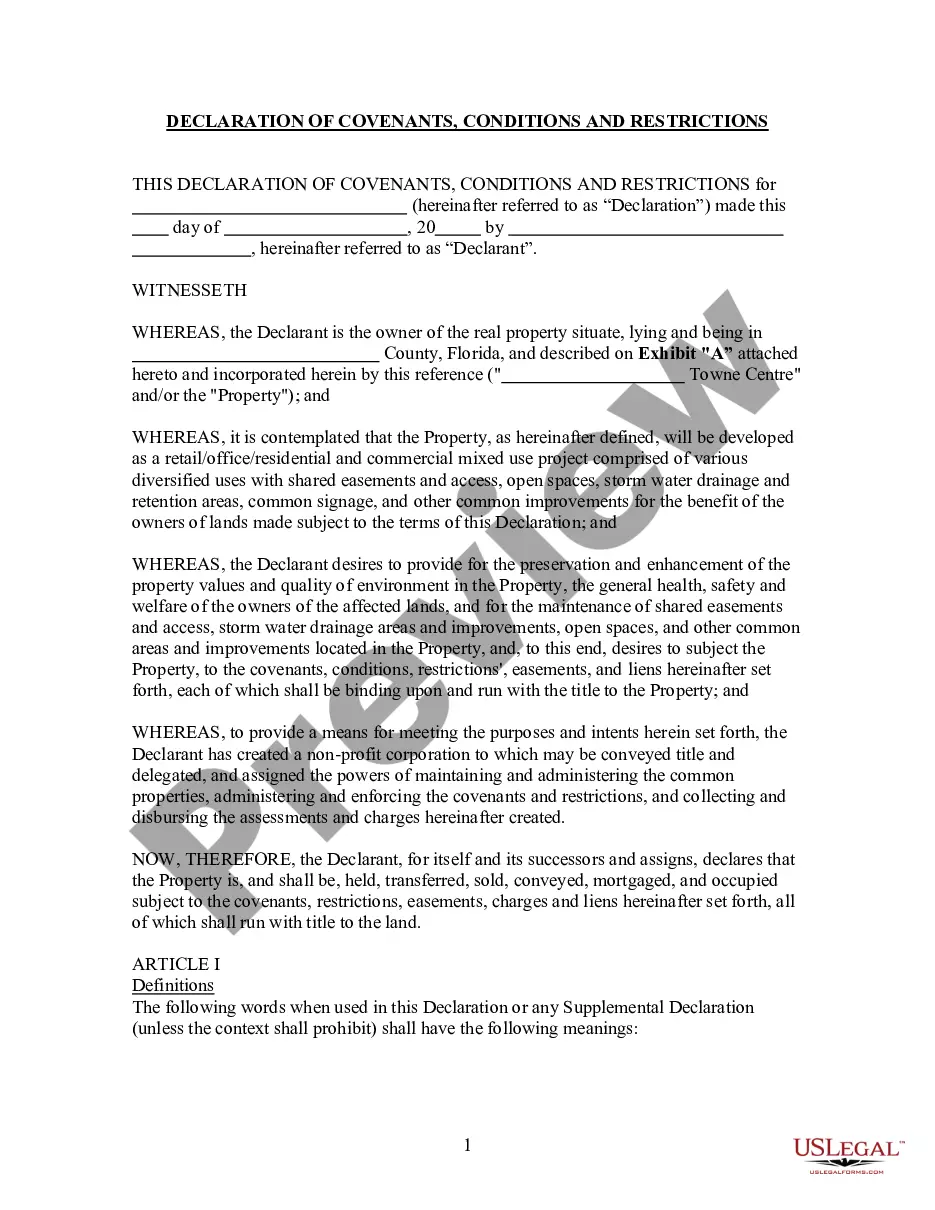
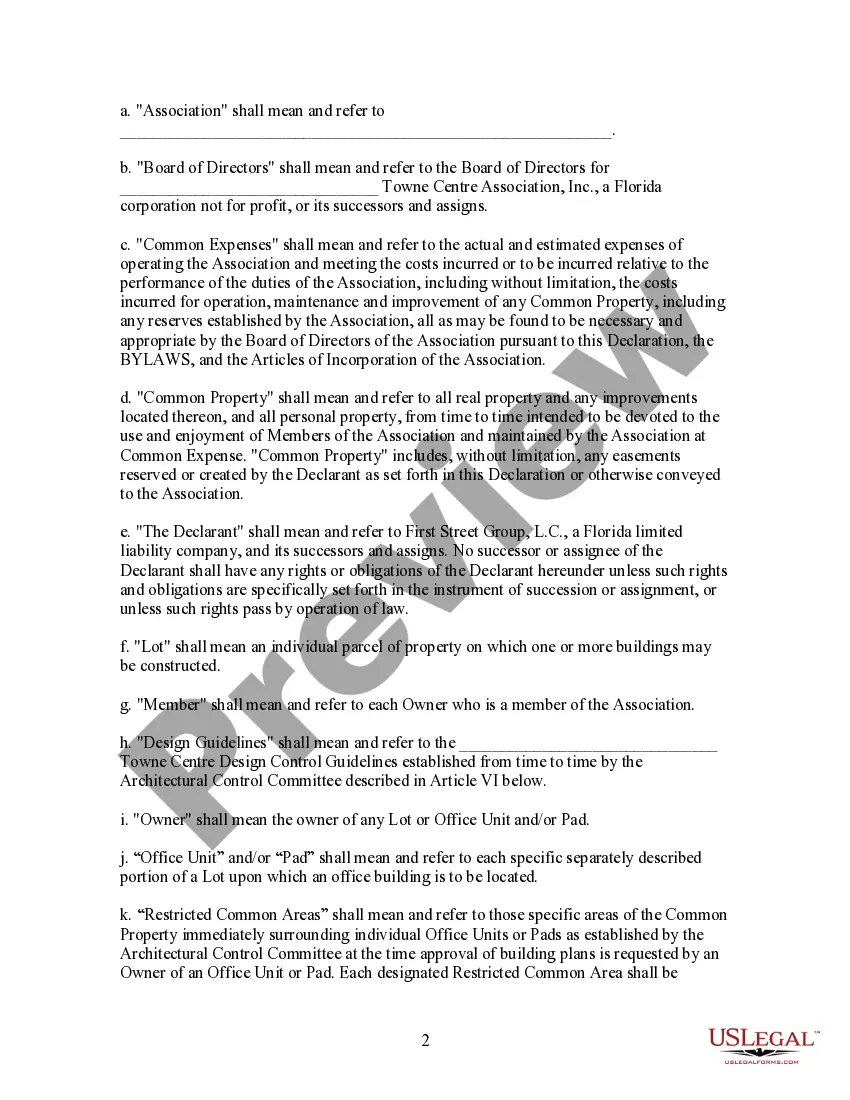
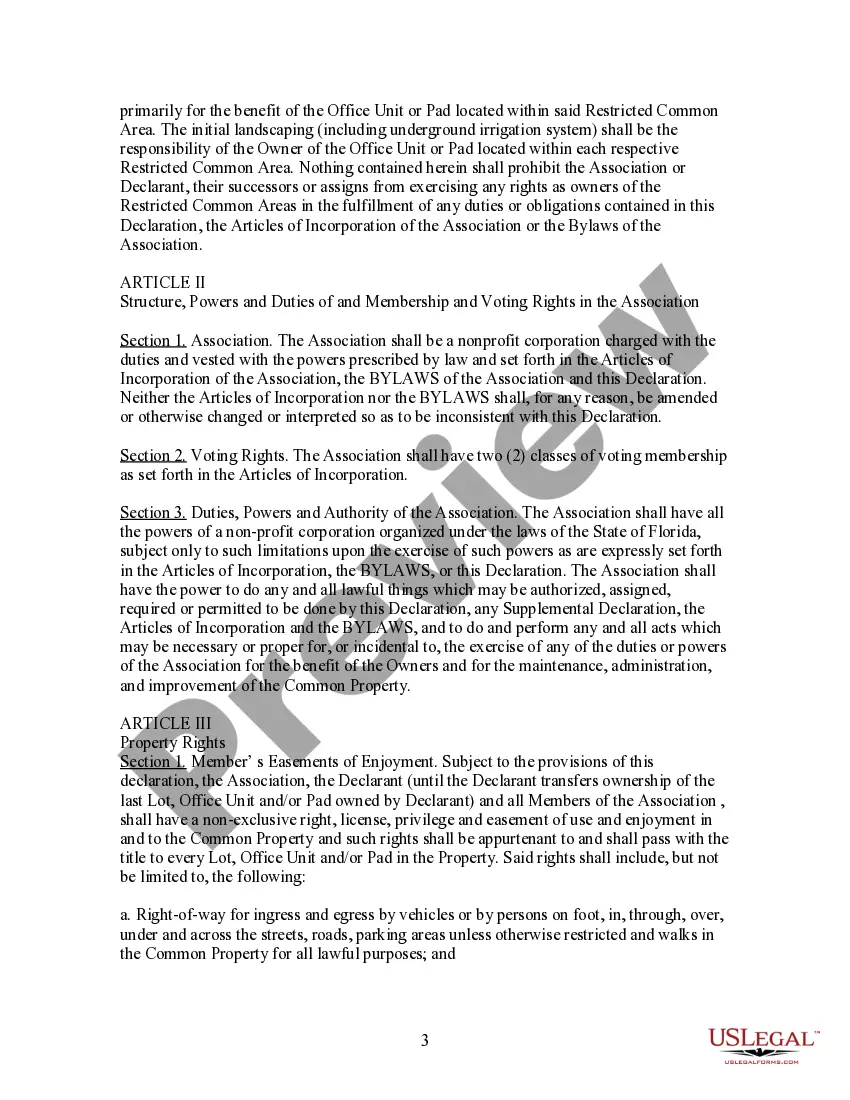
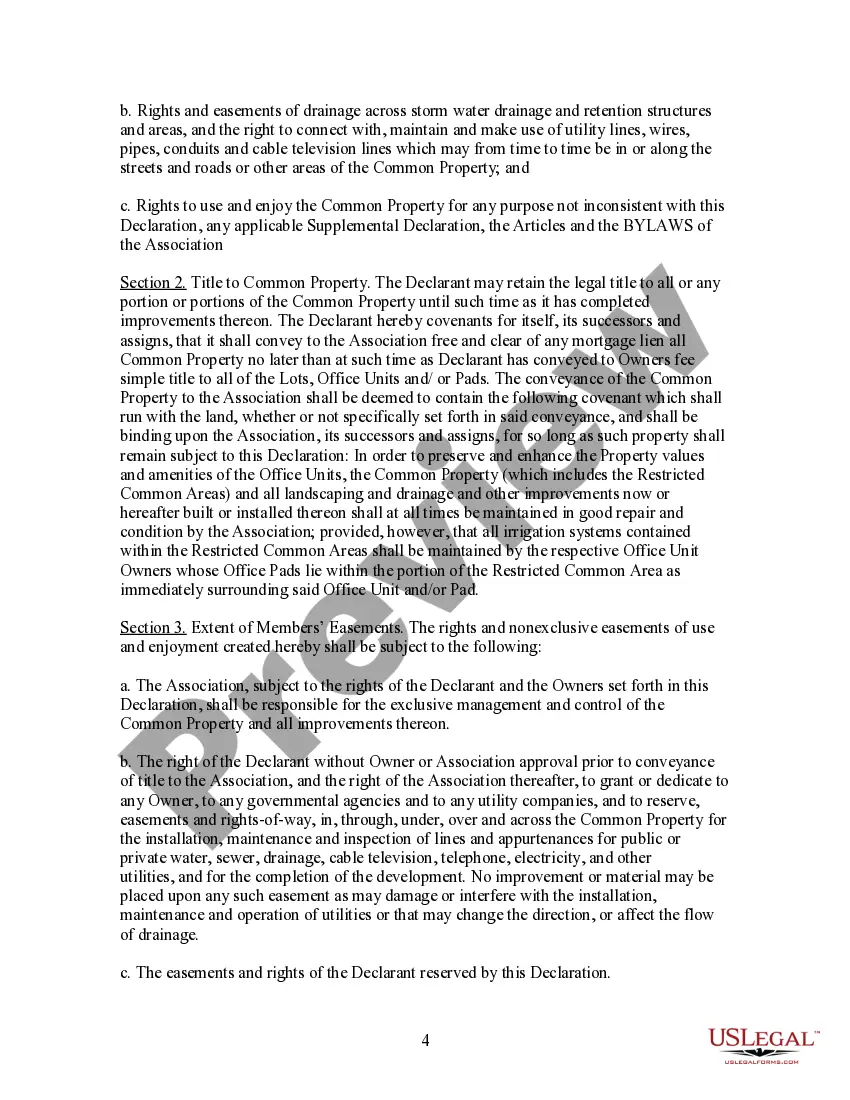

Get your form ready online
Our built-in tools help you complete, sign, share, and store your documents in one place.
Make edits, fill in missing information, and update formatting in US Legal Forms—just like you would in MS Word.
Download a copy, print it, send it by email, or mail it via USPS—whatever works best for your next step.
Sign and collect signatures with our SignNow integration. Send to multiple recipients, set reminders, and more. Go Premium to unlock E-Sign.
If this form requires notarization, complete it online through a secure video call—no need to meet a notary in person or wait for an appointment.
We protect your documents and personal data by following strict security and privacy standards.

Make edits, fill in missing information, and update formatting in US Legal Forms—just like you would in MS Word.

Download a copy, print it, send it by email, or mail it via USPS—whatever works best for your next step.

Sign and collect signatures with our SignNow integration. Send to multiple recipients, set reminders, and more. Go Premium to unlock E-Sign.

If this form requires notarization, complete it online through a secure video call—no need to meet a notary in person or wait for an appointment.

We protect your documents and personal data by following strict security and privacy standards.
Looking for another form?
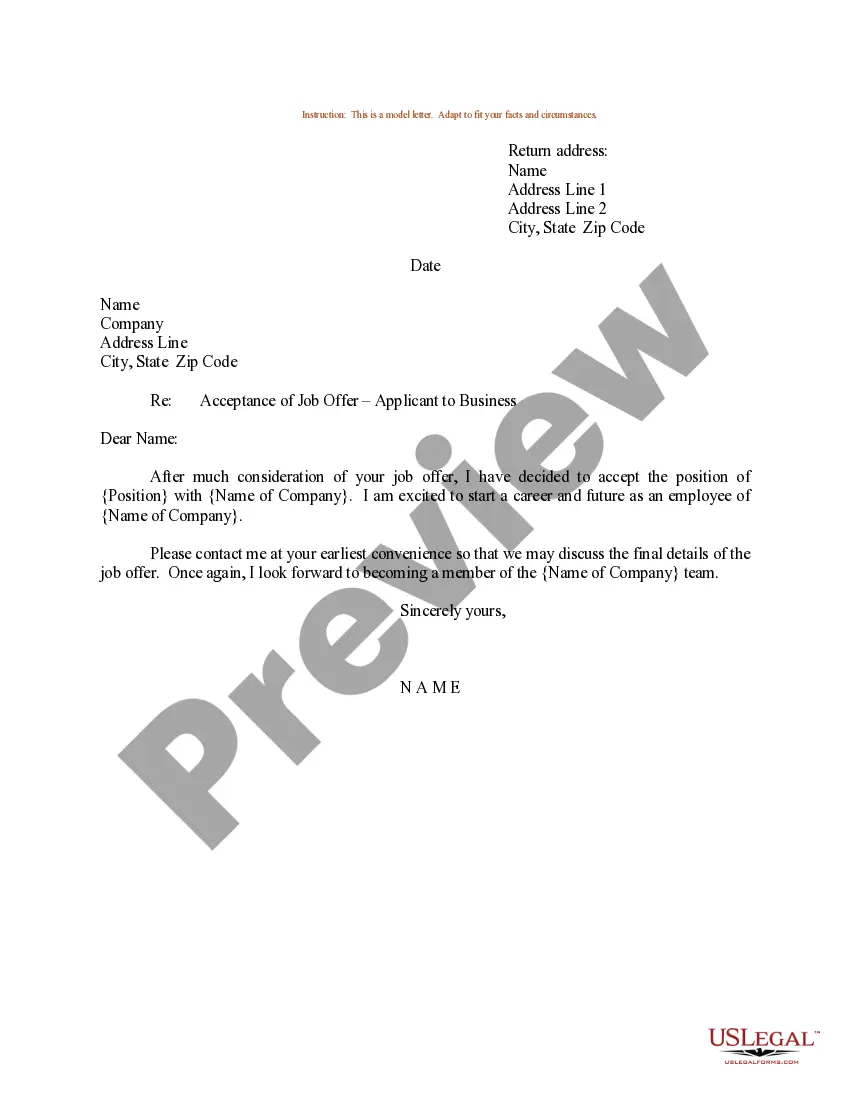








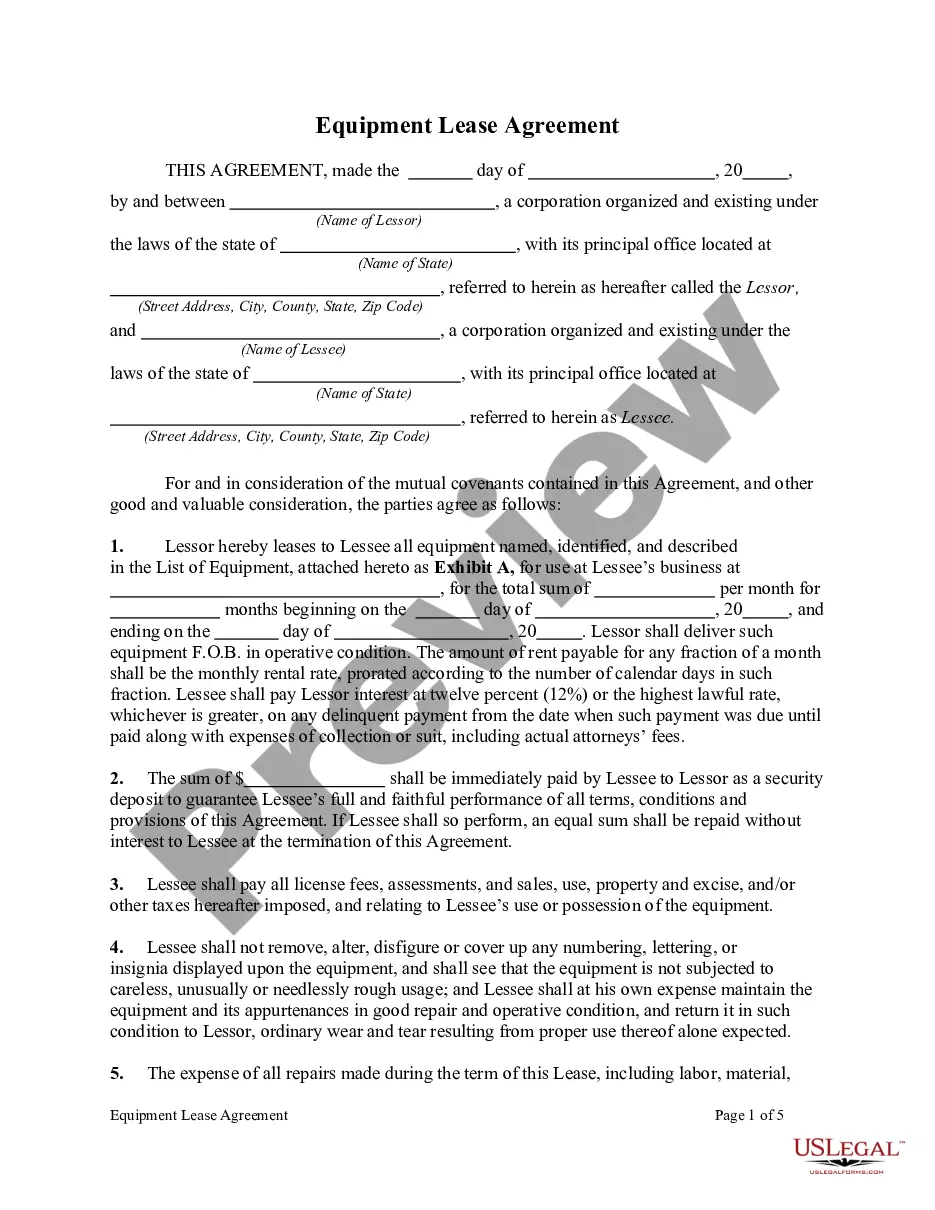
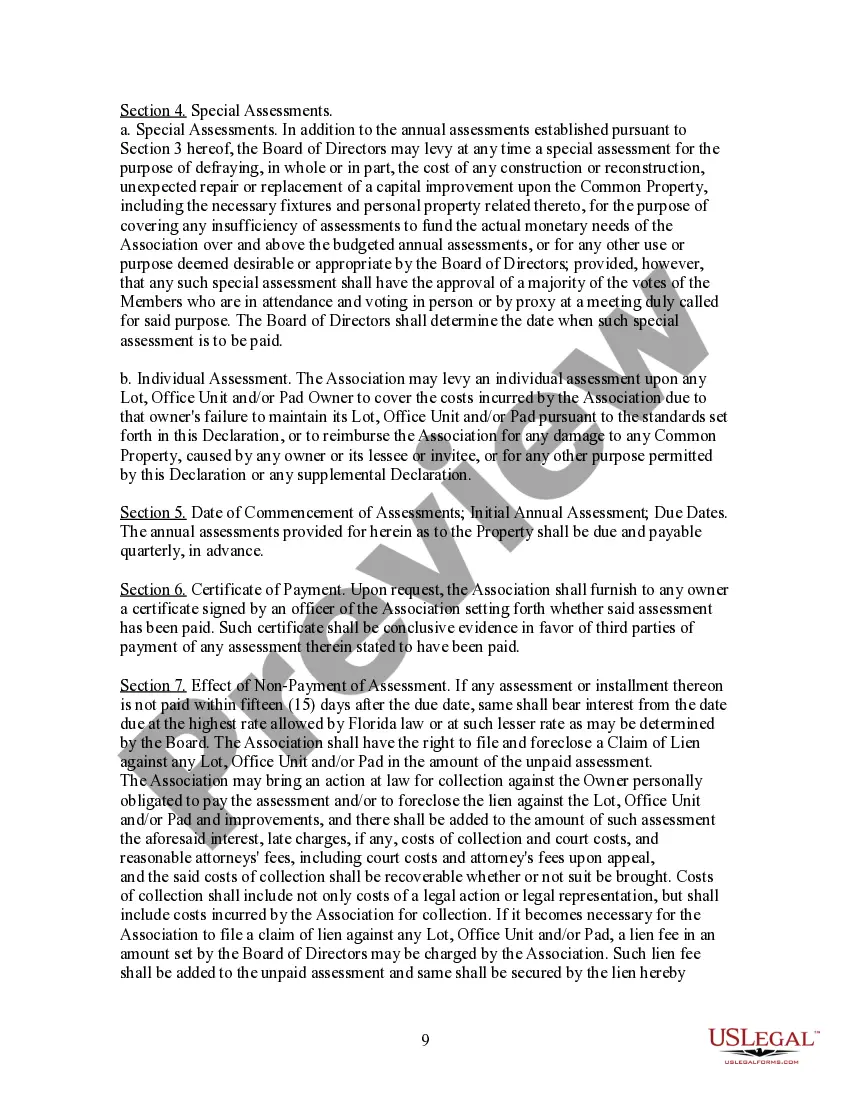
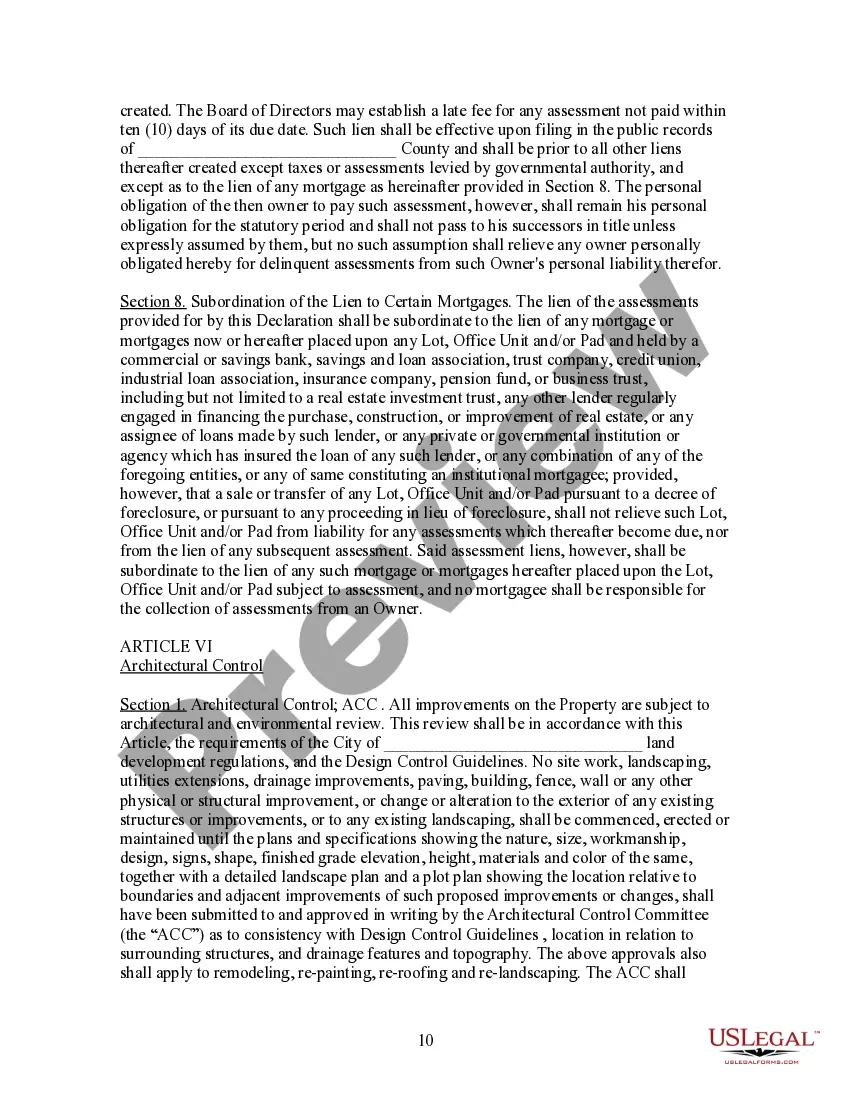
How to fill out Florida Declaration Of Covenant And Conditions Of A Subdivision?
Finding a reliable venue to obtain the latest and pertinent legal templates is a significant part of navigating bureaucracy.
Selecting the correct legal documents requires precision and diligence, which is why it is crucial to obtain samples of the Declaration Covenant Of For Climate And Energy exclusively from reputable sources, such as US Legal Forms. An incorrect template can squander your time and delay your situation.
Eliminate the hassle associated with your legal paperwork. Explore the extensive US Legal Forms collection where you can discover legal templates, verify their relevance to your situation, and download them immediately.
- Utilize the catalog navigation or search bar to find your template.
- Examine the form’s details to verify if it meets the criteria for your state and locality.
- Inspect the form preview, if accessible, to confirm that it is the document you seek.
- Return to the search and look for the suitable document if the Declaration Covenant Of For Climate And Energy does not meet your requirements.
- Once you are confident about the form’s pertinence, download it.
- If you are an authorized user, click Log in to verify and access your chosen forms in My documents.
- If you do not have an account yet, click Buy now to acquire the template.
- Select the pricing package that aligns with your needs.
- Proceed to the registration to complete your transaction.
- Conclude your purchase by selecting a payment method (credit card or PayPal).
- Choose the file format for downloading the Declaration Covenant Of For Climate And Energy.
- Once you have the form on your device, you can edit it in the editor or print it to fill out manually.
Form popularity
FAQ
The Paris Agreement is indeed a legally binding international treaty, but its specific targets and commitments vary by country. Each nation sets its own goals, promoting flexibility while fostering accountability. The Declaration covenant of for climate and energy plays a key role in encouraging nations to fulfill their commitments within this framework. Ultimately, the success of this agreement depends on collaboration and commitment from all parties involved.
COP28, like previous COP meetings, facilitates discussions on global climate issues rather than creating binding obligations. The decisions made during these conferences aim to guide countries in taking voluntary actions toward climate goals. The Declaration covenant of for climate and energy is one of the frameworks that can help nations implement solutions discussed during COP28. Participation in these negotiations is paramount to collective climate efforts.
Declaring a climate emergency can be a straightforward yet impactful decision for local governments or organizations. It typically involves adopting a formal resolution that recognizes the urgency of addressing climate change. The Declaration covenant of for climate and energy can guide entities in framing their declaration and developing action plans. This act can mobilize funding and resources for necessary climate initiatives.
COP28 has faced criticism on several fronts, particularly regarding the effectiveness of outcomes and representation. Critics argue that negotiations often lack enforceable measures and fail to address the needs of vulnerable communities. The Declaration covenant of for climate and energy emphasizes the need for meaningful outcomes that reflect the urgency of climate action. Engaging various stakeholders can improve the legitimacy and effectiveness of COP decisions.
The Covenant of Mayors for Climate and Energy is an initiative aimed at enhancing local governments' commitment to climate action. This alliance promotes voluntary commitments to reduce emissions and increase energy efficiency. By signing this covenant, cities align with the Declaration covenant of for climate and energy, gaining access to resources and support for implementing sustainable practices. It empowers municipalities to take initiative in shaping their climate futures.
The COP28 Declaration on climate and Health is a significant step towards recognizing the vital connection between public health and climate action. However, it is not legally binding like some international treaties. The Declaration covenant of for climate and energy encourages voluntary commitments from countries to address health impacts related to climate change. Countries can adopt the principles, but enforcement relies on political will and collaboration.
The Paris Agreement emphasizes commitments to limit global warming and reduce greenhouse gas emissions. While the targets are nationally determined, the Declaration covenant of for climate and energy highlights the importance of fulfilling these pledges. Countries are bound to report their progress and update their commitments every five years. This framework promotes transparency and accountability in global climate action.
Climate disclosure is becoming increasingly essential, although it is not universally mandatory in the United States. Various regulations and frameworks push organizations to report their climate risks and strategies. The Declaration covenant of for climate and energy advocates for rigorous transparency, encouraging entities to voluntarily disclose their climate-related impacts. Businesses and governments benefit by demonstrating accountability and earning public trust.