Florida Condo Rules And Regulations
Description
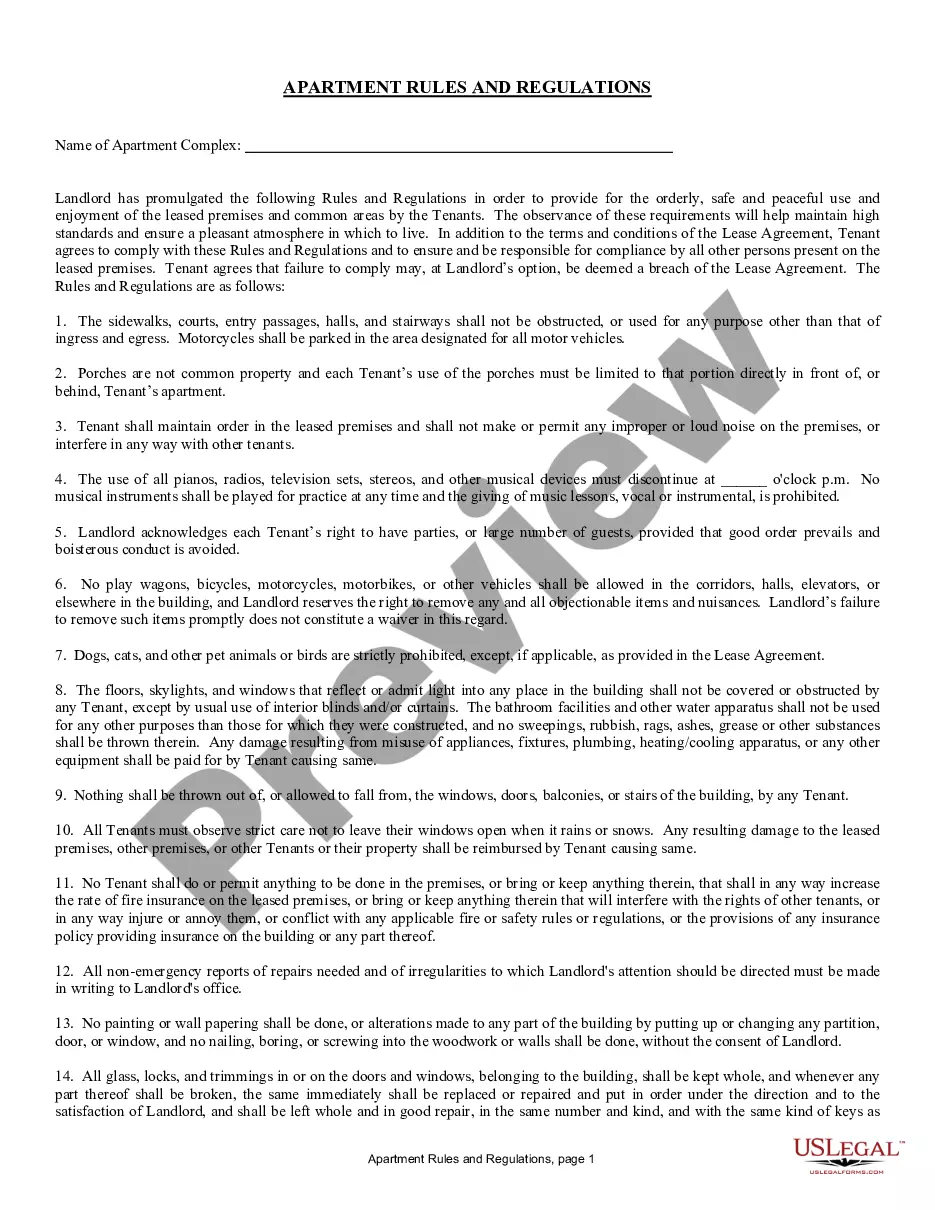
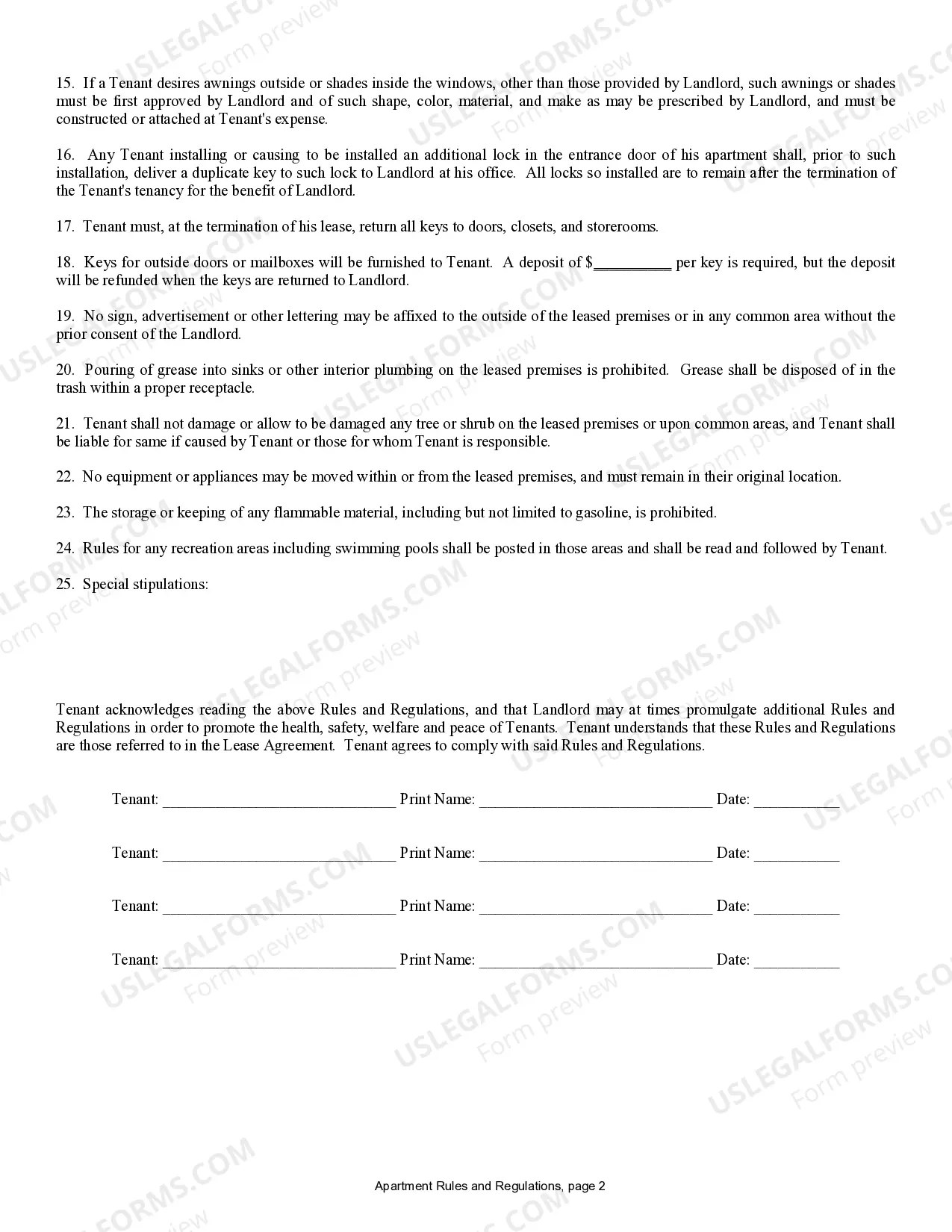
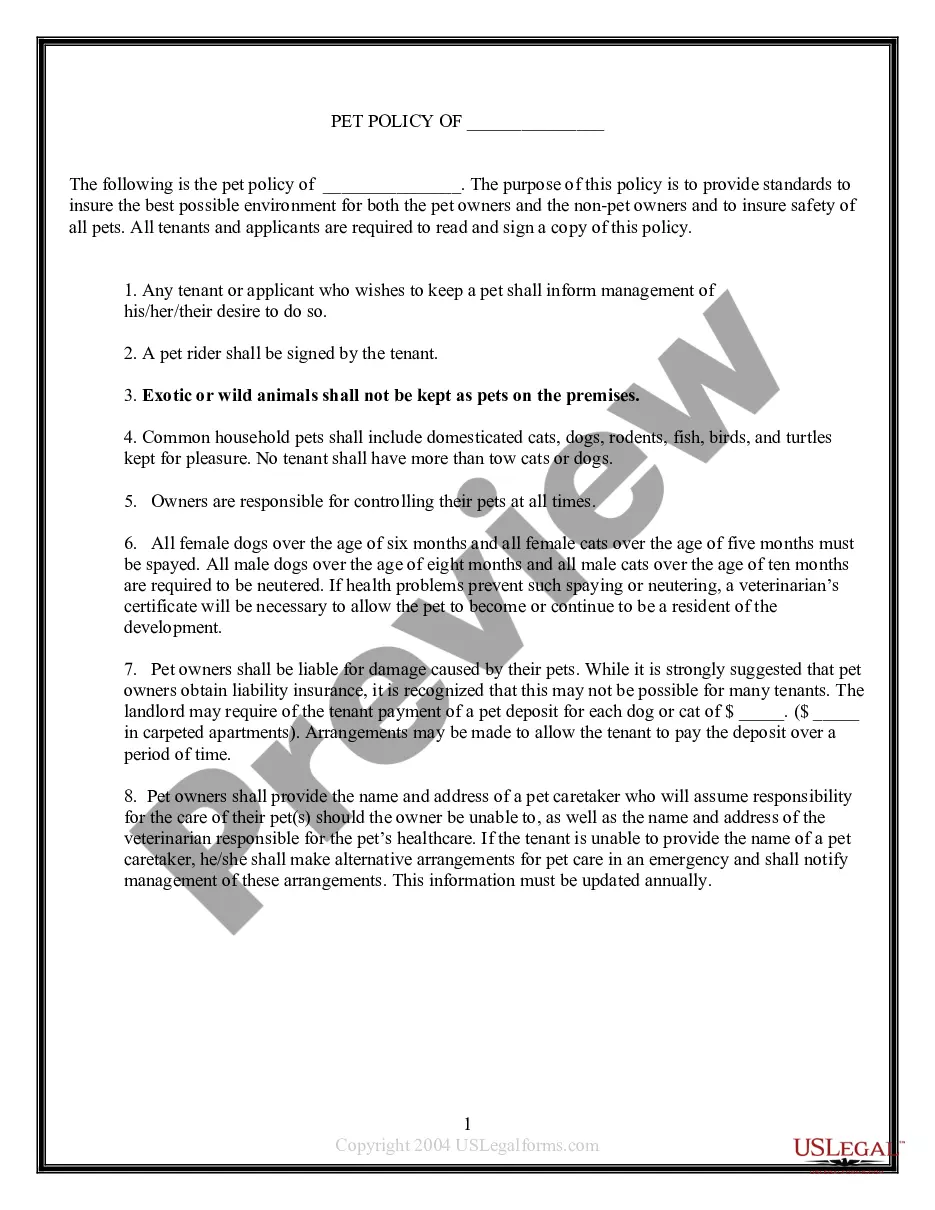
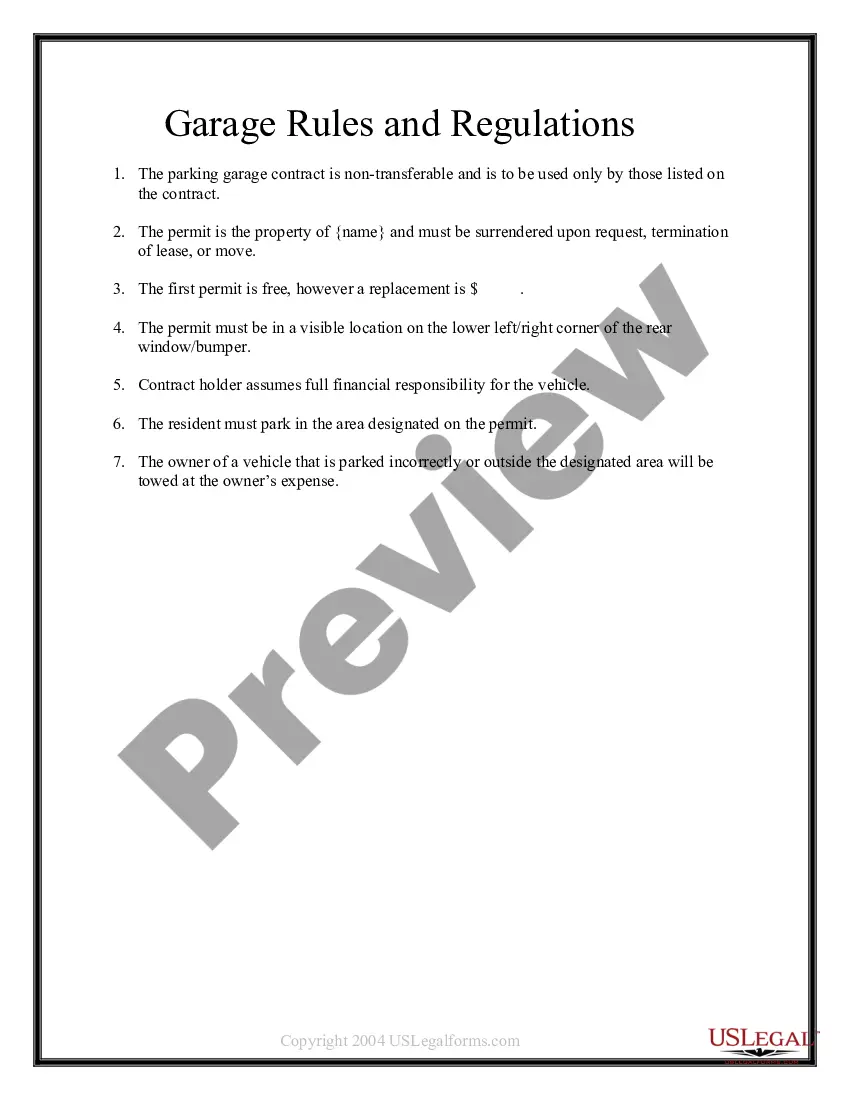
Get your form ready online
Our built-in tools help you complete, sign, share, and store your documents in one place.
Make edits, fill in missing information, and update formatting in US Legal Forms—just like you would in MS Word.
Download a copy, print it, send it by email, or mail it via USPS—whatever works best for your next step.
Sign and collect signatures with our SignNow integration. Send to multiple recipients, set reminders, and more. Go Premium to unlock E-Sign.
If this form requires notarization, complete it online through a secure video call—no need to meet a notary in person or wait for an appointment.
We protect your documents and personal data by following strict security and privacy standards.

Make edits, fill in missing information, and update formatting in US Legal Forms—just like you would in MS Word.

Download a copy, print it, send it by email, or mail it via USPS—whatever works best for your next step.

Sign and collect signatures with our SignNow integration. Send to multiple recipients, set reminders, and more. Go Premium to unlock E-Sign.

If this form requires notarization, complete it online through a secure video call—no need to meet a notary in person or wait for an appointment.

We protect your documents and personal data by following strict security and privacy standards.
Looking for another form?

How to fill out Florida Apartment Rules And Regulations?
It’s widely known that you can’t transform into a legal expert instantaneously, nor can you easily learn how to swiftly compile Florida Condo Rules And Regulations without a specialized background.
Assembling legal documents is a labor-intensive task that requires specific education and expertise. So why not entrust the development of the Florida Condo Rules And Regulations to the experts.
With US Legal Forms, one of the largest legal template repositories, you can obtain everything from court documents to templates for internal business communication. We recognize how vital adherence to federal and state laws and regulations is.
You can regain access to your forms from the My documents tab at any time. If you’re an existing client, you can simply Log In and find and download the template from the same tab.
Regardless of the purpose of your forms—whether they are financial and legal, or personal—our platform has you covered. Try US Legal Forms today!
- Locate the document you require by utilizing the search bar at the top of the page.
- Preview it (if this option is available) and review the accompanying description to ascertain whether Florida Condo Rules And Regulations is what you need.
- Restart your search if you require a different template.
- Create a free account and select a subscription plan to acquire the form.
- Select Buy now. Once the purchase is completed, you can obtain the Florida Condo Rules And Regulations, fill it out, print it, and send or mail it to the appropriate individuals or organizations.
Form popularity
FAQ
The new law for condos in Florida focuses on enhancing transparency and protecting the rights of condo owners. It implements stricter guidelines for financial reporting and the governance of condo associations. Understanding these Florida condo rules and regulations will empower you to participate actively and responsibly in your community.
Yes, you can typically install a camera outside your condo door in Florida, but you must comply with your condo association's rules. Some Florida condo rules and regulations may restrict surveillance equipment to maintain privacy and security for all residents. It's essential to check with your association to ensure you follow the correct procedures.
The new law in Florida for condos in 2025 introduces updated regulations aimed at improving safety and accountability within condo associations. Key changes may include stricter requirements for reserve funds and enhanced oversight of board activities. Staying informed about these Florida condo rules and regulations is crucial for current and prospective condo owners.
Condo rules are established guidelines that govern the behavior of residents within a condominium community. These rules cover various aspects, including noise levels, use of common areas, and maintenance responsibilities. Familiarizing yourself with the Florida condo rules and regulations will help ensure a harmonious living environment for all residents.
Every condo buyer should receive essential documents such as the declaration of condominium, the bylaws, and a detailed financial statement. These documents outline the Florida condo rules and regulations and provide vital information about the management and financial health of the condo association. Ensuring you have these documents can help prevent misunderstandings and protect your investment.
The new FL condo law addresses various aspects of condominium living, aiming to enhance the rights of residents and improve overall governance. It includes provisions that relate to financial transparency, maintenance responsibilities, and the ability of owners to participate in decision-making processes. Understanding these Florida condo rules and regulations can help you navigate your condo community more effectively.
Effective October 1, 2023, House Bill 919, also known as the ?Homeowners Association Bill of Rights,? introduces several provisions to the normal operations of an HOA. Board meeting notices must now include specific agenda items, except in the case of emergencies.
The Condominium Act requires all condo associations to maintain and repair structural, mechanical, plumbing and electrical elements shared between multiple units, including the building's roofing and exterior walls. The act also requires condo associations to carry primary coverage for damage to these common elements.
It allows buildings that reach 30 years of age after July 1, 2022 but before December 31, 2024 an extra year to complete their milestone inspections and Structural Integrity Reserve Studies (SIRS).
So starting in 2025, new Florida state law will require condo boards of buildings that are three stories or higher to set aside money to cover the cost of future major repairs, not for cosmetic stuff like new carpet, paint, lobbies, and you know, stuff like that.