Florida Apartment Regulations With Private Pool
Description
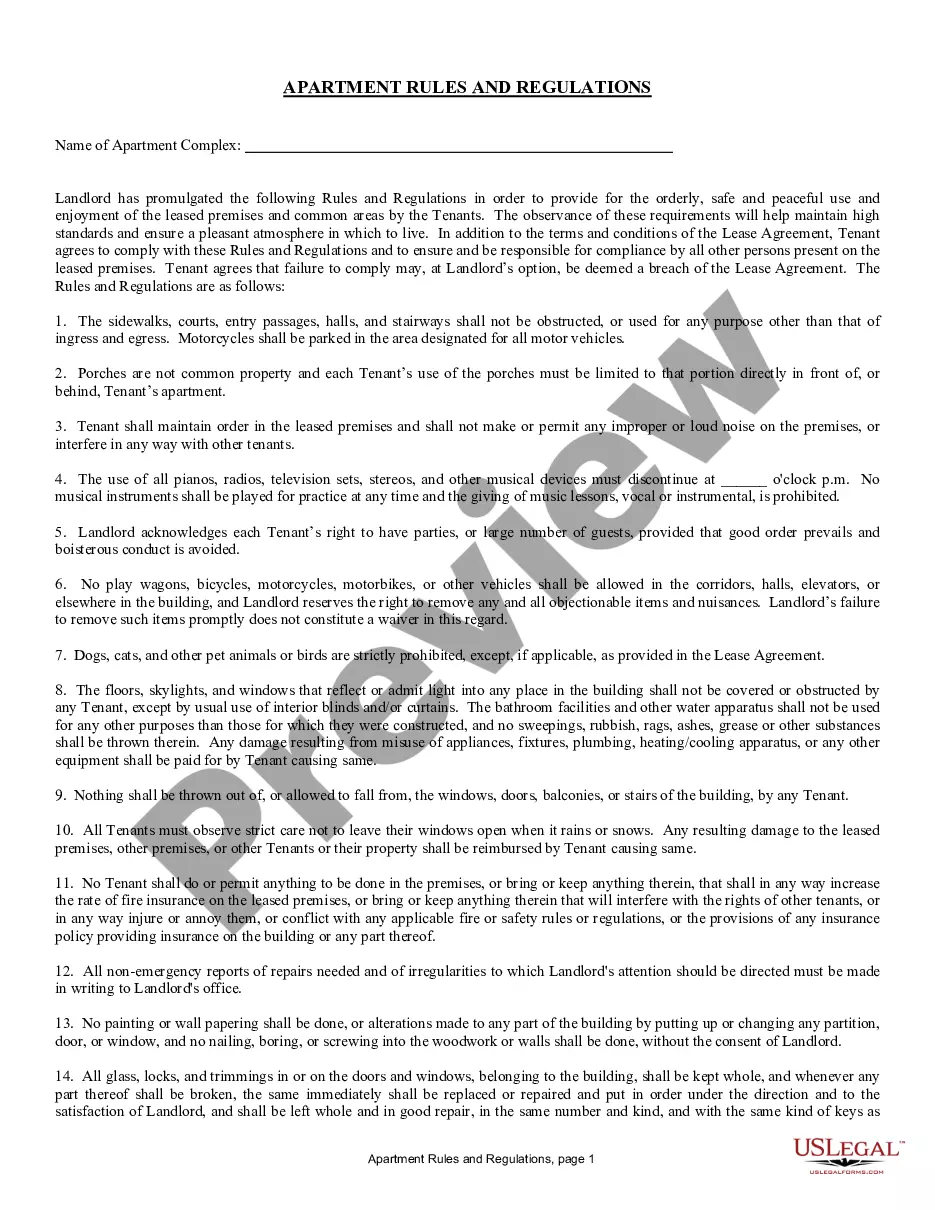
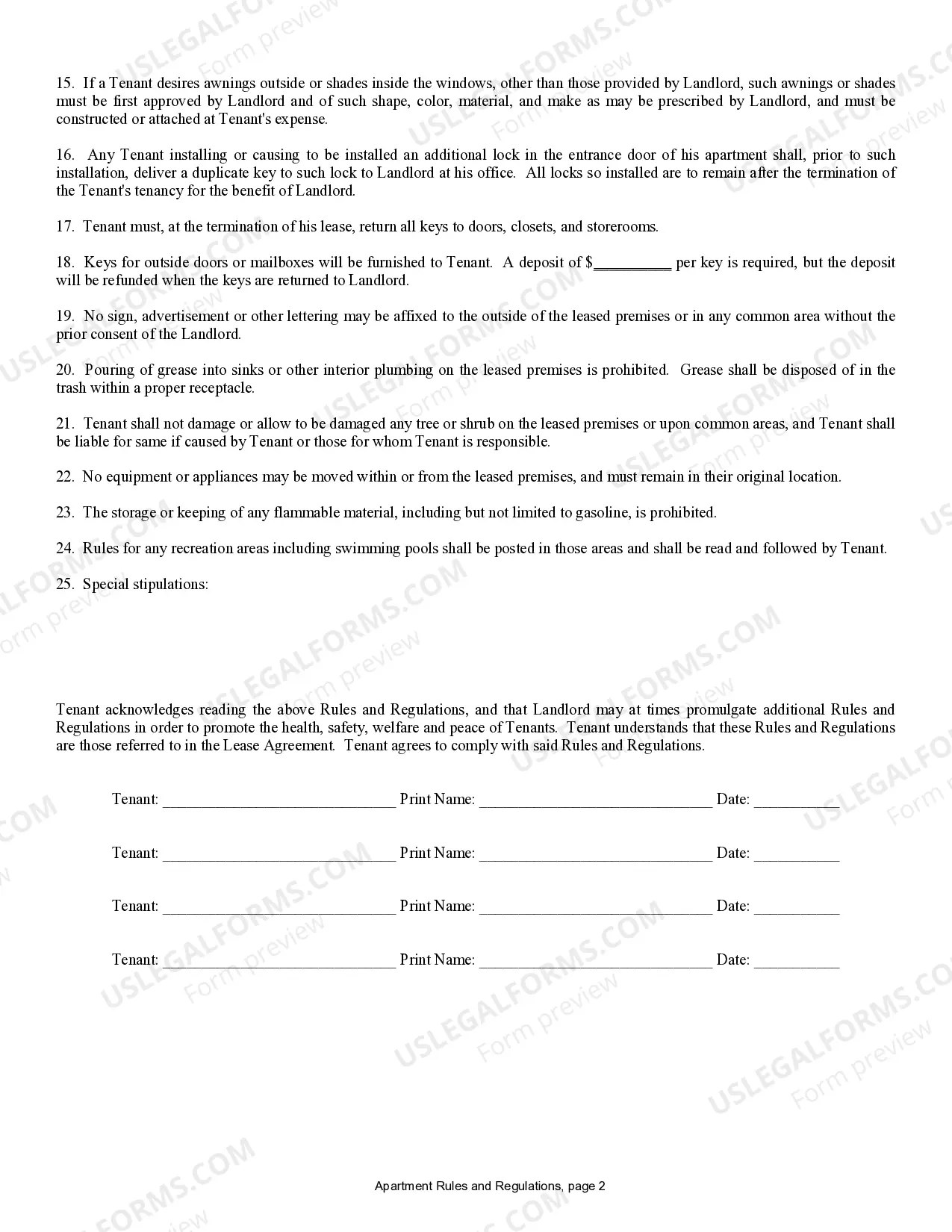
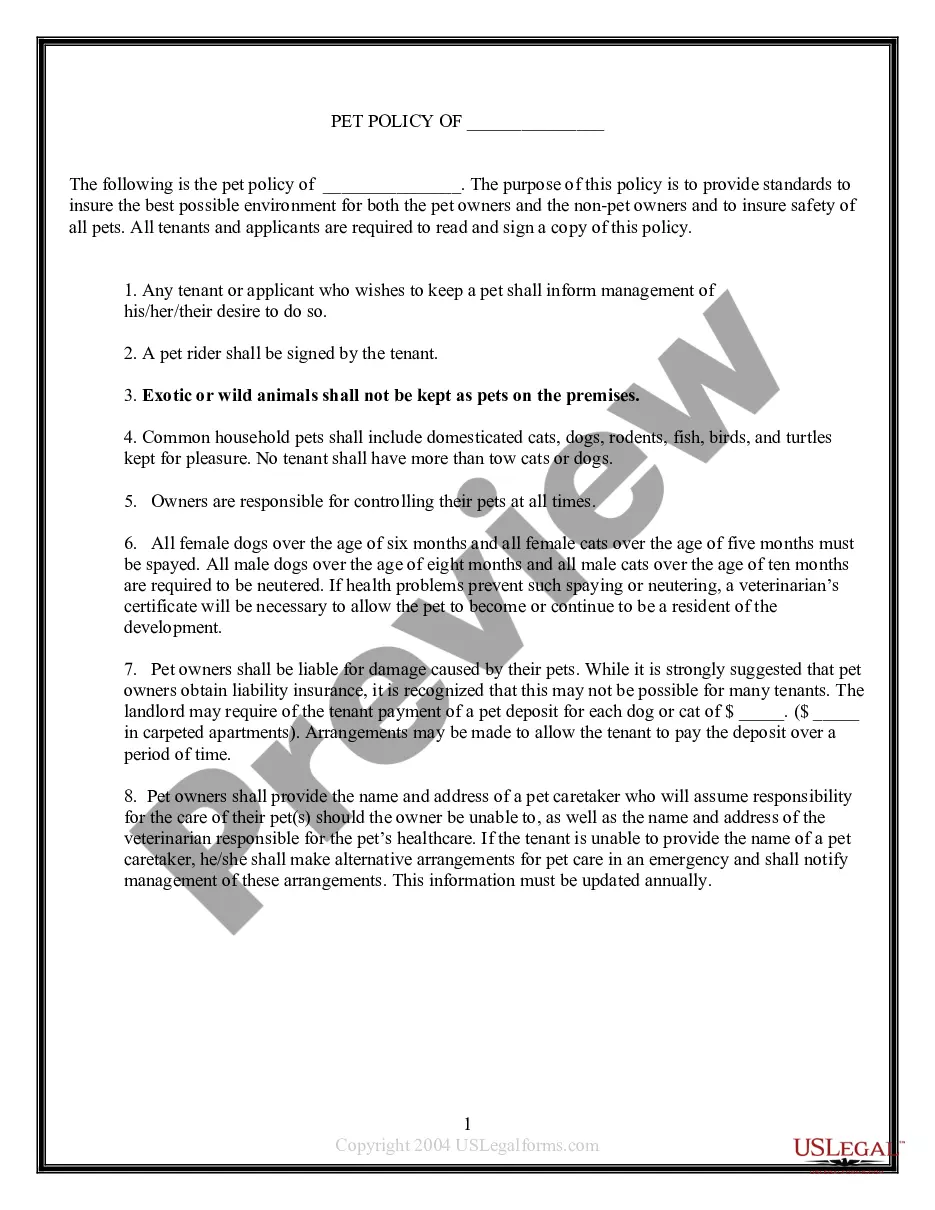
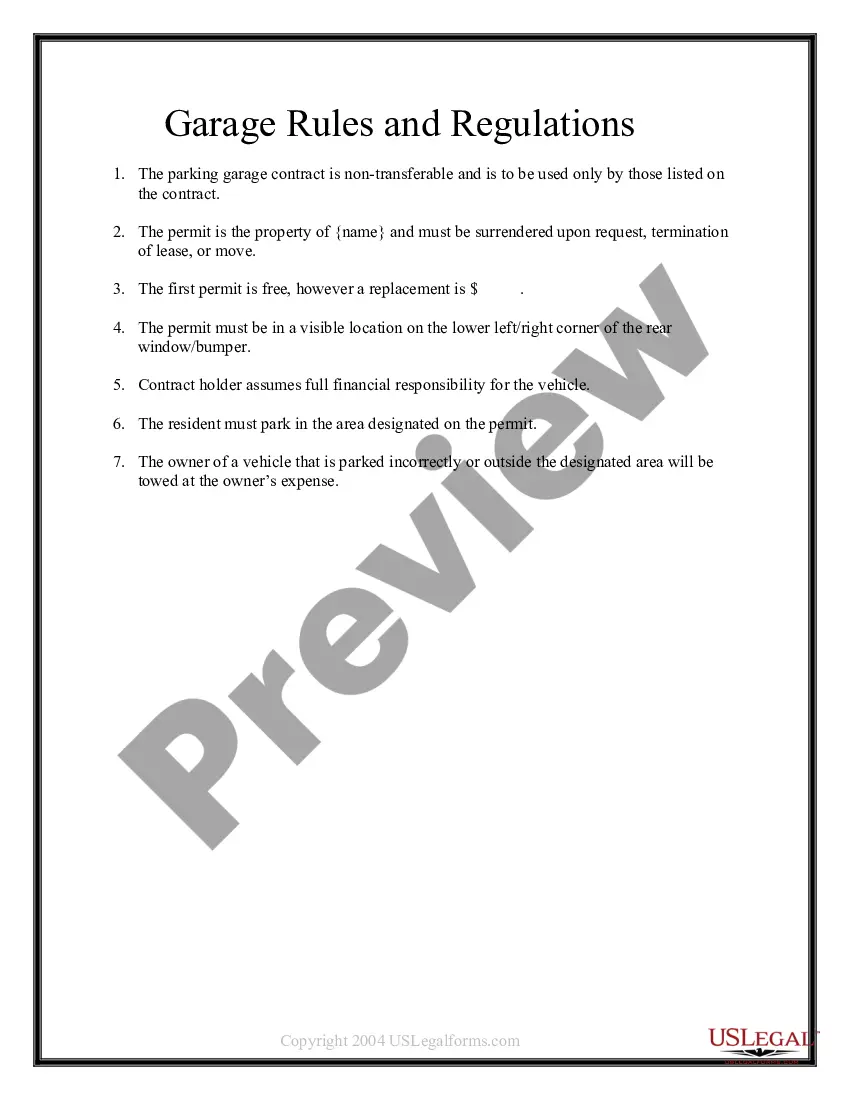
Get your form ready online
Our built-in tools help you complete, sign, share, and store your documents in one place.
Make edits, fill in missing information, and update formatting in US Legal Forms—just like you would in MS Word.
Download a copy, print it, send it by email, or mail it via USPS—whatever works best for your next step.
Sign and collect signatures with our SignNow integration. Send to multiple recipients, set reminders, and more. Go Premium to unlock E-Sign.
If this form requires notarization, complete it online through a secure video call—no need to meet a notary in person or wait for an appointment.
We protect your documents and personal data by following strict security and privacy standards.

Make edits, fill in missing information, and update formatting in US Legal Forms—just like you would in MS Word.

Download a copy, print it, send it by email, or mail it via USPS—whatever works best for your next step.

Sign and collect signatures with our SignNow integration. Send to multiple recipients, set reminders, and more. Go Premium to unlock E-Sign.

If this form requires notarization, complete it online through a secure video call—no need to meet a notary in person or wait for an appointment.

We protect your documents and personal data by following strict security and privacy standards.
Looking for another form?

How to fill out Florida Apartment Rules And Regulations?
The Florida Apartment Rules With Private Pool displayed on this page is a versatile legal template crafted by expert attorneys in compliance with federal and state laws.
For over 25 years, US Legal Forms has supplied individuals, enterprises, and legal practitioners with more than 85,000 authenticated, state-specific documents for any business and personal event. It’s the fastest, simplest, and most trustworthy method to acquire the documents you require, as the service ensures the utmost level of data security and anti-malware safeguards.
Subscribe to US Legal Forms to access authenticated legal templates for all of life’s situations at your fingertips.
- Search for the document you require and examine it.
- Scan through the file you searched and preview it or verify the form description to ensure it meets your requirements. If it doesn’t, utilize the search bar to find the correct one. Click Buy Now when you have found the template you need.
- Select and Log In.
- Pick the pricing plan that fits you and sign up for an account. Use PayPal or a credit card for a quick payment. If you already have an account, Log In and check your subscription to continue.
- Acquire the editable template.
- Choose the format you prefer for your Florida Apartment Rules With Private Pool (PDF, Word, RTF) and save the sample onto your device.
- Fill out and sign the documents.
- Print the template to fill it out by hand. Alternatively, use an online multifunctional PDF editor to swiftly and accurately complete and sign your form with an eSignature.
- Re-download your documents.
- Utilize the same document again whenever necessary. Access the My documents tab in your profile to redownload any previously acquired forms.
Form popularity
FAQ
The new pool law in Florida introduces updated safety measures and maintenance guidelines for residential pools, enhancing the protection of residents in Florida apartments with private pools. This includes stricter requirements for barrier installations and safety equipment. Keeping up-to-date with these changes is important for property owners, as it ensures compliance and fosters a safe swimming environment for everyone.
Florida has specific rules governing residential pools, including requirements for fencing, pool alarms, and proper signage to enhance safety. These rules apply to all private pools in Florida apartments, ensuring that residents and their guests can enjoy the amenities without undue risk. Staying informed about these regulations is vital for property owners to maintain compliance and protect users.
Yes, you can rent out your private swimming pool, but you must adhere to local regulations and safety standards, including those outlined in Florida apartment regulations with private pool. It's essential to check with your local authorities and ensure your pool is compliant with safety laws. Platforms like USLegalForms can assist you in navigating the necessary permits and documentation for renting out your pool.
The 515.29 law in Florida pertains to the maintenance and safety regulations for swimming pools in residential settings, including apartments with private pools. It outlines requirements for pool barriers, safety signs, and equipment to reduce the risk of accidents. Familiarizing yourself with this law can help ensure that your property meets state standards and keeps residents safe.
The Florida Swimming Pool Act establishes safety standards for residential swimming pools, including those in Florida apartments with private pools. This law aims to protect residents and guests by ensuring proper fencing, safety devices, and maintenance practices. Understanding this act is crucial for anyone managing or renting a property with a private pool, as it sets the legal framework for compliance.
Florida pool rules encompass various safety and operational guidelines designed to protect users and maintain the facility. These rules often include stipulations related to fencing, signage, and maintenance, aligning with Florida apartment regulations with private pool. To navigate these rules effectively, consider using platforms like USLegalForms, which can provide you with the necessary documents and information to ensure compliance and enhance your pool's safety and enjoyment.
Yes, Florida law requires that any residential pool, including those in apartments, must have a barrier to prevent unauthorized access. This means that a fence or other approved enclosure is typically mandatory as part of Florida apartment regulations with private pool. Fencing not only helps protect children and pets but also ensures compliance with safety standards, giving you peace of mind as a property owner or resident.
In Florida, a private pool refers to a swimming facility that is intended for the exclusive use of residents or guests of a particular property, such as an apartment. These pools are typically not open to the general public and must comply with specific Florida apartment regulations with private pool. Understanding these definitions can help you ensure that your pool meets all necessary legal requirements while providing a safe and enjoyable experience.
In Florida, the Department of Health oversees pool regulations, ensuring safety and sanitation in public and private pools. This includes compliance with Florida apartment regulations with private pool, which mandate specific safety measures. Homeowners should familiarize themselves with these regulations to avoid penalties. For assistance in understanding these rules, US Legal Forms offers resources that can simplify this process and help you stay compliant.
Yes, in most cases, a homeowners association (HOA) must approve any pool installation in accordance with Florida apartment regulations with private pool. This approval process ensures that the pool meets community standards and safety requirements. It is important to review your HOA's specific rules and guidelines before proceeding with any pool construction. You may also consider using platforms like US Legal Forms to obtain the necessary documents for compliance.