Florida Apartment Regulations With Air Conditioning
Description
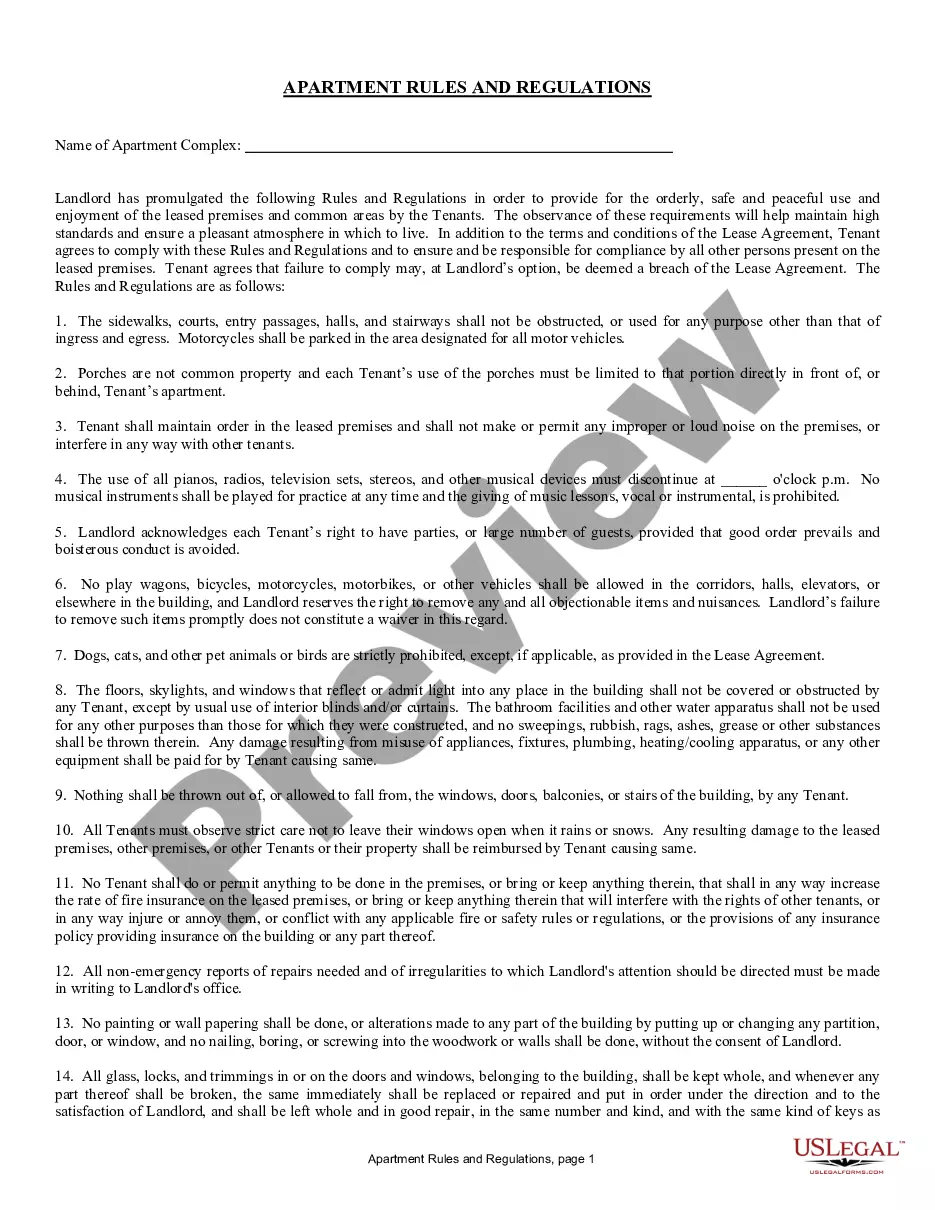
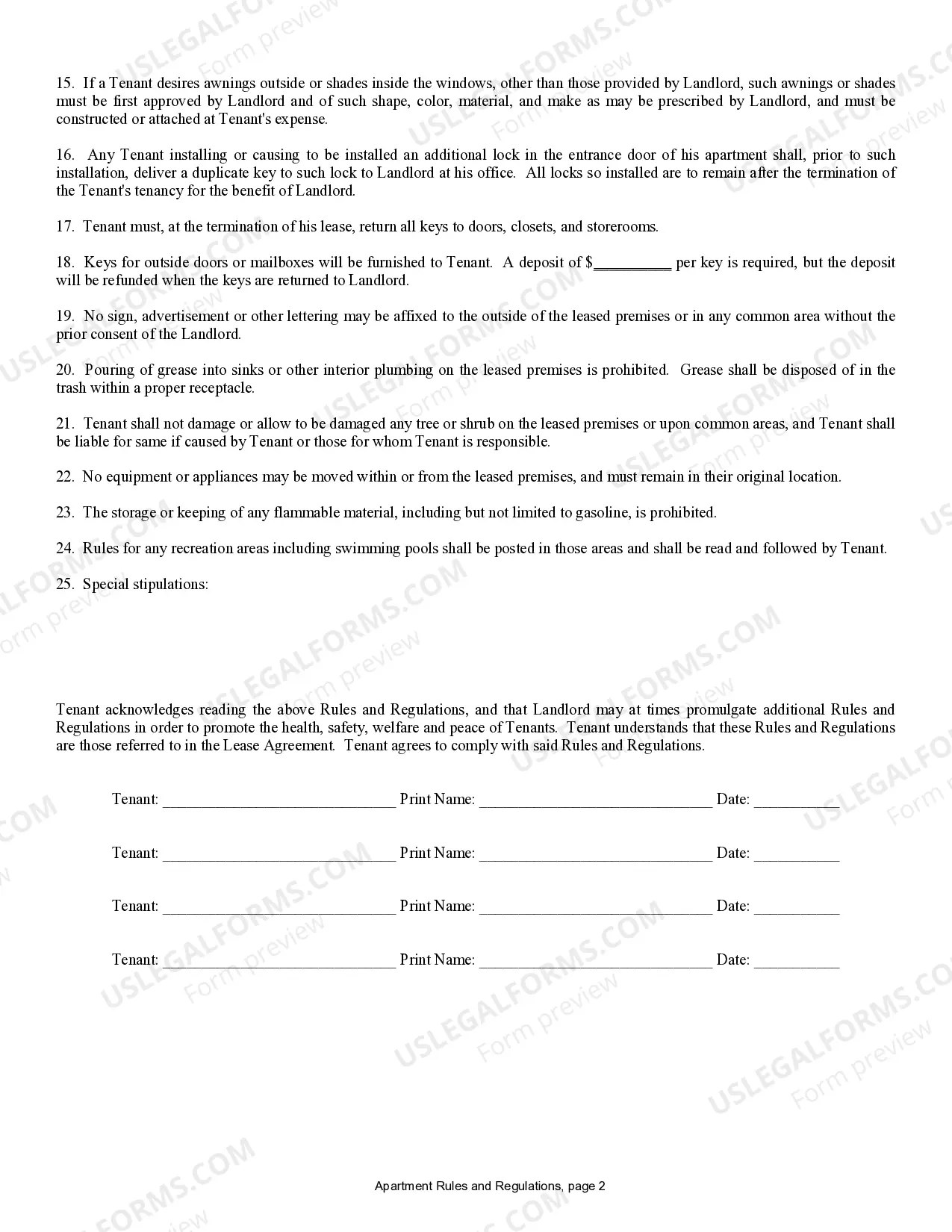
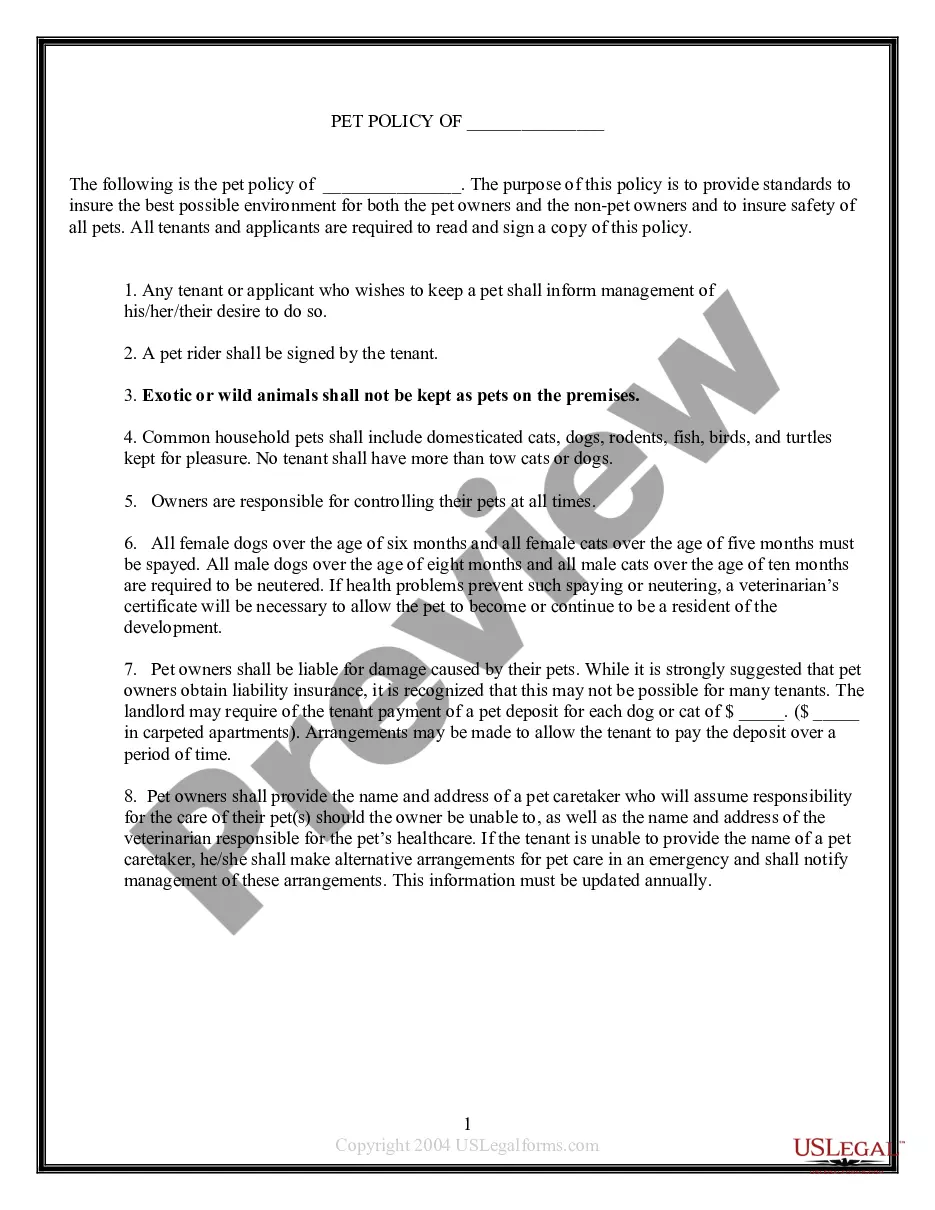
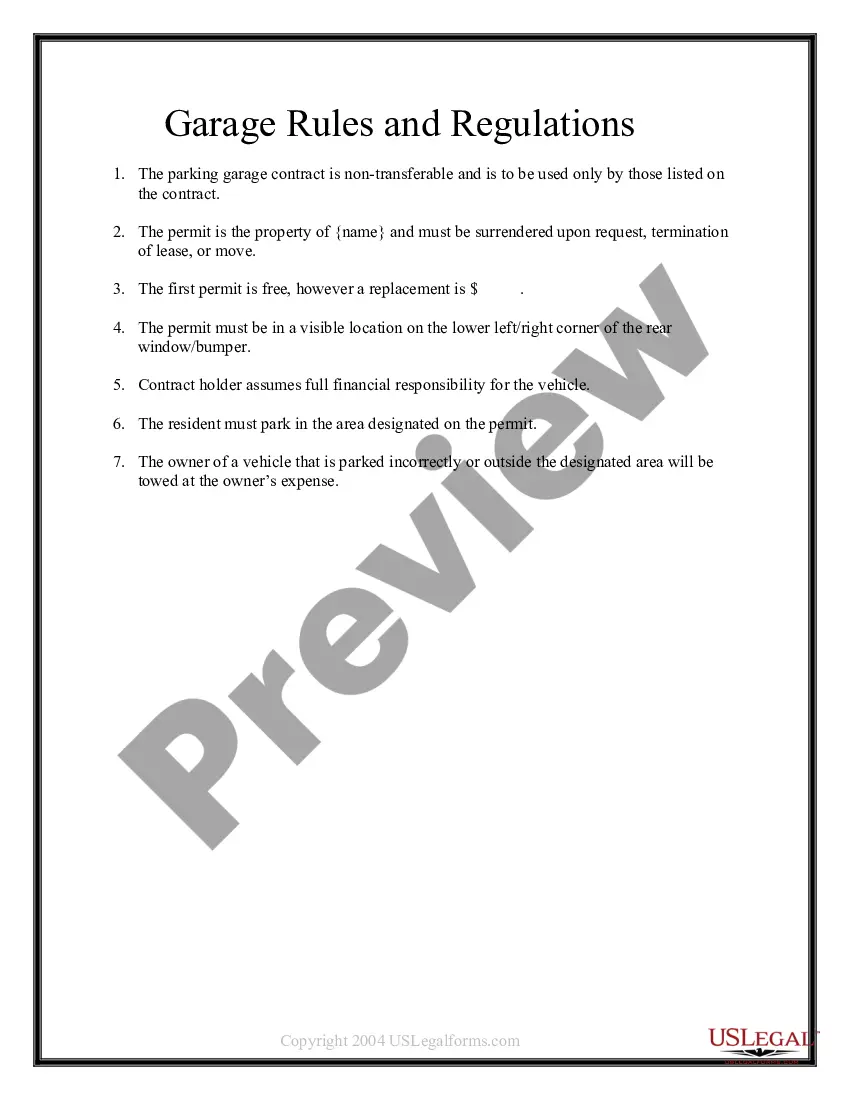
Get your form ready online
Our built-in tools help you complete, sign, share, and store your documents in one place.
Make edits, fill in missing information, and update formatting in US Legal Forms—just like you would in MS Word.
Download a copy, print it, send it by email, or mail it via USPS—whatever works best for your next step.
Sign and collect signatures with our SignNow integration. Send to multiple recipients, set reminders, and more. Go Premium to unlock E-Sign.
If this form requires notarization, complete it online through a secure video call—no need to meet a notary in person or wait for an appointment.
We protect your documents and personal data by following strict security and privacy standards.

Make edits, fill in missing information, and update formatting in US Legal Forms—just like you would in MS Word.

Download a copy, print it, send it by email, or mail it via USPS—whatever works best for your next step.

Sign and collect signatures with our SignNow integration. Send to multiple recipients, set reminders, and more. Go Premium to unlock E-Sign.

If this form requires notarization, complete it online through a secure video call—no need to meet a notary in person or wait for an appointment.

We protect your documents and personal data by following strict security and privacy standards.
Looking for another form?








How to fill out Florida Apartment Rules And Regulations?
Regardless of whether it is for professional reasons or personal affairs, everyone must confront legal issues at some point in their lives.
Filling out legal documents necessitates meticulous attention, beginning with selecting the correct form template. For example, if you choose an incorrect version of the Florida Apartment Regulations With Air Conditioning, it will be rejected once submitted. Thus, it is crucial to obtain a reliable source of legal documents like US Legal Forms.
With an extensive US Legal Forms catalog available, you do not need to waste time searching for the correct template across the web. Utilize the library’s straightforward navigation to find the appropriate template for any circumstance.
- Obtain the template you require by using the search bar or browsing the catalog.
- Review the form’s description to confirm it aligns with your situation, state, and area.
- Click on the form’s preview to inspect it.
- If it is the wrong form, return to the search feature to find the Florida Apartment Regulations With Air Conditioning example you need.
- Acquire the template if it corresponds with your requirements.
- If you already possess a US Legal Forms account, simply click Log in to access previously saved templates in My documents.
- If you do not have an account yet, you can obtain the form by clicking Buy now.
- Choose the suitable pricing option.
- Complete the profile registration form.
- Select your payment method: you can utilize a credit card or PayPal account.
- Choose the file format you prefer and download the Florida Apartment Regulations With Air Conditioning.
- Once saved, you can fill out the form using editing software or print it and complete it manually.
Form popularity
FAQ
Florida has specific HVAC rules that landlords must follow to ensure tenant safety and comfort. These regulations cover installation, maintenance, and repair of air conditioning systems. Familiarizing yourself with Florida apartment regulations with air conditioning is beneficial for both tenants and landlords. If disputes arise, consider using uslegalforms to facilitate clear communication and resolution.
While Florida law does not explicitly require landlords to provide air conditioning, it does mandate that rental properties remain habitable. This often implies that landlords should offer adequate cooling solutions, especially in a state known for its heat. Understanding Florida apartment regulations with air conditioning can help tenants negotiate terms that ensure comfort. Always consult legal resources to clarify these obligations.
Recently, Florida has implemented new regulations that affect air conditioning in rental properties. These laws emphasize the importance of maintaining working air conditioning systems during the hot months. Florida apartment regulations with air conditioning now require landlords to address repairs promptly. Staying informed about these changes helps tenants understand their rights and responsibilities.
In Florida, tenants may have the right to withhold rent if the air conditioning is broken and the landlord fails to make necessary repairs. However, before taking this step, it's crucial to follow proper procedures, including notifying the landlord in writing. Florida apartment regulations with air conditioning require landlords to maintain a safe and habitable living environment. Use legal forms to document your communications and protect your rights.
Florida apartment regulations with air conditioning do not specify a set timeframe for landlords to repair a broken AC. However, landlords are expected to address significant issues like air conditioning failures in a timely manner. If the temperature is dangerously high, tenants should communicate the urgency of the situation to their landlord. If repairs are delayed, tenants may explore their rights further through resources like US Legal Forms to ensure their comfort and safety.
Generally, Florida apartment regulations with air conditioning do not require all apartments to have air conditioning units installed. However, if the lease agreement states that the apartment includes AC, then it must be provided and maintained. It's advisable for tenants to check their lease terms and understand local housing laws for additional requirements. You can also consult the US Legal Forms platform for detailed information on your rights and obligations.
Yes, a broken air conditioning unit can be considered an emergency in Florida, especially during the summer months when temperatures can be extreme. According to Florida apartment regulations with air conditioning, landlords are typically required to respond promptly to maintenance requests for essential systems like AC. If you experience a breakdown, document the issue and notify your landlord immediately to facilitate a quick resolution.
Florida apartment regulations with air conditioning do not explicitly mandate that landlords must provide air conditioning in every rental unit. However, landlords are obligated to maintain rental properties in a habitable condition, which often includes adequate cooling options. If a property is marketed as having air conditioning, the landlord must ensure it is functional. Tenants should clarify these expectations before signing a lease.
Under Florida apartment regulations with air conditioning, it is not illegal to rent an apartment without air conditioning. However, tenants should be aware that living in a space without AC can significantly affect comfort during hot months. It's important to review lease agreements and local ordinances, as some areas may have specific requirements regarding cooling. Always consider checking with local housing authorities for clarity.