Written Property Landlord With A Tenant
Description
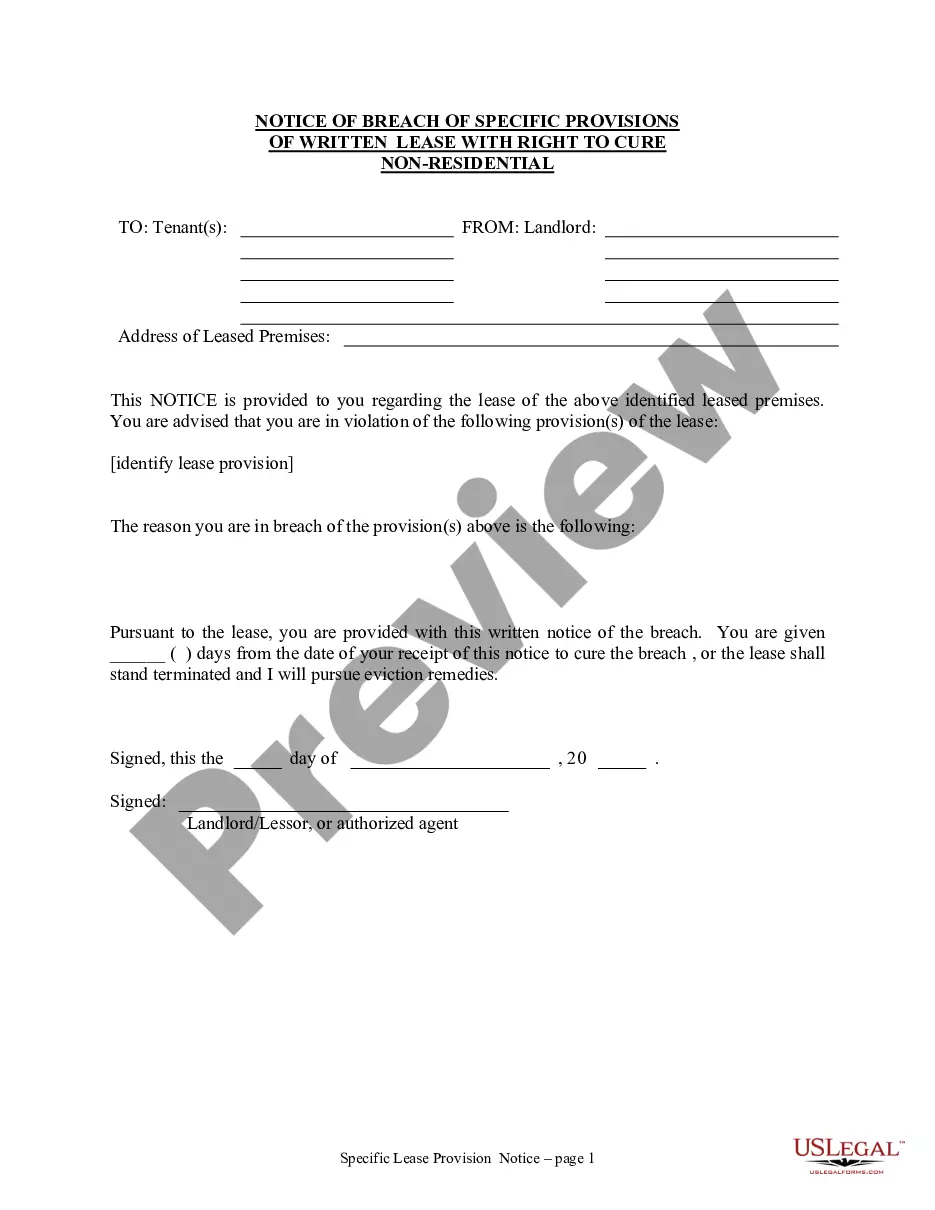
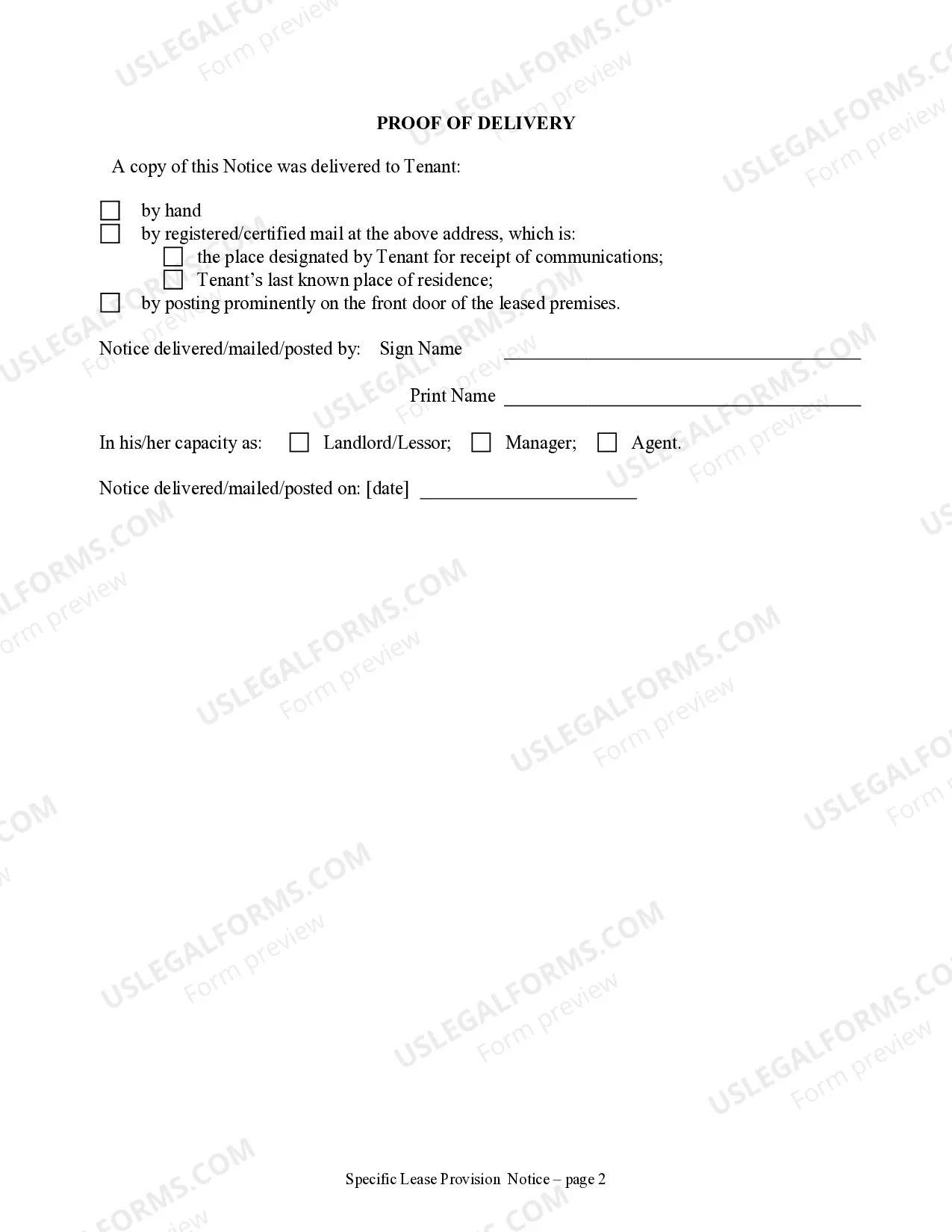


Get your form ready online
Our built-in tools help you complete, sign, share, and store your documents in one place.
Make edits, fill in missing information, and update formatting in US Legal Forms—just like you would in MS Word.
Download a copy, print it, send it by email, or mail it via USPS—whatever works best for your next step.
Sign and collect signatures with our SignNow integration. Send to multiple recipients, set reminders, and more. Go Premium to unlock E-Sign.
If this form requires notarization, complete it online through a secure video call—no need to meet a notary in person or wait for an appointment.
We protect your documents and personal data by following strict security and privacy standards.

Make edits, fill in missing information, and update formatting in US Legal Forms—just like you would in MS Word.

Download a copy, print it, send it by email, or mail it via USPS—whatever works best for your next step.

Sign and collect signatures with our SignNow integration. Send to multiple recipients, set reminders, and more. Go Premium to unlock E-Sign.

If this form requires notarization, complete it online through a secure video call—no need to meet a notary in person or wait for an appointment.

We protect your documents and personal data by following strict security and privacy standards.
Looking for another form?





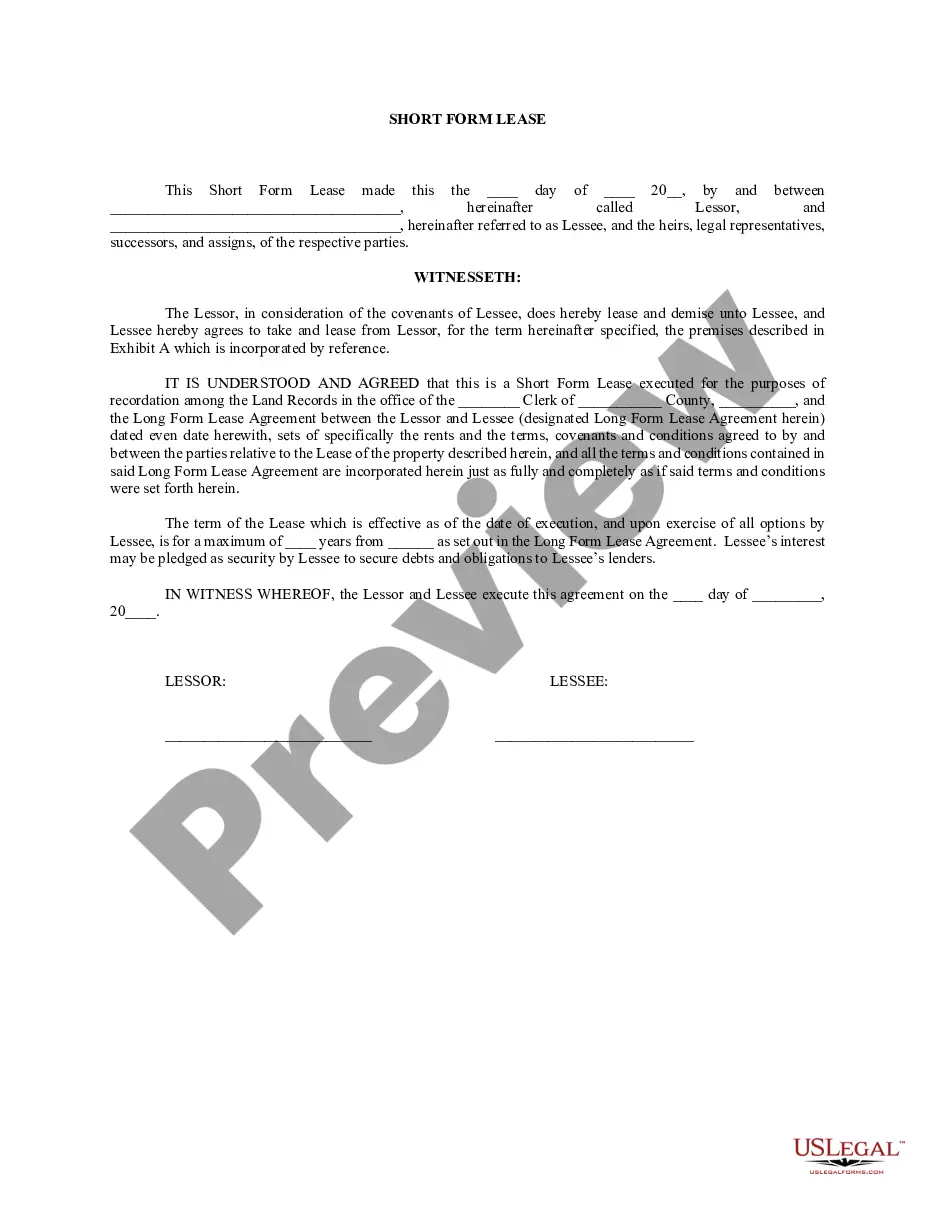




How to fill out Florida Notice Of Breach Of Written Lease For Violating Specific Provisions Of Lease With Right To Cure For Nonresidential Property From Landlord To Tenant?
- Log in to your US Legal Forms account. If you haven’t registered yet, create an account to start exploring the extensive library.
- Preview the available forms related to landlord-tenant agreements. Ensure the one you select aligns with your specific needs and jurisdiction requirements.
- If necessary, utilize the search function to find alternative forms, making sure you select the one that best matches your requirements.
- Purchase your chosen document by clicking the Buy Now button. Select a subscription plan that fits your needs for continued access to our library.
- Complete your payment via credit card or PayPal to finalize the transaction.
- Download the form and save it to your device for easy access whenever you need it. You can also find your downloaded forms under 'My Forms' in your account.
US Legal Forms not only simplifies the process of obtaining essential landlord-tenant documents but also ensures that users can create legally sound agreements with expert guidance available.
Start utilizing US Legal Forms today to streamline your legal documentation process and gain peace of mind with your landlord-tenant agreements!
Form popularity
FAQ
A notice to vacate letter should be clear and concise. Start with your intent to vacate and provide the date you plan to leave. Include any necessary details regarding your lease agreement and assure your landlord of the condition in which you will leave the property. This comprehensive approach reflects your responsibility as a written property landlord with a tenant.
In Texas, landlords cannot engage in discriminatory practices, retaliate against tenants, or violate the privacy rights of tenants. They also cannot lock tenants out or turn off utilities to force a tenant to leave. It's important to familiarize yourself with housing laws to ensure a fair and legal tenancy. Understanding these regulations benefits you as a written property landlord with a tenant.
Yes, a landlord can have two leases on the same property, usually if the property is divided into separate units. However, it's crucial to ensure that this arrangement complies with local laws and lease agreements. A well-structured plan can protect both the landlord and tenants’ rights. As a written property landlord with a tenant, you must manage these leases carefully.
Writing a notice letter to your landlord involves a straightforward structure. Begin with a formal greeting and clearly state the purpose of your letter, such as a request for repairs or an inquiry about the rental agreement. Include relevant details and your contact information to ensure effective communication. This method reflects your proactive stance as a written property landlord with a tenant.
When asking a tenant to move out, approach the situation with kindness and respect. Schedule a meeting to discuss the matter in person or write a considerate letter. Be transparent about your reasons, and offer assistance in the moving process. This way, you maintain a positive environment and uphold your role as a written property landlord with a tenant.
To write a notification letter to your landlord, begin with a clear subject line that indicates the purpose, such as 'Notice of Repairs Needed.' Start the letter with your name, address, and the date. Politely explain the issue and include any necessary details, such as the impacted area in the property. This clear communication fosters a good relationship between you as the written property landlord with a tenant.
Landlords in Illinois must follow several important rules when renting property. These include providing proper notice for entry, maintaining the premises, and promptly addressing repairs. Additionally, it's essential to respect tenant rights and avoid any form of discrimination, making it crucial to understand the laws governing rental agreements and tenant interactions.
Yes, in certain areas of Illinois, you may need a license to operate as a written property landlord with a tenant. Licensing requirements can differ by municipality, so it's critical to check local laws. Obtaining the necessary license helps ensure that your rental practices comply with local regulations and enhances your credibility as a landlord.
To be a written property landlord with a tenant, you must meet several requirements. First, ensure you have a suitable legal structure in place, such as an LLC if preferred. You should also understand your responsibilities regarding property maintenance, tenant screening, and adhering to local housing laws to effectively manage the rental property.
To effectively document your rental property as a written property landlord with a tenant, start by creating a detailed lease agreement. This document should include terms and conditions of the rental, payment details, and responsibilities for repairs. Regularly maintain records of communications, payments, and inspections to ensure clarity and prevent disputes.