Response To Eviction Notice
Description
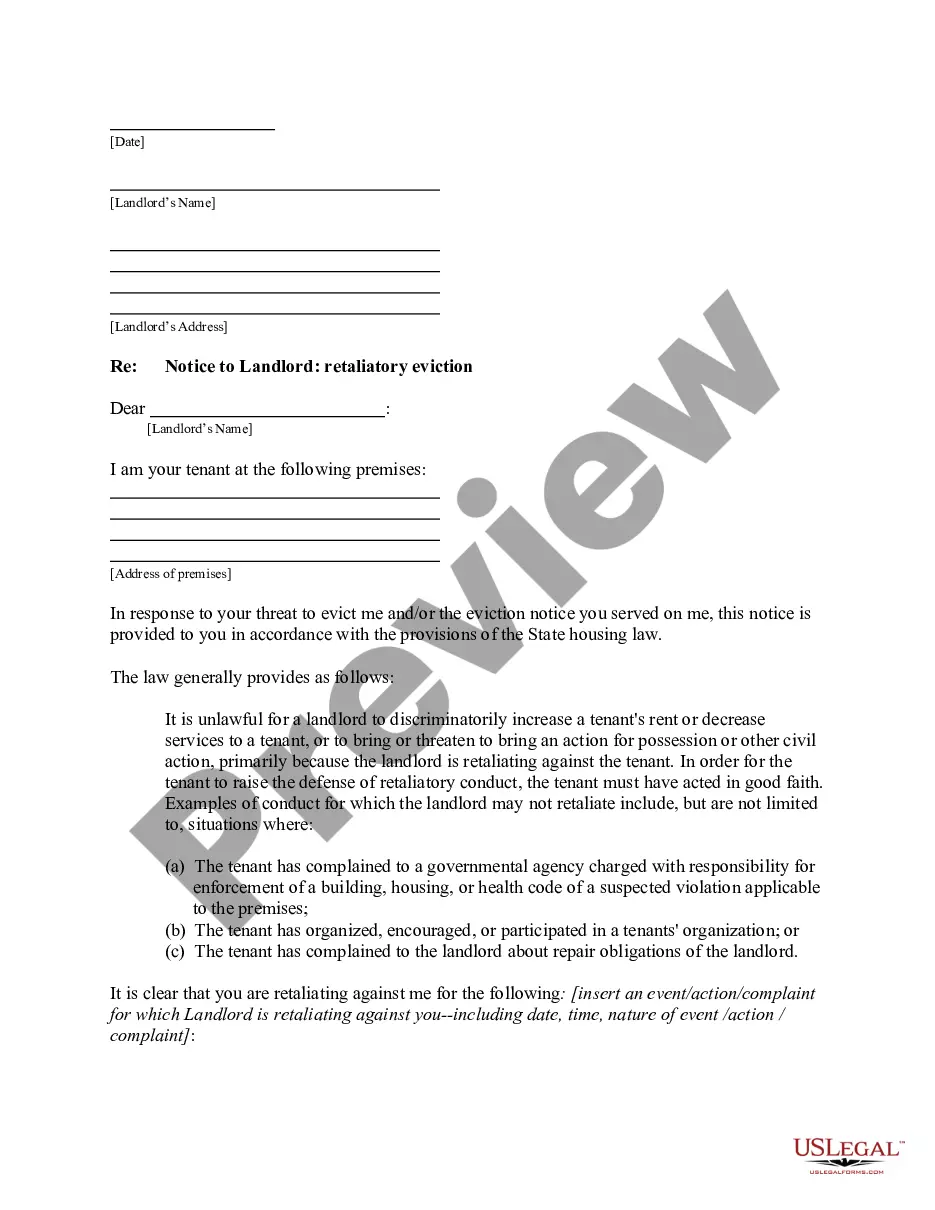
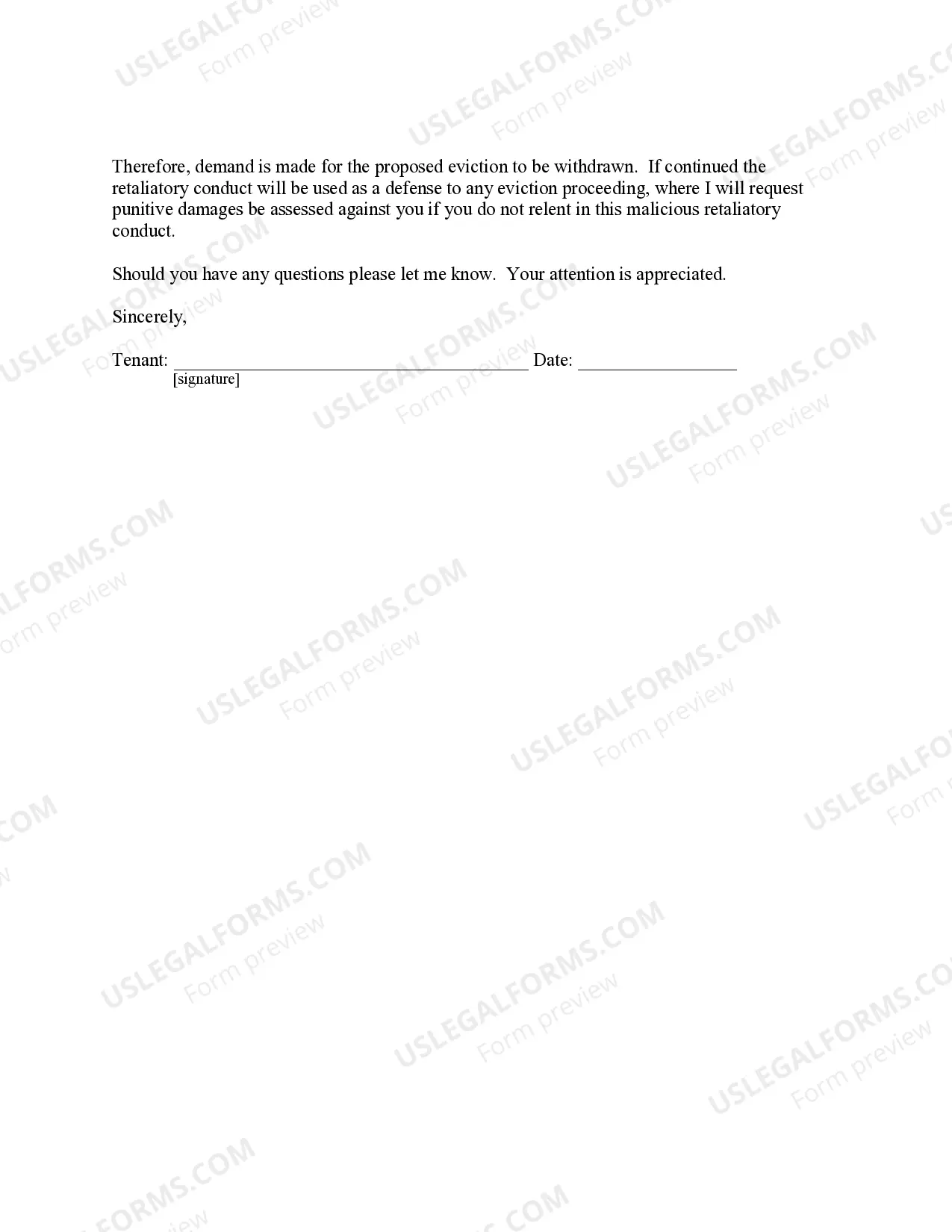
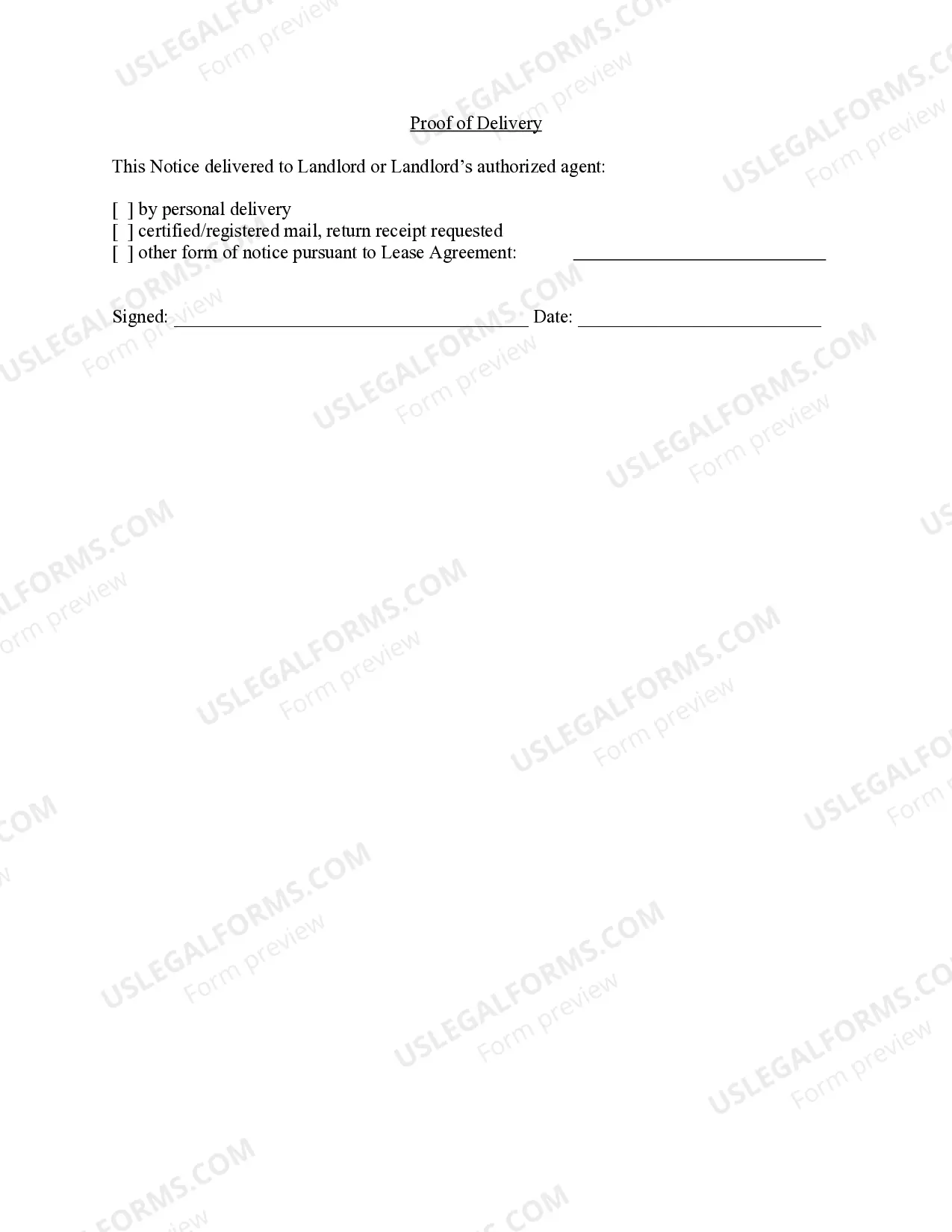

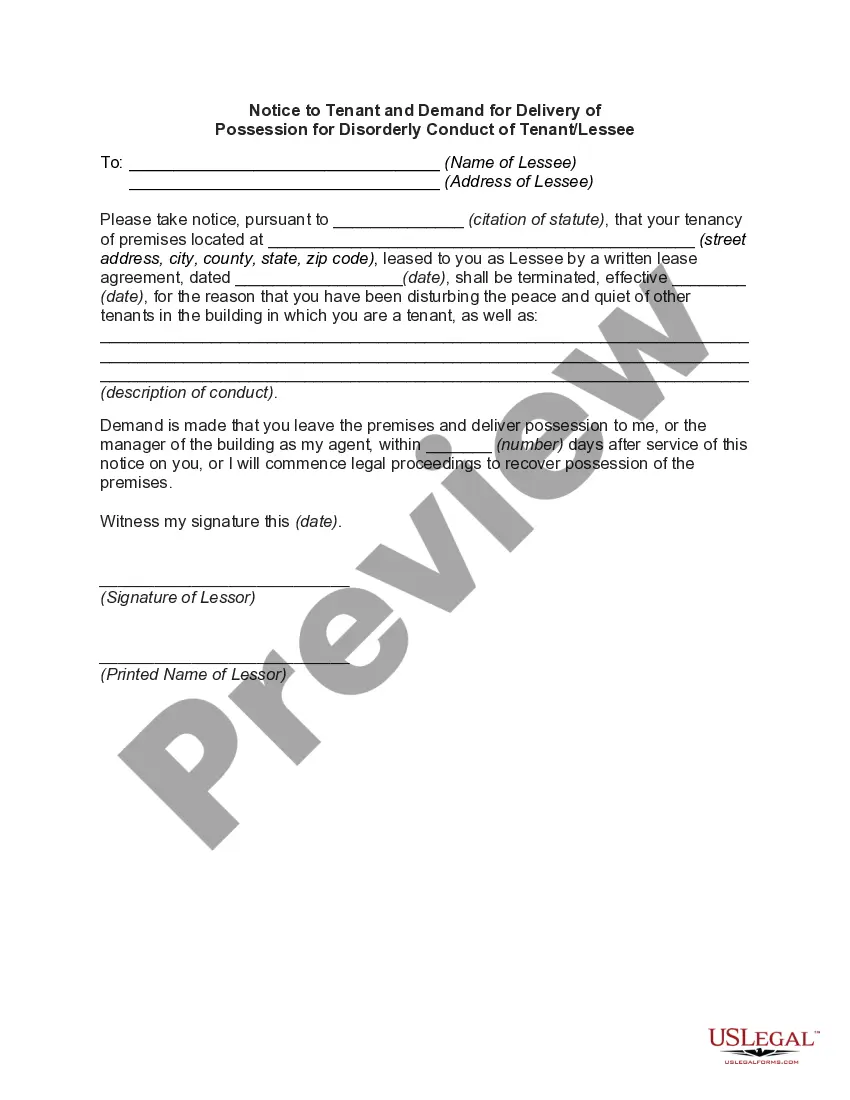
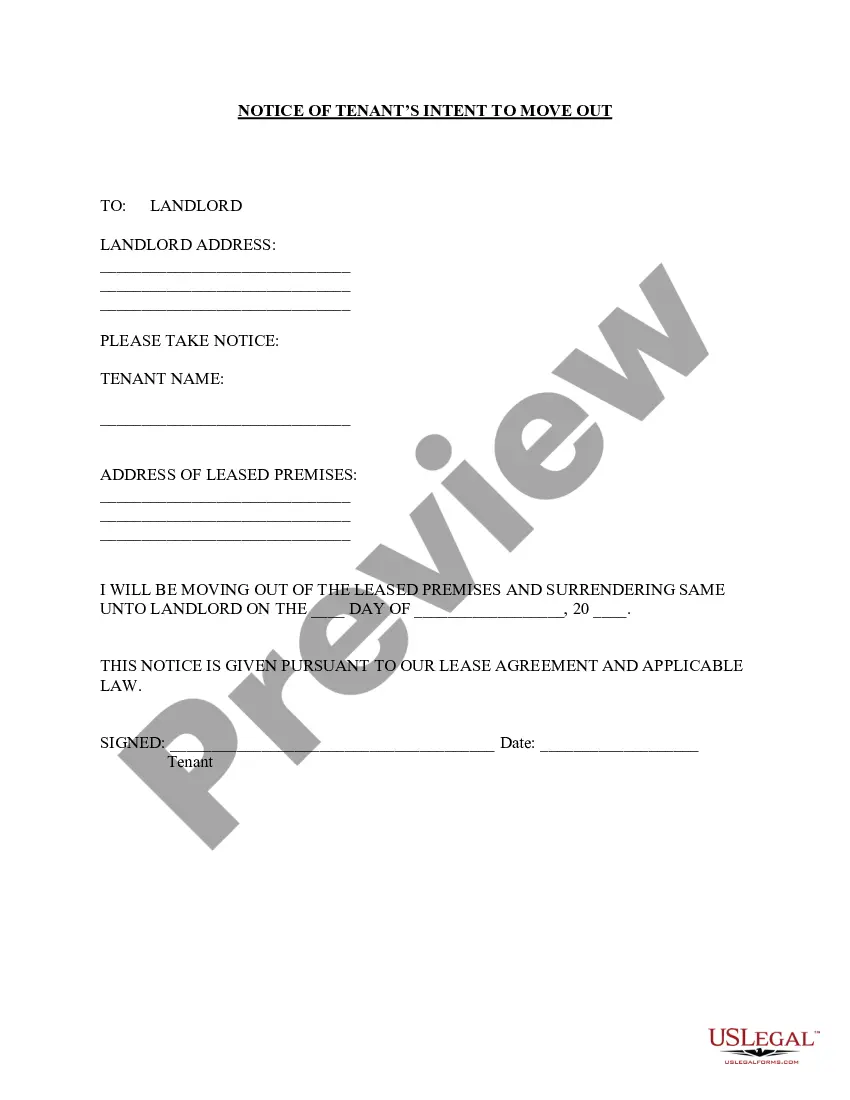


Get your form ready online
Our built-in tools help you complete, sign, share, and store your documents in one place.
Make edits, fill in missing information, and update formatting in US Legal Forms—just like you would in MS Word.
Download a copy, print it, send it by email, or mail it via USPS—whatever works best for your next step.
Sign and collect signatures with our SignNow integration. Send to multiple recipients, set reminders, and more. Go Premium to unlock E-Sign.
If this form requires notarization, complete it online through a secure video call—no need to meet a notary in person or wait for an appointment.
We protect your documents and personal data by following strict security and privacy standards.

Make edits, fill in missing information, and update formatting in US Legal Forms—just like you would in MS Word.

Download a copy, print it, send it by email, or mail it via USPS—whatever works best for your next step.

Sign and collect signatures with our SignNow integration. Send to multiple recipients, set reminders, and more. Go Premium to unlock E-Sign.

If this form requires notarization, complete it online through a secure video call—no need to meet a notary in person or wait for an appointment.

We protect your documents and personal data by following strict security and privacy standards.
Looking for another form?




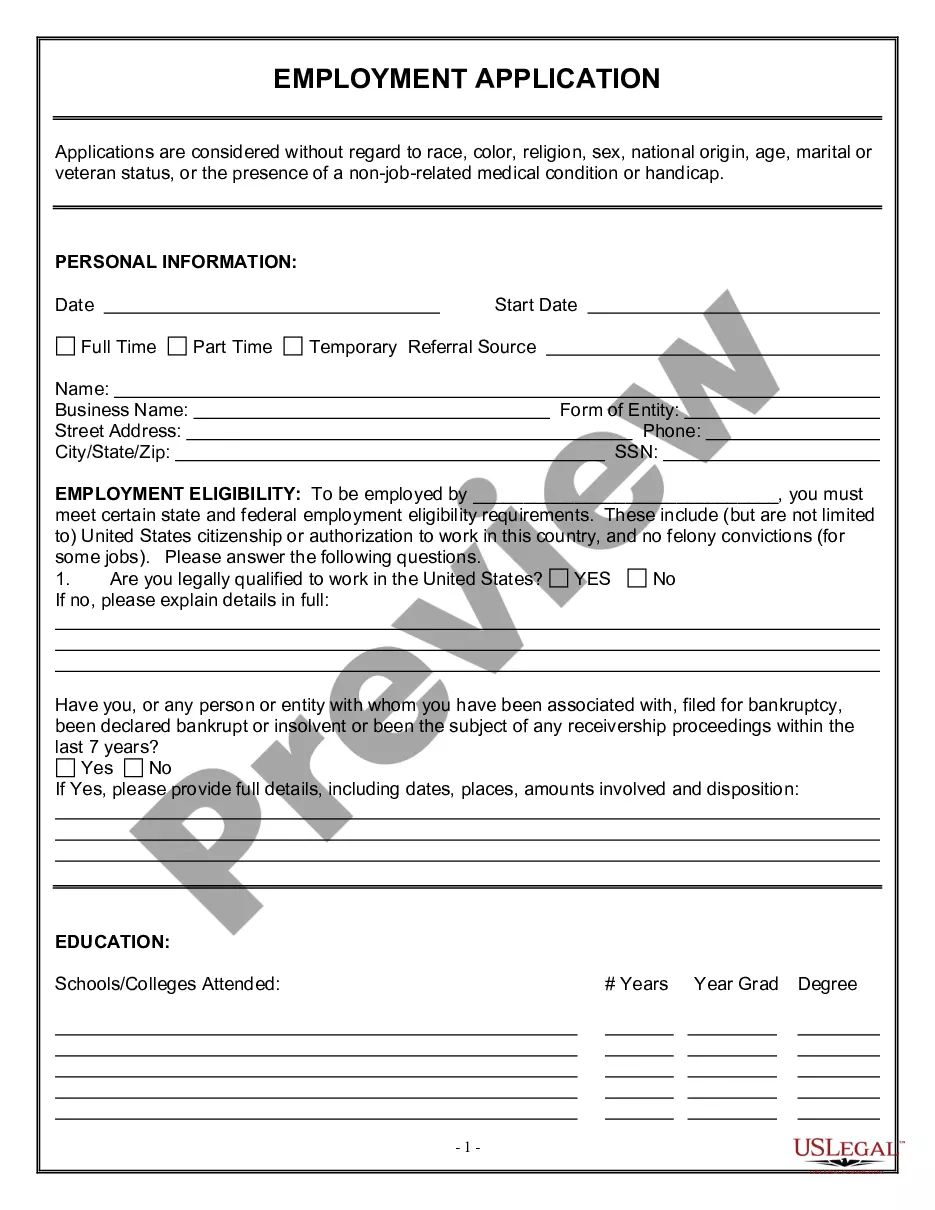





How to fill out Florida Letter From Tenant To Landlord Containing Notice To Landlord To Cease Retaliatory Threats To Evict Or Retaliatory Eviction?
- Log in to your US Legal Forms account if you're a returning user and download the necessary form template by clicking the Download button. Ensure your subscription is valid, or renew it as per your payment plan.
- For first-time users, begin by checking the Preview mode and form description to confirm you've selected the appropriate template that aligns with your needs and local regulations.
- If you need another template, use the Search tab at the top to find the right one. Once you identify a suitable form, proceed to the next step.
- Purchase the document by clicking the Buy Now button and choosing your preferred subscription plan. Remember to register an account to access the complete library.
- Complete your purchase by entering your credit card information or using your PayPal account to finalize your subscription.
- Download the completed form and save it to your device. You can also revisit it anytime via the My Forms section of your account.
US Legal Forms simplifies the process of obtaining legal documents, making it accessible for everyone. With over 85,000 fillable and editable forms, users benefit from a comprehensive library that saves time and ensures accuracy.
Don't hesitate to protect your rights; start your response to eviction notice today with US Legal Forms.
Form popularity
FAQ
Vermont's eviction laws require landlords to follow specific legal procedures to ensure fairness. This includes providing a proper response to eviction notice, which may cite non-payment of rent or lease violations. Familiarizing yourself with these laws ensures you handle evictions correctly and minimize potential issues.
The eviction process in Vermont can take anywhere from a few weeks to several months, depending on various factors, including court schedules. After initiating an eviction, landlords must provide tenants with a valid response to eviction notice. Understanding this timeline can help both parties prepare for the next steps.
Yes, you can withdraw an eviction notice as long as the tenant has not already responded. This process can help maintain a good landlord-tenant relationship. When considering how to craft a response to eviction notice, it's wise to approach the situation with clear communication and compassion.
In Vermont, tenants must provide a minimum of 30 days' notice before leaving the rental property. This notice should be clear and should follow the guidelines set forth in the lease agreement. It’s essential to communicate effectively with your landlord, as a proper response to eviction notice can help avoid disputes.
Yes, you can evict someone in the winter in Vermont; however, the process may be affected by weather conditions. Landlords must follow the legal procedures for eviction and issue the proper response to eviction notice. It's important to be aware of local laws regarding allowable eviction days in winter to ensure compliance.
While an eviction does not ruin your credit outright, it can lead to negative entries on your credit report. This can lower your score and affect your ability to obtain loans or rent again. Addressing the situation quickly by responding to an eviction notice and seeking resolution can help minimize long-term credit damage.
Evictions can create hurdles when it comes to buying a house. Lenders often view eviction history as a sign of financial instability, which could impact your mortgage application. However, showing positive changes in your financial behavior after responding to an eviction notice may improve your chances.
While there is no specific point deduction for an eviction, it can adversely affect your credit score depending on your overall credit profile. A lower credit score may arise from negative reports, such as an eviction. It is crucial to respond to an eviction notice promptly, as addressing the issue early could help maintain your credit score.
In Alabama, an eviction notice must comply with state laws, which specify the time frame and manner of delivery. Typically, a landlord must provide either a seven-day or fourteen-day notice depending on the reason for eviction. Understanding these rules and effectively responding to an eviction notice can protect your rights.
Getting accepted as a tenant after an eviction can be challenging, but it is possible. Landlords often consider factors such as your current income, rental references, and how you respond to an eviction notice. Offering a larger security deposit or providing a co-signer can also increase your chances.