Fl Evict Eviction Without Lease Agreement
Description

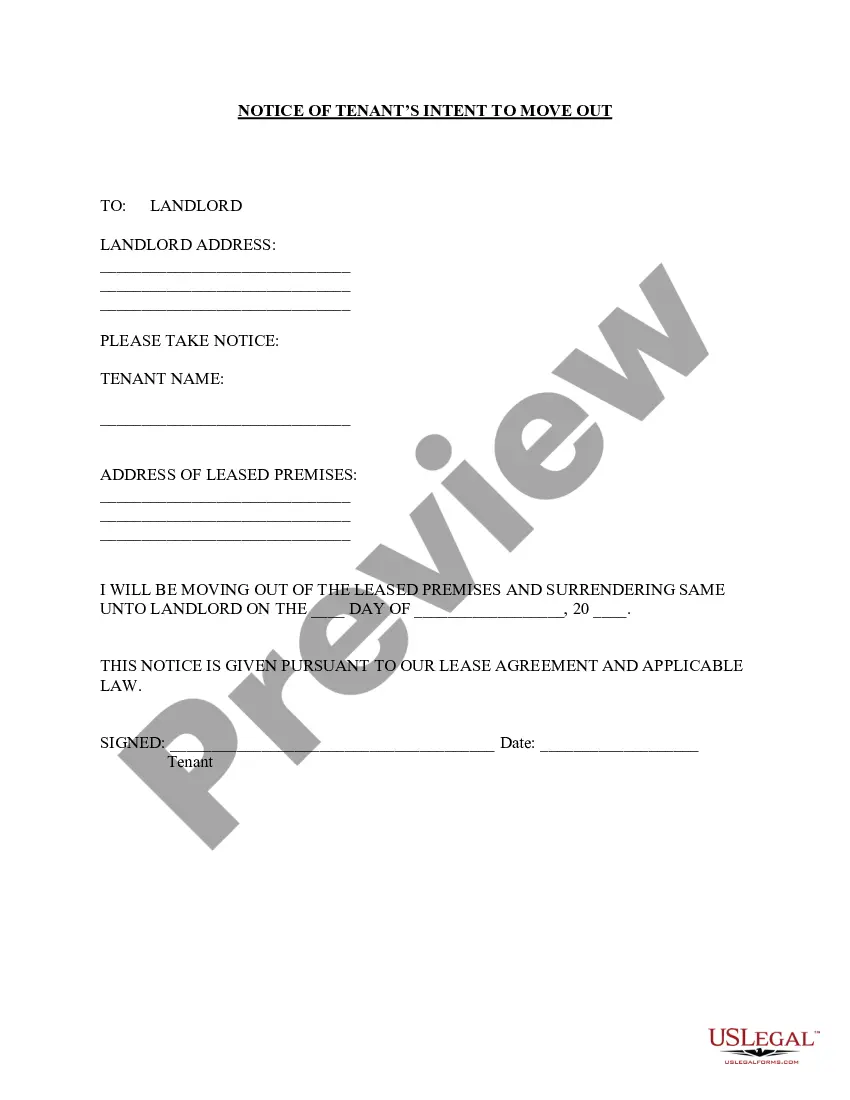
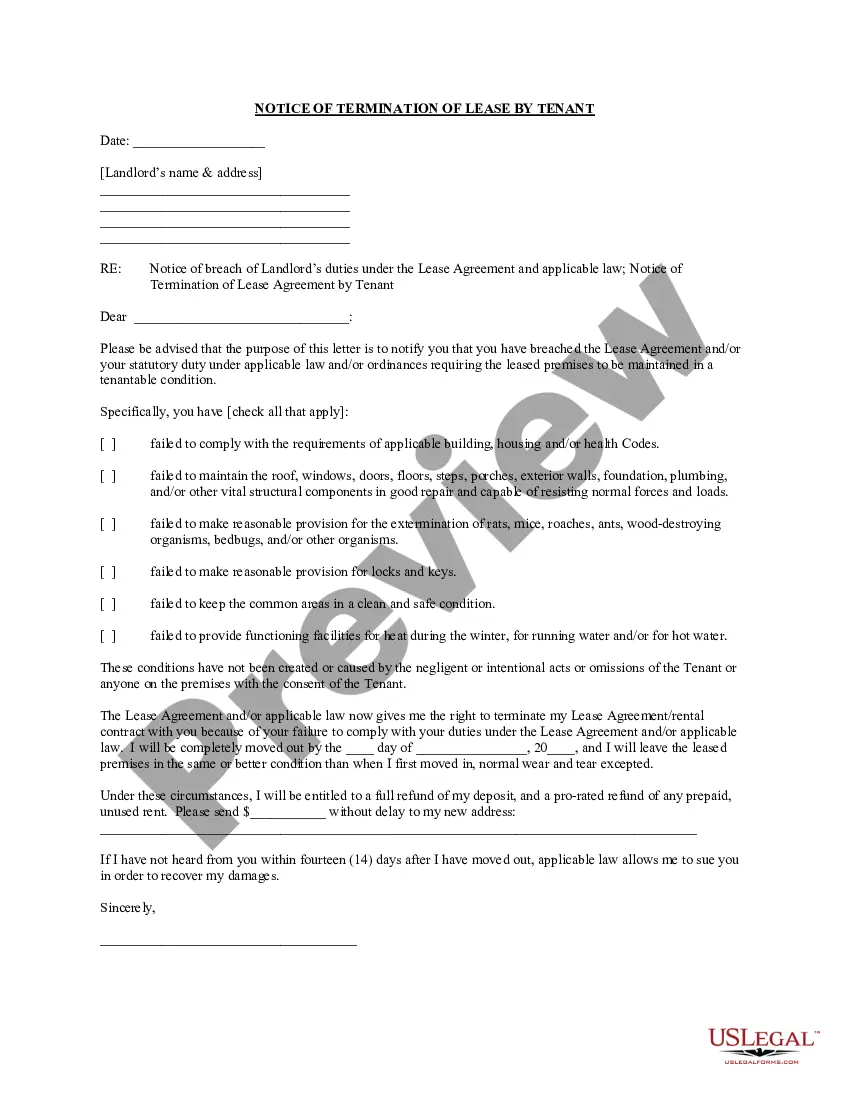

Get your form ready online
Our built-in tools help you complete, sign, share, and store your documents in one place.
Make edits, fill in missing information, and update formatting in US Legal Forms—just like you would in MS Word.
Download a copy, print it, send it by email, or mail it via USPS—whatever works best for your next step.
Sign and collect signatures with our SignNow integration. Send to multiple recipients, set reminders, and more. Go Premium to unlock E-Sign.
If this form requires notarization, complete it online through a secure video call—no need to meet a notary in person or wait for an appointment.
We protect your documents and personal data by following strict security and privacy standards.

Make edits, fill in missing information, and update formatting in US Legal Forms—just like you would in MS Word.

Download a copy, print it, send it by email, or mail it via USPS—whatever works best for your next step.

Sign and collect signatures with our SignNow integration. Send to multiple recipients, set reminders, and more. Go Premium to unlock E-Sign.

If this form requires notarization, complete it online through a secure video call—no need to meet a notary in person or wait for an appointment.

We protect your documents and personal data by following strict security and privacy standards.
Looking for another form?



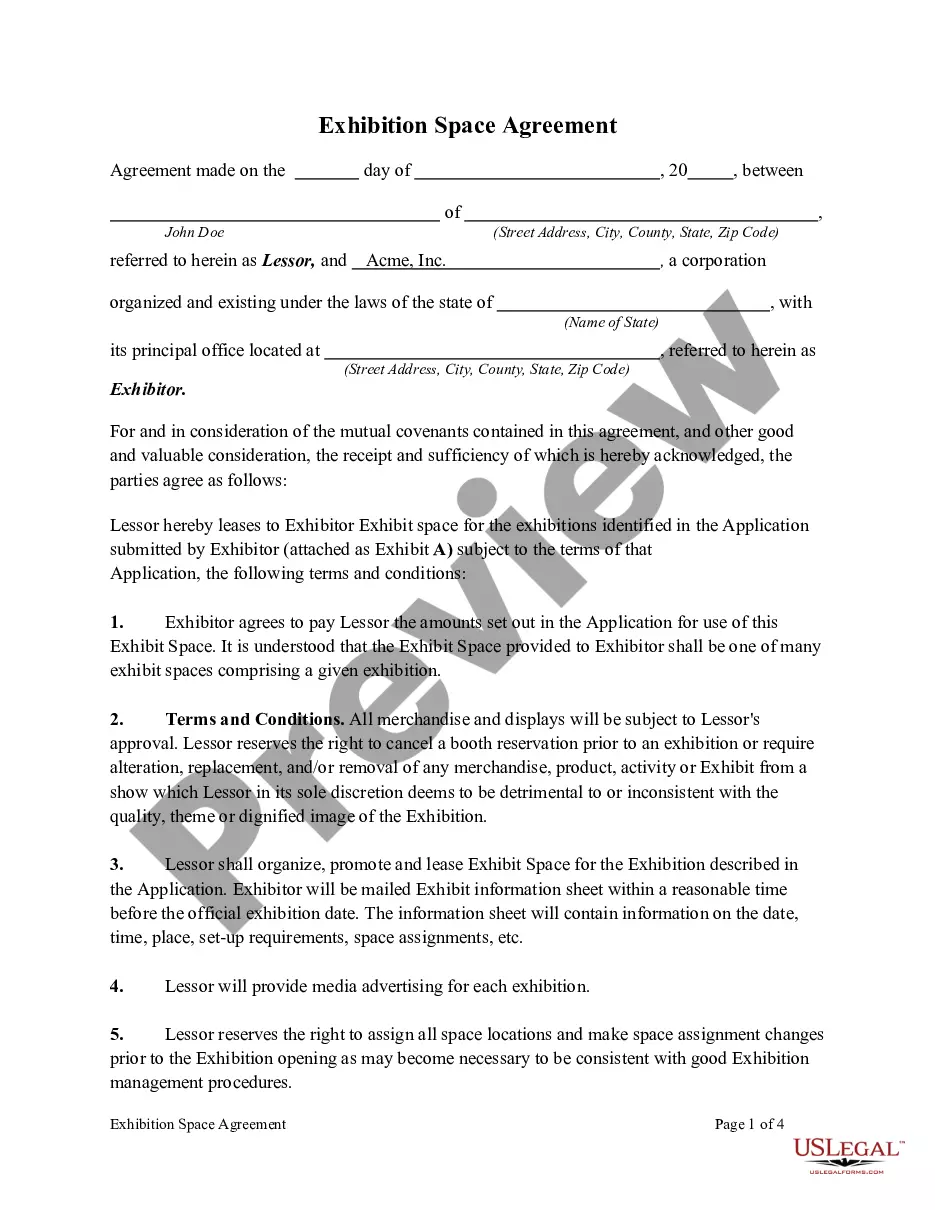



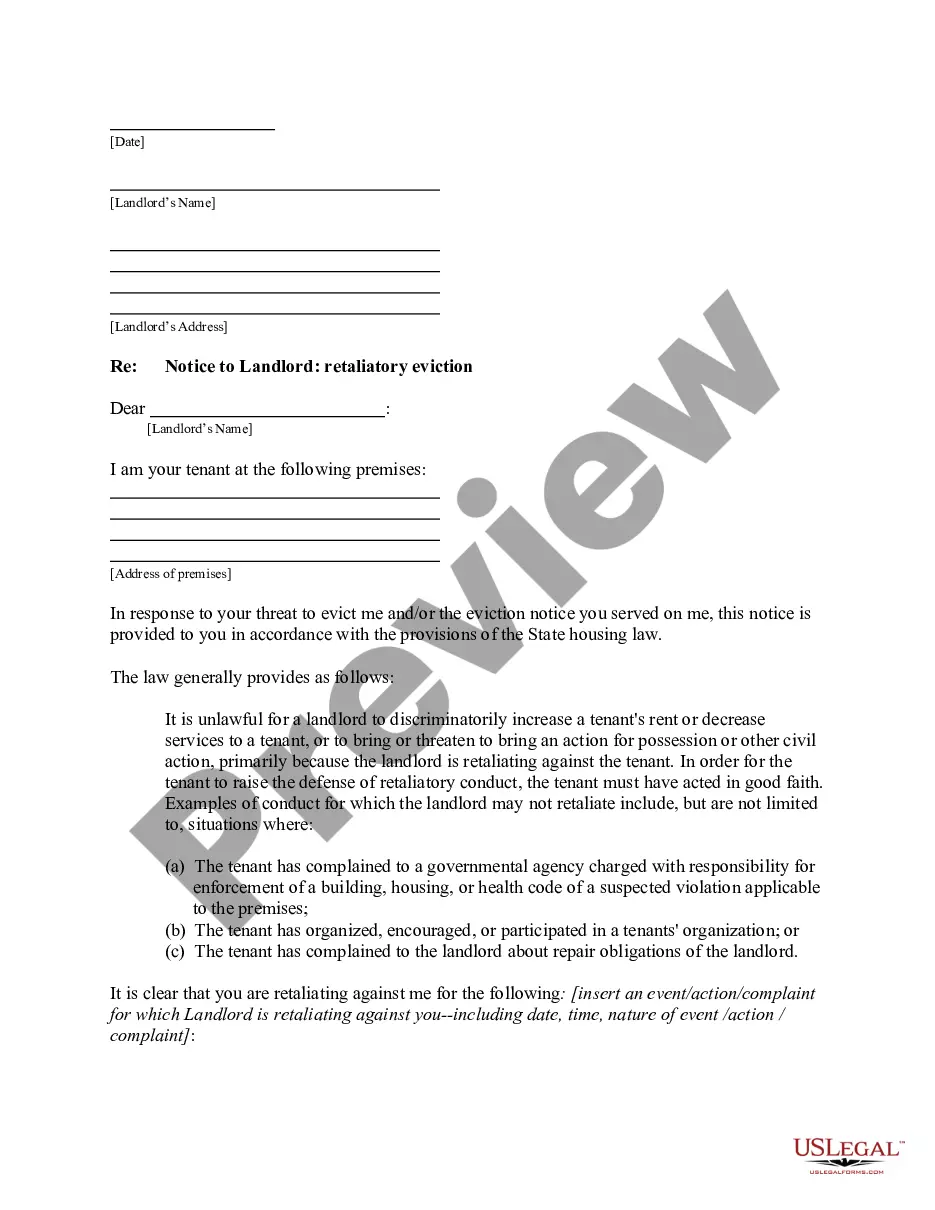
How to fill out Florida Letter From Tenant To Landlord Containing Notice To Landlord To Cease Retaliatory Threats To Evict Or Retaliatory Eviction?
Obtaining legal templates that comply with federal and local laws is a matter of necessity, and the internet offers numerous options to pick from. But what’s the point in wasting time looking for the correctly drafted Fl Evict Eviction Without Lease Agreement sample on the web if the US Legal Forms online library already has such templates collected in one place?
US Legal Forms is the largest online legal catalog with over 85,000 fillable templates drafted by attorneys for any business and personal scenario. They are simple to browse with all files grouped by state and purpose of use. Our professionals keep up with legislative updates, so you can always be confident your form is up to date and compliant when getting a Fl Evict Eviction Without Lease Agreement from our website.
Getting a Fl Evict Eviction Without Lease Agreement is fast and simple for both current and new users. If you already have an account with a valid subscription, log in and save the document sample you need in the right format. If you are new to our website, adhere to the guidelines below:
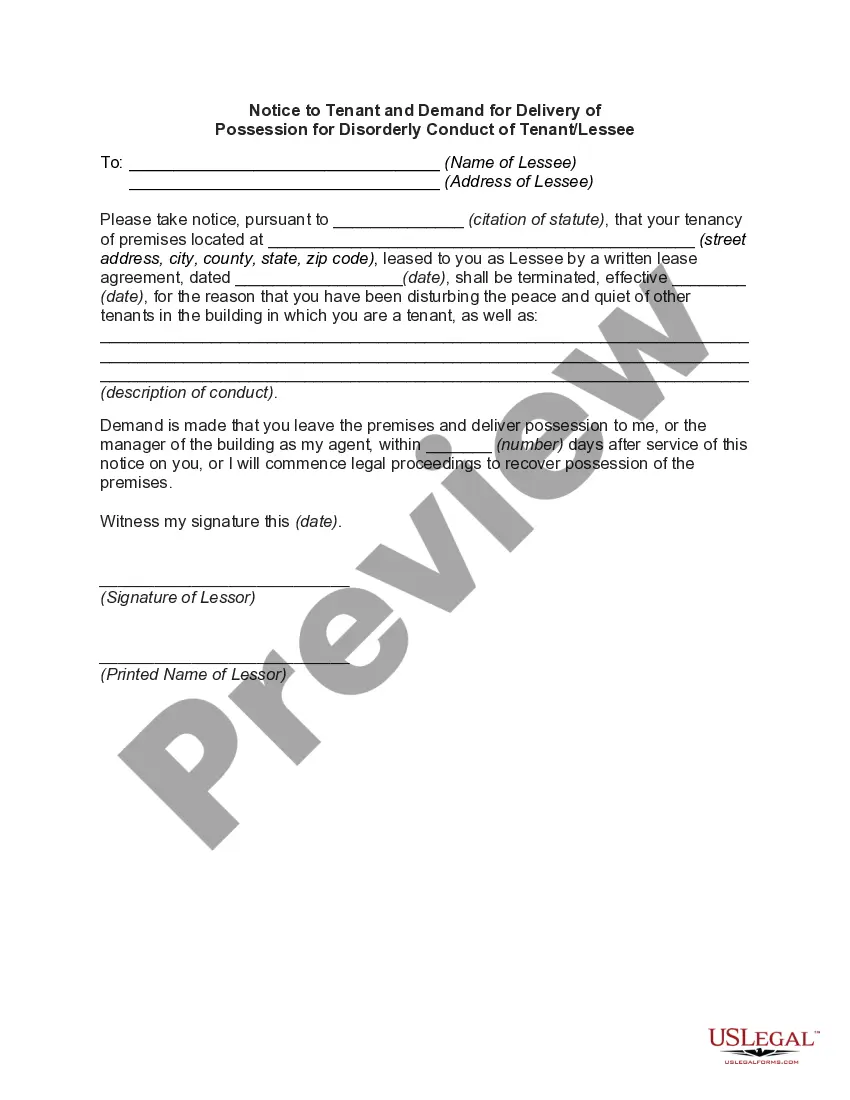
- Examine the template utilizing the Preview feature or through the text description to make certain it meets your requirements.
- Browse for a different sample utilizing the search function at the top of the page if needed.
- Click Buy Now when you’ve found the correct form and select a subscription plan.
- Register for an account or log in and make a payment with PayPal or a credit card.
- Select the best format for your Fl Evict Eviction Without Lease Agreement and download it.
All documents you locate through US Legal Forms are multi-usable. To re-download and fill out earlier purchased forms, open the My Forms tab in your profile. Benefit from the most extensive and simple-to-use legal paperwork service!
Form popularity
FAQ
Unlike an Eviction, a Homeowner does not have to give notice to the Family member or individual that they are trying to remove. This is because there is no Landlord/Tenant Relationship. Once you file the Unlawful Detainer, they have 5 days to respond.
Suing your landlord If your landlord has broken the law by locking you out, cutting off your utilities, or doing one of the other illegal things listed, you can sue your landlord in court. You can sue for: Money, An order telling your landlord to stop the breaking the law and leave you alone, and/or.
Examples of illegal ?self-help? evictions include changing the locks, removing the front door, or turning off the heat or electricity?all of which may be the basis for a tenant suing a landlord. Florida tenants may sue for actual damages or whichever is greater. A tenant may recover court costs and attorney fees.
Other types of notices cover no lease tenants or holdovers The landlord only has to send proper notice to the tenant, allowing for the number of days provided by Fla. Stat. § 83.57. For instance, month-to-month tenants must be given 15 days to vacate.
Give the tenant a 3-days notice to either pay the outstanding rent or vacate the premises. Write down a complaint and file for eviction. Eviction can be filed with any county clerk serving at a court in a particular county. The landlord must mention ?Plaintiff? and his/her contact details on the complaint.