Tenants
Description


Get your form ready online
Our built-in tools help you complete, sign, share, and store your documents in one place.
Make edits, fill in missing information, and update formatting in US Legal Forms—just like you would in MS Word.
Download a copy, print it, send it by email, or mail it via USPS—whatever works best for your next step.
Sign and collect signatures with our SignNow integration. Send to multiple recipients, set reminders, and more. Go Premium to unlock E-Sign.
If this form requires notarization, complete it online through a secure video call—no need to meet a notary in person or wait for an appointment.
We protect your documents and personal data by following strict security and privacy standards.

Make edits, fill in missing information, and update formatting in US Legal Forms—just like you would in MS Word.

Download a copy, print it, send it by email, or mail it via USPS—whatever works best for your next step.

Sign and collect signatures with our SignNow integration. Send to multiple recipients, set reminders, and more. Go Premium to unlock E-Sign.

If this form requires notarization, complete it online through a secure video call—no need to meet a notary in person or wait for an appointment.

We protect your documents and personal data by following strict security and privacy standards.
Looking for another form?
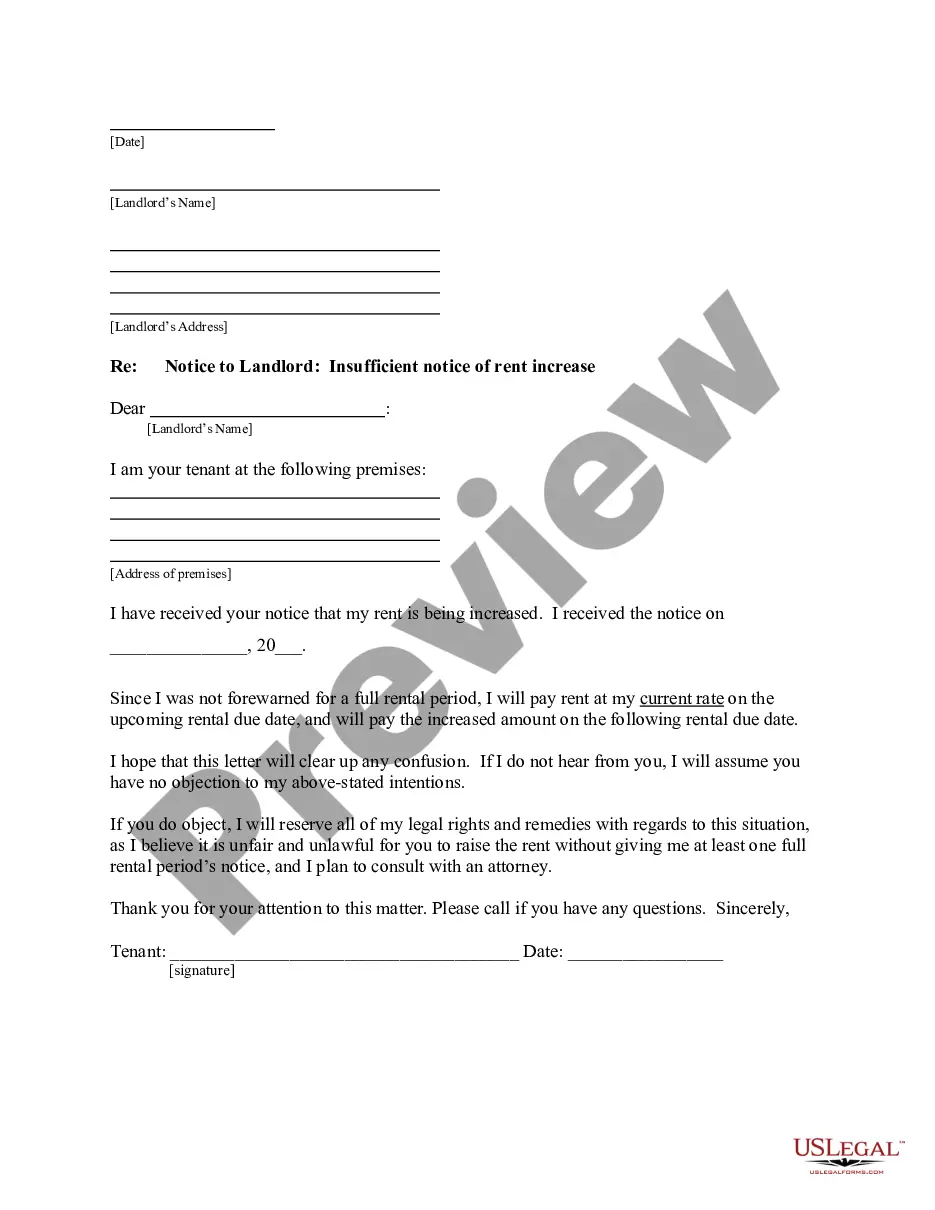
How to fill out Florida Letter From Tenant To Landlord About Insufficient Notice Of Rent Increase?
- If you're a returning user, log in to your account and ensure your subscription is active. Click the Download button for your necessary form.
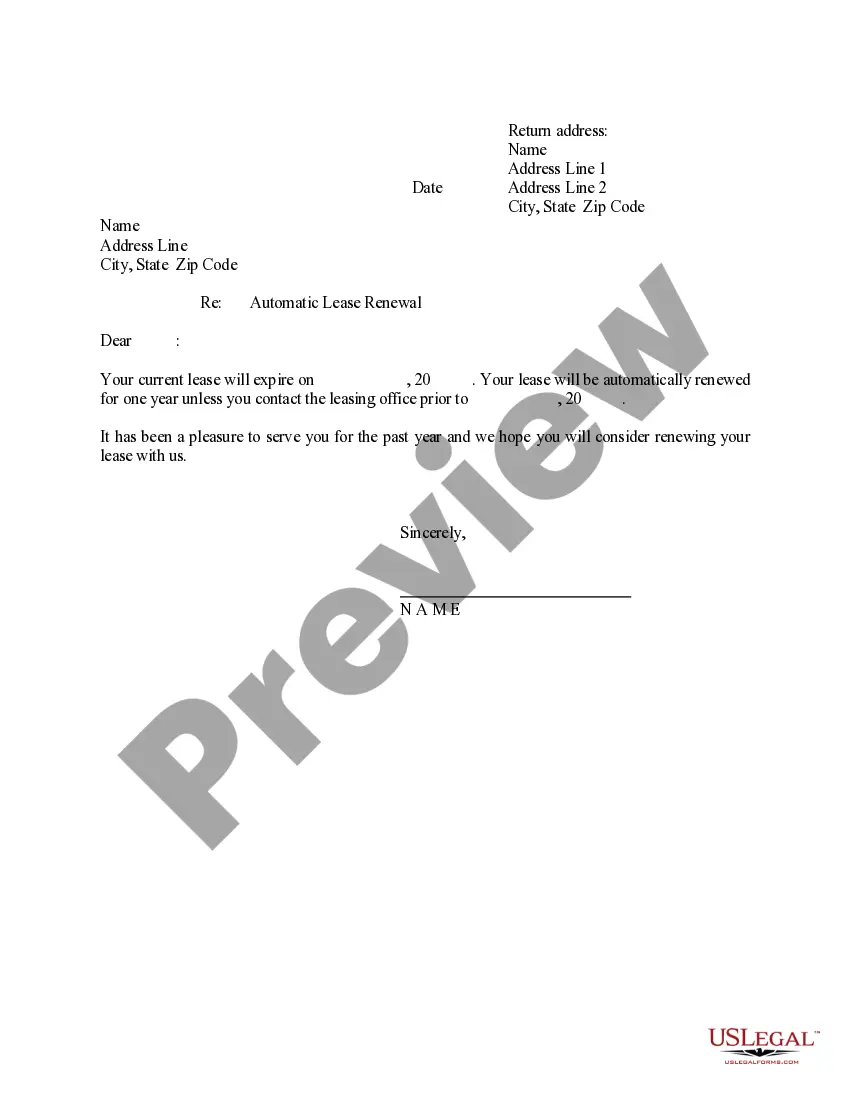
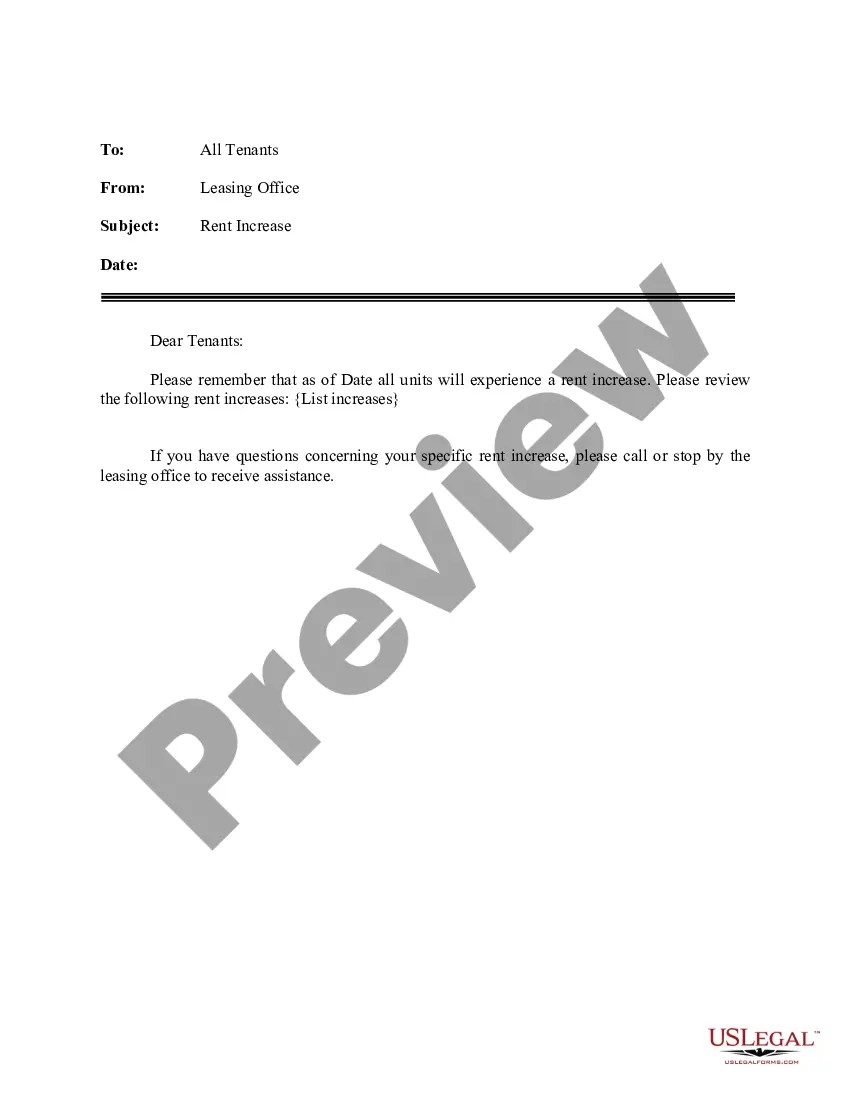
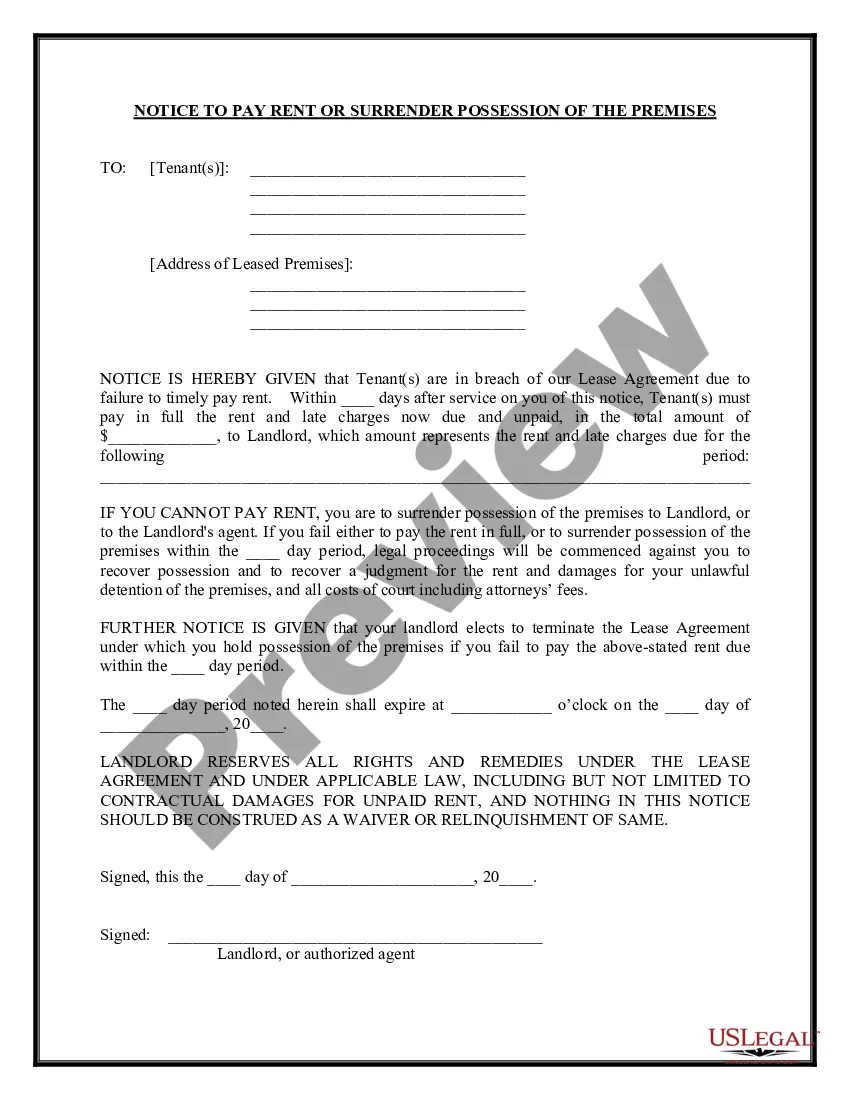
- For first-time users, begin by reviewing the Preview mode and detailed description of forms. Confirm that the chosen template aligns with your local jurisdiction requirements.
- If you need a different template, utilize the Search tab to locate the appropriate document and verify its accuracy before proceeding.
- Select your form by clicking on the Buy Now button and choose your preferred subscription plan which allows access to the document library.
- Complete your purchase by entering your payment details or using your PayPal account for secure transactions.
- Download the chosen form to your device. You can access it anytime via the My Forms section of your profile.
US Legal Forms offers a robust collection of over 85,000 editable legal documents, ensuring you find exactly what you need. Their services empower both individuals and legal professionals, simplifying the document preparation process.
In conclusion, with US Legal Forms, tenants can easily access vital legal documents tailored to their needs. Start today to experience the efficiency of comprehensive legal resources. Visit US Legal Forms and get started on your journey!
Form popularity
FAQ
Yes, you can evict someone without a lease in Montana, but the process requires adherence to state laws. The lack of a written lease does not negate the need for legal procedures, including notices and potentially court involvement. It's essential to understand the specific grounds for eviction to proceed legally and effectively.
The exact duration that a guest can stay before being classified as a tenant varies by jurisdiction. Many states, including Montana, have a specific timeframe in which a guest's status can change, especially if they use the property as their primary residence. Clear communication about expectations can help avoid misunderstandings in this area.
In Montana, a guest may be considered a tenant after a certain period of staying in the property, often defined by local laws. Factors like the payment of rent or the establishment of a rental agreement can influence this designation. Understanding these rules helps all parties maintain clarity about their rights and responsibilities.
The eviction process in Maryland can vary but typically lasts anywhere from a few weeks to a few months. This timeline includes serving the eviction notice, court hearing, and potential delays if the tenant contests the eviction. Tenants should be aware of their rights during this time to seek assistance if needed.
To remove squatters in Montana, you must follow specific legal procedures. First, notify the squatter that they are not permitted to stay on the property. If they refuse to leave, initiating an eviction process may be necessary, which involves filing the appropriate paperwork to address their status as unauthorized occupants.
If a guest refuses to leave your home, they may unintentionally become tenants depending on the length of their stay and the circumstances. Engage in open communication first, but if that doesn’t work, you may need to start legal proceedings. Consulting legal resources can provide clarity on your rights and options as a homeowner.
The new law for renters in Maryland enhances tenant protections, including limits on rent increases and requirements for landlords regarding security deposits. This law aims to create a fairer rental market and ensure that tenants have more stability in their housing situations. Tenants should stay informed about these changes to understand their rights better.
To be considered a tenant, you typically need to have a formal rental agreement with the landlord. A tenant usually pays rent in exchange for the right to occupy a property. This relationship provides certain legal protections and responsibilities for both parties involved.
Yes, tenants can list family members as references on a rental application. However, it is important to choose family members who can speak positively about your character and reliability. To strengthen your application, it can be beneficial to include non-family references as well. This balanced approach can provide landlords with a more complete view of your qualifications.
Using your parents as a rental reference is acceptable for tenants, particularly if they are familiar with your living habits. However, prioritize using references who can vouch for your rental responsibilities and behavior. This strategy can enhance your application credibility. Consider the perspective of landlords who often value diverse references.