Tenant Landlord Act Alaska
Description

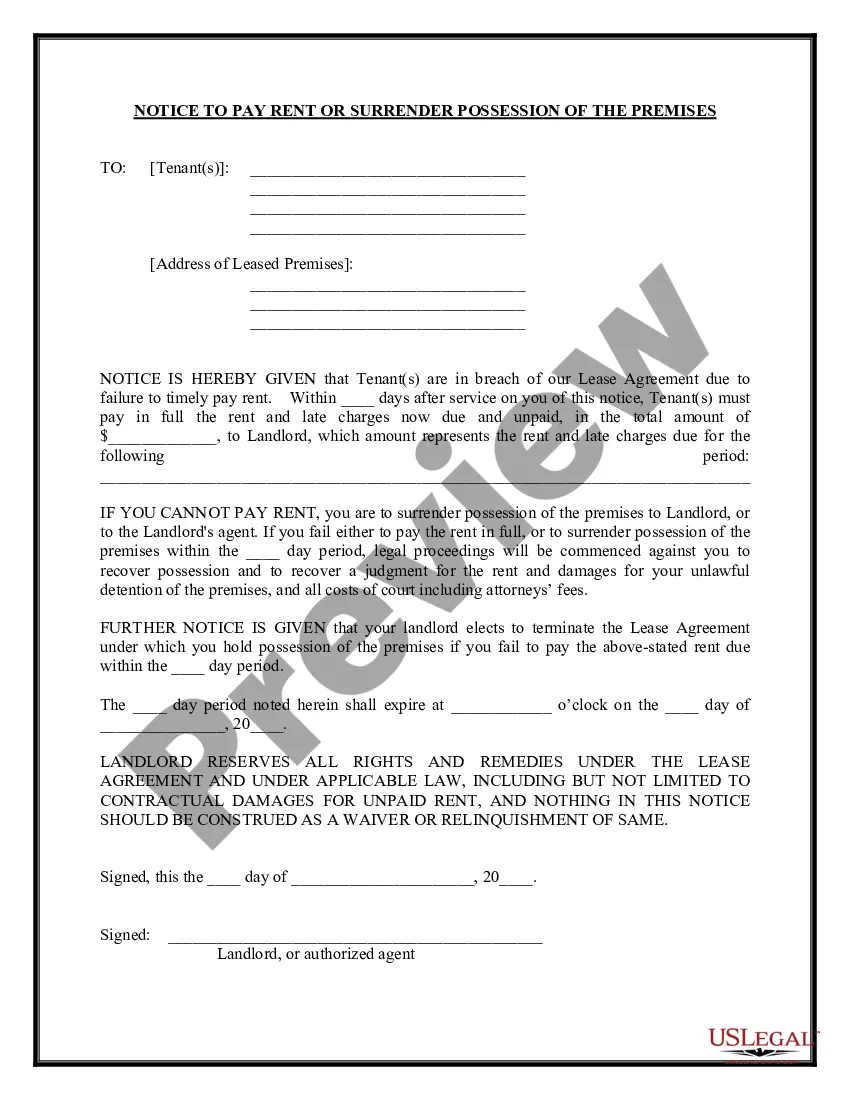
Get your form ready online
Our built-in tools help you complete, sign, share, and store your documents in one place.
Make edits, fill in missing information, and update formatting in US Legal Forms—just like you would in MS Word.
Download a copy, print it, send it by email, or mail it via USPS—whatever works best for your next step.
Sign and collect signatures with our SignNow integration. Send to multiple recipients, set reminders, and more. Go Premium to unlock E-Sign.
If this form requires notarization, complete it online through a secure video call—no need to meet a notary in person or wait for an appointment.
We protect your documents and personal data by following strict security and privacy standards.

Make edits, fill in missing information, and update formatting in US Legal Forms—just like you would in MS Word.

Download a copy, print it, send it by email, or mail it via USPS—whatever works best for your next step.

Sign and collect signatures with our SignNow integration. Send to multiple recipients, set reminders, and more. Go Premium to unlock E-Sign.

If this form requires notarization, complete it online through a secure video call—no need to meet a notary in person or wait for an appointment.

We protect your documents and personal data by following strict security and privacy standards.
Looking for another form?









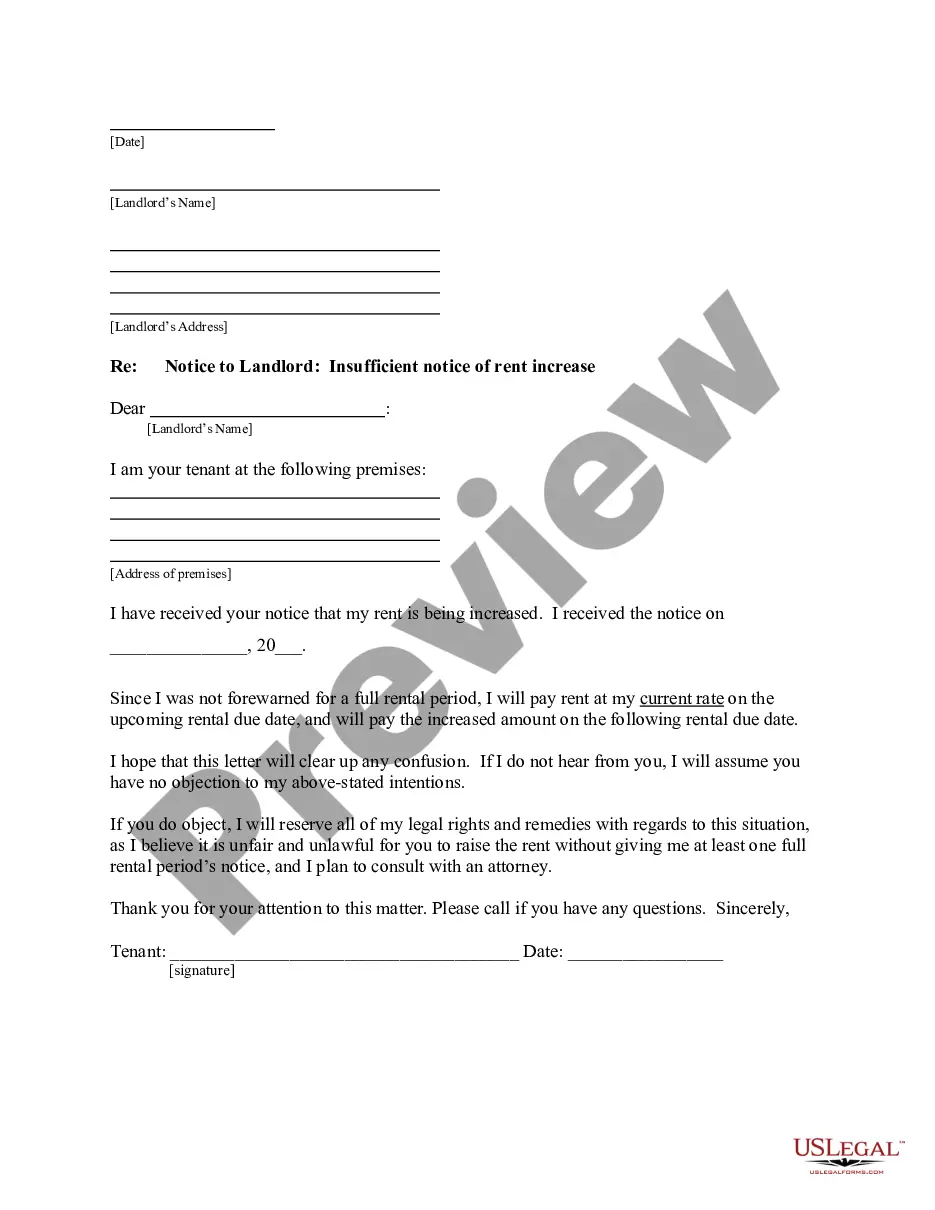
How to fill out Florida Letter From Tenant To Landlord About Insufficient Notice Of Rent Increase?
- If you are a returning user, start by logging into your account. Verify that your subscription is active to ensure seamless access.
- For first-time users, begin by checking the Preview mode and form descriptions on the US Legal Forms website to ensure you've selected the appropriate form that complies with local jurisdiction requirements.
- If necessary, utilize the Search tab to find alternative templates that better match your needs.
- Select the Buy Now option for your chosen document and select a subscription plan that fits your needs. Create an account for full access to the forms library.
- Proceed to provide your payment information, either through credit card or PayPal, to finalize your subscription purchase.
- Download the form directly to your device, and you can also access it anytime in the My Forms section of your profile.
US Legal Forms not only offers a robust collection of legal documents—more than competitors at similar prices—but also allows users to edit and fill forms easily. Additionally, you can consult with premium experts for assistance, ensuring that your forms are completed correctly and legally sound.
In conclusion, whether you're managing a rental property or securing your lease, US Legal Forms streamlines the process through easy-to-use templates. Start managing your legal documentation effectively today!
Form popularity
FAQ
To deal with an irresponsible landlord, first communicate your concerns directly to them, documenting all interactions. If that does not resolve the issues, refer to the Tenant Landlord Act Alaska for guidance on your rights. Consider using services like USLegalForms to navigate your options effectively and protect yourself legally. Staying informed and proactive is essential to resolving disputes successfully.
Filing a complaint against a landlord in Alaska involves collecting evidence of the grievances you have faced. Once you have that in order, visit your local housing authority or use the Alaska Department of Law to file your complaint. This process is crucial for maintaining your rights under the Tenant Landlord Act Alaska and ensuring landlords are held accountable.
If you need to take legal action against a landlord in Alaska, begin by reviewing your lease and the Tenant Landlord Act Alaska. You may also want to consult with an attorney specializing in landlord-tenant disputes. Gather your documentation and be prepared to explain your situation clearly. Filing a small claims case might be an option if the dispute is under a certain amount.
To file a complaint against your landlord in Alaska, start by documenting any issues with your rental property. Gather evidence such as photographs, emails, and texts. You can then contact the Alaska Department of Law or your local housing authority to understand the process. This aligns with the Tenant Landlord Act Alaska, ensuring you follow the legal steps to resolve the issue.
Landlords in Alaska must adhere to the Tenant Landlord Act Alaska, which specifies various actions they cannot take. For instance, they cannot lock out tenants without proper legal procedures or retaliate against tenants for exercising their rights. Additionally, landlords are prohibited from discriminating against tenants based on race, gender, or other protected categories. Knowing these restrictions is crucial for maintaining a positive landlord-tenant relationship.
The eviction process in Alaska can take several weeks to months, depending on the situation. Generally, landlords must provide proper notice to the tenant before proceeding with eviction, as outlined in the Tenant Landlord Act Alaska. This law outlines the steps you must follow, which can impact the overall timeline. Remember, consulting legal resources or legal forms can help ensure you follow all necessary procedures correctly.
To fill out a landlord application, start by gathering necessary information such as your personal details, the property address, and any references. Typically, the application will ask about your rental history and employment status. You can find specific guidelines and forms for landlord applications under the Tenant Landlord Act Alaska. Using platforms like US Legal Forms can simplify this process by providing easy-to-use templates.
Taking a landlord to court can be a significant step, depending on your situation. If you face serious violations of the Tenant Landlord Act in Alaska, court may be necessary to enforce your rights. However, weigh the potential costs and benefits before proceeding. You might want to explore mediation or negotiation options first, as this could be a more efficient way to resolve disputes.
In Alaska, there are no state laws that limit how much a landlord can raise rent. However, local regulations may apply, so it's important to review city-specific rules or your lease agreement. Typically, landlords are required to provide notice before increasing rent, allowing you time to review your options. Understanding the Tenant Landlord Act in Alaska can help you navigate these changes effectively.
To file legal action against your landlord, start by documenting all occurrences and communications. You may want to reference the Tenant Landlord Act in Alaska for specific rights and responsibilities. Then, consider contacting an attorney who specializes in tenant law, as they can provide guidance on filing a complaint or lawsuit. You might find resources like the USLegalForms platform helpful for finding the right legal documents.