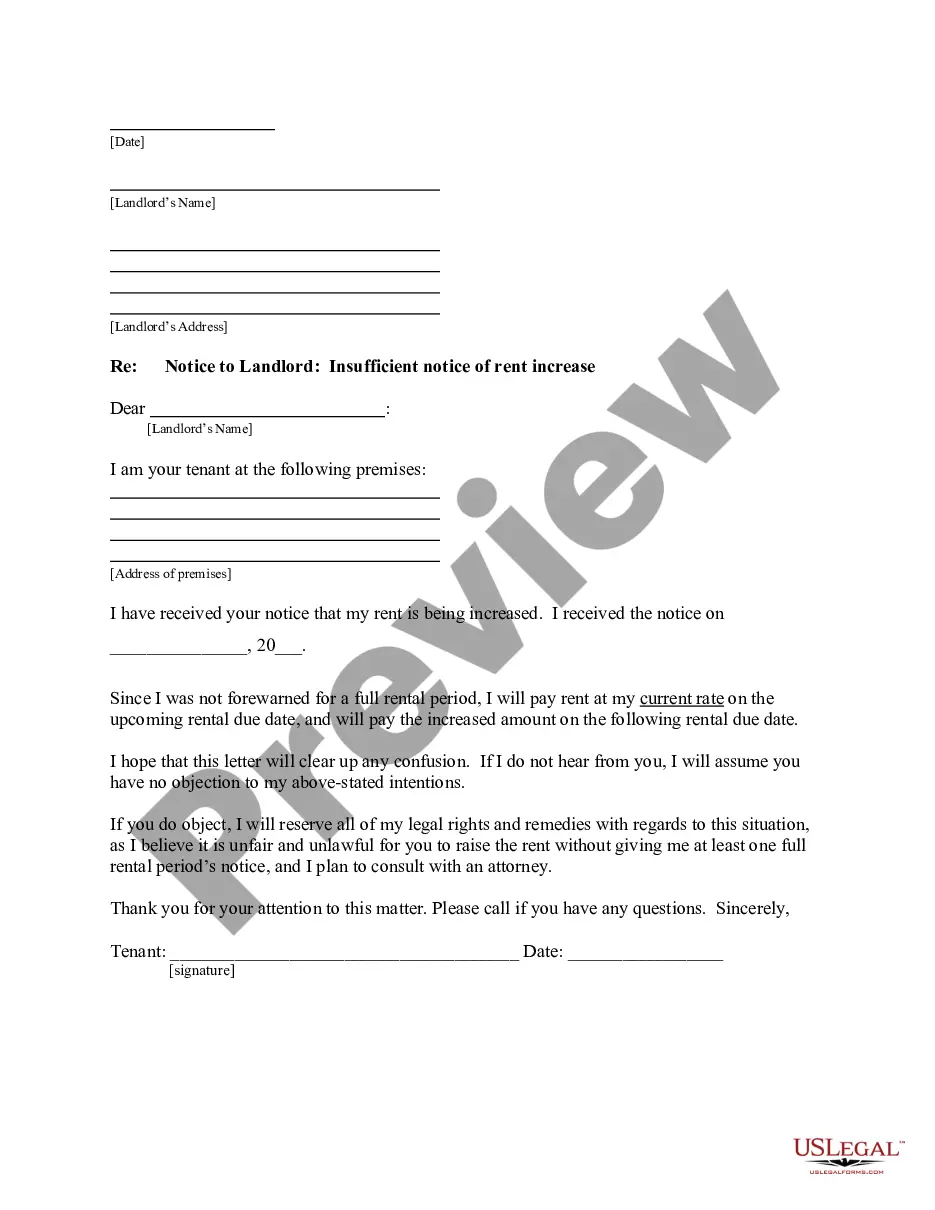
Tenant Landlord About With Landlord
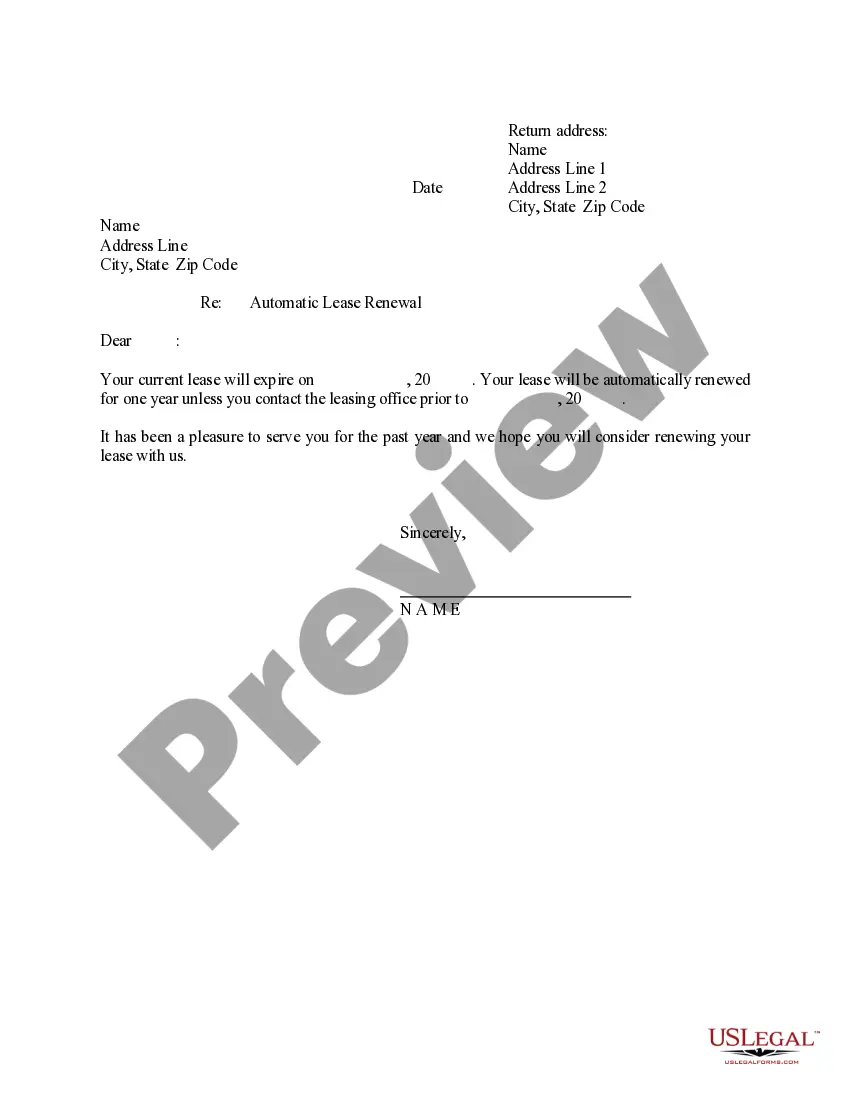
Description



Get your form ready online
Our built-in tools help you complete, sign, share, and store your documents in one place.
Make edits, fill in missing information, and update formatting in US Legal Forms—just like you would in MS Word.
Download a copy, print it, send it by email, or mail it via USPS—whatever works best for your next step.
Sign and collect signatures with our SignNow integration. Send to multiple recipients, set reminders, and more. Go Premium to unlock E-Sign.
If this form requires notarization, complete it online through a secure video call—no need to meet a notary in person or wait for an appointment.
We protect your documents and personal data by following strict security and privacy standards.

Make edits, fill in missing information, and update formatting in US Legal Forms—just like you would in MS Word.

Download a copy, print it, send it by email, or mail it via USPS—whatever works best for your next step.

Sign and collect signatures with our SignNow integration. Send to multiple recipients, set reminders, and more. Go Premium to unlock E-Sign.

If this form requires notarization, complete it online through a secure video call—no need to meet a notary in person or wait for an appointment.

We protect your documents and personal data by following strict security and privacy standards.
Looking for another form?








How to fill out Florida Letter From Tenant To Landlord About Insufficient Notice Of Rent Increase?
- If you are a returning user, log in to your account at US Legal Forms and select the form you need. Ensure your subscription is active; if not, renew it based on your plan.
- For first-time users, start by checking the Preview mode and form description to confirm you have selected the right document that aligns with your local jurisdiction.
- If the chosen form doesn't meet your expectations, utilize the Search tab to find alternative templates that better suit your requirements.
- Once you've selected your document, click the Buy Now button and choose a subscription plan. You will need to register for an account to access our extensive library.
- Complete your purchase securely by providing your payment details through credit card or PayPal.
- Finally, download the form to your device and access it anytime via the My Forms menu in your account to complete it at your convenience.
US Legal Forms simplifies the process of obtaining necessary legal documents, making it accessible and efficient. By following these steps, you can ensure that your tenant-landlord obligations are met with precision and legality.
Don't wait; start your journey with US Legal Forms today and secure the documents that protect your rights as a tenant or landlord!
Form popularity
FAQ
To write a letter requesting rent assistance, start by clearly stating your request and the reason for it. Be specific about your financial situation and attach any supporting documents that can verify your claim. Express gratitude for any help you receive, reinforcing a positive connection with your landlord and demonstrating the importance of a tenant landlord about with landlord relationship.
Typically, guests may stay for a limited time without being added to the lease, which is usually around 30 days, depending on individual lease agreements. However, many landlords prefer to have any long-term occupants included on the lease to avoid complications. It's wise to communicate with your landlord to ensure compliance with your specific lease terms.
When writing a letter to your landlord to avoid eviction, express your understanding of the situation and your willingness to resolve any issues. Outline any circumstances that may have contributed to late payments and propose a realistic payment plan. This proactive approach can help demonstrate your commitment to maintaining a positive tenant landlord about with landlord relationship.
To write a notice from a tenant to a landlord, include key details such as your name, address, and the date. Clearly specify the purpose of the notice, whether it’s to inform of repairs needed or to address lease violations. Make sure to keep the language polite and direct, fostering open communication between a tenant landlord about with landlord.
When writing to your landlord about rent, state your concern clearly and concisely. Whether you have a question about the amount due, a late payment, or a request for a rent adjustment, outline your situation in a respectful tone. Additionally, mention any relevant agreements you have regarding the rent to establish your understanding as a tenant landlord about with landlord.
To write a letter to your landlord about moving out, start by clearly stating your intent to vacate the property. Include your departure date and reference your lease agreement to reinforce your position. Be sure to request a final inspection and provide your contact information for future communication with the landlord.
Tenants in California can file complaints with local housing authorities or the California Department of Consumer Affairs. If you encounter serious issues, such as habitability concerns, seeking assistance from tenant advocacy organizations can also be beneficial. UsLegalForms offers resources to help you navigate these processes and file your complaint effectively.
A landlord can express opinions about a tenant, but these statements should be factually accurate and not defamatory. Spreading false information could lead to legal repercussions. Tenants who believe their rights are violated should consider consulting UsLegalForms for advice on handling defamation in landlord-tenant relationships.
Generally, a landlord can discuss a tenant's rental history with other tenants. However, landlords should avoid sharing sensitive or private information. Conversations should focus on necessary topics that do not breach privacy. For tenants seeking clarity on these issues, UsLegalForms provides guidance on tenant-landlord communication.
In California, a tenant can deny access to a landlord if the landlord does not provide proper notice. Landlords must typically give at least 24 hours' notice before entering the rental property, except in emergencies. It’s important for tenants to know their rights under landlord-tenant laws. You can learn more about tenant rights and responsibilities with resources from UsLegalForms.