Florida Writ Of Bodily Attachment
Description
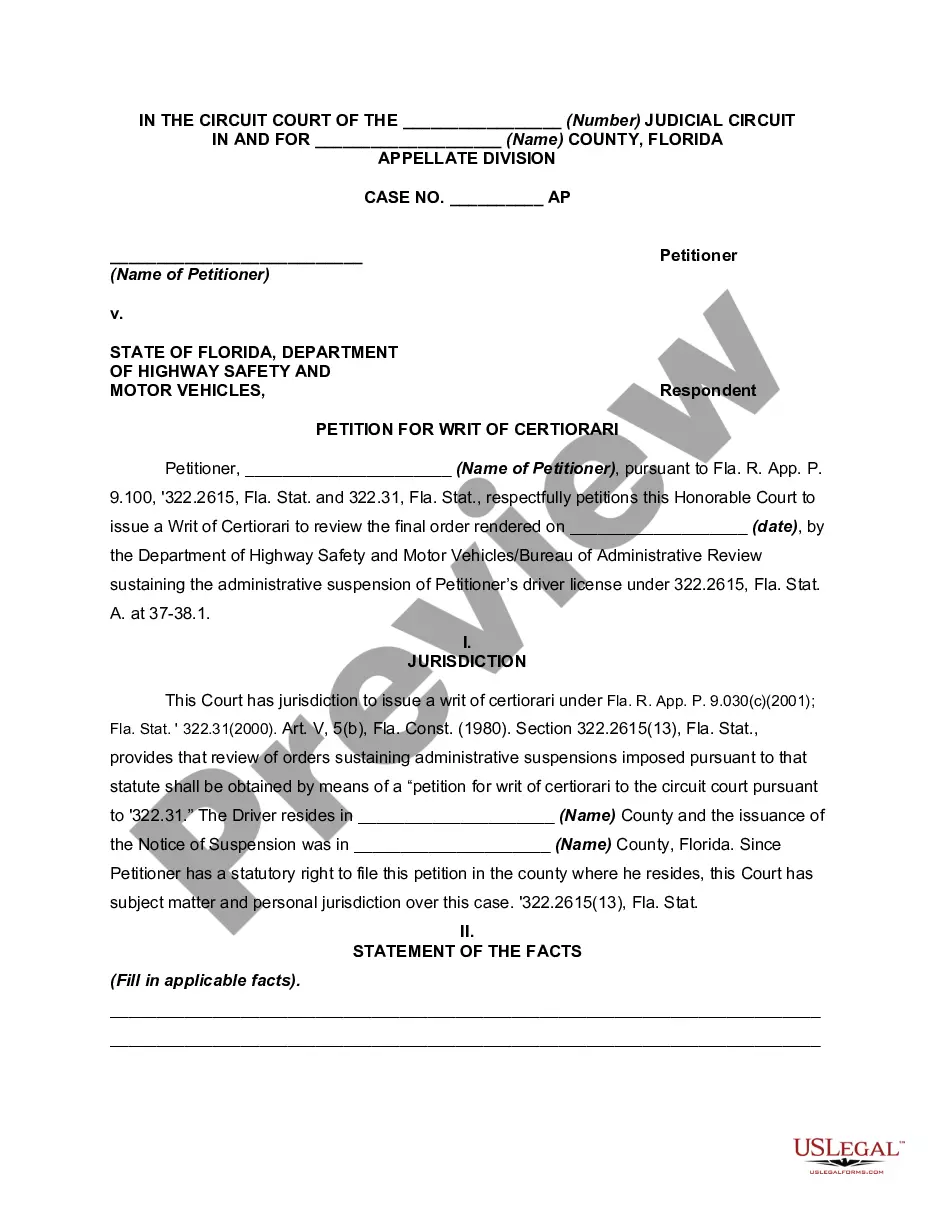
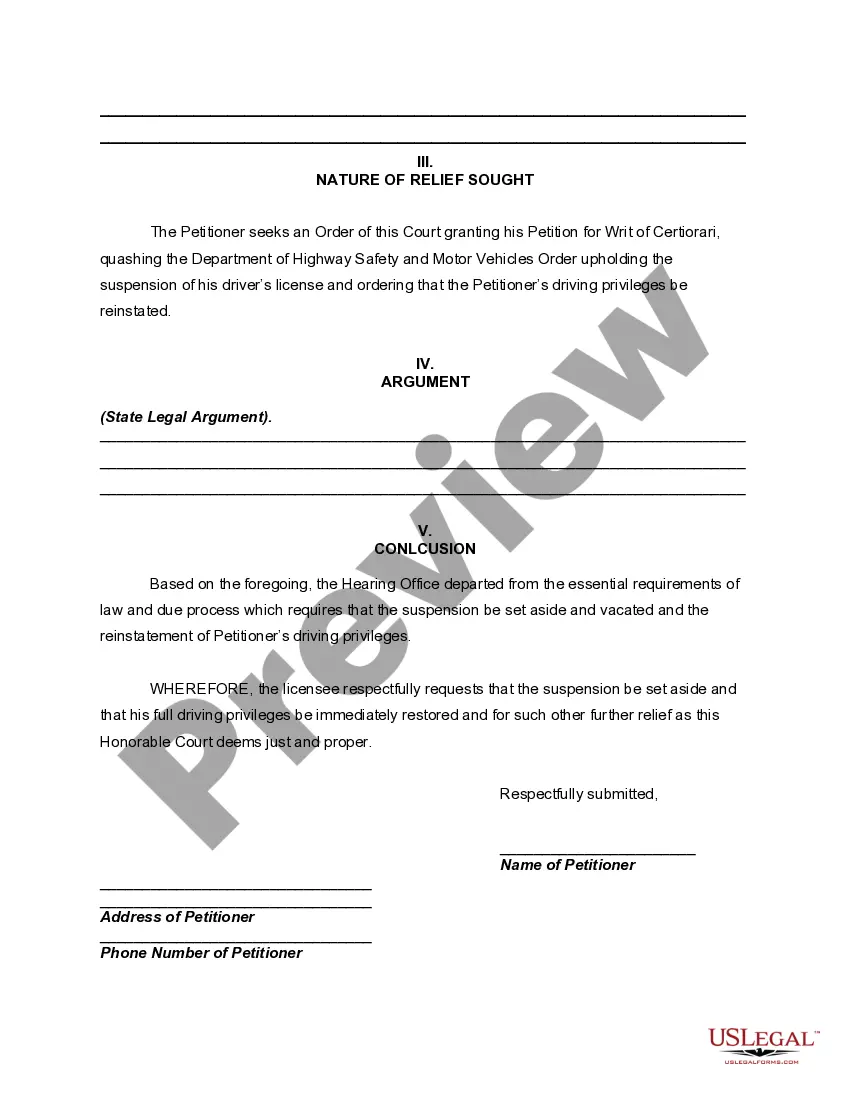
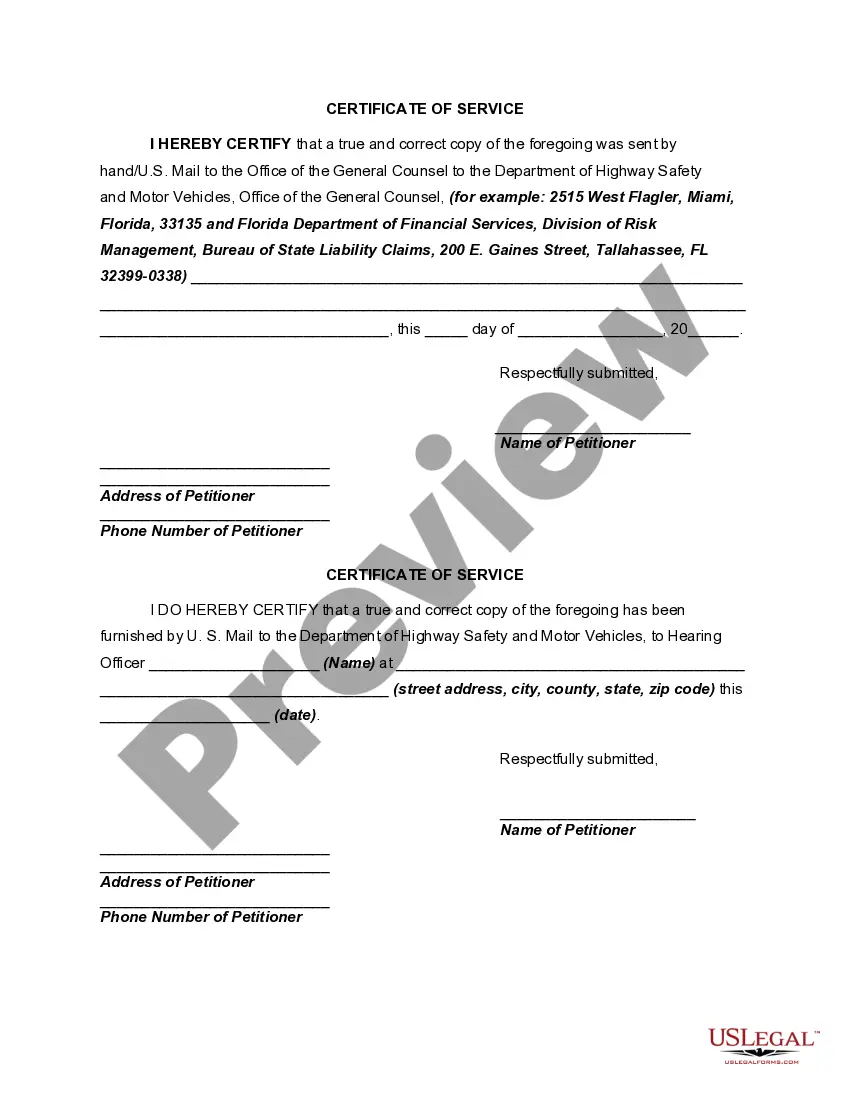
Get your form ready online
Our built-in tools help you complete, sign, share, and store your documents in one place.
Make edits, fill in missing information, and update formatting in US Legal Forms—just like you would in MS Word.
Download a copy, print it, send it by email, or mail it via USPS—whatever works best for your next step.
Sign and collect signatures with our SignNow integration. Send to multiple recipients, set reminders, and more. Go Premium to unlock E-Sign.
If this form requires notarization, complete it online through a secure video call—no need to meet a notary in person or wait for an appointment.
We protect your documents and personal data by following strict security and privacy standards.

Make edits, fill in missing information, and update formatting in US Legal Forms—just like you would in MS Word.

Download a copy, print it, send it by email, or mail it via USPS—whatever works best for your next step.

Sign and collect signatures with our SignNow integration. Send to multiple recipients, set reminders, and more. Go Premium to unlock E-Sign.

If this form requires notarization, complete it online through a secure video call—no need to meet a notary in person or wait for an appointment.

We protect your documents and personal data by following strict security and privacy standards.
Looking for another form?





How to fill out Florida Writ Of Certiorari And Appeal Of License Suspension?
The Florida Writ Of Bodily Attachment displayed on this page is a reusable formal document created by expert attorneys in accordance with federal and local regulations.
For over 25 years, US Legal Forms has furnished individuals, businesses, and legal representatives with more than 85,000 authenticated, state-specific documents for any business and personal event. It’s the quickest, most uncomplicated, and most reliable method to acquire the paperwork you require, as the service ensures the highest level of data protection and anti-malware safeguards.
Subscribe to US Legal Forms to have verified legal templates for all of life’s situations readily available.
- Seek the document you require and review it.
- Browse the example you searched and preview it or examine the form description to confirm it meets your requirements. If it does not, employ the search bar to discover the suitable one. Click Buy Now when you have found the template you need.
- Subscribe and sign in.
- Select the payment plan that fits you and set up an account. Use PayPal or a credit card to make a fast payment. If you already possess an account, Log In and verify your subscription to continue.
- Acquire the editable template.
- Choose the format you prefer for your Florida Writ Of Bodily Attachment (PDF, DOCX, RTF) and save the document on your device.
- Complete and sign the forms.
- Print the template to finalize it manually. Alternatively, use an online versatile PDF editor to swiftly and accurately complete and sign your document with a legally binding electronic signature.
- Re-download your documentation.
- Utilize the same document again as needed. Open the My documents tab in your profile to redownload any previously saved documents.
Form popularity
FAQ
If the parent who owes child support does not appear in court, the court may issue an order of arrest (also called a Writ of Bodily Attachment) and the parent may be arrested and jailed.
If a parent needs to file a case against another parent who is not paying child support, the first step is to contact their local child support office. Through the Department of Revenue, they can often get parents to pay their child support, and if not, they can file a case for a hearing.
A writ of attachment is a form of prejudgment process in which the court orders the seizure or attachment of property specifically described in the writ. Such property is seized and maintained in the custody of a designated official, usually the U.S. Marshal, under order and supervision of the court.
A writ of bodily attachment can be issued for: Failure to pay child support as ordered. Failure to appear at court in a civil matter as required. Failure to pay alimony.
Upon responding to a motion for contempt, a defendant may either lodge a defense or he or she may purge the contempt by complying with the court's order and remedying any past due support obligations. The defendant responds by filing an answer. The answer may contain defenses against the contempt action.