Florida Business Judgment Rule
Description
Get your form ready online
Our built-in tools help you complete, sign, share, and store your documents in one place.
Make edits, fill in missing information, and update formatting in US Legal Forms—just like you would in MS Word.
Download a copy, print it, send it by email, or mail it via USPS—whatever works best for your next step.
Sign and collect signatures with our SignNow integration. Send to multiple recipients, set reminders, and more. Go Premium to unlock E-Sign.
If this form requires notarization, complete it online through a secure video call—no need to meet a notary in person or wait for an appointment.
We protect your documents and personal data by following strict security and privacy standards.

Make edits, fill in missing information, and update formatting in US Legal Forms—just like you would in MS Word.

Download a copy, print it, send it by email, or mail it via USPS—whatever works best for your next step.

Sign and collect signatures with our SignNow integration. Send to multiple recipients, set reminders, and more. Go Premium to unlock E-Sign.

If this form requires notarization, complete it online through a secure video call—no need to meet a notary in person or wait for an appointment.

We protect your documents and personal data by following strict security and privacy standards.
Looking for another form?




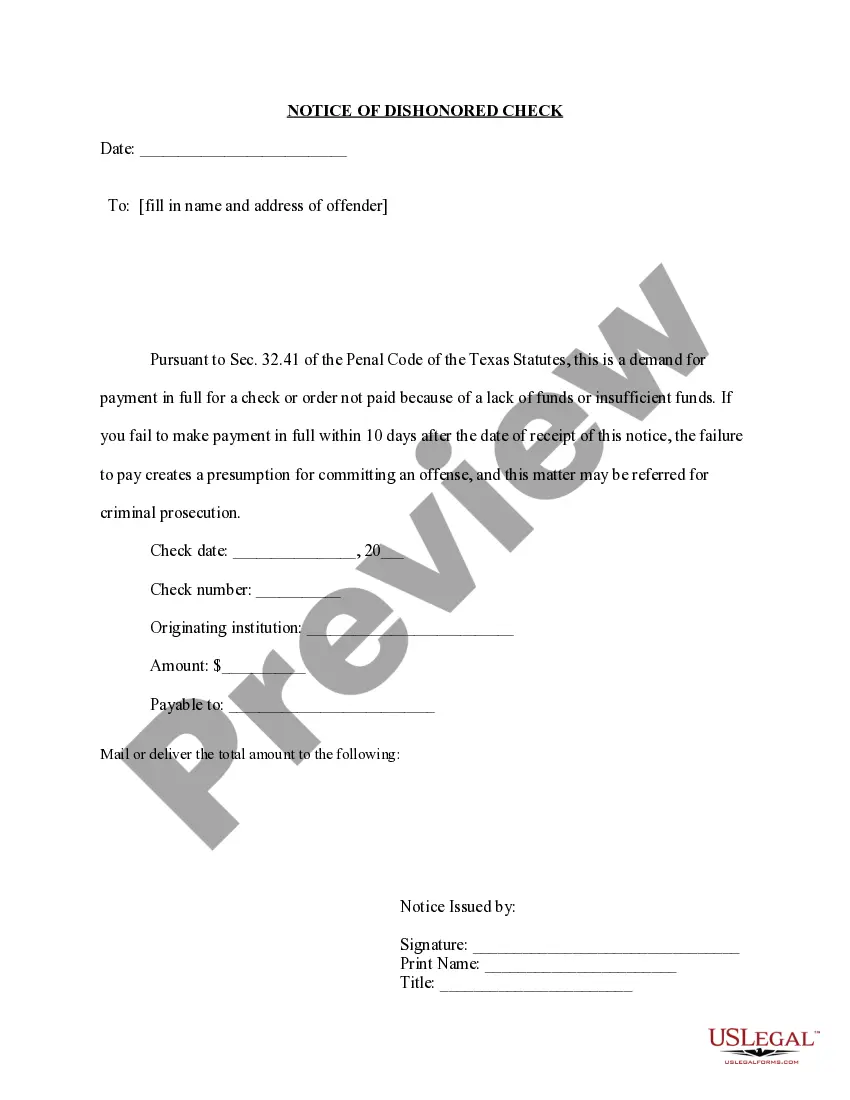

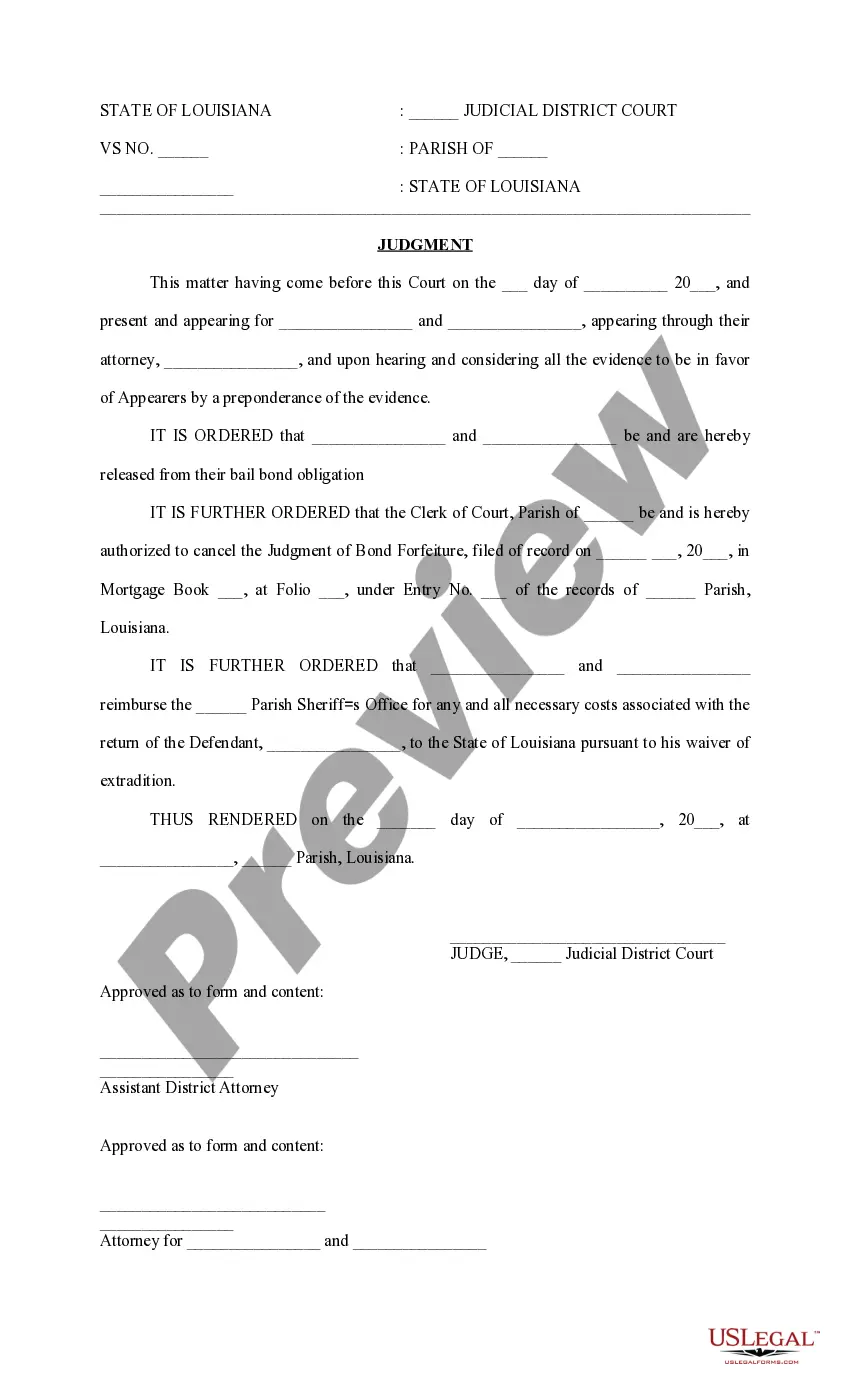
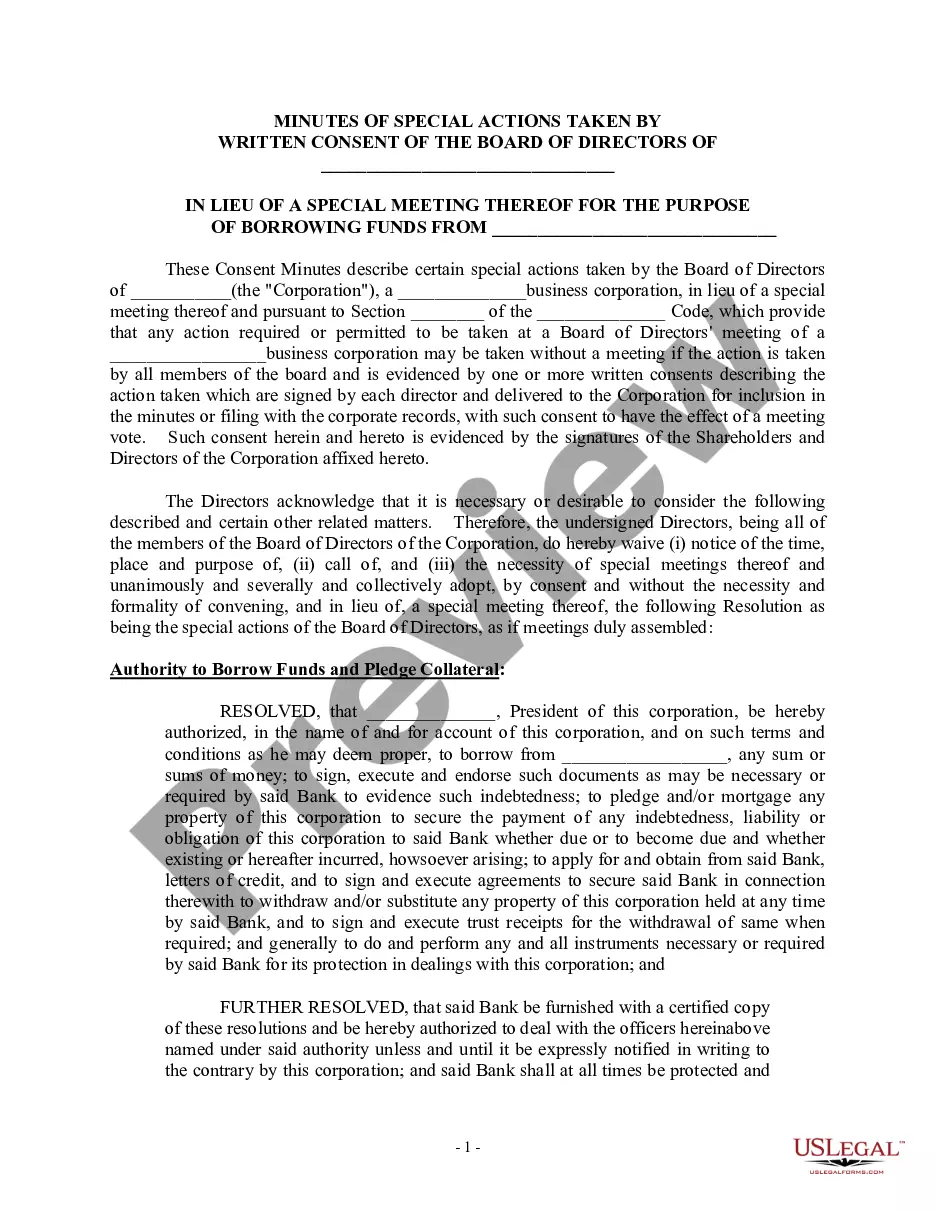

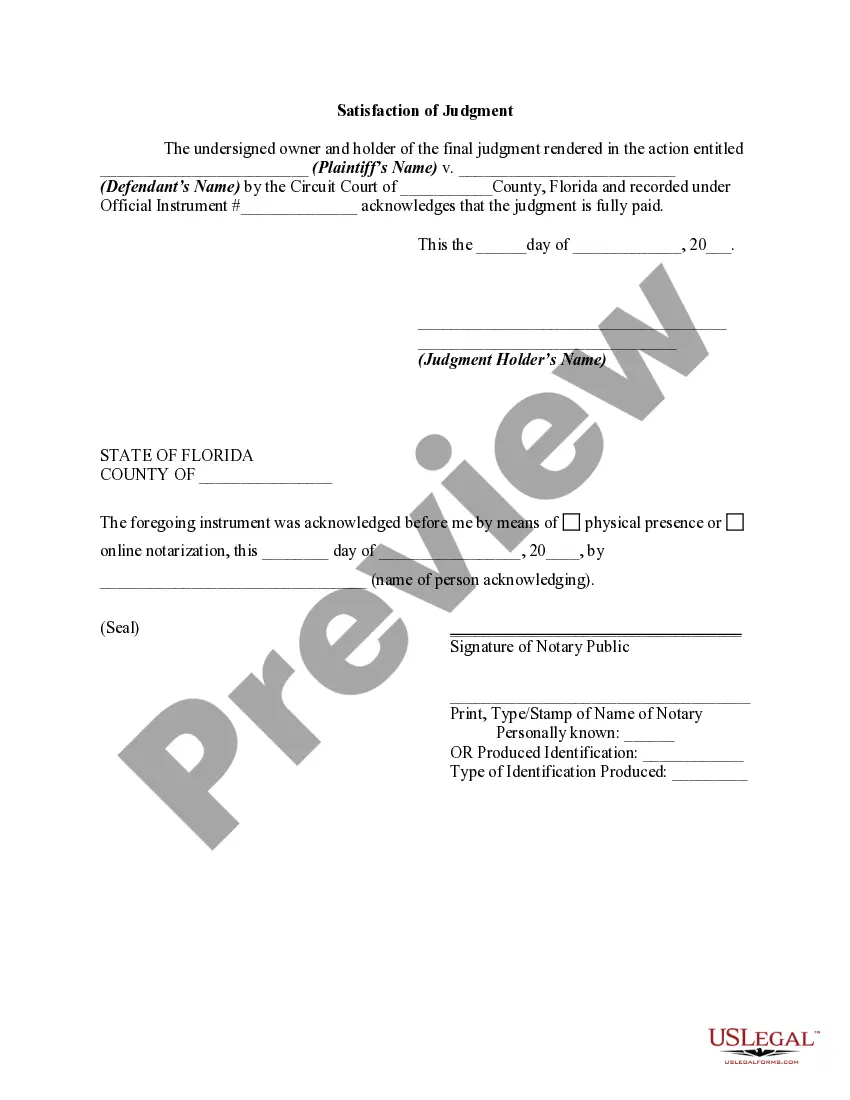
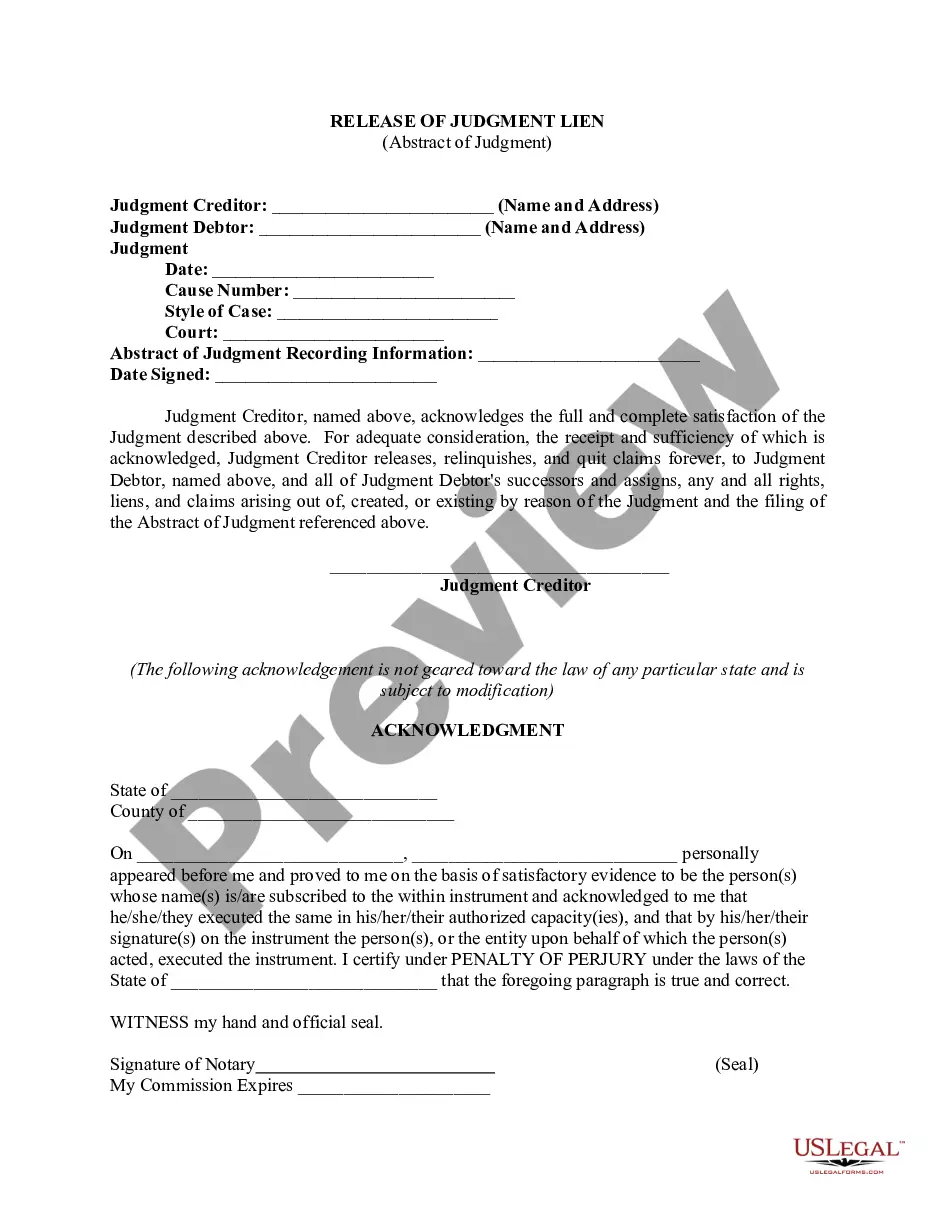
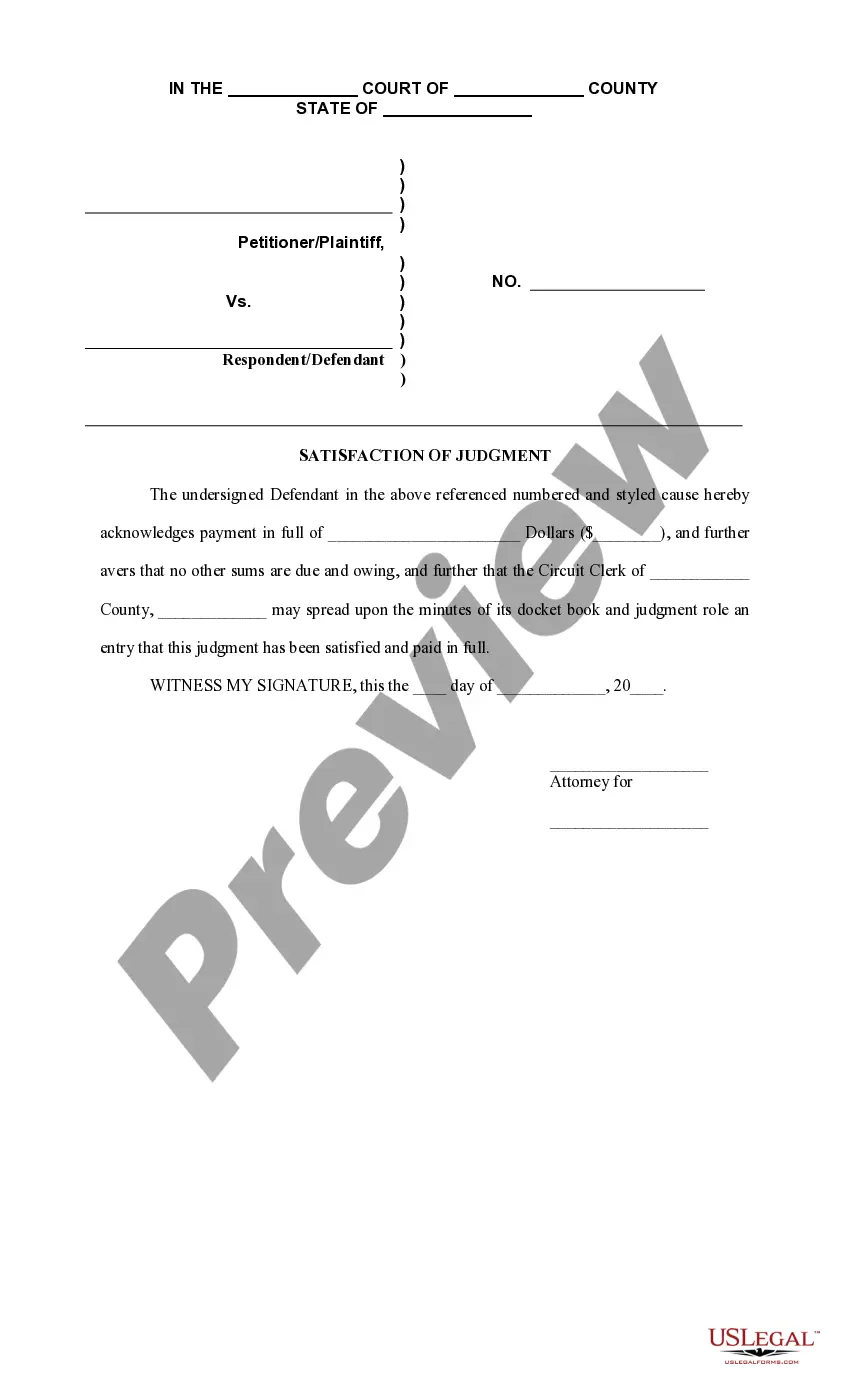
How to fill out Florida Satisfaction Of Judgment?
Managing legal documents can be perplexing, even for seasoned professionals.
When you are in pursuit of a Florida Business Judgment Rule and lack the time to dedicate to finding the correct and current version, the tasks can be challenging.
US Legal Forms meets all your needs, whether for personal or business paperwork.
Utilize sophisticated tools to complete and manage your Florida Business Judgment Rule.
Here are the steps to follow after accessing the desired form: Confirm it is the correct document by previewing it and reviewing its description. Make sure the sample is recognized in your state or county. Click Buy Now when you are ready. Select a monthly subscription plan. Find the desired format, and Download, fill out, sign, print, and send your documents. Take full advantage of the US Legal Forms online catalog, backed by 25 years of expertise and reliability. Transform your everyday document management into a seamless and user-friendly experience today.
- Access a valuable repository of articles, guides, and materials tailored to your situation and needs.
- Conserve time and energy searching for the documents you require, and leverage US Legal Forms’ advanced search and Review feature to locate the Florida Business Judgment Rule and obtain it.
- For subscribers, Log Into your US Legal Forms account, search for the form, and retrieve it.
- Check the My documents tab to see previously saved documents and organize your folders as needed.
- If you are a first-time user of US Legal Forms, set up an account for unrestricted access to all library advantages.
- An extensive online form directory can be transformative for anyone looking to handle these matters efficiently.
- US Legal Forms is a leading provider in online legal documents, offering over 85,000 state-specific legal forms accessible at any time.
- With US Legal Forms, you can find state- or county-specific legal and business documents all in one location.
Form popularity
FAQ
There are certain instances in which director decisions can end up in the courts. For example, a director sells a company asset to a family member for an unjustifiably low price. This would be an example of self-dealing that the rule would not insulate from prosecution.
Generally, the business judgment rule prevents courts from calling directors to account for either their actions or inactions, regardless of how poor their judgment is determined to be.
Under this standard, a court will uphold the decisions of a director as long as they are made (1) in good faith, (2) with the care that a reasonably prudent person would use, and (3) with the reasonable belief that the director is acting in the best interests of the corporation.
The Business Judgment Rule [1] Officers and directors must make decisions that they believe, in good faith, to be in the best interests of their companies and must make decisions after appropriate research and due diligence inquiries. The decisions must be the products of appropriate care and thought.
Under this standard, a court will uphold the decisions of a director as long as they are made (1) in good faith, (2) with the care that a reasonably prudent person would use, and (3) with the reasonable belief that the director is acting in the best interests of the corporation.