Power Attorney For Vehicle
Description
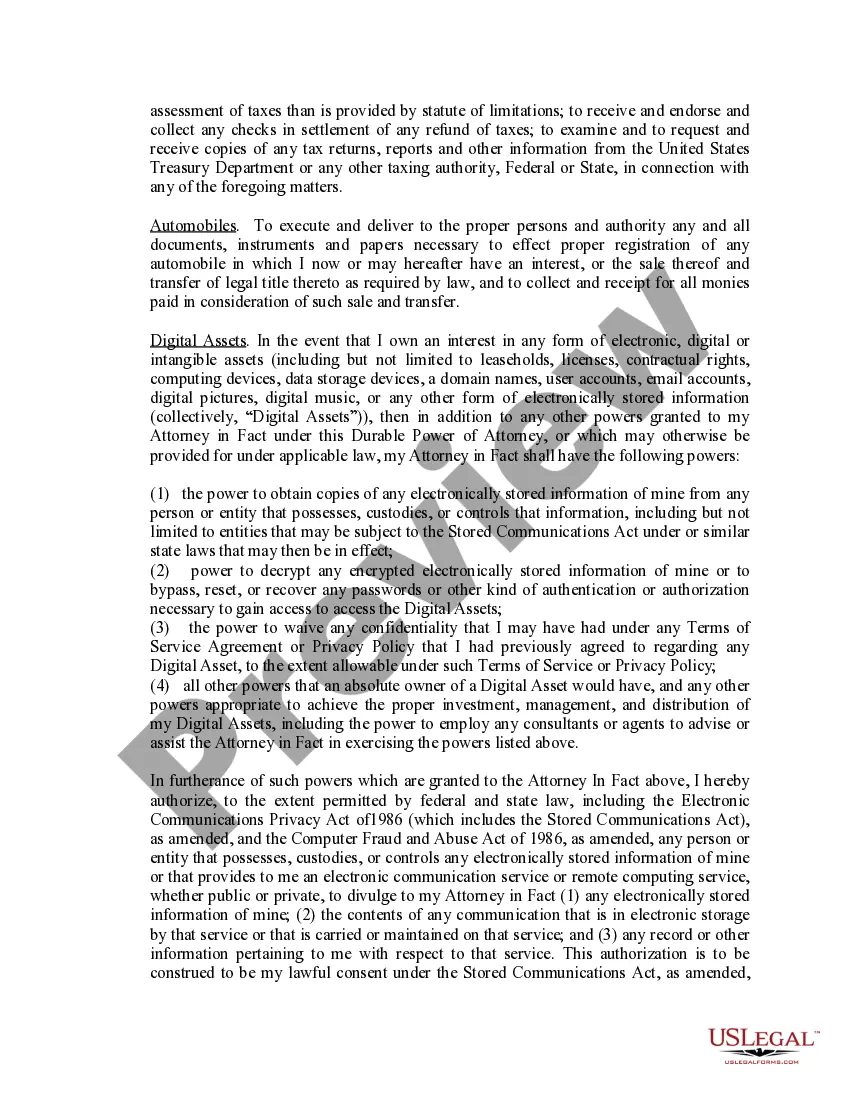
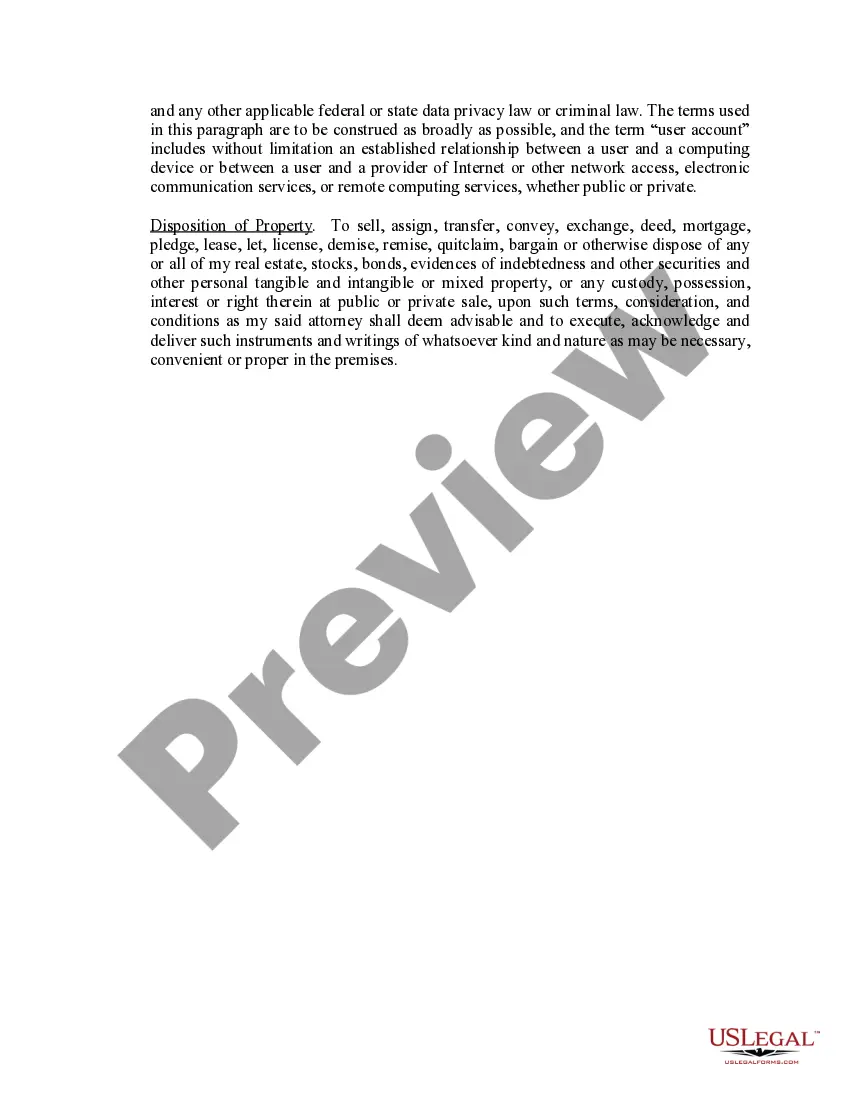
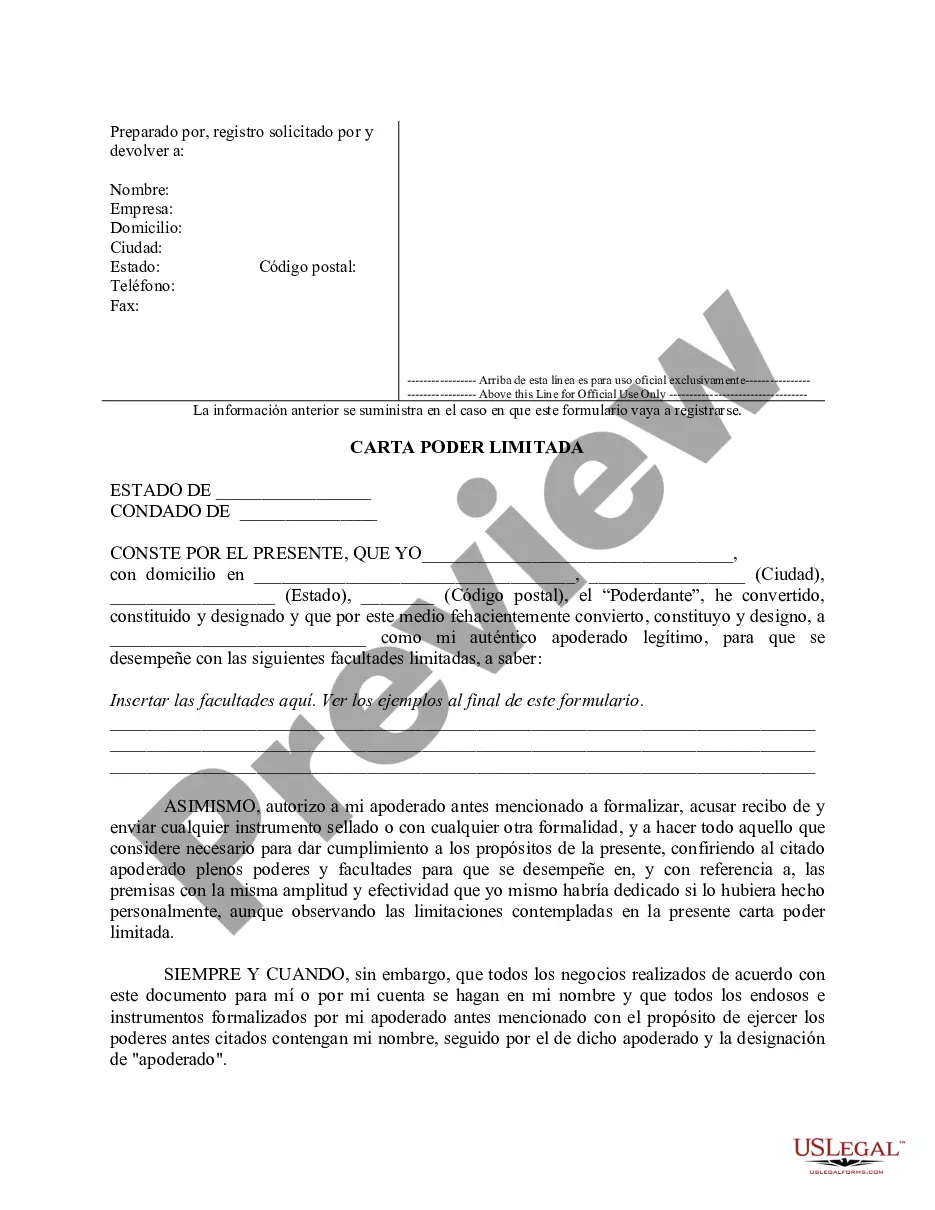
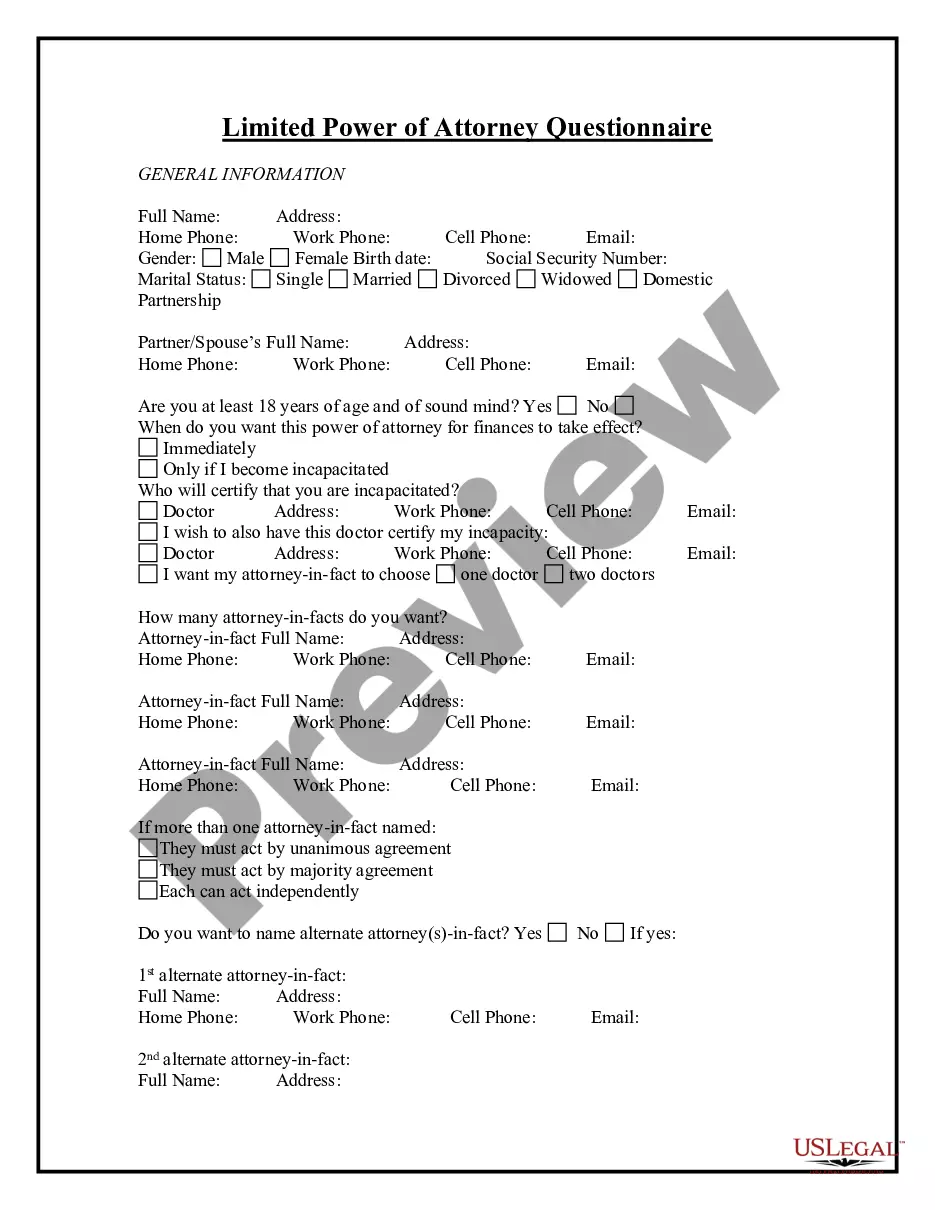
Get your form ready online
Our built-in tools help you complete, sign, share, and store your documents in one place.
Make edits, fill in missing information, and update formatting in US Legal Forms—just like you would in MS Word.
Download a copy, print it, send it by email, or mail it via USPS—whatever works best for your next step.
Sign and collect signatures with our SignNow integration. Send to multiple recipients, set reminders, and more. Go Premium to unlock E-Sign.
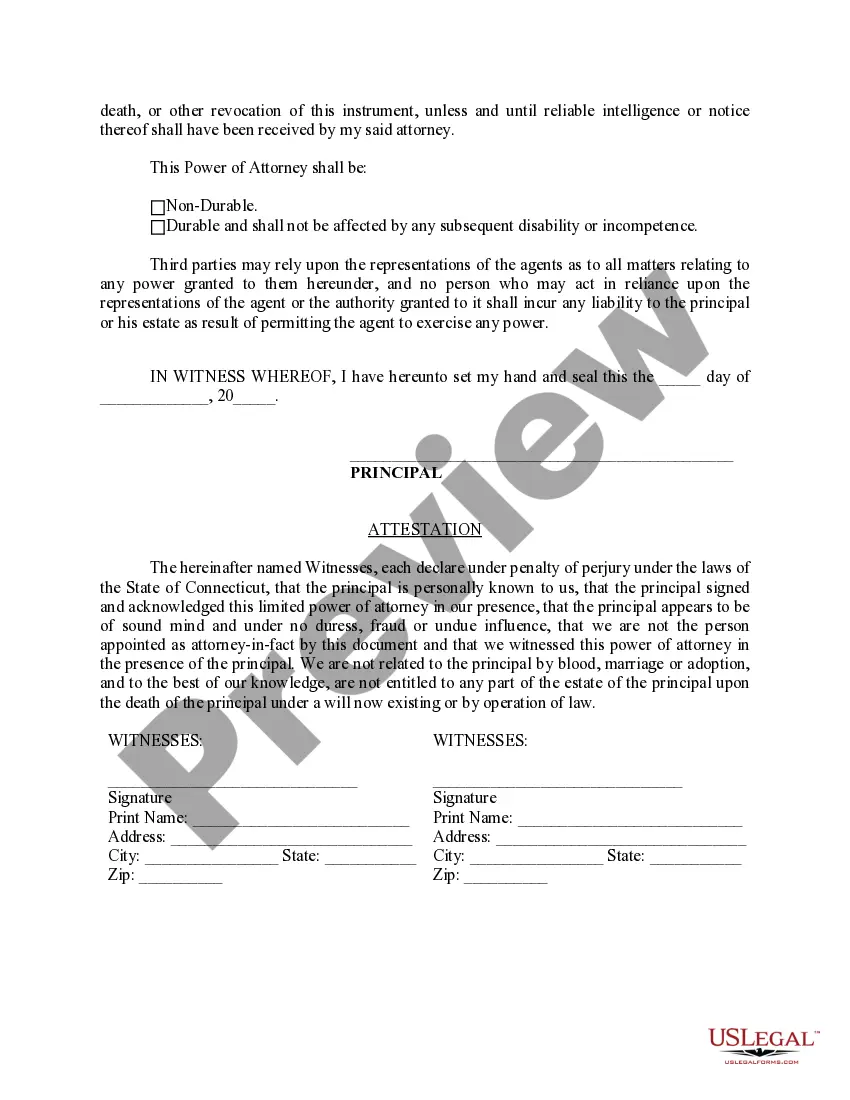
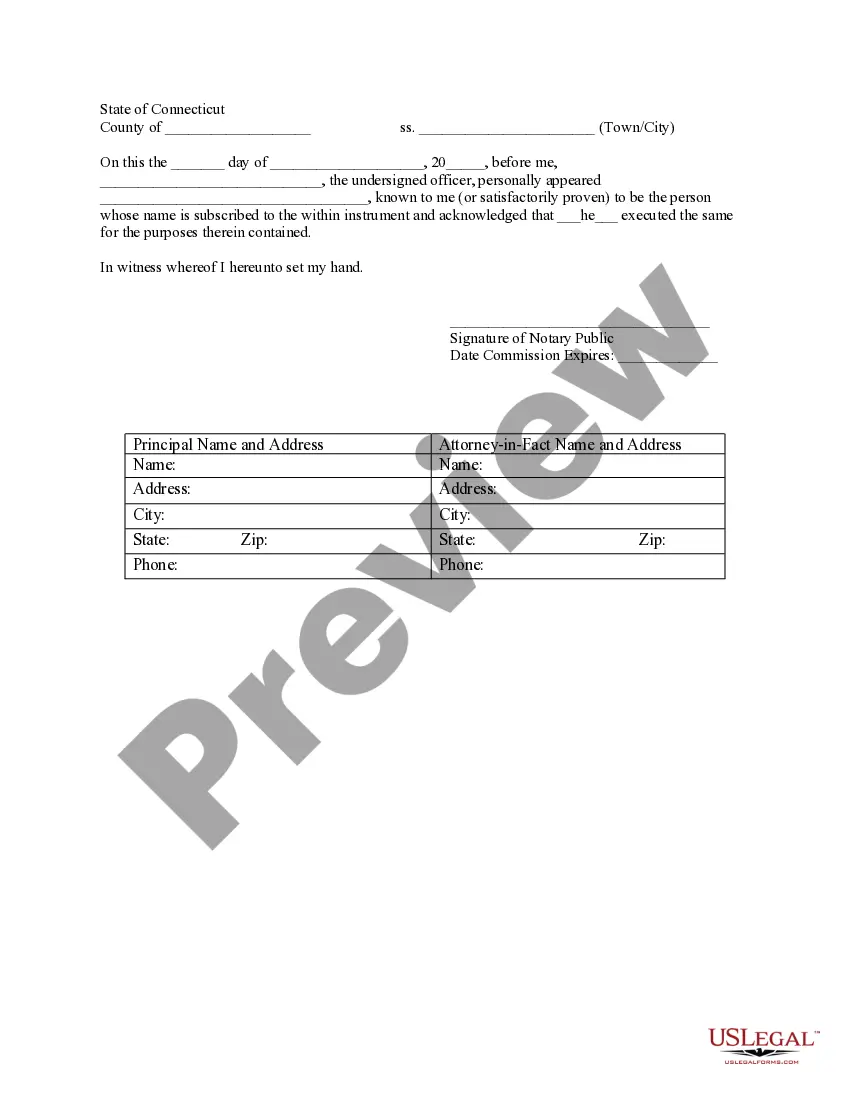
If this form requires notarization, complete it online through a secure video call—no need to meet a notary in person or wait for an appointment.
We protect your documents and personal data by following strict security and privacy standards.

Make edits, fill in missing information, and update formatting in US Legal Forms—just like you would in MS Word.

Download a copy, print it, send it by email, or mail it via USPS—whatever works best for your next step.

Sign and collect signatures with our SignNow integration. Send to multiple recipients, set reminders, and more. Go Premium to unlock E-Sign.

If this form requires notarization, complete it online through a secure video call—no need to meet a notary in person or wait for an appointment.

We protect your documents and personal data by following strict security and privacy standards.
Looking for another form?
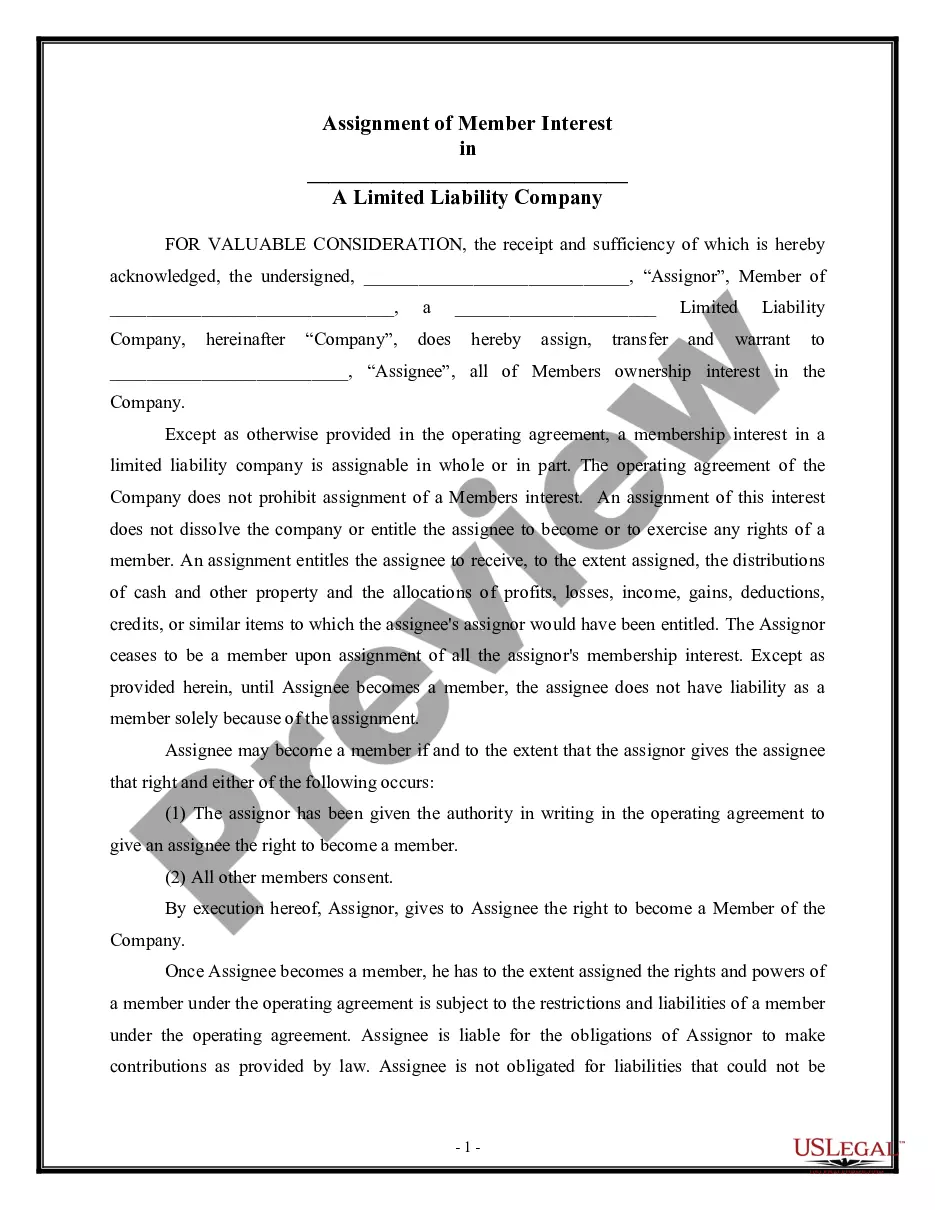

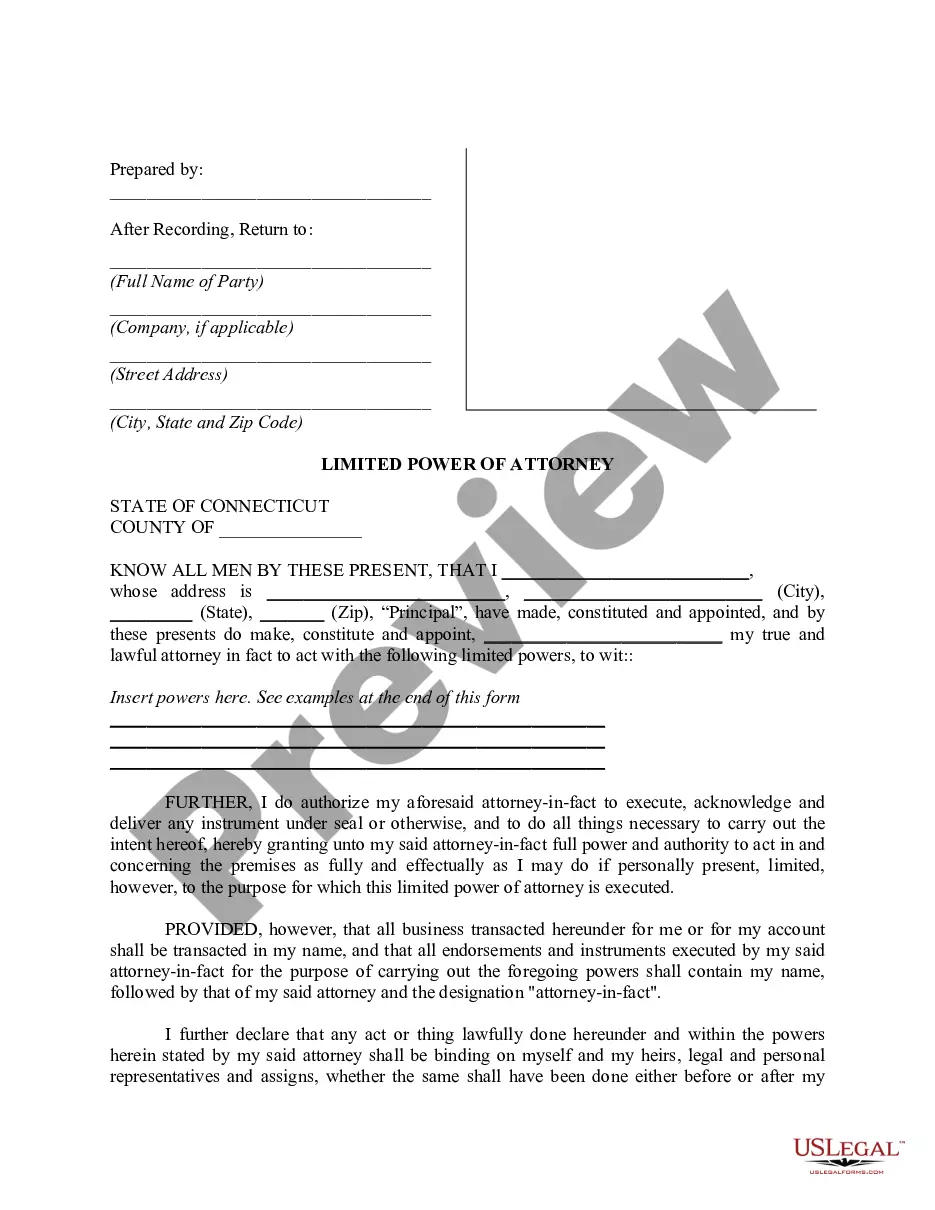
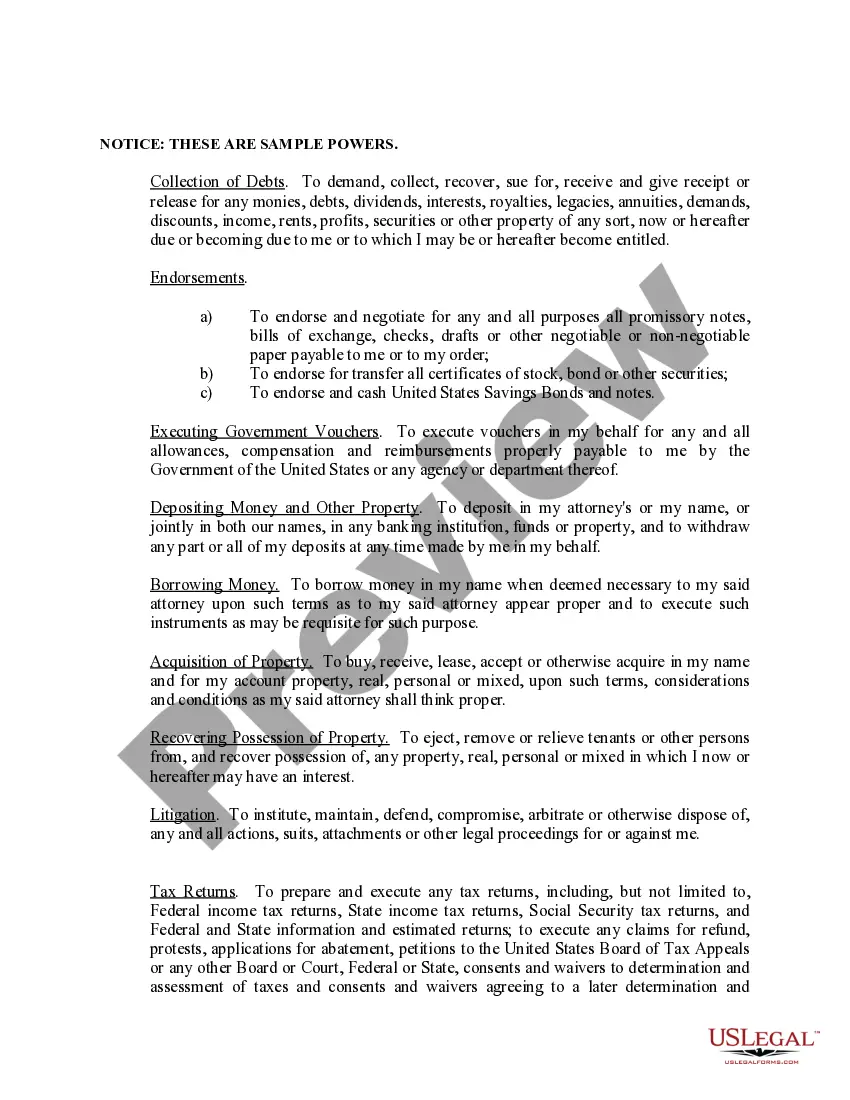
How to fill out Connecticut Limited Power Of Attorney Where You Specify Powers With Sample Powers Included?
- If you have an existing US Legal Forms account, log in to access your forms. Confirm that your subscription is active; if not, renew it based on your current payment plan.
- If you're new to the service, begin by evaluating available forms. Use the Preview mode to review the description and ensure it meets both your needs and local jurisdiction requirements.
- Should you need a different form, utilize the Search function to locate the appropriate template that aligns with your requirements.
- Once you've selected the desired document, click 'Buy Now' and choose a suitable subscription plan. You'll need to create an account to proceed to the next step.
- Complete your purchase by entering payment details with a credit card or through your PayPal account.
- After the transaction, download your power of attorney form directly to your device. You can always access it later in the My Forms section of your profile.
In conclusion, using US Legal Forms simplifies the process of obtaining your power attorney for vehicle transactions. With a vast library of over 85,000 forms and support from premium experts, you can ensure your documents are accurate and legally binding.
Get started today to take advantage of these resources and streamline your legal document needs!
Form popularity
FAQ
To transfer a title using a power of attorney, the designated person can complete the necessary title transfer forms on behalf of the vehicle owner. They may need to provide a copy of the power attorney for vehicle alongside the title paperwork. It’s essential to check specific state requirements, as they may differ. Uslegalforms can help you with the necessary templates and guidance for a seamless transfer process.
To give power of attorney for a car, you'll first need to create a power of attorney document that outlines the specific authority granted. This document should include details about the vehicle, the parties involved, and any limitations. Once completed, sign the document and, if required by state law, have it notarized. Using uslegalforms makes this process straightforward and ensures that your power attorney for vehicle is legally sound.
Yes, in Florida, a vehicle power of attorney typically needs to be notarized to be valid. Notarization helps to authenticate the document, providing assurance that the signature is genuine. This step is crucial for legal protection in vehicle transactions. If you're looking to simplify this process, consider using uslegalforms to easily create a notarized power attorney for vehicle.
In the context of power of attorney, 'title' refers to the legal ownership of the vehicle. A person granted power of attorney for vehicle can perform actions related to the title, such as transferring it to another individual. Understanding title is crucial because it establishes who can make decisions about the vehicle. When you use power attorney for vehicle, you're ensuring clear communication about ownership.
A motor vehicle power of attorney in Maryland allows one person to authorize another to act on their behalf regarding vehicle-related matters. This can include tasks such as title transfers, registration, and signing documents. Using a power attorney for vehicle simplifies the process when the vehicle owner cannot be present. It's an important tool to ensure vehicle transactions proceed smoothly.
Yes, most dealerships do accept a power of attorney for vehicle transactions. However, it's important to present a properly executed document that specifies the powers granted. This may include the ability to negotiate the sale, sign papers, and transfer ownership. Always check with your dealership beforehand to confirm their specific requirements regarding power attorney for vehicle transactions.
In Tennessee, the rules for power of attorney for vehicle transactions require that the document be duly signed by the principal and notarized. This ensures that the power of attorney is valid and legally binding. When you use a power attorney for vehicle matters, it must clearly outline the authority granted, such as buying or selling a vehicle. It's recommended to review your document carefully to ensure compliance with state laws.
In Arizona, a power of attorney for vehicle can be overridden by the principal—the person who created it—if they are still capable of doing so. Additionally, a court can intervene if it is shown that the agent is not acting in your best interests or if they are abusing their powers. It's prudent to review and potentially revoke your power of attorney if circumstances change, ensuring that your financial and vehicle-related decisions remain in trusted hands.
A power of attorney for vehicle related to car insurance allows your designated agent to manage insurance matters on your behalf. This includes filing claims, making policy adjustments, or negotiating settlements. Using this power simplifies the process during your absence or incapacity, ensuring your insurance needs are handled efficiently. It’s crucial to select someone trustworthy for this responsibility.
Transferring a car title using a power of attorney for vehicle requires presenting the power of attorney document at your local Department of Motor Vehicles (DMV). Your designated agent will need to complete the title transfer application and provide the vehicle's title along with the power of attorney document. It's important to verify any specific requirements your state may have regarding such transactions to ensure a smooth process.