Connecticut Separation With Indian States
Description
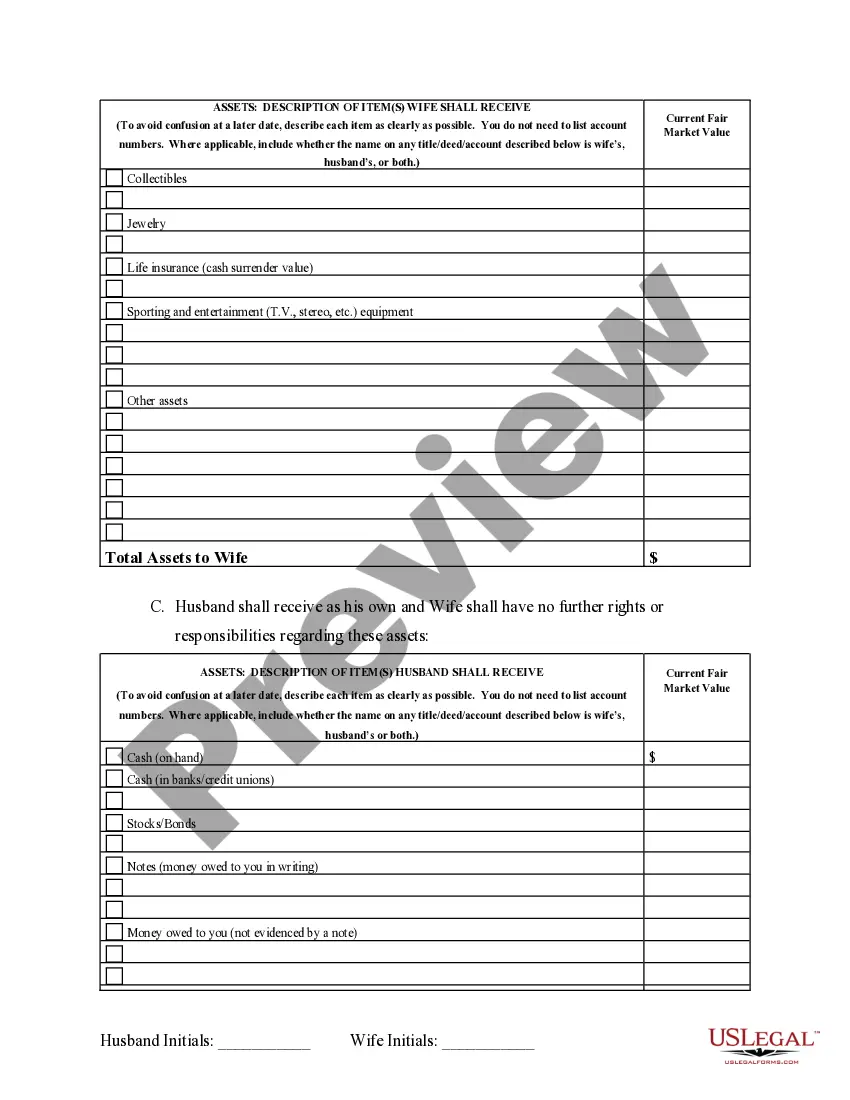
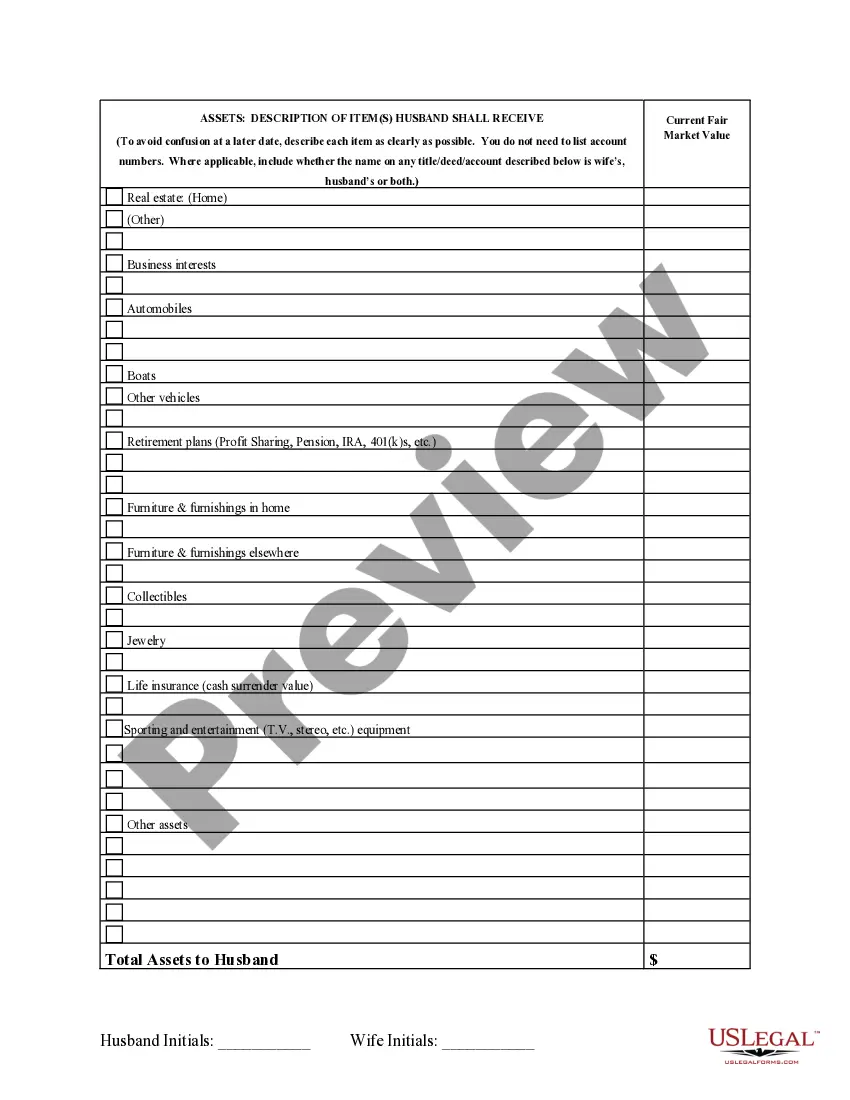
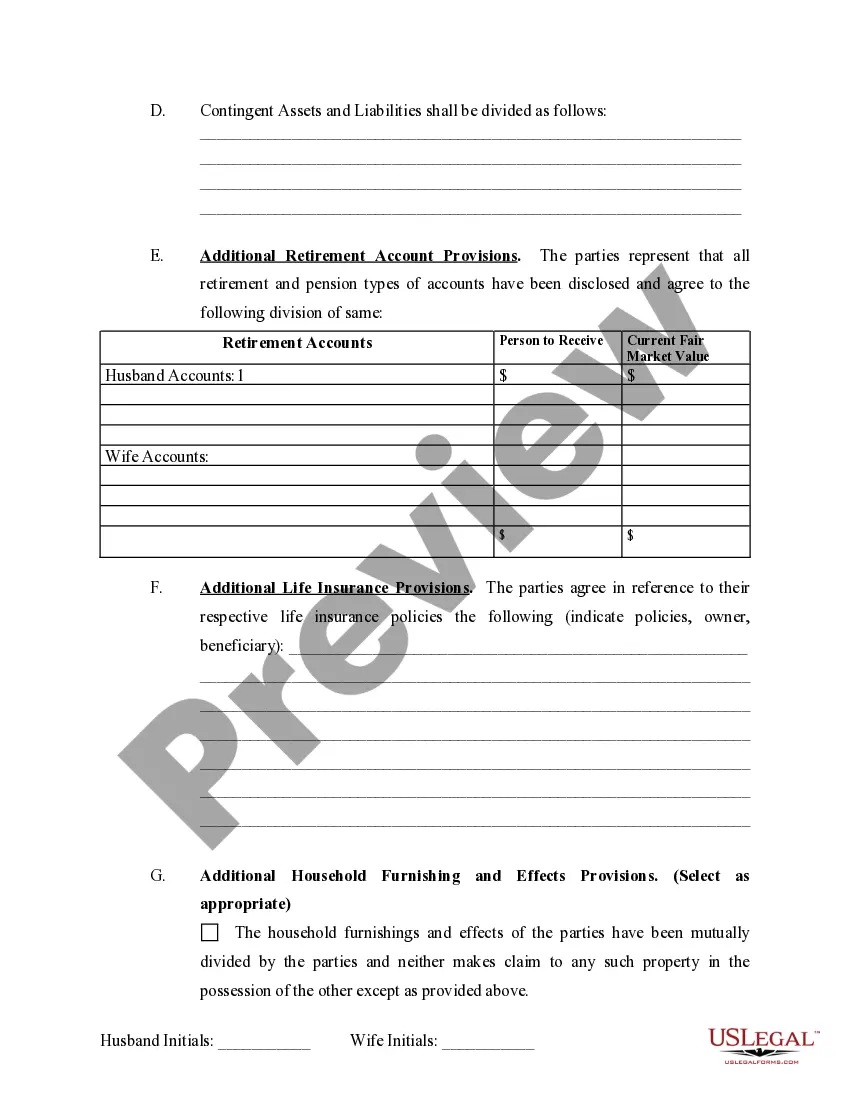
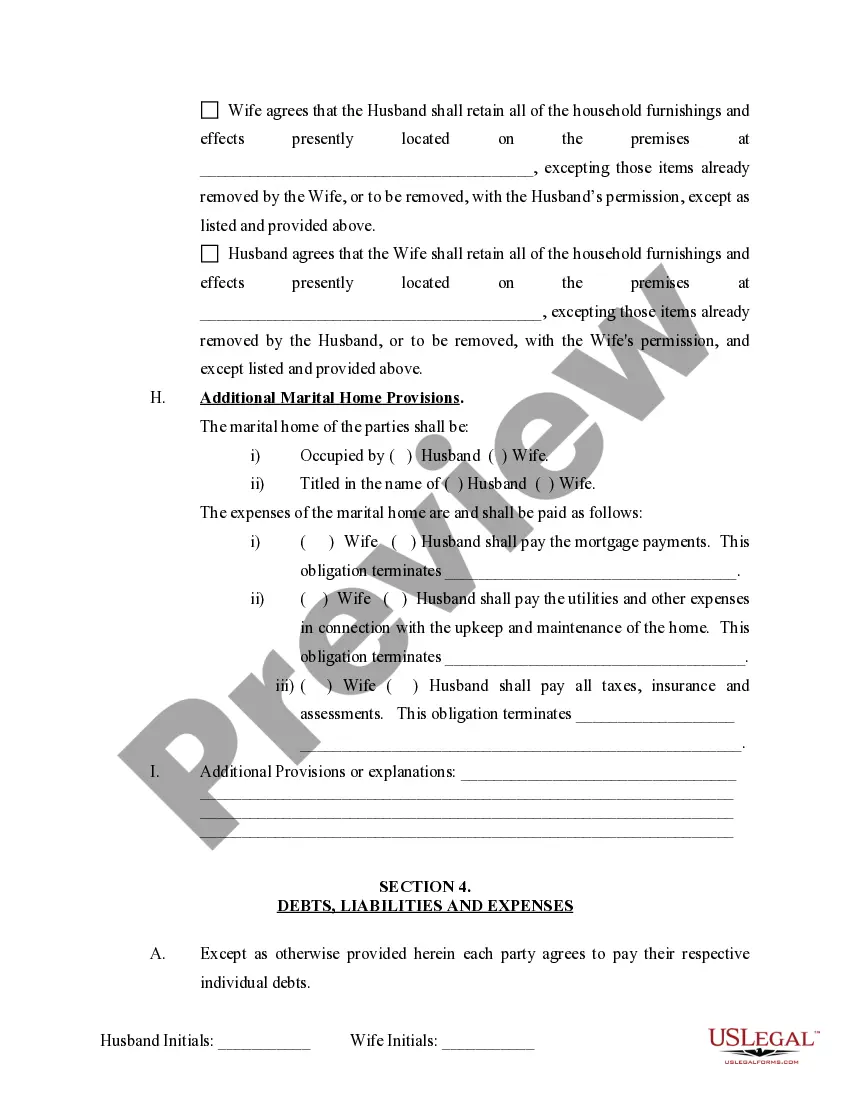

Get your form ready online
Our built-in tools help you complete, sign, share, and store your documents in one place.
Make edits, fill in missing information, and update formatting in US Legal Forms—just like you would in MS Word.
Download a copy, print it, send it by email, or mail it via USPS—whatever works best for your next step.
Sign and collect signatures with our SignNow integration. Send to multiple recipients, set reminders, and more. Go Premium to unlock E-Sign.
If this form requires notarization, complete it online through a secure video call—no need to meet a notary in person or wait for an appointment.
We protect your documents and personal data by following strict security and privacy standards.

Make edits, fill in missing information, and update formatting in US Legal Forms—just like you would in MS Word.

Download a copy, print it, send it by email, or mail it via USPS—whatever works best for your next step.

Sign and collect signatures with our SignNow integration. Send to multiple recipients, set reminders, and more. Go Premium to unlock E-Sign.

If this form requires notarization, complete it online through a secure video call—no need to meet a notary in person or wait for an appointment.

We protect your documents and personal data by following strict security and privacy standards.
Looking for another form?









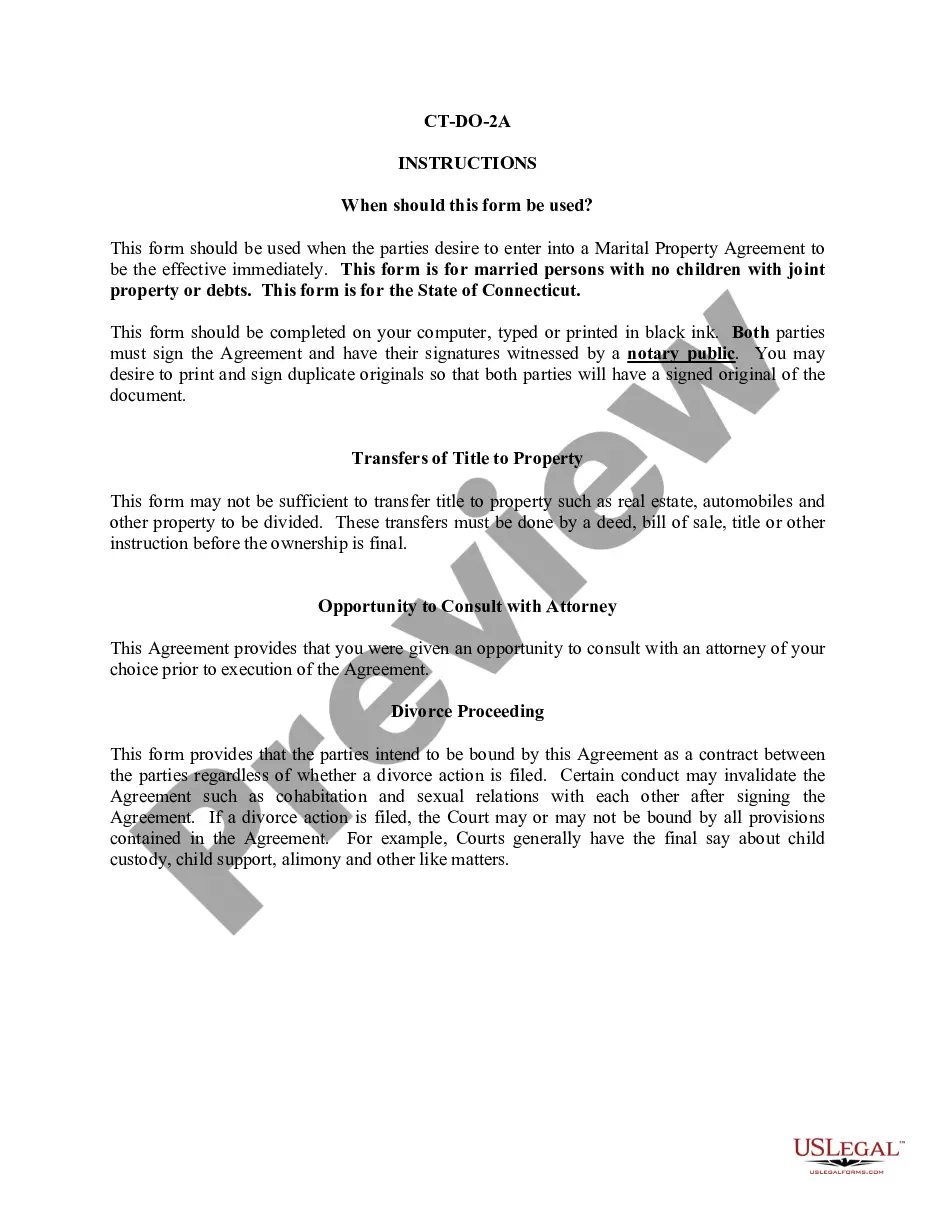
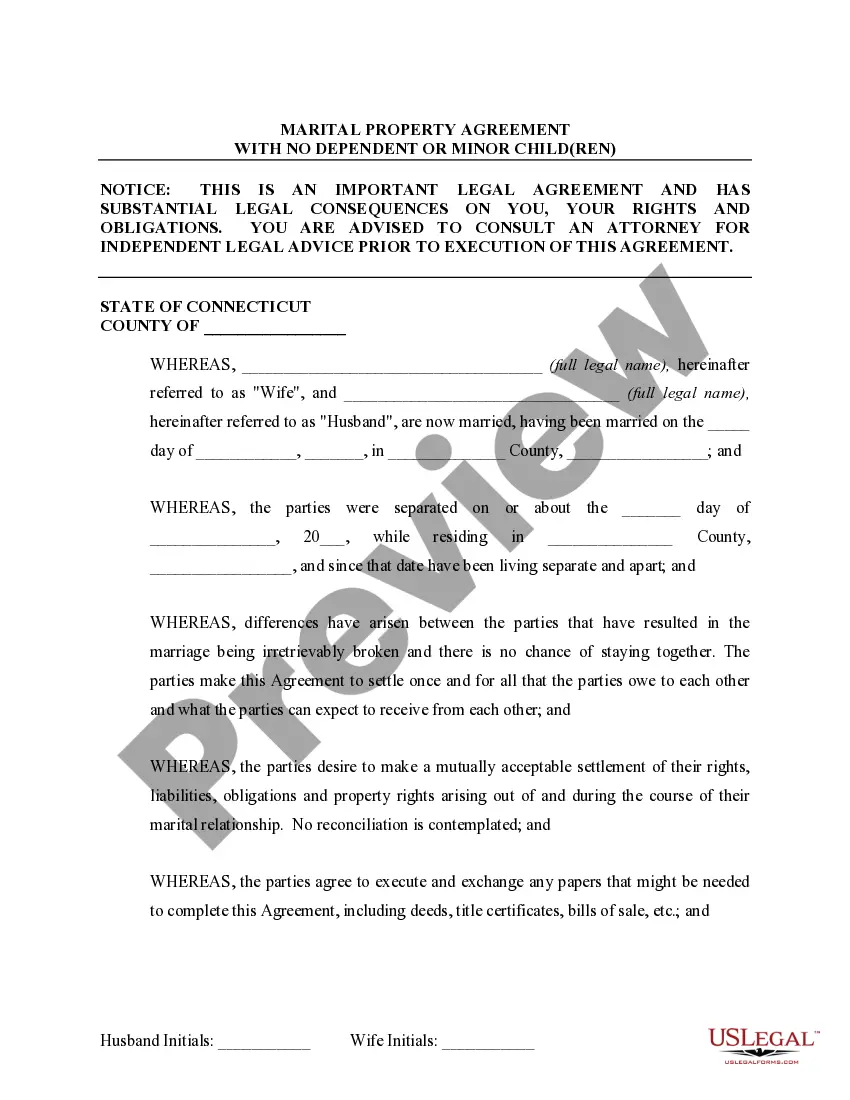
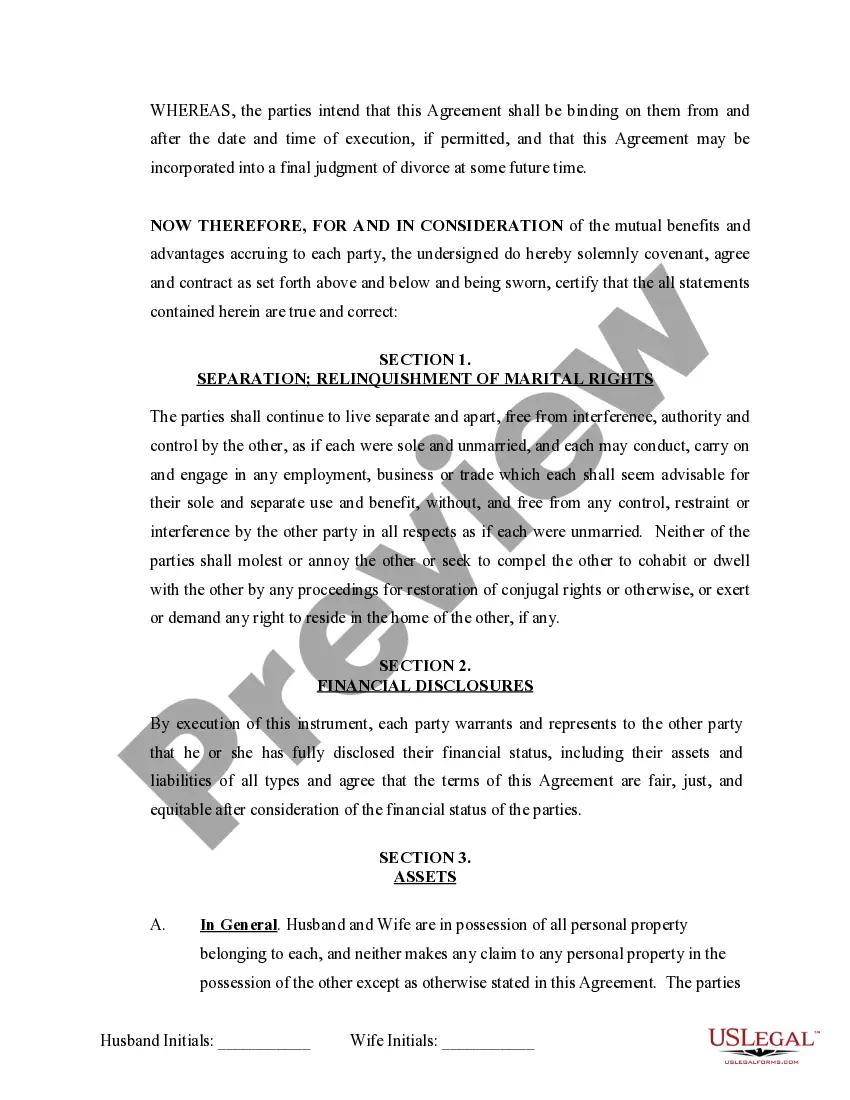
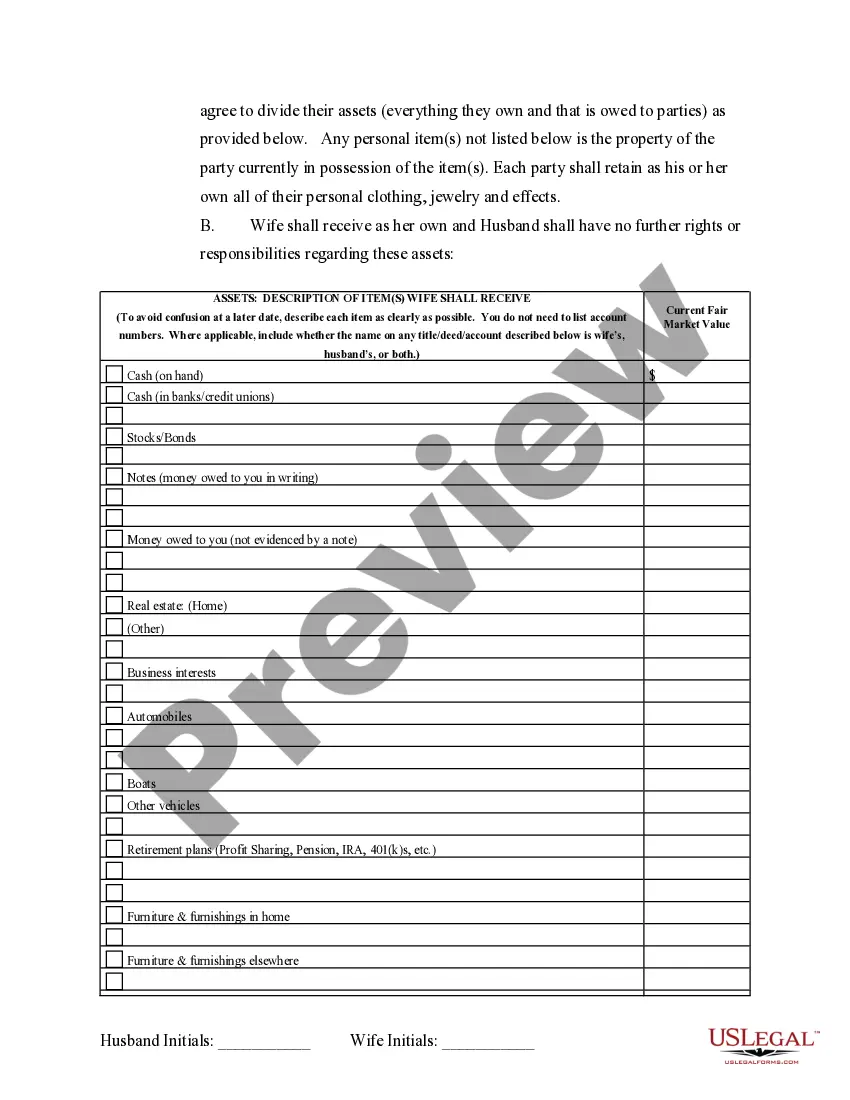
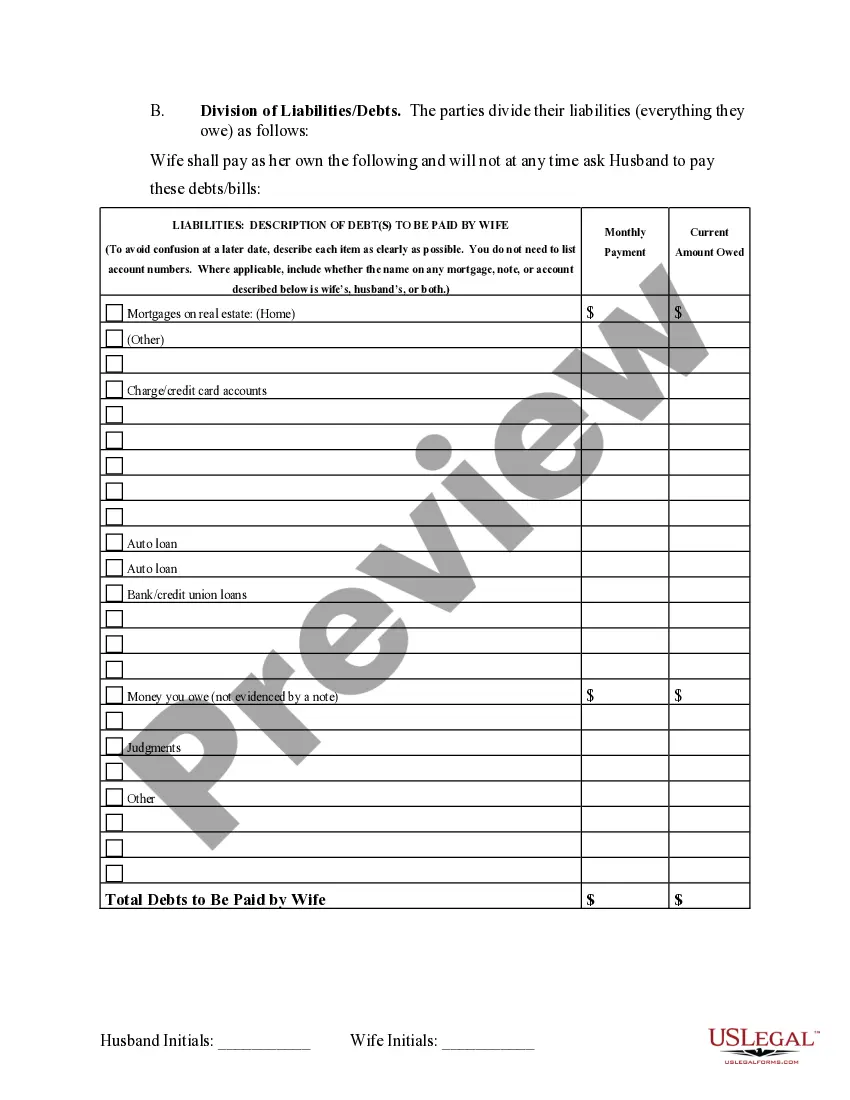
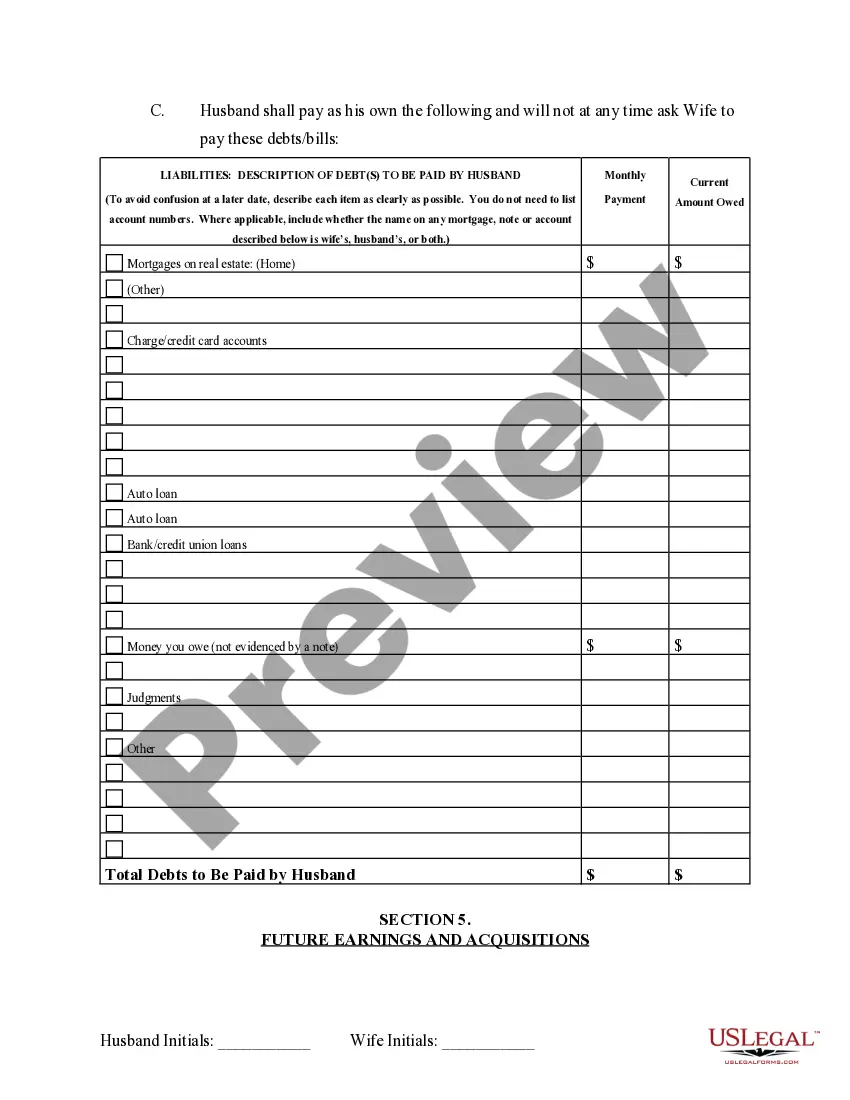
How to fill out Connecticut Marital Legal Separation And Property Settlement Agreement No Children Parties May Have Joint Property Or Debts Effective Immediately?
Creating legal documents from the ground up can frequently be overwhelming. Some instances may require extensive research and significant financial investment.
If you're seeking a more straightforward and economical method for generating Connecticut Separation With Indian States or any other documents without unnecessary complications, US Legal Forms is always available to you.
Our online repository of more than 85,000 current legal forms encompasses nearly every facet of your financial, legal, and personal matters. With just a few clicks, you can swiftly obtain state- and county-compliant templates meticulously crafted for you by our legal experts.
Utilize our platform whenever you require a dependable and trustworthy service through which you can effortlessly locate and download the Connecticut Separation With Indian States. If you’re already familiar with our services and have created an account with us in the past, simply Log In to your account, choose the form, and download it immediately or retrieve it again later in the My documents section.
Ensure the template you select aligns with the regulations of your state and county. Choose the appropriate subscription plan to obtain the Connecticut Separation With Indian States. Download the form, then fill it out, certify it, and print it. US Legal Forms enjoys a solid reputation and over 25 years of expertise. Join us today and simplify the document completion process!
- Not registered yet? That's okay.
- Setting it up takes minimal time and allows you to browse the library.
- Before proceeding to download Connecticut Separation With Indian States, adhere to these suggestions.
- Review the form preview and descriptions to ensure you are viewing the correct form.
Form popularity
FAQ
To be considered Native American, different tribes have varying requirements regarding blood quantum. Generally, many tribes require at least 25% Native ancestry, but some may not have specific blood quantum requirements at all. The Connecticut separation with Indian states can influence how these criteria are applied within the state. If you're exploring your heritage, resources like uslegalforms can assist in navigating the legal aspects of tribal membership.
In Connecticut, the Mashantucket Pequot and Mohegan tribes hold recognized status. Both tribes have established their own governments, laws, and cultural practices within the framework of state law. The Connecticut separation with Indian states is crucial in maintaining the rights and responsibilities of these tribes. Engaging with these tribes can offer valuable insights into their rich heritage and contemporary issues.
Connecticut officially recognizes two tribes: the Mashantucket Pequot and the Mohegan. These tribes have a significant historical and cultural presence in the state. The Connecticut separation with Indian states plays a vital role in defining their legal status and rights. Understanding tribal recognition can help residents navigate legal issues and foster better relationships with these communities.
Yes, Connecticut has Indian reservations, primarily associated with the Mashantucket Pequot and Mohegan tribes. These reservations allow tribes to exercise their sovereignty and manage their affairs. The Connecticut separation with Indian states highlights the importance of recognizing these areas as distinct jurisdictions. For those interested in tribal law or rights, it's essential to explore these reservations further.
Native American tribes generally have a degree of sovereignty, meaning they can govern themselves. However, they must also adhere to certain state laws, particularly those involving public safety and welfare. The Connecticut separation with Indian states creates a unique legal landscape where state and tribal laws intersect. Understanding these dynamics is crucial for anyone living near or working with Native American communities.
The Connecticut Indian land claims settlement was a significant agreement reached between the state and Native American tribes in the 1970s. This settlement addressed historical grievances related to land loss and provided compensation to the tribes. Understanding this settlement is vital for grasping the ongoing dialogue about the Connecticut separation with Indian states, as it represents a step towards reconciliation and recognition of tribal rights.
The Indian name for Connecticut is believed to be 'Quinetucket,' which translates to 'long tidal river.' This name reflects the state's rich waterways and the importance of rivers to the Native American tribes that inhabited the area. By exploring the meaning behind names, you can appreciate the deep connections between Connecticut's landscape and its Native history, highlighting the significance of Connecticut separation with Indian states.
The relationship between Connecticut and Native American tribes has been complex and often tumultuous. Initially, European settlers and Native tribes, including the Pequot and Mohegan, engaged in trade and cooperation. However, conflicts over land and resources led to significant strife, particularly during the Pequot War. Today, recognizing this history is crucial for understanding the Connecticut separation with Indian states and how it shapes current tribal relations.
Yes, Connecticut does have Indian reservations. The Mashantucket Pequot and Mohegan tribes each have their own reservations in the state. These areas serve as cultural and economic hubs for the tribes, allowing them to maintain their heritage and engage in various business ventures, including gaming. Understanding the Connecticut separation with Indian states can provide insight into the relationship between state governance and tribal sovereignty.
To legally separate in Connecticut, you will need to file a petition for legal separation with the court. This petition should include the terms of your separation, covering aspects like alimony and child custody. For assistance in drafting your legal documents, consider using USLegalForms, which provides tailored solutions for your specific needs in Connecticut separation with Indian states.