Notice To Tenant For Vacating Premises
Description


Get your form ready online
Our built-in tools help you complete, sign, share, and store your documents in one place.
Make edits, fill in missing information, and update formatting in US Legal Forms—just like you would in MS Word.
Download a copy, print it, send it by email, or mail it via USPS—whatever works best for your next step.
Sign and collect signatures with our SignNow integration. Send to multiple recipients, set reminders, and more. Go Premium to unlock E-Sign.
If this form requires notarization, complete it online through a secure video call—no need to meet a notary in person or wait for an appointment.
We protect your documents and personal data by following strict security and privacy standards.

Make edits, fill in missing information, and update formatting in US Legal Forms—just like you would in MS Word.

Download a copy, print it, send it by email, or mail it via USPS—whatever works best for your next step.

Sign and collect signatures with our SignNow integration. Send to multiple recipients, set reminders, and more. Go Premium to unlock E-Sign.

If this form requires notarization, complete it online through a secure video call—no need to meet a notary in person or wait for an appointment.

We protect your documents and personal data by following strict security and privacy standards.
Looking for another form?




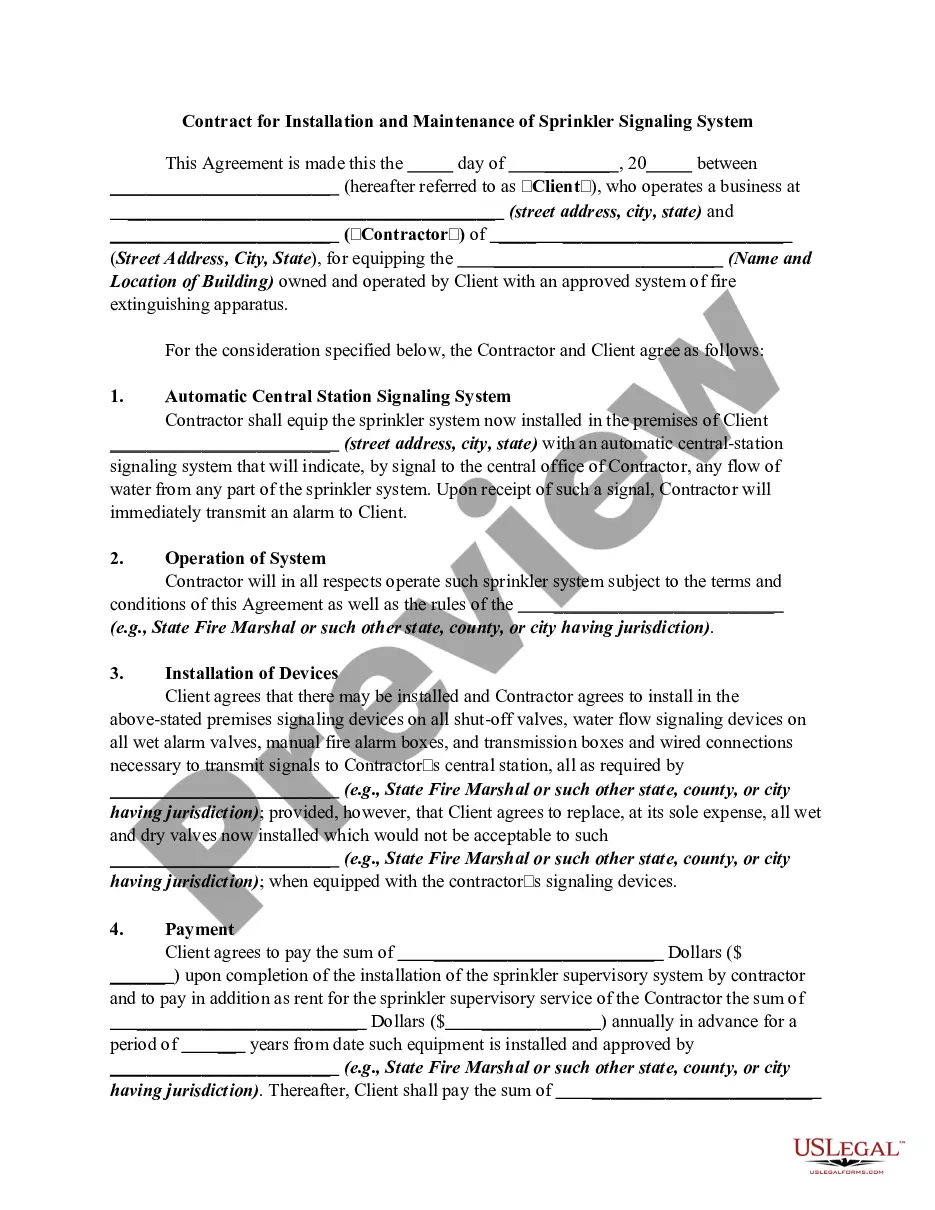

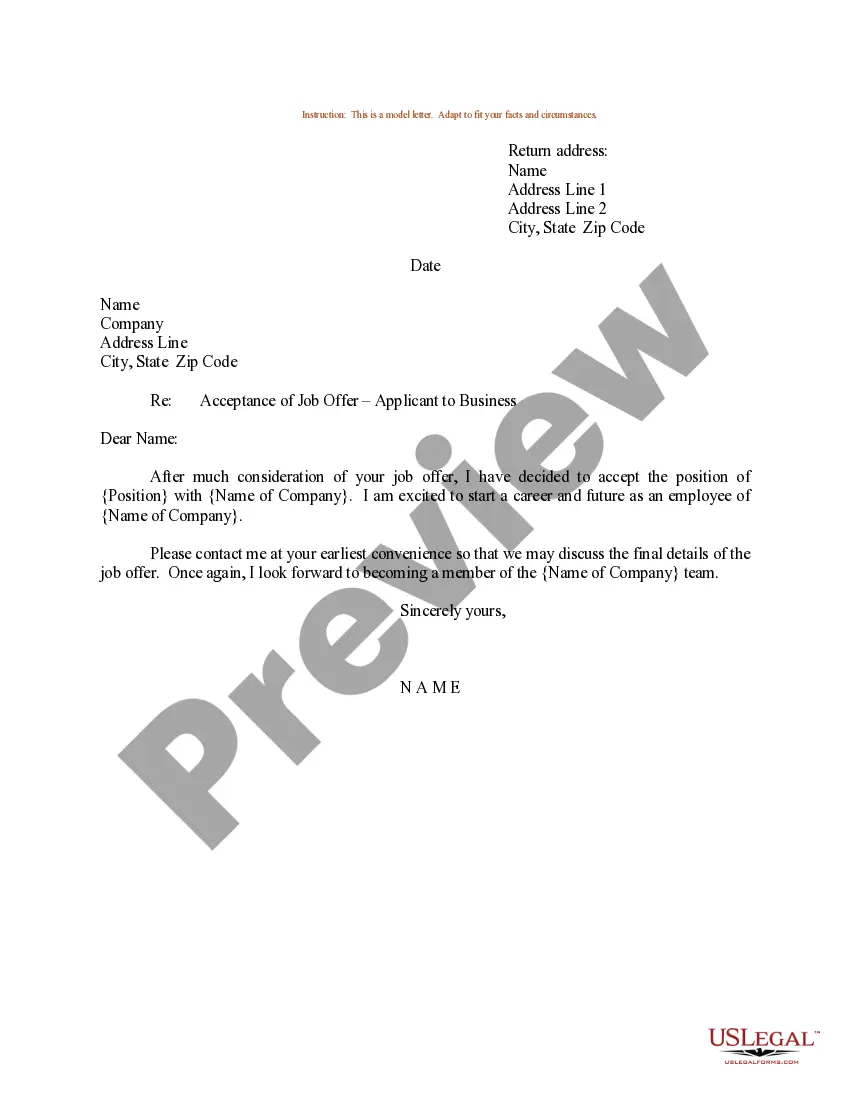



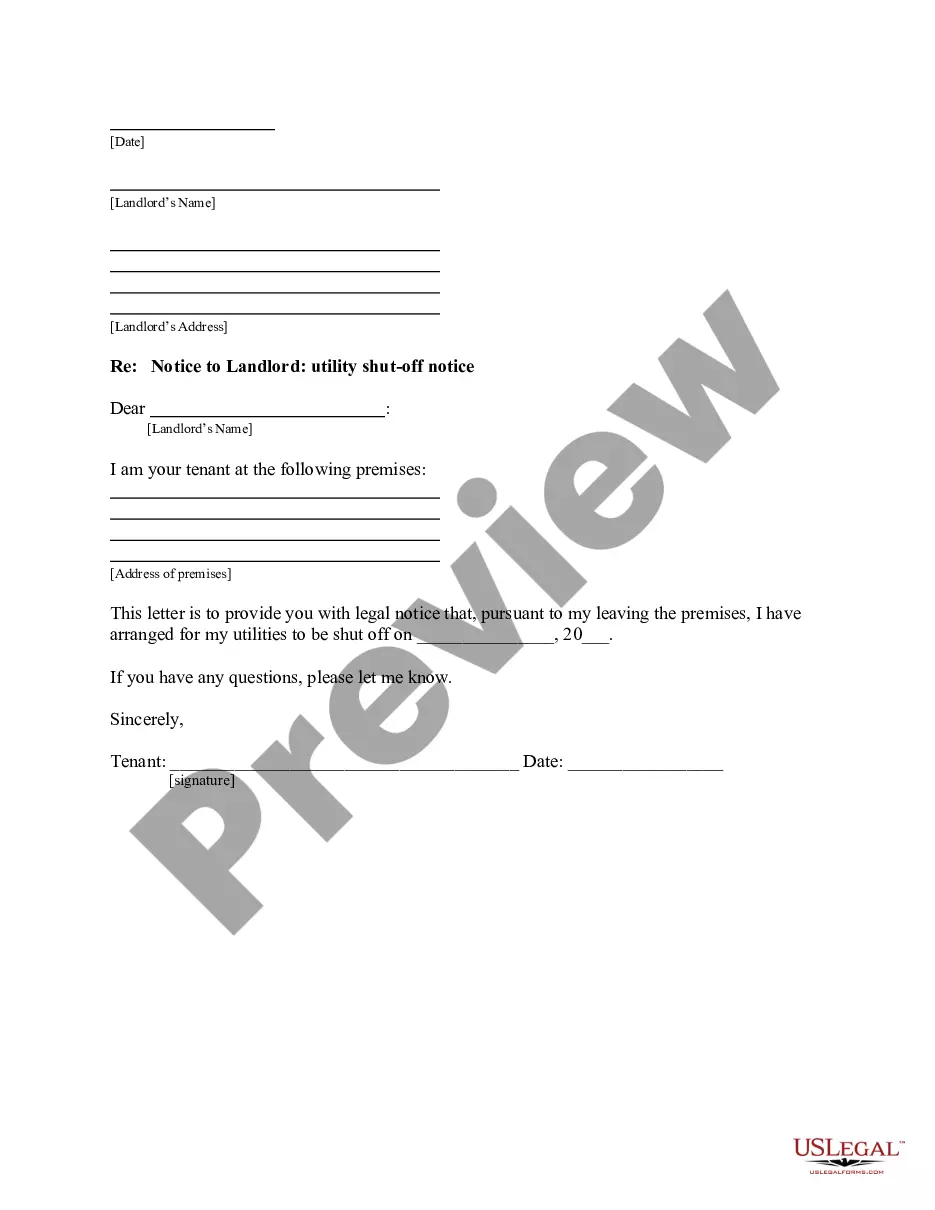
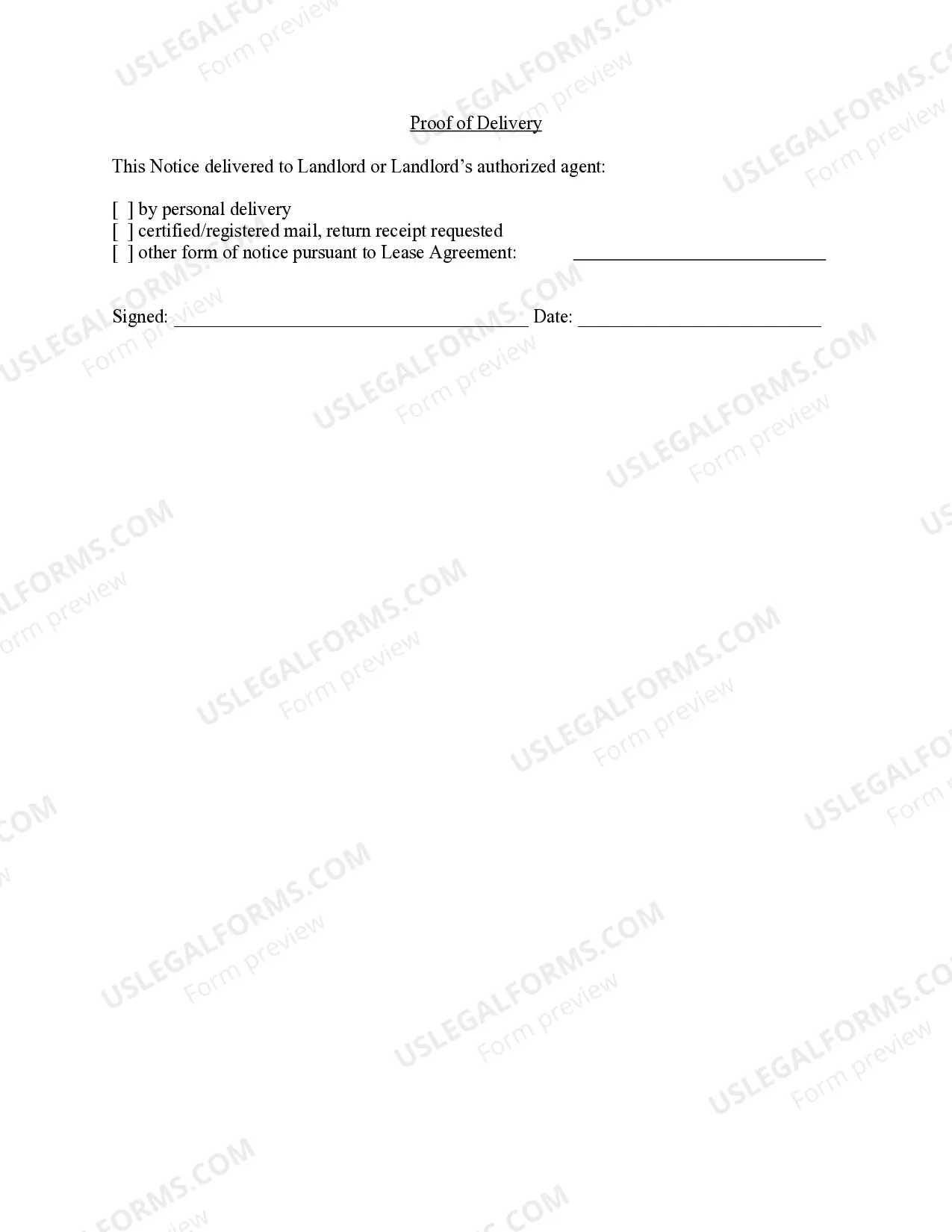
How to fill out Connecticut Letter From Tenant To Landlord - Utility Shut Off Notice To Landlord Due To Tenant Vacating Premises?
- If you are already a member, log in to your account and download the required template by selecting the Download button. Verify that your subscription is active; otherwise, renew it as needed.
- For new users, begin by browsing the Preview mode and detailed descriptions of forms to find the appropriate notice template that aligns with your needs and local laws.
- If you encounter any issues, utilize the Search feature at the top of the page to locate the correct form. When you find a suitable option, proceed to the next step.
- Purchase the document by clicking on the Buy Now button and selecting your desired subscription plan. You'll need to create an account for access to the extensive library.
- Complete your transaction by entering your credit card information or using your PayPal account for payment.
- Finally, download your form and save it to your device. You can also access it anytime later from the My Forms section of your profile.
In conclusion, US Legal Forms offers a robust collection of legal documents, empowering landlords and tenants alike to navigate their rental agreements legally and efficiently. With over 85,000 forms available, you'll find everything you need at your fingertips.
Get started today to ensure your legal documents are precise and enforceable!
Form popularity
FAQ
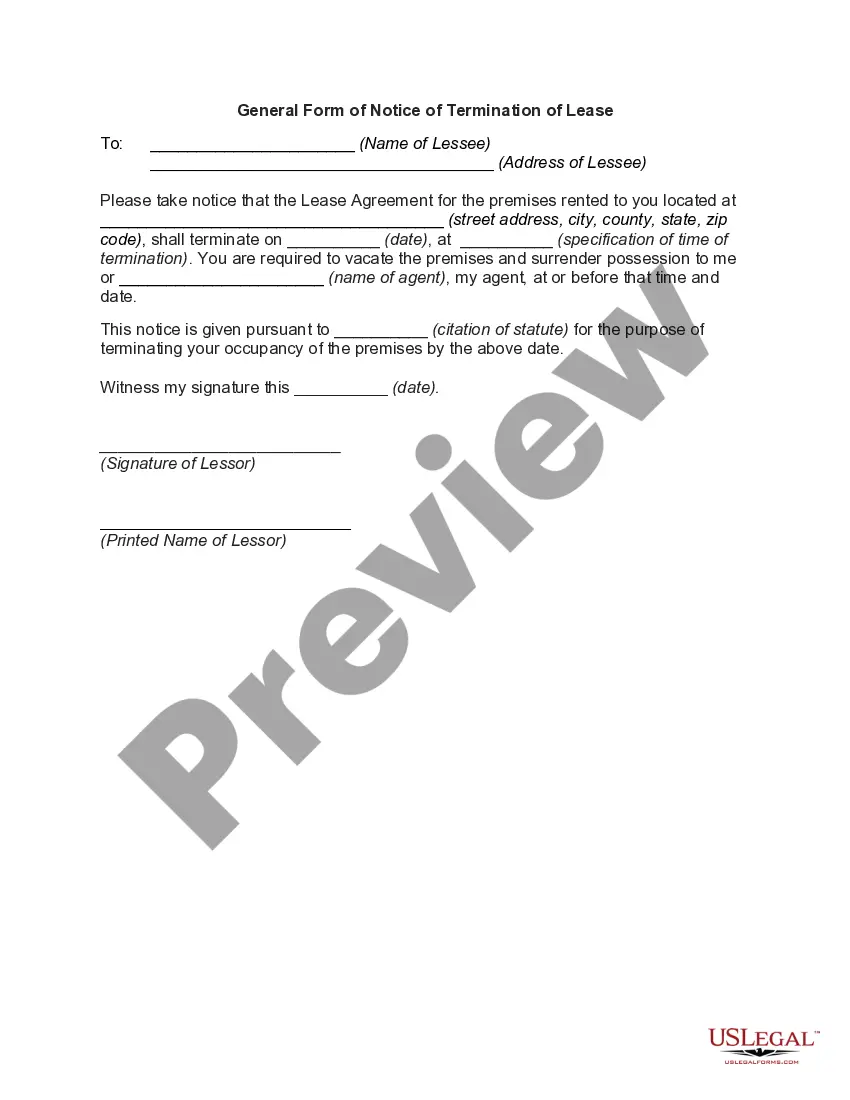
A notice to vacate is a formal request given by a landlord to a tenant to leave the property while eviction is the legal process enforced by a court. Issuing a notice to tenant for vacating premises is the first step landlords take, whereas eviction involves legal action if the tenant refuses to leave. Knowing this difference empowers you to make informed decisions and understand your rights during the rental process.
No, a notice to vacate is not the same as eviction. The notice is a preliminary communication that informs tenants they must leave the premises by a specified date. Eviction is a legal process that occurs when a tenant fails to comply with this notice. Therefore, understanding the distinction can help both landlords and tenants navigate their rights and responsibilities.
Yes, you may take back your notice to vacate if you and your landlord agree on updated terms. It is essential to communicate clearly with your landlord about your intentions. Document any agreement to retract the notice to tenant for vacating premises. This helps avoid misunderstandings and ensures a smooth resolution regarding your living situation.
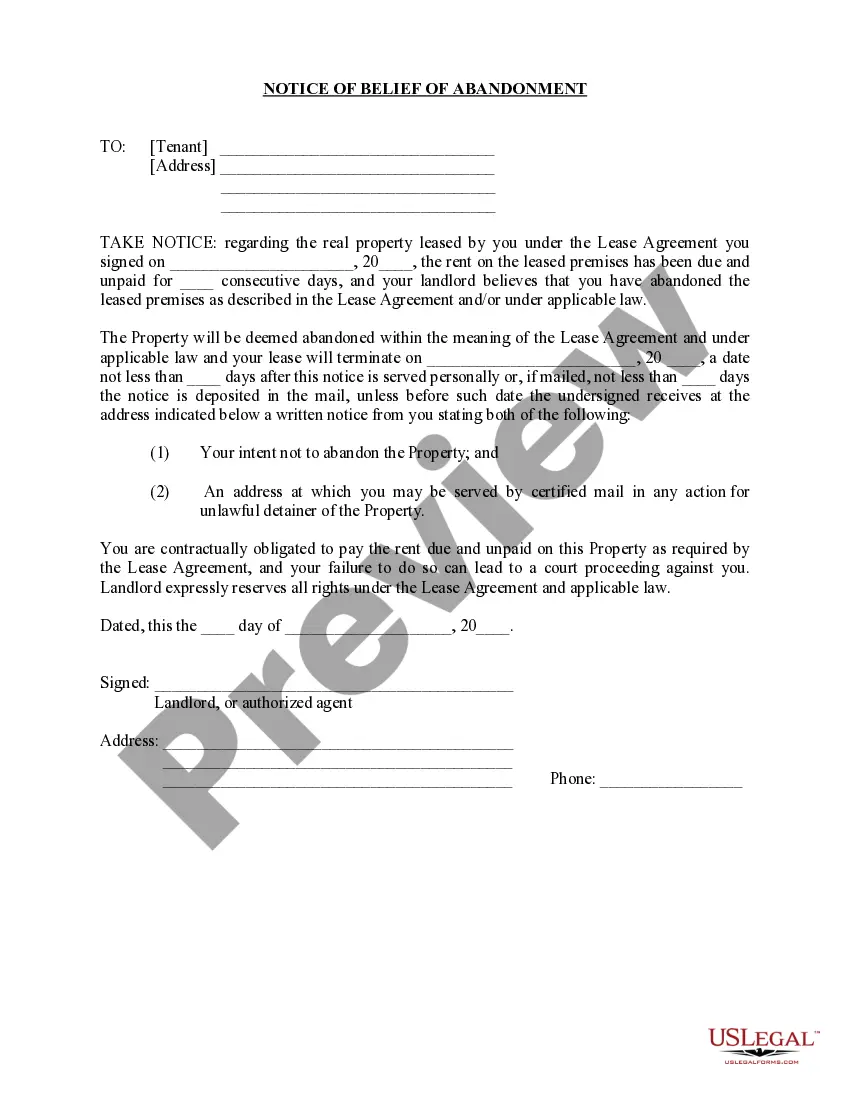
In Arkansas, the eviction process begins when a landlord issues a notice to tenant for vacating premises. This notice informs the tenant of the need to leave the property and provides a specific timeframe for compliance. If the tenant does not vacate, the landlord can file an eviction suit in court. Following a court hearing, if the landlord prevails, they obtain a judgment that allows them to proceed with removal.
To write a notice to vacate a letter to a landlord, begin by clearly addressing the letter with the landlord's name and address. State your intention to vacate the premises, include the specific date you will be moving out, and mention any pertinent details that might be required to fulfill lease obligations. A professional and concise letter helps ensure a smooth process, allowing both you and the landlord to undertake the next necessary steps seamlessly.
To write a notice letter to a landlord, start with your address and the date at the top. Then, include a polite opening statement and specify your intention to vacate the premises, along with the desired moving date. Make sure to express gratitude for the landlord's service during your tenancy. Using a clear format helps convey your message effectively, making it easier for both parties to understand the notice requirements.
When informing a tenant to move out nicely, approach the situation with empathy. Begin by explaining your reasons clearly and respectfully, while allowing time for discussion. Reassure the tenant that you value their tenancy and emphasize the importance of a smooth transition. This way, you foster understanding and collaboration throughout the process.
To write a notice from a tenant to a landlord, start by clearly stating your intention to vacate the premises. Include the date you plan to move out and reference any applicable lease terms. Be polite and professional, thanking the landlord for their previous support. This approach can help maintain a positive relationship as you prepare for your next steps.
To write a quick notice letter for a tenant, keep it straightforward and to the point. Begin with your name and address, followed by the tenant's information, and state the reason for the notice. Use clear language to designate this as a notice to tenant for vacating premises, and include a timeline for them to respond or vacate.
When writing a notice to a tenant, start with a clear subject line indicating the notice type. Include your contact information, the tenant’s details, and explicitly state the purpose of the notice as one that requires them to vacate the premises. Providing a deadline and any necessary instructions makes it easier for the tenant to understand what is expected.