Tenants
Description
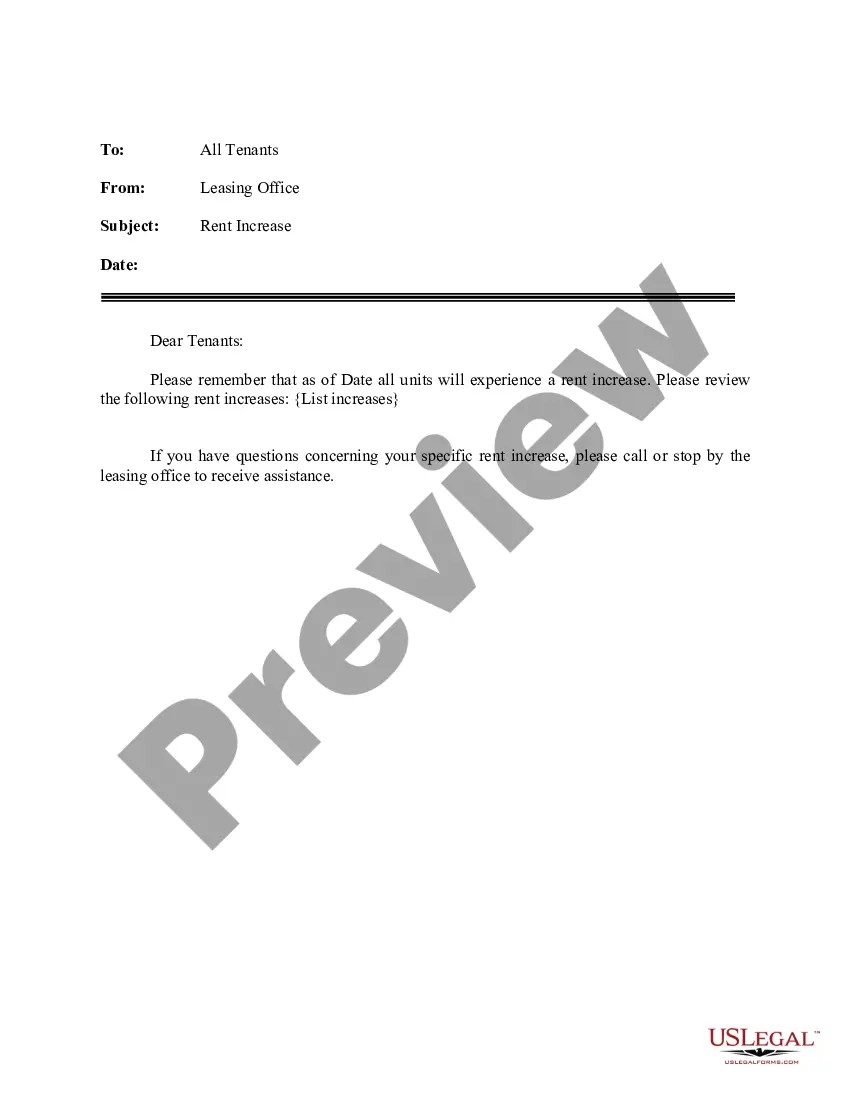
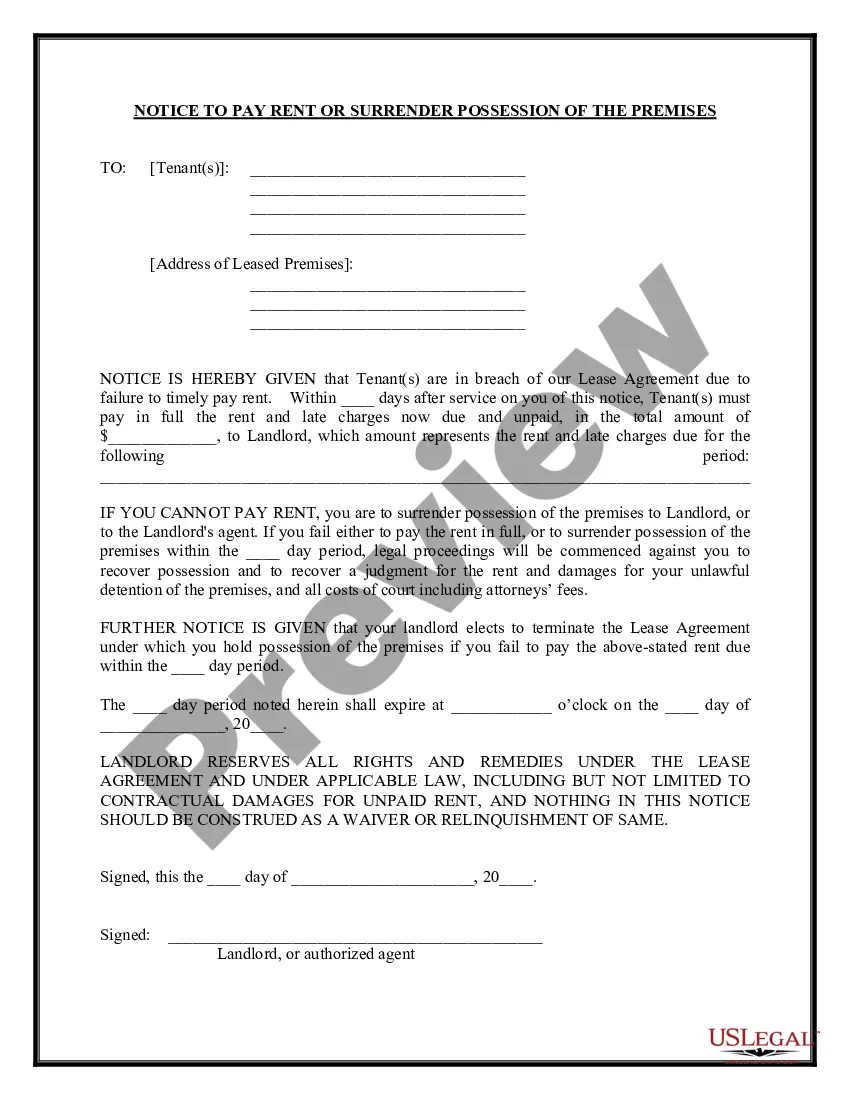
Get your form ready online
Our built-in tools help you complete, sign, share, and store your documents in one place.
Make edits, fill in missing information, and update formatting in US Legal Forms—just like you would in MS Word.
Download a copy, print it, send it by email, or mail it via USPS—whatever works best for your next step.
Sign and collect signatures with our SignNow integration. Send to multiple recipients, set reminders, and more. Go Premium to unlock E-Sign.
If this form requires notarization, complete it online through a secure video call—no need to meet a notary in person or wait for an appointment.
We protect your documents and personal data by following strict security and privacy standards.

Make edits, fill in missing information, and update formatting in US Legal Forms—just like you would in MS Word.

Download a copy, print it, send it by email, or mail it via USPS—whatever works best for your next step.

Sign and collect signatures with our SignNow integration. Send to multiple recipients, set reminders, and more. Go Premium to unlock E-Sign.

If this form requires notarization, complete it online through a secure video call—no need to meet a notary in person or wait for an appointment.

We protect your documents and personal data by following strict security and privacy standards.
Looking for another form?

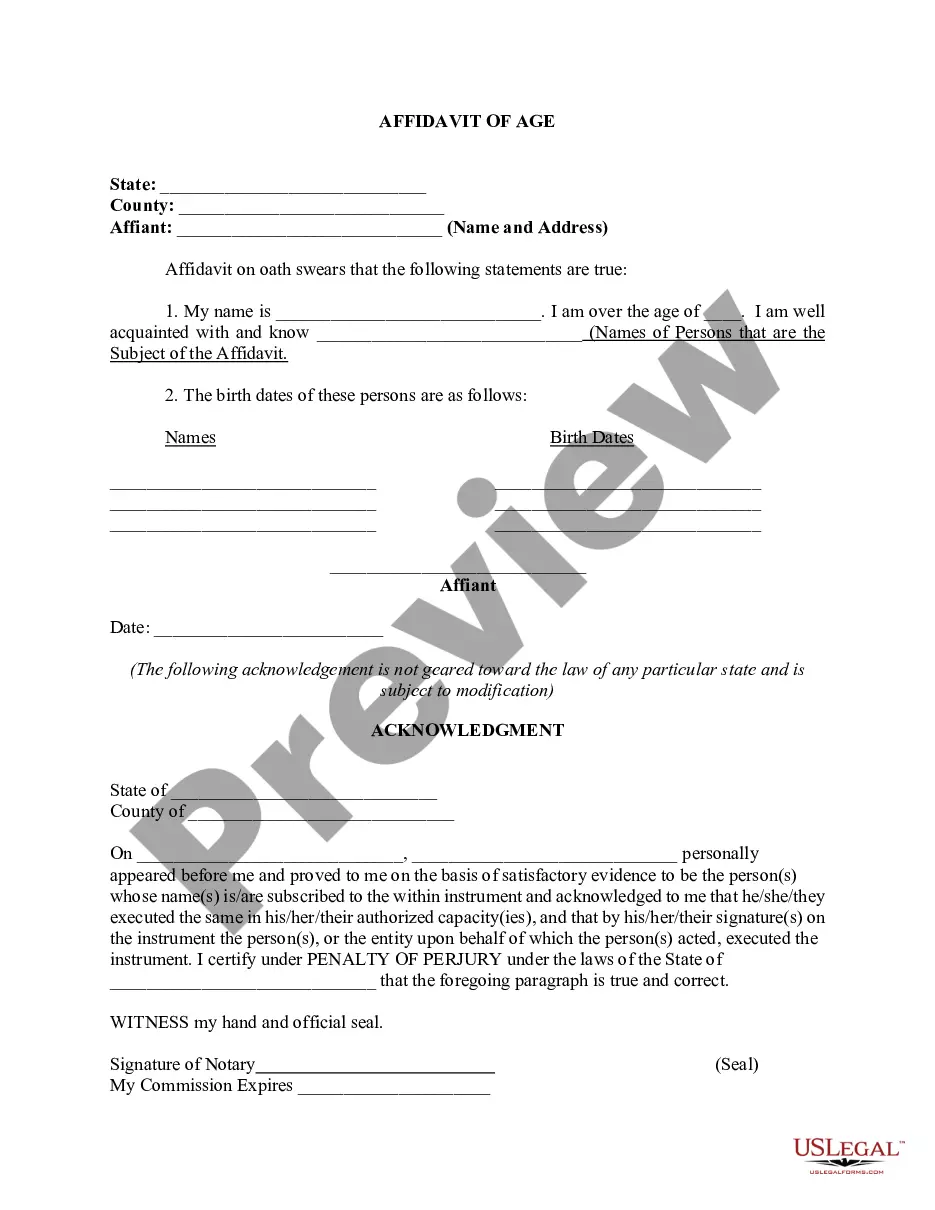




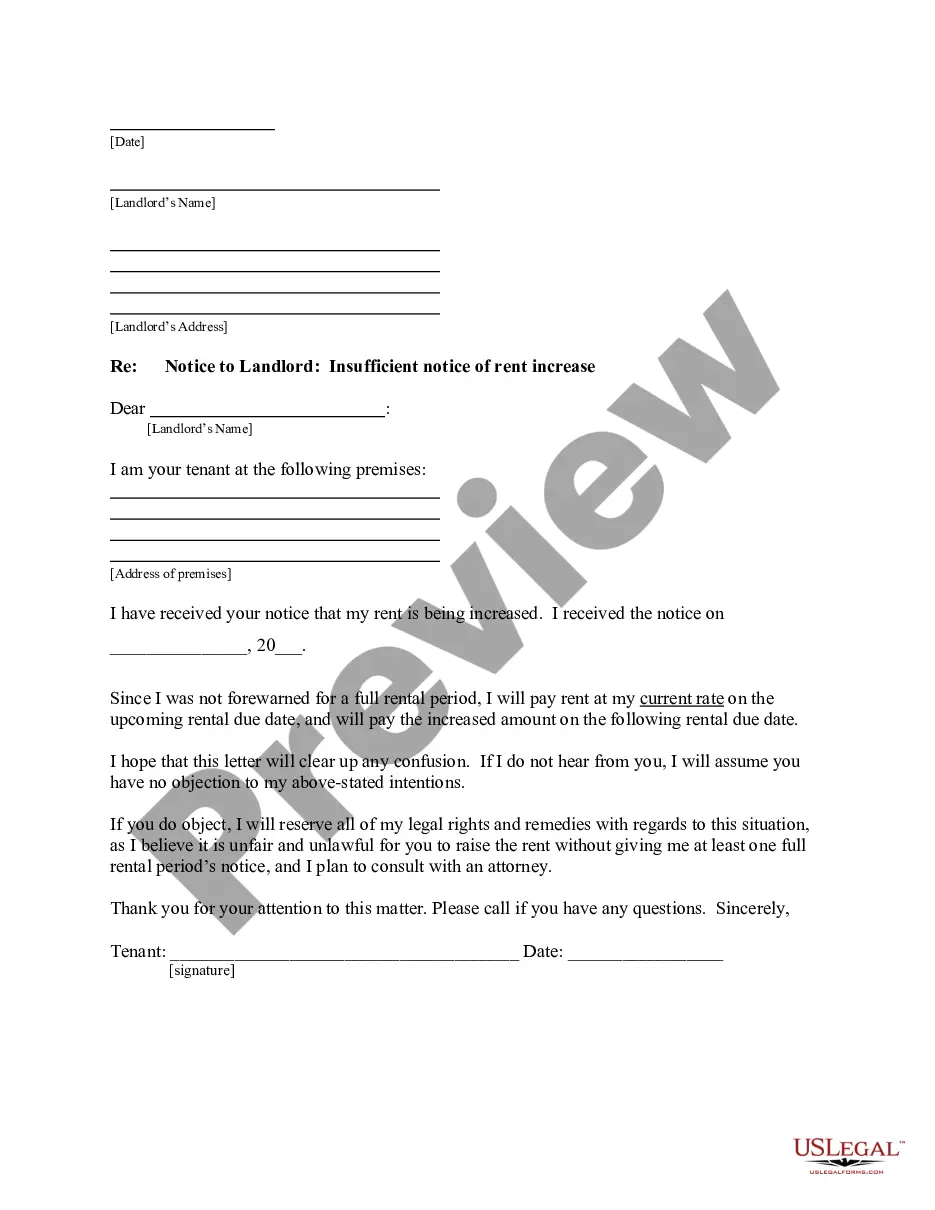
How to fill out Connecticut Letter From Tenant To Landlord About Insufficient Notice Of Rent Increase?
- Log in to your US Legal Forms account if you're a returning user. Ensure your subscription is active; renew it if required to access the necessary forms.
- For first-time users, start by browsing the Preview mode and detailed descriptions of forms available. Verify that the chosen document meets your requirements and complies with local laws.
- If the selected form isn't quite right, utilize the Search tab to find a more suitable template that aligns with your situation.
- After finding the correct document, click the 'Buy Now' button and choose your preferred subscription plan. Create an account to gain access to the broader library.
- Proceed with the payment using a credit card or PayPal to finalize your subscription.
- Once your purchase is complete, download the form to your device and find it anytime in the 'My Forms' section of your profile.
US Legal Forms empowers tenants by streamlining the process of obtaining essential legal documents. Their extensive library boasts over 85,000 fillable forms, providing a reliable resource for various legal needs.
Take control of your legal needs today by signing up for US Legal Forms and explore the tools you need to protect your rights as a tenant.
Form popularity
FAQ
A 'Tennant' may refer to a person with the surname Tennant, often linked to notable figures or historical backgrounds. However, when discussing tenants in legal terms, it is important to focus on the role and rights of tenants in rental agreements. For any legal inquiries or clarifications about tenant rights, USLegalForms can provide the necessary resources to assist.
The name Tennant typically relates to individuals or families historically associated with land ownership or leasing. In some contexts, it may symbolize a person who supervises or manages property. While the name has historical significance, it does not specifically relate to tenants in rental scenarios.
The key difference between tenants and tenets lies in their definitions. Tenants are individuals who rent property, while tenets are principles or beliefs. This distinction is vital to ensure clear communication, especially in discussions about property rights and personal beliefs.
The term 'tenet' refers to a principle or belief held by an individual or group. It is often used in the context of philosophies or ideologies. Distinguishing between tenants and tenets is essential since they represent different concepts, with tenants being related to rental agreements and tenets focusing on beliefs.
In simple terms, a tenant is someone who pays rent to live in or use someone else's property. This arrangement typically requires a lease or rental agreement that outlines the responsibilities and expectations of both the tenant and the landlord. Knowing your rights as a tenant can help you navigate any potential issues during your rental period.
A tenant refers to an individual or entity that rents and occupies a property or apartment from a landlord. This person has legal rights to use the space under a rental agreement or lease. Understanding your rights as a tenant is important for ensuring a smooth renting experience.
Yes, a landlord can sue tenants even without a formal lease agreement. Generally, this would occur if there are claims for unpaid rent or property damage. Tenants should respond promptly to any legal actions and understand their rights. Utilizing resources like USLegalForms can help you navigate these legal challenges effectively.
To pass a rental application check, maintain a healthy credit score and provide accurate information. You should have proof of income, good rental history, and references ready. Being honest and transparent will positively impact your standing with potential landlords. Preparing your documentation can smooth the application process for tenants.
In Texas, the eviction process can vary but typically lasts around three to six weeks. This timeframe includes time for notice and court proceedings if necessary. Tenants should understand that delays can happen due to various factors. Awareness of the entire process can help tenants prepare and protect their interests.
Legally, you cannot simply kick someone out of your house, even without a contract. You must follow legal eviction processes, which often require notice and, in some cases, court intervention. Understanding your rights as a tenant can help you navigate this situation properly. Seeking legal guidance can clarify the best steps to take.