Tenant Tradução
Description
Get your form ready online
Our built-in tools help you complete, sign, share, and store your documents in one place.
Make edits, fill in missing information, and update formatting in US Legal Forms—just like you would in MS Word.
Download a copy, print it, send it by email, or mail it via USPS—whatever works best for your next step.
Sign and collect signatures with our SignNow integration. Send to multiple recipients, set reminders, and more. Go Premium to unlock E-Sign.
If this form requires notarization, complete it online through a secure video call—no need to meet a notary in person or wait for an appointment.
We protect your documents and personal data by following strict security and privacy standards.

Make edits, fill in missing information, and update formatting in US Legal Forms—just like you would in MS Word.

Download a copy, print it, send it by email, or mail it via USPS—whatever works best for your next step.

Sign and collect signatures with our SignNow integration. Send to multiple recipients, set reminders, and more. Go Premium to unlock E-Sign.

If this form requires notarization, complete it online through a secure video call—no need to meet a notary in person or wait for an appointment.

We protect your documents and personal data by following strict security and privacy standards.
Looking for another form?



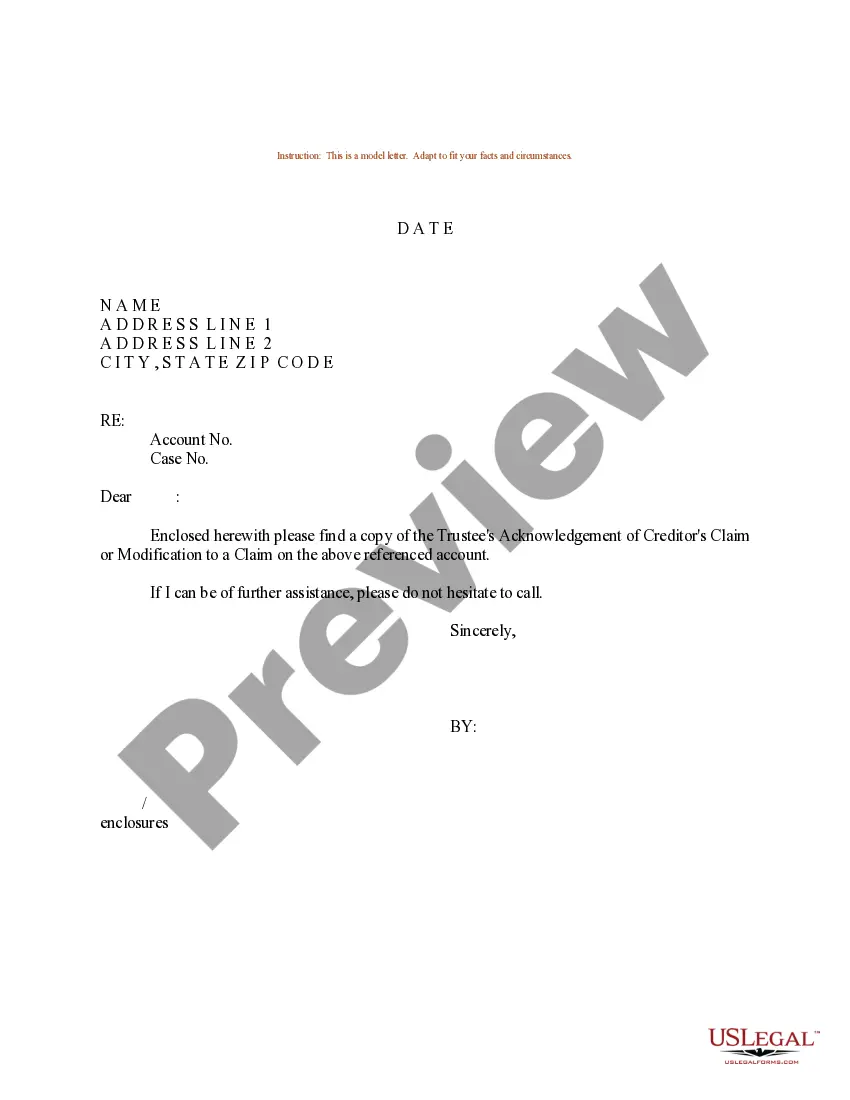

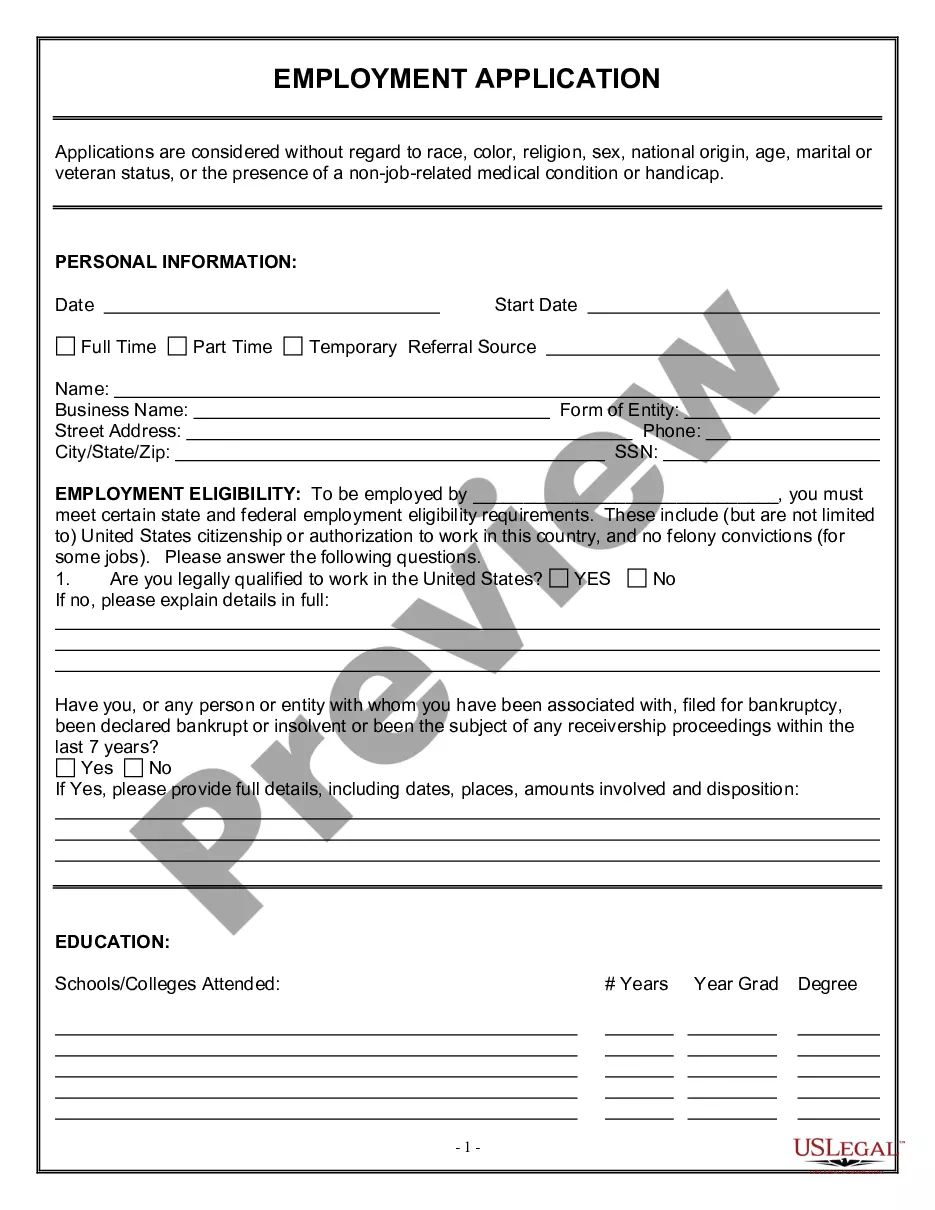


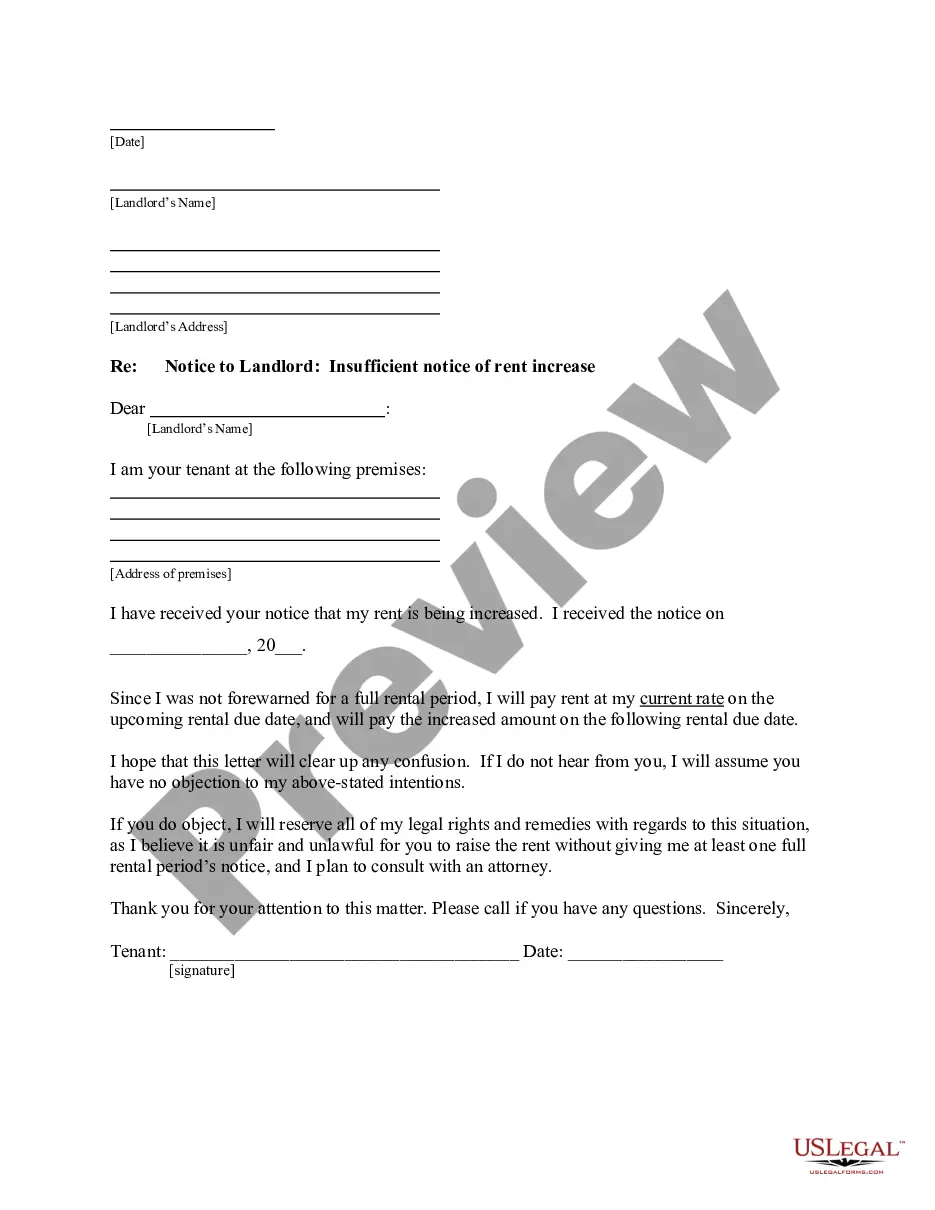
How to fill out Connecticut Letter From Tenant To Landlord About Insufficient Notice Of Rent Increase?
- Log into your US Legal Forms account. If you're a returning user, make sure your subscription is active before proceeding.
- Browse the library or use the search function to find specific templates related to tenant translation. Review the preview mode and ensure it fits your jurisdiction requirements.
- Select the right document. If the initial choice doesn’t meet your criteria, use the search bar to locate a more suitable form.
- Purchase the document. Click 'Buy Now' and choose your desired subscription plan, then create an account if required.
- Complete your transaction by entering your payment details or using PayPal to finalize your subscription.
- Download your document. After your purchase, save the form to your device for easy access and editing. You can also find it again in the 'My Forms' section of your profile.
US Legal Forms provides a robust collection of over 85,000 easily fillable and editable legal forms, empowering users to execute documents efficiently. Users also have access to premium experts, ensuring accuracy and compliance with legal standards.
In conclusion, leveraging the resources of US Legal Forms can enhance your legal document acquisition process significantly. Don't hesitate; start your journey to streamlined legal paperwork today!
Form popularity
FAQ
Writing a letter of proof of rent payment requires including essential details like the tenant's name, rental property address, payment dates, and amounts received. It's important to be clear and concise while stating that the letter serves as acknowledgment of payment. Ensuring that both parties have copies helps maintain records. Using US Legal Forms can streamline the creation of a professional letter for this purpose, ensuring all vital information is included.
To legally send someone to collections, it's necessary to document the debt and attempt to communicate with the debtor first. If payments are not received, you can approach a collection agency to take over the debt. Ensure you have all documentation ready to support your claim. Platforms like US Legal Forms can help you create the proper documentation to initiate this process smoothly.
The 777 rule refers to a strategy where debt collectors must adhere to privacy and communication standards to protect consumers. This rule ensures that collectors cannot contact you excessively or disclose your debt to third parties. Understanding your rights under this rule can help you handle interactions with debt collectors effectively. Utilizing US Legal Forms can further clarify your rights and obligations.
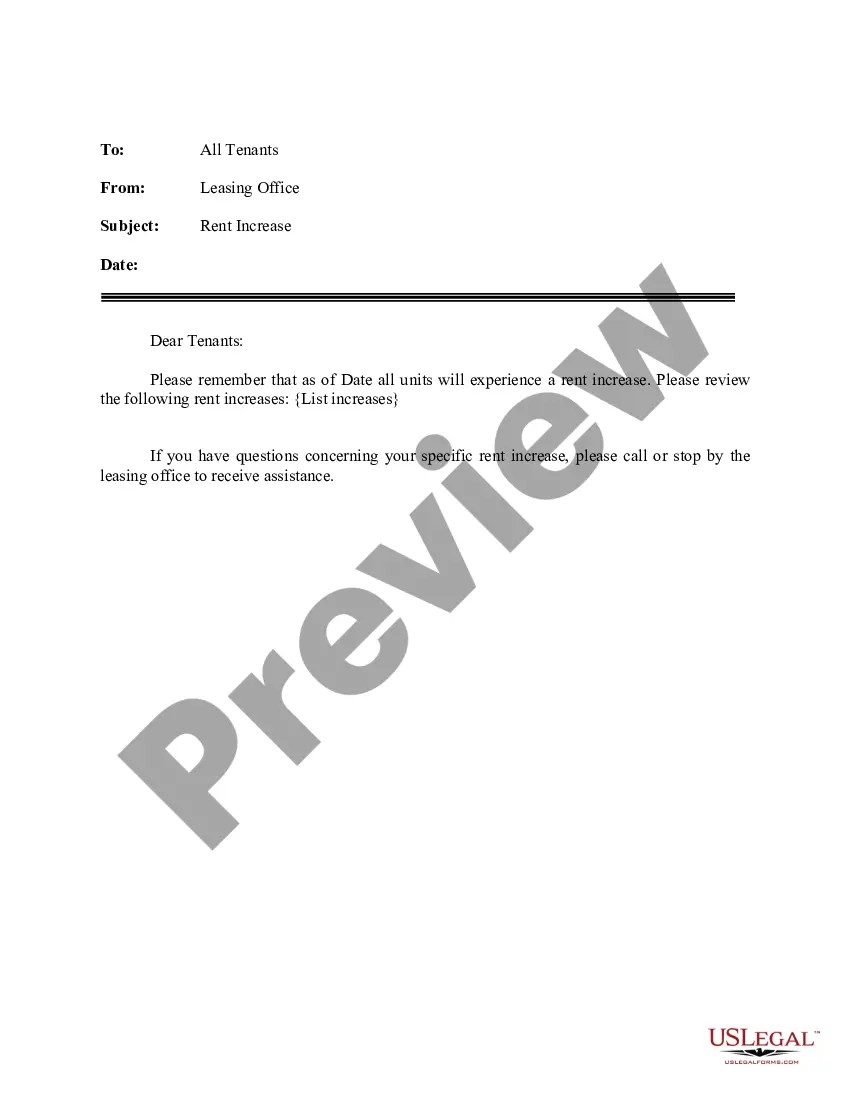
The amount a landlord can raise rent typically depends on local and state laws, which vary by location. It's essential to check regulations in your area to determine the legal limit. Additionally, providing proper notice to tenants about the rent increase is crucial. If you need clarity on your rights, US Legal Forms offers resources to help you understand rent control and limits.
Filing a tenant collection involves completing specific paperwork and submitting it to a collection agency. Ensure you have all relevant documentation, such as lease agreements and payment records, readily available. A platform like US Legal Forms simplifies this process by providing templates and guidance for filing. This way, you can navigate the collection process more efficiently.
To report a tenant to collections, start by ensuring that you have documented all communications and payment histories. Next, contact a collection agency that specializes in tenant debts. After providing necessary information, they will guide you through the process. Using services like US Legal Forms can help you prepare the required documentation for reporting.
Being a tenant means occupying a space under a rental agreement with a landlord. It involves rights such as living in the property without disruption and responsibilities like paying rent on time and maintaining the premises. This role is crucial in real estate as it defines the dynamics between landlords and tenants. For further information on your rights and obligations, you may explore resources at US Legal Forms.
Historically, the term 'tenant' originated from Latin, meaning someone who holds or occupies property. Today, it refers mainly to individuals renting homes or businesses. Understanding the historical context adds depth to your knowledge of landlord-tenant relationships. Often in legal discussions, 'tenant tradução' can help translate this concept across different languages seamlessly.
Yes, you can sue a tenant after eviction in certain situations, such as for unpaid rent or damages to the property. However, it is essential to review the specifics of your lease agreement and local laws. Legal actions can be complex, so consulting with a professional or using services like US Legal Forms can help clarify your options. Understanding your rights as a landlord is crucial in these scenarios.
The word 'tenets' refers to principles or beliefs held to be true, often related to philosophical, religious, or moral discussions. This term is distinct from 'tenant,' which relates to property and rental agreements. Understanding these differences is vital in discussions to ensure clarity in various narratives. When explaining concepts like 'tenant tradução,' ensuring correct terminology enhances comprehension.