Connecticut Divorce Laws With Minor Child
Description
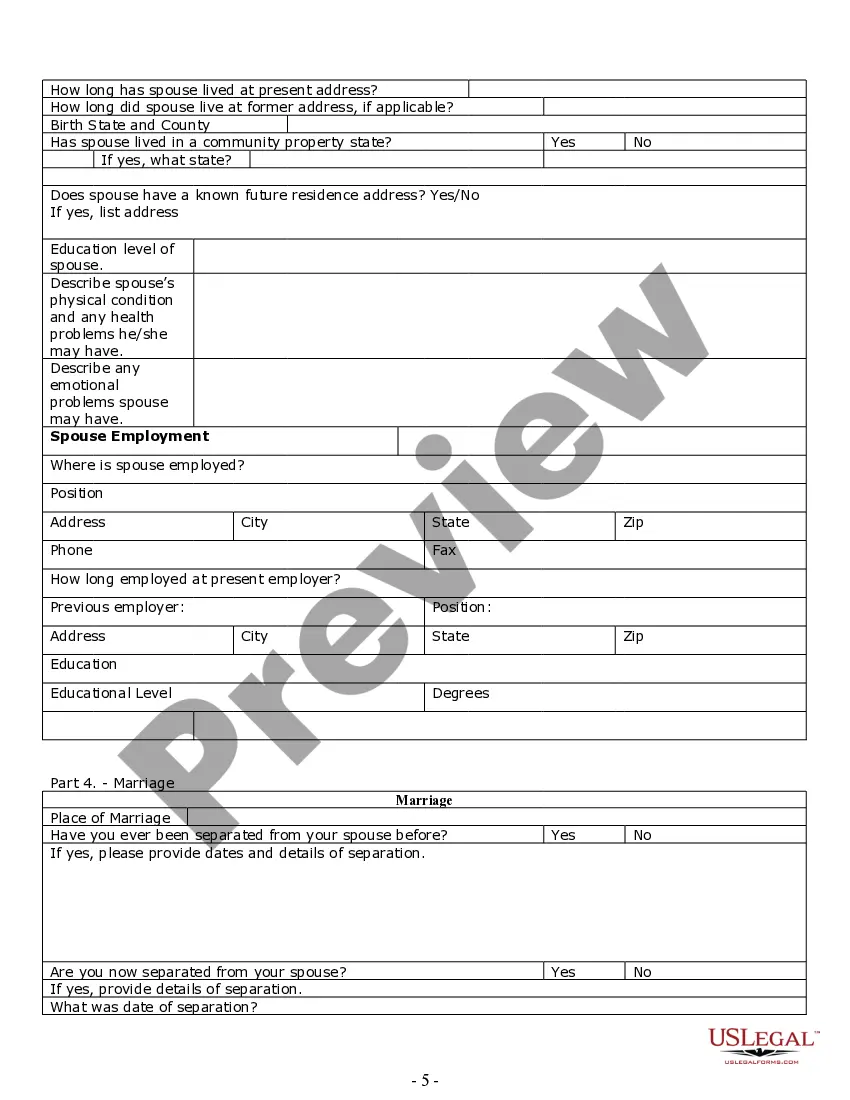
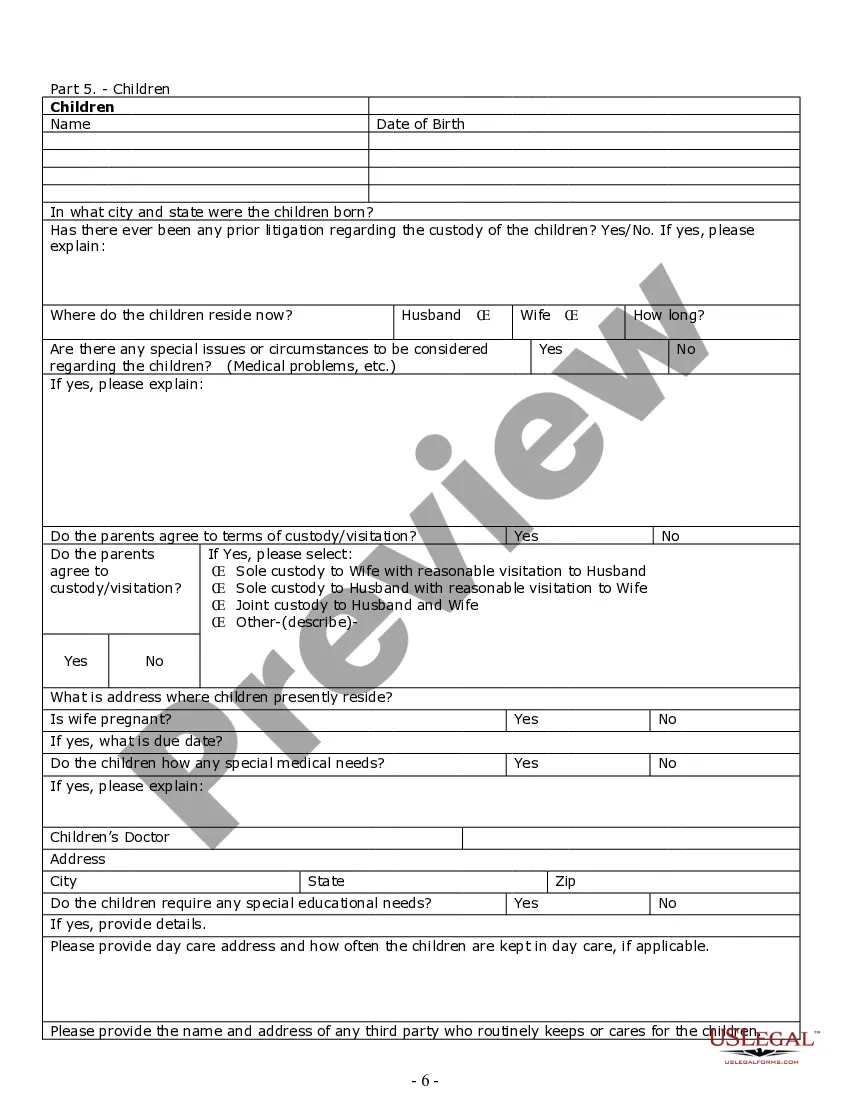
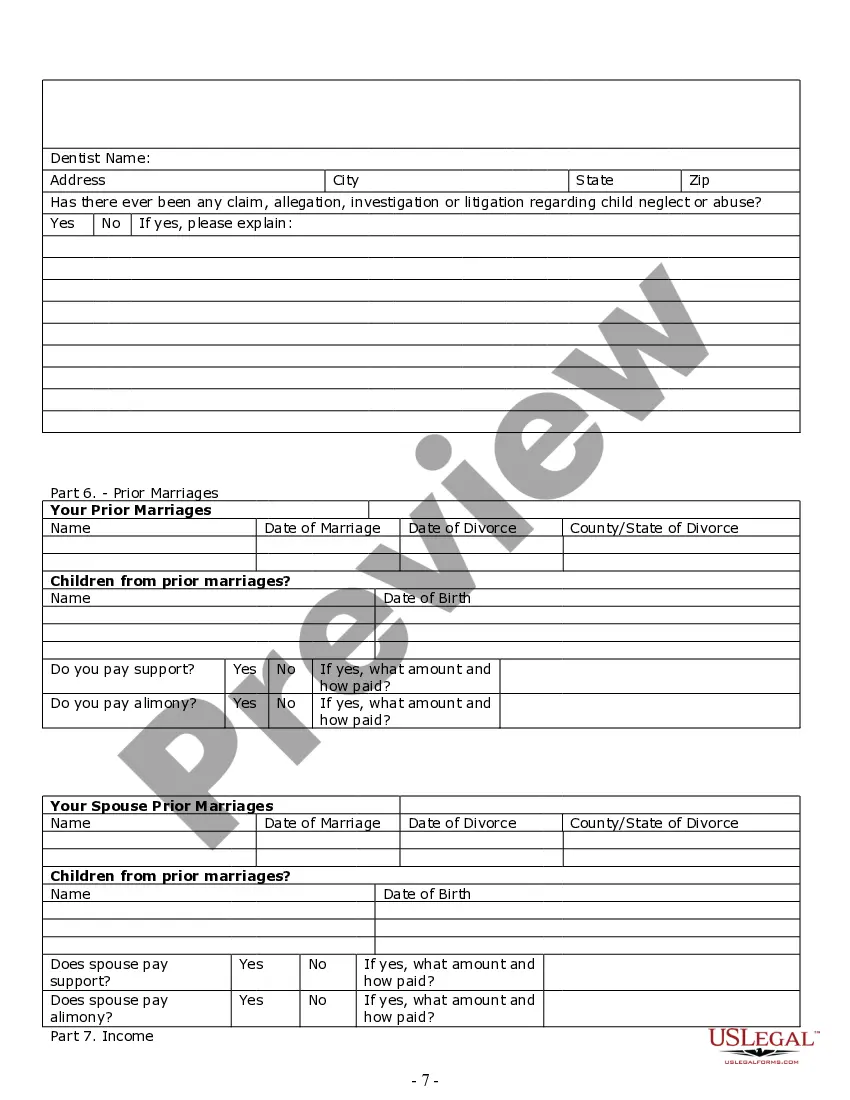
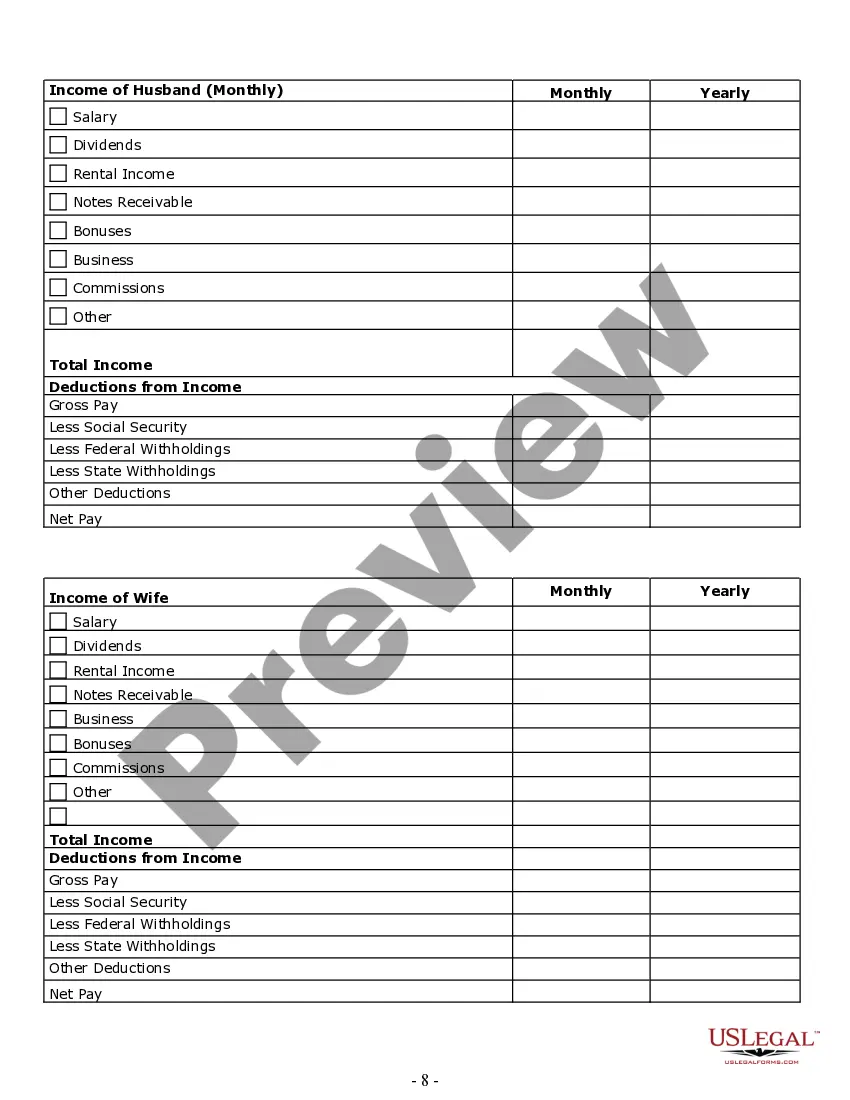


Get your form ready online
Our built-in tools help you complete, sign, share, and store your documents in one place.
Make edits, fill in missing information, and update formatting in US Legal Forms—just like you would in MS Word.
Download a copy, print it, send it by email, or mail it via USPS—whatever works best for your next step.
Sign and collect signatures with our SignNow integration. Send to multiple recipients, set reminders, and more. Go Premium to unlock E-Sign.
If this form requires notarization, complete it online through a secure video call—no need to meet a notary in person or wait for an appointment.
We protect your documents and personal data by following strict security and privacy standards.

Make edits, fill in missing information, and update formatting in US Legal Forms—just like you would in MS Word.

Download a copy, print it, send it by email, or mail it via USPS—whatever works best for your next step.

Sign and collect signatures with our SignNow integration. Send to multiple recipients, set reminders, and more. Go Premium to unlock E-Sign.

If this form requires notarization, complete it online through a secure video call—no need to meet a notary in person or wait for an appointment.

We protect your documents and personal data by following strict security and privacy standards.
Looking for another form?








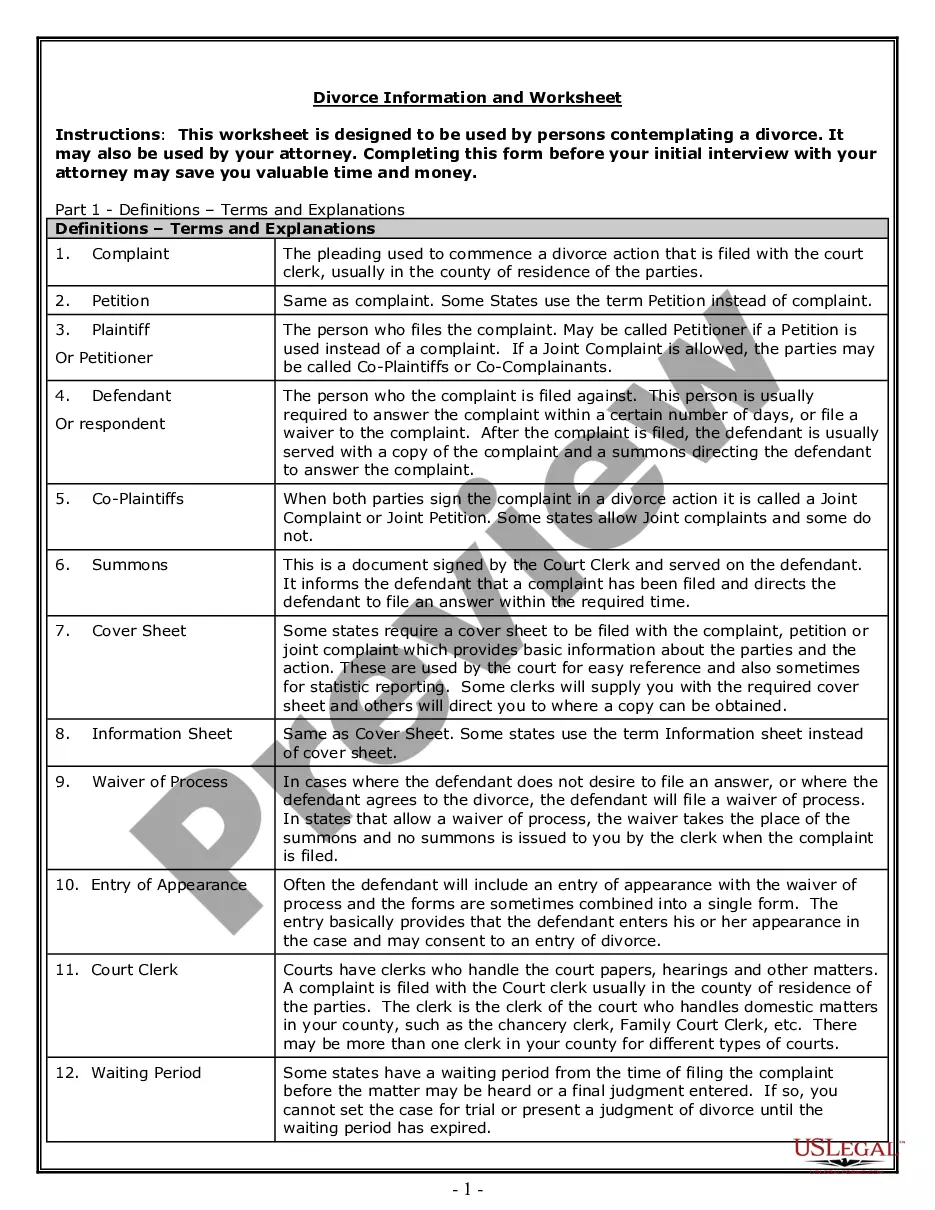
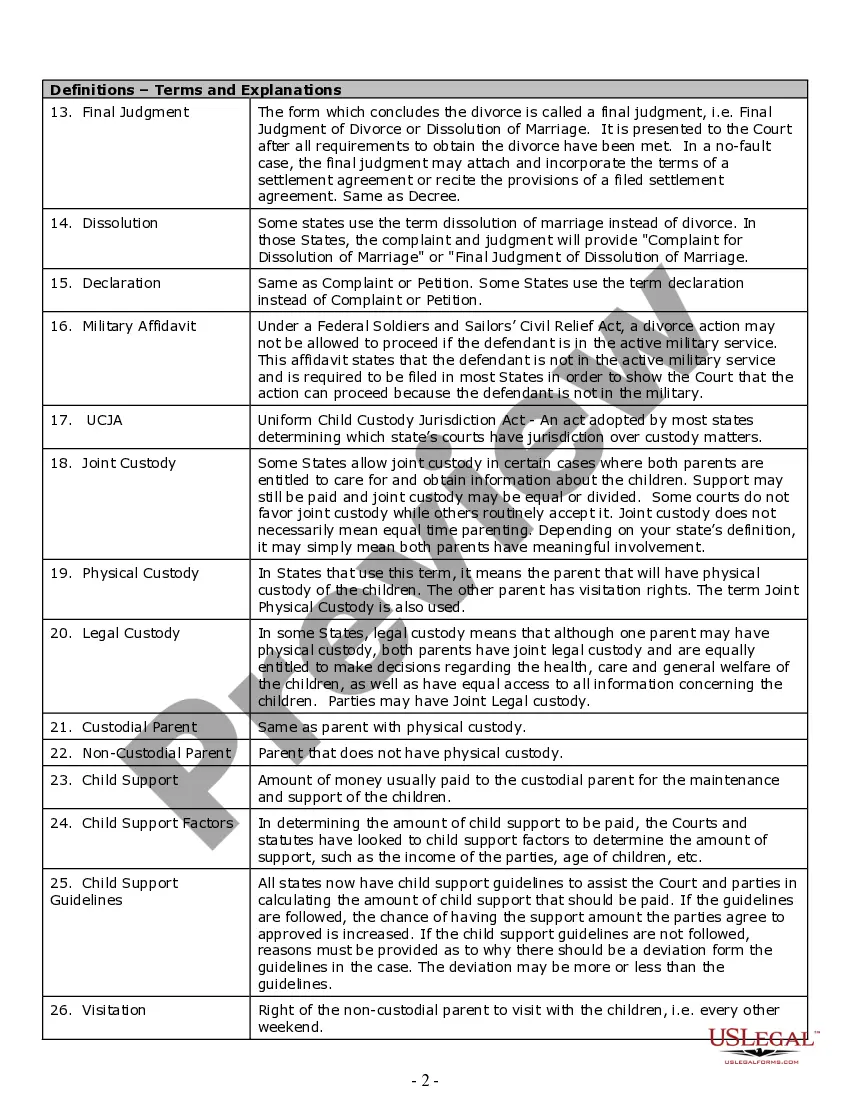
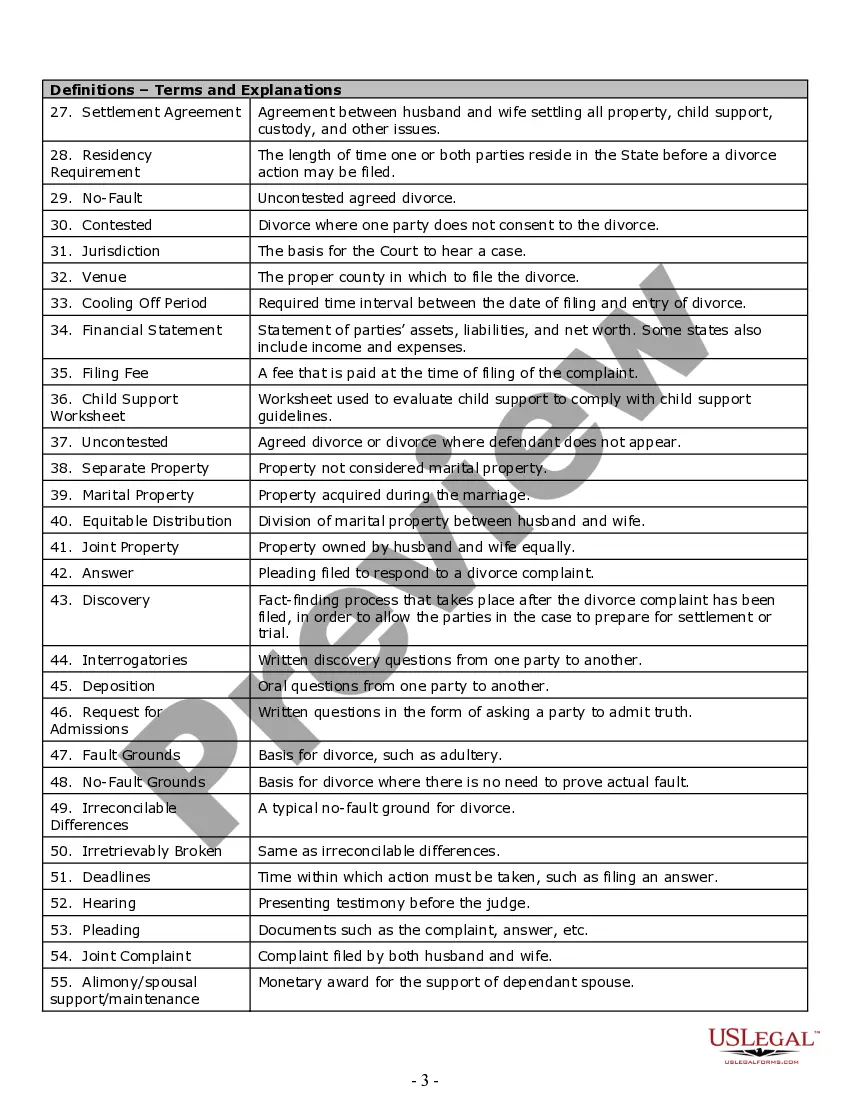
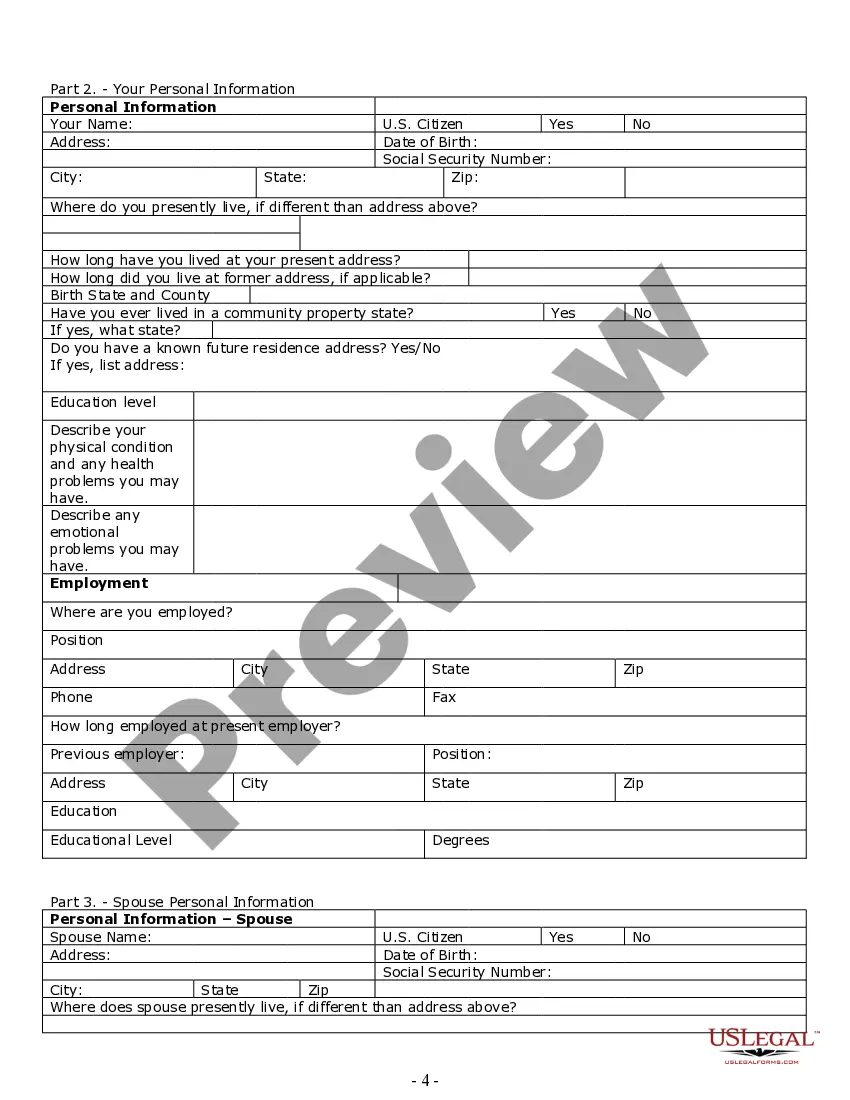
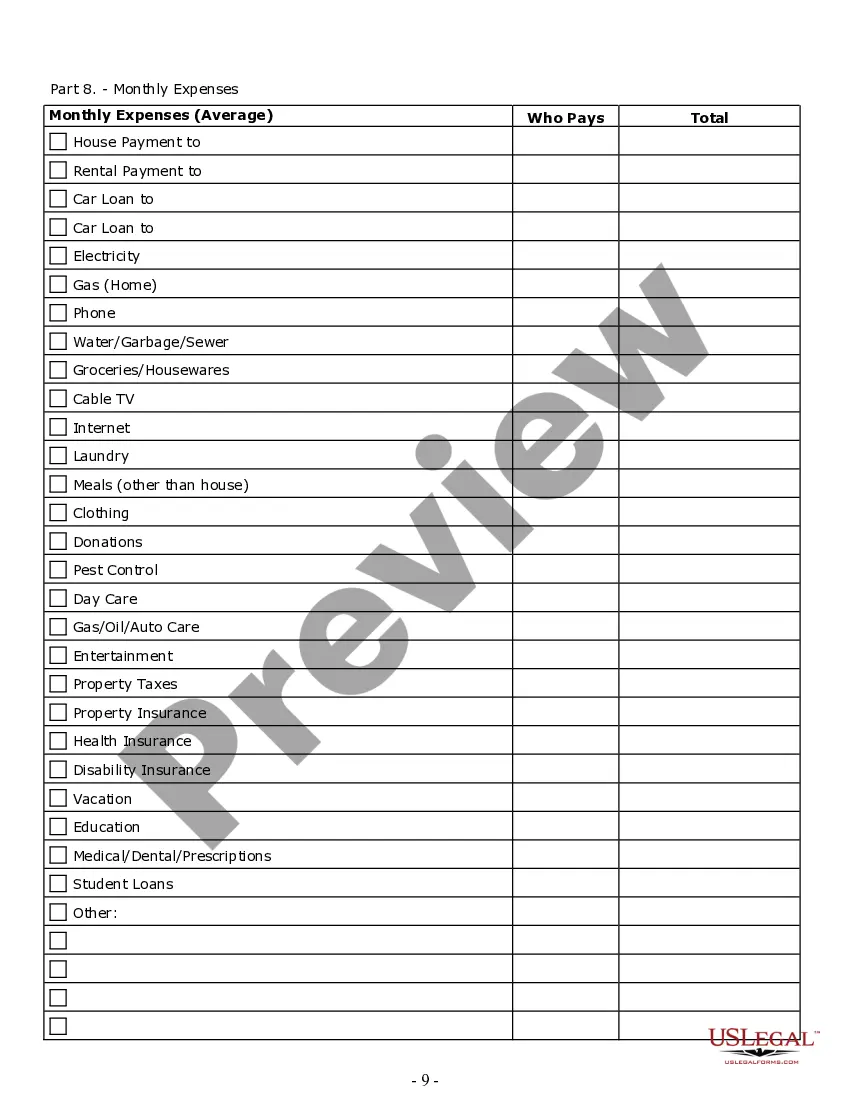
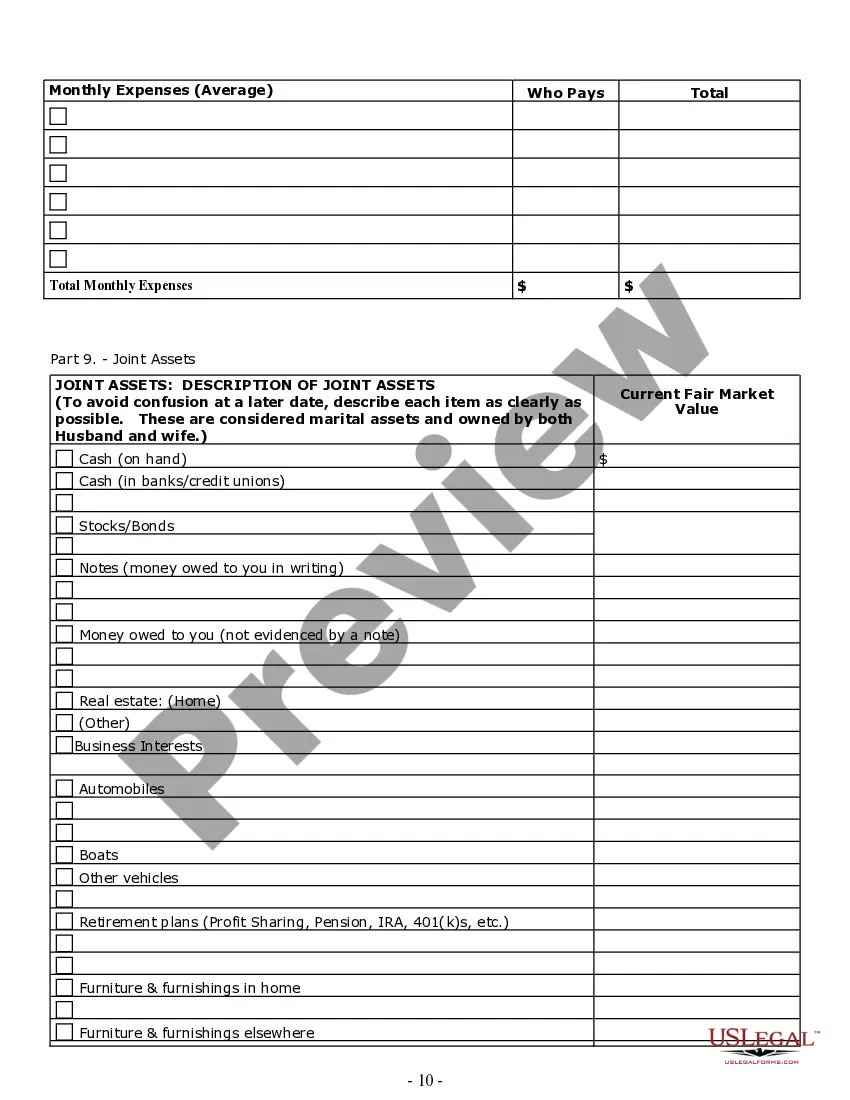
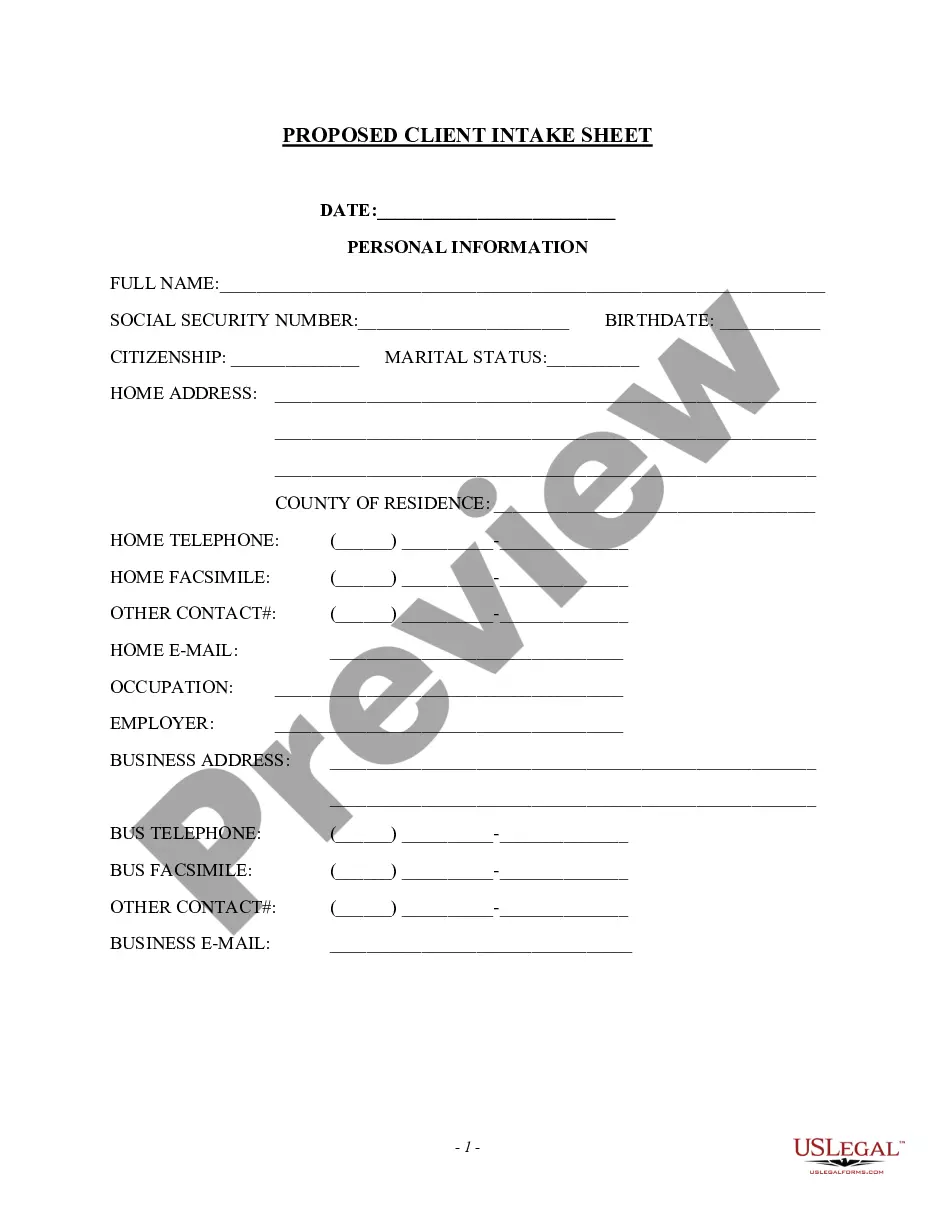
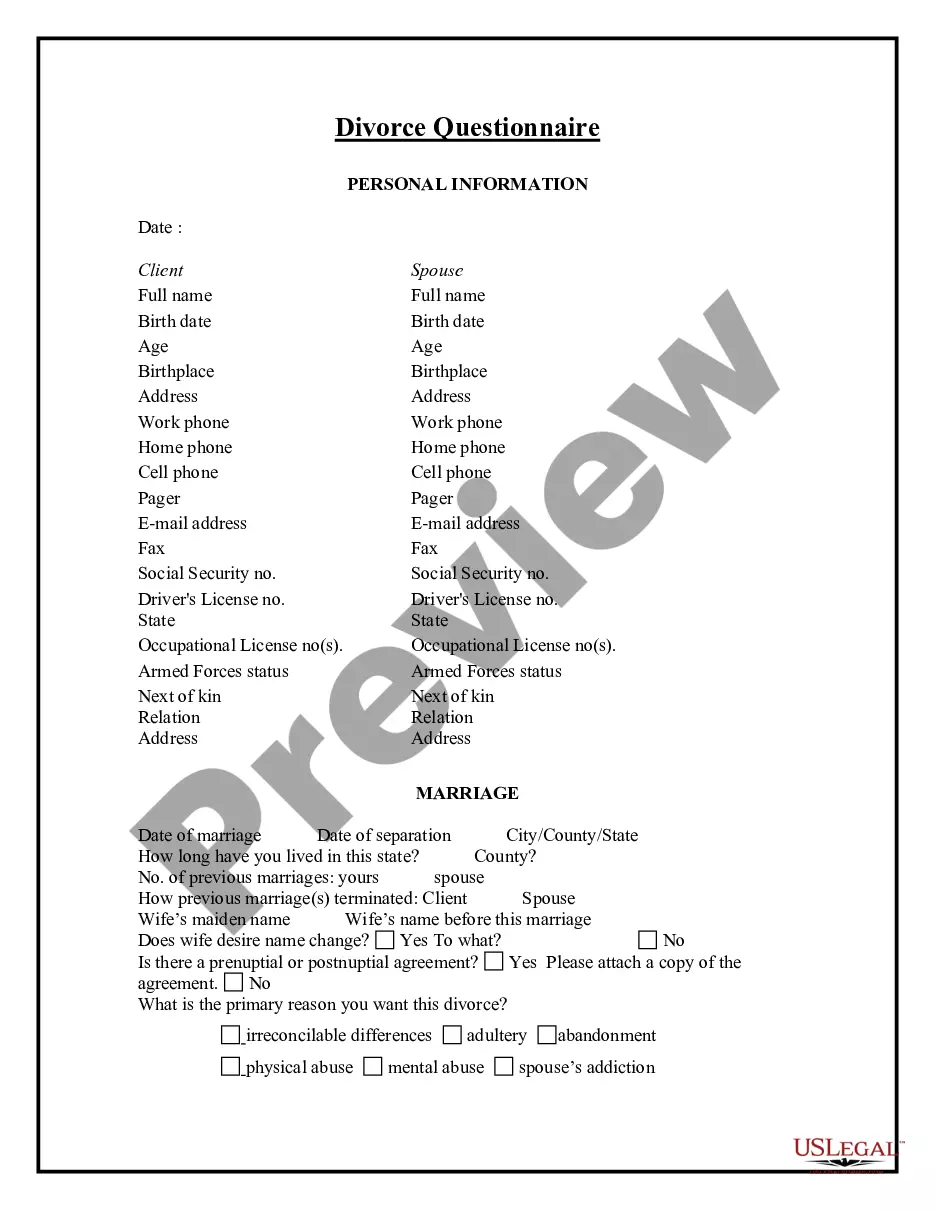
How to fill out Connecticut Divorce Worksheet And Law Summary For Contested Or Uncontested Case Of Over 25 Pages - Ideal Client Interview Form?
The Connecticut Divorce Regulations Concerning Minor Children presented on this page is a reusable official template created by expert attorneys adhering to both federal and local statutes and guidelines.
For over 25 years, US Legal Forms has supplied individuals, companies, and legal professionals with more than 85,000 validated, state-specific documents for any business and personal needs. It’s the quickest, easiest, and most reliable method to secure the documentation you require, as the service ensures the utmost level of data protection and anti-malware safeguards.
Choose your preferred format for the Connecticut Divorce Regulations Concerning Minor Children (PDF, Word, RTF) and download the example to your device. Complete and sign the document.
- Search for the document you require and examine it.
- Browse the file you searched and preview it or review the form description to confirm it meets your requirements. If it does not, utilize the search function to find the correct one. Click Buy Now when you have found the template you need.
- Register and Log In.
- Select the pricing plan that fits you and set up an account. Use PayPal or a credit card for a quick payment. If you already possess an account, Log In and review your subscription to proceed.
- Obtain the editable template.
Form popularity
FAQ
The most common types of advance directives are the living will and the durable power of attorney for health care (sometimes known as the medical power of attorney). There are many advance directive formats.
The two most common advance directives for health care are the living will and the durable power of attorney for health care. Living will: A living will is a legal document that tells doctors how you want to be treated if you cannot make your own decisions about emergency treatment.
An advance healthcare directive, also known as living will, personal directive, advance directive, medical directive or advance decision, is a legal document in which a person specifies what actions should be taken for their health if they are no longer able to make decisions for themselves because of illness or ...
- An advance directive is a written document that provides directions for the provision of care when a client is unable to make his or her own treatment choices; the two basic types of advance directives are the instructional living will and the durable power of attorney for health care.
The two most common advance directives for health care are the living will and the durable power of attorney for health care.
Iowa law recognizes two kinds of Advance Directive documents: A Durable Power of Attorney for Health Care is a document that allows you to name another person (called an agent or attorney-in-fact) to make health care decisions for you if you are unable to speak for yourself.
Advance directives are legal documents that extend a person's control over health care decisions in the event that the person becomes incapacitated. They are called advance directives because they communicate preferences before incapacitation occurs.
Advance directives consist of (1) a living will and (2) a medical (healthcare) power of attorney. A living will describes your wishes regarding medical care. With a medical power of attorney you can appoint a person to make healthcare decisions for you in case you are unable to speak for yourself.