Colorado Law On Divorce
Description
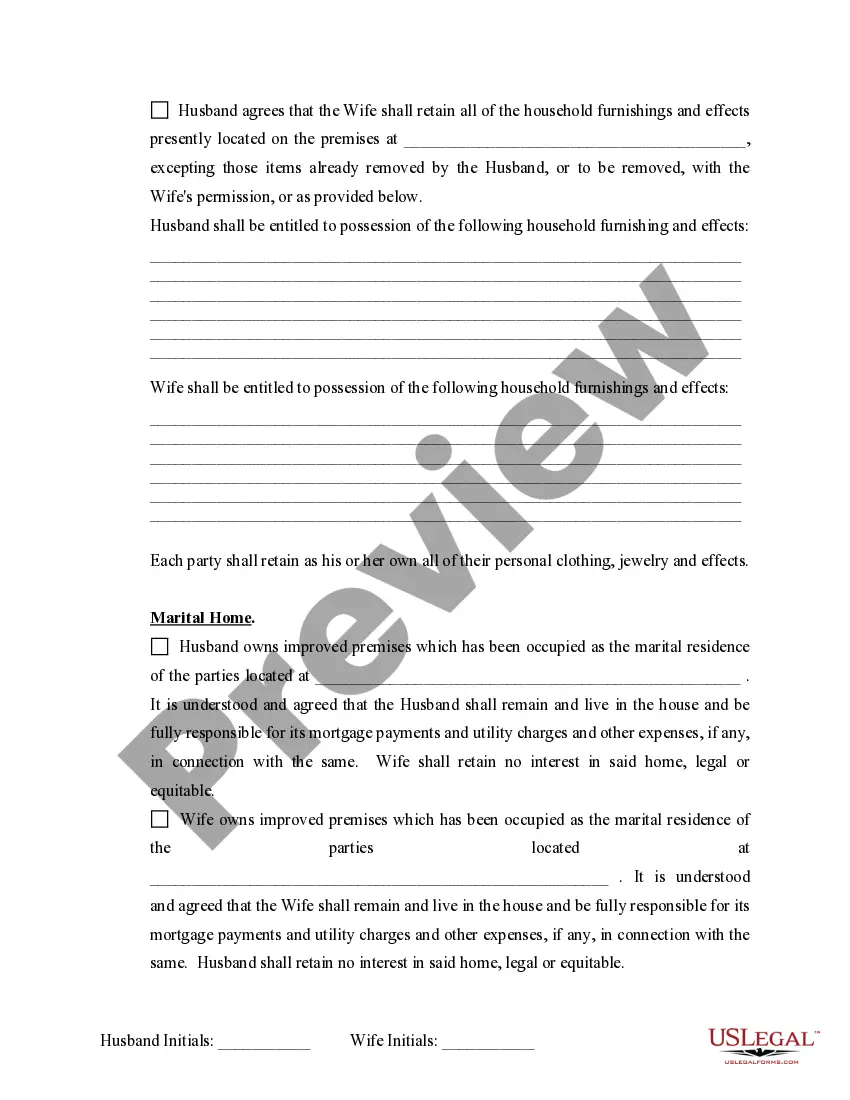
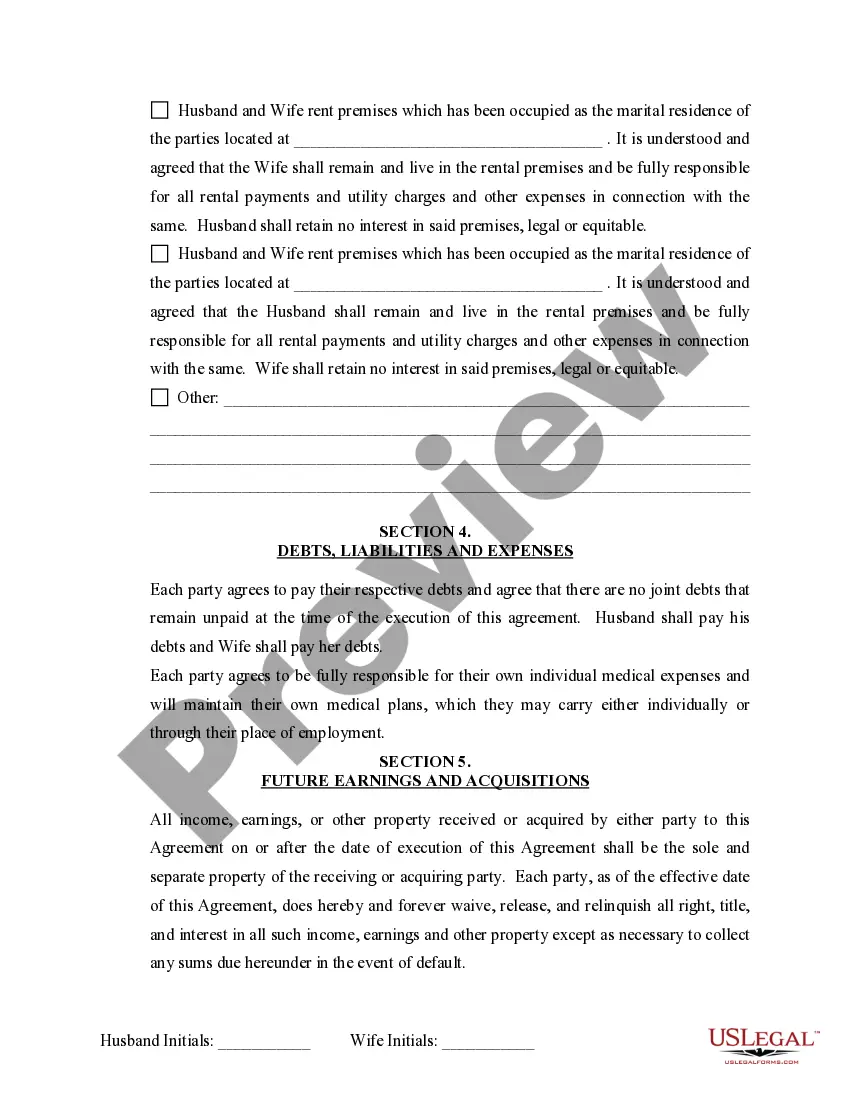
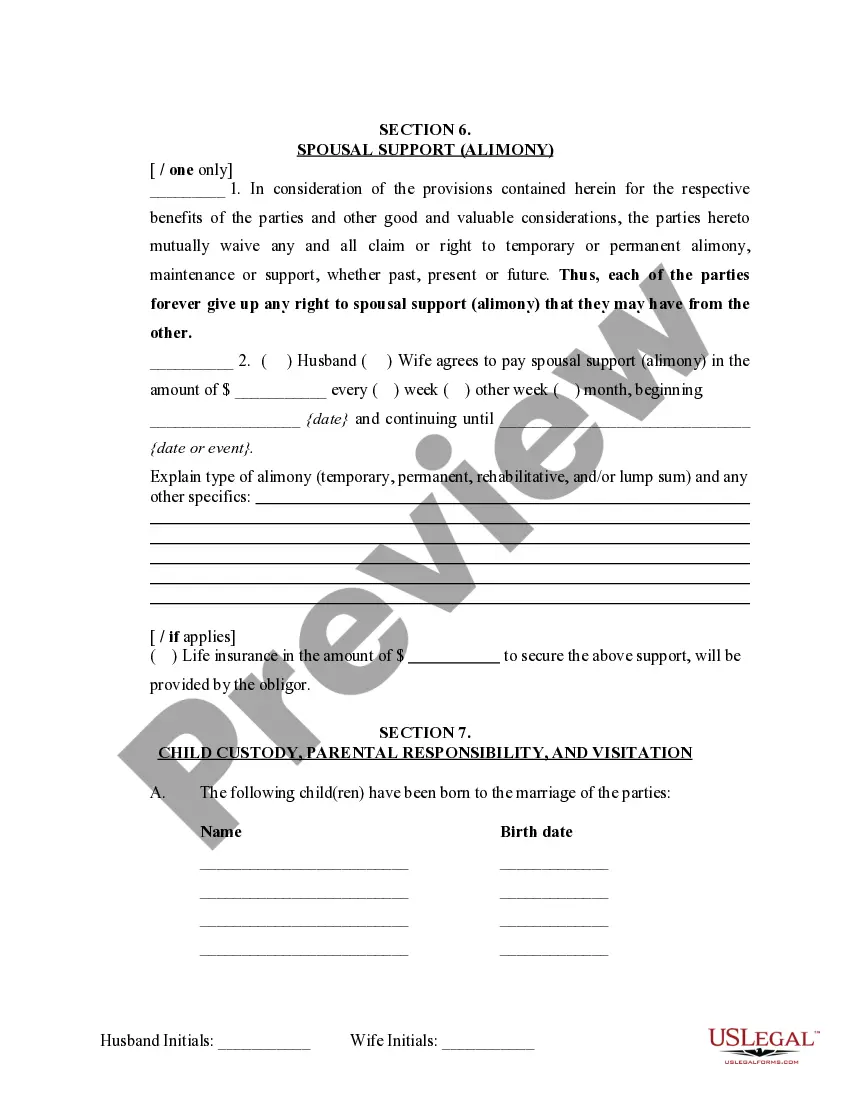
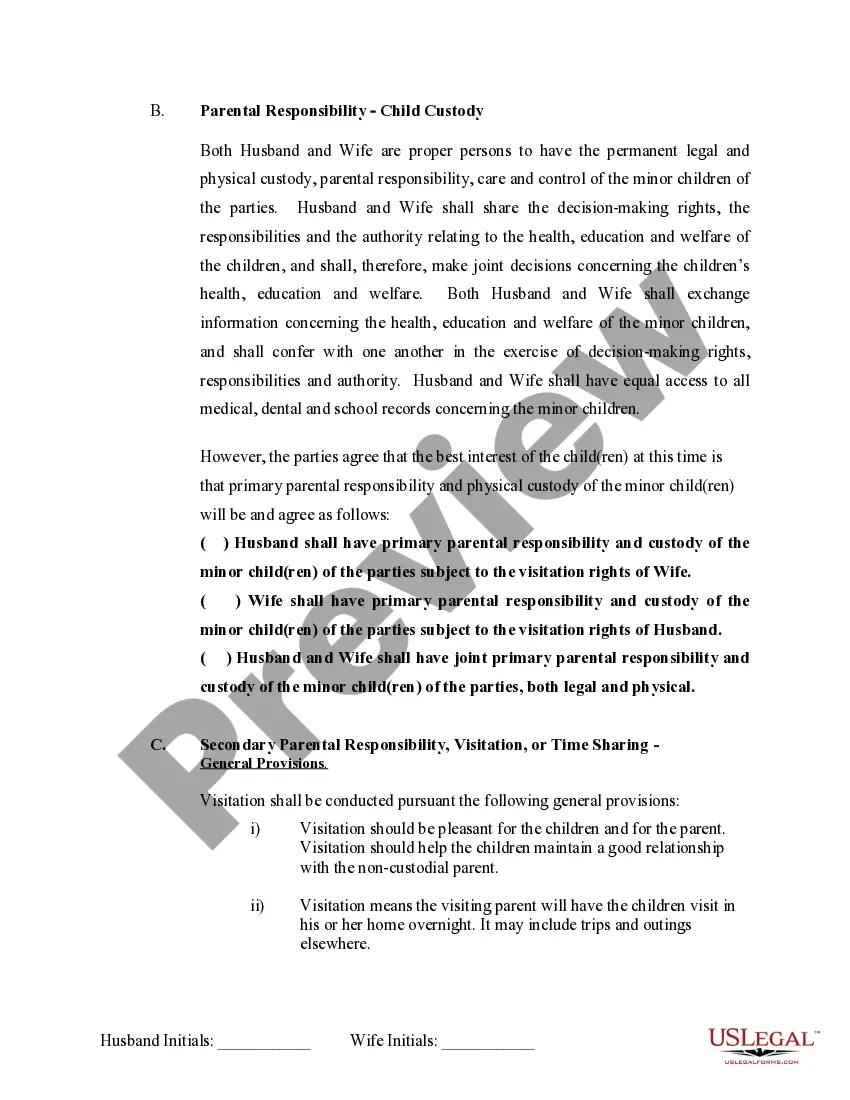

Get your form ready online
Our built-in tools help you complete, sign, share, and store your documents in one place.
Make edits, fill in missing information, and update formatting in US Legal Forms—just like you would in MS Word.
Download a copy, print it, send it by email, or mail it via USPS—whatever works best for your next step.
Sign and collect signatures with our SignNow integration. Send to multiple recipients, set reminders, and more. Go Premium to unlock E-Sign.
If this form requires notarization, complete it online through a secure video call—no need to meet a notary in person or wait for an appointment.
We protect your documents and personal data by following strict security and privacy standards.

Make edits, fill in missing information, and update formatting in US Legal Forms—just like you would in MS Word.

Download a copy, print it, send it by email, or mail it via USPS—whatever works best for your next step.

Sign and collect signatures with our SignNow integration. Send to multiple recipients, set reminders, and more. Go Premium to unlock E-Sign.

If this form requires notarization, complete it online through a secure video call—no need to meet a notary in person or wait for an appointment.

We protect your documents and personal data by following strict security and privacy standards.
Looking for another form?






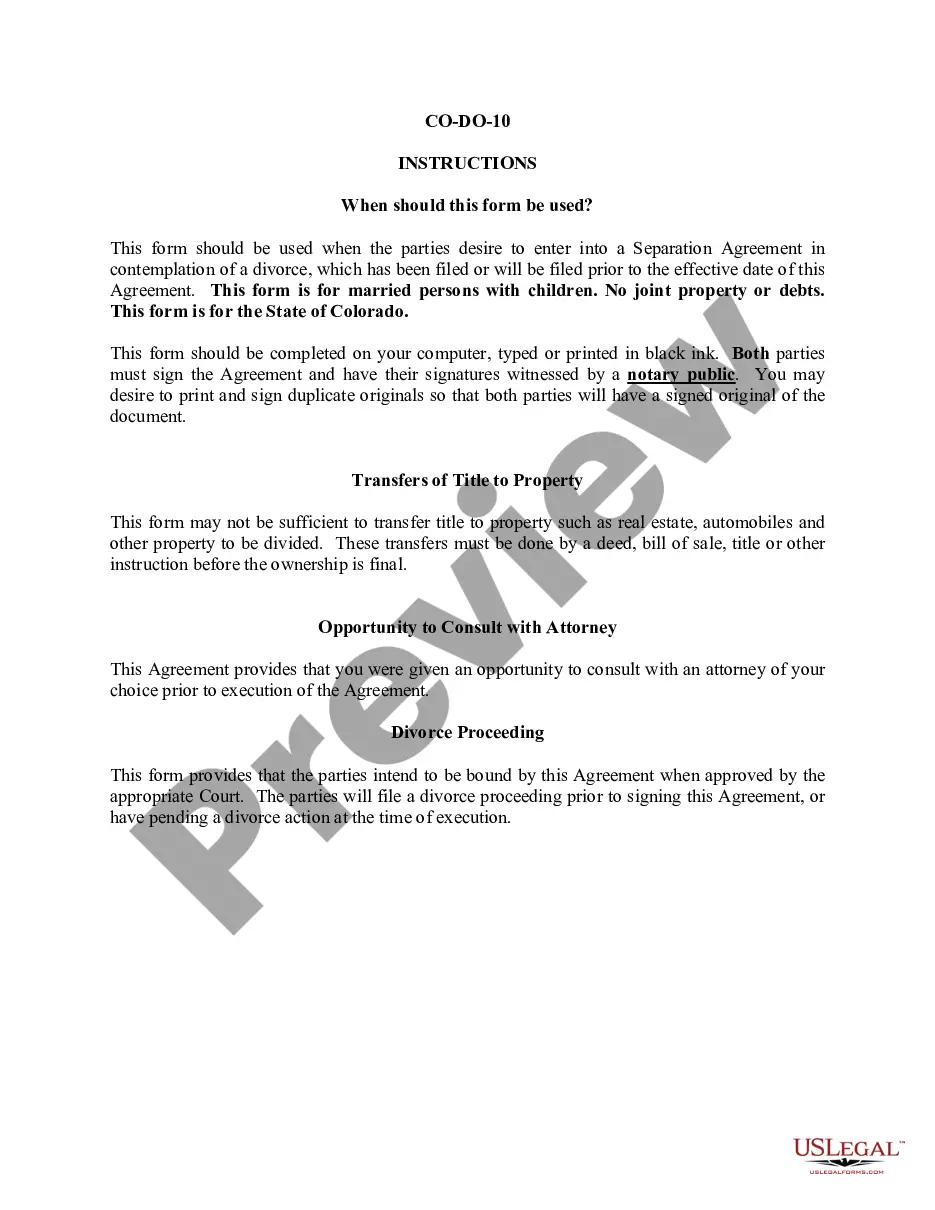
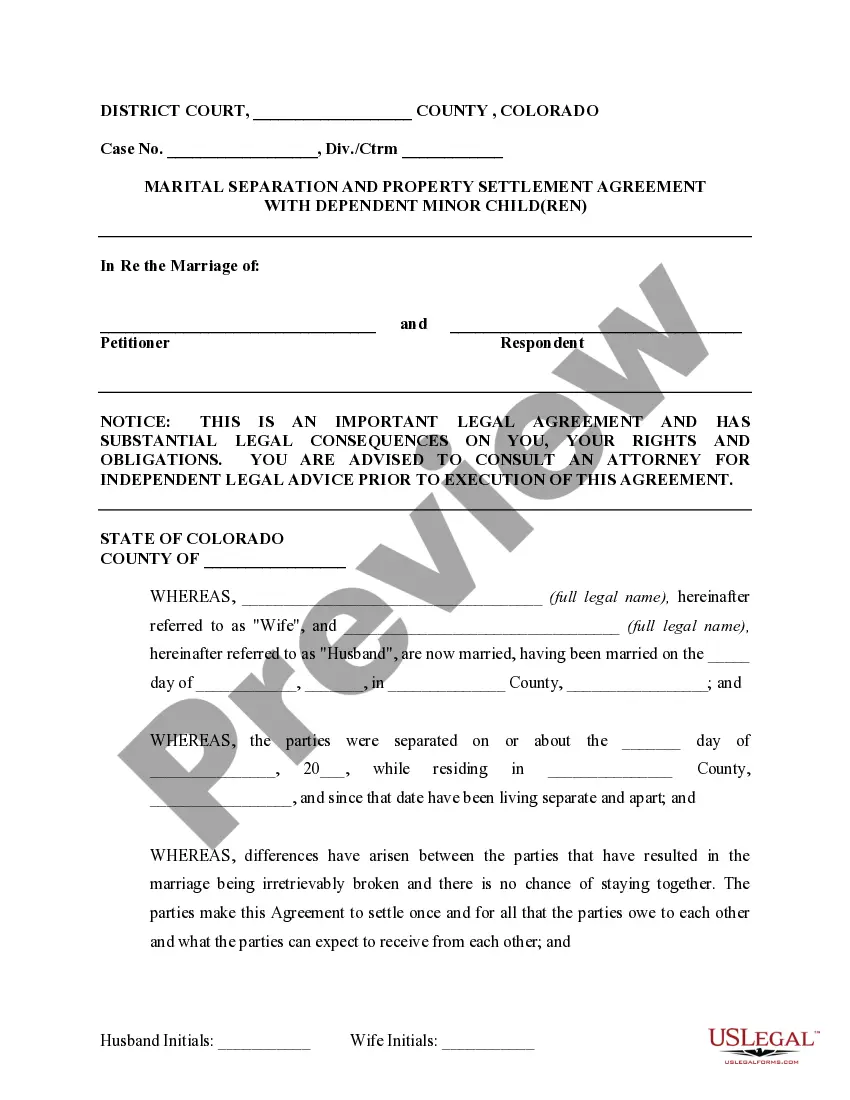
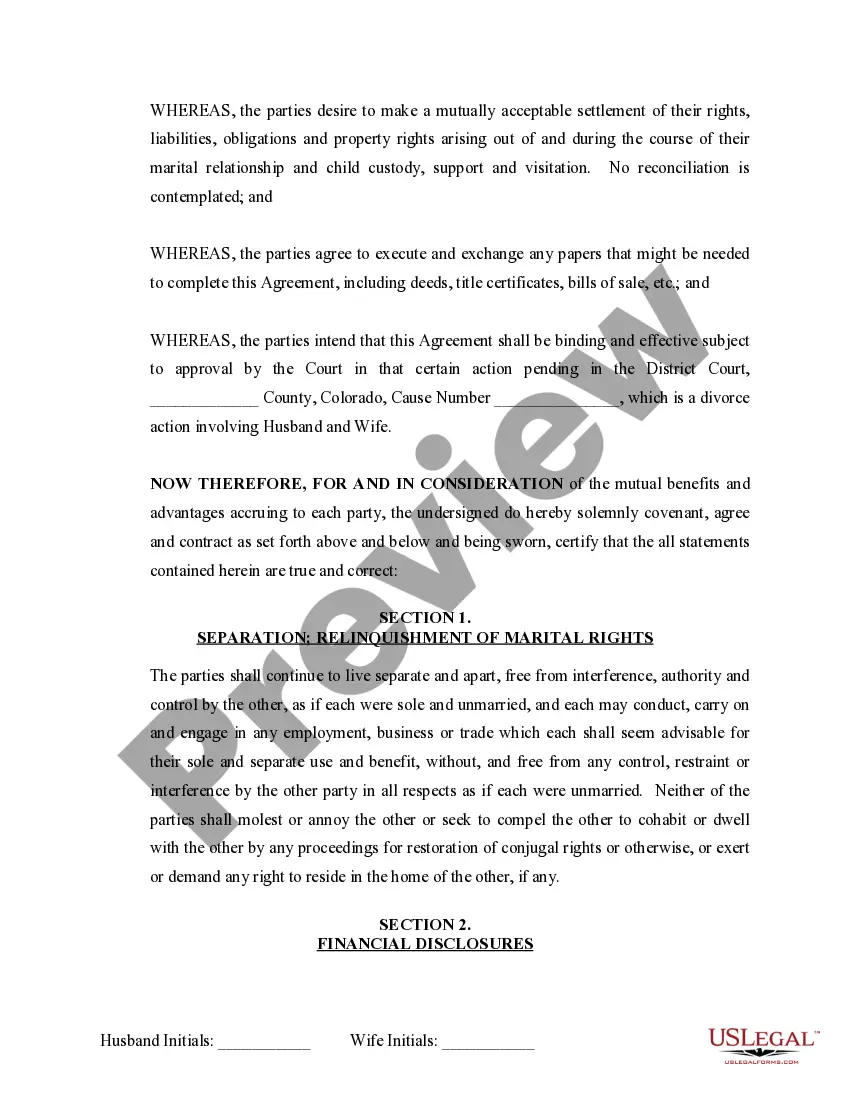
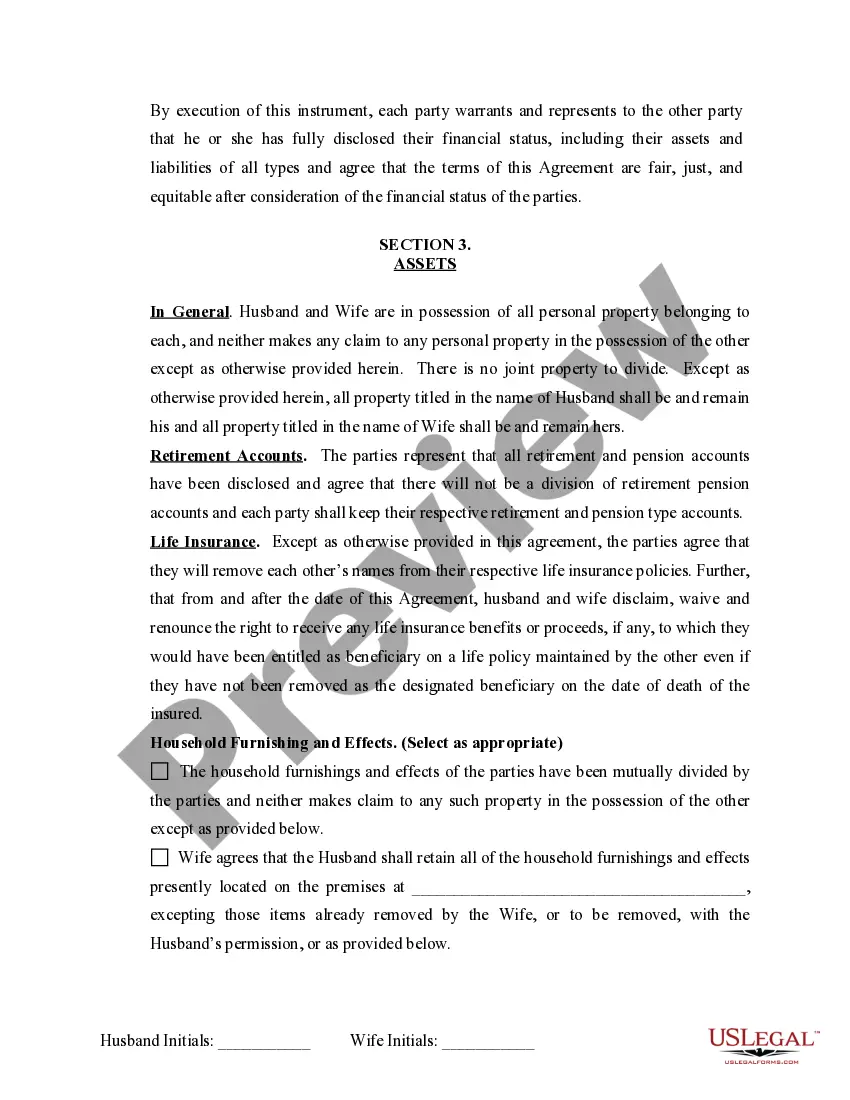
How to fill out Colorado Marital Legal Separation And Property Settlement Agreement Where Minor Children And No Joint Property Or Debts And Divorce Action Filed?
Legal administration can be exasperating, even for proficient experts.
When you are searching for a Colorado Law On Divorce and don’t have the opportunity to spend time finding the suitable and current version, the processes can be overwhelming.
Gain entry to a library of articles, guides, and manuals related to your situation and requirements.
Save time and energy searching for the documents you require, and utilize US Legal Forms’ sophisticated search and Preview feature to locate Colorado Law On Divorce and obtain it.
Take advantage of the US Legal Forms online library, supported by 25 years of expertise and trustworthiness. Transform your everyday document management into a straightforward and user-friendly process today.
- If you possess a subscription, Log In to your US Legal Forms account, seek the form, and obtain it.
- Check your My documents area to review the documents you have previously saved and manage your folders as needed.
- If it’s your initial experience with US Legal Forms, create a free account and enjoy unlimited access to all the benefits of the library.
- Here are the steps to follow after obtaining the form you need.
- Confirm that this is the correct form by previewing it and reviewing its details.
- Ensure that the template is approved in your state or county.
- Click Buy Now when you are prepared.
- Select a subscription option.
- Locate the format you prefer, and Download, fill out, sign, print, and submit your documents.
- Access state- or county-specific legal and business documents.
- US Legal Forms addresses all requirements you might have, from individual to business paperwork, all within one platform.
- Employ advanced tools to complete and manage your Colorado Law On Divorce.
Form popularity
FAQ
In Colorado, various factors can be used against a spouse in a divorce, including allegations of infidelity, financial misconduct, or issues related to child custody. Colorado law on divorce allows evidence of behavior that impacts the marriage or the well-being of children to be presented in court. It is crucial to maintain a clear record of actions and communications to present your case effectively. If you're uncertain about what could impact your situation, consulting a professional can provide valuable insight.
In Colorado, no one automatically has to leave the house during a divorce unless there is a court order. Typically, both spouses retain rights to the marital home until the division of property is finalized under Colorado law on divorce. Factors such as ownership, children, and financial considerations can influence who stays in the home during this process. Seeking legal advice can provide clarity based on your unique circumstances.
Colorado is not strictly a 50/50 state regarding the division of marital property during divorce, as it operates under equitable distribution principles. This means that the courts aim for a fair division based on various factors, rather than a simple mathematical split. It's essential to understand that equitable does not always mean equal, and different circumstances might affect the distribution. Engaging a knowledgeable attorney can help you ensure a fair outcome.
Under Colorado law on divorce, a spouse is entitled to a fair distribution of marital property, which includes assets acquired during the marriage. This process considers both tangible and intangible assets, including real estate, vehicles, savings, and retirement accounts. Additionally, a spouse may be eligible for alimony depending on their financial circumstances and needs. Understanding your entitlements can help you navigate the divorce process more effectively.
In Colorado, the division of retirement accounts like a 401(k) during a divorce follows the principle of equitable distribution under Colorado law on divorce. This means that the assets may not be split exactly in half, but rather divided based on fairness, considering various factors. Often, a Qualified Domestic Relations Order (QDRO) will be necessary to facilitate this division correctly. Consulting with a legal expert can help clarify your rights regarding retirement assets.
Under Colorado law on divorce, there is no specific number of years required to qualify for alimony. However, the length of the marriage can influence the amount and duration of alimony awarded. Courts often consider factors such as the couple's financial situation, standard of living, and each spouse's needs. Therefore, it's beneficial to seek professional guidance to understand your specific case.
Filing for divorce in Colorado involves several steps. First, you must meet the residency requirement, which means you have lived in Colorado for at least 91 days before filing. Next, you need to complete the necessary divorce forms, ensuring they comply with Colorado law on divorce. Finally, you file these forms with the court, serving your spouse with the paperwork, and then attend any required court hearings to finalize the divorce.
Filing for a divorce in Colorado involves several essential steps. First, you must determine the grounds for divorce as per Colorado law on divorce, which can be based on irretrievable breakdown of the marriage. Next, you will need to complete the necessary divorce forms and file them with the district court in your county. Using platforms like USLegalForms can simplify this process, providing you with the required documents and guidance to navigate your divorce smoothly.
To obtain a divorce in Colorado, you need to submit a petition along with relevant forms that outline your marriage and any agreements on assets or children. Colorado law on divorce requires that both parties be served the divorce papers before proceeding. This process can involve mediation, especially when children or significant assets are at stake. Platforms like US Legal Forms provide necessary documents and support for you to ensure compliance throughout your divorce journey.
To file for divorce in Colorado, at least one spouse must have lived in the state for at least 91 days before filing. Under Colorado law on divorce, couples must also provide grounds for the divorce, typically citing irreconcilable differences. Furthermore, both parties may need to address issues related to property division, child custody, and support. Ensuring all paperwork aligns with state requirements will help expedite the process.