Tenant Rep
Description
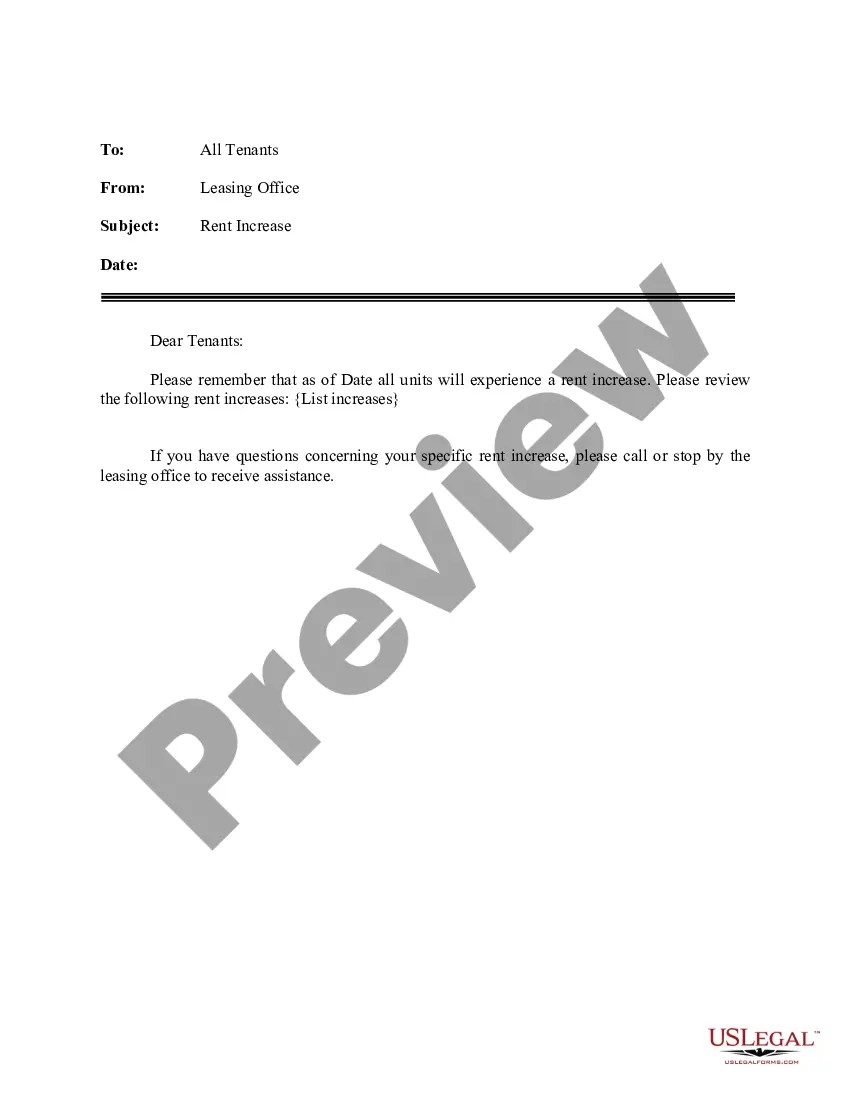
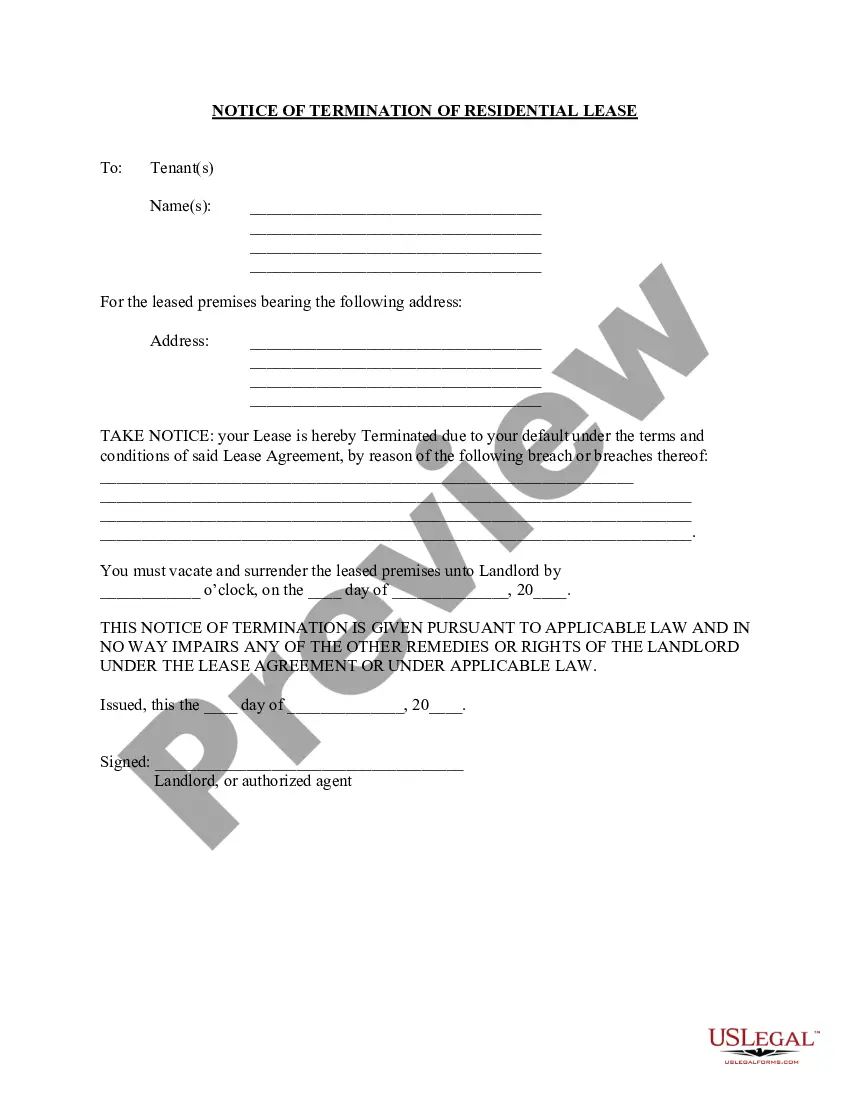
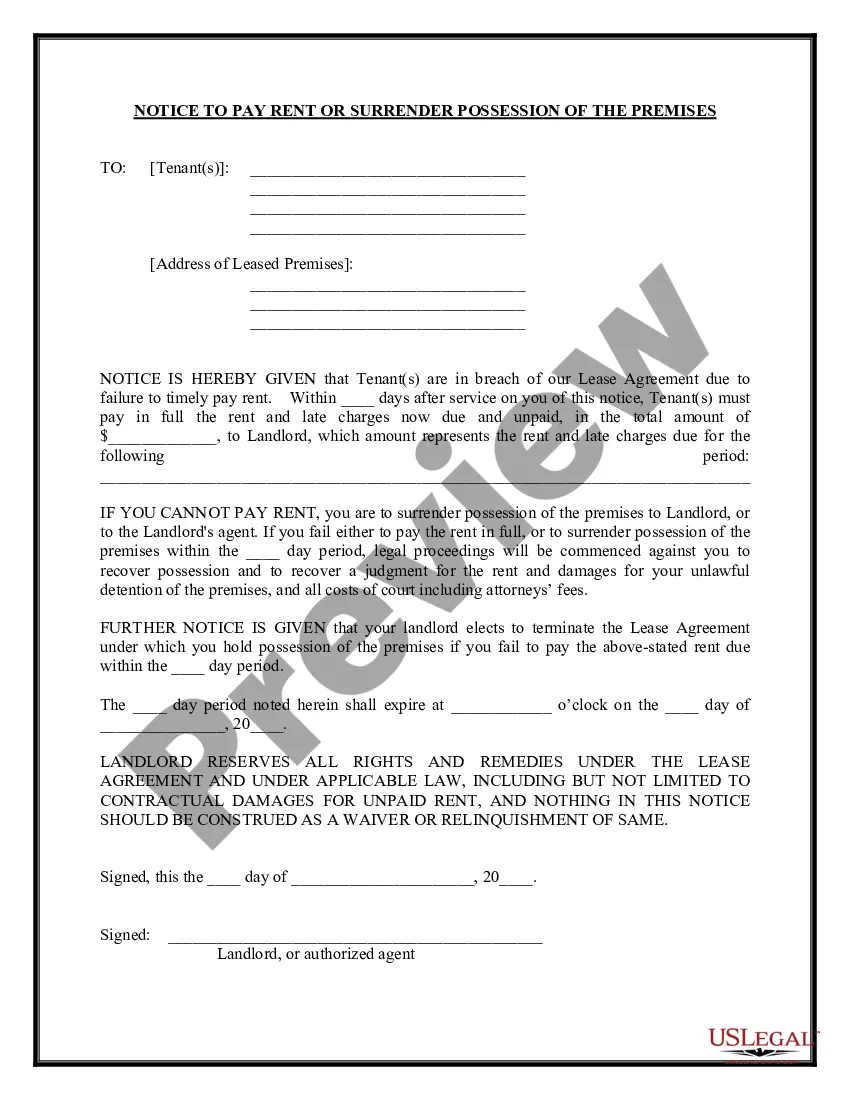
Get your form ready online
Our built-in tools help you complete, sign, share, and store your documents in one place.
Make edits, fill in missing information, and update formatting in US Legal Forms—just like you would in MS Word.
Download a copy, print it, send it by email, or mail it via USPS—whatever works best for your next step.
Sign and collect signatures with our SignNow integration. Send to multiple recipients, set reminders, and more. Go Premium to unlock E-Sign.
If this form requires notarization, complete it online through a secure video call—no need to meet a notary in person or wait for an appointment.
We protect your documents and personal data by following strict security and privacy standards.

Make edits, fill in missing information, and update formatting in US Legal Forms—just like you would in MS Word.

Download a copy, print it, send it by email, or mail it via USPS—whatever works best for your next step.

Sign and collect signatures with our SignNow integration. Send to multiple recipients, set reminders, and more. Go Premium to unlock E-Sign.

If this form requires notarization, complete it online through a secure video call—no need to meet a notary in person or wait for an appointment.

We protect your documents and personal data by following strict security and privacy standards.
Looking for another form?








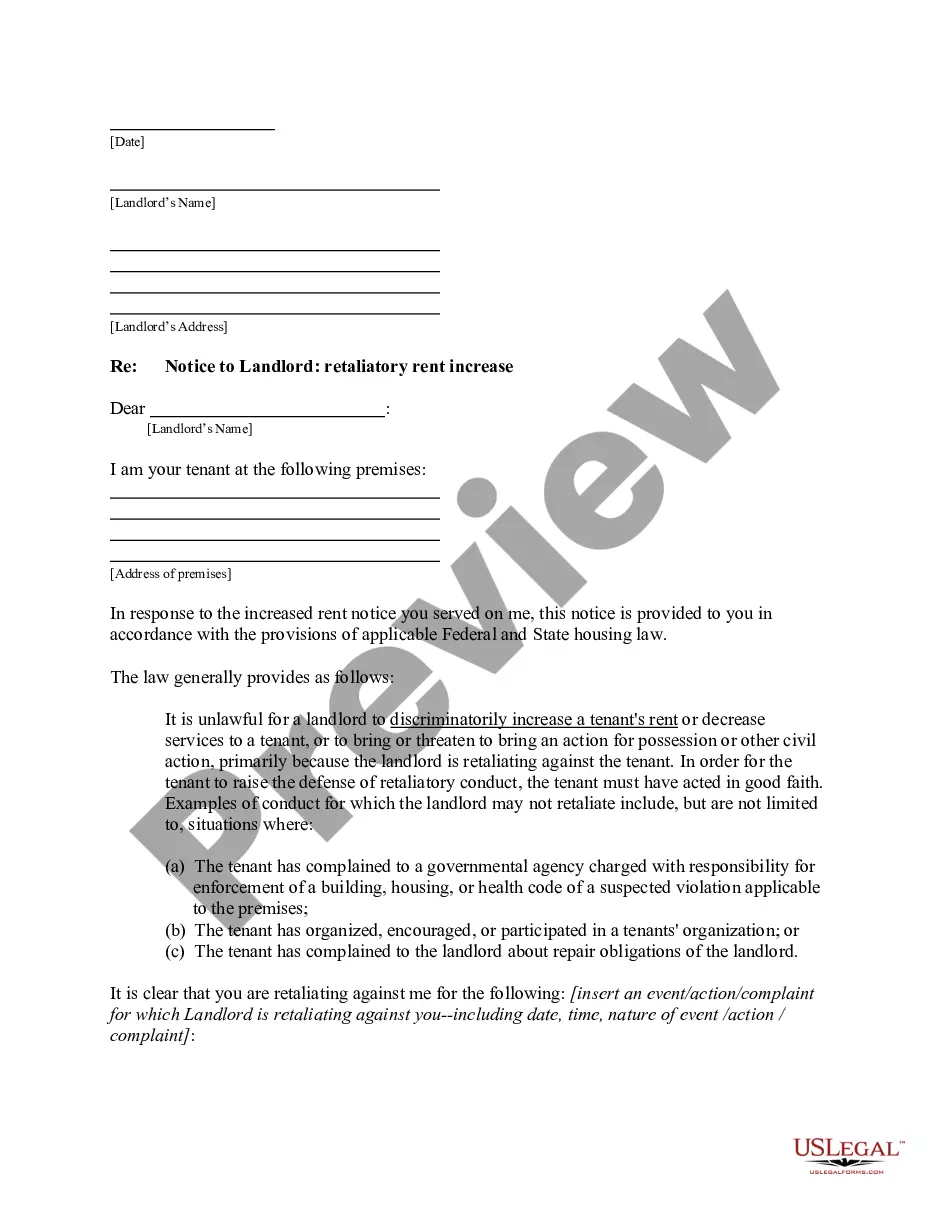
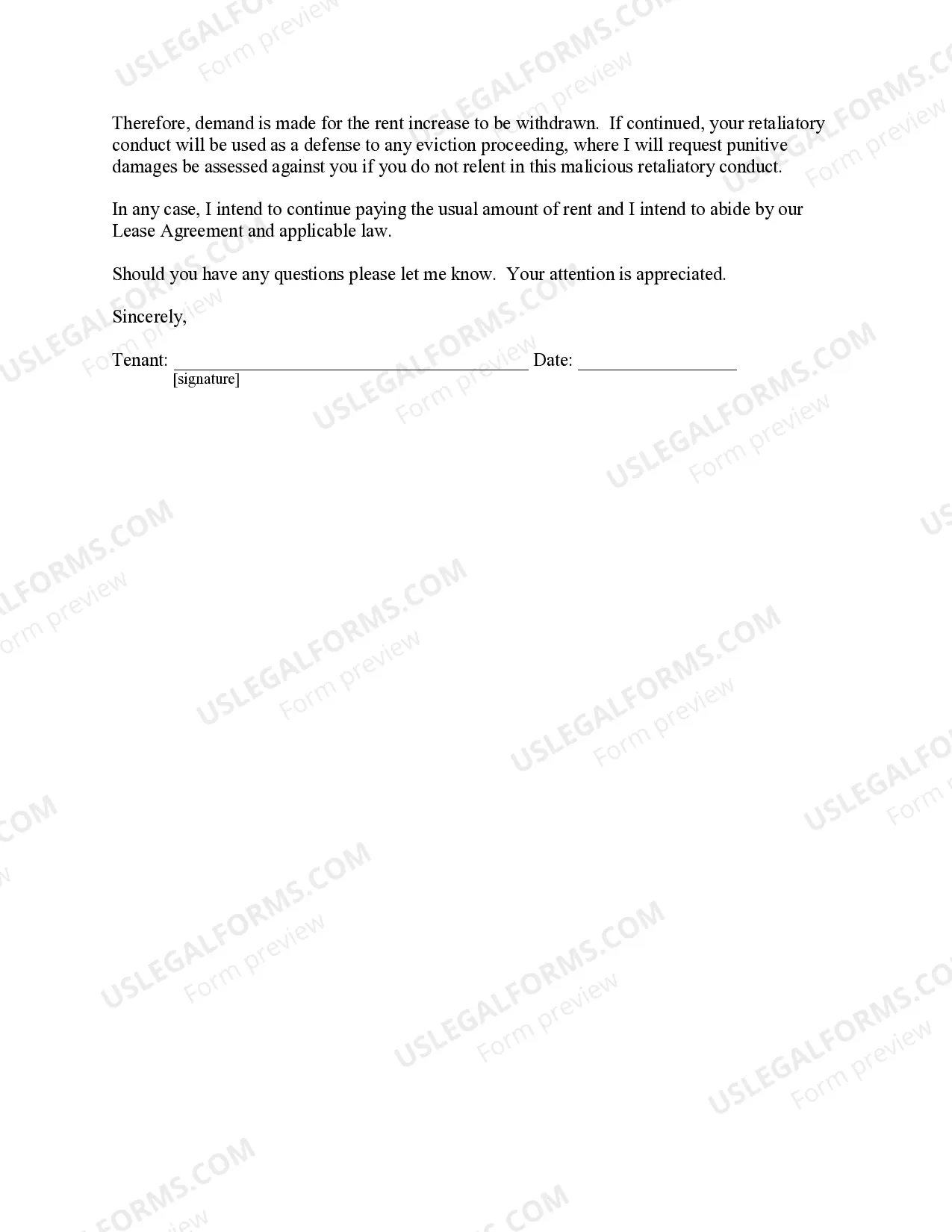
How to fill out Colorado Letter From Tenant To Landlord Containing Notice To Landlord To Withdraw Retaliatory Rent Increase?
- If you're a returning user, log in to your account and click the Download button to obtain your necessary forms, confirming that your subscription is current. If it has expired, renew it based on your payment plan.
- For first-time users, start by browsing the Preview mode and reading the form description to choose a document that aligns with your local legal requirements.
- If you find any discrepancies, use the Search tab at the top to explore other templates that may better suit your situation.
- Proceed to purchase the correct document by clicking the Buy Now button and selecting your desired subscription plan, which requires account registration for full access.
- Complete your purchase by entering your credit card details or utilizing your PayPal account for the subscription fee.
- Download your chosen form to your device and access it anytime via the My Forms section of your profile.
In conclusion, US Legal Forms equips tenants and agents with the legal resources they need to handle real estate transactions with ease. With more than 85,000 forms available, users can confidently obtain accurate and compliant documents for any situation.
Don't hesitate—utilize US Legal Forms today and experience the convenience of a comprehensive legal form library.
Form popularity
FAQ
The role of a tenant's agent is to serve as a trusted advisor throughout the commercial real estate process. A tenant's agent provides guidance on various aspects, such as market conditions, property evaluations, and financial implications of leases. By representing the tenant's interests, they help ensure that clients achieve the best possible outcome in negotiations. Utilizing platforms like US Legal Forms can simplify lease documentation, making the process more efficient.
A tenant rep assists clients in finding and securing commercial spaces that align with their business needs. Their tasks include analyzing market trends, identifying suitable properties, and negotiating lease agreements. Additionally, tenant reps offer valuable insights into zoning laws and property costs, helping tenants make informed decisions. This comprehensive support is essential for successful leasing and gaining favorable terms.
The difference between a leasing agent and a tenant rep lies in their roles and responsibilities. A leasing agent typically represents property owners, focusing on filling vacancies and managing leasing processes. In contrast, a tenant rep exclusively advocates for tenants, ensuring their needs and interests are met during negotiations. This specialized focus allows tenant reps to provide tailored advice and strategies that benefit tenants throughout the leasing experience.
A tenant agent is a professional who specializes in representing tenants in commercial real estate transactions. The primary goal of a tenant agent is to advocate for their clients' best interests during lease negotiations. Unlike landlords' agents, tenant reps focus solely on finding suitable spaces, negotiating favorable terms, and ensuring a smooth leasing process. In this capacity, they serve as a valuable resource for tenants navigating the complex property market.
To prospect as a tenant rep, start by identifying potential clients who are looking for commercial space. Utilize networking events, social media platforms, and industry-specific groups to connect with businesses in need. Building relationships through referrals and following up on leads can also enhance your outreach. Always be prepared to showcase your market knowledge and negotiation skills, which are essential in this role.
A tenant rep's compensation can vary widely based on experience, location, and the complexity of the transactions they handle. Generally, a tenant rep can make between $60,000 and $100,000 annually, including commissions. More experienced tenant reps, who have established a solid reputation, often earn even more. If you're thinking about hiring a tenant rep, understanding their potential earnings can help you recognize the value of their services.
Tenant sales reps, those specifically working in tenant representation, can earn salaries ranging from $50,000 to $80,000, depending on their experience and performance. Performance-based bonuses and commissions can further boost their earnings, making the role financially rewarding. Successful tenant sales reps often build strong networks and relationships, increasing their earning potential significantly in the long run. This career path offers excellent opportunities for capable individuals interested in real estate.
Most sales reps can expect to earn a base salary of around $40,000 to $60,000 annually, with the potential for additional earnings through commissions and bonuses. The total income can vary widely based on industry, experience level, and location. Additionally, high-performing sales reps may significantly exceed average earnings with impressive sales numbers. Understanding these figures can help you set realistic expectations if you're considering a role in sales.
Tenant rep, or tenant representation, works by providing professional assistance to tenants looking for commercial leasing options. A tenant rep analyzes your specific needs, then guides you through available properties while negotiating favorable terms on your behalf. This representation ensures that you do not settle for less than what you deserve in your space. Engaging a tenant rep can save you time and potentially reduce your lease costs.
To file a memorandum of contract in Texas, you will need to prepare a written document that outlines the essential terms of the contract. After drafting, you must sign the memorandum and then file it with the county clerk's office in the appropriate county. This process puts the public on notice of your agreement, protecting your rights under Texas law. For assistance with legal documents, you can explore US Legal Forms to find templates and guidance.