Tenant Landloard
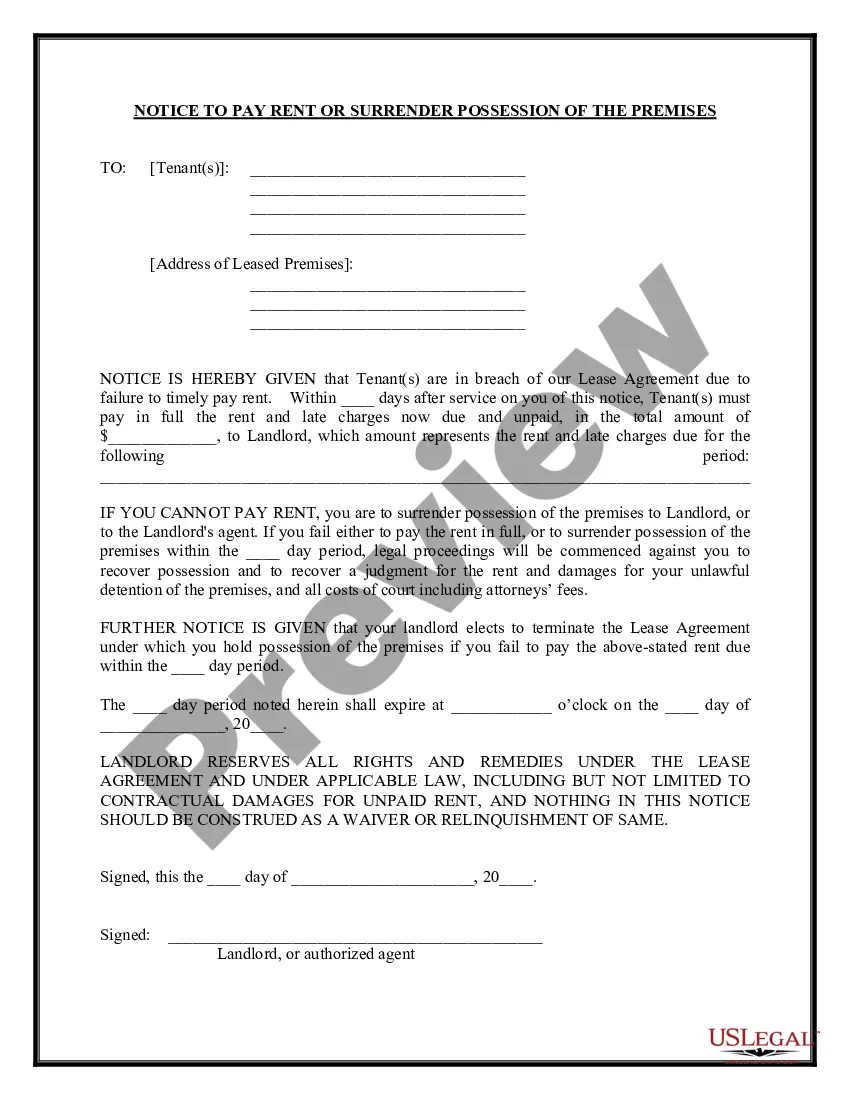
Description


Get your form ready online
Our built-in tools help you complete, sign, share, and store your documents in one place.
Make edits, fill in missing information, and update formatting in US Legal Forms—just like you would in MS Word.
Download a copy, print it, send it by email, or mail it via USPS—whatever works best for your next step.
Sign and collect signatures with our SignNow integration. Send to multiple recipients, set reminders, and more. Go Premium to unlock E-Sign.
If this form requires notarization, complete it online through a secure video call—no need to meet a notary in person or wait for an appointment.
We protect your documents and personal data by following strict security and privacy standards.

Make edits, fill in missing information, and update formatting in US Legal Forms—just like you would in MS Word.

Download a copy, print it, send it by email, or mail it via USPS—whatever works best for your next step.

Sign and collect signatures with our SignNow integration. Send to multiple recipients, set reminders, and more. Go Premium to unlock E-Sign.

If this form requires notarization, complete it online through a secure video call—no need to meet a notary in person or wait for an appointment.

We protect your documents and personal data by following strict security and privacy standards.
Looking for another form?




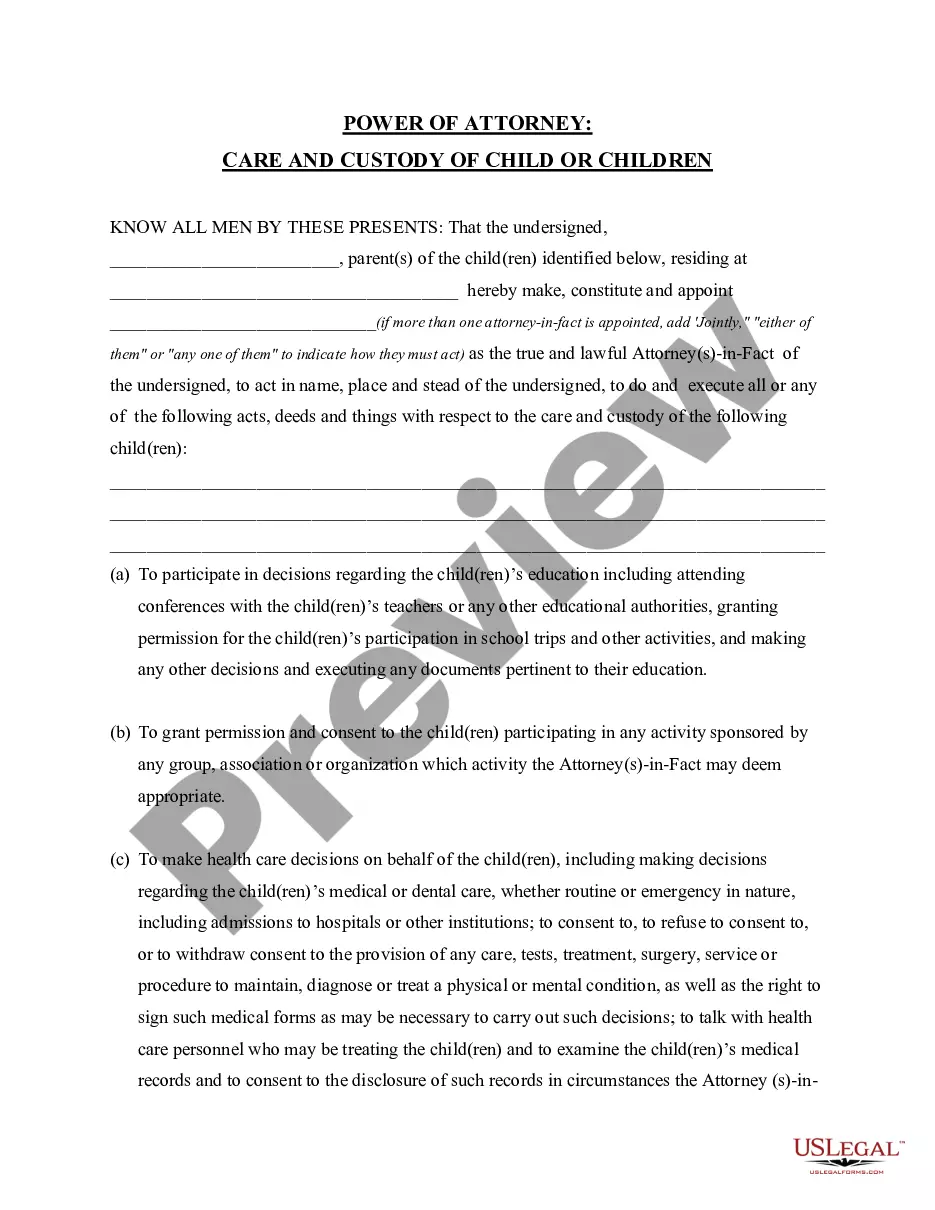




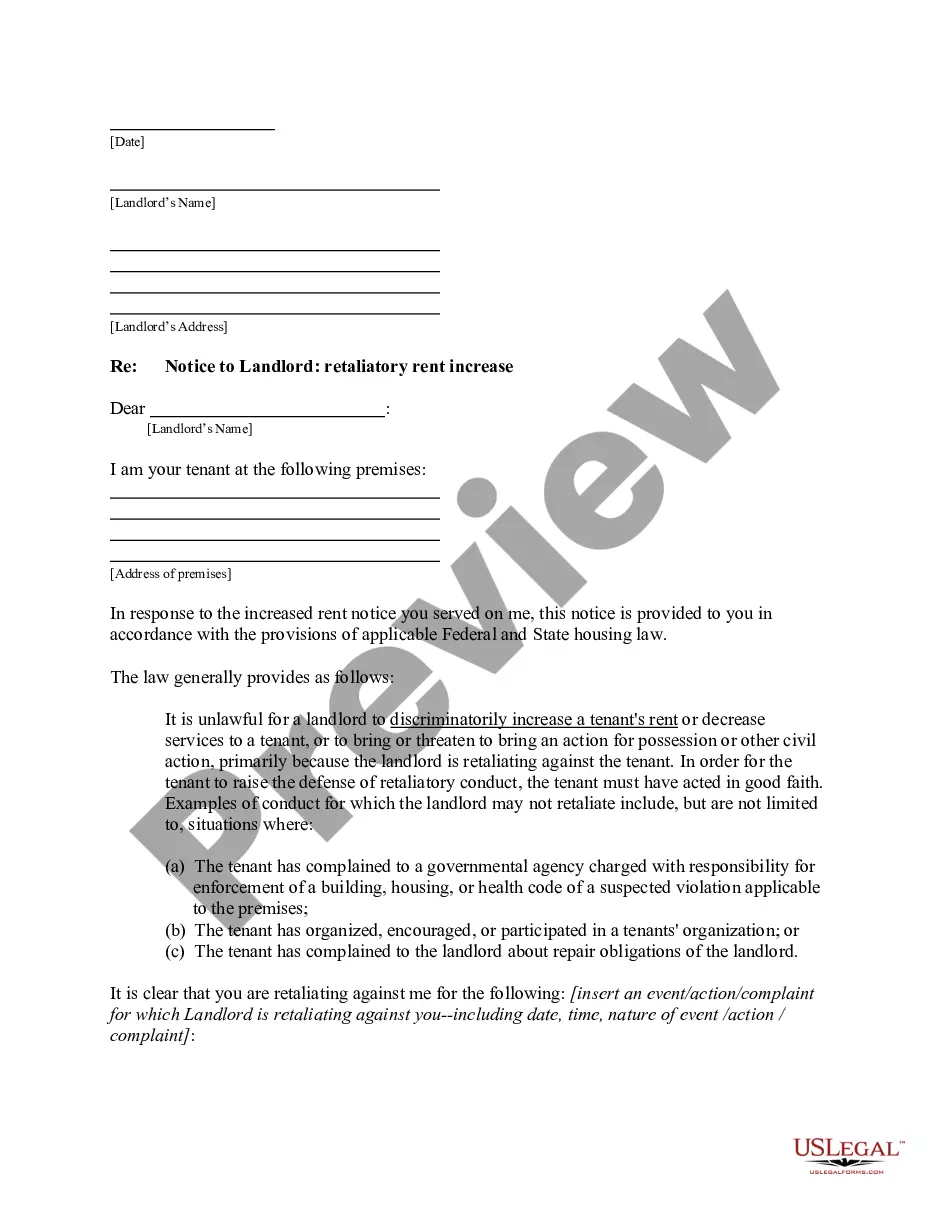
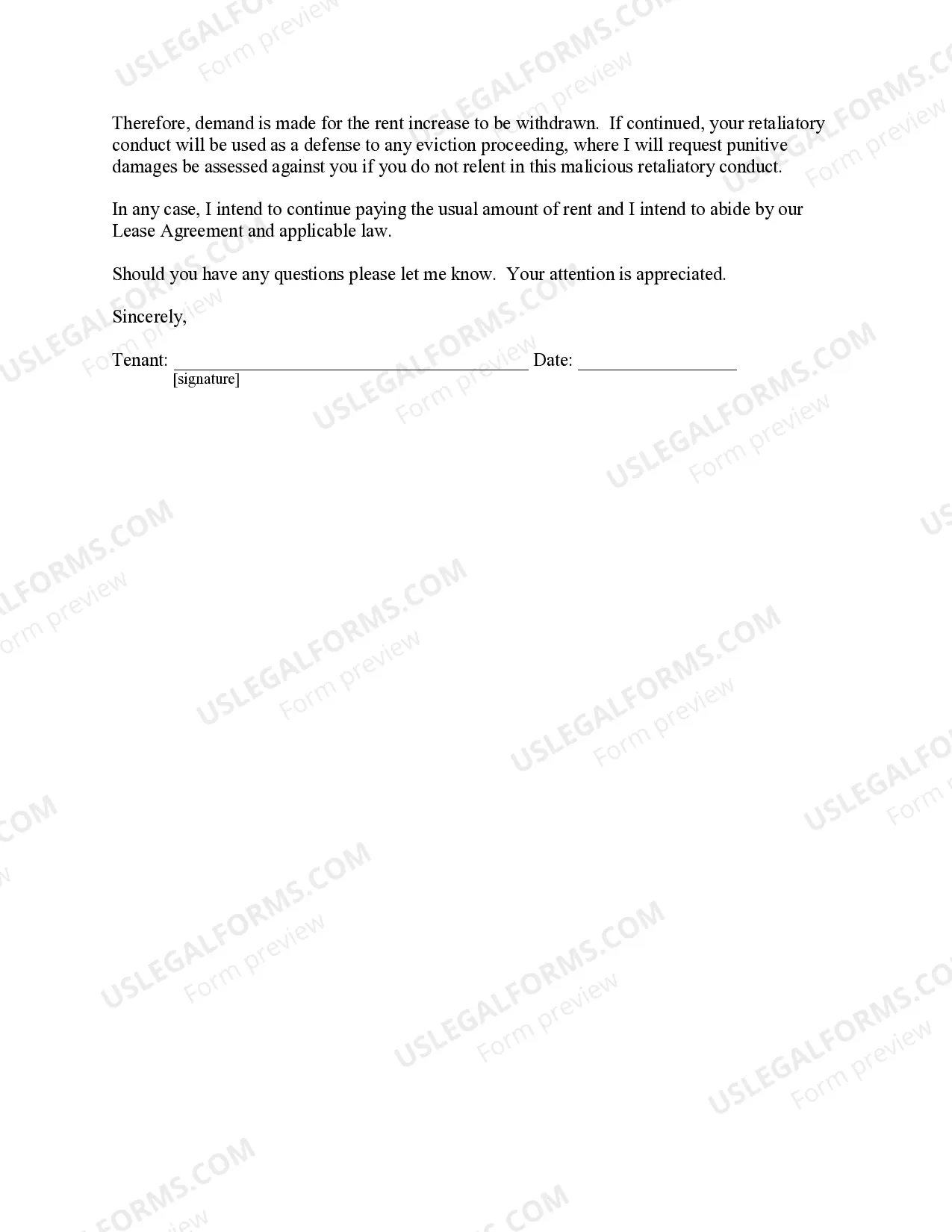
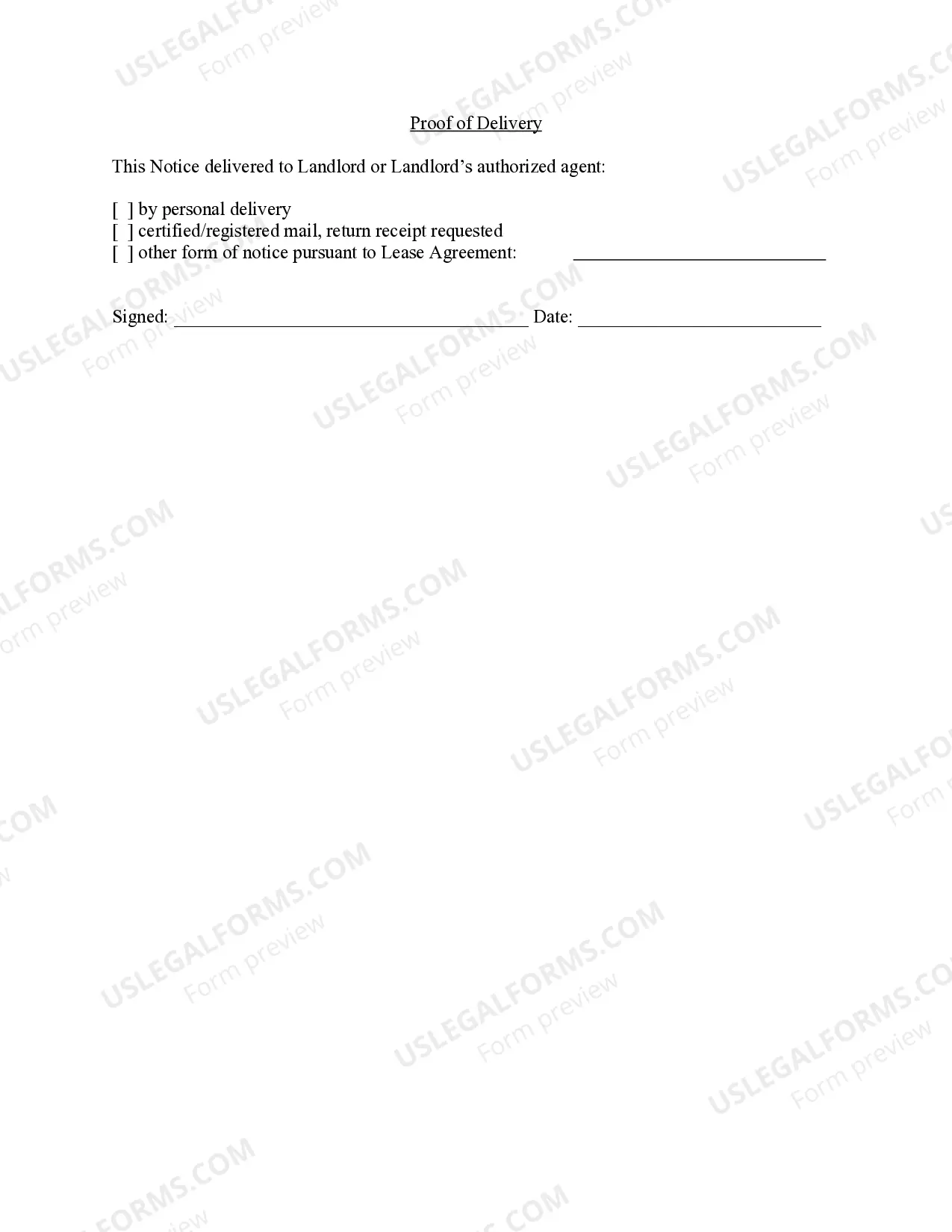
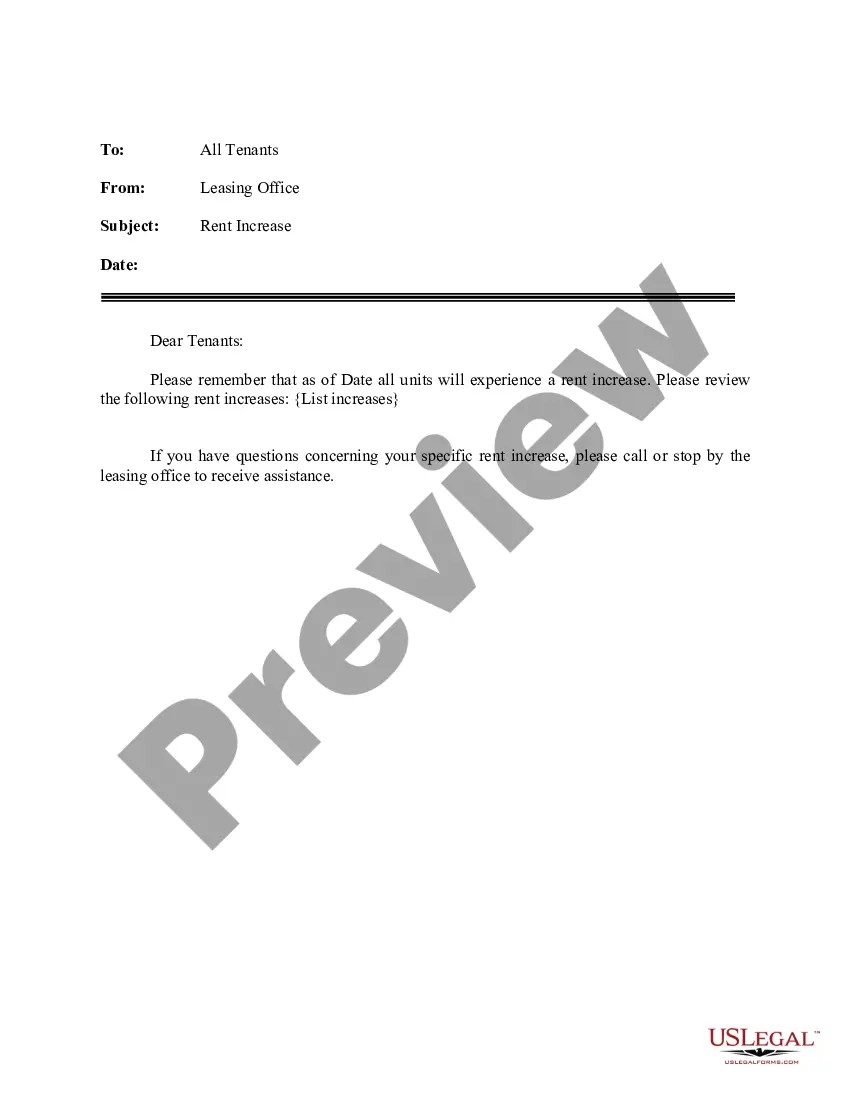
How to fill out Colorado Letter From Tenant To Landlord Containing Notice To Landlord To Withdraw Retaliatory Rent Increase?
- If you have an existing account, log in and click the Download button for your desired form. Ensure your subscription is active; if not, renew it based on your payment plan.
- If you're new to US Legal Forms, start by previewing the form description to confirm it meets your needs and complies with local jurisdiction requirements.
- If necessary, use the Search tab to find another template that better suits your requirements.
- Proceed to purchase the document by clicking on the Buy Now button and selecting your preferred subscription plan.
- Complete your payment by entering your credit card details or using your PayPal account.
- Once your purchase is successful, download the form and save it to your device for easy access. You can also find it anytime in the My Forms section.
With US Legal Forms, you gain access to a wealth of resources, including premium expert assistance to ensure your documents are complete and legally sound. This enables you to navigate legal obligations with confidence.
Start your journey towards simpler legal documentation today. Empower yourself with US Legal Forms and ensure your tenant landlord agreements are handled with professionalism!
Form popularity
FAQ
Most landlords typically require that a tenant's income is at least three times the monthly rent. This standard helps ensure that tenants can manage rent payments comfortably without financial strain. Keep this in mind when applying for rental properties, and ensure your documentation supports your claims. USLegalForms can assist in providing necessary forms to streamline this process.
Common red flags on a rental application include discrepancies in income sources, a history of evictions, or insufficient references. Landlords also watch for frequent address changes without sufficient explanations. Identifying these issues early can save both parties from potential problems down the road. You can find detailed checklists on USLegalForms to help you assess applications carefully.
Filling out a landlord application requires you to provide personal details like your name, contact information, and income verification. Complete all sections honestly and make sure to include any disclosures about your rental history. Organizing your information can facilitate quicker approvals. When in doubt, consider templates offered by USLegalForms to guide you through the process.
In Connecticut, landlords cannot retaliate against tenants, lock them out without proper legal procedures, or discriminate based on race, gender, or familial status. They must also adhere to proper notice requirements before entering a rental unit. Understanding these rights will help tenants feel secure in their living arrangements. For clarification on these rules, refer to USLegalForms for valuable insights.
Eviction processes in Connecticut can take several weeks to months, depending on the circumstances. Typically, landlords need to provide a valid reason and follow legal procedures, which include court hearings. For tenants, it’s essential to understand their rights and the timelines involved. Always seek guidance or use resources from platforms like USLegalForms to navigate this process.
When writing a letter to your landlord, start with your address, the date, and your landlord's contact information. Clearly state the purpose of your letter, whether it’s a maintenance request or notifying about changes. Be respectful and concise, and make sure to express your thoughts professionally. Utilize templates from USLegalForms to create a polished letter.
To fill out a landlord application, gather necessary documents such as your identification, proof of income, and rental history. Ensure you provide accurate and complete information about your employment and references. Use a clear format, and double-check for any errors to avoid delays in the approval process. Consider using platforms like USLegalForms to simplify the application process.
A 'tenant landlord' typically refers to the relationship between a tenant and a landlord. This relationship is governed by a lease or rental agreement that specifies terms such as rent amount and duration. It’s essential to understand this connection, as it defines the rights and responsibilities of both parties involved.
A landlord is the property owner who rents out their property, while a tenant is the individual who occupies and pays rent for that property. Although they work together to facilitate a comfortable living situation, their roles and responsibilities differ significantly. Being clear about the distinctions between landlords and tenants can lead to better communication and smoother interactions.
You become a tenant when you enter into a rental agreement with a landlord, allowing you to occupy a property in exchange for rent. This agreement can be written or verbal but typically outlines your rights and responsibilities. Recognizing your status as a tenant is vital in understanding your rights in the tenant-landlord relationship.