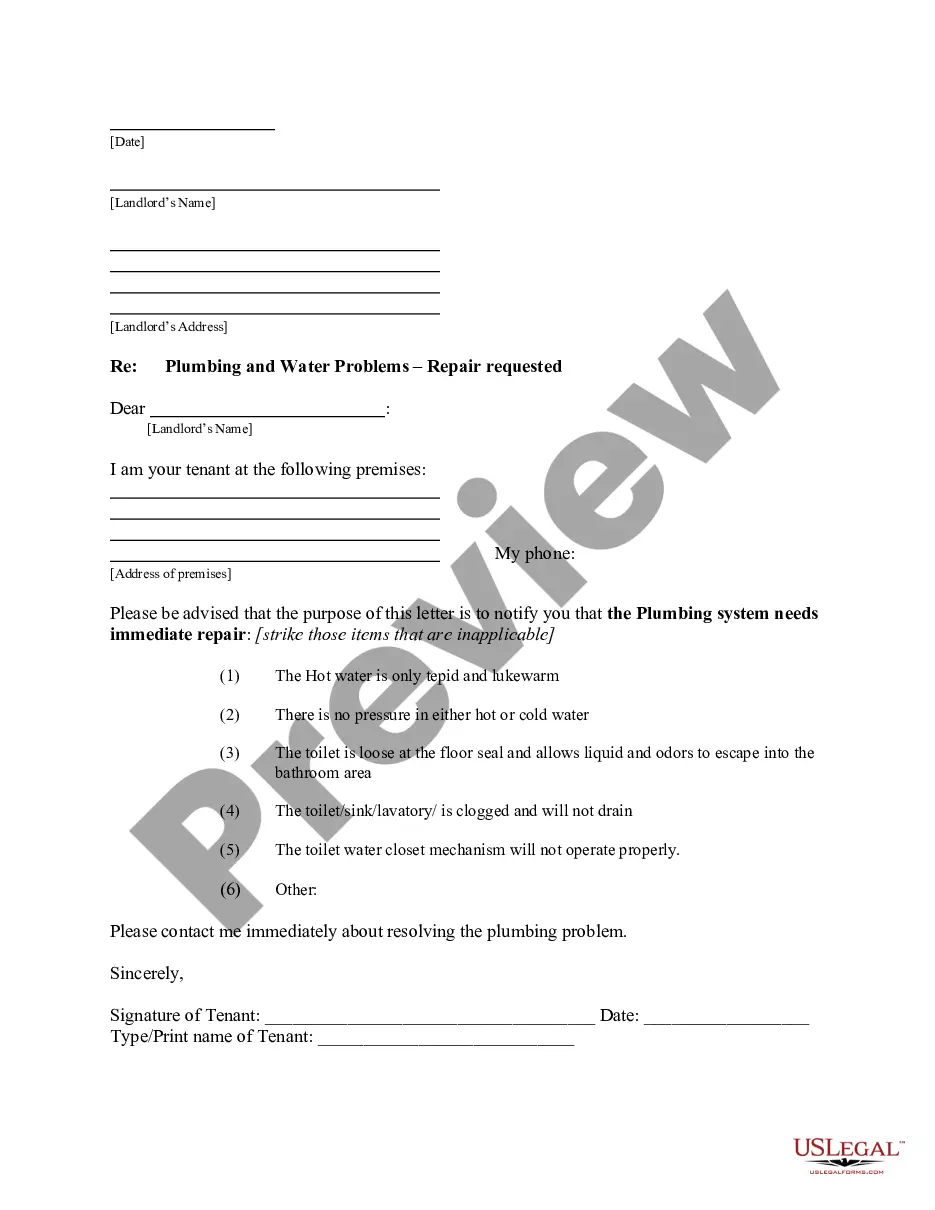
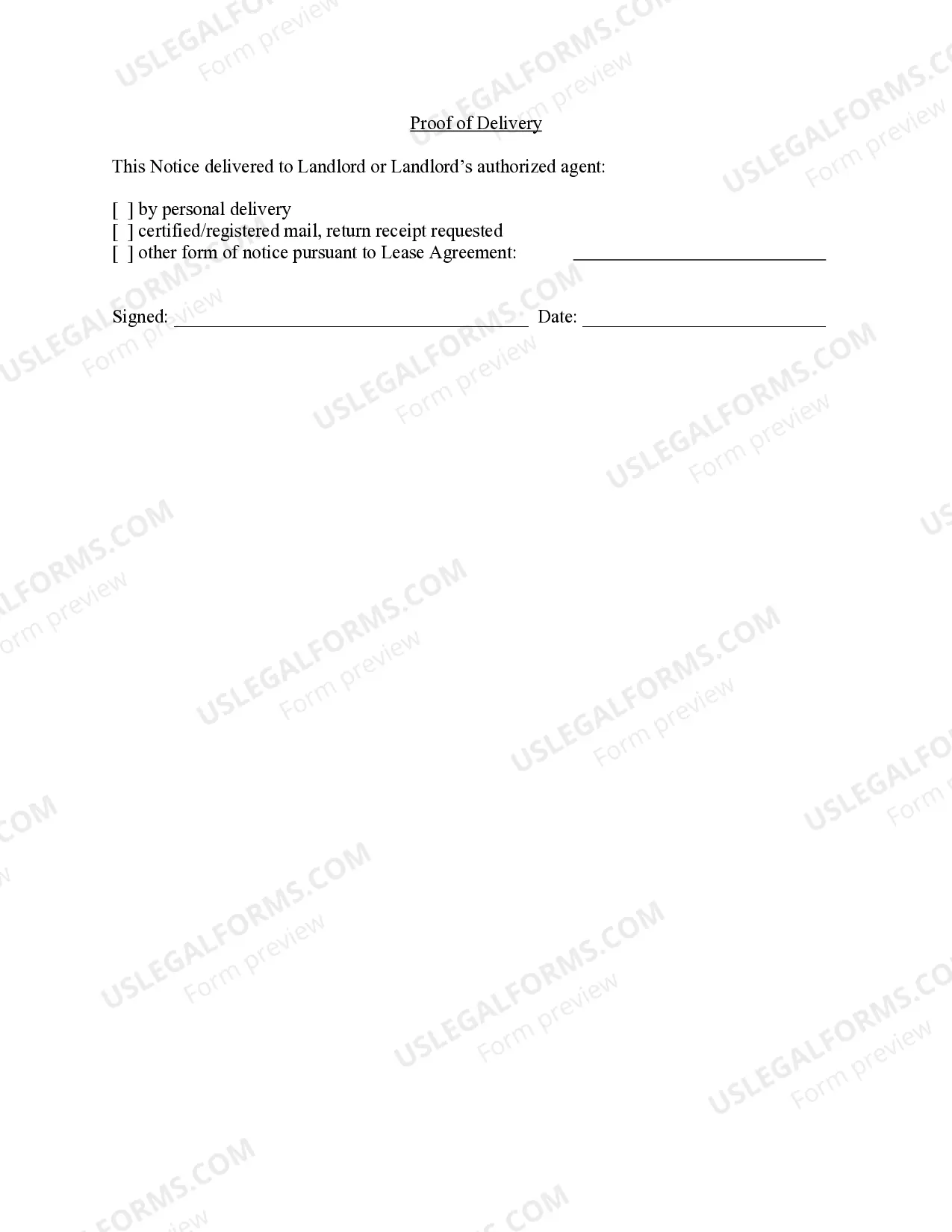
Letter Tenant Demand Withholding Rent
Description


Get your form ready online
Our built-in tools help you complete, sign, share, and store your documents in one place.
Make edits, fill in missing information, and update formatting in US Legal Forms—just like you would in MS Word.
Download a copy, print it, send it by email, or mail it via USPS—whatever works best for your next step.
Sign and collect signatures with our SignNow integration. Send to multiple recipients, set reminders, and more. Go Premium to unlock E-Sign.
If this form requires notarization, complete it online through a secure video call—no need to meet a notary in person or wait for an appointment.
We protect your documents and personal data by following strict security and privacy standards.

Make edits, fill in missing information, and update formatting in US Legal Forms—just like you would in MS Word.

Download a copy, print it, send it by email, or mail it via USPS—whatever works best for your next step.

Sign and collect signatures with our SignNow integration. Send to multiple recipients, set reminders, and more. Go Premium to unlock E-Sign.

If this form requires notarization, complete it online through a secure video call—no need to meet a notary in person or wait for an appointment.

We protect your documents and personal data by following strict security and privacy standards.
Looking for another form?



Form popularity
FAQ
In New Hampshire, you can withhold rent under certain conditions, typically related to your landlord's failure to maintain the property. Ensure you have documented evidence of any issues such as unsafe living conditions or necessary repairs. It’s advisable to provide your landlord with a 'Letter tenant demand withholding rent' before taking action. For guidance on the legal aspects of withholding rent, consider consulting resources on US Legal Forms.
When writing a letter to stop renting, express your intent to terminate your lease clearly and professionally. Include your address, the date, and a request for the landlord to confirm receipt of your letter. You should also mention your reasons, such as wanting to move for personal or financial reasons. US Legal Forms can guide you in creating a clear and concise letter that protects your rights.
To write a letter of withholding rent, start by clearly stating your intent to withhold rent due to unresolved issues with your rental property. Include specifics about the problems you have experienced, such as repairs needed or violations of your lease agreement. It’s essential to mention any previous communication with your landlord regarding these issues. Utilize a template like the one available through US Legal Forms to ensure your letter meets legal standards.
When writing a letter to request a rent reduction, start with a polite opening and provide context for your request. Mention any changes in your circumstances or the local market that justify a lower rent. Offer specific figures that you consider reasonable, and explain how this adjustment could benefit both you and the landlord. Utilizing resources like US Legal Forms can provide templates to streamline your writing process.
Begin your letter to your landlord about withholding rent with a formal greeting and your address. Clearly state the reasons why you are withholding rent and refer to any relevant laws that support your actions. Keep your tone professional, and offer possible solutions to improve the situation. Conclude by inviting a conversation to discuss the matter further, establishing a good line of communication.
In North Carolina, a tenant can withhold rent if the rental unit is uninhabitable or if the landlord fails to make necessary repairs after a reasonable request. Review your lease agreement carefully to identify any specific conditions that allow for rent withholding. It's smart to document all communications with your landlord before taking this step. Consulting resources like US Legal Forms can help ensure your rights as a tenant are protected.
To write a letter to your landlord about not paying rent, clearly state your situation. Include your address, date, and a respectful salutation. Explain your reasons for withholding rent in a concise manner, ensuring you mention any legal justifications under your state's laws. Finally, express a desire to resolve the issue and offer your contact information for follow-up.
When writing a letter to your landlord about withholding rent, clearly outline the reasons for your decision, such as unresolved repairs or safety concerns. Provide details about the specific issues and any prior communications you've had regarding these matters. Emphasize that withholding rent is a last resort and express a desire to resolve the situation amicably. Resources on uslegalforms can help you create a precise letter tenant demand withholding rent that fosters effective communication.
To write a good rent collection letter, begin with a clear statement of the amount owed and the due date. Include any previous communications about the rent payment and express your willingness to discuss any issues the tenant might be facing. Maintain a diplomatic tone while emphasizing the importance of timely rent payments. Templates from uslegalforms can assist you in crafting a professional letter tenant demand withholding rent that effectively communicates your expectations.
No, a demand letter is not the same as an eviction notice. A demand letter serves to inform the landlord of your intent to withhold rent due to specific issues, while an eviction notice is a formal document that initiates the process of evicting a tenant from a rental property. Understanding the difference can help you choose the appropriate action based on your needs. For more guidance on managing these documents, consult resources available on uslegalforms.
