Transfer Death Tod With A Life

Description
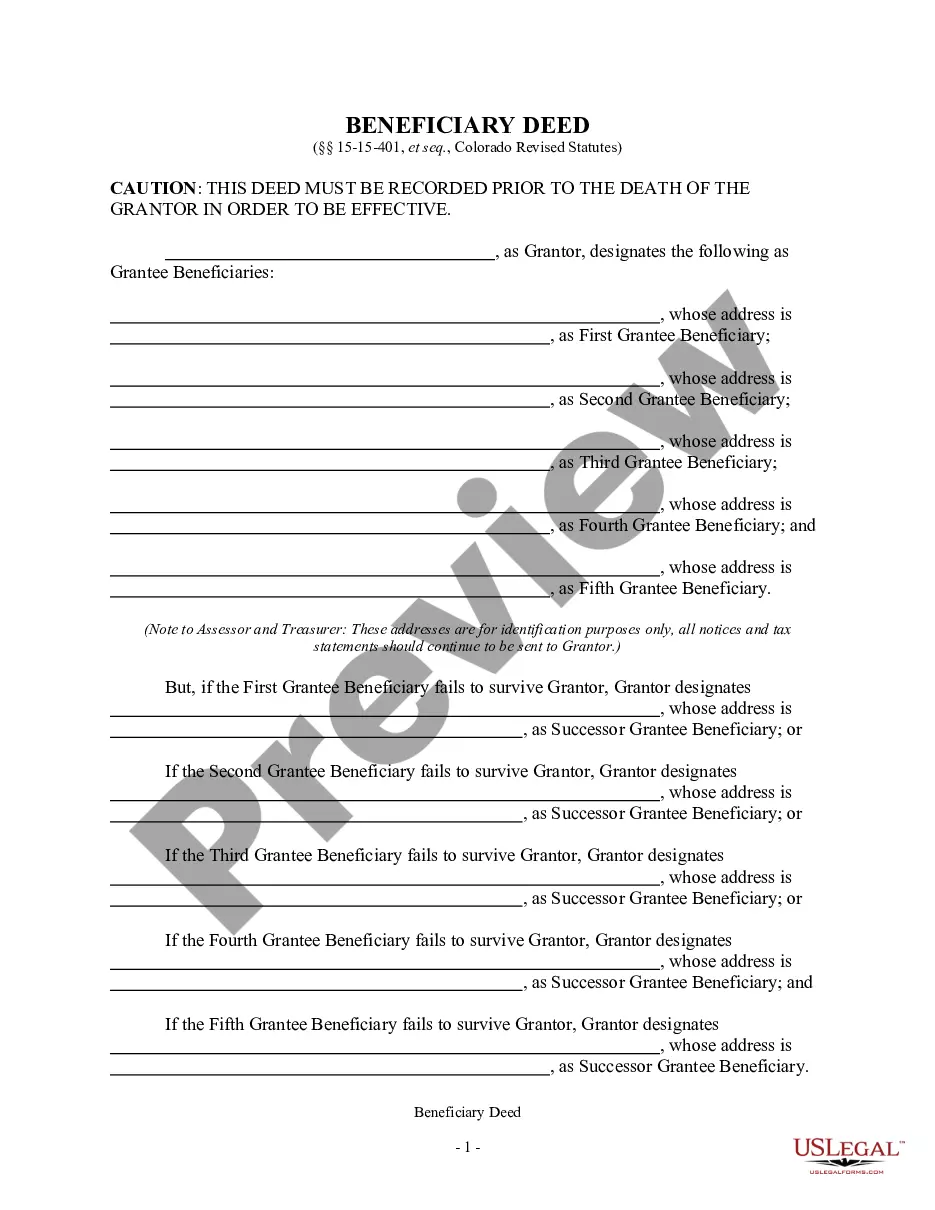
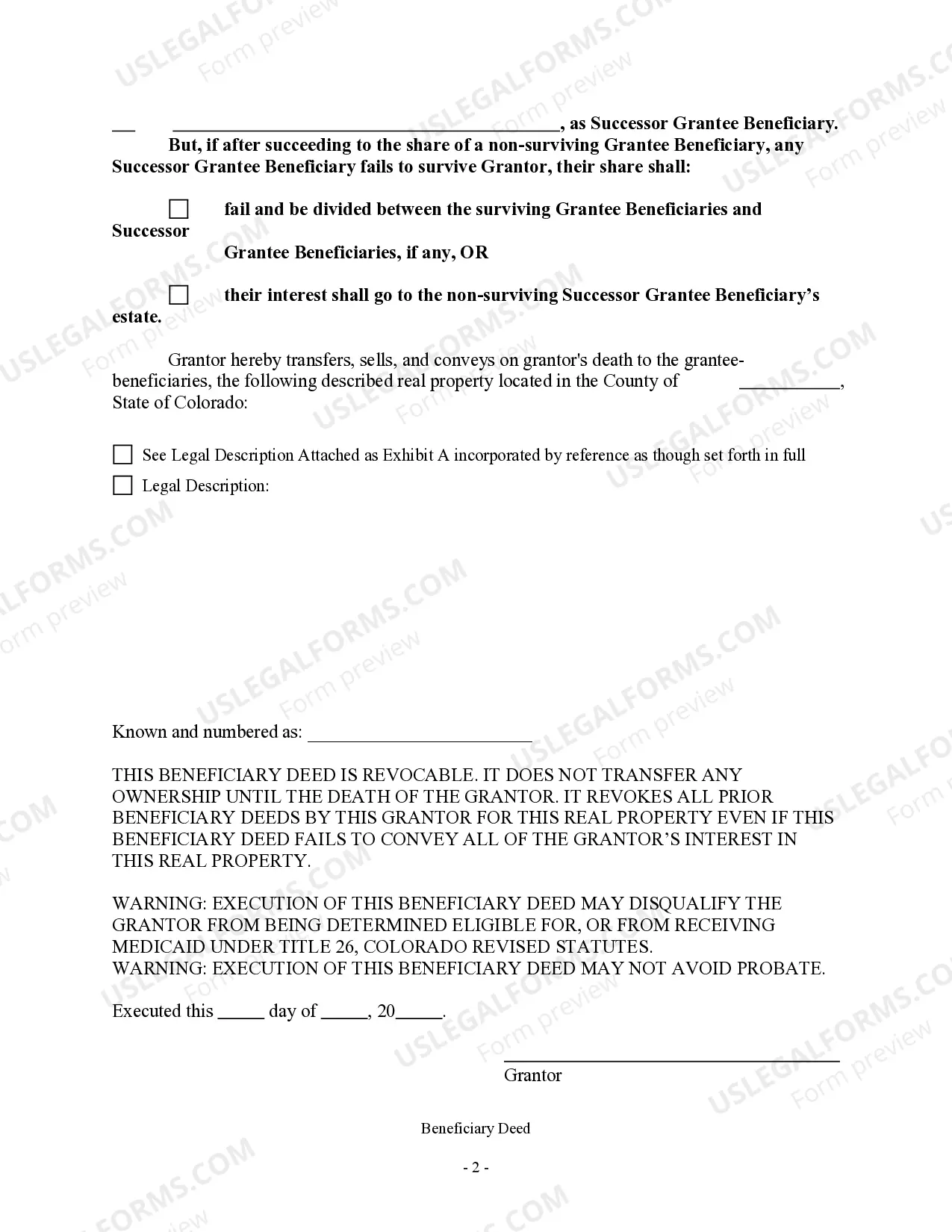
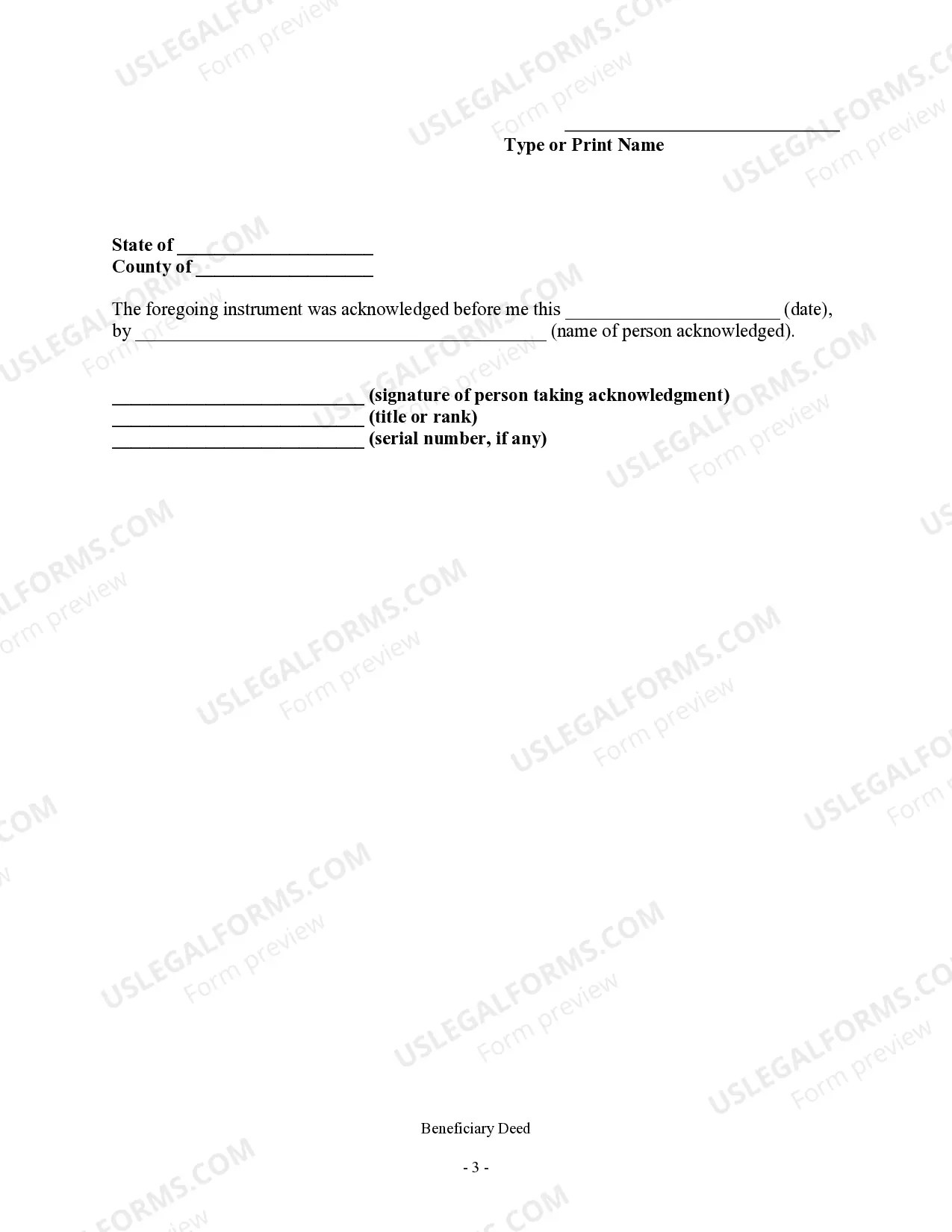

Get your form ready online
Our built-in tools help you complete, sign, share, and store your documents in one place.
Make edits, fill in missing information, and update formatting in US Legal Forms—just like you would in MS Word.
Download a copy, print it, send it by email, or mail it via USPS—whatever works best for your next step.
Sign and collect signatures with our SignNow integration. Send to multiple recipients, set reminders, and more. Go Premium to unlock E-Sign.
If this form requires notarization, complete it online through a secure video call—no need to meet a notary in person or wait for an appointment.
We protect your documents and personal data by following strict security and privacy standards.

Make edits, fill in missing information, and update formatting in US Legal Forms—just like you would in MS Word.

Download a copy, print it, send it by email, or mail it via USPS—whatever works best for your next step.

Sign and collect signatures with our SignNow integration. Send to multiple recipients, set reminders, and more. Go Premium to unlock E-Sign.

If this form requires notarization, complete it online through a secure video call—no need to meet a notary in person or wait for an appointment.

We protect your documents and personal data by following strict security and privacy standards.
Looking for another form?
How to fill out Colorado Transfer On Death Deed Or TOD - Beneficiary Deed For Grantor To Five Grantee Beneficiaries?
- If you're an existing user, log into your account to download the required form. Ensure your subscription is up to date; otherwise, renew it according to your selected payment plan.
- For first-time users, start by previewing the form descriptions to ensure you select the right template that aligns with your local jurisdiction.
- If you need a different document, utilize the Search feature to find appropriate alternatives that suit your needs.
- Proceed to purchase the form by clicking the Buy Now button and selecting your preferred subscription plan. You'll need to create an account to access the full library.
- Complete your purchase using your credit card or PayPal account for the subscription payment.
- Download the chosen form to your device and access it later in the My Forms section of your profile.
By following these simple steps, you can easily manage and complete your legal documents. US Legal Forms offers an extensive range of forms with added benefits, such as access to expert guidance to ensure everything is done correctly.
Take control of your legal needs today and explore the vast resources offered by US Legal Forms!
Form popularity
FAQ
Typically, you should transfer the deed within a few months after the property owner's death. However, the exact timeline can depend on state laws governing the transfer of a deed. Completing a transfer death Tod with a life designation sooner rather than later can help prevent potential legal complications. To manage this process effectively, consider using platforms like US Legal Forms to access the right documentation and guidance.
While it is not mandatory to hire a lawyer for a transfer on death (Tod), having legal assistance can simplify the process significantly. A lawyer can help you understand the specific requirements for completing a transfer death Tod with a life designation. They can ensure that all necessary paperwork is completed accurately and filed on time. If you have questions about asset distribution or tax implications, consulting a professional is wise.
Tod transfer on death means that a property title is assigned to a beneficiary, taking effect only after the owner's death. This mechanism enables the property to bypass the probate process, allowing for quicker access for beneficiaries. It provides a straightforward way to designate heirs and manage estate planning. Understanding this concept is crucial when you choose to execute a transfer death Tod with a life plan.
One significant downside of a life estate is that the life tenant cannot freely sell or transfer the property without the consent of the remainderman—the person who will inherit the property after the life tenant's death. This limitation can create complications if the life tenant's financial situation changes or if they wish to relocate. Additionally, property taxes and maintenance costs remain the responsibility of the life tenant, which can be burdensome. Balancing these factors is essential when considering a transfer death Tod with a life option.
Yes, a Tod deed can supersede a will in many cases. If you have named beneficiaries in your Tod deed, that property will pass to them directly, regardless of what your will states. This characteristic makes a Tod deed a powerful tool in estate planning. To effectively manage your assets, consider utilizing the transfer death Tod with a life strategy.
A Transfer on Death (Tod) deed allows you to transfer your property directly to your beneficiary upon your death, avoiding probate. In contrast, a life estate grants a person the right to use the property during their lifetime, but they cannot transfer it to someone else after their death. This key distinction is important when considering how to manage your estate. When you transfer death Tod with a life, you simplify your estate planning.
TOD accounts can be a useful tool for simplifying the transfer of assets upon death, allowing beneficiaries direct access without going through probate. However, they also come with risks, such as potential disputes among heirs who may feel overlooked if not included in the account. It is crucial to evaluate your specific situation and consult legal experts to determine if establishing a transfer death TOD with a life fits into your overall financial and estate planning strategy.
No, a transfer on death deed (TOD) is not the same as a life estate. A life estate allows a person to live in and use a property during their lifetime, after which the property passes to another beneficiary. In contrast, a TOD allows the owner to transfer the property automatically to a named beneficiary upon their death, without any control or use of the property during their lifetime. Knowing the difference is vital for effective estate planning, especially when considering how a transfer death TOD with a life fits into your strategy.
The transfer on death (TOD) mechanism may lack flexibility since it does not allow for changes once the deed is executed. If the owner wishes to modify the beneficiaries or change the property designation, they may need to revoke the original TOD and create a new one. Furthermore, a TOD may complicate the handling of jointly owned property, causing confusion regarding how to transfer interests. It's crucial to weigh these factors carefully when exploring options for a transfer death TOD with a life.
One major disadvantage of a transfer on death deed (TOD) is that it does not provide any protection against creditors. If the owner has outstanding debts at the time of their death, creditors can claim the property before the beneficiary receives it. Additionally, the TOD does not allow for any input from the beneficiaries during the owner's lifetime, which may lead to unwanted surprises regarding property distribution. Understanding these potential downsides is essential when considering how a transfer death TOD with a life will impact your estate planning.