Limited Liability Limited Partnership Vs Llc
Description

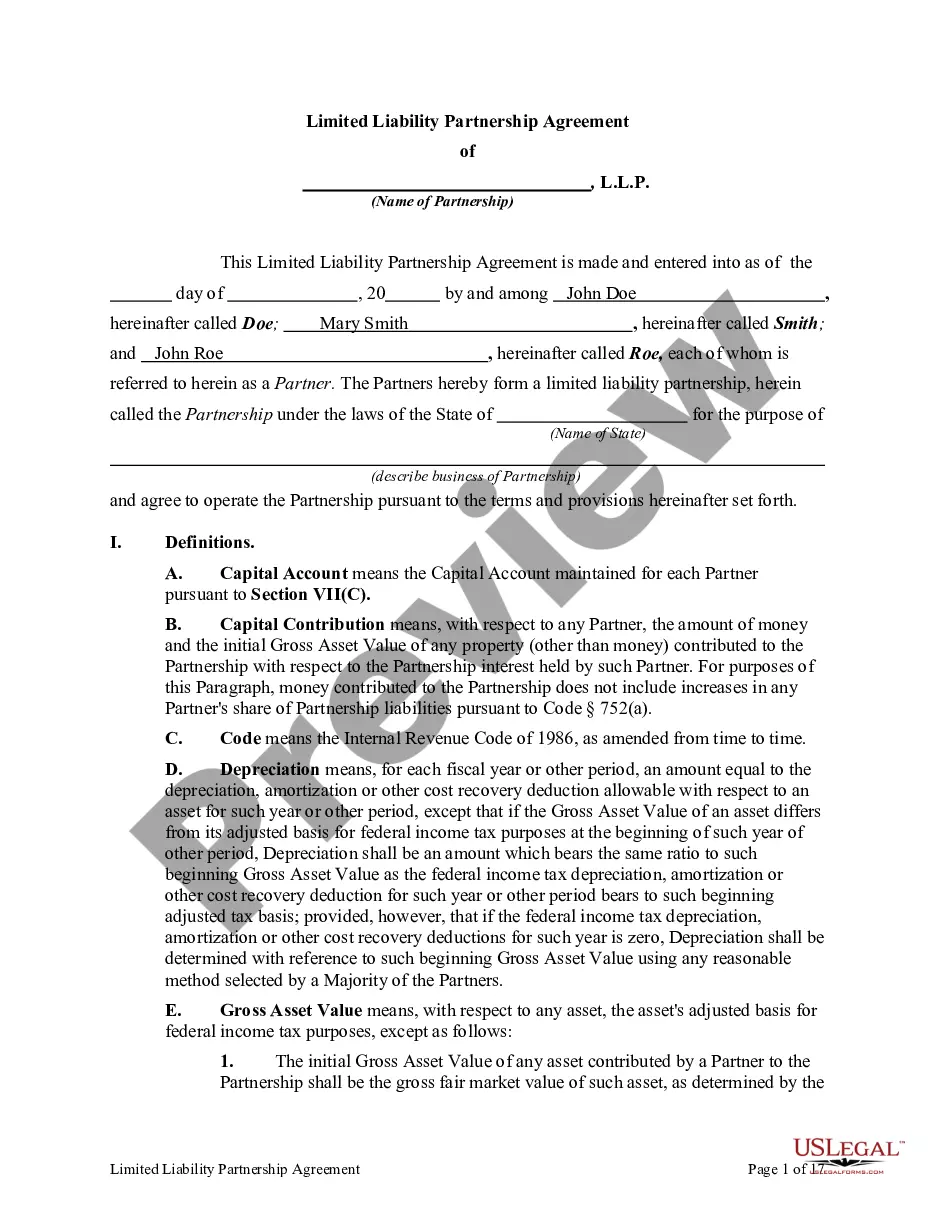
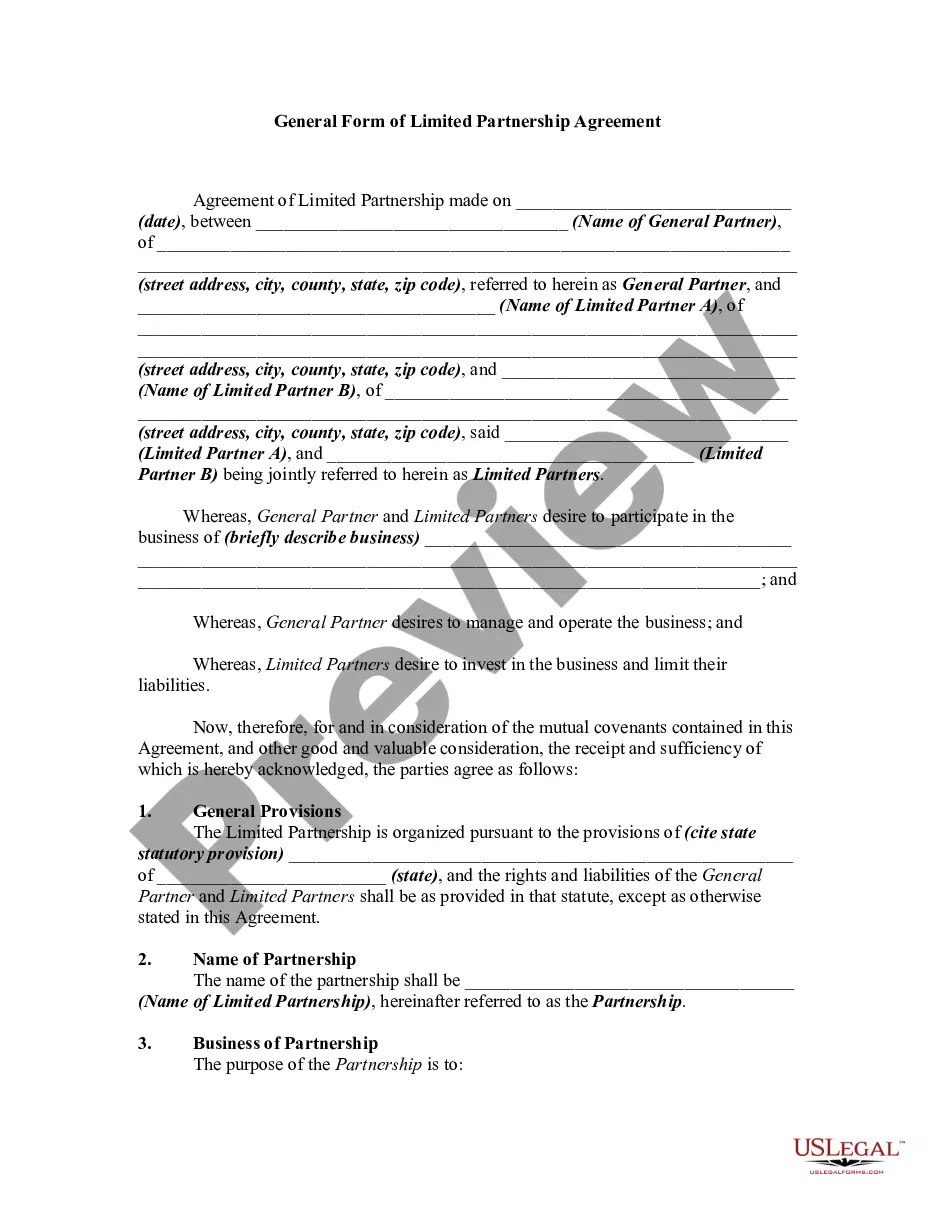
Get your form ready online
Our built-in tools help you complete, sign, share, and store your documents in one place.
Make edits, fill in missing information, and update formatting in US Legal Forms—just like you would in MS Word.
Download a copy, print it, send it by email, or mail it via USPS—whatever works best for your next step.
Sign and collect signatures with our SignNow integration. Send to multiple recipients, set reminders, and more. Go Premium to unlock E-Sign.
If this form requires notarization, complete it online through a secure video call—no need to meet a notary in person or wait for an appointment.
We protect your documents and personal data by following strict security and privacy standards.

Make edits, fill in missing information, and update formatting in US Legal Forms—just like you would in MS Word.

Download a copy, print it, send it by email, or mail it via USPS—whatever works best for your next step.

Sign and collect signatures with our SignNow integration. Send to multiple recipients, set reminders, and more. Go Premium to unlock E-Sign.

If this form requires notarization, complete it online through a secure video call—no need to meet a notary in person or wait for an appointment.

We protect your documents and personal data by following strict security and privacy standards.
Looking for another form?
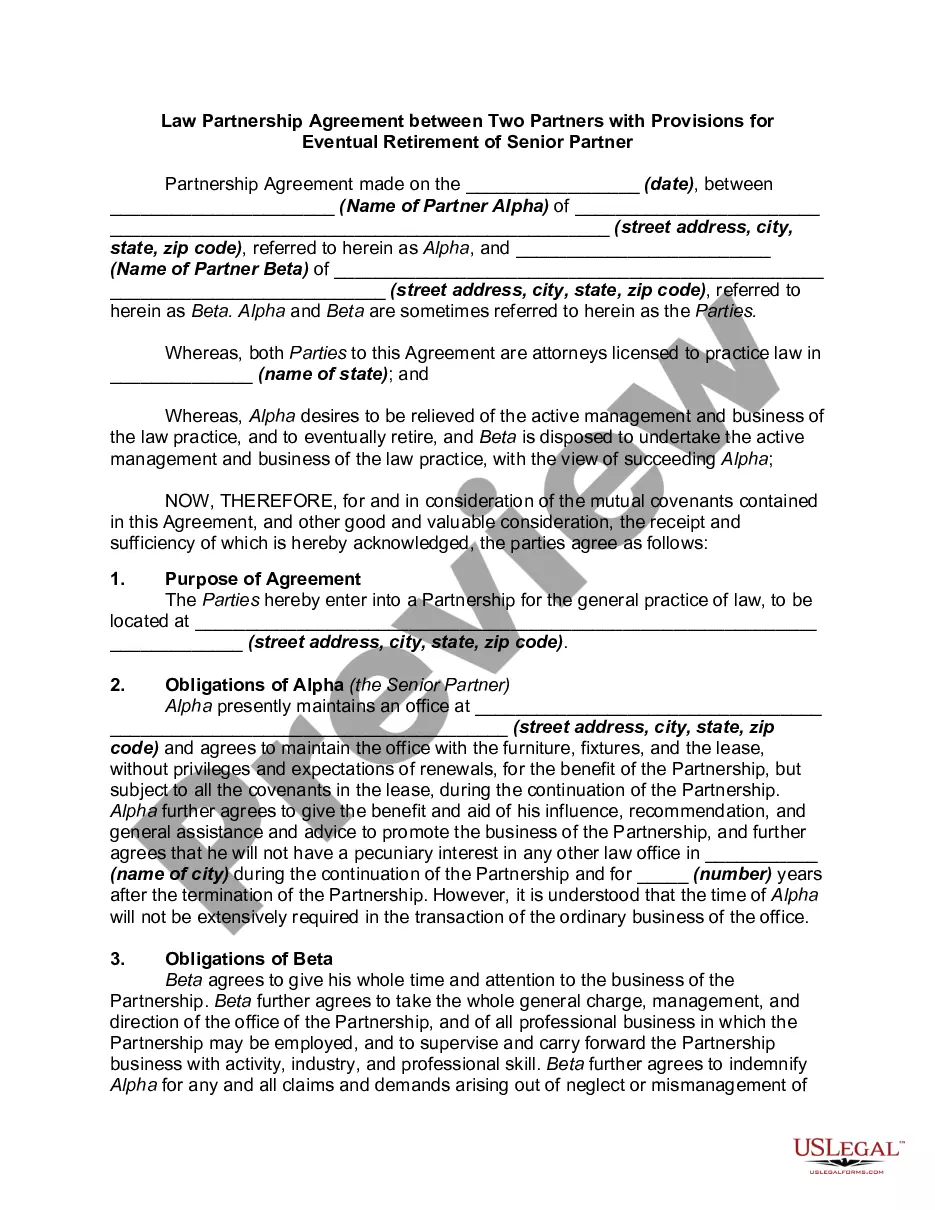

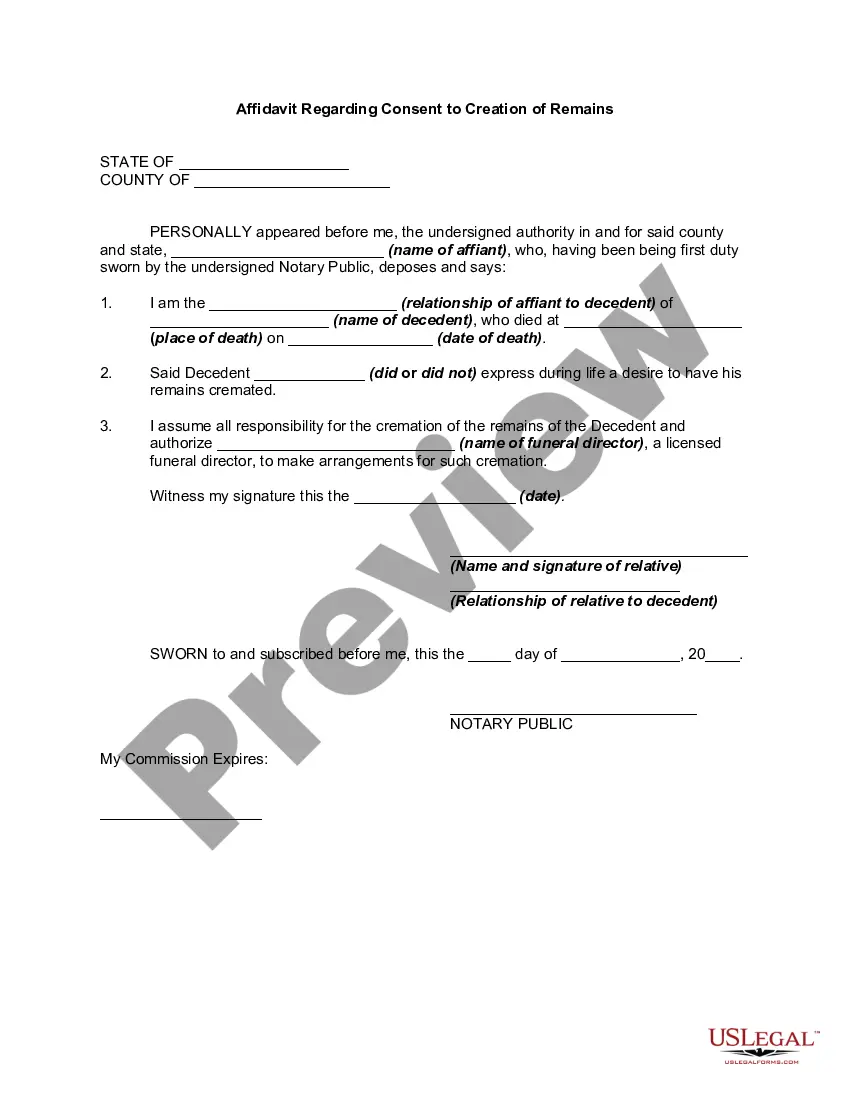


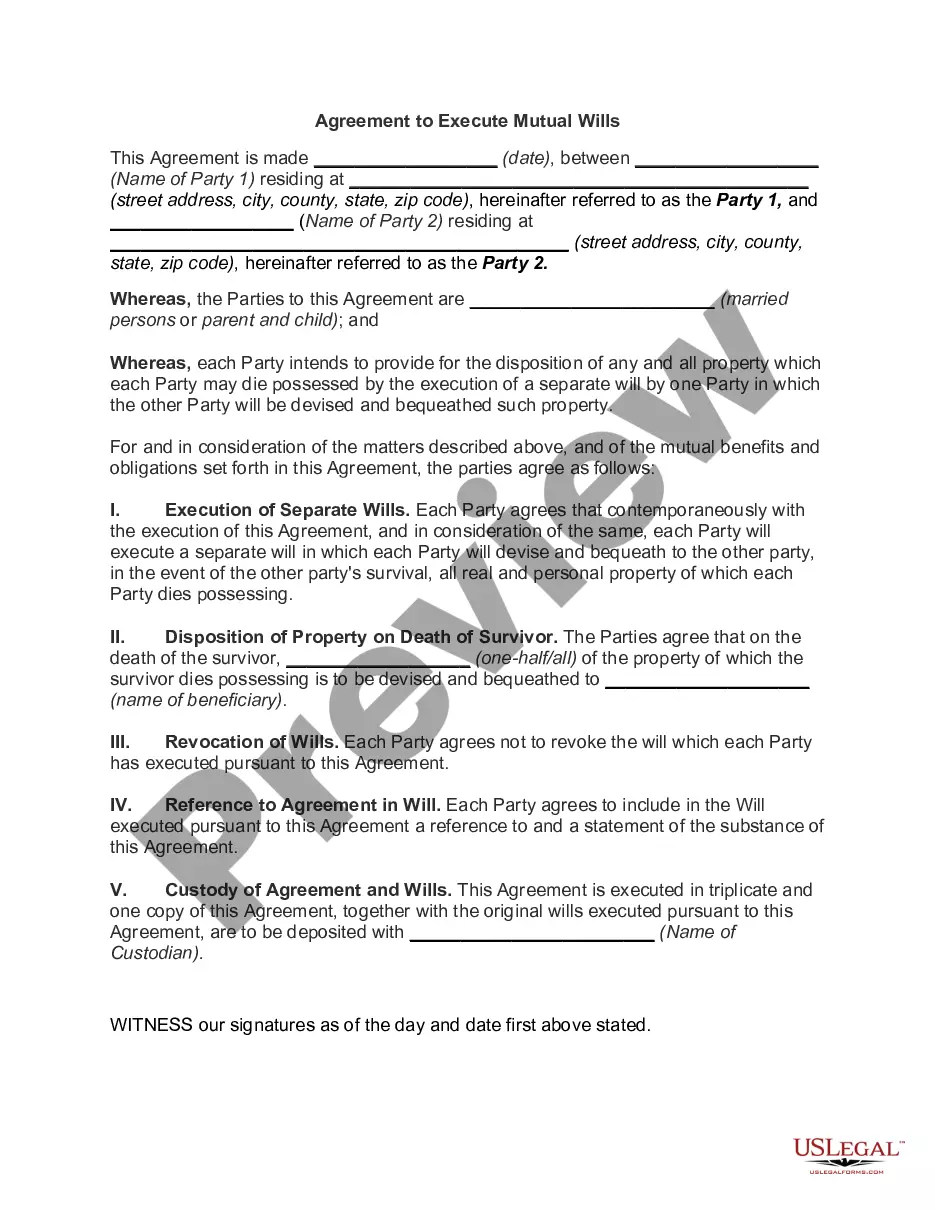
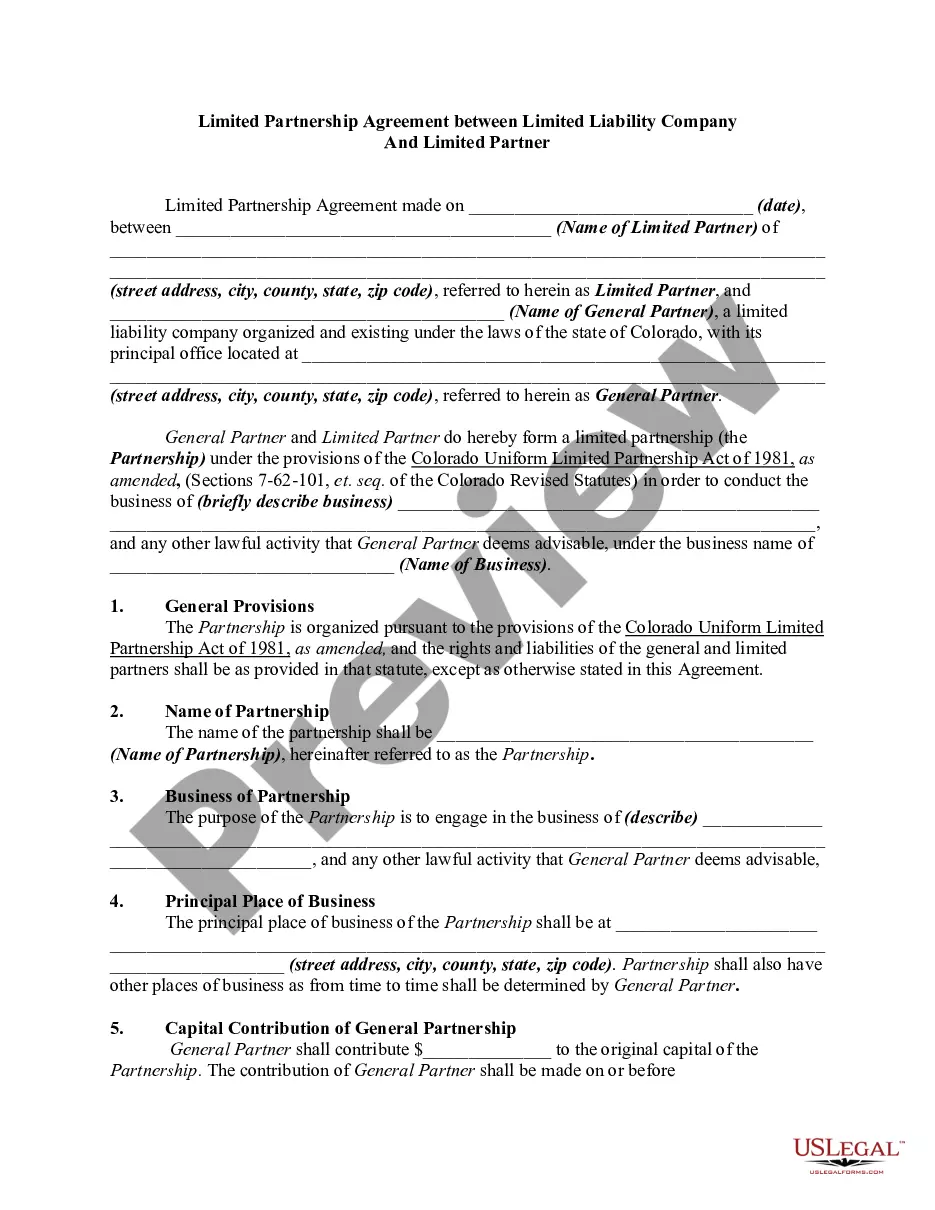
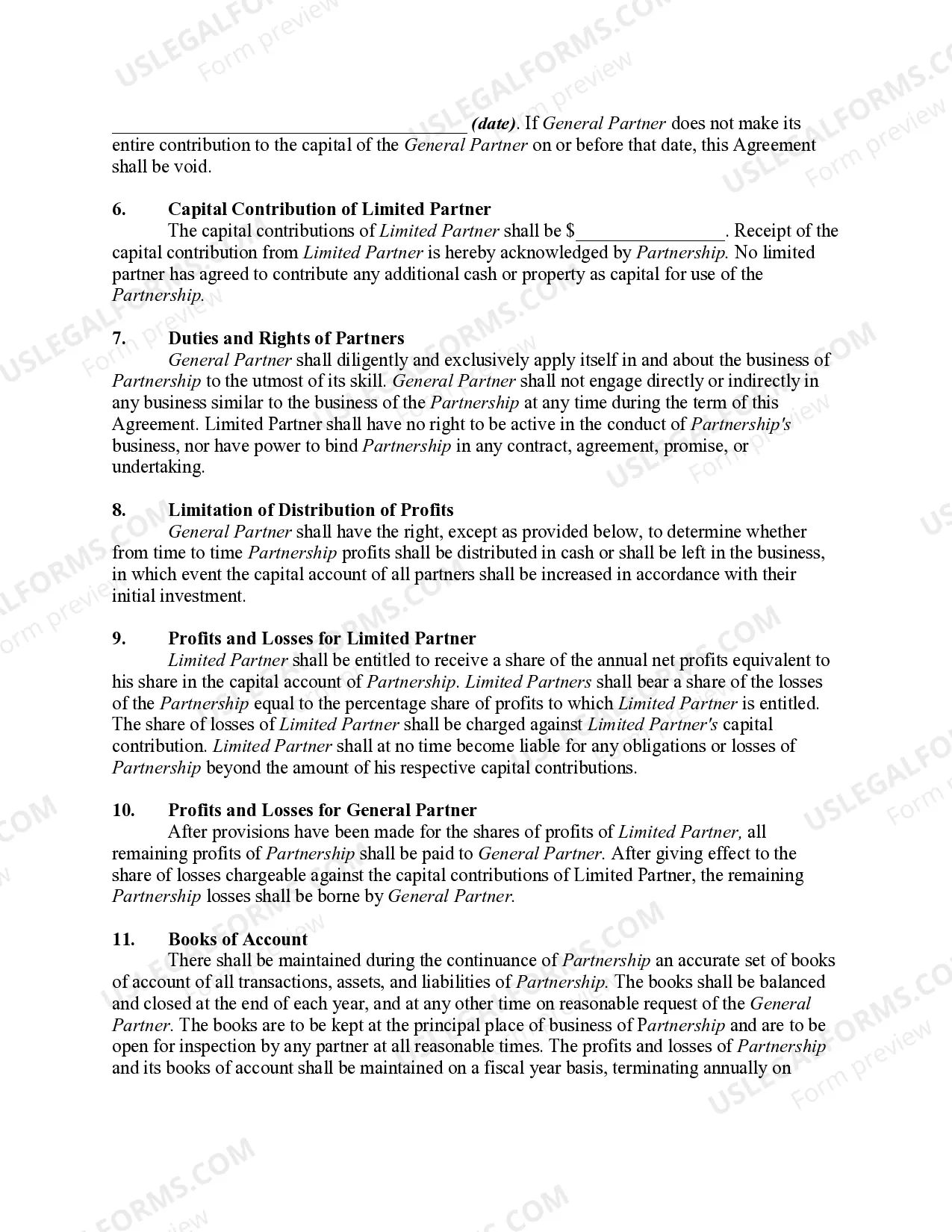
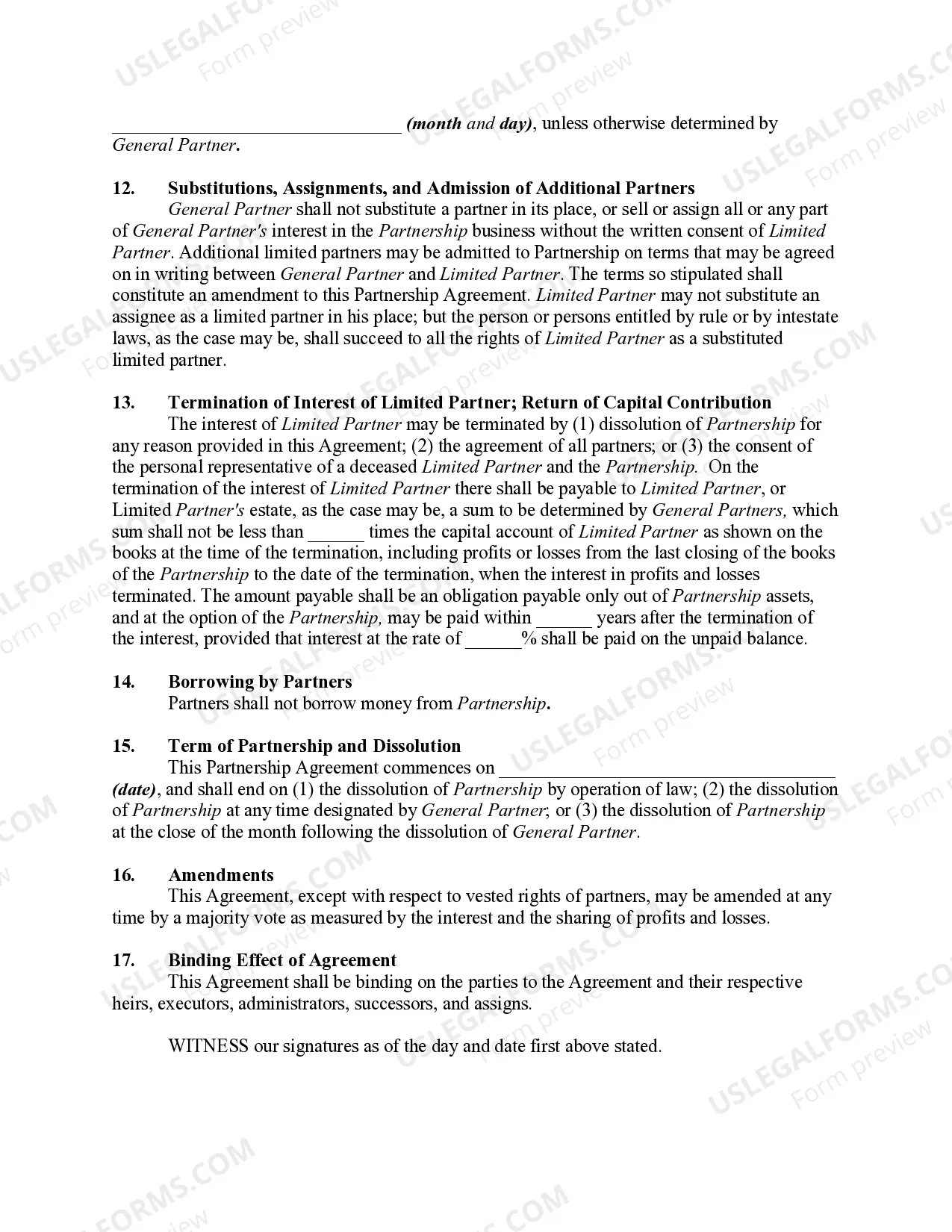
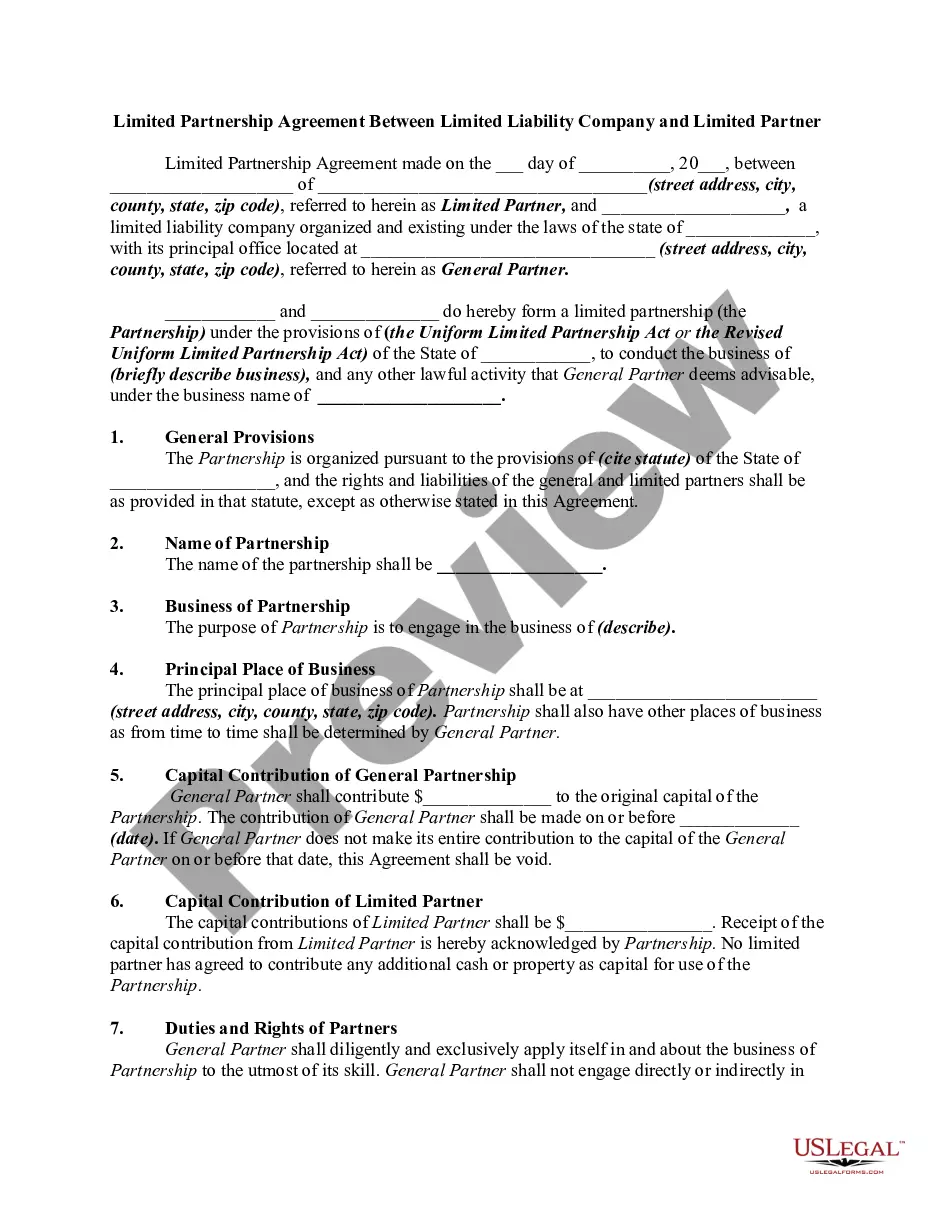
How to fill out Colorado Limited Partnership Agreement Between Limited Liability Company And Limited Partner?
- If you are a returning user, log in to your account and select the form template you need. Ensure your subscription is active; renew if necessary.
- For first-time users, begin by browsing Preview mode to check the form description. Verify that it meets your needs and complies with local jurisdiction requirements.
- If necessary, use the Search tab for any additional templates you may need. Confirm consistency to proceed.
- Click on the Buy Now button to purchase the document. Choose your preferred subscription plan and create an account for library access.
- Complete your purchase by entering your credit card information or using PayPal.
- Download your form and save it on your device. You can revisit it anytime from the My Forms section of your profile.
US Legal Forms empowers individuals and attorneys to quickly execute legal documents. With a comprehensive and user-friendly library, you can access over 85,000 editable forms and packages.
Leverage the power of US Legal Forms to ensure your legal documents are precise and compliant. Start today and simplify your legal journey!
Form popularity
FAQ
No, an LP is not the same as an LLC. While both entities provide ways to organize a business, they differ in structure and liability. When exploring the distinctions in Limited Liability Limited Partnership vs LLC, remember that an LLC protects all owners from personal liability, while an LP exposes general partners to greater risk, placing a stronger emphasis on managing partner roles.
Yes, a Limited Partnership (LP) is distinct from a Limited Liability Company (LLC). An LP features both general and limited partners, whereas an LLC offers a flexible management structure without differentiating between owners. As you consider the differences in a Limited Liability Limited Partnership vs LLC, keep in mind that LLCs provide more extensive liability protection to all members and less rigid formalities compared to LPs.
A Limited Partnership (LP) consists of at least one general partner and one limited partner. The general partner manages the business and is personally liable for debts, while the limited partner's liability is restricted to their investment in the partnership. When comparing a Limited Liability Limited Partnership vs LLC, it is important to note that LLPs offer some liability protection to the general partner, a feature not typically found in traditional partnerships.
No, a limited partnership (LP) and a limited liability partnership (LLP) serve different purposes. An LP includes general partners who manage the business and limited partners who invest with limited liability, while an LLP provides all partners protection from personal liability for business debts. This distinction is important when comparing limited liability limited partnership vs LLC, as it affects how partners are protected and involved.
An LP, or limited partnership, is fundamentally a form of partnership. In an LP, there are general partners who manage the business and limited partners who have liability protection based on their investment. This structure shares characteristics with an LLC but differs in management and the degree of liability protection. Thus, understanding limited liability limited partnership vs LLC is key to choosing the right model for your needs.
A partnership typically involves two or more individuals who share management responsibilities and profits, without the same liability protections as a Ltd. A Ltd is a separate legal entity and offers limited liability to its shareholders. This means that in a partnership, personal assets are at risk, whereas, with a Ltd, liability is limited to the company’s assets. Such differences become essential when exploring limited liability limited partnership vs LLC.
Ltd, short for 'limited company,' denotes a distinct legal entity responsible for its debts, protecting shareholder assets. In contrast, a limited partnership involves general partners managing the business, with limited partners providing financial backing but facing restricted liability. When evaluating limited liability limited partnership vs LLC, understanding these differences is crucial for making informed decisions about personal risk and entity management.
An example of a limited partnership can be found in real estate ventures, where one or more general partners manage the property while limited partners contribute capital. These investors may not participate in daily operations, but they benefit from profit-sharing. This structure also illustrates the distinction in liability when looking at limited liability limited partnership vs LLC. Each offers unique benefits tailored to specific investment goals.
A limited partnership allows individuals to invest in a business while limiting their personal liability. Typically, general partners manage the business, while limited partners enjoy a passive role. This structure is appealing for those who want to invest without taking on full responsibility for company debts. When comparing limited liability limited partnership vs LLC, consider factors like liability protection and management structure.
The primary advantage of a limited partnership lies in its structure, which allows the inclusion of limited partners who can invest without assuming management responsibilities or full liability. This arrangement proves attractive for businesses seeking capital from investors while maintaining control over operations. Limited partnerships also enjoy beneficial tax treatment, providing additional financial incentives. By understanding the limited liability limited partnership vs LLC dynamics, you can optimize your investment strategy.