Agreed On Divorce
Description
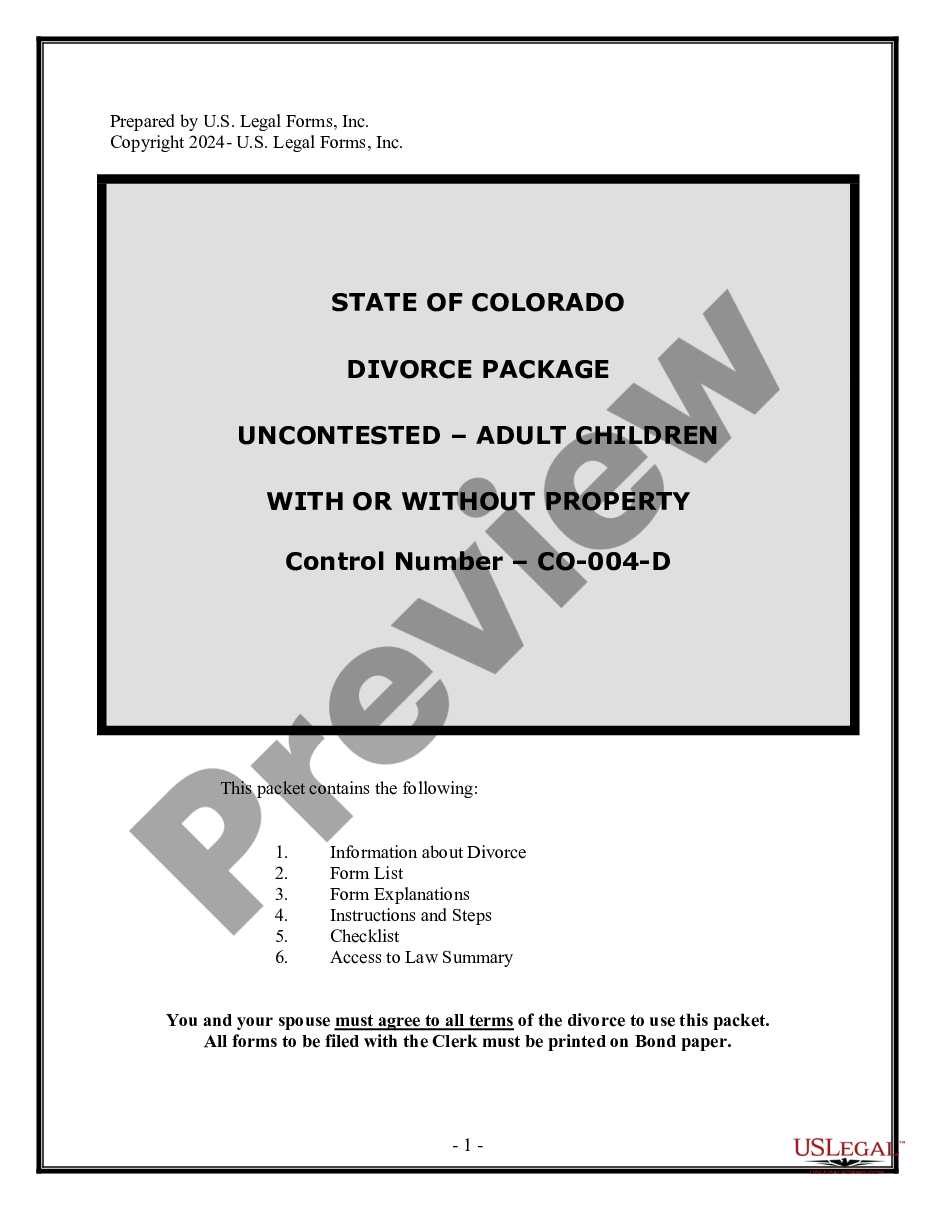
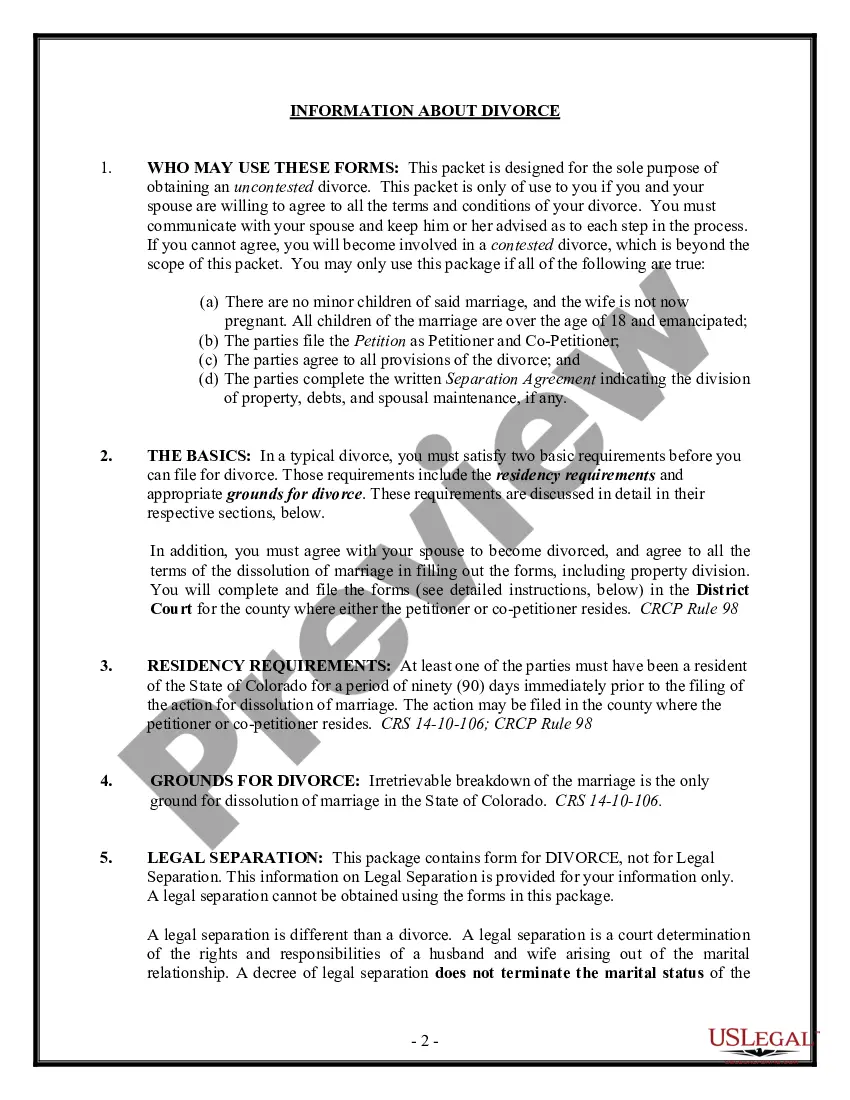
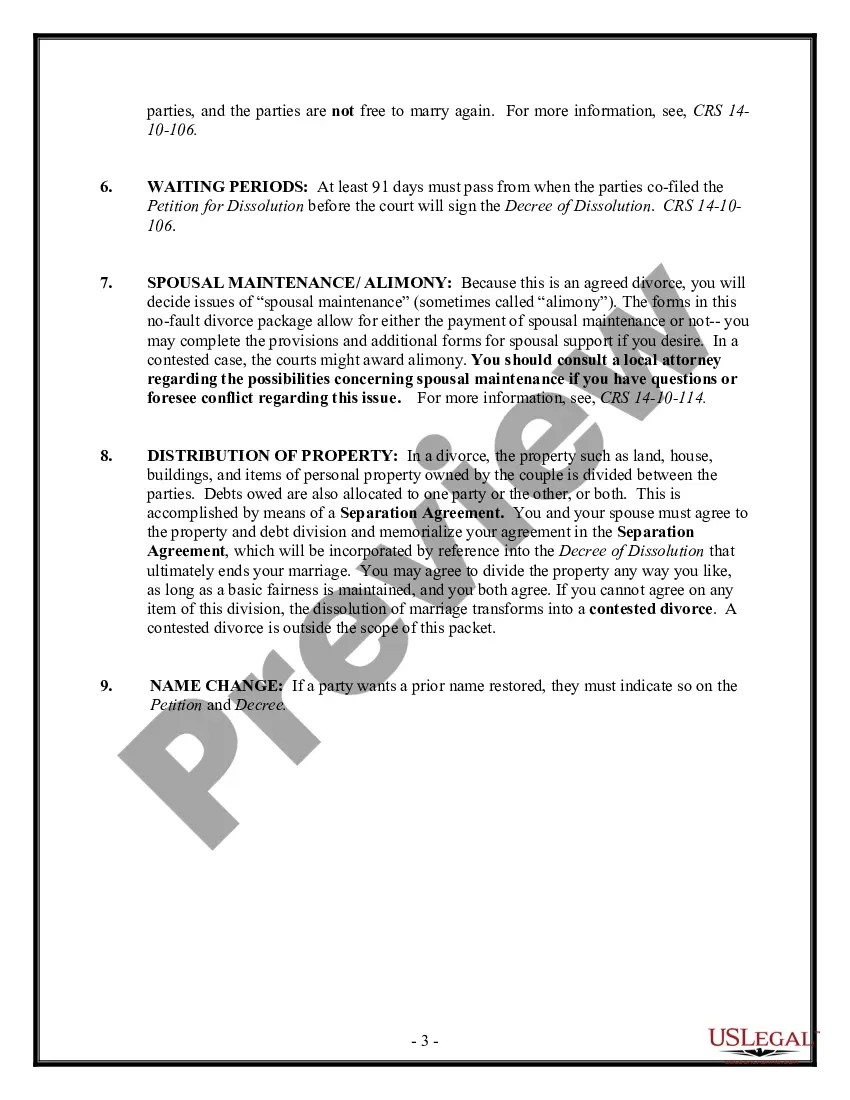
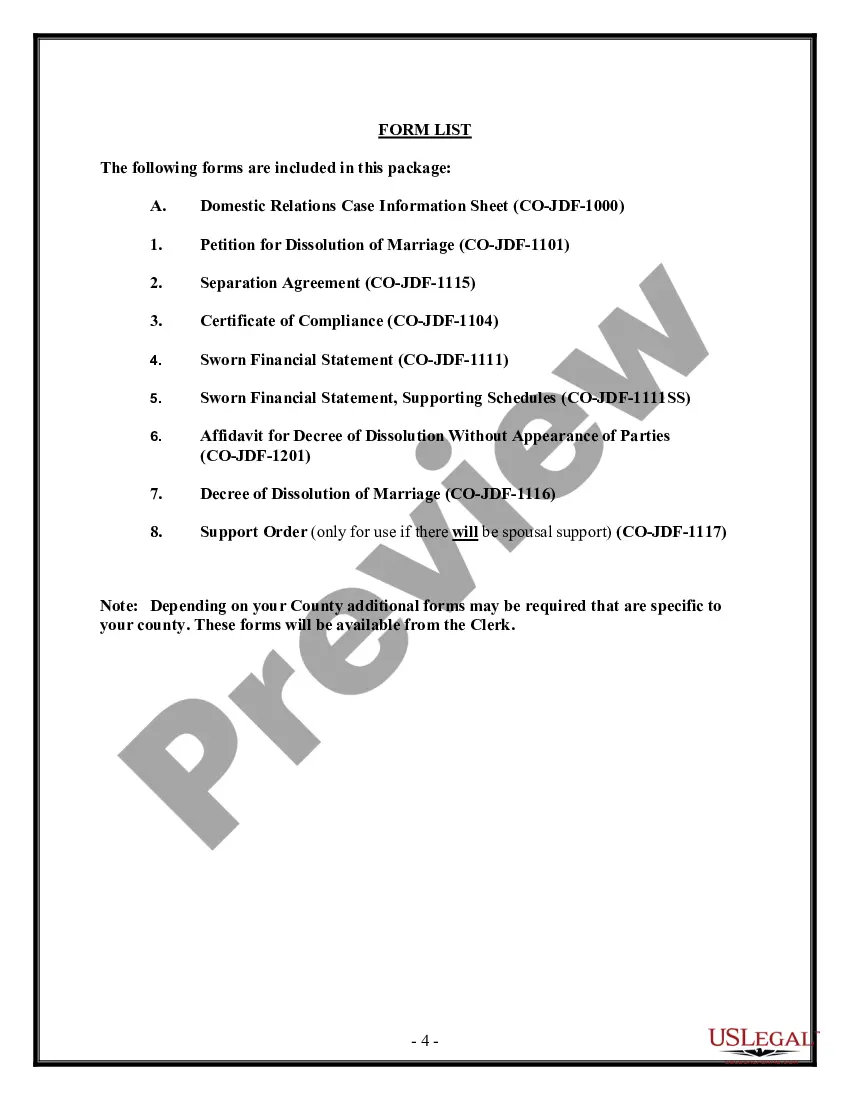
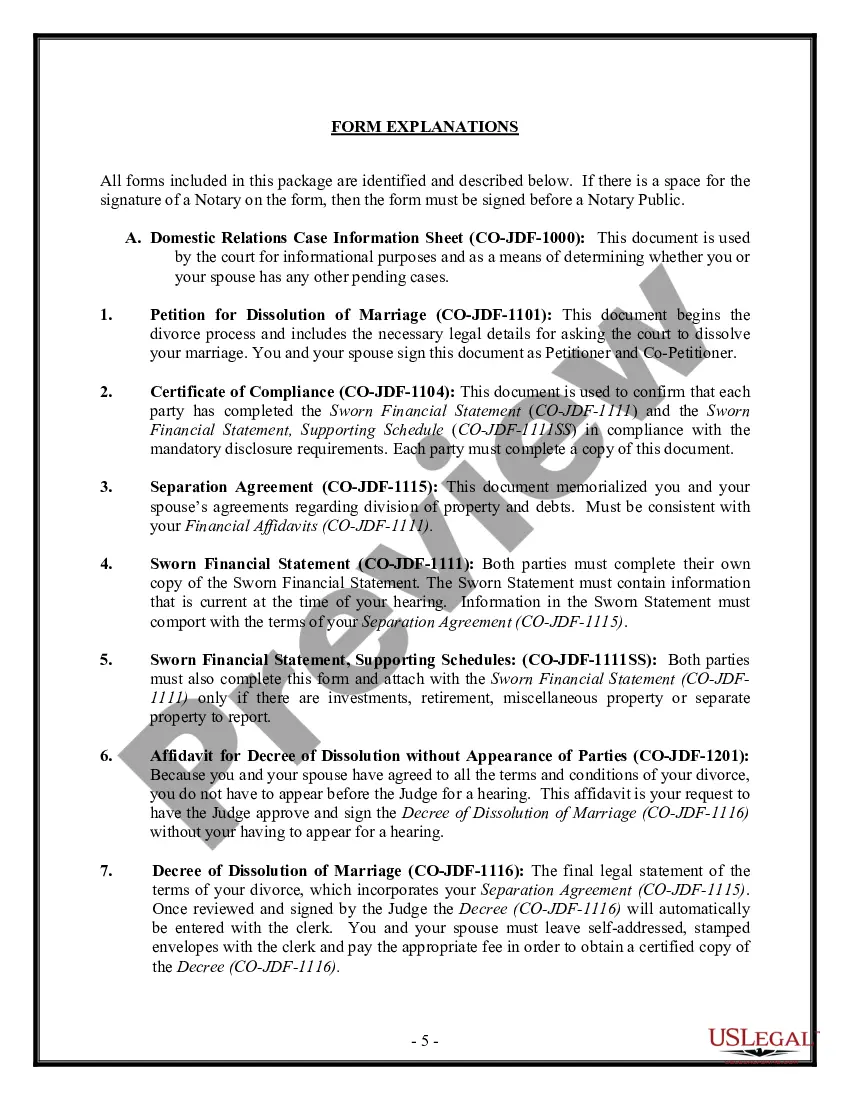

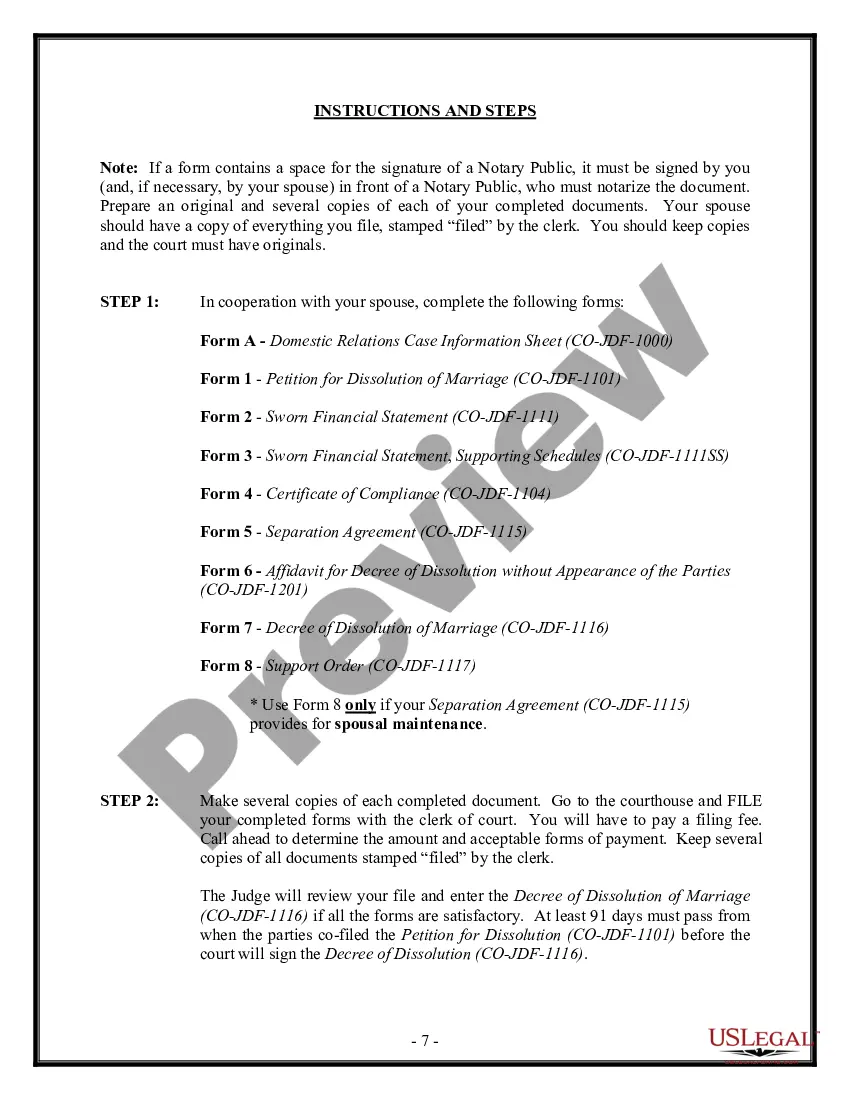
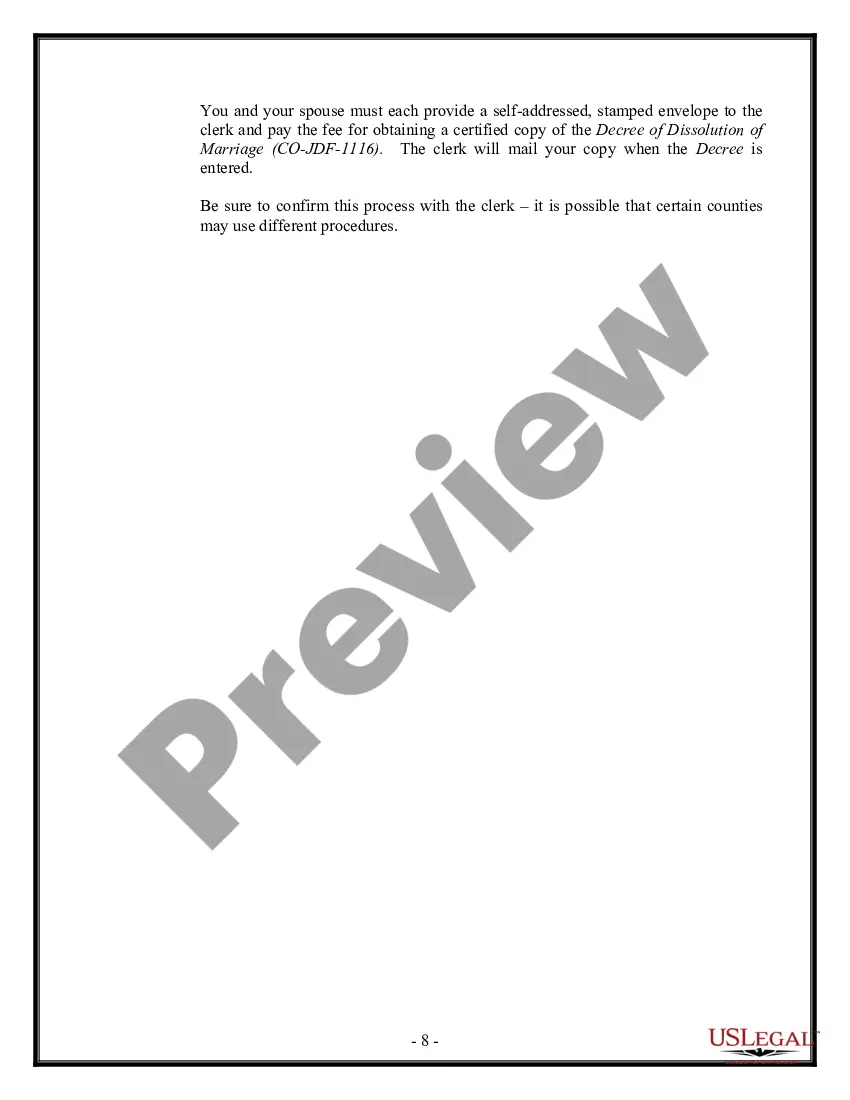
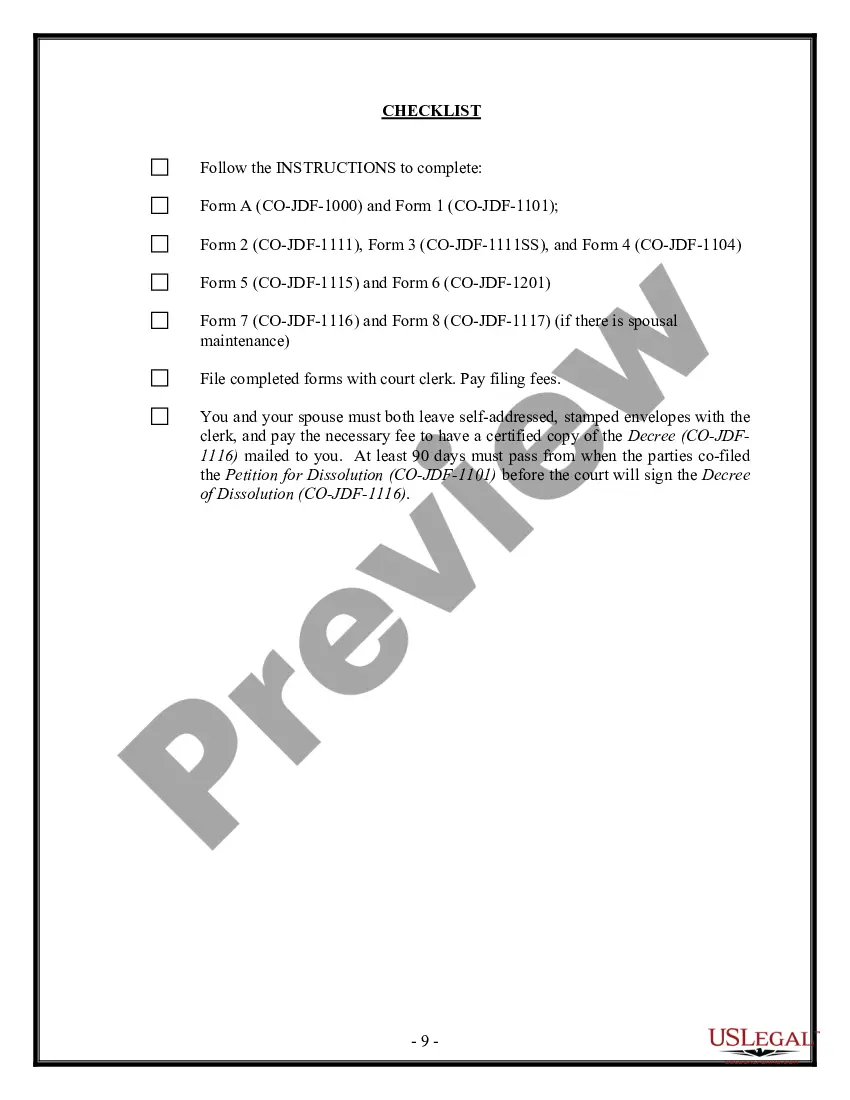
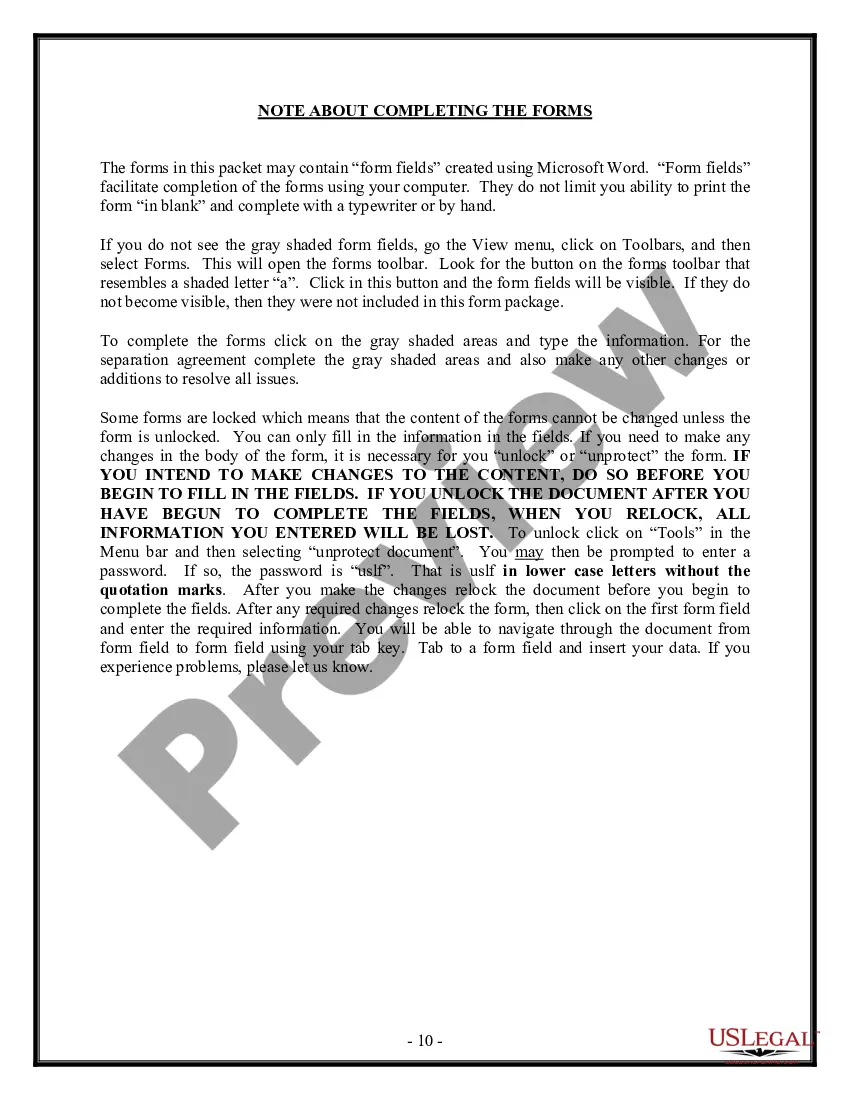


Get your form ready online
Our built-in tools help you complete, sign, share, and store your documents in one place.
Make edits, fill in missing information, and update formatting in US Legal Forms—just like you would in MS Word.
Download a copy, print it, send it by email, or mail it via USPS—whatever works best for your next step.
Sign and collect signatures with our SignNow integration. Send to multiple recipients, set reminders, and more. Go Premium to unlock E-Sign.
If this form requires notarization, complete it online through a secure video call—no need to meet a notary in person or wait for an appointment.
We protect your documents and personal data by following strict security and privacy standards.

Make edits, fill in missing information, and update formatting in US Legal Forms—just like you would in MS Word.

Download a copy, print it, send it by email, or mail it via USPS—whatever works best for your next step.

Sign and collect signatures with our SignNow integration. Send to multiple recipients, set reminders, and more. Go Premium to unlock E-Sign.

If this form requires notarization, complete it online through a secure video call—no need to meet a notary in person or wait for an appointment.

We protect your documents and personal data by following strict security and privacy standards.
Looking for another form?



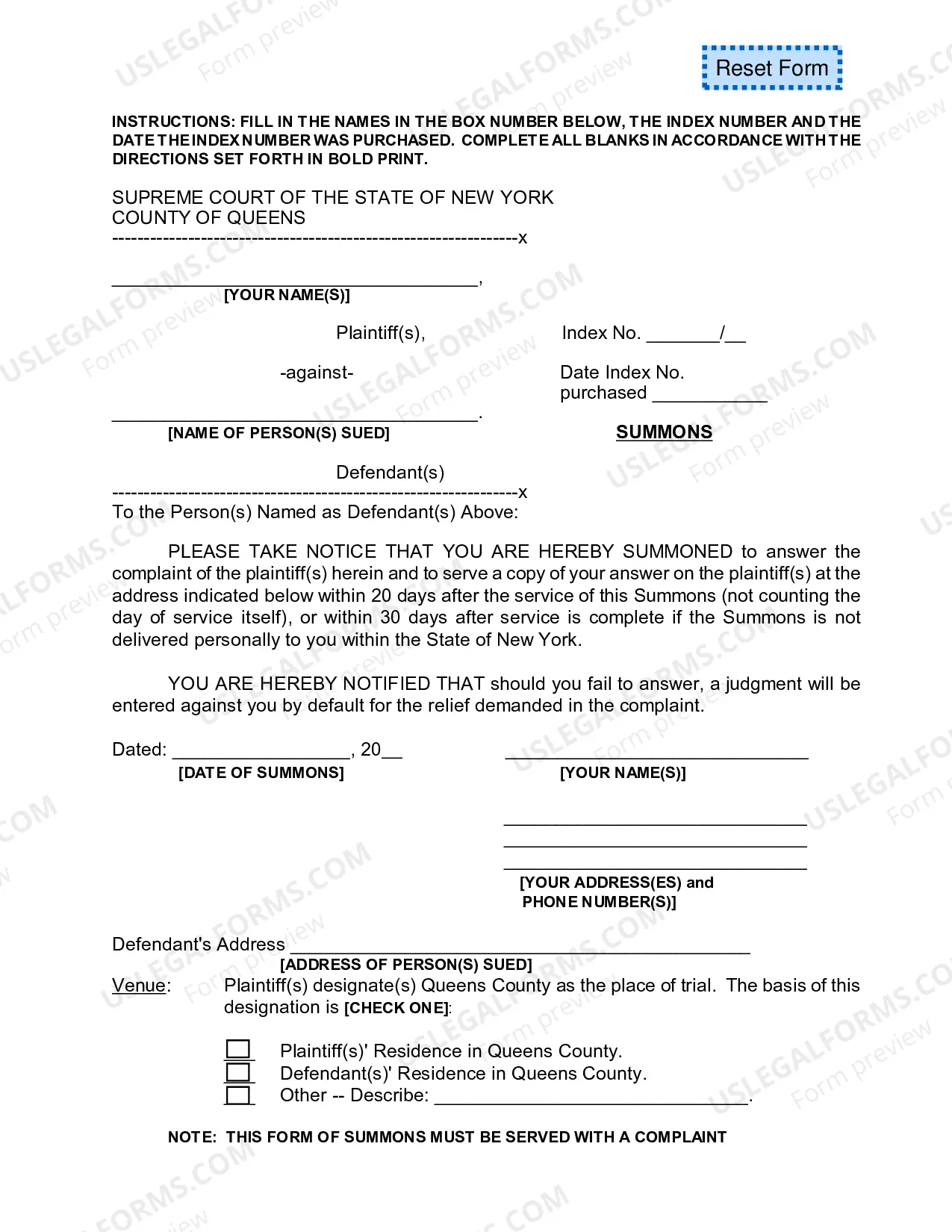


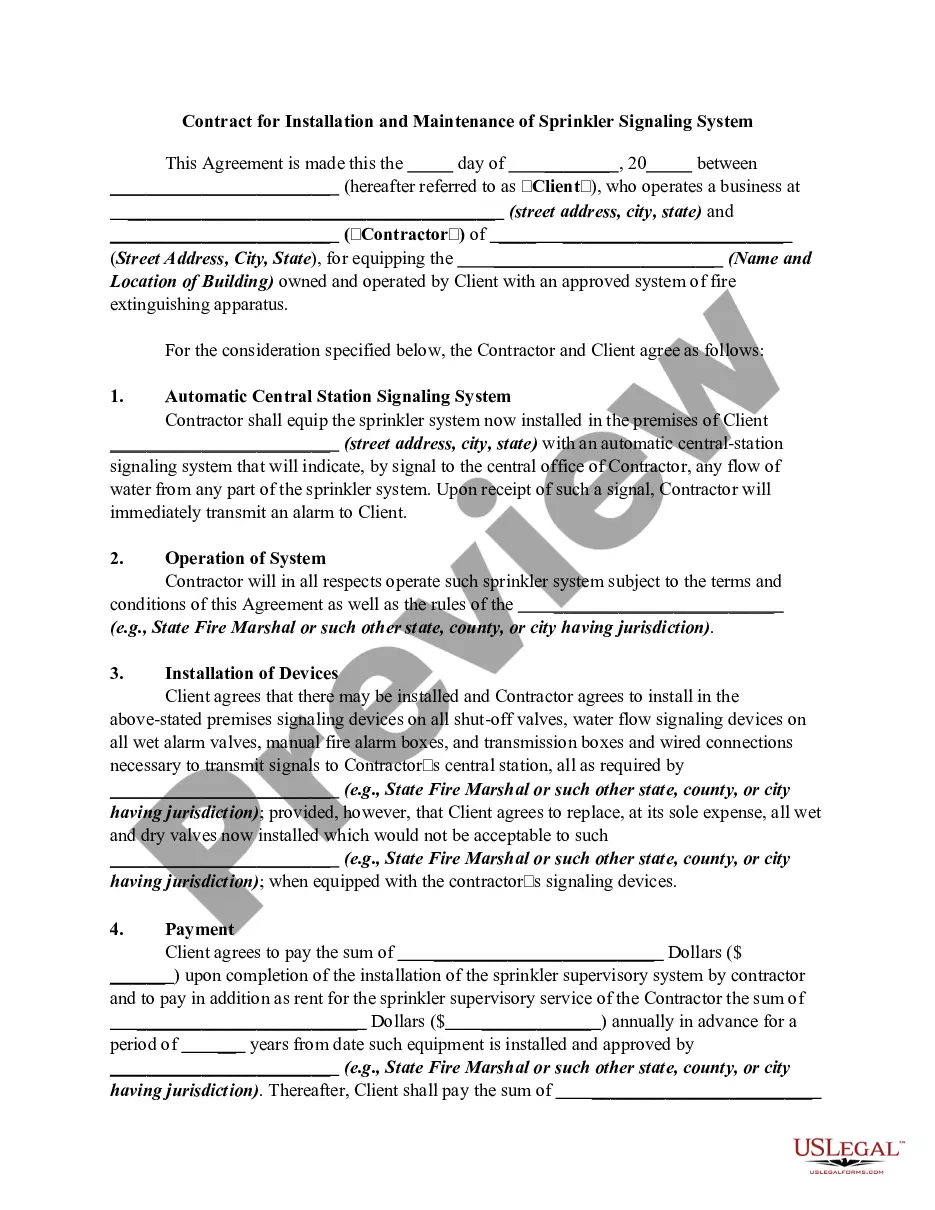

Form popularity
FAQ
The four C's of divorce include communication, clarity, cooperation, and compromise. Emphasizing these elements can help spouses navigate their separation more effectively. By striving for an agreed on divorce, individuals can lessen conflict and foster a healthier transition into their new lives.
Many consider the negotiation stage to be the hardest in a divorce. This phase often involves addressing difficult emotional and financial issues. However, if both parties strive for an agreed on divorce, focusing on mutual benefits can alleviate some of this tension and lead to a smoother process.
The four A's of divorce stand for abandonment, adultery, abuse, and addiction. Understanding these can help individuals recognize the complexities of their situations. However, in cases not involving these factors, aiming for an agreed on divorce may lead to a more amicable resolution, saving both time and stress.
The 3 C's of divorce include clarity, compassion, and cooperation. Clarity ensures both partners understand their rights and responsibilities, while compassion fosters a respectful dialogue. Cooperation is key in creating an agreed on divorce, allowing both parties to reach a fair resolution.
The 3 C's in a relationship typically refer to communication, compromise, and commitment. Each element plays a crucial role in building a strong partnership. By focusing on these three aspects, couples can work towards an agreed on divorce if the relationship no longer serves its initial purpose.
To achieve an agreed on divorce, open communication is vital. Begin by discussing your goals and concerns with your partner, ensuring both parties feel heard. Utilizing mediation services can also help facilitate discussions and create a settlement that respects both your interests.
The final decision of the divorce involves the court’s approval of the divorce settlement reached by both parties. In an agreed on divorce, a mutual understanding typically leads to a smoother court process. This results in an official decree that outlines the terms agreed upon, allowing for closure and enabling both parties to start anew.
Yes, it is absolutely normal to think about divorce, especially when facing challenges in your relationship. Many individuals ponder their options as they assess their happiness and future. When contemplating divorce, an agreed on divorce can provide clarity and direction, allowing couples to navigate their feelings with mutual respect and consideration.
Acceptance of divorce means fully understanding the need for separation and its implications. This stage reflects the emotional and psychological shift from being married to being single. When couples engage in an agreed on divorce, they often find it easier to accept the changes, leading to a more harmonious and respectful conclusion.
The acceptance stage of divorce is a crucial part of the emotional journey. It involves recognizing and coming to terms with the end of a relationship. A smooth, agreed on divorce can facilitate this process, as both parties acknowledge their new realities and work together to establish a healthy post-divorce life.
