Estate Form Information With A Trust
Description
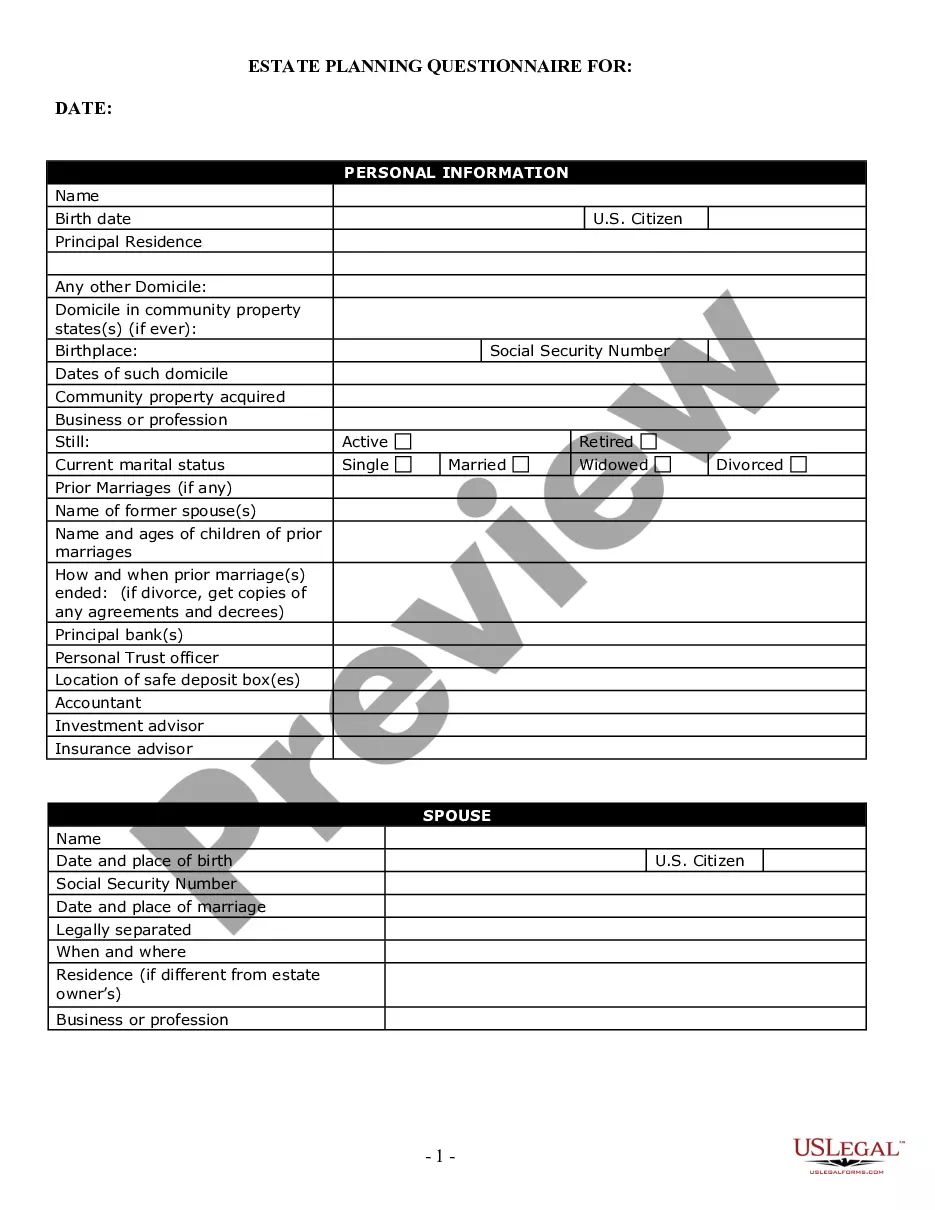
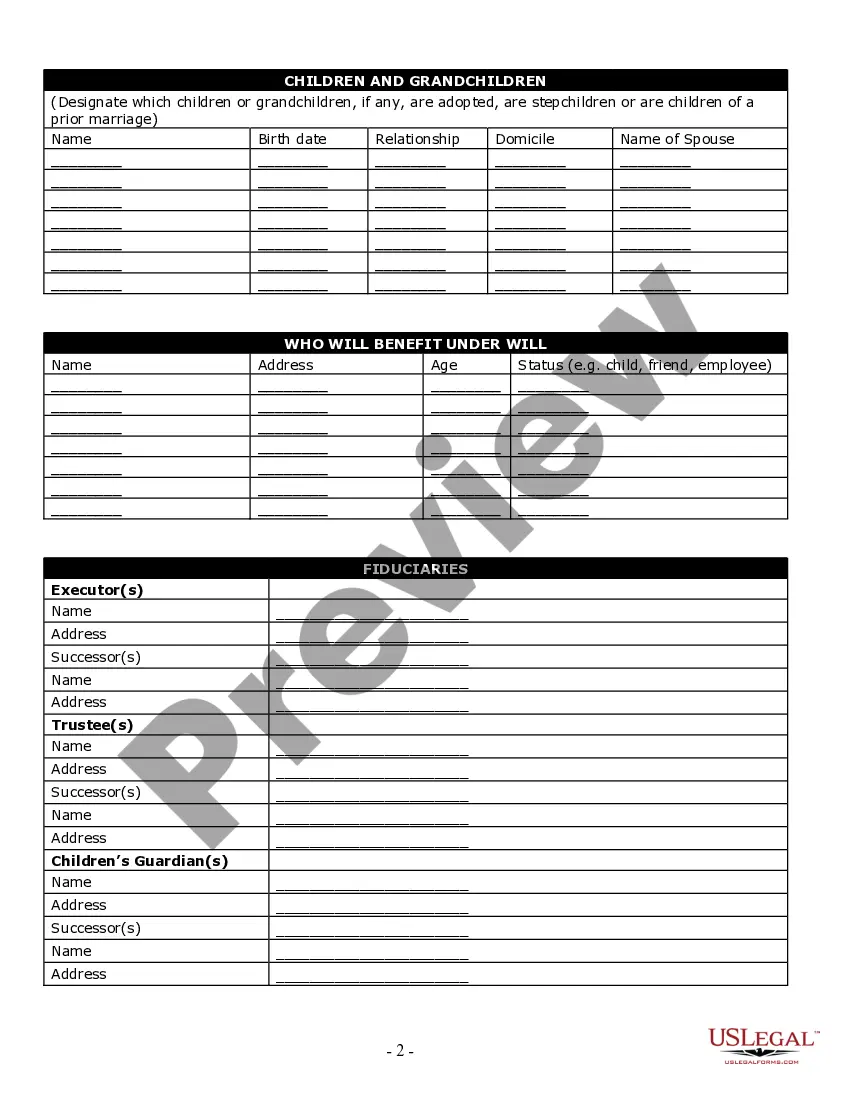
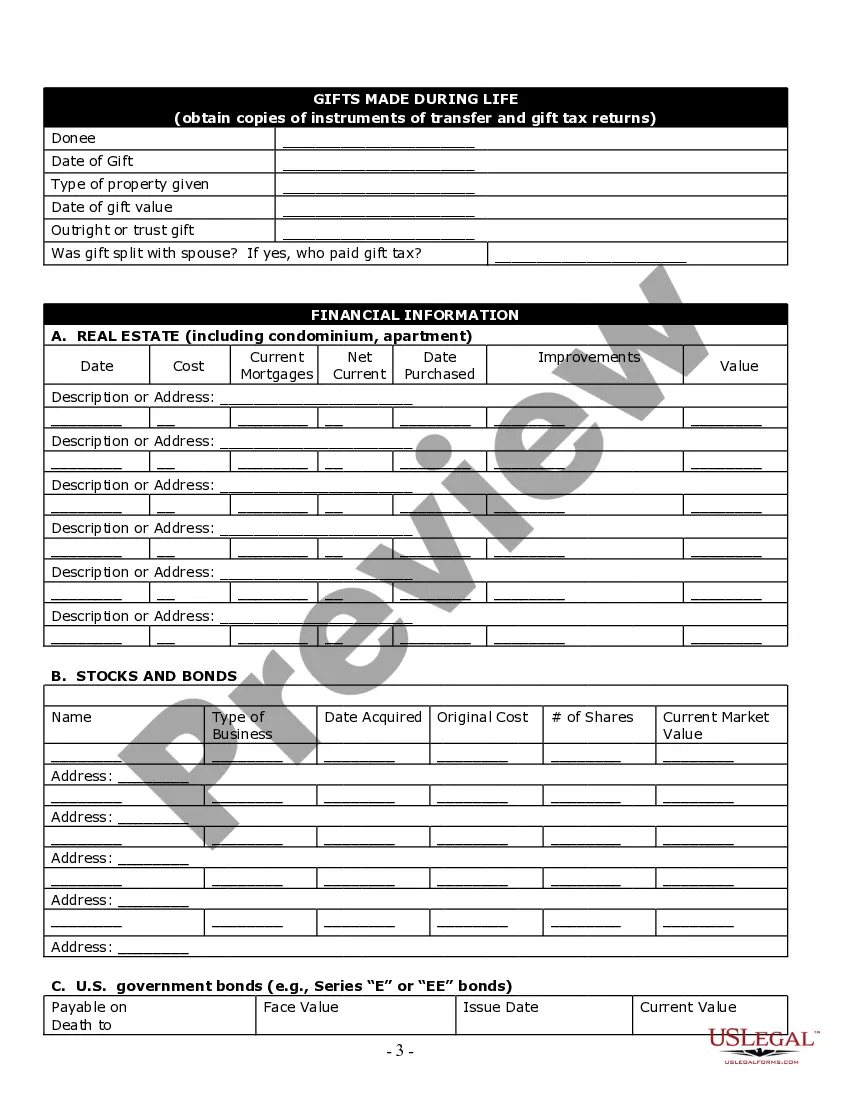
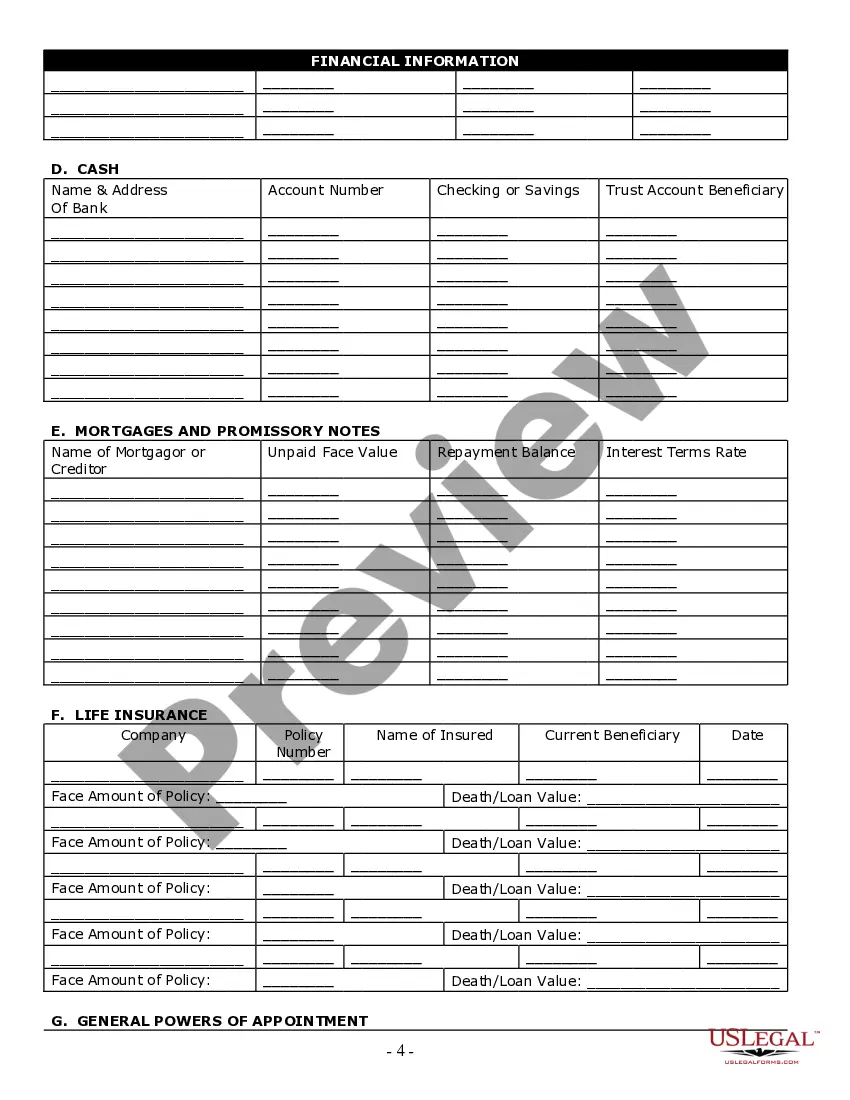

Get your form ready online
Our built-in tools help you complete, sign, share, and store your documents in one place.
Make edits, fill in missing information, and update formatting in US Legal Forms—just like you would in MS Word.
Download a copy, print it, send it by email, or mail it via USPS—whatever works best for your next step.
Sign and collect signatures with our SignNow integration. Send to multiple recipients, set reminders, and more. Go Premium to unlock E-Sign.
If this form requires notarization, complete it online through a secure video call—no need to meet a notary in person or wait for an appointment.
We protect your documents and personal data by following strict security and privacy standards.

Make edits, fill in missing information, and update formatting in US Legal Forms—just like you would in MS Word.

Download a copy, print it, send it by email, or mail it via USPS—whatever works best for your next step.

Sign and collect signatures with our SignNow integration. Send to multiple recipients, set reminders, and more. Go Premium to unlock E-Sign.

If this form requires notarization, complete it online through a secure video call—no need to meet a notary in person or wait for an appointment.

We protect your documents and personal data by following strict security and privacy standards.
Looking for another form?







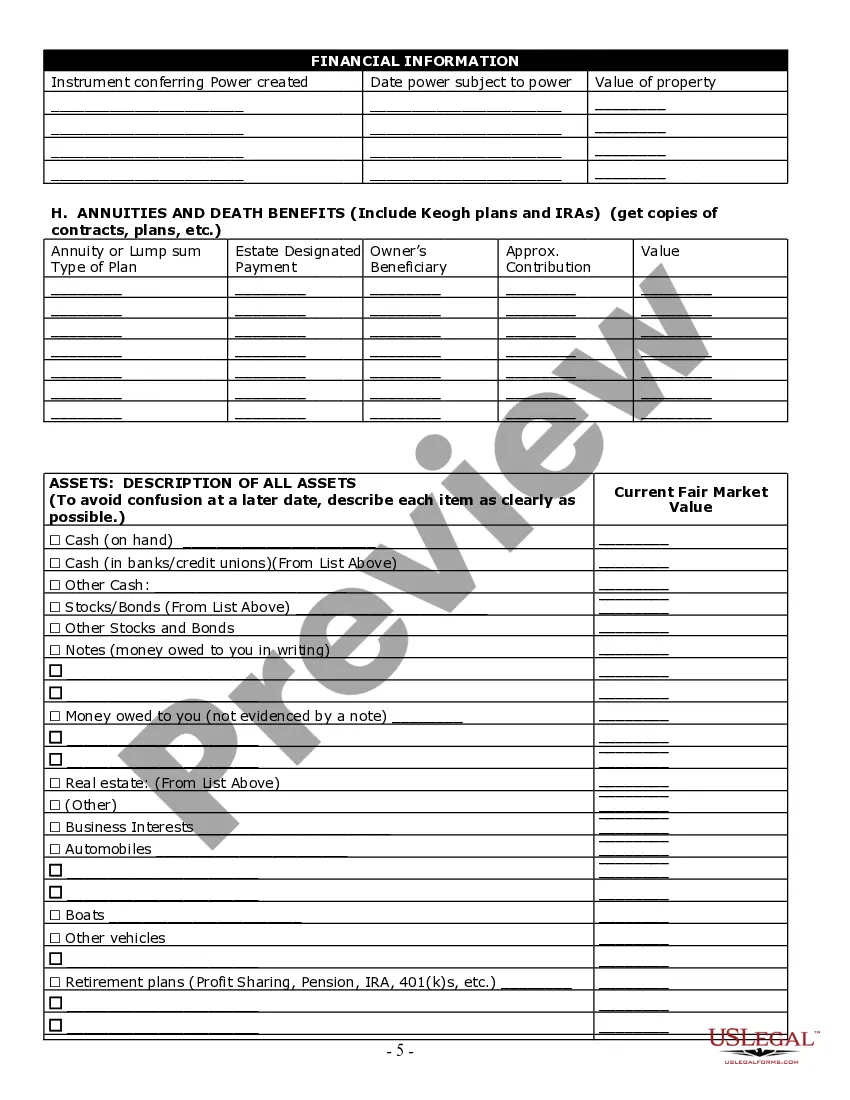
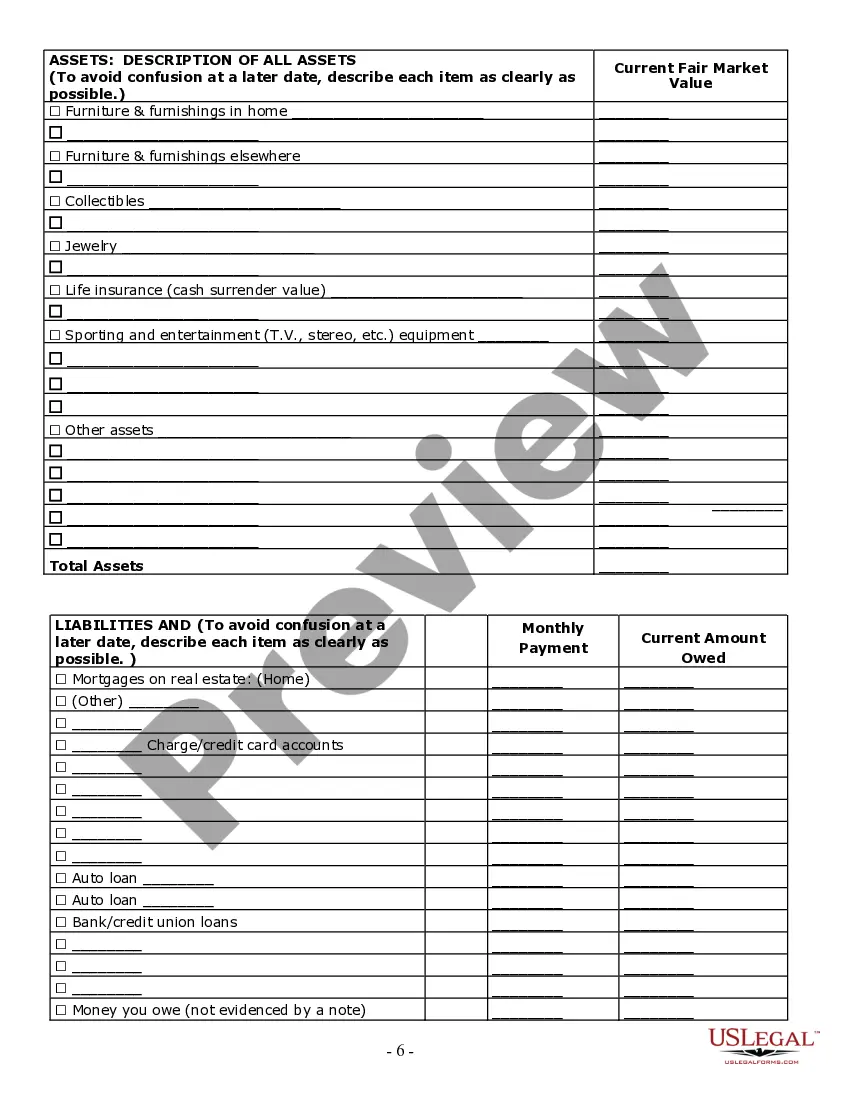
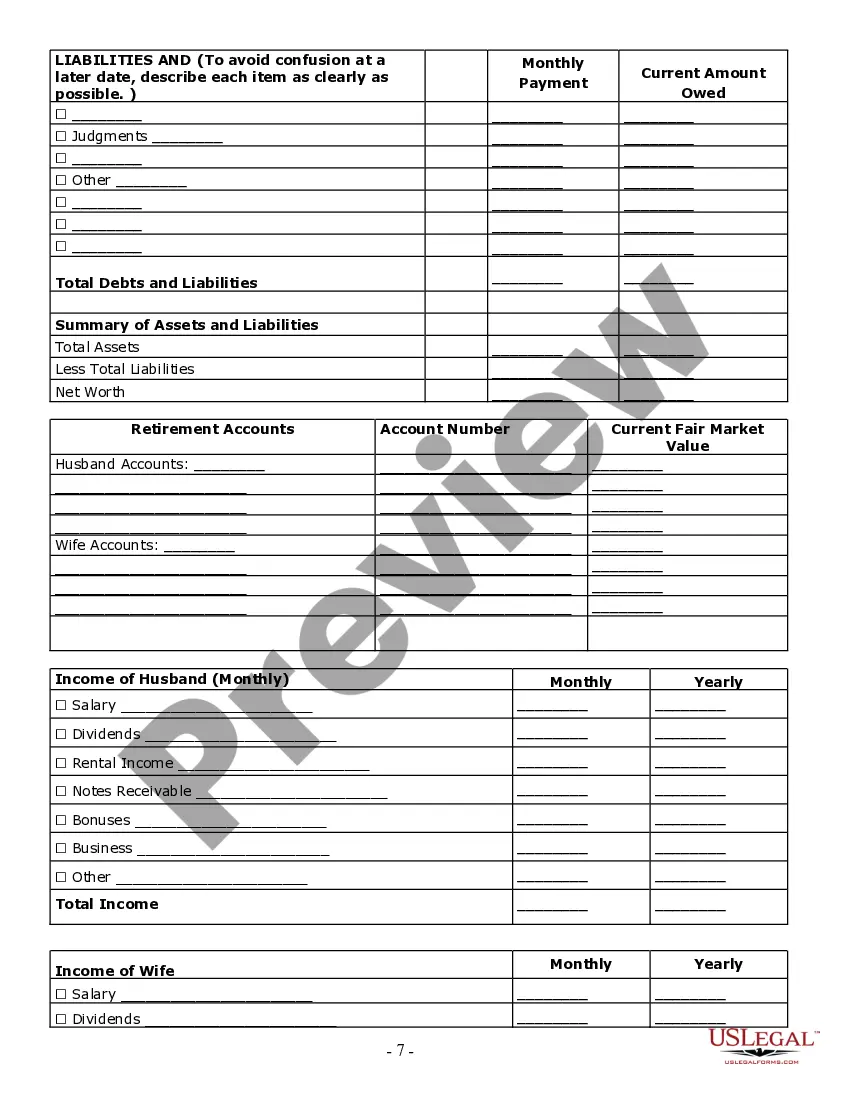
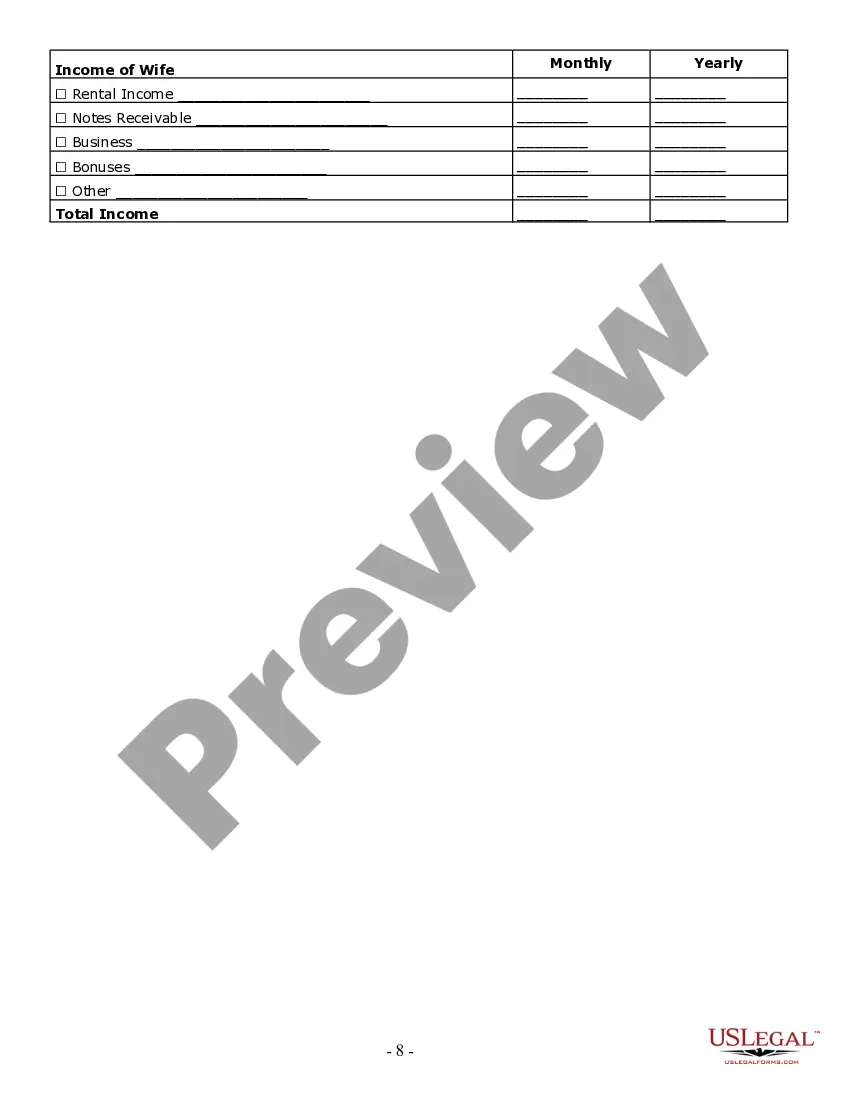
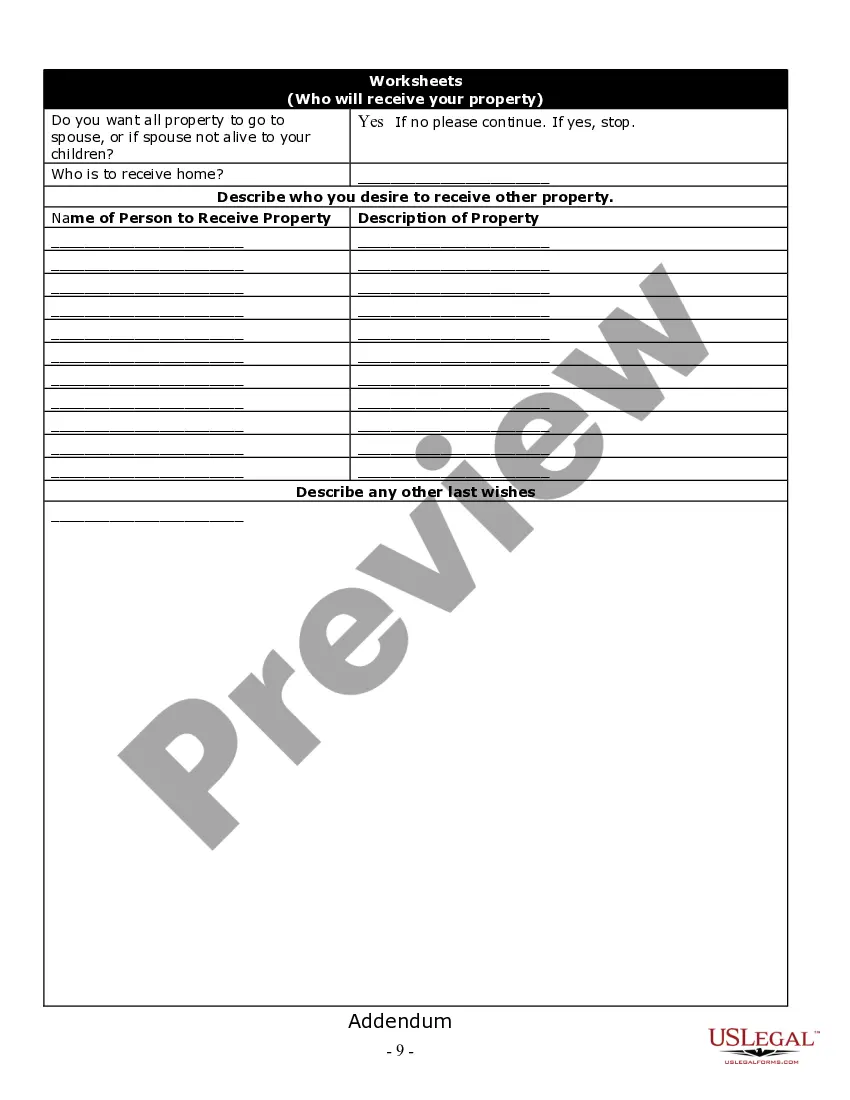
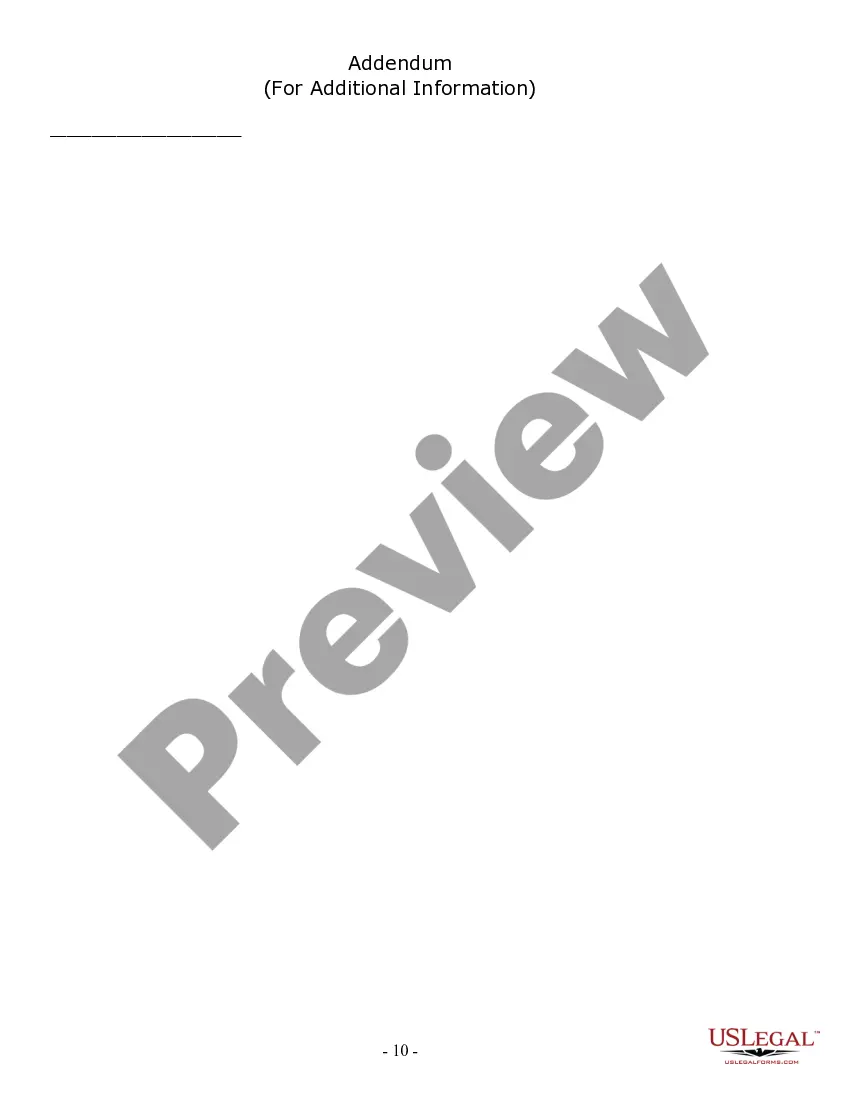
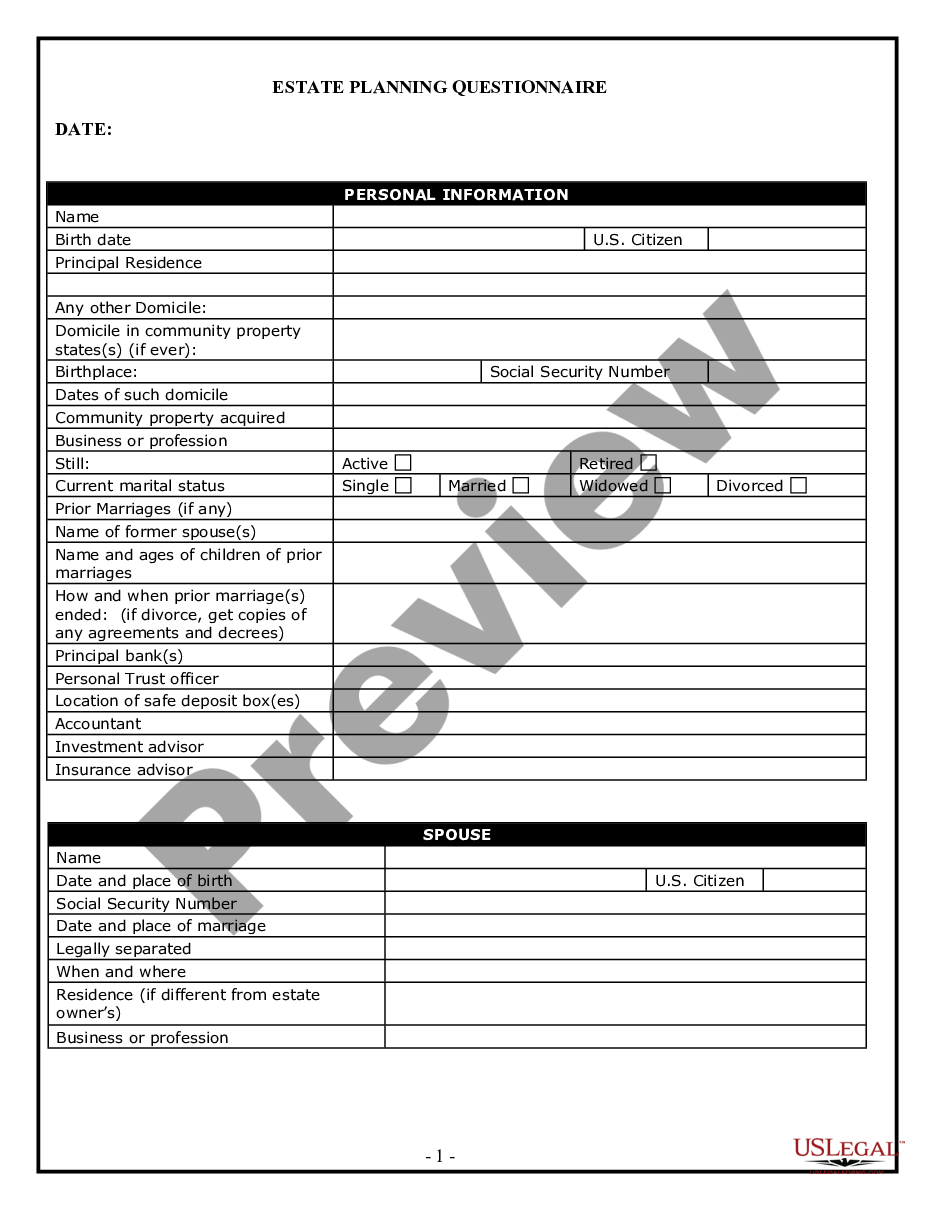
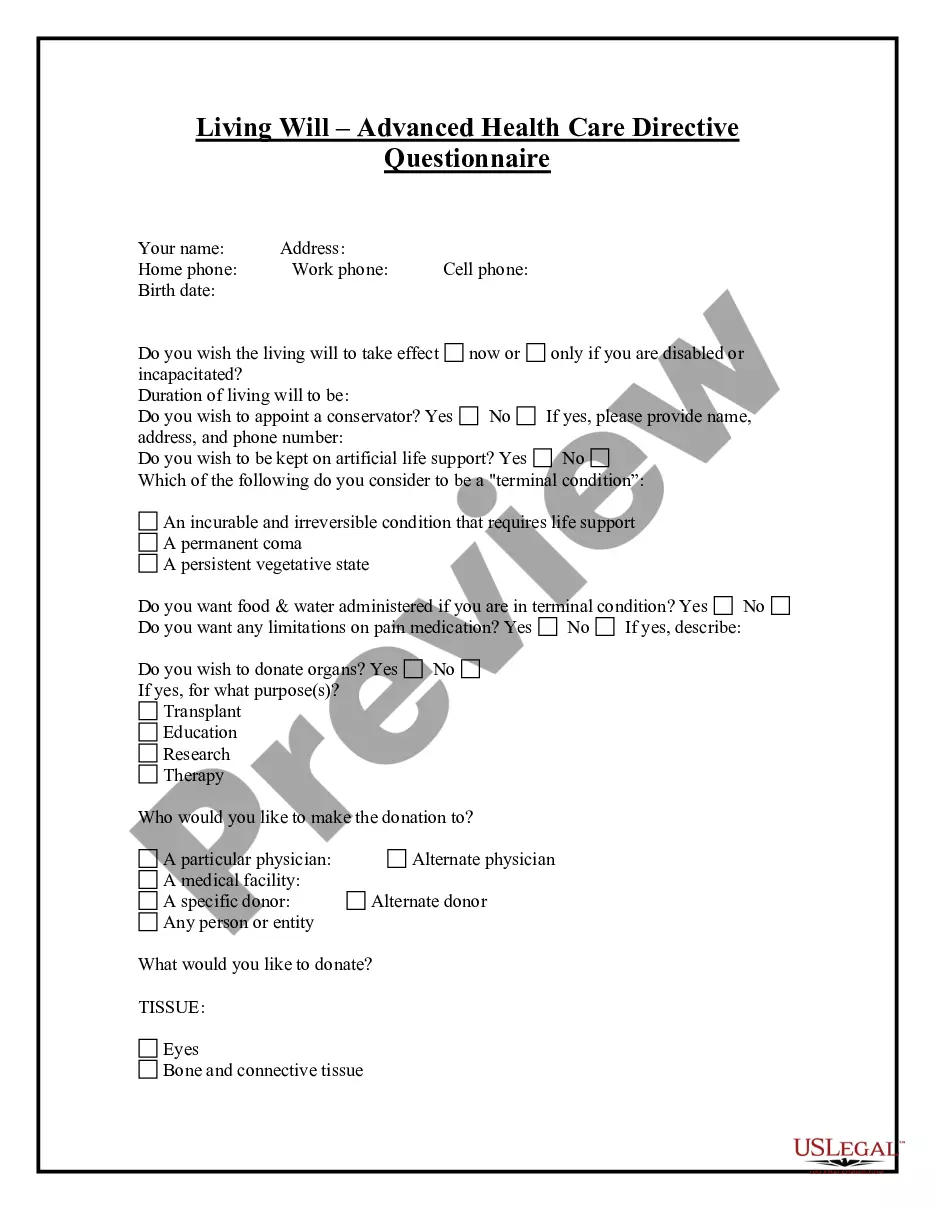
How to fill out California Estate Planning Questionnaire And Worksheets?
Creating legal documents from the ground up can frequently be somewhat daunting. Certain situations may require extensive research and substantial financial investment.
If you’re looking for a simpler and more economical method of preparing Estate Form Information With A Trust or any other documentation without the hassle, US Legal Forms is always accessible.
Our online repository of more than 85,000 current legal forms encompasses nearly every facet of your financial, legal, and personal affairs. With just a few clicks, you can swiftly obtain state- and county-compliant forms meticulously assembled for you by our legal experts.
Utilize our platform whenever you require a dependable and trustworthy service through which you can conveniently find and download the Estate Form Information With A Trust. If you’re familiar with our site and have previously created an account with us, simply Log In to your account, choose the template, and download it or re-download it later from the My documents section.
Download the file, then complete, sign, and print it. US Legal Forms has an impeccable reputation and over 25 years of experience. Join us today and make form completion an effortless and efficient process!
- Not registered yet? No worries. It takes just a few minutes to sign up and explore the catalog.
- Before diving into downloading Estate Form Information With A Trust, consider these recommendations.
- Review the form preview and descriptions to confirm that you have located the document you need.
- Ensure that the form you select adheres to the regulations and laws of your state and county.
- Choose the most appropriate subscription plan to acquire the Estate Form Information With A Trust.
Form popularity
FAQ
Typically, only the trustee and the beneficiaries named in the trust have the right to view the trust documents. This ensures privacy and protects the estate form information with a trust. If you believe you have a legitimate interest, you can request access through the trustee. However, keep in mind that laws regarding trust document access can vary by state.
To find the contents of a trust, start by reviewing any available trust documents. Often, family members or the trustee hold copies of these documents. If you cannot locate them, you may need to request the information directly from the trustee, who is responsible for managing the trust. Understanding estate form information with a trust is crucial, as it outlines the beneficiaries and assets involved.
The 2 year rule for trusts refers to the time period in which certain actions affect the tax implications of a trust. If a trust is created within two years of the grantor's death, it may be included in the taxable estate. Understanding estate form information with a trust can help you navigate these rules and optimize your estate planning strategy.
A trust does form part of the estate, as it contains assets intended for beneficiaries. While trust assets may avoid probate, they still represent a significant portion of your estate. If you need clarity on estate form information with a trust, leveraging resources like USLegalForms can help simplify the process.
Yes, a trust is included in an estate when determining the total value of assets. The trust assets do not pass through probate in the same way as other estate assets, but they still contribute to your overall estate value. To navigate estate form information with a trust effectively, it's important to recognize the role of the trust in your estate plan.
An estate typically includes all assets owned at the time of death, and this can include a trust. The trust holds assets on behalf of beneficiaries, and thus, it is an important part of the estate. For comprehensive estate form information with a trust, consider how your assets are structured and managed through the trust.
Yes, a trust can be considered an estate asset. When you create a trust, you place your assets into it, which can include real estate, bank accounts, and investments. This means that the assets held in the trust form part of your overall estate. Understanding estate form information with a trust is essential for effective estate planning.
A trust itself does not typically form part of your estate when you pass away, as its assets are already owned by the trust. This separation helps in avoiding probate and can streamline the transfer of assets to your beneficiaries. However, any income generated by the trust may have estate implications. For accurate estate form information with a trust, consult platforms that specialize in estate planning to ensure you understand the nuances.
Certain assets do not form part of an estate, including those held in a trust, life insurance policies with designated beneficiaries, and retirement accounts like IRAs or 401(k)s. These assets bypass the probate process and go directly to named beneficiaries. Understanding which assets fall outside your estate can be crucial for effective estate planning. For detailed estate form information with a trust, consider using resources that clarify these distinctions.
Trust assets are generally not considered part of your estate for probate purposes. This means that assets placed in a trust do not go through the probate process when you pass away. Instead, they pass directly to your beneficiaries according to the trust’s terms. For comprehensive estate form information with a trust, it is essential to understand how these assets are managed and distributed.